


618 Résultats
Classification:
livres
livres
Titre:
Canaux. Rivières des hommes
Canaux. Rivières des hommes
Actions:
Prix:
$30.95
(disponible sur commande)
Résumé:
C'est entre le XVIIe et le XIXe siècle que s'est constitué, en France, un important réseau de canaux de navigation. Vaste entreprise, l'art de rassembler et de conduire les eaux a connu des phases successives d'expérimentations, de théorisations et de réalisations parfois contradictoires. Les ouvrages techniques qui en découlent n'en sont pas moins des oeuvres d'art dont(...)
$30.95
(disponible sur commande)
Résumé:
C'est entre le XVIIe et le XIXe siècle que s'est constitué, en France, un important réseau de canaux de navigation. Vaste entreprise, l'art de rassembler et de conduire les eaux a connu des phases successives d'expérimentations, de théorisations et de réalisations parfois contradictoires. Les ouvrages techniques qui en découlent n'en sont pas moins des oeuvres d'art dont(...)
Titre:
Canaux. Rivières des hommes
Actions:
Prix:
$30.95
(disponible sur commande)
Résumé:
C'est entre le XVIIe et le XIXe siècle que s'est constitué, en France, un important réseau de canaux de navigation. Vaste entreprise, l'art de rassembler et de conduire les eaux a connu des phases successives d'expérimentations, de théorisations et de réalisations parfois contradictoires. Les ouvrages techniques qui en découlent n'en sont pas moins des oeuvres d'art dont l'esthétique bien spécifique est celle des ingénieurs des XVIIIe et XIX siècle. La qualité architecturale des écluses, des ponts-canaux, des barrages d'alimentation en eau, des maisons éclusières intégrées dans un paysage redessiné fait des canaux des lieux où se mêlent patrimoine bâti et patrimoine naturel.
Canaux. Rivières des hommes
Actions:
Prix:
$30.95
(disponible sur commande)
Résumé:
C'est entre le XVIIe et le XIXe siècle que s'est constitué, en France, un important réseau de canaux de navigation. Vaste entreprise, l'art de rassembler et de conduire les eaux a connu des phases successives d'expérimentations, de théorisations et de réalisations parfois contradictoires. Les ouvrages techniques qui en découlent n'en sont pas moins des oeuvres d'art dont l'esthétique bien spécifique est celle des ingénieurs des XVIIIe et XIX siècle. La qualité architecturale des écluses, des ponts-canaux, des barrages d'alimentation en eau, des maisons éclusières intégrées dans un paysage redessiné fait des canaux des lieux où se mêlent patrimoine bâti et patrimoine naturel.
Classification:
livres
livres
Publication:
mai 1995, Paris
mai 1995, Paris
Sujet:
Structures d’ingénierie
Structures d’ingénierie
Classification:
livres
livres
Actions:
Prix:
$95.00
(disponible sur commande)
Résumé:
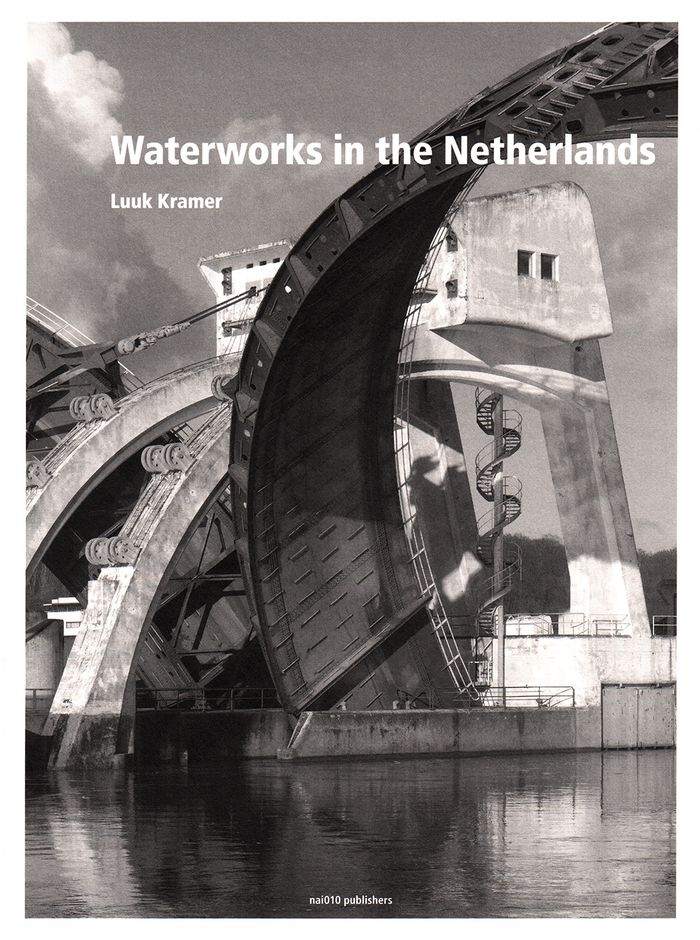
Fifty of the most important Dutch waterworks are documented through extensive photographic and textual material, as well as three essays that comprehensively discuss the technical, historical and cultural significance of the water system in the Netherlands.
$95.00
(disponible sur commande)
Résumé:
Fifty of the most important Dutch waterworks are documented through extensive photographic and textual material, as well as three essays that comprehensively discuss the technical, historical and cultural significance of the water system in the Netherlands.
Titre:
Water works in the Netherlands
Actions:
Prix:
$95.00
(disponible sur commande)
Résumé:
Fifty of the most important Dutch waterworks are documented through extensive photographic and textual material, as well as three essays that comprehensively discuss the technical, historical and cultural significance of the water system in the Netherlands.
Water works in the Netherlands
Actions:
Prix:
$95.00
(disponible sur commande)
Résumé:
Fifty of the most important Dutch waterworks are documented through extensive photographic and textual material, as well as three essays that comprehensively discuss the technical, historical and cultural significance of the water system in the Netherlands.
Classification:
livres
livres
Publication:
février 2018
février 2018
Sujet:
Structures d’ingénierie
Structures d’ingénierie
Classification:
livres
livres
Actions:
Prix:
$120.99
(disponible sur commande)
Résumé:
As we stand on the cusp of a fundamental restructuring of the housing and building industries, this book provides timely insights into the promise of prefabricated housing. The idea of a more industrialised approach to house building is not a new one: since the 19th century, designers, inventors, engineers, builders, developers, and entrepreneurs have all been fascinated(...)
$120.99
(disponible sur commande)
Résumé:
As we stand on the cusp of a fundamental restructuring of the housing and building industries, this book provides timely insights into the promise of prefabricated housing. The idea of a more industrialised approach to house building is not a new one: since the 19th century, designers, inventors, engineers, builders, developers, and entrepreneurs have all been fascinated(...)
Titre:
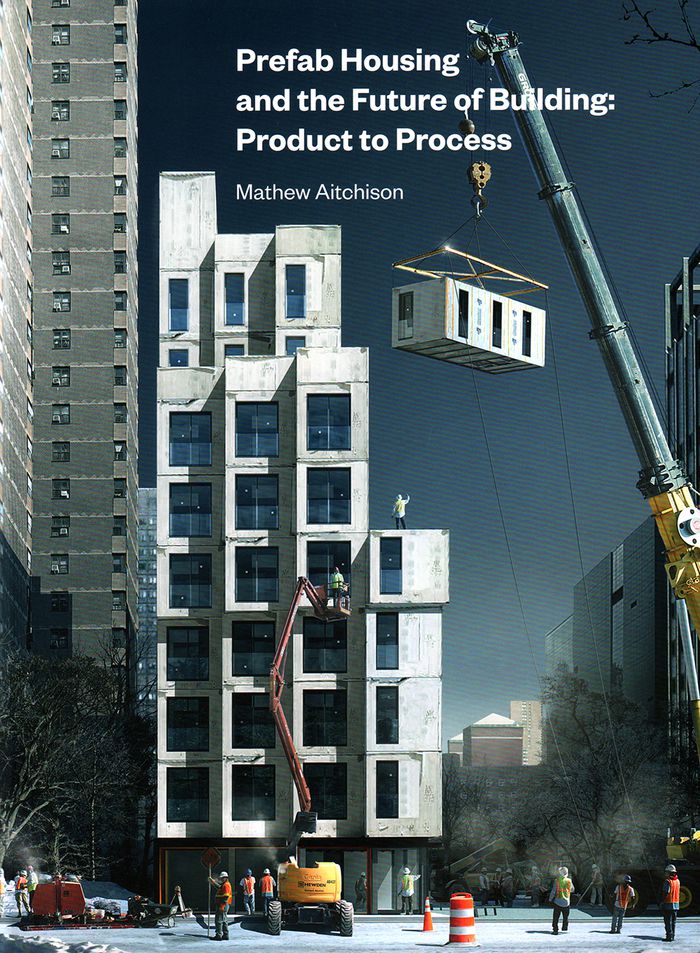
Prefab housing and the future of building
Actions:
Prix:
$120.99
(disponible sur commande)
Résumé:
As we stand on the cusp of a fundamental restructuring of the housing and building industries, this book provides timely insights into the promise of prefabricated housing. The idea of a more industrialised approach to house building is not a new one: since the 19th century, designers, inventors, engineers, builders, developers, and entrepreneurs have all been fascinated by the idea of the factory-built, modular home. But international housing affordability crises, emerging technologies, and concerns for more sustainable building practices have given a new urgency to the need to transform building construction in the 21st century.
Prefab housing and the future of building
Actions:
Prix:
$120.99
(disponible sur commande)
Résumé:
As we stand on the cusp of a fundamental restructuring of the housing and building industries, this book provides timely insights into the promise of prefabricated housing. The idea of a more industrialised approach to house building is not a new one: since the 19th century, designers, inventors, engineers, builders, developers, and entrepreneurs have all been fascinated by the idea of the factory-built, modular home. But international housing affordability crises, emerging technologies, and concerns for more sustainable building practices have given a new urgency to the need to transform building construction in the 21st century.
Classification:
livres
livres
Publication:
janvier 2018
janvier 2018
Sujet:
Structures d’ingénierie
Structures d’ingénierie
Classification:
livres
livres
Titre:
Phares du monde
Phares du monde
Actions:
Prix:
$52.95
(disponible sur commande)
Résumé:
Cet ouvrage présente des plans d'architecte, des dessins d'époque et des schémas d'élévation, des photographies soulignant l'innovation et la technologie qui se cachent derrière 50 phares historiques construits dans le monde entier entre le XVIIIe et le XXe siècle.
$52.95
(disponible sur commande)
Résumé:
Cet ouvrage présente des plans d'architecte, des dessins d'époque et des schémas d'élévation, des photographies soulignant l'innovation et la technologie qui se cachent derrière 50 phares historiques construits dans le monde entier entre le XVIIIe et le XXe siècle.
Titre:
Phares du monde
Actions:
Prix:
$52.95
(disponible sur commande)
Résumé:
Cet ouvrage présente des plans d'architecte, des dessins d'époque et des schémas d'élévation, des photographies soulignant l'innovation et la technologie qui se cachent derrière 50 phares historiques construits dans le monde entier entre le XVIIIe et le XXe siècle.
Phares du monde
Actions:
Prix:
$52.95
(disponible sur commande)
Résumé:
Cet ouvrage présente des plans d'architecte, des dessins d'époque et des schémas d'élévation, des photographies soulignant l'innovation et la technologie qui se cachent derrière 50 phares historiques construits dans le monde entier entre le XVIIIe et le XXe siècle.
Classification:
livres
livres
Publication:
septembre 2018
septembre 2018
Sujet:
Structures d’ingénierie
Structures d’ingénierie
Classification:
livres
livres
Prix:
$62.00
(disponible en magasin)
Résumé:
The ten essays gathered in this volume offer insight into the collaborations between architects and structural engineers that engendered many of the most important buildings erected in Japan after 1945, with special focus on the work of Tange Kenzo, Kawaguchi Mamoru, Kimura Toshihiko, Matsui Gengo, Saitoh Masao, Sasaki Mutsuro and Tsuboi Yoshikatsu. At once scholarly and(...)
$62.00
(disponible en magasin)
Résumé:
The ten essays gathered in this volume offer insight into the collaborations between architects and structural engineers that engendered many of the most important buildings erected in Japan after 1945, with special focus on the work of Tange Kenzo, Kawaguchi Mamoru, Kimura Toshihiko, Matsui Gengo, Saitoh Masao, Sasaki Mutsuro and Tsuboi Yoshikatsu. At once scholarly and(...)
Titre:
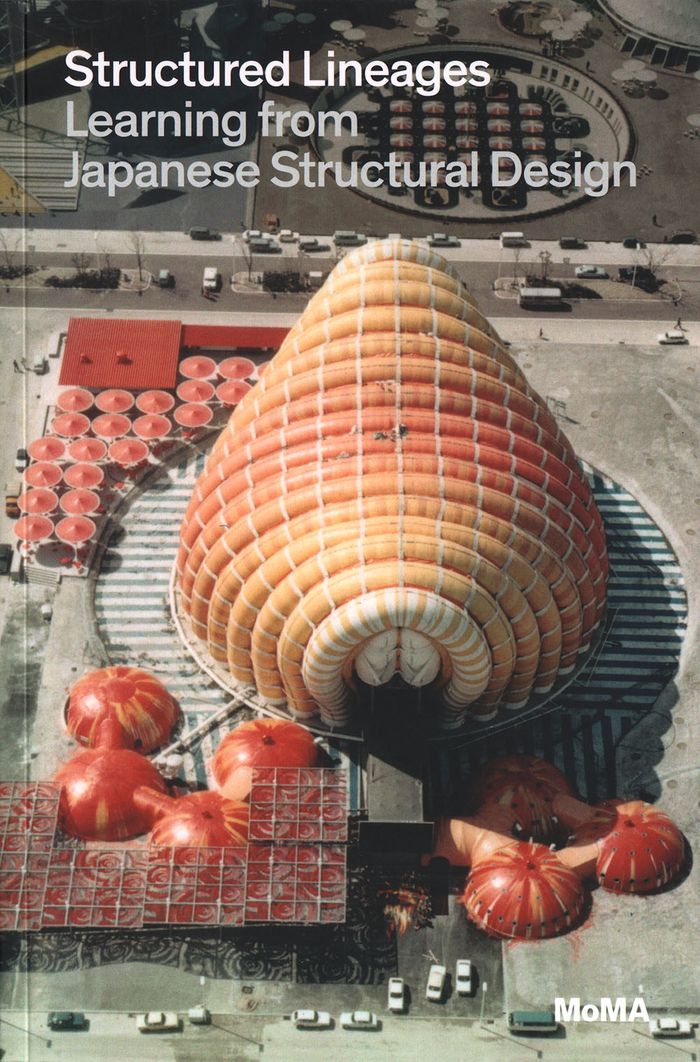
Structured lineages: learning from Japanese structural design
Actions:
Prix:
$62.00
(disponible en magasin)
Résumé:
The ten essays gathered in this volume offer insight into the collaborations between architects and structural engineers that engendered many of the most important buildings erected in Japan after 1945, with special focus on the work of Tange Kenzo, Kawaguchi Mamoru, Kimura Toshihiko, Matsui Gengo, Saitoh Masao, Sasaki Mutsuro and Tsuboi Yoshikatsu. At once scholarly and accessible, these conversations and essays illustrate how intimately the innovations of this collaborative tradition passed from one generation to the next.
Structured lineages: learning from Japanese structural design
Actions:
Prix:
$62.00
(disponible en magasin)
Résumé:
The ten essays gathered in this volume offer insight into the collaborations between architects and structural engineers that engendered many of the most important buildings erected in Japan after 1945, with special focus on the work of Tange Kenzo, Kawaguchi Mamoru, Kimura Toshihiko, Matsui Gengo, Saitoh Masao, Sasaki Mutsuro and Tsuboi Yoshikatsu. At once scholarly and accessible, these conversations and essays illustrate how intimately the innovations of this collaborative tradition passed from one generation to the next.
Classification:
livres
livres
Publication:
septembre 2019
septembre 2019
Sujet:
Structures d’ingénierie
Structures d’ingénierie
Classification:
livres
livres
Actions:
Prix:
$19.95
(disponible sur commande)
Résumé:
«Je n'ai pas trouvé de meilleure façon de vous présenter mes réflexions sur la construction qu'à travers mes propres projets. Comme un auteur qui écrirait son premier livre, il m'a été difficile de ne pas succomber en partie à l'autobiographie...» Santiago Calatrava, architecte et ingénieur, recherche sans se cacher l'unité entre l'art et la science. Son exploration des(...)
$19.95
(disponible sur commande)
Résumé:
«Je n'ai pas trouvé de meilleure façon de vous présenter mes réflexions sur la construction qu'à travers mes propres projets. Comme un auteur qui écrirait son premier livre, il m'a été difficile de ne pas succomber en partie à l'autobiographie...» Santiago Calatrava, architecte et ingénieur, recherche sans se cacher l'unité entre l'art et la science. Son exploration des(...)
Titre:
Force, mouvement, forme : entretiens
Actions:
Prix:
$19.95
(disponible sur commande)
Résumé:
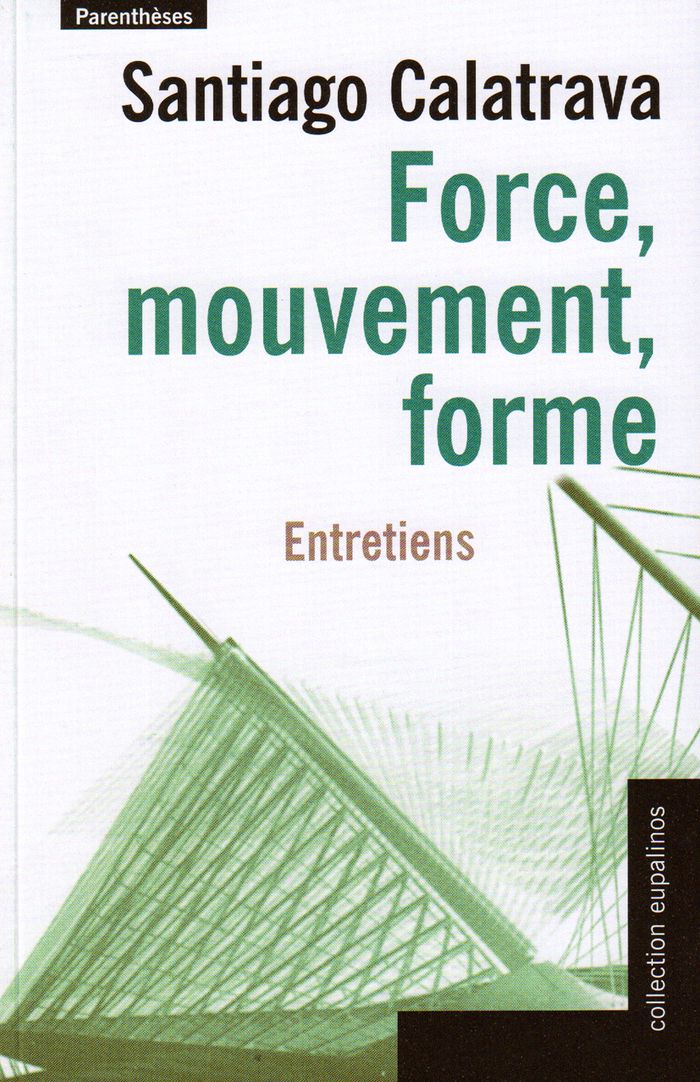
«Je n'ai pas trouvé de meilleure façon de vous présenter mes réflexions sur la construction qu'à travers mes propres projets. Comme un auteur qui écrirait son premier livre, il m'a été difficile de ne pas succomber en partie à l'autobiographie...» Santiago Calatrava, architecte et ingénieur, recherche sans se cacher l'unité entre l'art et la science. Son exploration des formes naturelles (en particulier du corps humain), son ouverture à l'approche métaphorique et le brio de ses représentations facilitent son exploration créative de la forme, de l'espace, de la lumière et même de la cinétique. Sa maîtrise des principes de l'ingénierie non seulement lui permet de réaliser ces projets, mais elle se voit défiée et sans cesse poussée en avant par le dialogue entre invention formelle et principes scientifiques.
Force, mouvement, forme : entretiens
Actions:
Prix:
$19.95
(disponible sur commande)
Résumé:
«Je n'ai pas trouvé de meilleure façon de vous présenter mes réflexions sur la construction qu'à travers mes propres projets. Comme un auteur qui écrirait son premier livre, il m'a été difficile de ne pas succomber en partie à l'autobiographie...» Santiago Calatrava, architecte et ingénieur, recherche sans se cacher l'unité entre l'art et la science. Son exploration des formes naturelles (en particulier du corps humain), son ouverture à l'approche métaphorique et le brio de ses représentations facilitent son exploration créative de la forme, de l'espace, de la lumière et même de la cinétique. Sa maîtrise des principes de l'ingénierie non seulement lui permet de réaliser ces projets, mais elle se voit défiée et sans cesse poussée en avant par le dialogue entre invention formelle et principes scientifiques.
Classification:
livres
livres
Publication:
juillet 2016
juillet 2016
Sujet:
Structures d’ingénierie
Structures d’ingénierie
Classification:
livres
livres
Actions:
Prix:
$39.95
(disponible sur commande)
Résumé:
From Leonardo da Vinci’s fantastic visions, to Richard Branson’s plans to offer commercial space travel by 2010, visionaries and entrepreneurs have long dreamed of how we will travel in the future. "Future tech: innovations in transportation" is a prescient look at how we will be moving forward over the coming decades. Whilst we are not yet travelling to work using(...)
$39.95
(disponible sur commande)
Résumé:
From Leonardo da Vinci’s fantastic visions, to Richard Branson’s plans to offer commercial space travel by 2010, visionaries and entrepreneurs have long dreamed of how we will travel in the future. "Future tech: innovations in transportation" is a prescient look at how we will be moving forward over the coming decades. Whilst we are not yet travelling to work using(...)
Titre:
Future tech : innovations in transportations
Actions:
Prix:
$39.95
(disponible sur commande)
Résumé:
From Leonardo da Vinci’s fantastic visions, to Richard Branson’s plans to offer commercial space travel by 2010, visionaries and entrepreneurs have long dreamed of how we will travel in the future. "Future tech: innovations in transportation" is a prescient look at how we will be moving forward over the coming decades. Whilst we are not yet travelling to work using jet-powered backpacks, the issue of transport in the future is becoming increasingly important. As roads have become more congested and the environment more fragile, the means of transport at our disposal seem less and less adequate. "Future tech" explores what designers and engineers around the globe are developing for the world of tomorrow. "Future tech" features prototypes already in the first stages of manufacture alongside more conceptual, speculative designs, as well as a history of mechanised transport and invention through the ages. There are chapters on public transport, road, air and water travel as well as personal mobility .
Future tech : innovations in transportations
Actions:
Prix:
$39.95
(disponible sur commande)
Résumé:
From Leonardo da Vinci’s fantastic visions, to Richard Branson’s plans to offer commercial space travel by 2010, visionaries and entrepreneurs have long dreamed of how we will travel in the future. "Future tech: innovations in transportation" is a prescient look at how we will be moving forward over the coming decades. Whilst we are not yet travelling to work using jet-powered backpacks, the issue of transport in the future is becoming increasingly important. As roads have become more congested and the environment more fragile, the means of transport at our disposal seem less and less adequate. "Future tech" explores what designers and engineers around the globe are developing for the world of tomorrow. "Future tech" features prototypes already in the first stages of manufacture alongside more conceptual, speculative designs, as well as a history of mechanised transport and invention through the ages. There are chapters on public transport, road, air and water travel as well as personal mobility .
Classification:
livres
livres
Publication:
juillet 2006, London
juillet 2006, London
Sujet:
Structures d’ingénierie
Structures d’ingénierie
Classification:
livres
livres
Prix:
$37.50
(disponible sur commande)
Résumé:
Drivers in the nation's capital face a host of hazards: high-speed traffic circles, presidential motorcades, jaywalking tourists, and bewildering signs that send unsuspecting motorists from the Lincoln Memorial into suburban Virginia in less than two minutes. And parking? Don't bet on it unless you're in the fast lane of the Capital Beltway during rush hour. Little(...)
$37.50
(disponible sur commande)
Résumé:
Drivers in the nation's capital face a host of hazards: high-speed traffic circles, presidential motorcades, jaywalking tourists, and bewildering signs that send unsuspecting motorists from the Lincoln Memorial into suburban Virginia in less than two minutes. And parking? Don't bet on it unless you're in the fast lane of the Capital Beltway during rush hour. Little(...)
Titre:
The Great Society subway : a history of the Washington Metro
Actions:
Prix:
$37.50
(disponible sur commande)
Résumé:
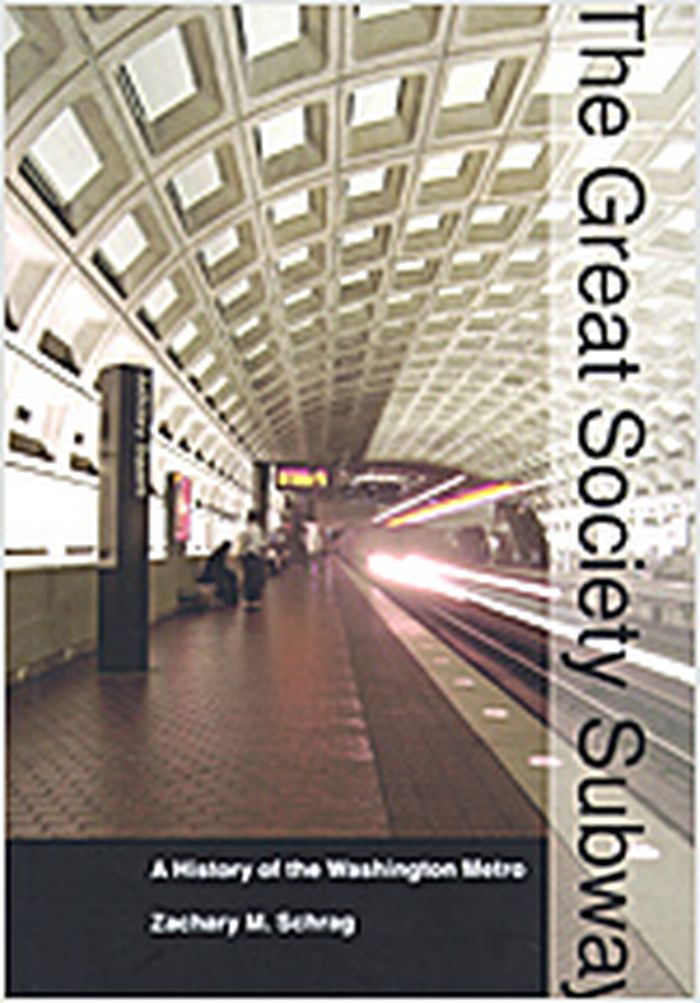
Drivers in the nation's capital face a host of hazards: high-speed traffic circles, presidential motorcades, jaywalking tourists, and bewildering signs that send unsuspecting motorists from the Lincoln Memorial into suburban Virginia in less than two minutes. And parking? Don't bet on it unless you're in the fast lane of the Capital Beltway during rush hour. Little wonder, then, that so many residents and visitors rely on the Washington Metro, the 106-mile rapid transit system that serves the District of Columbia and its inner suburbs. In the first comprehensive history of the Metro, Zachary M. Schrag tells the story of the Great Society subway from its earliest rumblings to the present day, from Arlington to College Park, Eisenhower to Marion Barry. Unlike the pre–World War II rail systems of New York, Chicago, and Philadelphia, the Metro was built at a time when most American families already owned cars, and when most American cities had dedicated themselves to freeways, not subways. Why did the nation's capital take a different path? What were the consequences of that decision? Using extensive archival research as well as oral history, Schrag argues that the Metro can be understood only in the political context from which it was born: the Great Society liberalism of the Kennedy, Johnson, and Nixon administrations. The Metro emerged from a period when Americans believed in public investments suited to the grandeur and dignity of the world's richest nation. The Metro was built not merely to move commuters, but in the words of Lyndon Johnson, to create "a place where the city of man serves not only the needs of the body and the demands of commerce but the desire for beauty and the hunger for community." Schrag scrutinizes the project from its earliest days, including general planning, routes, station architecture, funding decisions, land-use impacts, and the behavior of Metro riders. The story of the Great society subway sheds light on the development of metropolitan Washington, postwar urban policy, and the promises and limits of rail transit in American cities.
The Great Society subway : a history of the Washington Metro
Actions:
Prix:
$37.50
(disponible sur commande)
Résumé:
Drivers in the nation's capital face a host of hazards: high-speed traffic circles, presidential motorcades, jaywalking tourists, and bewildering signs that send unsuspecting motorists from the Lincoln Memorial into suburban Virginia in less than two minutes. And parking? Don't bet on it unless you're in the fast lane of the Capital Beltway during rush hour. Little wonder, then, that so many residents and visitors rely on the Washington Metro, the 106-mile rapid transit system that serves the District of Columbia and its inner suburbs. In the first comprehensive history of the Metro, Zachary M. Schrag tells the story of the Great Society subway from its earliest rumblings to the present day, from Arlington to College Park, Eisenhower to Marion Barry. Unlike the pre–World War II rail systems of New York, Chicago, and Philadelphia, the Metro was built at a time when most American families already owned cars, and when most American cities had dedicated themselves to freeways, not subways. Why did the nation's capital take a different path? What were the consequences of that decision? Using extensive archival research as well as oral history, Schrag argues that the Metro can be understood only in the political context from which it was born: the Great Society liberalism of the Kennedy, Johnson, and Nixon administrations. The Metro emerged from a period when Americans believed in public investments suited to the grandeur and dignity of the world's richest nation. The Metro was built not merely to move commuters, but in the words of Lyndon Johnson, to create "a place where the city of man serves not only the needs of the body and the demands of commerce but the desire for beauty and the hunger for community." Schrag scrutinizes the project from its earliest days, including general planning, routes, station architecture, funding decisions, land-use impacts, and the behavior of Metro riders. The story of the Great society subway sheds light on the development of metropolitan Washington, postwar urban policy, and the promises and limits of rail transit in American cities.
Classification:
livres
livres
Publication:
février 2006, Baltimore
février 2006, Baltimore
Sujet:
Structures d’ingénierie
Structures d’ingénierie
Classification:
livres
livres
Actions:
Prix:
$31.50
(disponible sur commande)
Résumé:
The Box tells the dramatic story of the container's creation, the decade of struggle before it was widely adopted, and the sweeping economic consequences of the sharp fall in transportation costs that containerization brought about. Published on the fiftieth anniversary of the first container voyage, this is the first comprehensive history of the shipping container(...)
$31.50
(disponible sur commande)
Résumé:
The Box tells the dramatic story of the container's creation, the decade of struggle before it was widely adopted, and the sweeping economic consequences of the sharp fall in transportation costs that containerization brought about. Published on the fiftieth anniversary of the first container voyage, this is the first comprehensive history of the shipping container(...)
Titre:
The box : how the shipping container made the world smaller and the world economy bigger
Actions:
Prix:
$31.50
(disponible sur commande)
Résumé:
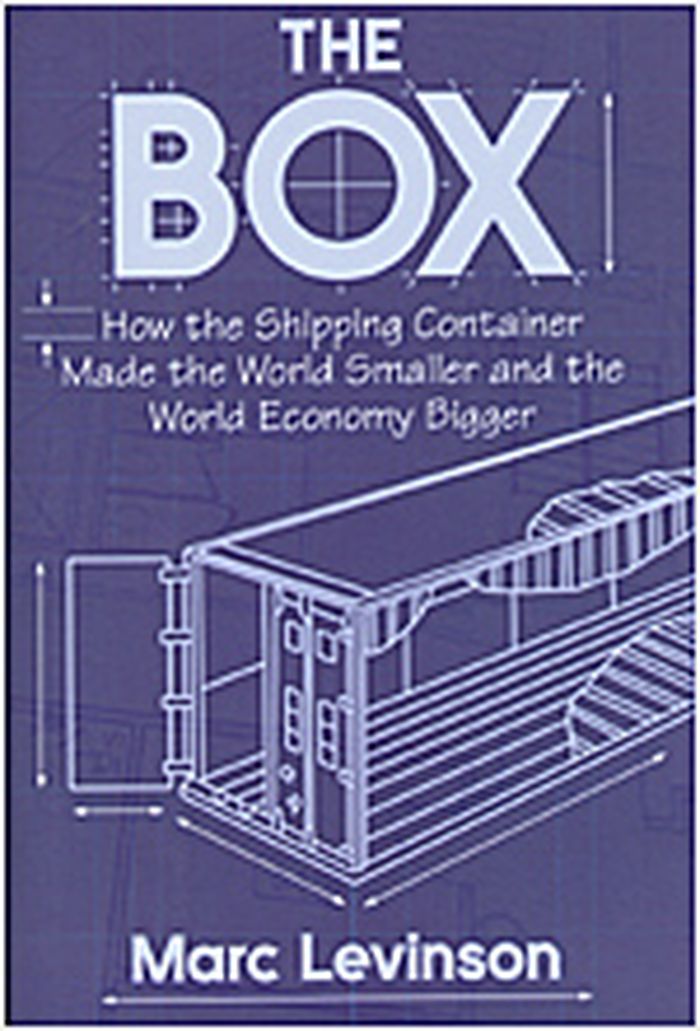
The Box tells the dramatic story of the container's creation, the decade of struggle before it was widely adopted, and the sweeping economic consequences of the sharp fall in transportation costs that containerization brought about. Published on the fiftieth anniversary of the first container voyage, this is the first comprehensive history of the shipping container ever written. It recounts how the drive and imagination of an iconoclastic entrepreneur, Malcom McLean, turned containerization from an impractical idea into a massive industry that slashed the cost of transporting goods around the world.
The box : how the shipping container made the world smaller and the world economy bigger
Actions:
Prix:
$31.50
(disponible sur commande)
Résumé:
The Box tells the dramatic story of the container's creation, the decade of struggle before it was widely adopted, and the sweeping economic consequences of the sharp fall in transportation costs that containerization brought about. Published on the fiftieth anniversary of the first container voyage, this is the first comprehensive history of the shipping container ever written. It recounts how the drive and imagination of an iconoclastic entrepreneur, Malcom McLean, turned containerization from an impractical idea into a massive industry that slashed the cost of transporting goods around the world.
Classification:
livres
livres
Publication:
avril 2006, Princeton
avril 2006, Princeton
Sujet:
Structures d’ingénierie
Structures d’ingénierie
Classification:
livres
livres
Actions:
Prix:
$36.00
(disponible sur commande)
Résumé:
Like the onetime industrial facilities that have become Dia : Beacon, Mass MoCA and the Tate Modern, among other factory conversions, Berlin's Rummelsberg electric plant is characterized by wide expanses of brick, glass and, most importantly, space. Today, the huge power station with its extraordinary, light-filled hall can be rented for events and film production, but(...)
$36.00
(disponible sur commande)
Résumé:
Like the onetime industrial facilities that have become Dia : Beacon, Mass MoCA and the Tate Modern, among other factory conversions, Berlin's Rummelsberg electric plant is characterized by wide expanses of brick, glass and, most importantly, space. Today, the huge power station with its extraordinary, light-filled hall can be rented for events and film production, but(...)
Titre:
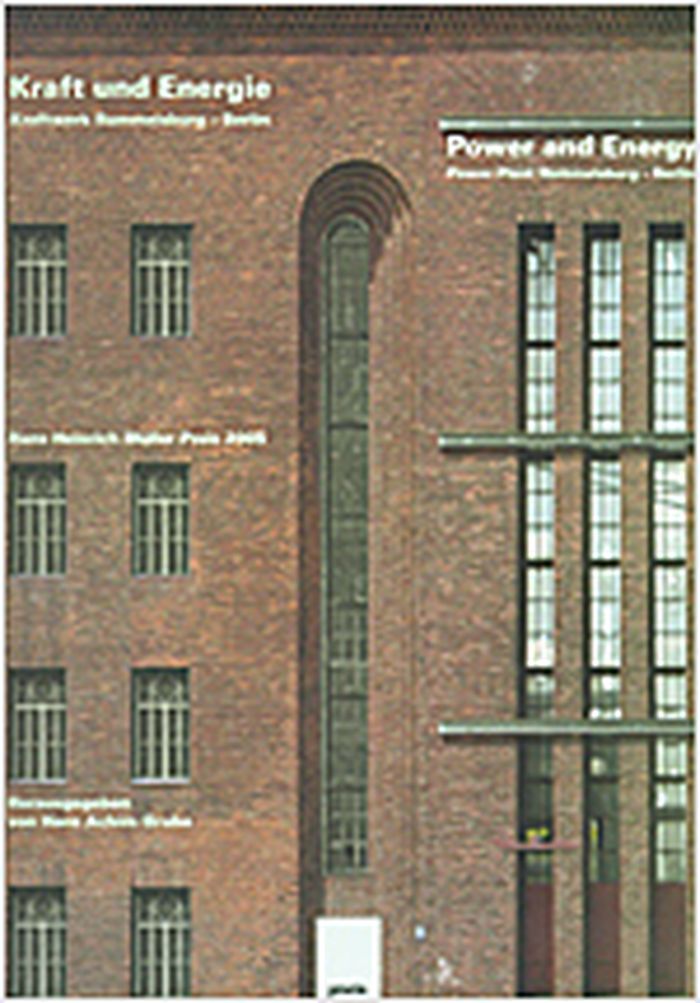
Power and energy : Power Plant Rummelsburg - Berlin
Actions:
Prix:
$36.00
(disponible sur commande)
Résumé:
Like the onetime industrial facilities that have become Dia : Beacon, Mass MoCA and the Tate Modern, among other factory conversions, Berlin's Rummelsberg electric plant is characterized by wide expanses of brick, glass and, most importantly, space. Today, the huge power station with its extraordinary, light-filled hall can be rented for events and film production, but its future is not secure. Power and Energies reutilization plans, which were conceived for a contest sponsored by Vattenfall Europe AG, come from architects, planners and conservationists alike, and are full of creative architectural solutions and innovative ideas. This volume combines essays on the history of the building with the entire range of plans submitted, including detailed documentation of prizewinning designs. Its models and ideas will entrance anyone considering the conversion of large historical buildings or examining the phenomenon.
Power and energy : Power Plant Rummelsburg - Berlin
Actions:
Prix:
$36.00
(disponible sur commande)
Résumé:
Like the onetime industrial facilities that have become Dia : Beacon, Mass MoCA and the Tate Modern, among other factory conversions, Berlin's Rummelsberg electric plant is characterized by wide expanses of brick, glass and, most importantly, space. Today, the huge power station with its extraordinary, light-filled hall can be rented for events and film production, but its future is not secure. Power and Energies reutilization plans, which were conceived for a contest sponsored by Vattenfall Europe AG, come from architects, planners and conservationists alike, and are full of creative architectural solutions and innovative ideas. This volume combines essays on the history of the building with the entire range of plans submitted, including detailed documentation of prizewinning designs. Its models and ideas will entrance anyone considering the conversion of large historical buildings or examining the phenomenon.
Classification:
livres
livres
Publication:
avril 2006, Berlin
avril 2006, Berlin
Sujet:
Structures d’ingénierie
Structures d’ingénierie


