


479 Résultats
Classification:
livres
livres
Titre:
Design now!
Design now!
Actions:
Prix:
$24.95
(disponible sur commande)
Résumé:
Designs for life: From eco-design to design-art Not only an in-depth exploration of contemporary design practice, this book is also a rallying call for a more sustainable approach to product design of every type, from lighting and furniture design to consumer electronic equipment, transportation, product architecture, and environmental design. Visually stunning and highly(...)
$24.95
(disponible sur commande)
Résumé:
Designs for life: From eco-design to design-art Not only an in-depth exploration of contemporary design practice, this book is also a rallying call for a more sustainable approach to product design of every type, from lighting and furniture design to consumer electronic equipment, transportation, product architecture, and environmental design. Visually stunning and highly(...)
Sujet:
Design d’intérieur
Design d’intérieur
Publication:
janvier 2008, Köln, London, Paris, Madrid, Tokyo, Los Angeles
janvier 2008, Köln, London, Paris, Madrid, Tokyo, Los Angeles
Titre:
Design now!
Actions:
Prix:
$24.95
(disponible sur commande)
Résumé:
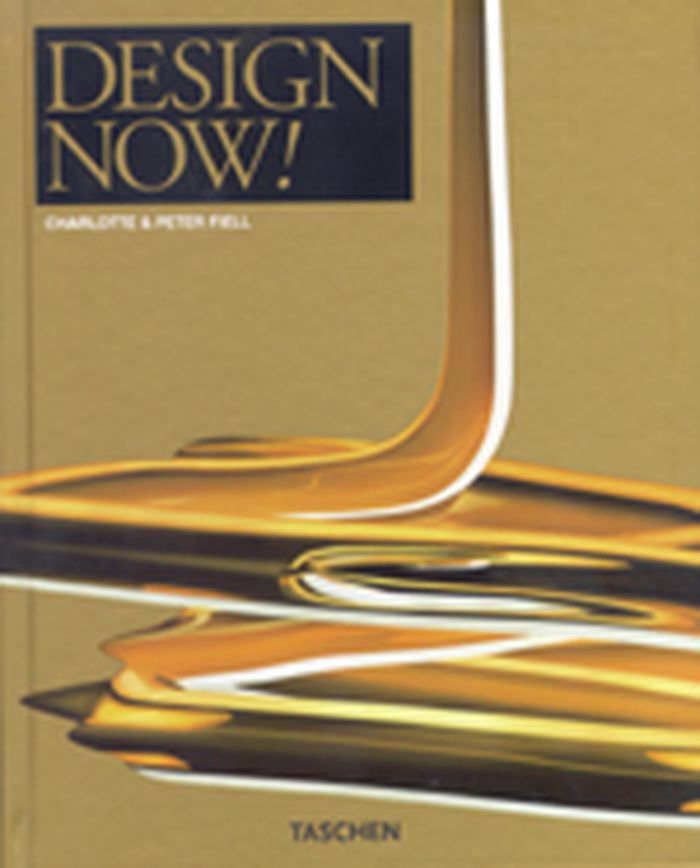
Designs for life: From eco-design to design-art Not only an in-depth exploration of contemporary design practice, this book is also a rallying call for a more sustainable approach to product design of every type, from lighting and furniture design to consumer electronic equipment, transportation, product architecture, and environmental design. Visually stunning and highly informative, Design Now! illustrates the latest work by 90 of the world's leading designers and design-led manufacturing companies, while also featuring in-their-own-words statements that give a unique insight into the nature of 3-dimensional design today. Additionally, the editors? introductory essay authoritatively outlines the main issues facing designers, manufacturers and consumers, and offers a perceptive vision for a better way forward that focuses on the need to reduce, reuse, and recycle. Design Now! is essential for anyone interested in design and the road towards a greener future. Examples of selected designers and design-led companies featured: Ronan & Erwan Bouroullec, Ecotricity, Naoto Fukasawa, Zaha Hadid, Intelligent Energy, Jonathan Ive & Apple Design, LOT-EK, Ross Lovegrove, Marine Current Turbines, Jasper Morrison, Marc Newson, POC, Philips Design, Seymourpowell, Tokujin Yoshioka
Design now!
Actions:
Prix:
$24.95
(disponible sur commande)
Résumé:
Designs for life: From eco-design to design-art Not only an in-depth exploration of contemporary design practice, this book is also a rallying call for a more sustainable approach to product design of every type, from lighting and furniture design to consumer electronic equipment, transportation, product architecture, and environmental design. Visually stunning and highly informative, Design Now! illustrates the latest work by 90 of the world's leading designers and design-led manufacturing companies, while also featuring in-their-own-words statements that give a unique insight into the nature of 3-dimensional design today. Additionally, the editors? introductory essay authoritatively outlines the main issues facing designers, manufacturers and consumers, and offers a perceptive vision for a better way forward that focuses on the need to reduce, reuse, and recycle. Design Now! is essential for anyone interested in design and the road towards a greener future. Examples of selected designers and design-led companies featured: Ronan & Erwan Bouroullec, Ecotricity, Naoto Fukasawa, Zaha Hadid, Intelligent Energy, Jonathan Ive & Apple Design, LOT-EK, Ross Lovegrove, Marine Current Turbines, Jasper Morrison, Marc Newson, POC, Philips Design, Seymourpowell, Tokujin Yoshioka
Classification:
livres
livres
Publication:
janvier 2008, Köln, London, Paris, Madrid, Tokyo, Los Angeles
janvier 2008, Köln, London, Paris, Madrid, Tokyo, Los Angeles
Sujet:
Design d’intérieur
Design d’intérieur
Classification:
livres
livres
Actions:
Prix:
$52.00
(disponible en magasin)
Résumé:
The cradle-to-cradle principle envisions buildings returning to the natural cycle after use. In practice, however, most are only partially composed of natural or compostable materials. One notable exception is Florian Nagler’s Garden House, winner of the Detail Award, which closely follows this principle. Another route is the reuse or refurbishment of components from(...)
$52.00
(disponible en magasin)
Résumé:
The cradle-to-cradle principle envisions buildings returning to the natural cycle after use. In practice, however, most are only partially composed of natural or compostable materials. One notable exception is Florian Nagler’s Garden House, winner of the Detail Award, which closely follows this principle. Another route is the reuse or refurbishment of components from(...)
Titre:
Detail 6 2025 : Circular construction
Actions:
Prix:
$52.00
(disponible en magasin)
Résumé:
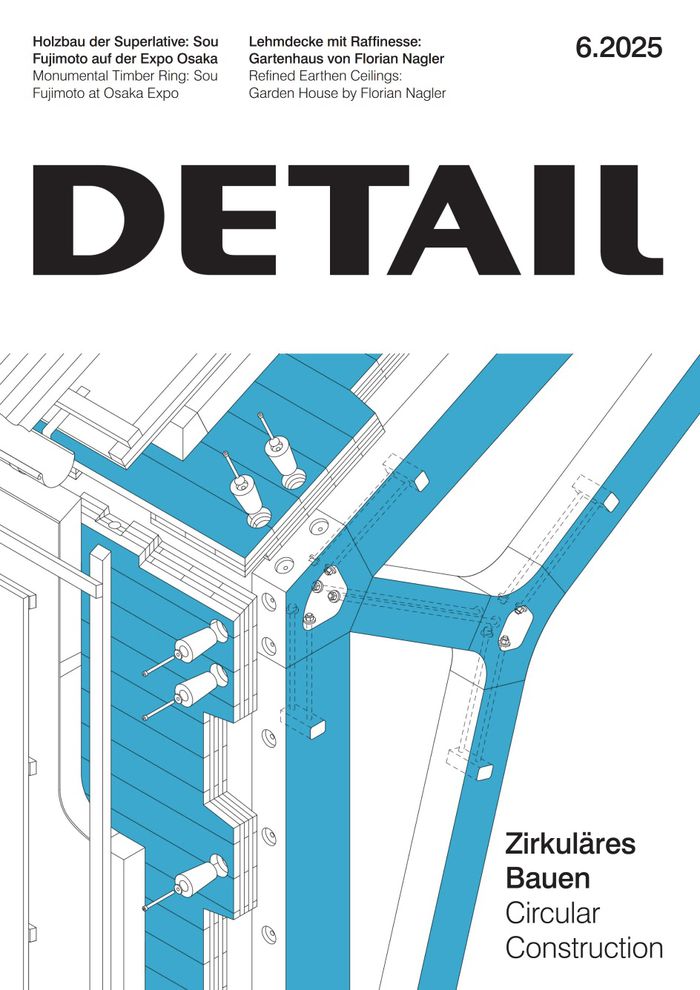
The cradle-to-cradle principle envisions buildings returning to the natural cycle after use. In practice, however, most are only partially composed of natural or compostable materials. One notable exception is Florian Nagler’s Garden House, winner of the Detail Award, which closely follows this principle. Another route is the reuse or refurbishment of components from demolished buildings. But this, too, is complex – components are often scarce and costly to extract and and make fit for new applications. To facilitate recycling, some structures are being designed for disassembly. Yet even timber joints fixed with screws can prove difficult to undo after years in place. A research group in Arles sees itself as a recycler of remnants, developing new materials from construction debris and agricultural waste: sunflower stalks become acoustic panels, while rice straw from cultivation is turned into insulation. The team also experiments with local resources: in nearby salt pans, salt crystallises on metal racks to form tiles, while algae are used to make lamps, vases, and wall finishes. Architecture made from rubble, clad in salt, rice, and seaweed – a compelling vision of the future. Perhaps the most promising path lies in combining these diverse strategies.
Detail 6 2025 : Circular construction
Actions:
Prix:
$52.00
(disponible en magasin)
Résumé:
The cradle-to-cradle principle envisions buildings returning to the natural cycle after use. In practice, however, most are only partially composed of natural or compostable materials. One notable exception is Florian Nagler’s Garden House, winner of the Detail Award, which closely follows this principle. Another route is the reuse or refurbishment of components from demolished buildings. But this, too, is complex – components are often scarce and costly to extract and and make fit for new applications. To facilitate recycling, some structures are being designed for disassembly. Yet even timber joints fixed with screws can prove difficult to undo after years in place. A research group in Arles sees itself as a recycler of remnants, developing new materials from construction debris and agricultural waste: sunflower stalks become acoustic panels, while rice straw from cultivation is turned into insulation. The team also experiments with local resources: in nearby salt pans, salt crystallises on metal racks to form tiles, while algae are used to make lamps, vases, and wall finishes. Architecture made from rubble, clad in salt, rice, and seaweed – a compelling vision of the future. Perhaps the most promising path lies in combining these diverse strategies.
Classification:
livres
livres
Publication:
juin 2025
juin 2025
Sujet:
Revues
Revues
Classification:
livres
livres
Actions:
Prix:
$55.00
(disponible en magasin)
Résumé:
a+u’s July looks at how, even in a city such as New York, where projects are executed on a grand scale, designing spaces to walk, rest, work, and play centers the human experience. The selected projects from Midtown and Lower Manhattan provide but a small cross section of the varying typologies of differing scales currently enhancing the architecture of New York City.(...)
$55.00
(disponible en magasin)
Résumé:
a+u’s July looks at how, even in a city such as New York, where projects are executed on a grand scale, designing spaces to walk, rest, work, and play centers the human experience. The selected projects from Midtown and Lower Manhattan provide but a small cross section of the varying typologies of differing scales currently enhancing the architecture of New York City.(...)
Titre:
A+U 658 25:07 Manhattan Towers
Actions:
Prix:
$55.00
(disponible en magasin)
Résumé:
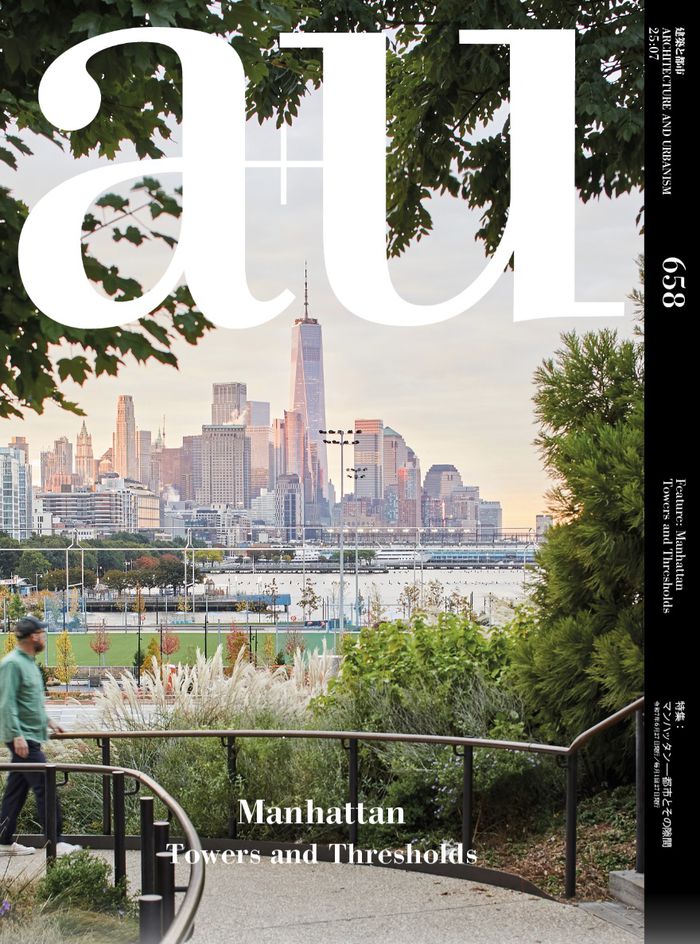
a+u’s July looks at how, even in a city such as New York, where projects are executed on a grand scale, designing spaces to walk, rest, work, and play centers the human experience. The selected projects from Midtown and Lower Manhattan provide but a small cross section of the varying typologies of differing scales currently enhancing the architecture of New York City. Projects such as the Moynihan Train Hall by Skidmore Owings & Merrill (SOM) endeavor to preserve the fabric of the city while addressing the increased need for transportation hubs by the expansion of Pennsylvania station to the adjacent historic James A. Farley Building, while adaptive reuse projects such as Gansevoort Peninsula Park by nArchitects are part of a decadeslong effort to transform the industrial waterfront into much needed green spaces and sports facilities. Kohn Pedersen Fox Associates (KPF) addresses the shortage of residential space with projects that integrate the materiality of the building to its context and incorporate the human scale with the urban one. Amid the massive developments taking place, smaller practices such as Worrell Yeung and WORKac seek to preserve urban character, through surgical intervention in their renovation projects.
A+U 658 25:07 Manhattan Towers
Actions:
Prix:
$55.00
(disponible en magasin)
Résumé:
a+u’s July looks at how, even in a city such as New York, where projects are executed on a grand scale, designing spaces to walk, rest, work, and play centers the human experience. The selected projects from Midtown and Lower Manhattan provide but a small cross section of the varying typologies of differing scales currently enhancing the architecture of New York City. Projects such as the Moynihan Train Hall by Skidmore Owings & Merrill (SOM) endeavor to preserve the fabric of the city while addressing the increased need for transportation hubs by the expansion of Pennsylvania station to the adjacent historic James A. Farley Building, while adaptive reuse projects such as Gansevoort Peninsula Park by nArchitects are part of a decadeslong effort to transform the industrial waterfront into much needed green spaces and sports facilities. Kohn Pedersen Fox Associates (KPF) addresses the shortage of residential space with projects that integrate the materiality of the building to its context and incorporate the human scale with the urban one. Amid the massive developments taking place, smaller practices such as Worrell Yeung and WORKac seek to preserve urban character, through surgical intervention in their renovation projects.
Classification:
livres
livres
Publication:
juillet 2025
juillet 2025
Sujet:
Revues
Revues
Classification:
livres
livres
Titre:
Book of ruins
Book of ruins
Actions:
Prix:
$80.99
(disponible sur commande)
Résumé:
''Book of ruins'' offers a survey – not encyclopedic, but substantial – of leading moments when the fact and idea of ruins were taken up by writers, travellers and artists: painters, film makers, landscape architects, and architects. Gathering together short texts and extracts that describe and reflect on ruins, dating from remote antiquity (Scipio shedding tears when(...)
$80.99
(disponible sur commande)
Résumé:
''Book of ruins'' offers a survey – not encyclopedic, but substantial – of leading moments when the fact and idea of ruins were taken up by writers, travellers and artists: painters, film makers, landscape architects, and architects. Gathering together short texts and extracts that describe and reflect on ruins, dating from remote antiquity (Scipio shedding tears when(...)
Sujet:
Théorie de l’architecture
Théorie de l’architecture
Publication:
septembre 2022
septembre 2022
Titre:
Book of ruins
Actions:
Prix:
$80.99
(disponible sur commande)
Résumé:
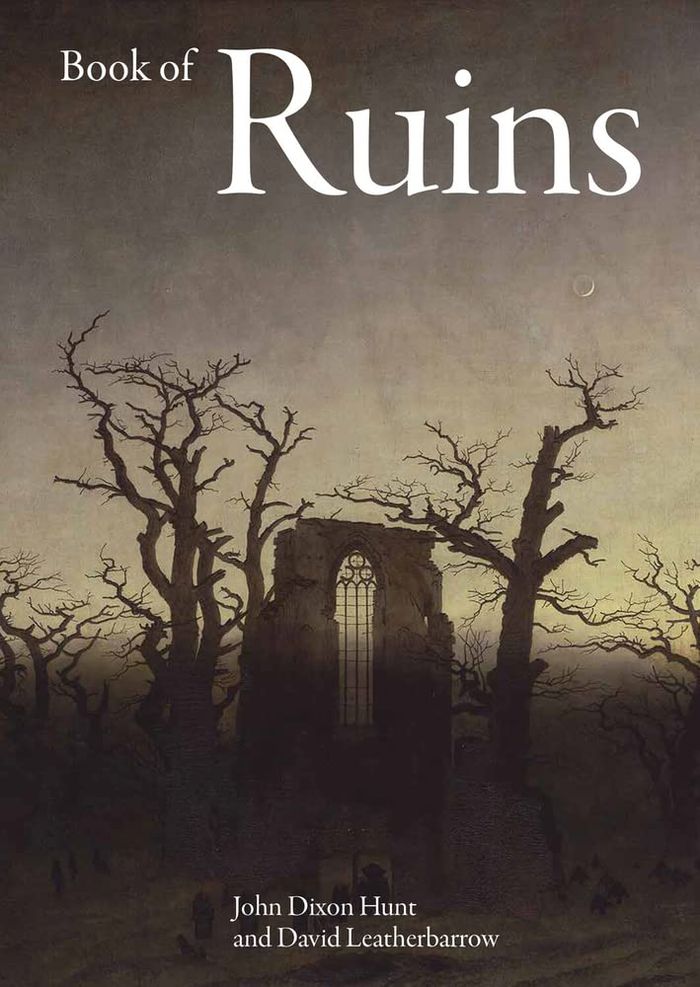
''Book of ruins'' offers a survey – not encyclopedic, but substantial – of leading moments when the fact and idea of ruins were taken up by writers, travellers and artists: painters, film makers, landscape architects, and architects. Gathering together short texts and extracts that describe and reflect on ruins, dating from remote antiquity (Scipio shedding tears when viewing the destruction of Carthage) to present times (the ruins of a modern city, portrayed in the film ''Requiem for Detroit''), it provides a perspective upon what the past has meant to different cultures at different times. Following an introductory essay, the book includes 70 entries, chronologically ordered, each including an indicative image (or two), an introductory commentary by the authors, and the text itself. The texts come from designers (from Bernini through Piranesi to David Chipperfield) as well as other artists (John Piper), and from literary figures (Goethe, Wordsworth, Byron and Shelley, Hugo, and Hardy). It concludes by discussing what we do with ruins by way of preservation, conservation, adaptive reuse and appropriation, and contemporary loss and ruin, as illustrated by 9/11 and the Neues Museum and highlighting the continuing relevance of the ruin.
Book of ruins
Actions:
Prix:
$80.99
(disponible sur commande)
Résumé:
''Book of ruins'' offers a survey – not encyclopedic, but substantial – of leading moments when the fact and idea of ruins were taken up by writers, travellers and artists: painters, film makers, landscape architects, and architects. Gathering together short texts and extracts that describe and reflect on ruins, dating from remote antiquity (Scipio shedding tears when viewing the destruction of Carthage) to present times (the ruins of a modern city, portrayed in the film ''Requiem for Detroit''), it provides a perspective upon what the past has meant to different cultures at different times. Following an introductory essay, the book includes 70 entries, chronologically ordered, each including an indicative image (or two), an introductory commentary by the authors, and the text itself. The texts come from designers (from Bernini through Piranesi to David Chipperfield) as well as other artists (John Piper), and from literary figures (Goethe, Wordsworth, Byron and Shelley, Hugo, and Hardy). It concludes by discussing what we do with ruins by way of preservation, conservation, adaptive reuse and appropriation, and contemporary loss and ruin, as illustrated by 9/11 and the Neues Museum and highlighting the continuing relevance of the ruin.
Classification:
livres
livres
Publication:
septembre 2022
septembre 2022
Sujet:
Théorie de l’architecture
Théorie de l’architecture
Classification:
livres
livres
Actions:
Exemplaires:
Description:
192 pages : illustrations (some color) ; 30 cm
Description:
192 pages : illustrations (some color) ; 30 cm
Auteur:
Sujet:
Publication:
New Haven, CT : Yale University Press, 2006.
New Haven, CT : Yale University Press, 2006.
Titre:
New urban housing / Hilary French.
Actions:
Exemplaires:
Description:
192 pages : illustrations (some color) ; 30 cm
New urban housing / Hilary French.
Actions:
Exemplaires:
Description:
192 pages : illustrations (some color) ; 30 cm
Classification:
livres
livres
Publication:
New Haven, CT : Yale University Press, 2006.
New Haven, CT : Yale University Press, 2006.
Auteur:
Sujet:
Classification:
livres
livres
Actions:
Prix:
$31.50
(disponible sur commande)
Résumé:
A manifesto for a radically different philosophy and practice of manufacture and environmentalism. "Reduce, reuse, recycle" urge environmentalists; in other words, do more with less in order to minimize damage. As William McDonough and Michael Braungart argue in their provocative, visionary book, however, this approach perpetuates a one-way, "cradle to grave"(...)
$31.50
(disponible sur commande)
Résumé:
A manifesto for a radically different philosophy and practice of manufacture and environmentalism. "Reduce, reuse, recycle" urge environmentalists; in other words, do more with less in order to minimize damage. As William McDonough and Michael Braungart argue in their provocative, visionary book, however, this approach perpetuates a one-way, "cradle to grave"(...)
Sujet:
Architecture écologique
Architecture écologique
Publication:
janvier 1900, New York
janvier 1900, New York
Titre:
Cradle to cradle : remaking the way we make things
Actions:
Prix:
$31.50
(disponible sur commande)
Résumé:
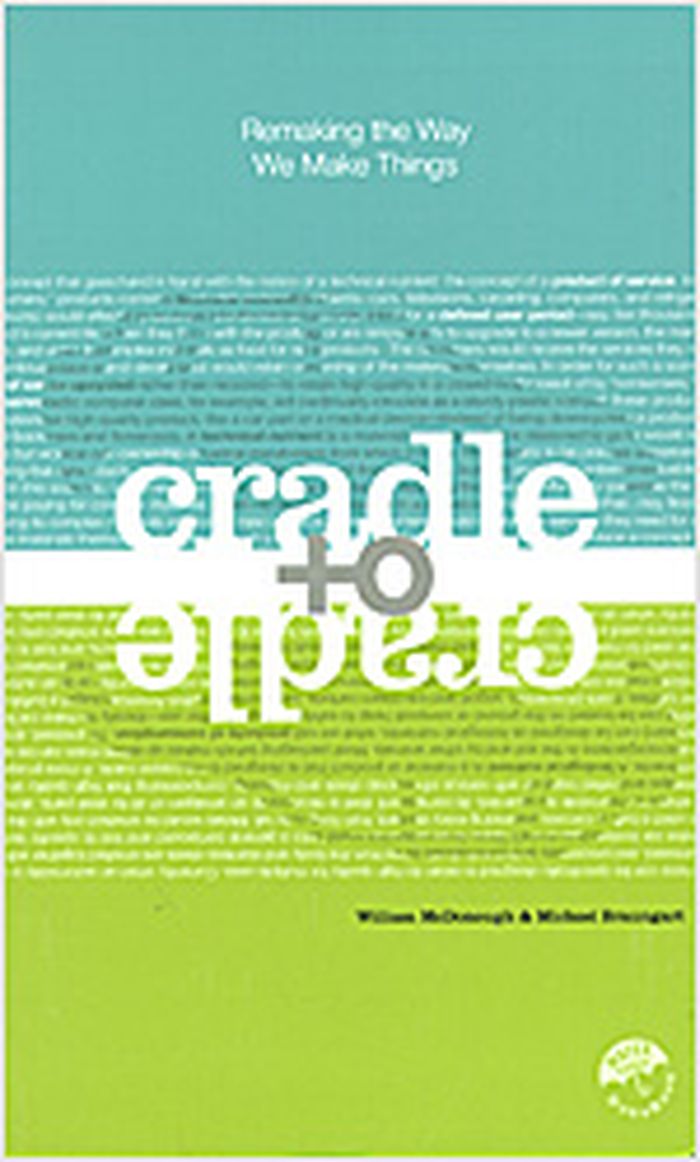
A manifesto for a radically different philosophy and practice of manufacture and environmentalism. "Reduce, reuse, recycle" urge environmentalists; in other words, do more with less in order to minimize damage. As William McDonough and Michael Braungart argue in their provocative, visionary book, however, this approach perpetuates a one-way, "cradle to grave" manufacturing model that dates to the industrial revolution and casts off as much as 90 percent of the materials it uses as waste, much of it toxic. Why not challenge the notion that human industry must inevitably damage the natural world, they ask. In fact, why not take nature itself as our model? A tree produces thousands of blossoms in order to create another tree, yet we do not consider its abundance wasteful but safe, beautiful, and highly effective; hence, "waste equals food" is the first principle the book sets forth. Products might be designed so that, after their useful life, they provide nourishment for something new-either as "biological nutrients" that safely re-enter the environment or as "technical nutrients" that circulate within closed-loop industrial cycles, without being "downcycled" into low-grade uses (as most "recyclables" now are). Elaborating their principles from experience (re)designing everything from carpeting to corporate campuses, the authors make an exciting and viable case for change.
Cradle to cradle : remaking the way we make things
Actions:
Prix:
$31.50
(disponible sur commande)
Résumé:
A manifesto for a radically different philosophy and practice of manufacture and environmentalism. "Reduce, reuse, recycle" urge environmentalists; in other words, do more with less in order to minimize damage. As William McDonough and Michael Braungart argue in their provocative, visionary book, however, this approach perpetuates a one-way, "cradle to grave" manufacturing model that dates to the industrial revolution and casts off as much as 90 percent of the materials it uses as waste, much of it toxic. Why not challenge the notion that human industry must inevitably damage the natural world, they ask. In fact, why not take nature itself as our model? A tree produces thousands of blossoms in order to create another tree, yet we do not consider its abundance wasteful but safe, beautiful, and highly effective; hence, "waste equals food" is the first principle the book sets forth. Products might be designed so that, after their useful life, they provide nourishment for something new-either as "biological nutrients" that safely re-enter the environment or as "technical nutrients" that circulate within closed-loop industrial cycles, without being "downcycled" into low-grade uses (as most "recyclables" now are). Elaborating their principles from experience (re)designing everything from carpeting to corporate campuses, the authors make an exciting and viable case for change.
Classification:
livres
livres
Publication:
janvier 1900, New York
janvier 1900, New York
Sujet:
Architecture écologique
Architecture écologique
Classification:
livres
livres
Actions:
Prix:
$65.99
(disponible sur commande)
Résumé:
If a building could speak, what would it say? What would it sound like? Would it be worth listening to? This book treats buildings as deeply human creations - built by people for people; they come to embody the dreams, imaginings and stories that take place within them. David Littlefield and Saskia Lewis argue that buildings have voices and that it is worth listening(...)
$65.99
(disponible sur commande)
Résumé:
If a building could speak, what would it say? What would it sound like? Would it be worth listening to? This book treats buildings as deeply human creations - built by people for people; they come to embody the dreams, imaginings and stories that take place within them. David Littlefield and Saskia Lewis argue that buildings have voices and that it is worth listening(...)
Publication:
décembre 2007, Chichester
décembre 2007, Chichester
Titre:
Architectural voices : listening to old buildings
Actions:
Prix:
$65.99
(disponible sur commande)
Résumé:
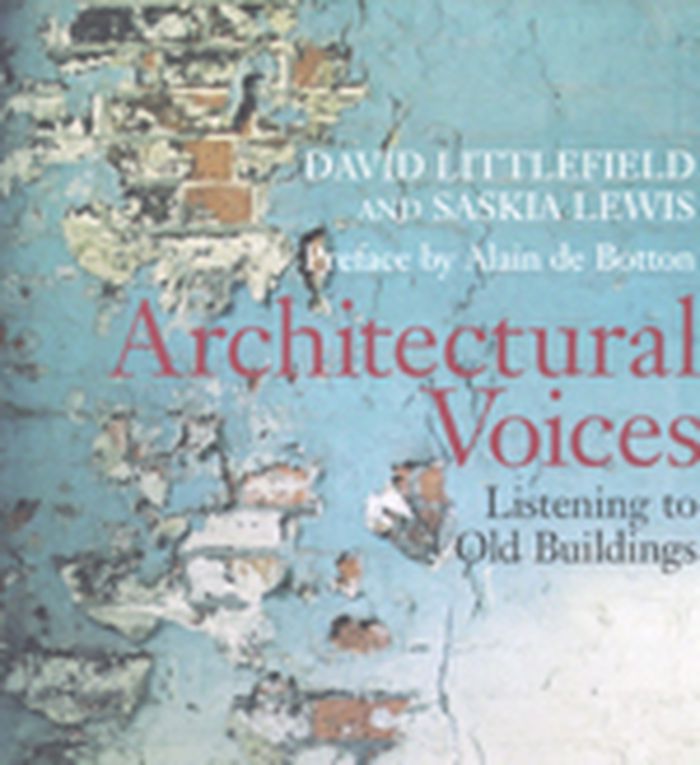
If a building could speak, what would it say? What would it sound like? Would it be worth listening to? This book treats buildings as deeply human creations - built by people for people; they come to embody the dreams, imaginings and stories that take place within them. David Littlefield and Saskia Lewis argue that buildings have voices and that it is worth listening to what they have to say. By focusing on elderly structures that are the subject of reinvention, this book examines how the buildings guide architects and artists. These reinventions, or re-imaginings, are not merely examples of straightforward conservation, nor simple exercises in contrasting old and new; they represent a more sensitive, personal approach to creative reuse. The authors' accounts of more than 20 historic buildings and their interviews with the people responsible for renewing them, demonstrate that the poetic qualities of the places we inhabit are not limited to just architectural style. In this book, the voices of an abandoned cathedral, a former brothel, a stately home and a Royal Mail sorting office reveal themselves. Listening to these voices opens up a new dimension to understanding the lives and meanings of old buildings. Preface by Alain de Botton.
Architectural voices : listening to old buildings
Actions:
Prix:
$65.99
(disponible sur commande)
Résumé:
If a building could speak, what would it say? What would it sound like? Would it be worth listening to? This book treats buildings as deeply human creations - built by people for people; they come to embody the dreams, imaginings and stories that take place within them. David Littlefield and Saskia Lewis argue that buildings have voices and that it is worth listening to what they have to say. By focusing on elderly structures that are the subject of reinvention, this book examines how the buildings guide architects and artists. These reinventions, or re-imaginings, are not merely examples of straightforward conservation, nor simple exercises in contrasting old and new; they represent a more sensitive, personal approach to creative reuse. The authors' accounts of more than 20 historic buildings and their interviews with the people responsible for renewing them, demonstrate that the poetic qualities of the places we inhabit are not limited to just architectural style. In this book, the voices of an abandoned cathedral, a former brothel, a stately home and a Royal Mail sorting office reveal themselves. Listening to these voices opens up a new dimension to understanding the lives and meanings of old buildings. Preface by Alain de Botton.
Classification:
livres
livres
Publication:
décembre 2007, Chichester
décembre 2007, Chichester
Classification:
livres
livres
Titre:
Riding modern art
Riding modern art
Actions:
Prix:
$33.95
(disponible en magasin)
Résumé:
''Riding modern art'' brings together a collection of 70 black and white photographs of people skateboarding on sculptures in public spaces. Through his study of the process of appropriation and reuse of works of art in public places, used by skateboarders as further challenges for their sport, Raphaël Zarka offers a way of approaching a work of art that underlines the(...)
$33.95
(disponible en magasin)
Résumé:
''Riding modern art'' brings together a collection of 70 black and white photographs of people skateboarding on sculptures in public spaces. Through his study of the process of appropriation and reuse of works of art in public places, used by skateboarders as further challenges for their sport, Raphaël Zarka offers a way of approaching a work of art that underlines the(...)
Titre:
Riding modern art
Actions:
Prix:
$33.95
(disponible en magasin)
Résumé:
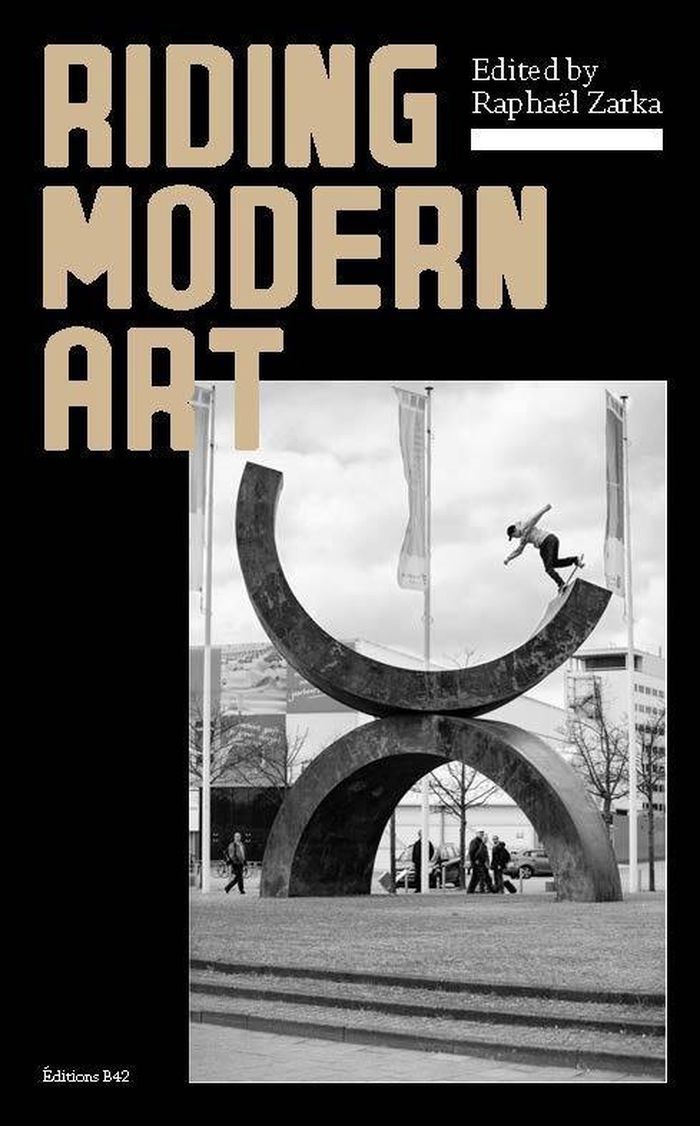
''Riding modern art'' brings together a collection of 70 black and white photographs of people skateboarding on sculptures in public spaces. Through his study of the process of appropriation and reuse of works of art in public places, used by skateboarders as further challenges for their sport, Raphaël Zarka offers a way of approaching a work of art that underlines the dynamism of modern sculpture, casting a critical light on the idea of movement in these often abstract and geometric works, inspired by Cubist, Futurist or Constructivist art. The skateboarder’s approach to a sculpture, more mechanical than conceptual, brings out the variety of movement it seeks to suggest. While it is not possible to ''freeze'' or represent movement in a solid form (it cannot be sculpted) it is, nevertheless, a constituent element of the work, as also is space. Thus, the body of the skateboarder becomes a choreographic form on a sculptural form, and the presence of a human body on a work of art transforms it from something perched on a pedestal into a living sculpture. Some images are missing from this collection, as sculptors have refused to see their artwork reproduced. The spaces dedicated to those photographs remain purposely empty.
Riding modern art
Actions:
Prix:
$33.95
(disponible en magasin)
Résumé:
''Riding modern art'' brings together a collection of 70 black and white photographs of people skateboarding on sculptures in public spaces. Through his study of the process of appropriation and reuse of works of art in public places, used by skateboarders as further challenges for their sport, Raphaël Zarka offers a way of approaching a work of art that underlines the dynamism of modern sculpture, casting a critical light on the idea of movement in these often abstract and geometric works, inspired by Cubist, Futurist or Constructivist art. The skateboarder’s approach to a sculpture, more mechanical than conceptual, brings out the variety of movement it seeks to suggest. While it is not possible to ''freeze'' or represent movement in a solid form (it cannot be sculpted) it is, nevertheless, a constituent element of the work, as also is space. Thus, the body of the skateboarder becomes a choreographic form on a sculptural form, and the presence of a human body on a work of art transforms it from something perched on a pedestal into a living sculpture. Some images are missing from this collection, as sculptors have refused to see their artwork reproduced. The spaces dedicated to those photographs remain purposely empty.
Classification:
livres
livres
Publication:
juillet 2022
juillet 2022
Sujet:
Monographies photo
Monographies photo
Classification:
livres
livres

Actions:
Prix:
$55.95
(disponible en magasin)
Résumé:
Recognizing that buildings are a major contributor to global warming and the critical role of embodied versus operational carbon, the book focuses on houses built from materials that either sequester carbon (plants), use materials with very low embodied carbon (earth and stone) or reuse substantial amounts of existing materials. Organized by those materials (wood,(...)
$55.95
(disponible en magasin)
Résumé:
Recognizing that buildings are a major contributor to global warming and the critical role of embodied versus operational carbon, the book focuses on houses built from materials that either sequester carbon (plants), use materials with very low embodied carbon (earth and stone) or reuse substantial amounts of existing materials. Organized by those materials (wood,(...)
Publication:
janvier 2023
janvier 2023
Titre:
Manual of biogenic house sections
Actions:
Prix:
$55.95
(disponible en magasin)
Résumé:
Recognizing that buildings are a major contributor to global warming and the critical role of embodied versus operational carbon, the book focuses on houses built from materials that either sequester carbon (plants), use materials with very low embodied carbon (earth and stone) or reuse substantial amounts of existing materials. Organized by those materials (wood, bamboo, straw, hemp, cork, earth, brick, stone and re-use), and incorporating life cycle diagrams demonstrating how the raw material is processed into building components, the book shows how the unique properties of each material can transform the ways architects conceive the sections of houses. The house was selected as the vehicle for these investigations due to its scale, its role as a site of architectural experimentation, and its ubiquity. Building on the techniques of the "Manual of section," the book is comprised of newly generated cross-sectional drawings of fifty-five recent, modestly sized houses from around the world, making legible the tectonics and materials used in their construction. Each house is also shown through exploded axonometric, construction photographs and color photographs of the exterior and interior. Introductory essays set up the importance of embodied carbon, the role of vernacular plant-based construction and the problems of contemporary house construction. Drawing connections between the architecture of the house, environmental systems and material economies, the book seeks to change how we build now and for the future.
Manual of biogenic house sections
Actions:
Prix:
$55.95
(disponible en magasin)
Résumé:
Recognizing that buildings are a major contributor to global warming and the critical role of embodied versus operational carbon, the book focuses on houses built from materials that either sequester carbon (plants), use materials with very low embodied carbon (earth and stone) or reuse substantial amounts of existing materials. Organized by those materials (wood, bamboo, straw, hemp, cork, earth, brick, stone and re-use), and incorporating life cycle diagrams demonstrating how the raw material is processed into building components, the book shows how the unique properties of each material can transform the ways architects conceive the sections of houses. The house was selected as the vehicle for these investigations due to its scale, its role as a site of architectural experimentation, and its ubiquity. Building on the techniques of the "Manual of section," the book is comprised of newly generated cross-sectional drawings of fifty-five recent, modestly sized houses from around the world, making legible the tectonics and materials used in their construction. Each house is also shown through exploded axonometric, construction photographs and color photographs of the exterior and interior. Introductory essays set up the importance of embodied carbon, the role of vernacular plant-based construction and the problems of contemporary house construction. Drawing connections between the architecture of the house, environmental systems and material economies, the book seeks to change how we build now and for the future.
Classification:
livres
livres
Publication:
janvier 2023
janvier 2023
Classification:
livres
livres
Prix:
$34.95
(disponible sur commande)
Résumé:
The story of the Adam Joseph Lewis Center at Oberlin College - the first substantially green building to be built on a college campus -encompasses more than the particulars of one building. In "Design on the edge", David Orr writes about the planning and design of Oberlin's environmental studies building as part of a larger story about the art and science of ecological(...)
$34.95
(disponible sur commande)
Résumé:
The story of the Adam Joseph Lewis Center at Oberlin College - the first substantially green building to be built on a college campus -encompasses more than the particulars of one building. In "Design on the edge", David Orr writes about the planning and design of Oberlin's environmental studies building as part of a larger story about the art and science of ecological(...)
Sujet:
Architecture écologique
Architecture écologique
Publication:
octobre 2006, Cambridge (MA), London
octobre 2006, Cambridge (MA), London
Titre:
Design on the edge : the making of a high-performance building
Actions:
Prix:
$34.95
(disponible sur commande)
Résumé:
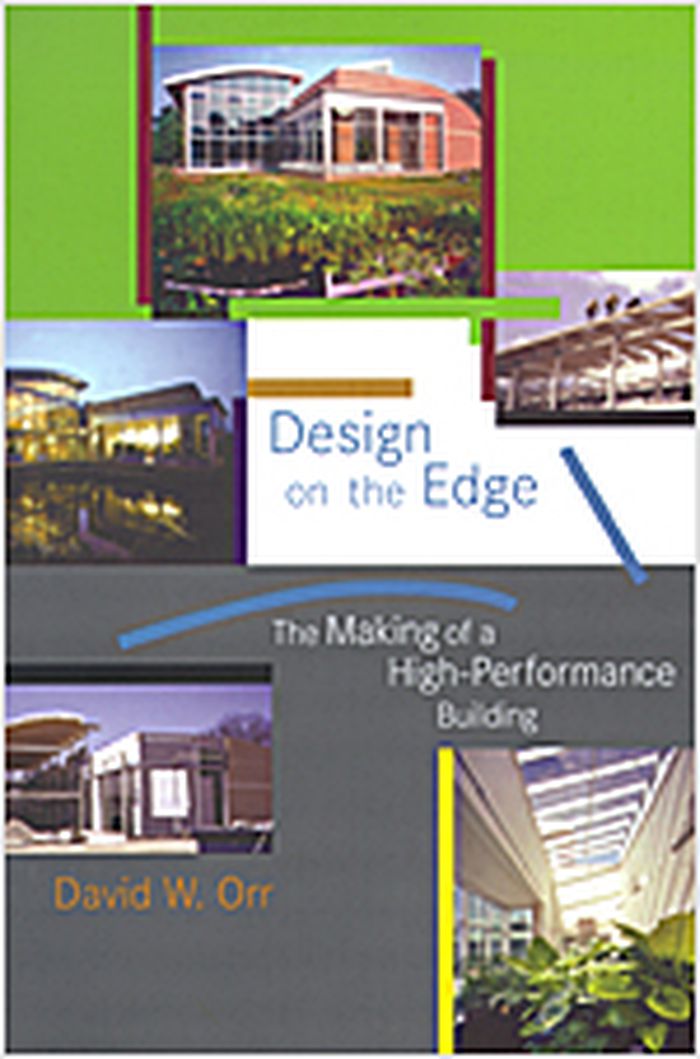
The story of the Adam Joseph Lewis Center at Oberlin College - the first substantially green building to be built on a college campus -encompasses more than the particulars of one building. In "Design on the edge", David Orr writes about the planning and design of Oberlin's environmental studies building as part of a larger story about the art and science of ecological design and the ability of institutions of higher learning themselves to learn. The Lewis Center, which has attracted worldwide attention as a model of ecological design, operates according to environmental principles. It is powered entirely by solar energy, features landscaping with fruit trees and vegetable gardens, and houses a Living Machine, which processes all wastewater for reuse in the building or landscape. Orr puts the Lewis Center into historical design context and describes the obstacles and successes he encountered in obtaining funds and college approval, interweaving the particulars of the center with thoughts on the larger environmental and societal issues the building process illustrates. Equal parts analysis, personal reflection, and call to action, "Design on the edge" illustrates the process of institutional change, institutional learning, and the political economy of design. It describes how the idea of the Lewis Center originated and was translated into reality with the help of such environmental visionaries as William McDonough and John Todd, and how the building has performed since its completion.
Design on the edge : the making of a high-performance building
Actions:
Prix:
$34.95
(disponible sur commande)
Résumé:
The story of the Adam Joseph Lewis Center at Oberlin College - the first substantially green building to be built on a college campus -encompasses more than the particulars of one building. In "Design on the edge", David Orr writes about the planning and design of Oberlin's environmental studies building as part of a larger story about the art and science of ecological design and the ability of institutions of higher learning themselves to learn. The Lewis Center, which has attracted worldwide attention as a model of ecological design, operates according to environmental principles. It is powered entirely by solar energy, features landscaping with fruit trees and vegetable gardens, and houses a Living Machine, which processes all wastewater for reuse in the building or landscape. Orr puts the Lewis Center into historical design context and describes the obstacles and successes he encountered in obtaining funds and college approval, interweaving the particulars of the center with thoughts on the larger environmental and societal issues the building process illustrates. Equal parts analysis, personal reflection, and call to action, "Design on the edge" illustrates the process of institutional change, institutional learning, and the political economy of design. It describes how the idea of the Lewis Center originated and was translated into reality with the help of such environmental visionaries as William McDonough and John Todd, and how the building has performed since its completion.
Classification:
livres
livres
Publication:
octobre 2006, Cambridge (MA), London
octobre 2006, Cambridge (MA), London
Sujet:
Architecture écologique
Architecture écologique


