


5088 Résultats
Classification:
livres
livres

Actions:
Prix:
$123.95
(disponible en magasin)
Résumé:
This is the first comprehensive monograph on Balthasar Burkhard, the Swiss master of the sublime. A visual vocabulary of the world we live in, meditative and haunting, instilling peace and anxiety at the same time. This is a book about the beauty of nature - its force, silence, and eternal existence - and about cities - seen from above as they keep growing, threatening to(...)
Titre:
Balthasar Burkhard : photographer
Actions:
Prix:
$123.95
(disponible en magasin)
Résumé:
This is the first comprehensive monograph on Balthasar Burkhard, the Swiss master of the sublime. A visual vocabulary of the world we live in, meditative and haunting, instilling peace and anxiety at the same time. This is a book about the beauty of nature - its force, silence, and eternal existence - and about cities - seen from above as they keep growing, threatening to suffocate us. Swiss photographer Balthasar Burkhard presents work from the last ten years, images from all over the world - from Japan to the USA, from South America to Africa and to the European Alps. The photographs are arranged in chapters that each focus on one aspect of the world - Desert, River, Skies, Cities, Landscapes. Together, they add up to a poetic atlas, a vision of the beauties and horrors of the world today. Intense black-and-white images that can only be created with a photo camera. A masterpiece of landscape and cityscape photography!
Classification:
livres
livres
Publication:
juin 2004, Zurich
juin 2004, Zurich
Sujet:
Monographies photo
Monographies photo
Classification:
livres
livres
Actions:
Prix:
$97.95
(disponible sur commande)
Résumé:
The great parks and gardens of Europe come alive by the skillful interplay of natural landscape and architectural elements. Throughout the ages, however, this relationship has been treated in very different ways. The gardens of the Italian renaissance in the 15th or 16th century were based on rational plans, whereas the French parks of the Baroque period seem rather more(...)
Titre:
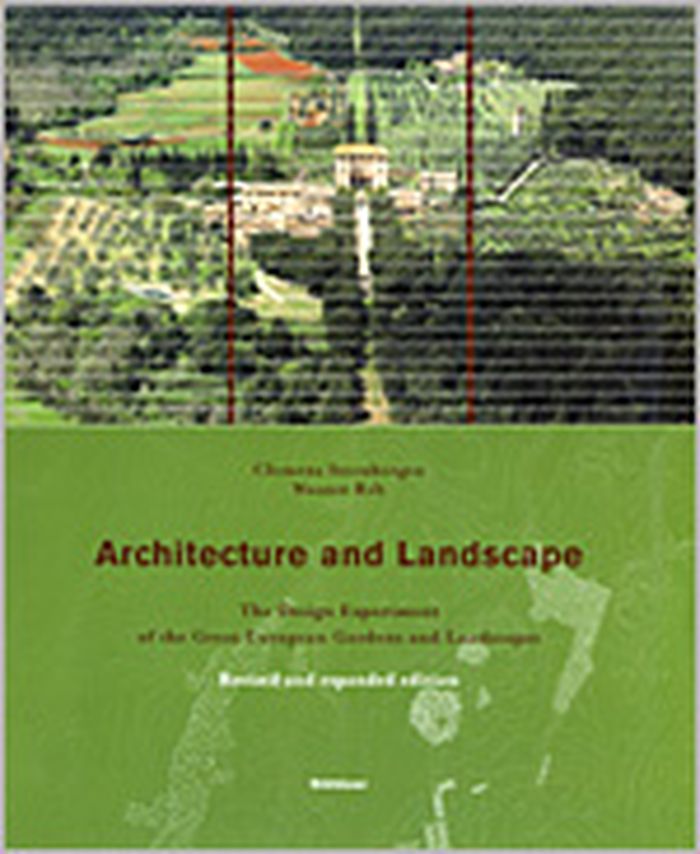
Architecture and landscape : the design experiments of the great European gardens and landscapes, revised and expanded edition
Actions:
Prix:
$97.95
(disponible sur commande)
Résumé:
The great parks and gardens of Europe come alive by the skillful interplay of natural landscape and architectural elements. Throughout the ages, however, this relationship has been treated in very different ways. The gardens of the Italian renaissance in the 15th or 16th century were based on rational plans, whereas the French parks of the Baroque period seem rather more geometric in design, and the English parklands of the 18th century present a scenic composition. In this publication famous historical gardens from all over Europe are analysed, and these graphic analyses allow us to see into the mind of the designers. By highlighting the design processes, they also function as models for future landscape projects. More than 30 renowned gardens have been examined and documented with a wealth of illustrations. Amongst the parks presented are Palladio’s Villa Emo, the perfect order of the Baroque garden Vaux-le-Vicomte near Paris or the pastoral yet mysterious park of Blenheim Palace near Oxford.
Classification:
livres
livres
Publication:
décembre 2003, Basel
décembre 2003, Basel
Sujet:
Jardins
Jardins
Classification:
livres
livres
Actions:
Prix:
$45.95
(disponible sur commande)
Résumé:
Cookery has never been so high on the agenda of Western popular culture. And yet the endlessly-multiplying TV shows, the obsessive interest in the provenance of ingredients, and the celebration of ‘radical’ experiments in gastronomy, tell us little about the nature of the culinary. Is it possible to maintain that cookery has a philosophical pertinence without merely(...)
Titre:
Collapse: philosophical research and development 2012: culinary materialism, volume VII
Actions:
Prix:
$45.95
(disponible sur commande)
Résumé:
Cookery has never been so high on the agenda of Western popular culture. And yet the endlessly-multiplying TV shows, the obsessive interest in the provenance of ingredients, and the celebration of ‘radical’ experiments in gastronomy, tell us little about the nature of the culinary. Is it possible to maintain that cookery has a philosophical pertinence without merely appending philosophy to our burgeoning gastroculture? How might the everyday sense of the culinary be expanded into a philosophy of ‘culinary materialism’ wherein synthesis, experimentation, and operations of mixing and blending take precedence over analysis, subtraction and axiomatisation? Drawing on resources ranging from anthropology to chemistry, from hermetic alchemy to contemporary mathematics, "Collapse VII: culinary materialism" undertakes a trans-modal experiment in culinary thinking. A wide range of contributors including philosophers, chefs, artists, historians, and synaesthetes examine the cultural, industrial, physiological, alchemical and even cosmic dimensions of cookery, and propose new models of culinary thought for the future.
Classification:
livres
livres
Publication:
décembre 2012
décembre 2012
Sujet:
Bouffe
Bouffe
Classification:
livres
livres
Prix:
$40.00
(disponible sur commande)
Résumé:
A protocol drawn up long ago in 1945 by Otto Koenigsberger, adopted in nearly one hundred instances in India and in more than half the world, provides the framework and rules for the planning of the prototypes of planned cities, and tells us that the so-called "participative architecture" aimed at intercultural inclusion, originated in the post-colonial territories(...)
Titre:
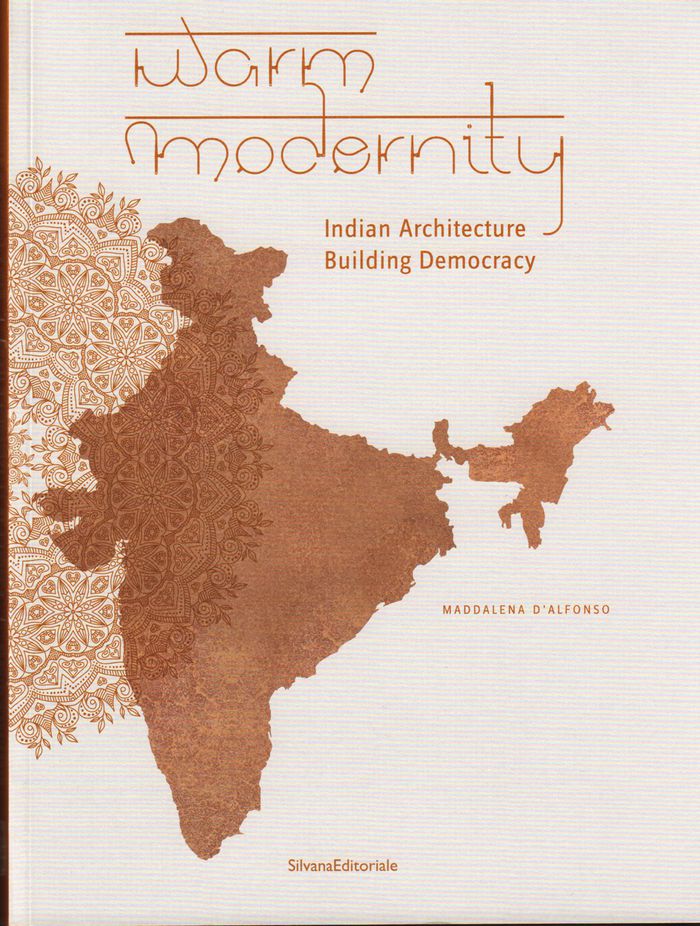
Warm modernity: Indian architecture building democracy
Actions:
Prix:
$40.00
(disponible sur commande)
Résumé:
A protocol drawn up long ago in 1945 by Otto Koenigsberger, adopted in nearly one hundred instances in India and in more than half the world, provides the framework and rules for the planning of the prototypes of planned cities, and tells us that the so-called "participative architecture" aimed at intercultural inclusion, originated in the post-colonial territories between India and Africa. The catalogue, the fruition of a 5-year long Italian-Indian research, illustrates the consequences of democratic choice in independent India, its factual existence and its globalized outcomes, present even today. Presented in the installation, are four examples of Democratic New Towns – Jamshedpur, Bhubaneswar, Faridabad and Chandigarh- outcomes of the interface between the experiences of Frey, Drew and Le Corbusier and the ideas of their Indian counterparts, Varma, Doshi, Correa, Rewal. The cities are analytically described and documented through photographs of their present condition, preserved as the modern protected areas in Europe.
Classification:
livres
livres
Publication:
février 2017
février 2017
Classification:
livres
livres
Prix:
$49.00
(disponible sur commande)
Résumé:
Even as the media environment has changed dramatically in recent years, one thing at least remains true: photographs are everywhere. From professional news photos to smartphone selfies, images have become part of the fabric of modern life. And that may be the problem. Even as photography bears witness, it provokes anxieties about fraudulent representation; even as it(...)
Sujet:
Théorie de la photographie
Théorie de la photographie
Publication:
novembre 2016
novembre 2016
Titre:
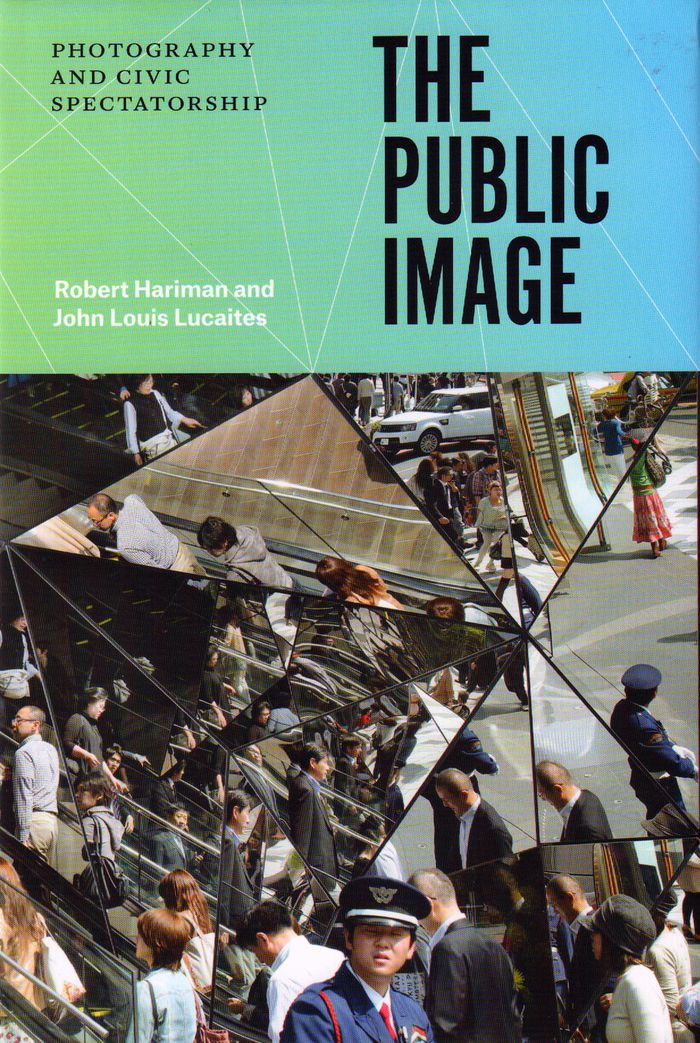
The public image: photography and civic spectatorship
Actions:
Prix:
$49.00
(disponible sur commande)
Résumé:
Even as the media environment has changed dramatically in recent years, one thing at least remains true: photographs are everywhere. From professional news photos to smartphone selfies, images have become part of the fabric of modern life. And that may be the problem. Even as photography bears witness, it provokes anxieties about fraudulent representation; even as it evokes compassion, it prompts anxieties about excessive exposure. Parents and pundits alike worry about the unprecedented media saturation that transforms society into an image world. And yet a great news photo can still stop us in our tracks, and the ever-expanding photographic archive documents an era of continuous change. By confronting these conflicted reactions to photography, Robert Hariman and John Louis Lucaites make the case for a fundamental shift in understanding photography and public culture. In place of suspicions about the medium’s capacity for distraction, deception, and manipulation, they suggest how it can provide resources for democratic communication and thoughtful reflection about contemporary social problems.
Classification:
livres
livres
Publication:
novembre 2016
novembre 2016
Sujet:
Théorie de la photographie
Théorie de la photographie
Classification:
livres
livres
Titre:
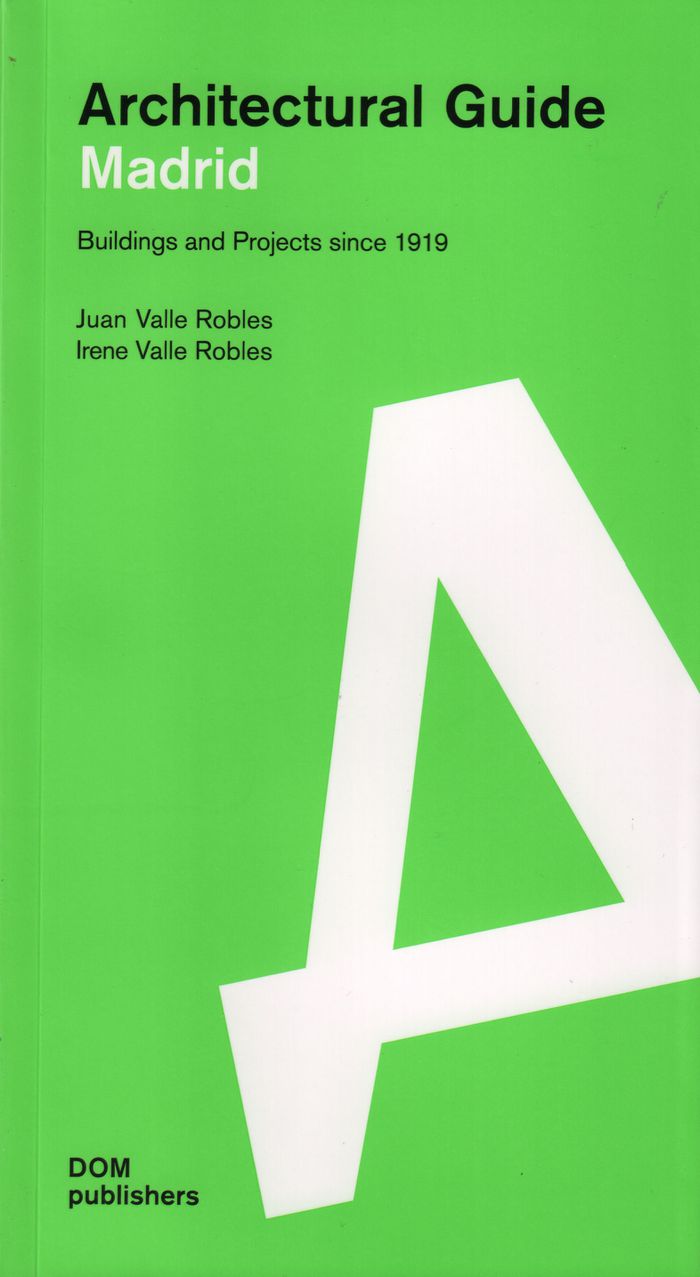
Madrid architectural guide
Madrid architectural guide
Actions:
Prix:
$39.95
(disponible sur commande)
Résumé:
This guidebook showcases 150 buildings from the past 100 years starting with one of the most influential urban projects ever: the Gran Vía. This main avenue marked a milestone for Madrid which went from being a historic city to the modern capital that it is today. This intervention had been ongoing for almost two decades with the initial phase of construction reaching(...)
Titre:
Madrid architectural guide
Actions:
Prix:
$39.95
(disponible sur commande)
Résumé:
This guidebook showcases 150 buildings from the past 100 years starting with one of the most influential urban projects ever: the Gran Vía. This main avenue marked a milestone for Madrid which went from being a historic city to the modern capital that it is today. This intervention had been ongoing for almost two decades with the initial phase of construction reaching completion circa. 1917. A selection of the most relevant buildings thereafter until the present day sheds light on Madrid’s architecture in relation to its inherent historical context, including the need for the reconstruction of built heritage after the Spanish Civil War, the influence of the Franco dictatorship lasting for almost forty years, and the new materials and collaborative architecture that have arisen during the current economic crisis, among other aspects. Seven proposed routes lead us through the different districts that make up the city, as well as those historic epochs that have made Madrid the city it is today.
Classification:
livres
livres
Publication:
mars 2017
mars 2017
Sujet:
Guides des villes
Guides des villes
Classification:
livres
livres
Titre:
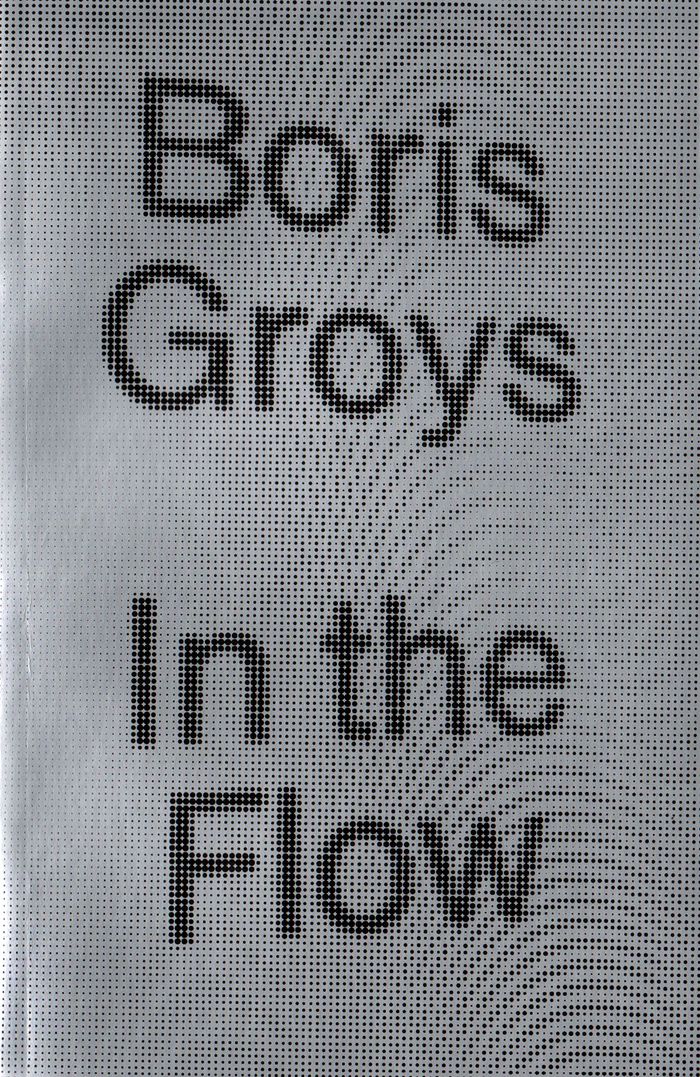
In the flow
In the flow
Actions:
Prix:
$22.99
(disponible sur commande)
Résumé:
In the early twentieth century, art and its institutions came under critique from a new democratic and egalitarian spirit. The notion of works of art as sacred objects was decried and subsequently they would be understood merely as things. This meant an attack on realism, as well as on the traditional preservative mission of the museum. Art theorist Boris Groys argues(...)
Titre:
In the flow
Actions:
Prix:
$22.99
(disponible sur commande)
Résumé:
In the early twentieth century, art and its institutions came under critique from a new democratic and egalitarian spirit. The notion of works of art as sacred objects was decried and subsequently they would be understood merely as things. This meant an attack on realism, as well as on the traditional preservative mission of the museum. Art theorist Boris Groys argues this led to the development of “direct realism”: an art that would not produce objects, but practices that would not survive. But for more than a century now, every advance in this direction has been quickly followed by new means of preserving art’s distinction. In this new work, Groys explores art in the age of the thingless medium, the Internet. Groys claims that if the techniques of mechanical reproduction gave us objects without aura, digital production generates aura without objects, transforming all its materials into vanishing markers of the transitory present.
Classification:
livres
livres
Publication:
janvier 2018
janvier 2018
Sujet:
Théorie de l’art
Théorie de l’art
Classification:
livres
livres
Actions:
Prix:
$30.70
(disponible sur commande)
Résumé:
'Television: Technology and Cultural Form' was first published in 1974, long before the dawn of multi-channel TV, or the reality and celebrity shows that now pack the schedules. Yet Williams' analysis of television's history, its institutions, programmes and practices, and its future prospects, remains remarkably prescient. Williams stresses the importance of(...)
Titre:
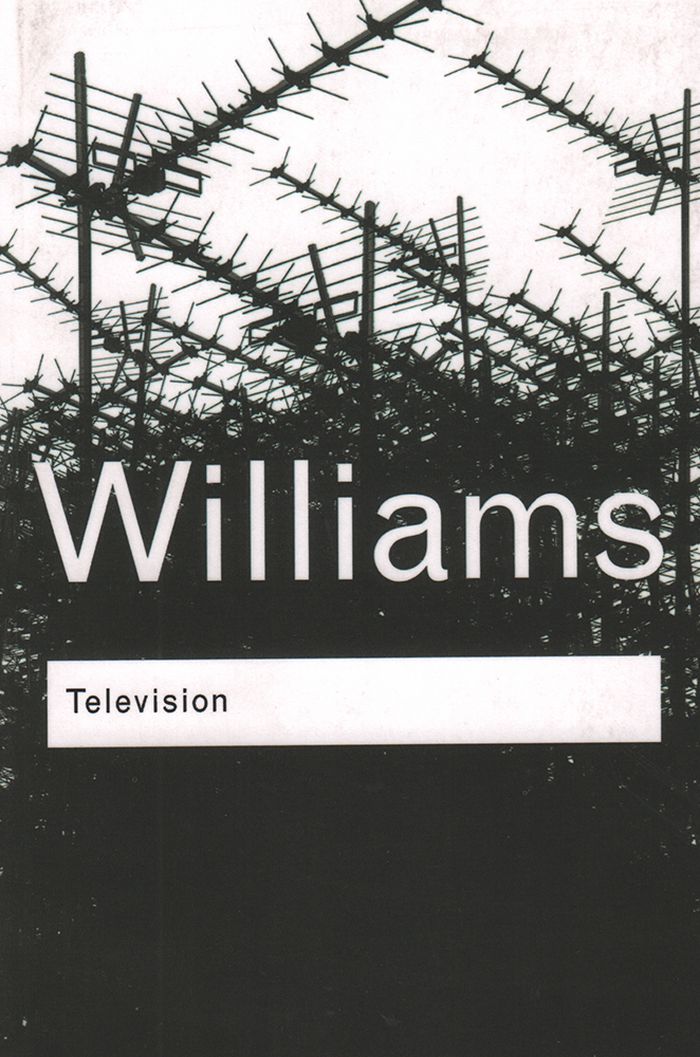
Television: technology and cultural form
Actions:
Prix:
$30.70
(disponible sur commande)
Résumé:
'Television: Technology and Cultural Form' was first published in 1974, long before the dawn of multi-channel TV, or the reality and celebrity shows that now pack the schedules. Yet Williams' analysis of television's history, its institutions, programmes and practices, and its future prospects, remains remarkably prescient. Williams stresses the importance of technology in shaping the cultural form of television, while always resisting the determinism of McLuhan's dictum that 'the medium is the message'. If the medium really is the message, Williams asks, what is left for us to do or say? Williams argues that, on the contrary, we as viewers have the power to disturb, disrupt and to distract the otherwise cold logic of history and technology - not just because television is part of the fabric of our daily lives, but because new technologies continue to offer opportunities, momentarily outside the sway of transnational corporations or the grasp of media moguls, for new forms of self and political expression.
Classification:
livres
livres
Publication:
juin 2003
juin 2003
Sujet:
Théorie/ philosophie
Théorie/ philosophie
Classification:
périodiques
périodiques
Actions:
Prix:
$32.95
(disponible sur commande)
Résumé:
There is hardly another topic that fascinates architects more than new materials, with their previously unimagined properties and enchanting haptic surfaces. Yet if you look at built reality, these hardly play a role. On the contrary, the international trend continues to move towards natural surfaces made of wood, brick and natural stone. As aesthetically and ecologically(...)
Titre:
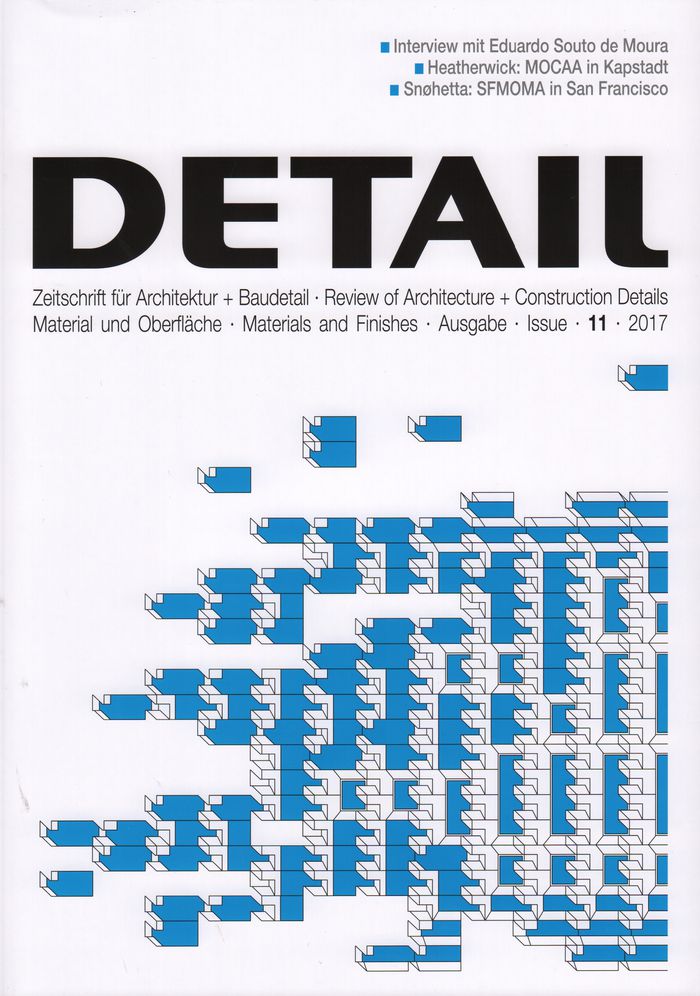
Detail 11 2017: materials and finishes
Actions:
Prix:
$32.95
(disponible sur commande)
Résumé:
There is hardly another topic that fascinates architects more than new materials, with their previously unimagined properties and enchanting haptic surfaces. Yet if you look at built reality, these hardly play a role. On the contrary, the international trend continues to move towards natural surfaces made of wood, brick and natural stone. As aesthetically and ecologically meaningful as they may be, this development becomes alarming when buildings and interiors in southern China, Paris or Copenhagen become indistinguishable. The examples in this issue show, however, that individual solutions are still possible even within a narrow range of materials and colours. Just a few years ago, natural stone and solid wood – building materials used today by the luxury sector – were cheaper than concrete and veneer in countries like Portugal, as the Pritzker Prize winner Eduardo Souto de Moura explains to us in an interview. In his eyes, the design elements of architecture remain the same throughout history, only the materials change.
Classification:
périodiques
périodiques
Publication:
novembre 2017
novembre 2017
Sujet:
Revues
Revues
Classification:
livres
livres
Actions:
Prix:
$45.50
(disponible sur commande)
Résumé:
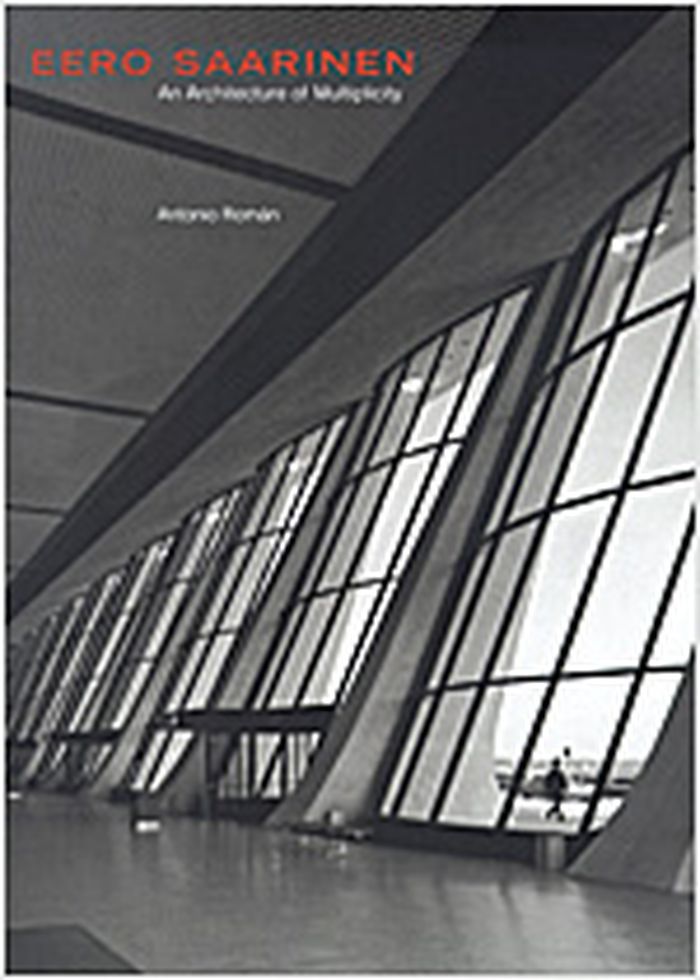
Saarinen's buildings are famous worldwide: the Gateway Arch in St. Louis, the TWA terminal in JFK Airport, Dulles Airport, outside Washington D.C., the CBS Building in New York, the General Motors Technical Center in Michigan, the US Embassy in London, and many other landmarks. Equally celebrated are his furniture designs, including the Tulip Table and Womb Chair. While(...)
Titre:
Eero Saarinen : an architecture of multiplicity
Actions:
Prix:
$45.50
(disponible sur commande)
Résumé:
Saarinen's buildings are famous worldwide: the Gateway Arch in St. Louis, the TWA terminal in JFK Airport, Dulles Airport, outside Washington D.C., the CBS Building in New York, the General Motors Technical Center in Michigan, the US Embassy in London, and many other landmarks. Equally celebrated are his furniture designs, including the Tulip Table and Womb Chair. While Saarinen's exuberant, even expressionistic, forms were lightning rods for many critics, his unique personal style is now much admired, making him a key figure for many designers practicing today. Saarinen's was a career of innovation. His airport terminals combined the poetry of sculpture with daring structural feats and raganizational genius; his pioneering industrial complexes for GM, IBM, and Bell Labs brought rational modernism to corporate America; and his furniture and residential buildings conveyed an optimistic, humane vision for the future. This illustrated monograph spans Saarinen's entire career, including his drawings, models, most important built works, and furniture.
Classification:
livres
livres
Publication:
juillet 2006, New York
juillet 2006, New York
Sujet:
Architecture, monographies
Architecture, monographies


