


5088 Résultats
Classification:
livres
livres
Titre:
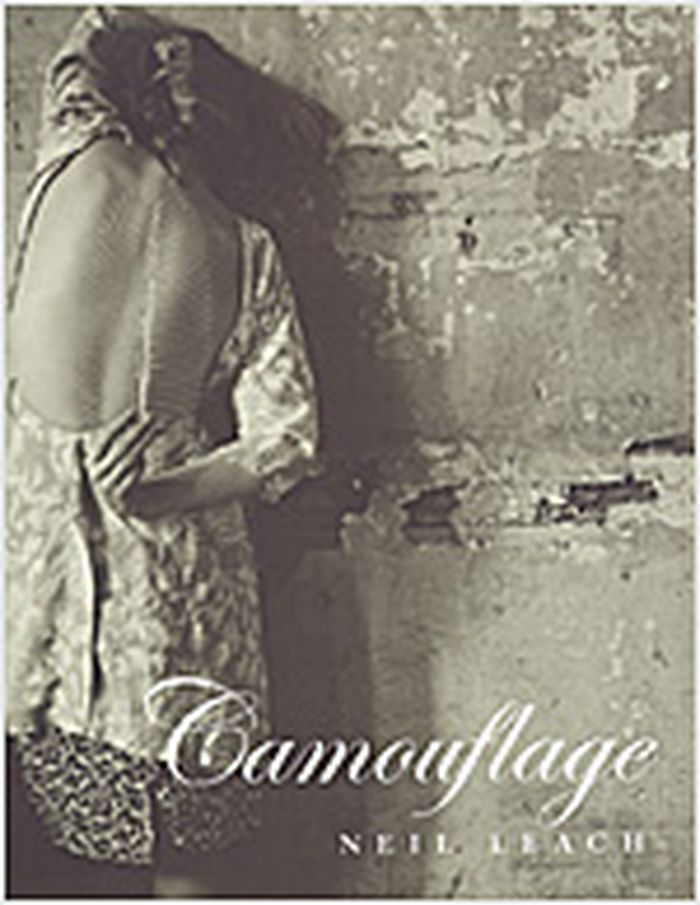
Camouflage
Camouflage
Actions:
Prix:
$28.95
(disponible sur commande)
Résumé:
The desire for camouflage is a desire to feel connected--to find our place in the world and to feel at home. In Camouflage Neil Leach analyzes this desire and its consequences for architectural concerns. Design, Leach argues, can aid the process of assimilation we go through when we adapt to our surroundings. Design can provide a form of connectivity--a mediation between(...)
Titre:
Camouflage
Actions:
Prix:
$28.95
(disponible sur commande)
Résumé:
The desire for camouflage is a desire to feel connected--to find our place in the world and to feel at home. In Camouflage Neil Leach analyzes this desire and its consequences for architectural concerns. Design, Leach argues, can aid the process of assimilation we go through when we adapt to our surroundings. Design can provide a form of connectivity--a mediation between us and our environment--and it can contribute to a sense of belonging. Architecture, and indeed all forms of design and creativity--fashion, art, cinema, and others--can be an effective realm for forging a sense of belonging and establishing an identity. Camouflage offers a range of overlapping and intersecting theoretical perspectives--from an overview of psychoanalytic insights to an account of the magical properties of architectural models--that together suggest a way to rethink our relationship to the world and the role that design plays in that relationship.
Classification:
livres
livres
Publication:
juin 2006, Cambridge
juin 2006, Cambridge
Sujet:
Théorie de l’architecture
Théorie de l’architecture
Classification:
livres
livres

Actions:
Prix:
$59.95
(disponible sur commande)
Résumé:
" L'ambition de FGP, lorsque se constitue, en 2004, ce trio d'architectes- urbanistes, est d'abord "désurbanistique". Désurbaniser ? Le sens de ce néologisme est explicite : corriger us et coutumes en matière d'urbanisme dominant. On se souvient des "désurbanistes" soviétiques, engagés dans un bras de fer impitoyable avec les vieilles conceptions urbaines de leur temps.(...)
Titre:
City rama FGP: Ferrier, Gazeau, Paillard
Actions:
Prix:
$59.95
(disponible sur commande)
Résumé:
" L'ambition de FGP, lorsque se constitue, en 2004, ce trio d'architectes- urbanistes, est d'abord "désurbanistique". Désurbaniser ? Le sens de ce néologisme est explicite : corriger us et coutumes en matière d'urbanisme dominant. On se souvient des "désurbanistes" soviétiques, engagés dans un bras de fer impitoyable avec les vieilles conceptions urbaines de leur temps. On verra en FGP, dans un même esprit, un collectif de combat mais adapté, celui-ci, au XXIe siècle, que marque le développement désordonné du fait urbain global. Des stratèges de la requalification urbaine harmonieuse. [...] Trois individualités, trois signatures que la logique, au regard du moins de leurs inflexions architecturales respectives, n'eût pas de facto mariées. À l'arrivée, pourtant, un trio détonant mais dont chaque élément soutient et se fait fort de relancer efficacement les deux autres, non d'ailleurs toujours dans la sérénité. Où Ferrier invoque l'optimum techno- écologique, Gazeau souscrit plus volontiers au principe de la beauté juste et Paillard à celui de l'énergie vitale impulsée jusqu'au coeur du projet. " Paul Ardenne
Classification:
livres
livres
Publication:
mars 2009, Paris
mars 2009, Paris
Sujet:
Architecture, monographies
Architecture, monographies
Classification:
livres
livres
Actions:
Prix:
$26.95
(disponible sur commande)
Résumé:
In this first full-length study of a largely forgotten optical device from the eighteenth century, Arnaud Maillet reconfigures our historical understanding of visual experience and meaning in relation to notions of opacity, transparency, and imagination. Many are familiar with the Claude glass as a small black convex mirror used by artists and spectators of landscape to(...)
Titre:
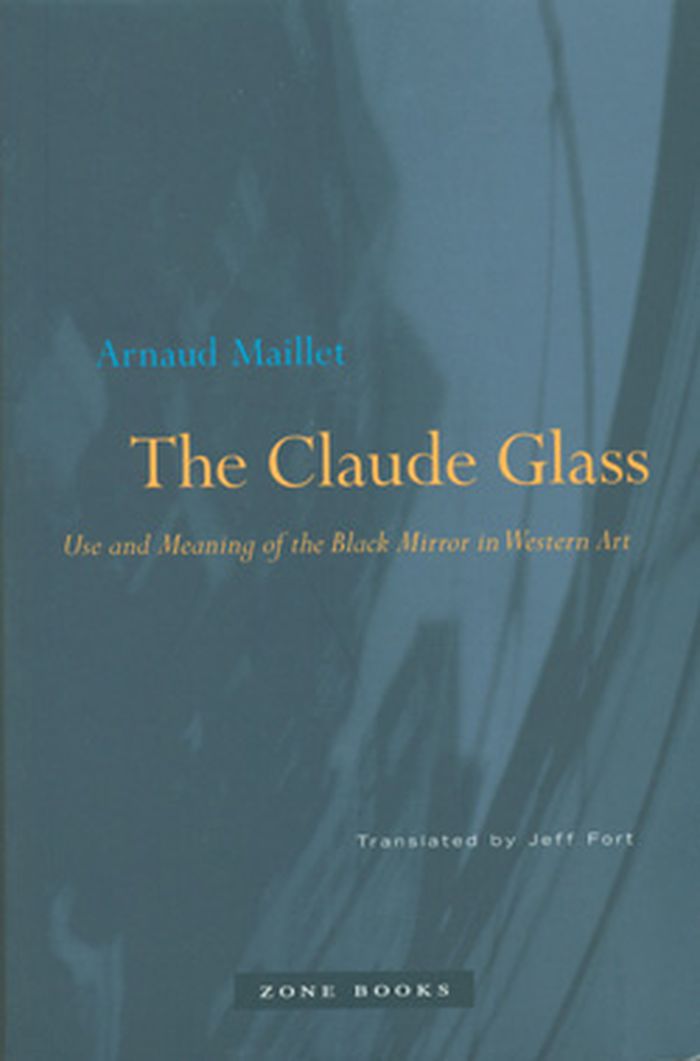
The Claude glass: use and meaning of the black mirror in western art
Actions:
Prix:
$26.95
(disponible sur commande)
Résumé:
In this first full-length study of a largely forgotten optical device from the eighteenth century, Arnaud Maillet reconfigures our historical understanding of visual experience and meaning in relation to notions of opacity, transparency, and imagination. Many are familiar with the Claude glass as a small black convex mirror used by artists and spectators of landscape to reflect a view and make tonal values and areas of light and shade visible. In a groundbreaking account, Maillet goes well beyond this particular function of the glass and situates it within a richer archaeology of Western thought, exploring the uncertainties and anxieties about mirrors, reflections, and their potential distortions. He takes us from the magical and occult background of the 'black mirror', through a full evaluation of its importance in the age of the picturesque, to its persistence in a range of technological and representational practices, including photography, film, and contemporary art. "The Claude Glass" is a lasting contribution to the history of Western visual culture.
Classification:
livres
livres
Publication:
janvier 1900, New York
janvier 1900, New York
Sujet:
Théorie de l’art
Théorie de l’art
Classification:
livres
livres
Actions:
Prix:
$16.95
(disponible sur commande)
Résumé:
Mary Heilmann is one of the most important abstract painters of her generation. Her distinctively fluid, humorous, and bright canvases combine the modes of Abstract Expressionism with a vibrant Pop sensibility. Heilmannn's 1979 painting in hot pink and black, evocatively titled Save the Last Dance for Me, marked a shift in the artist's perspective. Heilmann describes it:(...)
Titre:
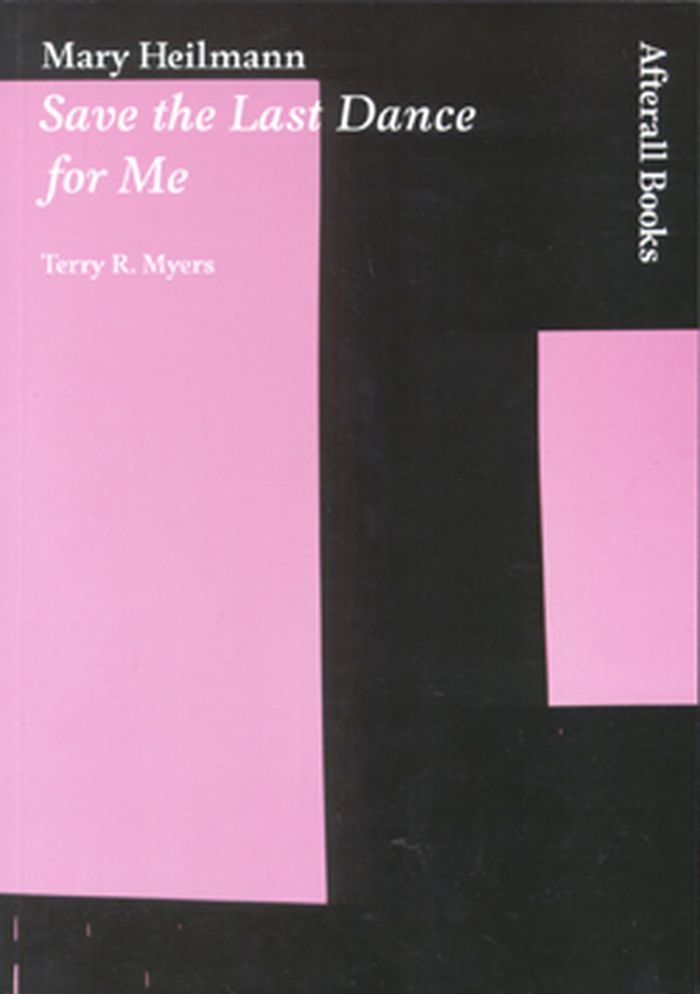
Mary Heilmann: save the last dance for me
Actions:
Prix:
$16.95
(disponible sur commande)
Résumé:
Mary Heilmann is one of the most important abstract painters of her generation. Her distinctively fluid, humorous, and bright canvases combine the modes of Abstract Expressionism with a vibrant Pop sensibility. Heilmannn's 1979 painting in hot pink and black, evocatively titled Save the Last Dance for Me, marked a shift in the artist's perspective. Heilmann describes it: "Now the work came from a different place. Instead of working out of modernist non-image formalism, I began to see that the choices in the work depended more on content for their meaning." This beautifully illustrated study of Save the Last Dance for Me explores the development of Heilmann's work, and the way it continues to engage us—psychologically, sensually, and socially. Terry R. Myers is a lecturer, critic, and independent curator based in Los Angeles, Visiting Lecturer at the School of the Art Institute of Chicago, and Adjunct Associate Professor at Art Center College of Design in Pasadena.
Classification:
livres
livres
Publication:
janvier 1900, London
janvier 1900, London
Sujet:
Théorie de l’art
Théorie de l’art
Classification:
livres
livres
Actions:
Prix:
$16.95
(disponible sur commande)
Résumé:
In Richard Prince's 1977 work Untitled (couple), difference mixes uncannily with sameness. We can't quite tell whether the shiny couple we see is human or android; their clothing seems curiously out of date. Why do they fascinate us? What is it about their typicality that produces an impression of strangeness? Michael Newman explores Prince's work and his revival of the(...)
Titre:
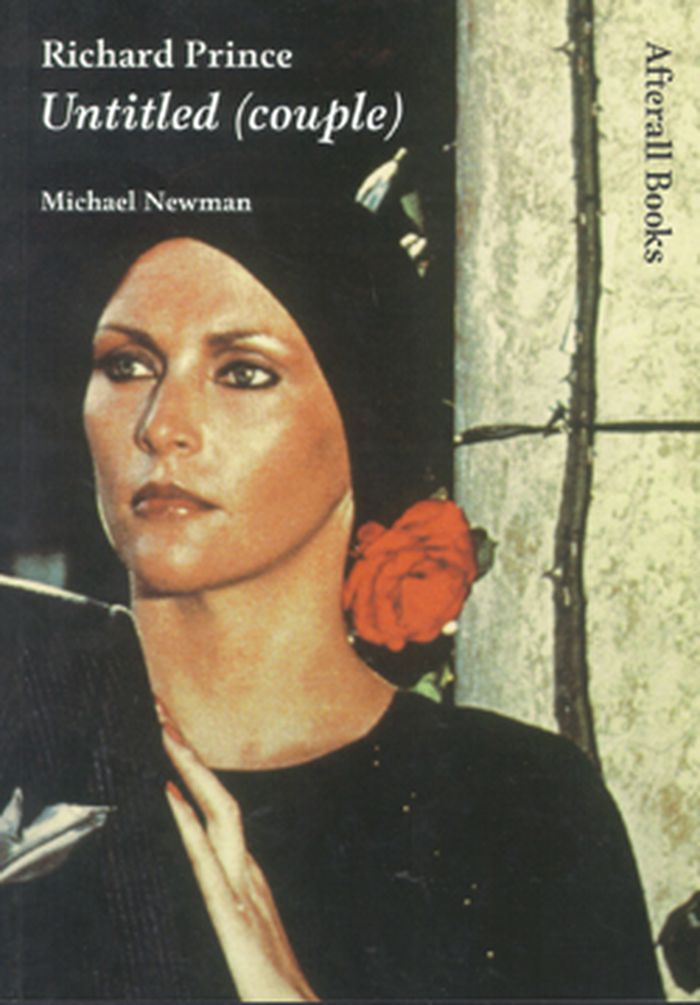
Richard Prince: untitled (couple)
Actions:
Prix:
$16.95
(disponible sur commande)
Résumé:
In Richard Prince's 1977 work Untitled (couple), difference mixes uncannily with sameness. We can't quite tell whether the shiny couple we see is human or android; their clothing seems curiously out of date. Why do they fascinate us? What is it about their typicality that produces an impression of strangeness? Michael Newman explores Prince's work and his revival of the image through photography—rephotographed reproduced photographs—after the impasses of conceptualism. Newman examines the relation of Prince's work to images appearing in illustrated magazines, advertising, and television during the artist's formative years and argues that the vintage TV series The Twilight Zone is crucial to understanding Prince's use of images in his work. Michael Newman is Associate Professor of Art History, Theory, and Criticism in the School of the Art Institute of Chicago. He has published in ArtForum, Art in America, Parachute, and other journals and is coeditor of the book Rewriting Conceptual Art.
Classification:
livres
livres
Publication:
janvier 1900, London
janvier 1900, London
Sujet:
Théorie de l’art
Théorie de l’art
Classification:
livres
livres

Actions:
Prix:
$35.00
(disponible sur commande)
Résumé:
Design has always prided itself on being relevant to the world it serves, but interest in design was once limited to a small community of design professionals. Today, books on “design thinking” are best sellers, and computer and Web-based tools have expanded the definition of who practices design. Looking at objects, letterforms, experiences, and even theatrical(...)
Titre:
Design: the invention of desire
Actions:
Prix:
$35.00
(disponible sur commande)
Résumé:
Design has always prided itself on being relevant to the world it serves, but interest in design was once limited to a small community of design professionals. Today, books on “design thinking” are best sellers, and computer and Web-based tools have expanded the definition of who practices design. Looking at objects, letterforms, experiences, and even theatrical performances, award-winning author Jessica Helfand asserts that understanding design's purpose is more crucial than ever. Design is meaningful not because it is pretty but because it is an intrinsically humanist discipline, tethered to the very core of why we exist. For example, as designers collaborate with developing nations on everything from more affordable lawn mowers to cleaner drinking water, they must take into consideration the full range of a given community’s complex social needs. Advancing a conversation that is unfolding around the globe, Helfand offers an eye-opening look at how designed things make us feel as well as how—and why—they motivate our behavior.
Classification:
livres
livres
Publication:
mai 2016
mai 2016
Sujet:
Théorie du design
Théorie du design
Classification:
livres
livres
Actions:
Prix:
$66.00
(disponible sur commande)
Résumé:
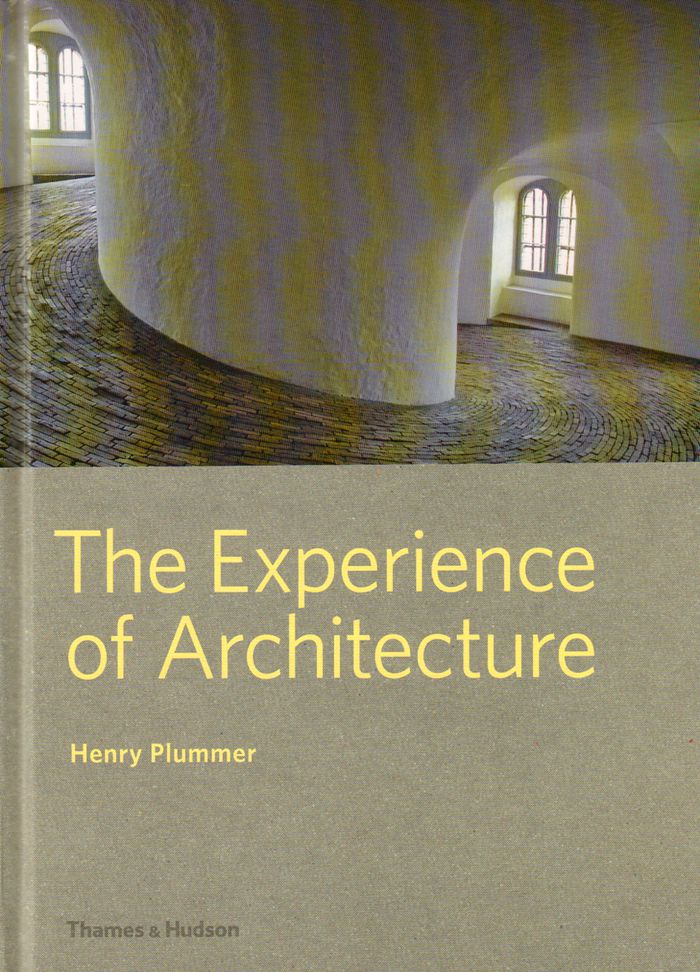
How does the experience of turning a door handle, opening a door from one space into another, affect us? It is no wonder that the door, one of the most elemental architectural forms, has such metaphorical richness. But even on a purely physical human level, the cold touch of a brass handle or the swish of a sliding screen gives rise to an emotional reaction, sometimes(...)
Titre:
The experience of architecture
Actions:
Prix:
$66.00
(disponible sur commande)
Résumé:
How does the experience of turning a door handle, opening a door from one space into another, affect us? It is no wonder that the door, one of the most elemental architectural forms, has such metaphorical richness. But even on a purely physical human level, the cold touch of a brass handle or the swish of a sliding screen gives rise to an emotional reaction, sometimes modest, occasionally profound. This book aims to understand how these everyday acts are influenced by architectural form, a concept that is vital for all architects to grasp. It considers how specifically built elements and volumes, taken from a wide array of buildings and settings around the world, can affect our powers of decision. From hand-carved stairs in Greek villages to free-floating catwalks, from the elegant processional steps of Renaissance Italy to Frank Lloyd Wright’s masterly manipulation of form, all provide very different experiences of stepping from one level to the next, and all affect our experience of that space.
Classification:
livres
livres
Publication:
novembre 2016
novembre 2016
Sujet:
Théorie de l’architecture
Théorie de l’architecture
Classification:
livres
livres

Prix:
$39.95
(disponible sur commande)
Résumé:
"Living Earth" is a new book filled with ideas, conversations, lectures, and documentation relating to commissioned installations, soundwalks, concerts and performances made for and during the Dark Ecology project. This three-year project, a collaboration between Sonic Acts and the Norwegian curator Hilde Methi, was held from 2014 to 2016 in different places in Norway and(...)
Titre:
Living earth: field notes from the dark ecology project 2014-2016
Actions:
Prix:
$39.95
(disponible sur commande)
Résumé:
"Living Earth" is a new book filled with ideas, conversations, lectures, and documentation relating to commissioned installations, soundwalks, concerts and performances made for and during the Dark Ecology project. This three-year project, a collaboration between Sonic Acts and the Norwegian curator Hilde Methi, was held from 2014 to 2016 in different places in Norway and Russia and included three curated ‘Journeys’. Living Earth is a recreation of these research trips to the Barents Region, from Kirkenes and Svanvik in Norway to Nikel, Zapolyarny and Murmansk in Russia. The project was inspired by Timothy Morton’s concept of ‘dark ecology’ and his philosophy of ‘ecology without Nature’. Morton offers a radical criticism of the modernist way of thinking about nature as something outside of us, and instead proposes an interconnected ‘mesh’ of all living and non-living objects. He ruminates on this idea in his essay for Living Earthentitled ‘What Is Dark Ecology’, stating at the outset that ecological awareness is ‘weird weirdness’.
Classification:
livres
livres
Publication:
juin 2016
juin 2016
Classification:
livres
livres
Titre:
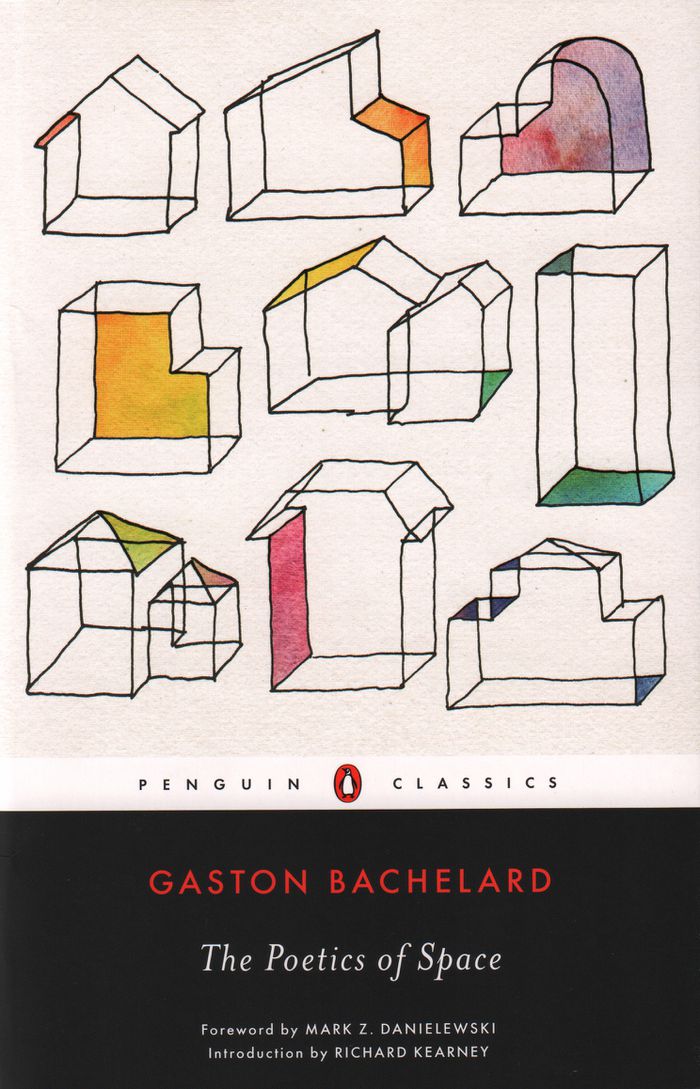
The poetics of space
The poetics of space
Actions:
Prix:
$25.99
(disponible en magasin)
Résumé:
Since its initial publication in 1958, The Poetics of Space has been a muse to philosophers, architects, writers, psychologists, critics, and readers alike. The rare work of irresistibly inviting philosophy, Bachelard’s seminal work brims with quiet revelations and stirring, mysterious imagery. This lyrical journey takes as its premise the emergence of the poetic image(...)
Titre:
The poetics of space
Actions:
Prix:
$25.99
(disponible en magasin)
Résumé:
Since its initial publication in 1958, The Poetics of Space has been a muse to philosophers, architects, writers, psychologists, critics, and readers alike. The rare work of irresistibly inviting philosophy, Bachelard’s seminal work brims with quiet revelations and stirring, mysterious imagery. This lyrical journey takes as its premise the emergence of the poetic image and finds an ideal metaphor in the intimate spaces of our homes. Guiding us through a stream of meditations on poetry, art, and the blooming of consciousness itself, Bachelard examines the domestic places that shape and hold our dreams and memories. Houses and rooms; cellars and attics; drawers, chests, and wardrobes; nests and shells; nooks and corners: No space is too vast or too small to be filled by our thoughts and our reveries. In Bachelard’s enchanting spaces, “We are never real historians, but always near poets, and our emotion is perhaps nothing but an expression of a poetry that was lost.”
Classification:
livres
livres
Publication:
décembre 2014
décembre 2014
Sujet:
Théorie/ philosophie
Théorie/ philosophie
Classification:
livres
livres
Actions:
Prix:
$85.00
(disponible sur commande)
Résumé:
We are in the midst of redesigning the world and all its systems as we witness the biggest mass movement of people, goods, factories, frenzied finance and ideas in history. Vast fl ows make the new norm nomadic. Yet there is a yearning for belonging, distinctiveness and identity as the ‘anytime, anyplace, anywhere’ phenomenon enabled by digitization is changing how we(...)
Titre:
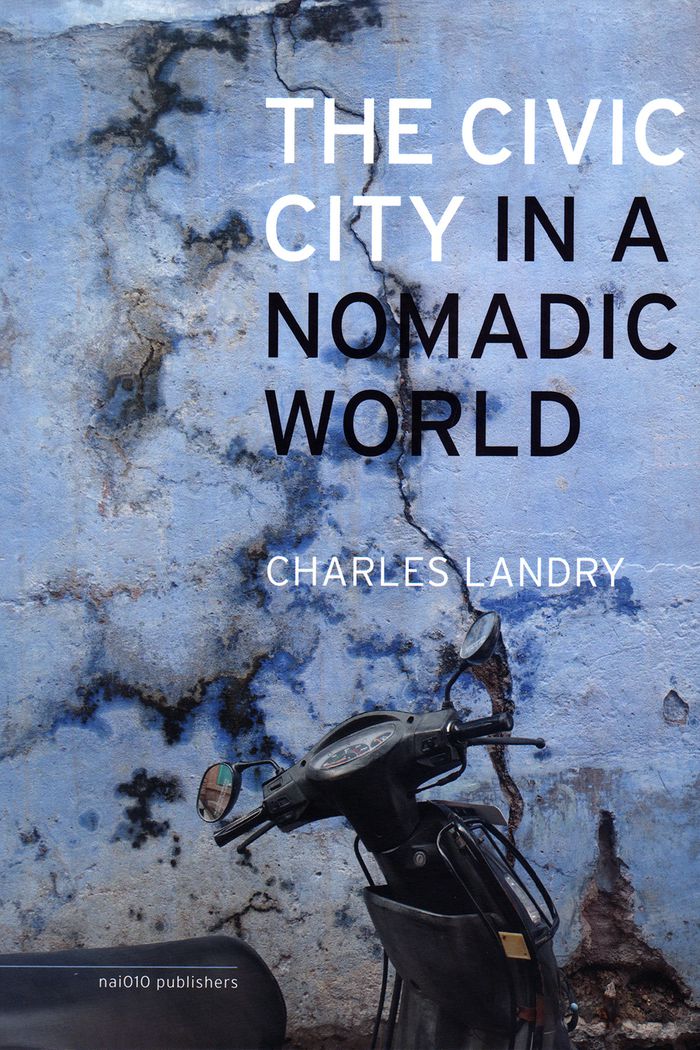
The civic city in a nomadic world
Actions:
Prix:
$85.00
(disponible sur commande)
Résumé:
We are in the midst of redesigning the world and all its systems as we witness the biggest mass movement of people, goods, factories, frenzied finance and ideas in history. Vast fl ows make the new norm nomadic. Yet there is a yearning for belonging, distinctiveness and identity as the ‘anytime, anyplace, anywhere’ phenomenon enabled by digitization is changing how we interact with space, place and time. Old certainties are crumbling and systems are breaking at escalating speed. Apprehension is in the air as we invent a different kind of city. This is the Civic City. It tries to find a pathway through the major faultlines, dilemmas and potentials of our time – shared lives, inequality, environmental distress and urban vitality. This is a place where we reinvent anchorage, an urban commons, connection, but also possibility and inspiration. In this new ground-breaking book, the inventor of the Creative City concept helps us navigate the evolving urban landscapes and its potential.
Classification:
livres
livres
Publication:
octobre 2017
octobre 2017
Sujet:
Théorie de l’urbanisme
Théorie de l’urbanisme


