


4749 Résultats
Classification:
livres
livres
Actions:
Prix:
$42.00
(disponible en magasin)
Résumé:
Cruise delightfully recalls a time of gracious travel, as well as the modern-day evolution of cruising at sea. It explores the design and culture of cruise ships from the golden age of the interwar period, up to the present when cruise ships have come to embrace "entertainment architecture." Packed full of illustrations of all aspects of cruise ship design—interiors,(...)
$42.00
(disponible en magasin)
Résumé:
Cruise delightfully recalls a time of gracious travel, as well as the modern-day evolution of cruising at sea. It explores the design and culture of cruise ships from the golden age of the interwar period, up to the present when cruise ships have come to embrace "entertainment architecture." Packed full of illustrations of all aspects of cruise ship design—interiors,(...)
Publication:
avril 2006, New York
avril 2006, New York
Titre:
Cruise : identity, design and culture
Actions:
Prix:
$42.00
(disponible en magasin)
Résumé:
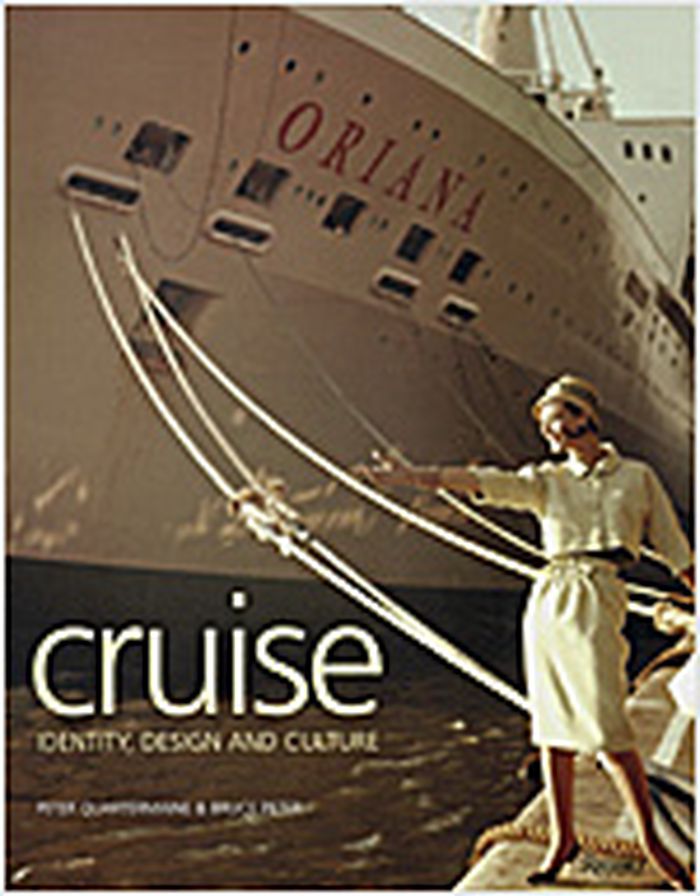
Cruise delightfully recalls a time of gracious travel, as well as the modern-day evolution of cruising at sea. It explores the design and culture of cruise ships from the golden age of the interwar period, up to the present when cruise ships have come to embrace "entertainment architecture." Packed full of illustrations of all aspects of cruise ship design—interiors, entertainment, travel posters, and other ephemera—this timely book also documents the current renaissance in cruise vacations.Traveling by cruise ship, especially between the wars and into the '50s, was the most luxurious and stylish form of transport available. Many of the greatest liners were built during that time, including France's Normandie, whose Art Deco interior was one of the most lavish—and beautiful—ever created. This up-to-date visual history of ocean travel, complete with full illustrations and a lively survey of every aspect of sailing on the high seas, will appeal to and delight a broad audience including cruise ship enthusiasts, designers, and nostalgia buffs.
Cruise : identity, design and culture
Actions:
Prix:
$42.00
(disponible en magasin)
Résumé:
Cruise delightfully recalls a time of gracious travel, as well as the modern-day evolution of cruising at sea. It explores the design and culture of cruise ships from the golden age of the interwar period, up to the present when cruise ships have come to embrace "entertainment architecture." Packed full of illustrations of all aspects of cruise ship design—interiors, entertainment, travel posters, and other ephemera—this timely book also documents the current renaissance in cruise vacations.Traveling by cruise ship, especially between the wars and into the '50s, was the most luxurious and stylish form of transport available. Many of the greatest liners were built during that time, including France's Normandie, whose Art Deco interior was one of the most lavish—and beautiful—ever created. This up-to-date visual history of ocean travel, complete with full illustrations and a lively survey of every aspect of sailing on the high seas, will appeal to and delight a broad audience including cruise ship enthusiasts, designers, and nostalgia buffs.
Classification:
livres
livres
Publication:
avril 2006, New York
avril 2006, New York
Classification:
livres
livres
Actions:
Prix:
$54.00
(disponible en magasin)
Résumé:
Among distinguished contemporary designers, Alessandro Mendini is perhaps most deserving of the overused title of Renaissance man. Painter, writer, architect, theorist, designer: his work in all these fields has influenced generations of other artists and craftsmen and delighted even those who don’t know his name but have entered his spaces (like his stores for Alessi and(...)
$54.00
(disponible en magasin)
Résumé:
Among distinguished contemporary designers, Alessandro Mendini is perhaps most deserving of the overused title of Renaissance man. Painter, writer, architect, theorist, designer: his work in all these fields has influenced generations of other artists and craftsmen and delighted even those who don’t know his name but have entered his spaces (like his stores for Alessi and(...)
Titre:
Pulviscoli : 2469 drawings of Alessandro Mendini
Actions:
Prix:
$54.00
(disponible en magasin)
Résumé:
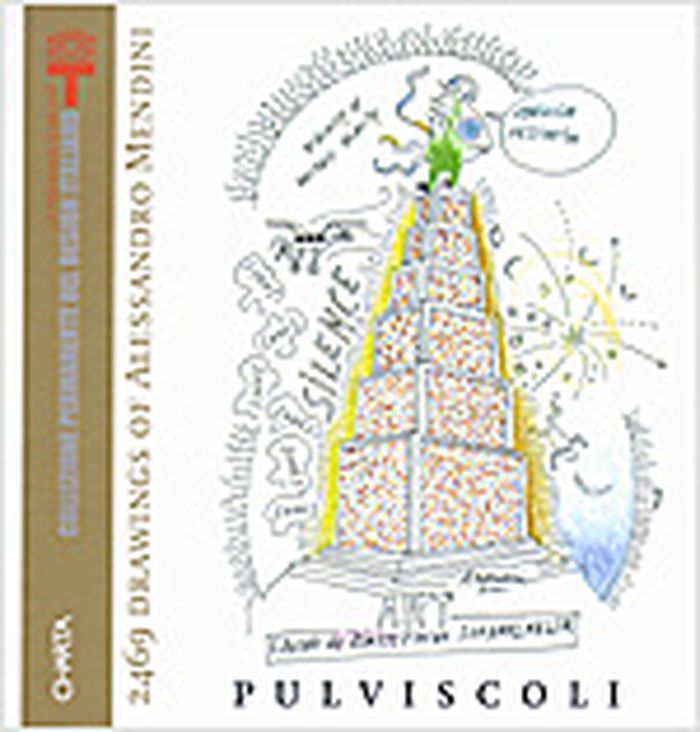
Among distinguished contemporary designers, Alessandro Mendini is perhaps most deserving of the overused title of Renaissance man. Painter, writer, architect, theorist, designer: his work in all these fields has influenced generations of other artists and craftsmen and delighted even those who don’t know his name but have entered his spaces (like his stores for Alessi and Swatch), sipped from his espresso cups, and rested in his chairs. Through his work as a founder of Studio Alchimia in 1979 and editor of the magazines Casabella, Modo, and domus, Mendini has fought the strictures of modernism and championed the expressive value of decoration, which is the foundation for the development of his designs. This book offers a window into Mendini's working methods by presenting some 2,000 of his introductory designs, sketches, and texts that would eventually be realized as objects and buildings. This one-of-a-kind archive is both an important contribution to the history of design for scholars and students and a source of inspiration for designers and artists.
Pulviscoli : 2469 drawings of Alessandro Mendini
Actions:
Prix:
$54.00
(disponible en magasin)
Résumé:
Among distinguished contemporary designers, Alessandro Mendini is perhaps most deserving of the overused title of Renaissance man. Painter, writer, architect, theorist, designer: his work in all these fields has influenced generations of other artists and craftsmen and delighted even those who don’t know his name but have entered his spaces (like his stores for Alessi and Swatch), sipped from his espresso cups, and rested in his chairs. Through his work as a founder of Studio Alchimia in 1979 and editor of the magazines Casabella, Modo, and domus, Mendini has fought the strictures of modernism and championed the expressive value of decoration, which is the foundation for the development of his designs. This book offers a window into Mendini's working methods by presenting some 2,000 of his introductory designs, sketches, and texts that would eventually be realized as objects and buildings. This one-of-a-kind archive is both an important contribution to the history of design for scholars and students and a source of inspiration for designers and artists.
Classification:
livres
livres
Publication:
octobre 2005, Milano
octobre 2005, Milano
Sujet:
Design, monographies
Design, monographies
Classification:
livres
livres
Actions:
Prix:
$49.95
(disponible sur commande)
Résumé:
Maulnes est une maison faite pour une femme et un homme. Elle est de taille humaine. Se nomme château, tient en cinq faces et forme un pentagone. Telle est l’histoire née en ce lieu. Celle d’un couple singulièrement uni, lié à la cour des Valois et plus discrètement aux chefs huguenots. Celle d’une société aristocratique, toute puissante en ses terres. Et d’un temps(...)
$49.95
(disponible sur commande)
Résumé:
Maulnes est une maison faite pour une femme et un homme. Elle est de taille humaine. Se nomme château, tient en cinq faces et forme un pentagone. Telle est l’histoire née en ce lieu. Celle d’un couple singulièrement uni, lié à la cour des Valois et plus discrètement aux chefs huguenots. Celle d’une société aristocratique, toute puissante en ses terres. Et d’un temps(...)
Titre:
Maulnes est en terre de Bourgogne
Actions:
Prix:
$49.95
(disponible sur commande)
Résumé:
Maulnes est une maison faite pour une femme et un homme. Elle est de taille humaine. Se nomme château, tient en cinq faces et forme un pentagone. Telle est l’histoire née en ce lieu. Celle d’un couple singulièrement uni, lié à la cour des Valois et plus discrètement aux chefs huguenots. Celle d’une société aristocratique, toute puissante en ses terres. Et d’un temps violent, raffiné, l’ultime Renaissance, et ses guerres incessantes. L’histoire de ces pages est celle d’une rencontre. Entre une maison et un architecte. Ce que l’un fit à l’autre, ce que l’autre reçut et sut réfléchir. Face à de tels objets il est des questions auxquelles on ne peut échapper. Que faire de telles maisons ? Merveilleuses, uniques et effrayantes. Comment les habiter, le faut-il ? Est-il juste de leur prêter une vie idéale qu’elles n’ont pas eues, de viser une restauration exemplaire, de bouleverser leur isolement en pièce de curiosité ? Les maisons fascinent, inquiètent, hantent. Nous perdent parce qu’elles nous touchent. Elles usent d’un langage codé, déclinent en chaque lieu une pensée unique faite géométrie, matière, lumière, feu, usage.
Maulnes est en terre de Bourgogne
Actions:
Prix:
$49.95
(disponible sur commande)
Résumé:
Maulnes est une maison faite pour une femme et un homme. Elle est de taille humaine. Se nomme château, tient en cinq faces et forme un pentagone. Telle est l’histoire née en ce lieu. Celle d’un couple singulièrement uni, lié à la cour des Valois et plus discrètement aux chefs huguenots. Celle d’une société aristocratique, toute puissante en ses terres. Et d’un temps violent, raffiné, l’ultime Renaissance, et ses guerres incessantes. L’histoire de ces pages est celle d’une rencontre. Entre une maison et un architecte. Ce que l’un fit à l’autre, ce que l’autre reçut et sut réfléchir. Face à de tels objets il est des questions auxquelles on ne peut échapper. Que faire de telles maisons ? Merveilleuses, uniques et effrayantes. Comment les habiter, le faut-il ? Est-il juste de leur prêter une vie idéale qu’elles n’ont pas eues, de viser une restauration exemplaire, de bouleverser leur isolement en pièce de curiosité ? Les maisons fascinent, inquiètent, hantent. Nous perdent parce qu’elles nous touchent. Elles usent d’un langage codé, déclinent en chaque lieu une pensée unique faite géométrie, matière, lumière, feu, usage.
Classification:
livres
livres
Publication:
avril 2004, Besançon
avril 2004, Besançon
Classification:
livres
livres
Titre:
La ville du jour après
La ville du jour après
Actions:
Prix:
$39.95
(disponible sur commande)
Résumé:
Florence imitant Manhattan, curieuse allégation de Claude Lévi-Strauss ! Et si cette intuition était à prendre sérieusement ? Tout simplement, elle décrit un seul et même cycle, tandis qu'une même granulométrie lie les édifices. Bref, des villes où les mille différences comptent infiniment moins que dans nos villes modernes devenues imprécises, chahutées et pour certaines(...)
$39.95
(disponible sur commande)
Résumé:
Florence imitant Manhattan, curieuse allégation de Claude Lévi-Strauss ! Et si cette intuition était à prendre sérieusement ? Tout simplement, elle décrit un seul et même cycle, tandis qu'une même granulométrie lie les édifices. Bref, des villes où les mille différences comptent infiniment moins que dans nos villes modernes devenues imprécises, chahutées et pour certaines(...)
Titre:
La ville du jour après
Actions:
Prix:
$39.95
(disponible sur commande)
Résumé:
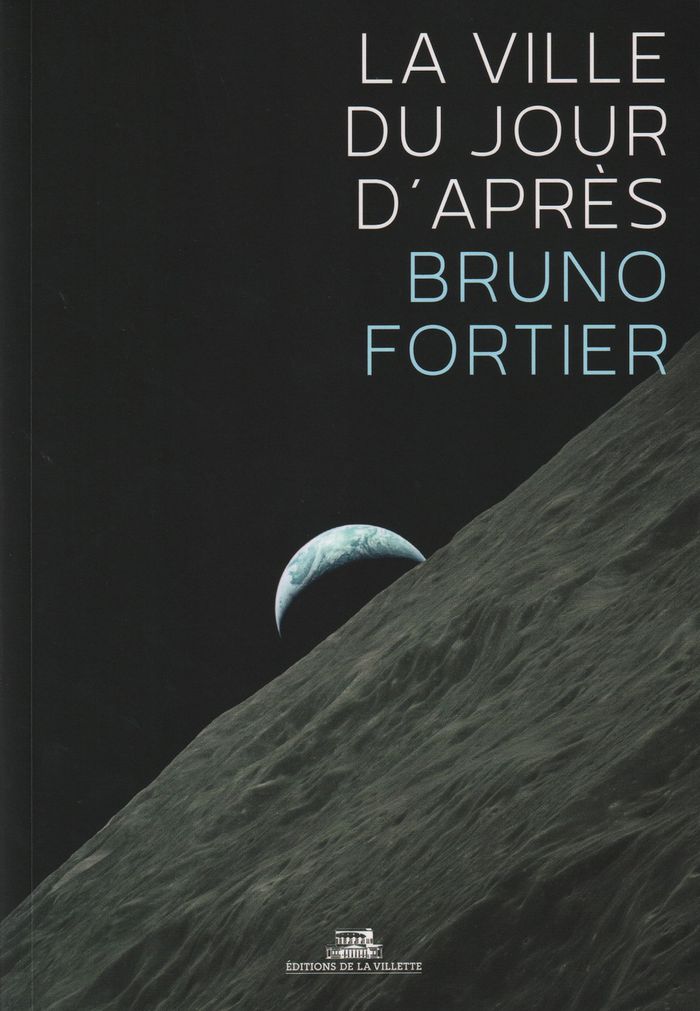
Florence imitant Manhattan, curieuse allégation de Claude Lévi-Strauss ! Et si cette intuition était à prendre sérieusement ? Tout simplement, elle décrit un seul et même cycle, tandis qu'une même granulométrie lie les édifices. Bref, des villes où les mille différences comptent infiniment moins que dans nos villes modernes devenues imprécises, chahutées et pour certaines insaisissables. Et pourtant, chacune d'elles - au XXe siècle comme auparavant - poursuit une idée, mais ne la laissant s'installer qu'au filtre d'une réalité parfois cruelle et qui se traduit toujours en dessins puis tracés. Comprendre le passage à cette différence radicale, en remonter les fils, c'est un peu l'histoire de ce livre. Pour saisir toutes les étapes de cette longue et inexorable évolution, l'auteur remonte jusqu'à la Renaissance et son berceau, l'Italie, pour traquer les mutations successives qui vont produire un tel chamboulement et faire de ces villes des métropoles. Le récit, de nature épique et au rythme enlevé, est accompagné de nombreuses reproductions de dessins de Léonard de Vinci, Perruzi, Piranèse, Boullée, Ruskin, Koolhaas, Portzamparc, Archigram et quelques rares photos prises par Coburn et Gursky.
La ville du jour après
Actions:
Prix:
$39.95
(disponible sur commande)
Résumé:
Florence imitant Manhattan, curieuse allégation de Claude Lévi-Strauss ! Et si cette intuition était à prendre sérieusement ? Tout simplement, elle décrit un seul et même cycle, tandis qu'une même granulométrie lie les édifices. Bref, des villes où les mille différences comptent infiniment moins que dans nos villes modernes devenues imprécises, chahutées et pour certaines insaisissables. Et pourtant, chacune d'elles - au XXe siècle comme auparavant - poursuit une idée, mais ne la laissant s'installer qu'au filtre d'une réalité parfois cruelle et qui se traduit toujours en dessins puis tracés. Comprendre le passage à cette différence radicale, en remonter les fils, c'est un peu l'histoire de ce livre. Pour saisir toutes les étapes de cette longue et inexorable évolution, l'auteur remonte jusqu'à la Renaissance et son berceau, l'Italie, pour traquer les mutations successives qui vont produire un tel chamboulement et faire de ces villes des métropoles. Le récit, de nature épique et au rythme enlevé, est accompagné de nombreuses reproductions de dessins de Léonard de Vinci, Perruzi, Piranèse, Boullée, Ruskin, Koolhaas, Portzamparc, Archigram et quelques rares photos prises par Coburn et Gursky.
Classification:
livres
livres
Publication:
mars 2017
mars 2017
Sujet:
Théorie de l’urbanisme
Théorie de l’urbanisme
Classification:
livres
livres
Actions:
Prix:
$64.95
(disponible sur commande)
Résumé:
Risography, named after the Japanese firm Riso, is a stencil printing process based on screen printing techniques that was developed in the transition phase from mechanical to digital printing. Although the printer looks like a copying machine, the colors are transferred onto the paper without the use of heat or chemicals, saving energy and making the process ecologically(...)
$64.95
(disponible sur commande)
Résumé:
Risography, named after the Japanese firm Riso, is a stencil printing process based on screen printing techniques that was developed in the transition phase from mechanical to digital printing. Although the printer looks like a copying machine, the colors are transferred onto the paper without the use of heat or chemicals, saving energy and making the process ecologically(...)
Titre:
Risomania: the new spirit of printing
Actions:
Prix:
$64.95
(disponible sur commande)
Résumé:
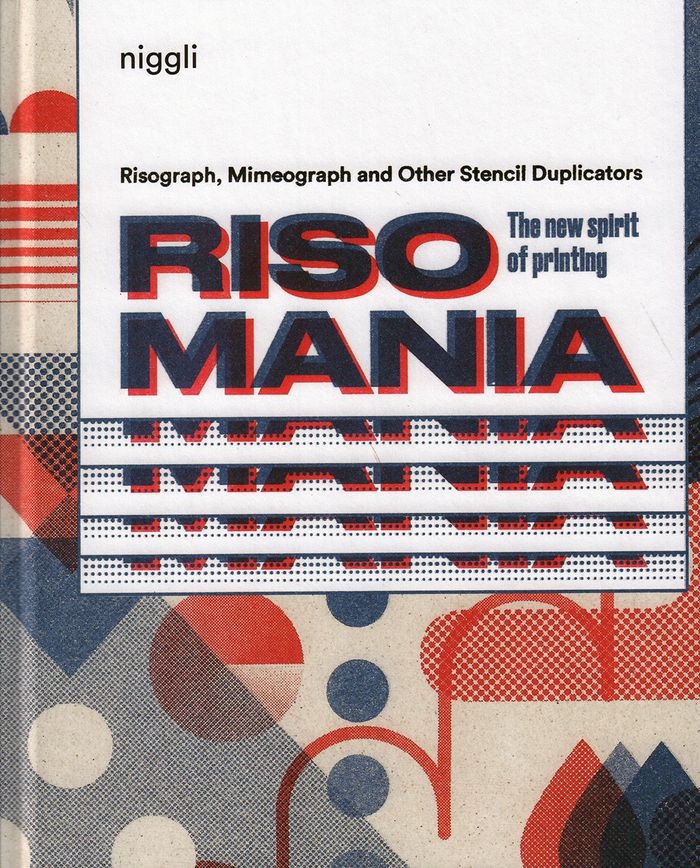
Risography, named after the Japanese firm Riso, is a stencil printing process based on screen printing techniques that was developed in the transition phase from mechanical to digital printing. Although the printer looks like a copying machine, the colors are transferred onto the paper without the use of heat or chemicals, saving energy and making the process ecologically friendly. Graphic artists and designers from around the world have now rediscovered the risograph for themselves – along with other machines for similar, almost forgotten techniques such as mimeography – and sparked an unexpected renaissance of analog printing. A comprehensive introduction that addresses past, present and future is followed by an essay about the key pioneers in the contemporary risography scene. In the chapter "Risoworld" notable risography-oriented publishers, printers and design studios from around the world are presented. At the heart of the book are fabulous, hugely diverse examples such as postcards, magazines, posters, flyers and experimental printed products, all inspired by the force of their color, their unique textures and, above all, the pefectly imperfect authenticity of risography.
Risomania: the new spirit of printing
Actions:
Prix:
$64.95
(disponible sur commande)
Résumé:
Risography, named after the Japanese firm Riso, is a stencil printing process based on screen printing techniques that was developed in the transition phase from mechanical to digital printing. Although the printer looks like a copying machine, the colors are transferred onto the paper without the use of heat or chemicals, saving energy and making the process ecologically friendly. Graphic artists and designers from around the world have now rediscovered the risograph for themselves – along with other machines for similar, almost forgotten techniques such as mimeography – and sparked an unexpected renaissance of analog printing. A comprehensive introduction that addresses past, present and future is followed by an essay about the key pioneers in the contemporary risography scene. In the chapter "Risoworld" notable risography-oriented publishers, printers and design studios from around the world are presented. At the heart of the book are fabulous, hugely diverse examples such as postcards, magazines, posters, flyers and experimental printed products, all inspired by the force of their color, their unique textures and, above all, the pefectly imperfect authenticity of risography.
Classification:
livres
livres
Publication:
mars 2017
mars 2017
Classification:
livres
livres

Actions:
Prix:
$85.00
(disponible sur commande)
Résumé:
This book explores the evolving concept of unfinishedness as essential to understanding art movements from the Renaissance to the present day. Unfinished features more than 200 works, created in a variety of media, by artists ranging from Leonardo, Titian, Rembrandt, Turner, and Cézanne to Picasso, Warhol, Twombly, Freud, Richter, and Nauman. What unites these works,(...)
$85.00
(disponible sur commande)
Résumé:
This book explores the evolving concept of unfinishedness as essential to understanding art movements from the Renaissance to the present day. Unfinished features more than 200 works, created in a variety of media, by artists ranging from Leonardo, Titian, Rembrandt, Turner, and Cézanne to Picasso, Warhol, Twombly, Freud, Richter, and Nauman. What unites these works,(...)
Publication:
mai 2016
mai 2016
Titre:
Unfinished: thoughts left visible
Actions:
Prix:
$85.00
(disponible sur commande)
Résumé:
This book explores the evolving concept of unfinishedness as essential to understanding art movements from the Renaissance to the present day. Unfinished features more than 200 works, created in a variety of media, by artists ranging from Leonardo, Titian, Rembrandt, Turner, and Cézanne to Picasso, Warhol, Twombly, Freud, Richter, and Nauman. What unites these works, across centuries and media, is that each one displays some aspect of being unfinished. Essays and case studies by major contemporary scholars address this key concept from the perspective of both the creator and the viewer, probing the impact that this long artistic trajectory—which can be traced back to the first century—has had on modern and contemporary art. The book explores the degrees to which instances of incompleteness were accidental or intentional, experimental or conceptual. Also included are illuminating interviews with contemporary artists, including Tuymans, Celmins, and Marden, and parallel considerations of the unfinished in literature and film. The result is a multidisciplinary approach and thought-provoking analysis that provide valuable insight into the making, meaning, and critical reception of the unfinished in art.
Unfinished: thoughts left visible
Actions:
Prix:
$85.00
(disponible sur commande)
Résumé:
This book explores the evolving concept of unfinishedness as essential to understanding art movements from the Renaissance to the present day. Unfinished features more than 200 works, created in a variety of media, by artists ranging from Leonardo, Titian, Rembrandt, Turner, and Cézanne to Picasso, Warhol, Twombly, Freud, Richter, and Nauman. What unites these works, across centuries and media, is that each one displays some aspect of being unfinished. Essays and case studies by major contemporary scholars address this key concept from the perspective of both the creator and the viewer, probing the impact that this long artistic trajectory—which can be traced back to the first century—has had on modern and contemporary art. The book explores the degrees to which instances of incompleteness were accidental or intentional, experimental or conceptual. Also included are illuminating interviews with contemporary artists, including Tuymans, Celmins, and Marden, and parallel considerations of the unfinished in literature and film. The result is a multidisciplinary approach and thought-provoking analysis that provide valuable insight into the making, meaning, and critical reception of the unfinished in art.
Classification:
livres
livres
Publication:
mai 2016
mai 2016
Classification:
livres
livres
Actions:
Prix:
$52.50
(disponible sur commande)
Résumé:
To concentrate only on the profession of architecture is to ignore the much larger field of architecture, which structures the entire social universe of the architect and of which architects are only one part. This book critically surveys that field, exposing(...)
$52.50
(disponible sur commande)
Résumé:
To concentrate only on the profession of architecture is to ignore the much larger field of architecture, which structures the entire social universe of the architect and of which architects are only one part. This book critically surveys that field, exposing(...)
Titre:
The favored circle : the social foundations of architectural distinction
Actions:
Prix:
$52.50
(disponible sur commande)
Résumé:
To concentrate only on the profession of architecture is to ignore the much larger field of architecture, which structures the entire social universe of the architect and of which architects are only one part. This book critically surveys that field, exposing many myths and debunking a number of heroes in the process. Using the conceptual apparatus of French sociologist Pierre Bourdieu, Stevens describes the field of architecture on two levels. First, he provides a detailed account of the field as it is at any given point in time, describing the different components and their relationships. Second, he analyzes the dynamics of the field through time, from the Renaissance to the present. He discusses the system of architectural education, as well as everyday aspects such as the competition for reputation. He concludes that throughout history, the most eminent architects have been connected to each other by master-pupil and collegiate relations. These networks, which still exist, provide a mechanism for architectural influence that runs parallel to that of the university-based schools.
The favored circle : the social foundations of architectural distinction
Actions:
Prix:
$52.50
(disponible sur commande)
Résumé:
To concentrate only on the profession of architecture is to ignore the much larger field of architecture, which structures the entire social universe of the architect and of which architects are only one part. This book critically surveys that field, exposing many myths and debunking a number of heroes in the process. Using the conceptual apparatus of French sociologist Pierre Bourdieu, Stevens describes the field of architecture on two levels. First, he provides a detailed account of the field as it is at any given point in time, describing the different components and their relationships. Second, he analyzes the dynamics of the field through time, from the Renaissance to the present. He discusses the system of architectural education, as well as everyday aspects such as the competition for reputation. He concludes that throughout history, the most eminent architects have been connected to each other by master-pupil and collegiate relations. These networks, which still exist, provide a mechanism for architectural influence that runs parallel to that of the university-based schools.
Classification:
livres
livres
Publication:
novembre 1998, Cambridge, Mass.
novembre 1998, Cambridge, Mass.
Sujet:
Théorie de l’architecture
Théorie de l’architecture
Classification:
livres
livres
Actions:
Prix:
$39.00
(disponible sur commande)
Résumé:
Visiting the villas of Renaissance architect Andrea Palladio (1508-80), one inevitably asks oneself how people actually occupied them. Palladio conceived his villas as ''small towns'' (piccole città) that formed a single unit with adjacent service buildings and farm fields. Within their walls lived people of all ages, social backgrounds and skills. These buildings were(...)
$39.00
(disponible sur commande)
Résumé:
Visiting the villas of Renaissance architect Andrea Palladio (1508-80), one inevitably asks oneself how people actually occupied them. Palladio conceived his villas as ''small towns'' (piccole città) that formed a single unit with adjacent service buildings and farm fields. Within their walls lived people of all ages, social backgrounds and skills. These buildings were(...)
Titre:
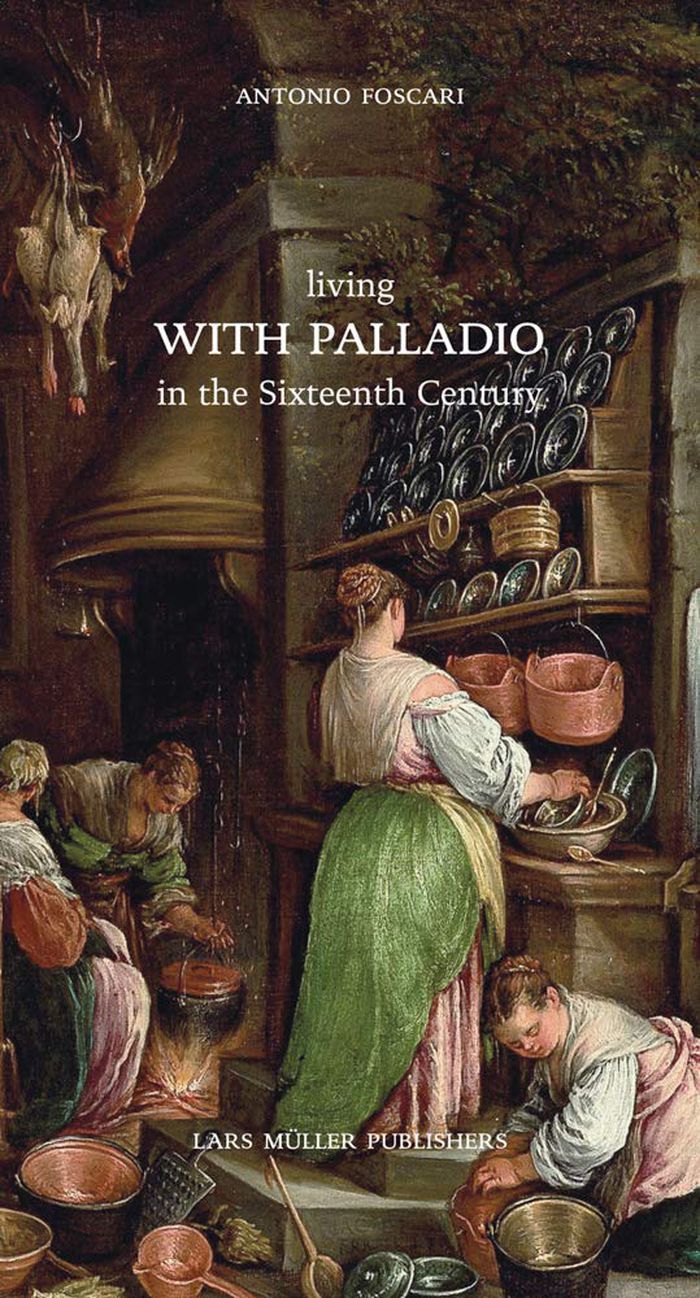
Living with Palladio in the sixteenth century
Actions:
Prix:
$39.00
(disponible sur commande)
Résumé:
Visiting the villas of Renaissance architect Andrea Palladio (1508-80), one inevitably asks oneself how people actually occupied them. Palladio conceived his villas as ''small towns'' (piccole città) that formed a single unit with adjacent service buildings and farm fields. Within their walls lived people of all ages, social backgrounds and skills. These buildings were the venue for significant moments of public life, and the principles of hygiene, privacy and comfort, which we consider so defining and essential today, did not apply- in a sense furniture as such did not exist. ''Living with Palladio in the sixteenth century'' investigates how Palladio’s houses, their floors, rooms and measurements, were designed to structure the life of such a heterogeneous family of people. It analyses their hierarchical structure with the owner (padrone) at the top and everyone involved in the everyday running of the household (famiglia minuta) at the bottom. This book fills a decisive gap in research literature on the famous Italian architect by looking at how Palladio prioritized the domestic functions of his private buildings.
Living with Palladio in the sixteenth century
Actions:
Prix:
$39.00
(disponible sur commande)
Résumé:
Visiting the villas of Renaissance architect Andrea Palladio (1508-80), one inevitably asks oneself how people actually occupied them. Palladio conceived his villas as ''small towns'' (piccole città) that formed a single unit with adjacent service buildings and farm fields. Within their walls lived people of all ages, social backgrounds and skills. These buildings were the venue for significant moments of public life, and the principles of hygiene, privacy and comfort, which we consider so defining and essential today, did not apply- in a sense furniture as such did not exist. ''Living with Palladio in the sixteenth century'' investigates how Palladio’s houses, their floors, rooms and measurements, were designed to structure the life of such a heterogeneous family of people. It analyses their hierarchical structure with the owner (padrone) at the top and everyone involved in the everyday running of the household (famiglia minuta) at the bottom. This book fills a decisive gap in research literature on the famous Italian architect by looking at how Palladio prioritized the domestic functions of his private buildings.
Classification:
livres
livres
Publication:
juin 2020
juin 2020
Sujet:
Architecture, monographies
Architecture, monographies
Classification:
livres
livres
Actions:
Prix:
$79.95
(disponible sur commande)
Résumé:
This book is split into six chapters that proceed more or less chronologically. It begins by exploring the origins of the museum both as a cultural phenomenon and as a particular type of space. Central to this, as the first chapter explores, was the ‘princely collection’, that is, collections of painting and sculpture assembled by royalty and the nobility across Europe(...)
$79.95
(disponible sur commande)
Résumé:
This book is split into six chapters that proceed more or less chronologically. It begins by exploring the origins of the museum both as a cultural phenomenon and as a particular type of space. Central to this, as the first chapter explores, was the ‘princely collection’, that is, collections of painting and sculpture assembled by royalty and the nobility across Europe(...)
Titre:
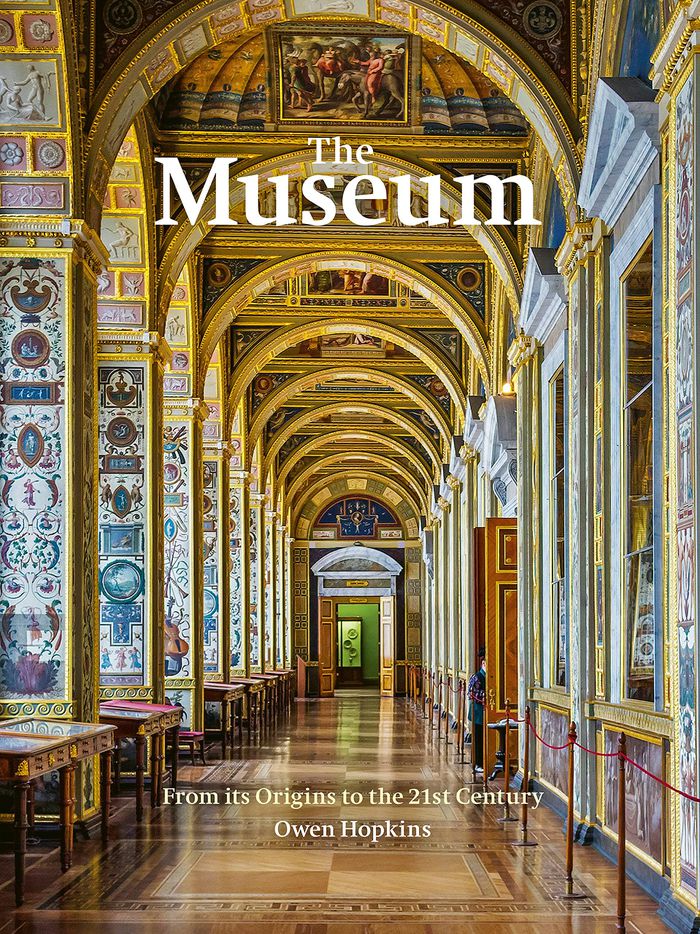
The Museum : from its origins to the 21st century
Actions:
Prix:
$79.95
(disponible sur commande)
Résumé:
This book is split into six chapters that proceed more or less chronologically. It begins by exploring the origins of the museum both as a cultural phenomenon and as a particular type of space. Central to this, as the first chapter explores, was the ‘princely collection’, that is, collections of painting and sculpture assembled by royalty and the nobility across Europe that began during the Renaissance and continued during the seventeenth and eighteenth centuries. Although varying both in extent and artistic focus, the motivations driving the establishing of these early collections generally derived from their creators’ desires to fashion learned and enlightened images of themselves and their courts. With some exceptions, admission to these collections was limited to the social elite and those that they were trying to impress. The idea that collections should be open to a wider social group began to emerge during the eighteenth century with the advent of the wunderkammer, or cabinet of curiosities. These contained not just works of art, but all manner of objects, from natural history specimens to religious or cult artefacts, and everything in between.
The Museum : from its origins to the 21st century
Actions:
Prix:
$79.95
(disponible sur commande)
Résumé:
This book is split into six chapters that proceed more or less chronologically. It begins by exploring the origins of the museum both as a cultural phenomenon and as a particular type of space. Central to this, as the first chapter explores, was the ‘princely collection’, that is, collections of painting and sculpture assembled by royalty and the nobility across Europe that began during the Renaissance and continued during the seventeenth and eighteenth centuries. Although varying both in extent and artistic focus, the motivations driving the establishing of these early collections generally derived from their creators’ desires to fashion learned and enlightened images of themselves and their courts. With some exceptions, admission to these collections was limited to the social elite and those that they were trying to impress. The idea that collections should be open to a wider social group began to emerge during the eighteenth century with the advent of the wunderkammer, or cabinet of curiosities. These contained not just works of art, but all manner of objects, from natural history specimens to religious or cult artefacts, and everything in between.
Classification:
livres
livres
Publication:
novembre 2021
novembre 2021
Classification:
livres
livres
Actions:
Prix:
$35.00
(disponible sur commande)
Résumé:
The Story of the Country House is an authoritative and vivid account of the British country house, exploring how they have evolved with the changing political and economic landscape. Clive Aslet reveals the captivating stories behind individual houses, their architects, and occupants, and paints a vivid picture of the wider context in which the country house in Britain(...)
$35.00
(disponible sur commande)
Résumé:
The Story of the Country House is an authoritative and vivid account of the British country house, exploring how they have evolved with the changing political and economic landscape. Clive Aslet reveals the captivating stories behind individual houses, their architects, and occupants, and paints a vivid picture of the wider context in which the country house in Britain(...)
Titre:
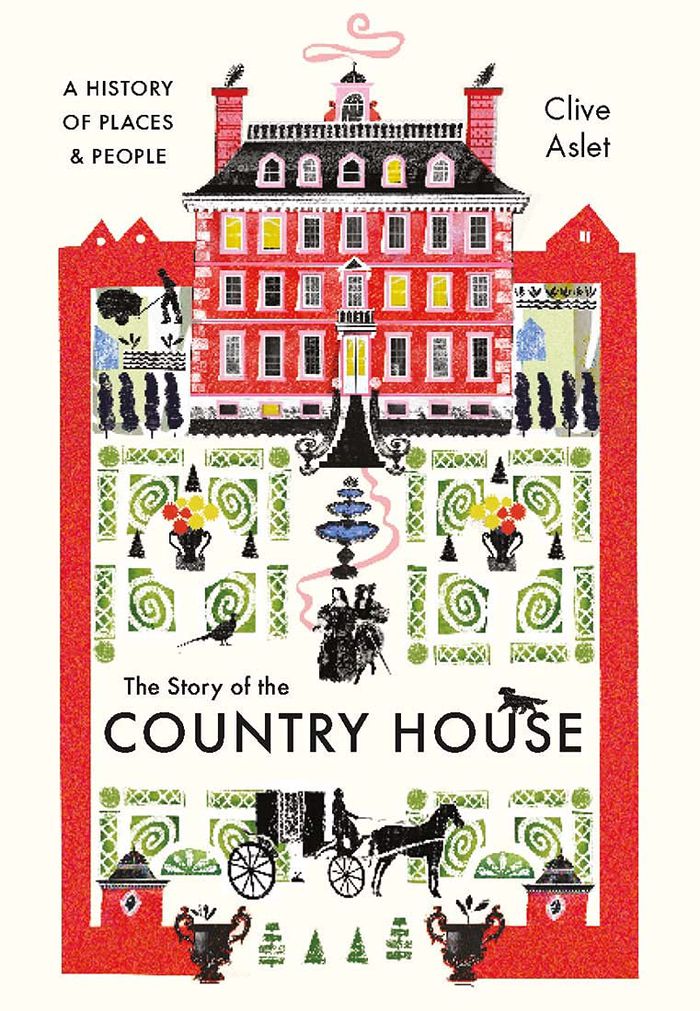
The story of the country house
Actions:
Prix:
$35.00
(disponible sur commande)
Résumé:
The Story of the Country House is an authoritative and vivid account of the British country house, exploring how they have evolved with the changing political and economic landscape. Clive Aslet reveals the captivating stories behind individual houses, their architects, and occupants, and paints a vivid picture of the wider context in which the country house in Britain flourished and subsequently fell into decline before enjoying a renaissance in the twenty-first century. The genesis, style, and purpose of architectural masterpieces such as Hardwick Hall, Hatfield House, and Chatsworth are explored, alongside the numerous country houses lost to war and economic decline. We also meet a cavalcade of characters, owners with all their dynastic obsessions and diverse sources of wealth, and architects such as Inigo Jones, Sir John Vanbrugh, Robert Adam, Sir John Soane and A.W.N. Pugin, who dazzled or in some cases outraged their contemporaries. The Story of the Country House takes a fresh look at this enduringly popular building type, exploring why it continues to hold such fascination for us today.
The story of the country house
Actions:
Prix:
$35.00
(disponible sur commande)
Résumé:
The Story of the Country House is an authoritative and vivid account of the British country house, exploring how they have evolved with the changing political and economic landscape. Clive Aslet reveals the captivating stories behind individual houses, their architects, and occupants, and paints a vivid picture of the wider context in which the country house in Britain flourished and subsequently fell into decline before enjoying a renaissance in the twenty-first century. The genesis, style, and purpose of architectural masterpieces such as Hardwick Hall, Hatfield House, and Chatsworth are explored, alongside the numerous country houses lost to war and economic decline. We also meet a cavalcade of characters, owners with all their dynastic obsessions and diverse sources of wealth, and architects such as Inigo Jones, Sir John Vanbrugh, Robert Adam, Sir John Soane and A.W.N. Pugin, who dazzled or in some cases outraged their contemporaries. The Story of the Country House takes a fresh look at this enduringly popular building type, exploring why it continues to hold such fascination for us today.
Classification:
livres
livres
Publication:
octobre 2021
octobre 2021


