


4749 Résultats
Classification:
livres
livres
Titre:
On Bramante
On Bramante
Actions:
Prix:
$53.95
(disponible sur commande)
Résumé:
In ''On Bramante,'' architect Pier Paolo Tamburelli considers the work of the celebrated Italian Renaissance architect Donato Bramante and through this reappraisal suggests a possible agenda for current architectural practice. Bramante, Tamburelli argues, offers an excellent starting point to imagine a contemporary theory of space, to reflect on the relationship between(...)
$53.95
(disponible sur commande)
Résumé:
In ''On Bramante,'' architect Pier Paolo Tamburelli considers the work of the celebrated Italian Renaissance architect Donato Bramante and through this reappraisal suggests a possible agenda for current architectural practice. Bramante, Tamburelli argues, offers an excellent starting point to imagine a contemporary theory of space, to reflect on the relationship between(...)
Titre:
On Bramante
Actions:
Prix:
$53.95
(disponible sur commande)
Résumé:
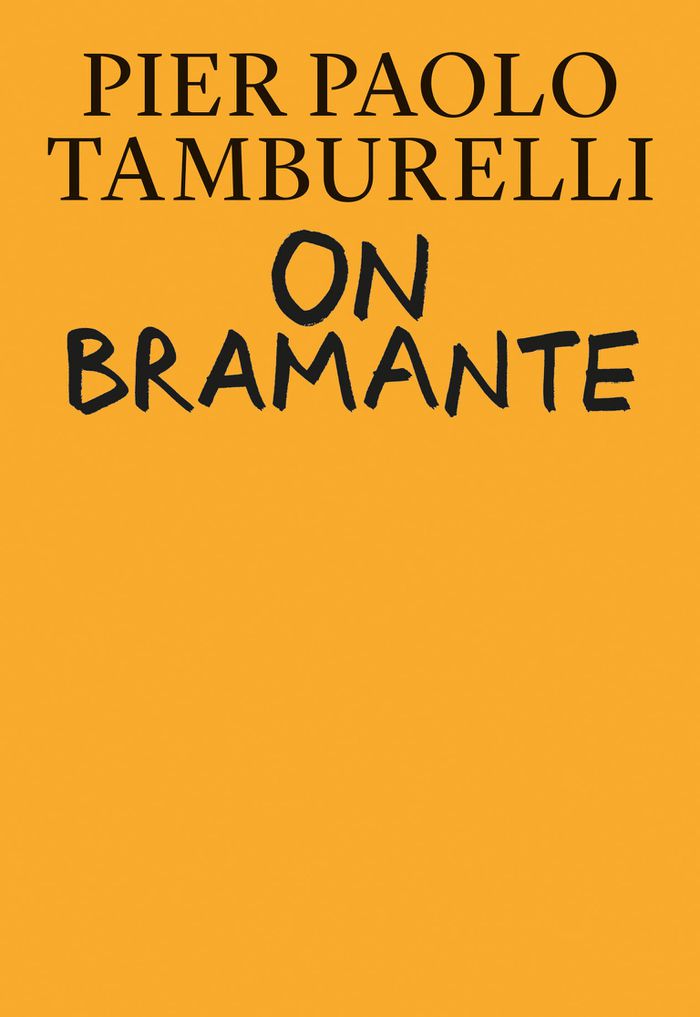
In ''On Bramante,'' architect Pier Paolo Tamburelli considers the work of the celebrated Italian Renaissance architect Donato Bramante and through this reappraisal suggests a possible agenda for current architectural practice. Bramante, Tamburelli argues, offers an excellent starting point to imagine a contemporary theory of space, to reflect on the relationship between architecture and politics, and to look back—with neither nostalgia nor contempt—at the tradition of Western classicism. Starting from a discussion of the difference in the work of Bramante in Milan (1481–1499) and Rome (1499–1514), Tamburelli highlights the peculiarities of Bramante’s architecture, especially in comparison to that of his predecessor Leon Battista Alberti and successor Andrea Palladio. This in turn opens up new possibilities for appreciating his spatial experiments, and to derive from Bramante’s abstraction and disassociation of form from function a revised theory of space for contemporary architecture. Such a theory might even advance a newfound political understanding of classicism, and a model—perhaps more valid now than ever before—for a public architecture.
On Bramante
Actions:
Prix:
$53.95
(disponible sur commande)
Résumé:
In ''On Bramante,'' architect Pier Paolo Tamburelli considers the work of the celebrated Italian Renaissance architect Donato Bramante and through this reappraisal suggests a possible agenda for current architectural practice. Bramante, Tamburelli argues, offers an excellent starting point to imagine a contemporary theory of space, to reflect on the relationship between architecture and politics, and to look back—with neither nostalgia nor contempt—at the tradition of Western classicism. Starting from a discussion of the difference in the work of Bramante in Milan (1481–1499) and Rome (1499–1514), Tamburelli highlights the peculiarities of Bramante’s architecture, especially in comparison to that of his predecessor Leon Battista Alberti and successor Andrea Palladio. This in turn opens up new possibilities for appreciating his spatial experiments, and to derive from Bramante’s abstraction and disassociation of form from function a revised theory of space for contemporary architecture. Such a theory might even advance a newfound political understanding of classicism, and a model—perhaps more valid now than ever before—for a public architecture.
Classification:
livres
livres
Publication:
mai 2022
mai 2022
Sujet:
Architecture, monographies
Architecture, monographies
Classification:
livres
livres
Actions:
Prix:
$24.95
(disponible en magasin)
Résumé:
A revival of the Renaissance genre of the same name, isolarii (meaning 'island texts') is a very small publication; each issue of which focuses on a different, stand-alone theme or idea. The sixth edition is titled ‘The Archipelago Conversations’ and is based on 15 years of conversations between Caribbean philosopher Édouard Glissant and his friend Hans Ulrich Obrist.(...)
$24.95
(disponible en magasin)
Résumé:
A revival of the Renaissance genre of the same name, isolarii (meaning 'island texts') is a very small publication; each issue of which focuses on a different, stand-alone theme or idea. The sixth edition is titled ‘The Archipelago Conversations’ and is based on 15 years of conversations between Caribbean philosopher Édouard Glissant and his friend Hans Ulrich Obrist.(...)
Titre:
The Archipelago conversations
Actions:
Prix:
$24.95
(disponible en magasin)
Résumé:
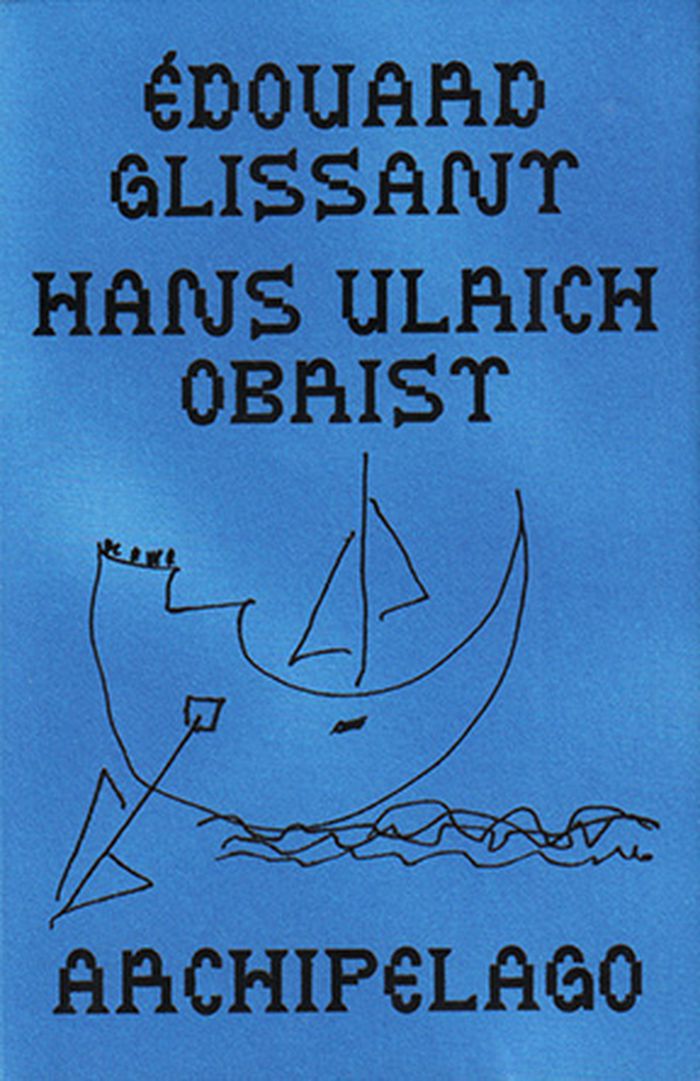
A revival of the Renaissance genre of the same name, isolarii (meaning 'island texts') is a very small publication; each issue of which focuses on a different, stand-alone theme or idea. The sixth edition is titled ‘The Archipelago Conversations’ and is based on 15 years of conversations between Caribbean philosopher Édouard Glissant and his friend Hans Ulrich Obrist. It marks the tenth anniversary of Glissant's passing. Translation by Emma Ramadan. Hans Ulrich Obrist met the Martinique-born philosopher, poet, and revolutionary Édouard Glissant in the mid-nineties; the encounter influenced the direction of Obrist's work for years to come. As one of today's most prolific producers of culture, Obrist has left an indelible mark and Glissant, in part, through him. Throughout 2021, during the pandemic and ten years after Glissant's death, Obrist has edited, reworked, and arranged their conversations in their entirety for the first time. THE ARCHIPELAGO CONVERSATIONS is the result: a book designed to introduce the most important philosopher of the 21st Century to a broad, public audience - a ready-to-hand tool for building an interdependent Earth.
The Archipelago conversations
Actions:
Prix:
$24.95
(disponible en magasin)
Résumé:
A revival of the Renaissance genre of the same name, isolarii (meaning 'island texts') is a very small publication; each issue of which focuses on a different, stand-alone theme or idea. The sixth edition is titled ‘The Archipelago Conversations’ and is based on 15 years of conversations between Caribbean philosopher Édouard Glissant and his friend Hans Ulrich Obrist. It marks the tenth anniversary of Glissant's passing. Translation by Emma Ramadan. Hans Ulrich Obrist met the Martinique-born philosopher, poet, and revolutionary Édouard Glissant in the mid-nineties; the encounter influenced the direction of Obrist's work for years to come. As one of today's most prolific producers of culture, Obrist has left an indelible mark and Glissant, in part, through him. Throughout 2021, during the pandemic and ten years after Glissant's death, Obrist has edited, reworked, and arranged their conversations in their entirety for the first time. THE ARCHIPELAGO CONVERSATIONS is the result: a book designed to introduce the most important philosopher of the 21st Century to a broad, public audience - a ready-to-hand tool for building an interdependent Earth.
Classification:
livres
livres
Publication:
mars 2022
mars 2022
Sujet:
Théorie/ philosophie
Théorie/ philosophie
Classification:
livres
livres
Titre:
New architecture in Britain
New architecture in Britain
Actions:
Prix:
$95.95
(disponible sur commande)
Résumé:
Architects increasingly operate on a global scene, and just as numerous British architects have proved highly successful at winning projects abroad, so architects from Europe, the United States and the Far East are making their mark in Britain. One thinks, for example, of Daniel Libeskind’s Imperial War Museum and Tadao Ando’s new square and pavilion project, both in(...)
$95.95
(disponible sur commande)
Résumé:
Architects increasingly operate on a global scene, and just as numerous British architects have proved highly successful at winning projects abroad, so architects from Europe, the United States and the Far East are making their mark in Britain. One thinks, for example, of Daniel Libeskind’s Imperial War Museum and Tadao Ando’s new square and pavilion project, both in(...)
Publication:
septembre 2003, London / New York
septembre 2003, London / New York
Titre:
New architecture in Britain
Actions:
Prix:
$95.95
(disponible sur commande)
Résumé:
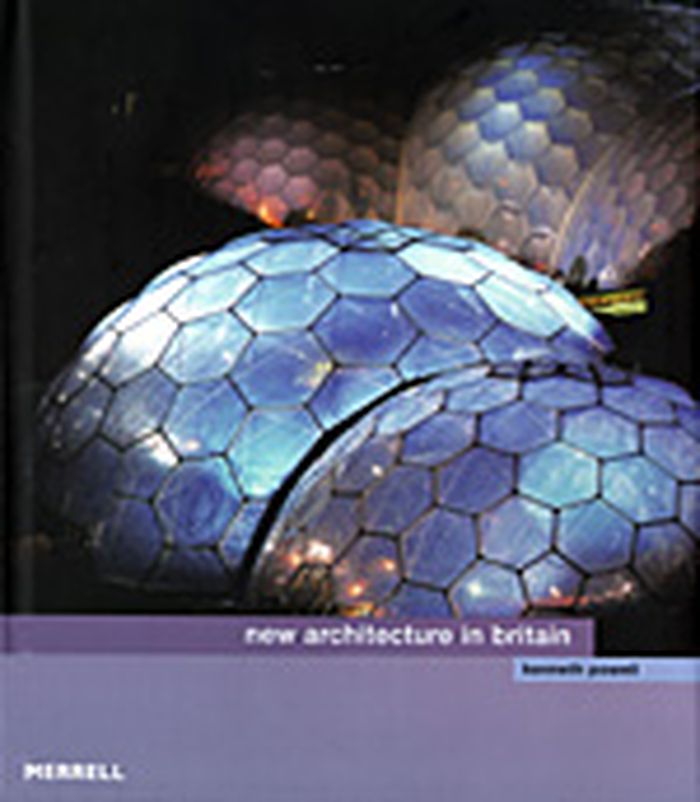
Architects increasingly operate on a global scene, and just as numerous British architects have proved highly successful at winning projects abroad, so architects from Europe, the United States and the Far East are making their mark in Britain. One thinks, for example, of Daniel Libeskind’s Imperial War Museum and Tadao Ando’s new square and pavilion project, both in Manchester, or of Frank Gehry’s Cancer Care Centre in Dundee. Well-known British practices such as Future Systems, Alsop Architects and Nicholas Grimshaw & Partners also inevitably feature prominently in the international story of the country’s recent architectural renaissance, but so too do newer, smaller practices, including many based outside the capital. This book describes and illustrates over 100 outstanding projects, both large and small, from around Britain – none completed earlier than 2001, and some still under construction or at planning stage. Covering every conceivable building type, from houses, offices and department stores to theatres, heritage sites and museums, this book makes a contribution to the continuing debate about the role of architecture in forging a new environment and underpinning the growth of a healthy society.
New architecture in Britain
Actions:
Prix:
$95.95
(disponible sur commande)
Résumé:
Architects increasingly operate on a global scene, and just as numerous British architects have proved highly successful at winning projects abroad, so architects from Europe, the United States and the Far East are making their mark in Britain. One thinks, for example, of Daniel Libeskind’s Imperial War Museum and Tadao Ando’s new square and pavilion project, both in Manchester, or of Frank Gehry’s Cancer Care Centre in Dundee. Well-known British practices such as Future Systems, Alsop Architects and Nicholas Grimshaw & Partners also inevitably feature prominently in the international story of the country’s recent architectural renaissance, but so too do newer, smaller practices, including many based outside the capital. This book describes and illustrates over 100 outstanding projects, both large and small, from around Britain – none completed earlier than 2001, and some still under construction or at planning stage. Covering every conceivable building type, from houses, offices and department stores to theatres, heritage sites and museums, this book makes a contribution to the continuing debate about the role of architecture in forging a new environment and underpinning the growth of a healthy society.
Classification:
livres
livres
Publication:
septembre 2003, London / New York
septembre 2003, London / New York
Classification:
livres
livres
Actions:
Prix:
$53.95
(disponible sur commande)
Résumé:
The artist’s workplace has always been an idealized utopia as well as the domain of dirty, backbreaking work. Written descriptions, paintings, prints, and even photographs of the artist’s atelier distort as much as they document. This illuminating cultural history of the artist’s studio charts the myth and reality of the creative space from Ancient Greece to the(...)
$53.95
(disponible sur commande)
Résumé:
The artist’s workplace has always been an idealized utopia as well as the domain of dirty, backbreaking work. Written descriptions, paintings, prints, and even photographs of the artist’s atelier distort as much as they document. This illuminating cultural history of the artist’s studio charts the myth and reality of the creative space from Ancient Greece to the(...)
Titre:
The artist's studio: A cultural history
Actions:
Prix:
$53.95
(disponible sur commande)
Résumé:
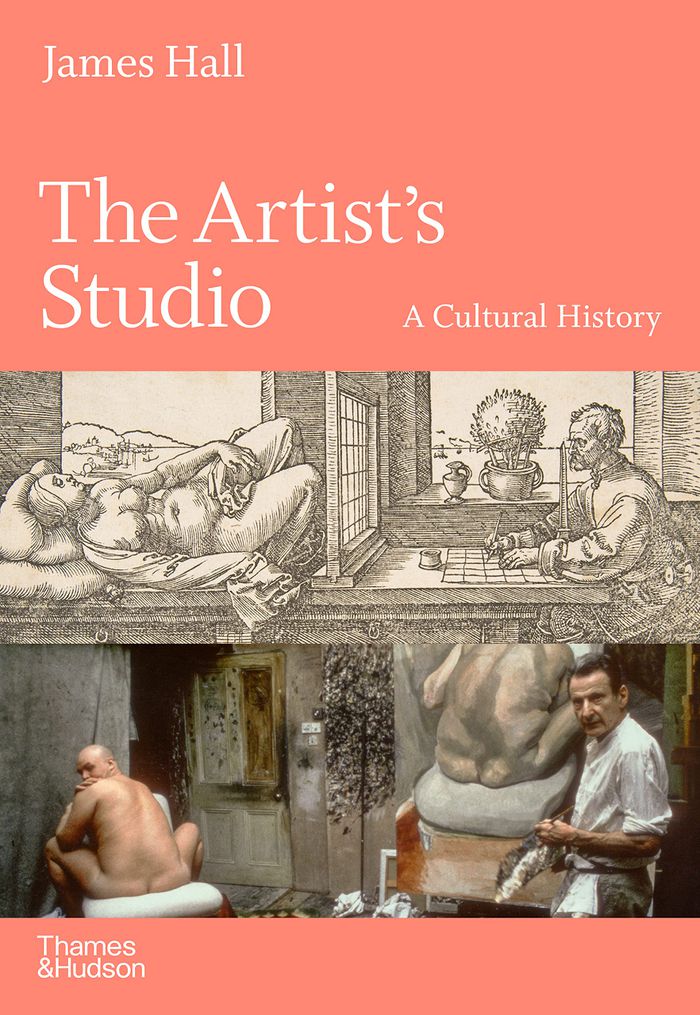
The artist’s workplace has always been an idealized utopia as well as the domain of dirty, backbreaking work. Written descriptions, paintings, prints, and even photographs of the artist’s atelier distort as much as they document. This illuminating cultural history of the artist’s studio charts the myth and reality of the creative space from Ancient Greece to the present. Tracing a history that extends far beyond the bohemian, romantic, and renaissance cults of the artist, each chapter focuses on key developments of the studio space as seen in a variety of familiar and unfamiliar images. Mythical and divine makers and some amateurs are included, alongside craftspeople— potters, illuminators, weavers, embroiderers, and architects— along with artists such as Artemisia Gentileschi, Claude Monet, Michelangelo, Rosa Bonheur, and Diego Rivera. Each carefully chosen example places the studio within a cultural and political context, with the aim of correcting the historical imbalance that has distorted the picture by leaving out the many artisans who collaborated with artists. Leading authority James Hall also extends the discussion to the artist’s museum and the artist’s house, as well as the development of portable studios, with sections on ''plein air'' painting and drawing in the East.
The artist's studio: A cultural history
Actions:
Prix:
$53.95
(disponible sur commande)
Résumé:
The artist’s workplace has always been an idealized utopia as well as the domain of dirty, backbreaking work. Written descriptions, paintings, prints, and even photographs of the artist’s atelier distort as much as they document. This illuminating cultural history of the artist’s studio charts the myth and reality of the creative space from Ancient Greece to the present. Tracing a history that extends far beyond the bohemian, romantic, and renaissance cults of the artist, each chapter focuses on key developments of the studio space as seen in a variety of familiar and unfamiliar images. Mythical and divine makers and some amateurs are included, alongside craftspeople— potters, illuminators, weavers, embroiderers, and architects— along with artists such as Artemisia Gentileschi, Claude Monet, Michelangelo, Rosa Bonheur, and Diego Rivera. Each carefully chosen example places the studio within a cultural and political context, with the aim of correcting the historical imbalance that has distorted the picture by leaving out the many artisans who collaborated with artists. Leading authority James Hall also extends the discussion to the artist’s museum and the artist’s house, as well as the development of portable studios, with sections on ''plein air'' painting and drawing in the East.
Classification:
livres
livres
Publication:
janvier 2023
janvier 2023
Sujet:
Théorie de l’art
Théorie de l’art
Classification:
livres
livres
Actions:
Prix:
$67.50
(disponible en magasin)
Résumé:
Founded by Alexander the Great in 332 BC, Alexandria was for a long time the largest city in the ancient world. Flattened by a tsunami in 365 AD, it was little more than a fishing village when captured by Napoleon in 1798. The 19th century saw it become the center of the Egyptian cotton trade, bringing prosperity and an influx of European merchants. Then came the(...)
$67.50
(disponible en magasin)
Résumé:
Founded by Alexander the Great in 332 BC, Alexandria was for a long time the largest city in the ancient world. Flattened by a tsunami in 365 AD, it was little more than a fishing village when captured by Napoleon in 1798. The 19th century saw it become the center of the Egyptian cotton trade, bringing prosperity and an influx of European merchants. Then came the(...)
Titre:
Alexandria architectural guide
Actions:
Prix:
$67.50
(disponible en magasin)
Résumé:
Founded by Alexander the Great in 332 BC, Alexandria was for a long time the largest city in the ancient world. Flattened by a tsunami in 365 AD, it was little more than a fishing village when captured by Napoleon in 1798. The 19th century saw it become the center of the Egyptian cotton trade, bringing prosperity and an influx of European merchants. Then came the bombardment by the English in 1882, which almost flattened the city a second time, and the revolution of 1952, which in effect condemned many of its residential buildings to slow but picturesque decay. The ebbs and flows of history and different cultures (especially Arabic, Muslim, Greek, Italian, English, and, not least, Jewish) have all left their marks on Alexandria's architecture. There are classical ruins; Ottoman fortifications; Egyptian okelles (medieval merchants' buildings); a colorful fishing port; mosques, shrines, churches, and synagogues; mansions and apartment buildings in the neo-Renaissance, art deco, and international styles; brutalist post-revolutionary institutions. And then are oddities such as the Cotton Palace Tower, a skyscraper intended for use as the headquarters of the country s cotton industry but inexplicably abandoned before completion.
Alexandria architectural guide
Actions:
Prix:
$67.50
(disponible en magasin)
Résumé:
Founded by Alexander the Great in 332 BC, Alexandria was for a long time the largest city in the ancient world. Flattened by a tsunami in 365 AD, it was little more than a fishing village when captured by Napoleon in 1798. The 19th century saw it become the center of the Egyptian cotton trade, bringing prosperity and an influx of European merchants. Then came the bombardment by the English in 1882, which almost flattened the city a second time, and the revolution of 1952, which in effect condemned many of its residential buildings to slow but picturesque decay. The ebbs and flows of history and different cultures (especially Arabic, Muslim, Greek, Italian, English, and, not least, Jewish) have all left their marks on Alexandria's architecture. There are classical ruins; Ottoman fortifications; Egyptian okelles (medieval merchants' buildings); a colorful fishing port; mosques, shrines, churches, and synagogues; mansions and apartment buildings in the neo-Renaissance, art deco, and international styles; brutalist post-revolutionary institutions. And then are oddities such as the Cotton Palace Tower, a skyscraper intended for use as the headquarters of the country s cotton industry but inexplicably abandoned before completion.
Classification:
livres
livres
Publication:
juillet 2021
juillet 2021
Sujet:
Guides des villes
Guides des villes
Classification:
livres
livres
Actions:
Prix:
$65.95
(disponible sur commande)
Résumé:
Buildings tell stories. Castles, country homes, churches, and monasteries are "documents" of the people who built them, owned them, lived and died in them, inherited and saved or destroyed them, and recorded their histories. Literature and Architecture in Early Modern England examines the relationship between sixteenth and seventeenth-century architectural and literary(...)
$65.95
(disponible sur commande)
Résumé:
Buildings tell stories. Castles, country homes, churches, and monasteries are "documents" of the people who built them, owned them, lived and died in them, inherited and saved or destroyed them, and recorded their histories. Literature and Architecture in Early Modern England examines the relationship between sixteenth and seventeenth-century architectural and literary(...)
Titre:
Literature and architecture in early Modern England
Actions:
Prix:
$65.95
(disponible sur commande)
Résumé:
Buildings tell stories. Castles, country homes, churches, and monasteries are "documents" of the people who built them, owned them, lived and died in them, inherited and saved or destroyed them, and recorded their histories. Literature and Architecture in Early Modern England examines the relationship between sixteenth and seventeenth-century architectural and literary works. By becoming more sensitive to the narrative functions of architecture, Anne M. Myers argues, we begin to understand how a range of writers viewed and made use of the material built environment that surrounded the production of early modern texts in England. Scholars have long found themselves in the position of excusing or explaining England's failure to achieve the equivalent of the Italian Renaissance in the visual arts. Myers proposes that architecture inspired an unusual amount of historiographic and literary production, including poetry, drama, architectural treatises, and diaries. Works by William Camden, Henry Wotton, Ben Jonson, Andrew Marvell, George Herbert, Anne Clifford, and John Evelyn, when considered as a group, are texts that overturn the engrained critical notion that a Protestant fear of idolatry sentenced the visual arts and architecture in England to a state of suspicion and neglect.
Literature and architecture in early Modern England
Actions:
Prix:
$65.95
(disponible sur commande)
Résumé:
Buildings tell stories. Castles, country homes, churches, and monasteries are "documents" of the people who built them, owned them, lived and died in them, inherited and saved or destroyed them, and recorded their histories. Literature and Architecture in Early Modern England examines the relationship between sixteenth and seventeenth-century architectural and literary works. By becoming more sensitive to the narrative functions of architecture, Anne M. Myers argues, we begin to understand how a range of writers viewed and made use of the material built environment that surrounded the production of early modern texts in England. Scholars have long found themselves in the position of excusing or explaining England's failure to achieve the equivalent of the Italian Renaissance in the visual arts. Myers proposes that architecture inspired an unusual amount of historiographic and literary production, including poetry, drama, architectural treatises, and diaries. Works by William Camden, Henry Wotton, Ben Jonson, Andrew Marvell, George Herbert, Anne Clifford, and John Evelyn, when considered as a group, are texts that overturn the engrained critical notion that a Protestant fear of idolatry sentenced the visual arts and architecture in England to a state of suspicion and neglect.
Classification:
livres
livres
Publication:
août 2012
août 2012
Sujet:
Théorie de l’architecture
Théorie de l’architecture
Classification:
livres
livres
Actions:
Prix:
$73.00
(disponible sur commande)
Résumé:
Including newly commissioned essays by curators and scholars, this book explores how Sottsass’s art and philosophy presaged the dawn of PCs, the service industry, and the gig economy. Ettore Sottsass was an architect, industrial designer, painter, writer, photographer, and founder of the Memphis group, whose designs are undergoing an impressive renaissance. But Sottsass(...)
$73.00
(disponible sur commande)
Résumé:
Including newly commissioned essays by curators and scholars, this book explores how Sottsass’s art and philosophy presaged the dawn of PCs, the service industry, and the gig economy. Ettore Sottsass was an architect, industrial designer, painter, writer, photographer, and founder of the Memphis group, whose designs are undergoing an impressive renaissance. But Sottsass(...)
Titre:
Ettore Sottsass and the social factory
Actions:
Prix:
$73.00
(disponible sur commande)
Résumé:
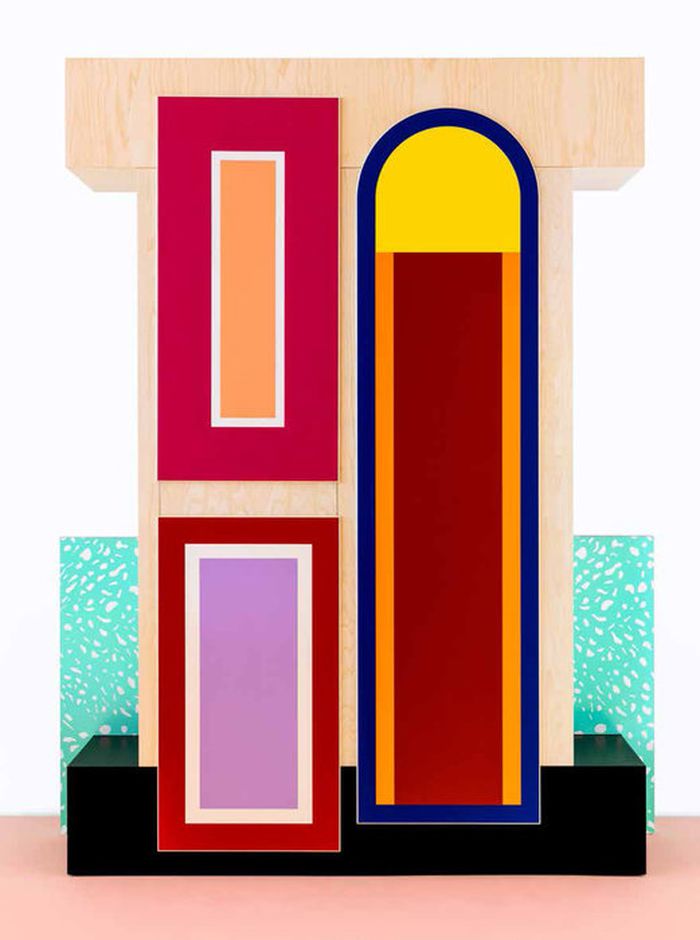
Including newly commissioned essays by curators and scholars, this book explores how Sottsass’s art and philosophy presaged the dawn of PCs, the service industry, and the gig economy. Ettore Sottsass was an architect, industrial designer, painter, writer, photographer, and founder of the Memphis group, whose designs are undergoing an impressive renaissance. But Sottsass was more than just an important designer. His approach to object design–marked by bold colors, tactility, and vitality–was a direct response to the world of mass production and the assembly-line economy. This revelatory collection of essays by leading thinkers in the fields of political theory, economics, the media, design history, and cultural theory contextualizes Sottsass’s work in unprecedented arguments that draw a line from his work at Olivetti to the iconoclastic designs he produced at the dawn of the 21st century. Divided into five chronological sections–from the late 1950s to Sottsass’s death in 2007– these essays are illustrated with vibrant images of his work and archival photographs. Deeply researched, the book makes crucial connections between postwar Europe and America, and the way we work and live today.
Ettore Sottsass and the social factory
Actions:
Prix:
$73.00
(disponible sur commande)
Résumé:
Including newly commissioned essays by curators and scholars, this book explores how Sottsass’s art and philosophy presaged the dawn of PCs, the service industry, and the gig economy. Ettore Sottsass was an architect, industrial designer, painter, writer, photographer, and founder of the Memphis group, whose designs are undergoing an impressive renaissance. But Sottsass was more than just an important designer. His approach to object design–marked by bold colors, tactility, and vitality–was a direct response to the world of mass production and the assembly-line economy. This revelatory collection of essays by leading thinkers in the fields of political theory, economics, the media, design history, and cultural theory contextualizes Sottsass’s work in unprecedented arguments that draw a line from his work at Olivetti to the iconoclastic designs he produced at the dawn of the 21st century. Divided into five chronological sections–from the late 1950s to Sottsass’s death in 2007– these essays are illustrated with vibrant images of his work and archival photographs. Deeply researched, the book makes crucial connections between postwar Europe and America, and the way we work and live today.
Classification:
livres
livres
Publication:
juillet 2020
juillet 2020
Sujet:
Design, monographies
Design, monographies
Classification:
livres
livres
Actions:
Prix:
$39.95
(disponible sur commande)
Résumé:
A city of immense literary mystique, Prague has inspired writers across the centuries with its beauty, cosmopolitanism, and tragic history. Envisioning the ancient city in central Europe as a multilayered text, or palimpsest, that has been constantly revised and rewritten — from the medieval and Renaissance chroniclers who legitimized the city’s foundational origins to(...)
$39.95
(disponible sur commande)
Résumé:
A city of immense literary mystique, Prague has inspired writers across the centuries with its beauty, cosmopolitanism, and tragic history. Envisioning the ancient city in central Europe as a multilayered text, or palimpsest, that has been constantly revised and rewritten — from the medieval and Renaissance chroniclers who legitimized the city’s foundational origins to(...)
Titre:
Prague palimpsest : writing, memory, and the city
Actions:
Prix:
$39.95
(disponible sur commande)
Résumé:
A city of immense literary mystique, Prague has inspired writers across the centuries with its beauty, cosmopolitanism, and tragic history. Envisioning the ancient city in central Europe as a multilayered text, or palimpsest, that has been constantly revised and rewritten — from the medieval and Renaissance chroniclers who legitimized the city’s foundational origins to the modernists of the early twentieth century who established its reputation as the new capital of the avant-garde — Alfred Thomas argues that Prague has become a paradoxical site of inscription and effacement, of memory and forgetting, a utopian link to the prewar and pre-Holocaust European past and a dystopia of totalitarian amnesia. Considering a wide range of writers, including the city’s most famous son, Franz Kafka, Prague Palimpsest reassesses the work of poets and novelists such as Bohumil Hrabal, Milan Kundera, Gustav Meyrink, Jan Neruda, Vítzslav Nezval, and Rainer Maria Rilke and engages with other famous authors who “wrote” Prague, including Guillaume Apollinaire, Ingeborg Bachmann, Albert Camus, Paul Celan, and W. G. Sebald. The result is a comparative, interdisciplinary study that helps to explain why Prague—more than any other major European city—has haunted the cultural and political imagination of the West.
Prague palimpsest : writing, memory, and the city
Actions:
Prix:
$39.95
(disponible sur commande)
Résumé:
A city of immense literary mystique, Prague has inspired writers across the centuries with its beauty, cosmopolitanism, and tragic history. Envisioning the ancient city in central Europe as a multilayered text, or palimpsest, that has been constantly revised and rewritten — from the medieval and Renaissance chroniclers who legitimized the city’s foundational origins to the modernists of the early twentieth century who established its reputation as the new capital of the avant-garde — Alfred Thomas argues that Prague has become a paradoxical site of inscription and effacement, of memory and forgetting, a utopian link to the prewar and pre-Holocaust European past and a dystopia of totalitarian amnesia. Considering a wide range of writers, including the city’s most famous son, Franz Kafka, Prague Palimpsest reassesses the work of poets and novelists such as Bohumil Hrabal, Milan Kundera, Gustav Meyrink, Jan Neruda, Vítzslav Nezval, and Rainer Maria Rilke and engages with other famous authors who “wrote” Prague, including Guillaume Apollinaire, Ingeborg Bachmann, Albert Camus, Paul Celan, and W. G. Sebald. The result is a comparative, interdisciplinary study that helps to explain why Prague—more than any other major European city—has haunted the cultural and political imagination of the West.
Classification:
livres
livres
Publication:
octobre 2010
octobre 2010
Sujet:
Architecture et l'imaginaire
Architecture et l'imaginaire
Classification:
livres
livres
Prix:
$72.00
(disponible sur commande)
Résumé:
In every segment of retail, countless products compete for our attention. Whether fashion, cosmetics, furnishings, accessories, or gourmet food, the range of goods is overwhelming. Designers and manufacturers are faced with the daunting challenge of setting their products apart to reach their target audiences. The best ones captivate us by telling fascinating(...)
$72.00
(disponible sur commande)
Résumé:
In every segment of retail, countless products compete for our attention. Whether fashion, cosmetics, furnishings, accessories, or gourmet food, the range of goods is overwhelming. Designers and manufacturers are faced with the daunting challenge of setting their products apart to reach their target audiences. The best ones captivate us by telling fascinating(...)
Sujet:
Design industriel
Design industriel
Publication:
septembre 2015
septembre 2015
Titre:
The still life: in product presentation and editorial design
Actions:
Prix:
$72.00
(disponible sur commande)
Résumé:
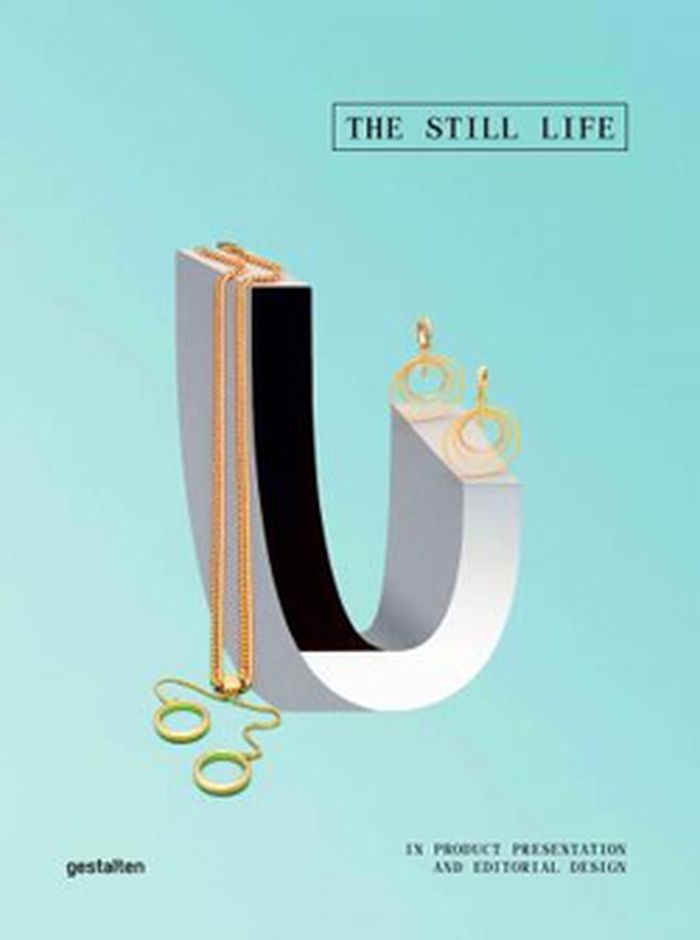
In every segment of retail, countless products compete for our attention. Whether fashion, cosmetics, furnishings, accessories, or gourmet food, the range of goods is overwhelming. Designers and manufacturers are faced with the daunting challenge of setting their products apart to reach their target audiences. The best ones captivate us by telling fascinating stories or creating compelling retail spaces and experiences. The Still Life compiles striking editorial photography, innovative shop window displays, and intelligent visual merchandising that succeed in doing exactly that. The featured work is created by imaginative stylists and photographers who arrange products, objects, and materials in unusual ways. Distinctive worlds of images result that are reminiscent of Baroque and Renaissance still life paintings in which arrangements of flowers, fruit, musical instruments, and other objects were used as powerful allegories for various aspects of life and death. Today's creatives are developing new visual storytelling techniques for engaging customers. The Still Life showcases their entire spectrum. The book illustrates how a combination of quality handcraft and inspired flair are being used to put familiar products, such as gardening tools, cutlery, purses, writing implements, or jewelry, into surprising new contexts, ranging from minimalistic understatement to opulent glamour.
The still life: in product presentation and editorial design
Actions:
Prix:
$72.00
(disponible sur commande)
Résumé:
In every segment of retail, countless products compete for our attention. Whether fashion, cosmetics, furnishings, accessories, or gourmet food, the range of goods is overwhelming. Designers and manufacturers are faced with the daunting challenge of setting their products apart to reach their target audiences. The best ones captivate us by telling fascinating stories or creating compelling retail spaces and experiences. The Still Life compiles striking editorial photography, innovative shop window displays, and intelligent visual merchandising that succeed in doing exactly that. The featured work is created by imaginative stylists and photographers who arrange products, objects, and materials in unusual ways. Distinctive worlds of images result that are reminiscent of Baroque and Renaissance still life paintings in which arrangements of flowers, fruit, musical instruments, and other objects were used as powerful allegories for various aspects of life and death. Today's creatives are developing new visual storytelling techniques for engaging customers. The Still Life showcases their entire spectrum. The book illustrates how a combination of quality handcraft and inspired flair are being used to put familiar products, such as gardening tools, cutlery, purses, writing implements, or jewelry, into surprising new contexts, ranging from minimalistic understatement to opulent glamour.
Classification:
livres
livres
Publication:
septembre 2015
septembre 2015
Sujet:
Design industriel
Design industriel
Classification:
livres
livres
Prix:
$85.00
(disponible sur commande)
Résumé:
From Egypt and Classical Greece and Rome through the building booms of the Gothic era and the Renaissance, and from the Industrial Revolution to the present era of digital modeling, "Building : 3,000 Years of Design, Engineering, and Construction", charts centuries of innovations in engineering and building construction. This comprehensive and heavily illustrated volume,(...)
$85.00
(disponible sur commande)
Résumé:
From Egypt and Classical Greece and Rome through the building booms of the Gothic era and the Renaissance, and from the Industrial Revolution to the present era of digital modeling, "Building : 3,000 Years of Design, Engineering, and Construction", charts centuries of innovations in engineering and building construction. This comprehensive and heavily illustrated volume,(...)
Titre:
Building : 3000 years of design engineering and construction
Actions:
Prix:
$85.00
(disponible sur commande)
Résumé:
From Egypt and Classical Greece and Rome through the building booms of the Gothic era and the Renaissance, and from the Industrial Revolution to the present era of digital modeling, "Building : 3,000 Years of Design, Engineering, and Construction", charts centuries of innovations in engineering and building construction. This comprehensive and heavily illustrated volume, aimed at students and young professionals as well as general readers, explores the materials, classic texts, instruments, and theories that have propelled modern engineering, and the famous and not-so-famous buildings designed through the ages, from the Parthenon to Chartes Cathedral and the dome of St. Peter's, from eighteenth-century silk mills in England to the Crystal Palace, and on to the first Chicago high-rises, the Sydney Opera House, and the latest "green" skyscrapers. The book concentrates on developments since the industrial and scientific revolutions of the seventeenth and eighteenth centuries. Incorporated within the continuous narrative are sidebars with short biographies of eminent engineers, excerpts from classic texts, stories of individual projects of major importance, and brief histories of key concepts such as calculus. Also included are extensive reference materials: appendices, a glossary, bibliography, and index.
Building : 3000 years of design engineering and construction
Actions:
Prix:
$85.00
(disponible sur commande)
Résumé:
From Egypt and Classical Greece and Rome through the building booms of the Gothic era and the Renaissance, and from the Industrial Revolution to the present era of digital modeling, "Building : 3,000 Years of Design, Engineering, and Construction", charts centuries of innovations in engineering and building construction. This comprehensive and heavily illustrated volume, aimed at students and young professionals as well as general readers, explores the materials, classic texts, instruments, and theories that have propelled modern engineering, and the famous and not-so-famous buildings designed through the ages, from the Parthenon to Chartes Cathedral and the dome of St. Peter's, from eighteenth-century silk mills in England to the Crystal Palace, and on to the first Chicago high-rises, the Sydney Opera House, and the latest "green" skyscrapers. The book concentrates on developments since the industrial and scientific revolutions of the seventeenth and eighteenth centuries. Incorporated within the continuous narrative are sidebars with short biographies of eminent engineers, excerpts from classic texts, stories of individual projects of major importance, and brief histories of key concepts such as calculus. Also included are extensive reference materials: appendices, a glossary, bibliography, and index.
Classification:
livres
livres
Publication:
mars 2007, London, New York
mars 2007, London, New York
Sujet:
Structures d’ingénierie
Structures d’ingénierie


