


4749 Résultats
Classification:
livres
livres
Titre:
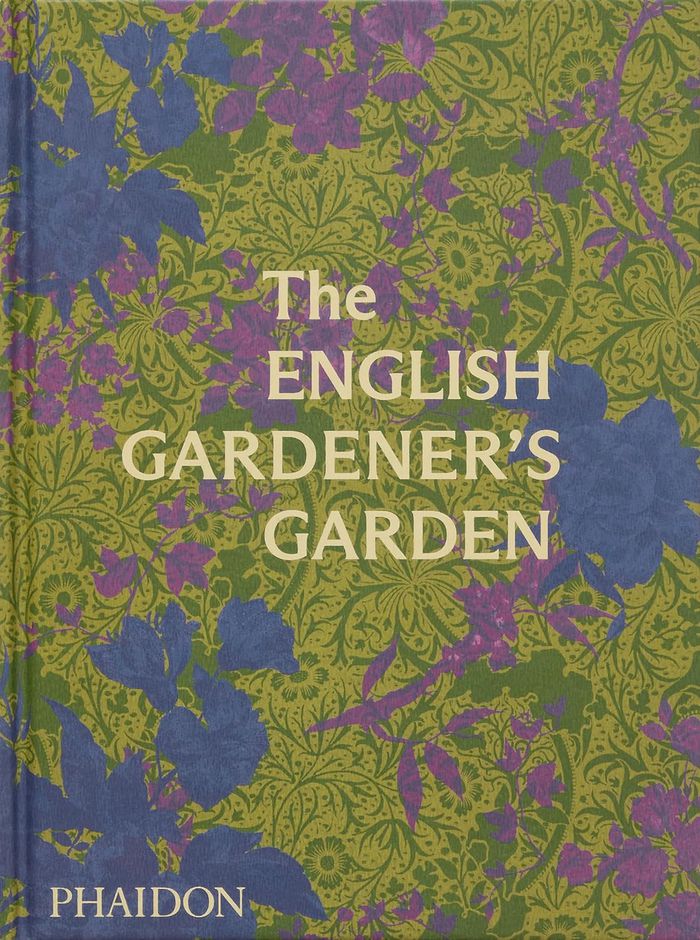
English gardener's garden
English gardener's garden
Actions:
Prix:
$64.95
(disponible en magasin)
Résumé:
''The English gardener’s garden'' spans seven centuries to spotlight over 60 of England’s finest gardens. Adapted from Phaidon’s bestselling ''The gardener’s garden'', updated, and organized geographically by county, the selection ranges from formal Renaissance gardens, herbaceous Arts and Crafts gardens of the 20th century, to artistic creations and healing gardens by(...)
$64.95
(disponible en magasin)
Résumé:
''The English gardener’s garden'' spans seven centuries to spotlight over 60 of England’s finest gardens. Adapted from Phaidon’s bestselling ''The gardener’s garden'', updated, and organized geographically by county, the selection ranges from formal Renaissance gardens, herbaceous Arts and Crafts gardens of the 20th century, to artistic creations and healing gardens by(...)
Titre:
English gardener's garden
Actions:
Prix:
$64.95
(disponible en magasin)
Résumé:
''The English gardener’s garden'' spans seven centuries to spotlight over 60 of England’s finest gardens. Adapted from Phaidon’s bestselling ''The gardener’s garden'', updated, and organized geographically by county, the selection ranges from formal Renaissance gardens, herbaceous Arts and Crafts gardens of the 20th century, to artistic creations and healing gardens by contemporary designers. Each entry is illustrated with photographs and features a concise text detailing the garden’s historical and stylistic importance and that of its designer, patron, or maker, creating a beautiful and easy-to-use introduction for garden designers and enthusiasts alike. A valuable resource for those seeking inspiration on garden design and planting, this book showcases the enduring appeal of the English garden and features gardens by historic figures and leading contemporary designers – Gertrude Jekyll, Sarah Price, William Robinson, and Tom Stuart-Smith, to name a few. Featuring historic national treasures such as Sissinghurst Castle Garden and Capability Brown’s Blenheim Palace, alongside contemporary examples including Dan Pearson’s Lowther Castle and Derek Jarman’s Prospect Cottage, ''The English gardener’s garden'' is an accessible overview of over 60 iconic and influential English gardens from the sixteenth century to the present day, including all types of garden, including formal parterres, cottage gardens, botanical, and urban gardens.
English gardener's garden
Actions:
Prix:
$64.95
(disponible en magasin)
Résumé:
''The English gardener’s garden'' spans seven centuries to spotlight over 60 of England’s finest gardens. Adapted from Phaidon’s bestselling ''The gardener’s garden'', updated, and organized geographically by county, the selection ranges from formal Renaissance gardens, herbaceous Arts and Crafts gardens of the 20th century, to artistic creations and healing gardens by contemporary designers. Each entry is illustrated with photographs and features a concise text detailing the garden’s historical and stylistic importance and that of its designer, patron, or maker, creating a beautiful and easy-to-use introduction for garden designers and enthusiasts alike. A valuable resource for those seeking inspiration on garden design and planting, this book showcases the enduring appeal of the English garden and features gardens by historic figures and leading contemporary designers – Gertrude Jekyll, Sarah Price, William Robinson, and Tom Stuart-Smith, to name a few. Featuring historic national treasures such as Sissinghurst Castle Garden and Capability Brown’s Blenheim Palace, alongside contemporary examples including Dan Pearson’s Lowther Castle and Derek Jarman’s Prospect Cottage, ''The English gardener’s garden'' is an accessible overview of over 60 iconic and influential English gardens from the sixteenth century to the present day, including all types of garden, including formal parterres, cottage gardens, botanical, and urban gardens.
Classification:
livres
livres
Publication:
octobre 2023
octobre 2023
Sujet:
Jardins
Jardins
Classification:
livres
livres
Actions:
Prix:
$31.95
(disponible en magasin)
Résumé:
Et si la perspective moderne n'existait pas? Ne faut-il nuancer la thèse massivement admise qu'au Quattrocento, un dispositif unitaire de représentation se mettrait en place dans la peinture, dont la fonction demeurerait inchangée jusqu'à l'âge classique? En relisant les textes d'Alberti, de Piero della Francesca, de Léonard de Vinci et d'Albert Dürer, en regardant(...)
$31.95
(disponible en magasin)
Résumé:
Et si la perspective moderne n'existait pas? Ne faut-il nuancer la thèse massivement admise qu'au Quattrocento, un dispositif unitaire de représentation se mettrait en place dans la peinture, dont la fonction demeurerait inchangée jusqu'à l'âge classique? En relisant les textes d'Alberti, de Piero della Francesca, de Léonard de Vinci et d'Albert Dürer, en regardant(...)
Titre:
Archéologie de la perspective : sur Piero della Francesca, Vinci et Dürer
Actions:
Prix:
$31.95
(disponible en magasin)
Résumé:
Et si la perspective moderne n'existait pas? Ne faut-il nuancer la thèse massivement admise qu'au Quattrocento, un dispositif unitaire de représentation se mettrait en place dans la peinture, dont la fonction demeurerait inchangée jusqu'à l'âge classique? En relisant les textes d'Alberti, de Piero della Francesca, de Léonard de Vinci et d'Albert Dürer, en regardant autrement les peintures de la Renaissance, des fresques d'Azzero ou dela Cène de Milan, ce livre met en effet en évidence des dispositifs singuliers, liés pour chaque peintre à des régimes différents de la représentation, du visible, de la vision et du regard. Pourtant, au XVIIe siècle, le discours sur la perspective est soudain convoqué par la philosophie, pour éclairer le nouveau partage entre la représentation du sujet pensant et une matière désormais géométrisable. À quelles conditions, improbables et contingentes, la perspective a-t-elle pu tenir cette place à la fois décisive et ambiguë dans l'émergence de l'âme classique? Par quelles transformations, de la surface de la peinture et de laplace du spectateur, a-t-elle dû passer pour rendre possible la clôture de l'image sur la représentation classique? À l'histoire d'une forme symbolique, ce livre substitue le récit désormais éclaté d'une archéologie ou d'une généalogie de la modernité.
Archéologie de la perspective : sur Piero della Francesca, Vinci et Dürer
Actions:
Prix:
$31.95
(disponible en magasin)
Résumé:
Et si la perspective moderne n'existait pas? Ne faut-il nuancer la thèse massivement admise qu'au Quattrocento, un dispositif unitaire de représentation se mettrait en place dans la peinture, dont la fonction demeurerait inchangée jusqu'à l'âge classique? En relisant les textes d'Alberti, de Piero della Francesca, de Léonard de Vinci et d'Albert Dürer, en regardant autrement les peintures de la Renaissance, des fresques d'Azzero ou dela Cène de Milan, ce livre met en effet en évidence des dispositifs singuliers, liés pour chaque peintre à des régimes différents de la représentation, du visible, de la vision et du regard. Pourtant, au XVIIe siècle, le discours sur la perspective est soudain convoqué par la philosophie, pour éclairer le nouveau partage entre la représentation du sujet pensant et une matière désormais géométrisable. À quelles conditions, improbables et contingentes, la perspective a-t-elle pu tenir cette place à la fois décisive et ambiguë dans l'émergence de l'âme classique? Par quelles transformations, de la surface de la peinture et de laplace du spectateur, a-t-elle dû passer pour rendre possible la clôture de l'image sur la représentation classique? À l'histoire d'une forme symbolique, ce livre substitue le récit désormais éclaté d'une archéologie ou d'une généalogie de la modernité.
Classification:
livres
livres
Publication:
mai 2007, Paris
mai 2007, Paris
Sujet:
Théorie de l’architecture
Théorie de l’architecture
Classification:
livres
livres
Actions:
Prix:
$17.95
(disponible sur commande)
Résumé:
A surprising trend can be discerned in museum building since the end of the 1990s, one that still seems to be going strong today : an unprecedented number of grand-scale projects have been undertaken in recent years, not only by private sponsors, but in many cases made possible instead by public funding. This book not only shows new museums , galleries and exhibition(...)
$17.95
(disponible sur commande)
Résumé:
A surprising trend can be discerned in museum building since the end of the 1990s, one that still seems to be going strong today : an unprecedented number of grand-scale projects have been undertaken in recent years, not only by private sponsors, but in many cases made possible instead by public funding. This book not only shows new museums , galleries and exhibition(...)
Titre:
Art spaces ; architecture & design
Actions:
Prix:
$17.95
(disponible sur commande)
Résumé:
A surprising trend can be discerned in museum building since the end of the 1990s, one that still seems to be going strong today : an unprecedented number of grand-scale projects have been undertaken in recent years, not only by private sponsors, but in many cases made possible instead by public funding. This book not only shows new museums , galleries and exhibition venues for the fine arts, but also features unusual buildings housing special collections, as well as museums exhibting material from other fields of knowledge. One central focus of contemporary architecture can be traced particulary well in the examples illustrated in the book : new surfaces that enable the creation of new forms. Astoundingly, parallel to this development another architectural approach which can be already be called classical is also experiencing a Renaissance - the clearly defined, austere cube cloaked in a free-floating glass shell. No less than three buildings depicted here demonstrate the immense variety that is possible within these rigid parameters. The works shown here are no more than five years old and show, what a broad bandwidth can be discerned within a moment's snapshot. There are visionaries like Asymptote and masters such as Günter Behnisch and Tadao Ando, whose buildings span an arc from classical modernism to the architecture of today.
Art spaces ; architecture & design
Actions:
Prix:
$17.95
(disponible sur commande)
Résumé:
A surprising trend can be discerned in museum building since the end of the 1990s, one that still seems to be going strong today : an unprecedented number of grand-scale projects have been undertaken in recent years, not only by private sponsors, but in many cases made possible instead by public funding. This book not only shows new museums , galleries and exhibition venues for the fine arts, but also features unusual buildings housing special collections, as well as museums exhibting material from other fields of knowledge. One central focus of contemporary architecture can be traced particulary well in the examples illustrated in the book : new surfaces that enable the creation of new forms. Astoundingly, parallel to this development another architectural approach which can be already be called classical is also experiencing a Renaissance - the clearly defined, austere cube cloaked in a free-floating glass shell. No less than three buildings depicted here demonstrate the immense variety that is possible within these rigid parameters. The works shown here are no more than five years old and show, what a broad bandwidth can be discerned within a moment's snapshot. There are visionaries like Asymptote and masters such as Günter Behnisch and Tadao Ando, whose buildings span an arc from classical modernism to the architecture of today.
Classification:
livres
livres
Publication:
mai 2006, Köln, New York, London
mai 2006, Köln, New York, London
Sujet:
livres soldés
livres soldés
Classification:
livres
livres
Actions:
Prix:
$53.95
(disponible sur commande)
Résumé:
Val d’Europe, la ville nouvelle qui s’édifie à proximité des parcs d’attraction de Disney à Marne la Vallée, vient d’inaugurer une nouvelle place unique en son genre en France, la place de Toscane. Celle-ci est inspirée de la célèbre place médiévale de la ville de Lucca, la piazza anfiteatro, qui épouse la forme de l’ancien amphithéâtre dont elle occupe le site. Elle a(...)
$53.95
(disponible sur commande)
Résumé:
Val d’Europe, la ville nouvelle qui s’édifie à proximité des parcs d’attraction de Disney à Marne la Vallée, vient d’inaugurer une nouvelle place unique en son genre en France, la place de Toscane. Celle-ci est inspirée de la célèbre place médiévale de la ville de Lucca, la piazza anfiteatro, qui épouse la forme de l’ancien amphithéâtre dont elle occupe le site. Elle a(...)
Sujet:
Architecture, monographies
Architecture, monographies
Publication:
février 2008, Bruxelles
février 2008, Bruxelles
Titre:
Pier Carlo Bontempi: Piazza Nuova
Actions:
Prix:
$53.95
(disponible sur commande)
Résumé:
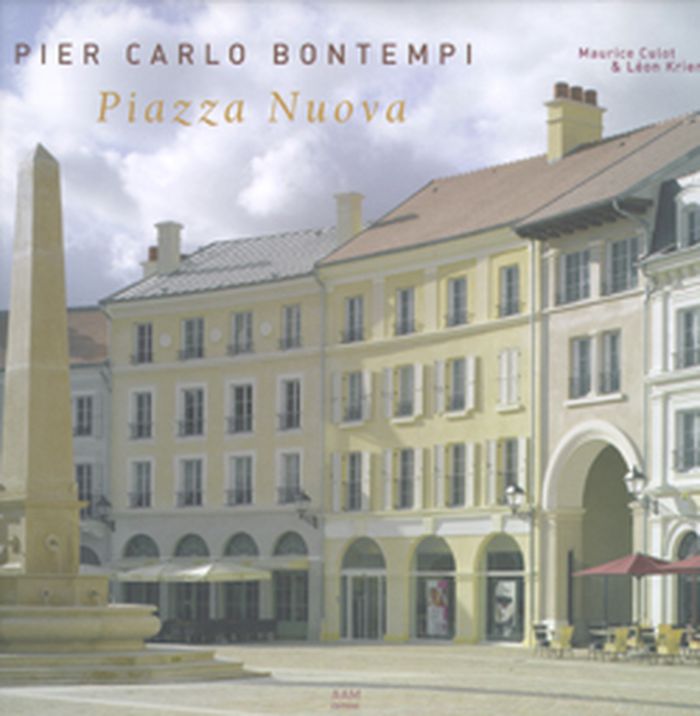
Val d’Europe, la ville nouvelle qui s’édifie à proximité des parcs d’attraction de Disney à Marne la Vallée, vient d’inaugurer une nouvelle place unique en son genre en France, la place de Toscane. Celle-ci est inspirée de la célèbre place médiévale de la ville de Lucca, la piazza anfiteatro, qui épouse la forme de l’ancien amphithéâtre dont elle occupe le site. Elle a été dessinée par un grand architecte de Parme, Pier Carlo Bontempi. De forme ovale, elle accueille des commerces mais aussi des appartements qui donnent sur sa superbe fontaine en pierre et sur de calmes patios intérieurs. Elle constitue un nouveau pôle d’animation de la ville nouvelle vers lequel convergent une galerie commerciale et des rues. A proximité immédiate de la nouvelle place de la Mairie avec laquelle elle s’articule, elle forme un ensemble qui témoigne de la renaissance de l’urbanisme en France. L’architecte Pier Carlo Bontempi, architecte et designer diplômé de l’Université de Florence, a installé son agence dans une superbe maison de campagne à proximité de Parme. De nombreuses publications ont été consacrées à ses créations et il a été lauréat de nombreux concours. En 2000, il a reçu le prestigieux prix américain John Burgee. Il a remporté le concours pour la réalisation de la place de Toscane en 2002.
Pier Carlo Bontempi: Piazza Nuova
Actions:
Prix:
$53.95
(disponible sur commande)
Résumé:
Val d’Europe, la ville nouvelle qui s’édifie à proximité des parcs d’attraction de Disney à Marne la Vallée, vient d’inaugurer une nouvelle place unique en son genre en France, la place de Toscane. Celle-ci est inspirée de la célèbre place médiévale de la ville de Lucca, la piazza anfiteatro, qui épouse la forme de l’ancien amphithéâtre dont elle occupe le site. Elle a été dessinée par un grand architecte de Parme, Pier Carlo Bontempi. De forme ovale, elle accueille des commerces mais aussi des appartements qui donnent sur sa superbe fontaine en pierre et sur de calmes patios intérieurs. Elle constitue un nouveau pôle d’animation de la ville nouvelle vers lequel convergent une galerie commerciale et des rues. A proximité immédiate de la nouvelle place de la Mairie avec laquelle elle s’articule, elle forme un ensemble qui témoigne de la renaissance de l’urbanisme en France. L’architecte Pier Carlo Bontempi, architecte et designer diplômé de l’Université de Florence, a installé son agence dans une superbe maison de campagne à proximité de Parme. De nombreuses publications ont été consacrées à ses créations et il a été lauréat de nombreux concours. En 2000, il a reçu le prestigieux prix américain John Burgee. Il a remporté le concours pour la réalisation de la place de Toscane en 2002.
Classification:
livres
livres
Publication:
février 2008, Bruxelles
février 2008, Bruxelles
Sujet:
Architecture, monographies
Architecture, monographies
Classification:
livres
livres
Actions:
Prix:
$27.99
(disponible sur commande)
Résumé:
The architecture of Britain is an art gallery all around us. From our streets to squares, through our cities, suburbs and villages, we are surrounded by magnificent buildings of eclectic styles. ''A Short History of British Architecture'' is story of why Britain looks the way it does, from prehistoric Stonehenge to the lofty towers of today. Historian Simon Jenkins(...)
$27.99
(disponible sur commande)
Résumé:
The architecture of Britain is an art gallery all around us. From our streets to squares, through our cities, suburbs and villages, we are surrounded by magnificent buildings of eclectic styles. ''A Short History of British Architecture'' is story of why Britain looks the way it does, from prehistoric Stonehenge to the lofty towers of today. Historian Simon Jenkins(...)
Titre:
A short history of British architecture: From Stonehenge to The Shard
Actions:
Prix:
$27.99
(disponible sur commande)
Résumé:
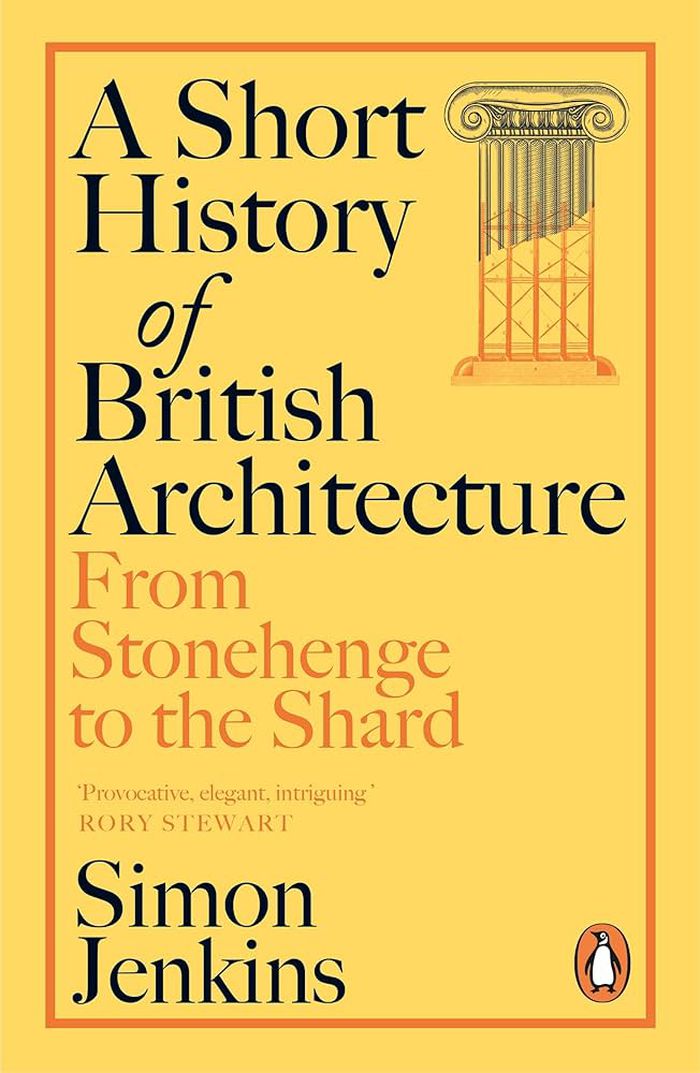
The architecture of Britain is an art gallery all around us. From our streets to squares, through our cities, suburbs and villages, we are surrounded by magnificent buildings of eclectic styles. ''A Short History of British Architecture'' is story of why Britain looks the way it does, from prehistoric Stonehenge to the lofty towers of today. Historian Simon Jenkins traces the relentless battles over the European traditions of classicism and gothic- from the gothic cathedrals of Lincoln, Ely and Wells to the ‘'prodigy'’ houses of the Tudor renaissance, and visits the great estates of Georgian London, the docks of Liverpool, the mills of Yorkshire and the chapels of south Wales. The arrival of modernism in the twentieth century politicised public taste, upheaved communities and sought to reconstruct entire cities. It produced Coventry Cathedral and Lloyd’s of London, but also the brutalist monoliths of Sheffield’s Park Hill, Glasgow’s Cumbernauld and London’s South Bank. Only in the 1970s did the public at last give voice to what became the conservation revolution – a movement in which Jenkins played a leading role, both as deputy chairman of English Heritage and chairman of the National Trust, and in the saving of iconic buildings such as St Pancras International and Covent Garden.
A short history of British architecture: From Stonehenge to The Shard
Actions:
Prix:
$27.99
(disponible sur commande)
Résumé:
The architecture of Britain is an art gallery all around us. From our streets to squares, through our cities, suburbs and villages, we are surrounded by magnificent buildings of eclectic styles. ''A Short History of British Architecture'' is story of why Britain looks the way it does, from prehistoric Stonehenge to the lofty towers of today. Historian Simon Jenkins traces the relentless battles over the European traditions of classicism and gothic- from the gothic cathedrals of Lincoln, Ely and Wells to the ‘'prodigy'’ houses of the Tudor renaissance, and visits the great estates of Georgian London, the docks of Liverpool, the mills of Yorkshire and the chapels of south Wales. The arrival of modernism in the twentieth century politicised public taste, upheaved communities and sought to reconstruct entire cities. It produced Coventry Cathedral and Lloyd’s of London, but also the brutalist monoliths of Sheffield’s Park Hill, Glasgow’s Cumbernauld and London’s South Bank. Only in the 1970s did the public at last give voice to what became the conservation revolution – a movement in which Jenkins played a leading role, both as deputy chairman of English Heritage and chairman of the National Trust, and in the saving of iconic buildings such as St Pancras International and Covent Garden.
Classification:
livres
livres
Publication:
janvier 2026
janvier 2026
Classification:
livres
livres
Prix:
$34.95
(disponible sur commande)
Résumé:
Comme Bernard Palissy, Hugues Sambin relève du mythe. Certes, sa vie ne fut pas transformée en légende, mais on sent la même intensité vitale, la même soif de recherches, le refus de se laisser cantonner dans un domaine trop étroit, qui le conduisirent à se faire tour à tour menuisier, dessinateur, graveur, ingénieur militaire, hydraulicien, et architecte. L'acquisition(...)
$34.95
(disponible sur commande)
Résumé:
Comme Bernard Palissy, Hugues Sambin relève du mythe. Certes, sa vie ne fut pas transformée en légende, mais on sent la même intensité vitale, la même soif de recherches, le refus de se laisser cantonner dans un domaine trop étroit, qui le conduisirent à se faire tour à tour menuisier, dessinateur, graveur, ingénieur militaire, hydraulicien, et architecte. L'acquisition(...)
Publication:
octobre 2001, Paris
octobre 2001, Paris
Titre:
Hugues Sambin : un créateur au XVIè siècle (vers 1520-1601)
Actions:
Prix:
$34.95
(disponible sur commande)
Résumé:
Comme Bernard Palissy, Hugues Sambin relève du mythe. Certes, sa vie ne fut pas transformée en légende, mais on sent la même intensité vitale, la même soif de recherches, le refus de se laisser cantonner dans un domaine trop étroit, qui le conduisirent à se faire tour à tour menuisier, dessinateur, graveur, ingénieur militaire, hydraulicien, et architecte. L'acquisition récente d'un meuble qui pourrait être attribué à son atelier conduit aujourd'hui le Musée national de la Renaissance à rouvrir le dossier. Fortement marqué dans sa jeunesse par son passage sur le chantier de château de Fontainebleau, il semble avoir exercé une forme de fascination chez ses riches commanditaires de Bourgogne et de Franche-Comté. Il fut actif puisque dans les anciens Pays-Bas espapagnols, pour le gouverneur du duché de Luxembourg. Sa pratique de menuisier, qu'il n'a jamais reniée, offre l'occasion d'aborder dans cet ouvrage certaines questions touchant au mobilier, en particulier dans cette période charnière qui voit un renforcement de la spécialisation des meubles et notamment la naissance du "cabinet". Une telle approche permet d'évoquer les "manières d'habiter" dont l'ameublement ne peut être dissocié. Des études techniques poussées permettent enfin d'approcher au plus près les processus de création d'oeuvres de menuiserie, fruit de la collaboration de nombreux intervenants.
Hugues Sambin : un créateur au XVIè siècle (vers 1520-1601)
Actions:
Prix:
$34.95
(disponible sur commande)
Résumé:
Comme Bernard Palissy, Hugues Sambin relève du mythe. Certes, sa vie ne fut pas transformée en légende, mais on sent la même intensité vitale, la même soif de recherches, le refus de se laisser cantonner dans un domaine trop étroit, qui le conduisirent à se faire tour à tour menuisier, dessinateur, graveur, ingénieur militaire, hydraulicien, et architecte. L'acquisition récente d'un meuble qui pourrait être attribué à son atelier conduit aujourd'hui le Musée national de la Renaissance à rouvrir le dossier. Fortement marqué dans sa jeunesse par son passage sur le chantier de château de Fontainebleau, il semble avoir exercé une forme de fascination chez ses riches commanditaires de Bourgogne et de Franche-Comté. Il fut actif puisque dans les anciens Pays-Bas espapagnols, pour le gouverneur du duché de Luxembourg. Sa pratique de menuisier, qu'il n'a jamais reniée, offre l'occasion d'aborder dans cet ouvrage certaines questions touchant au mobilier, en particulier dans cette période charnière qui voit un renforcement de la spécialisation des meubles et notamment la naissance du "cabinet". Une telle approche permet d'évoquer les "manières d'habiter" dont l'ameublement ne peut être dissocié. Des études techniques poussées permettent enfin d'approcher au plus près les processus de création d'oeuvres de menuiserie, fruit de la collaboration de nombreux intervenants.
Classification:
livres
livres
Publication:
octobre 2001, Paris
octobre 2001, Paris
Classification:
livres
livres
Actions:
Prix:
$47.50
(disponible sur commande)
Résumé:
The discipline of architecture depends on the transmission in space and time of accumulated experiences, concepts, rules, and models. From the invention of the alphabet to the development of ASCII code for electronic communication, the process of recording and transmitting this body of knowledge has reflected the dominant information technologies of each period. In this(...)
$47.50
(disponible sur commande)
Résumé:
The discipline of architecture depends on the transmission in space and time of accumulated experiences, concepts, rules, and models. From the invention of the alphabet to the development of ASCII code for electronic communication, the process of recording and transmitting this body of knowledge has reflected the dominant information technologies of each period. In this(...)
Titre:
Architecture in the age of printing : orality, writing, typography, and printed images in the history of architectural theory
Actions:
Prix:
$47.50
(disponible sur commande)
Résumé:
The discipline of architecture depends on the transmission in space and time of accumulated experiences, concepts, rules, and models. From the invention of the alphabet to the development of ASCII code for electronic communication, the process of recording and transmitting this body of knowledge has reflected the dominant information technologies of each period. In this book Mario Carpo discusses the communications media used by Western architects, from classical antiquity to modern classicism, showing how each medium related to specific forms of architectural thinking. Carpo highlights the significance of the invention of movable type and mechanically reproduced images. He argues that Renaissance architectural theory, particularly the system of the five architectural orders, was consciously developed in response to the formats and potential of the new printed media. Carpo contrasts architecture in the age of printing with what preceded it: Vitruvian theory and the manuscript format, oral transmission in the Middle Ages, and the fifteenth-century transition from script to print. He also suggests that the basic principles of "typographic" architecture thrived in the Western world as long as print remained our main information technology. The shift from printed to digital representations, he points out, will again alter the course of architecture.
Architecture in the age of printing : orality, writing, typography, and printed images in the history of architectural theory
Actions:
Prix:
$47.50
(disponible sur commande)
Résumé:
The discipline of architecture depends on the transmission in space and time of accumulated experiences, concepts, rules, and models. From the invention of the alphabet to the development of ASCII code for electronic communication, the process of recording and transmitting this body of knowledge has reflected the dominant information technologies of each period. In this book Mario Carpo discusses the communications media used by Western architects, from classical antiquity to modern classicism, showing how each medium related to specific forms of architectural thinking. Carpo highlights the significance of the invention of movable type and mechanically reproduced images. He argues that Renaissance architectural theory, particularly the system of the five architectural orders, was consciously developed in response to the formats and potential of the new printed media. Carpo contrasts architecture in the age of printing with what preceded it: Vitruvian theory and the manuscript format, oral transmission in the Middle Ages, and the fifteenth-century transition from script to print. He also suggests that the basic principles of "typographic" architecture thrived in the Western world as long as print remained our main information technology. The shift from printed to digital representations, he points out, will again alter the course of architecture.
Classification:
livres
livres
Publication:
septembre 2001, Cambridge, Mass.
septembre 2001, Cambridge, Mass.
Sujet:
Théorie de l’architecture
Théorie de l’architecture
Classification:
livres
livres
Actions:
Prix:
$95.00
(disponible sur commande)
Résumé:
In the 15th century the ideas of the great Renaissance artists required the attentions of engineers and artisans to construct and explain the dynamics of their ambitious works. Leonardo da Vinci's helicopter was built in a studio; very probably his submarine was also built. Today that endeavour and enquiry is represented by Mike Smith, whose studio in the Old Kent Road in(...)
$95.00
(disponible sur commande)
Résumé:
In the 15th century the ideas of the great Renaissance artists required the attentions of engineers and artisans to construct and explain the dynamics of their ambitious works. Leonardo da Vinci's helicopter was built in a studio; very probably his submarine was also built. Today that endeavour and enquiry is represented by Mike Smith, whose studio in the Old Kent Road in(...)
Publication:
janvier 1900, London
janvier 1900, London
Titre:
Making art work : the Mike Smith Studio
Actions:
Prix:
$95.00
(disponible sur commande)
Résumé:
In the 15th century the ideas of the great Renaissance artists required the attentions of engineers and artisans to construct and explain the dynamics of their ambitious works. Leonardo da Vinci's helicopter was built in a studio; very probably his submarine was also built. Today that endeavour and enquiry is represented by Mike Smith, whose studio in the Old Kent Road in London furnishes the architecture for the most pressing installations and sculptures of young British artists. He is the carborundum that enables the best artists working in Britain today to realize their work - Rachel Whiteread's monument in Trafalgar Square is a testament to his work. The painter Patsy Craig has unravelled the activities of the Mike Smith Studios, including the symbiosis of the studio with the process of creation of such artists as Damien Hirst, Mona Hatoum, Keith Tyson, Darren Almond and Mark Wallinger. She has collected from the Studio's archives, along with the detritus, the correspondence, notes, ideas, failures and successes of these and other artists at the studio. They are a diary and vade mecum of the construction of a significant theory in current British art. It is an assembly of the very templates of the thinking, design and creation of art in Britain today.
Making art work : the Mike Smith Studio
Actions:
Prix:
$95.00
(disponible sur commande)
Résumé:
In the 15th century the ideas of the great Renaissance artists required the attentions of engineers and artisans to construct and explain the dynamics of their ambitious works. Leonardo da Vinci's helicopter was built in a studio; very probably his submarine was also built. Today that endeavour and enquiry is represented by Mike Smith, whose studio in the Old Kent Road in London furnishes the architecture for the most pressing installations and sculptures of young British artists. He is the carborundum that enables the best artists working in Britain today to realize their work - Rachel Whiteread's monument in Trafalgar Square is a testament to his work. The painter Patsy Craig has unravelled the activities of the Mike Smith Studios, including the symbiosis of the studio with the process of creation of such artists as Damien Hirst, Mona Hatoum, Keith Tyson, Darren Almond and Mark Wallinger. She has collected from the Studio's archives, along with the detritus, the correspondence, notes, ideas, failures and successes of these and other artists at the studio. They are a diary and vade mecum of the construction of a significant theory in current British art. It is an assembly of the very templates of the thinking, design and creation of art in Britain today.
Classification:
livres
livres
Publication:
janvier 1900, London
janvier 1900, London
Classification:
livres
livres
Actions:
Prix:
$90.00
(disponible sur commande)
Résumé:
Widely acknowledged as Britain's leading architectural historian, Sir Howard Colvin has been responsible for fundamental research that has helped to bring about a renaissance in English architectural history in the second half of the twentieth century. In this volume, Colvin gathers eighteen new and revised essays written throughout his distinguished career. The(...)
$90.00
(disponible sur commande)
Résumé:
Widely acknowledged as Britain's leading architectural historian, Sir Howard Colvin has been responsible for fundamental research that has helped to bring about a renaissance in English architectural history in the second half of the twentieth century. In this volume, Colvin gathers eighteen new and revised essays written throughout his distinguished career. The(...)
Titre:
Essays in English architectural history
Actions:
Prix:
$90.00
(disponible sur commande)
Résumé:
Widely acknowledged as Britain's leading architectural historian, Sir Howard Colvin has been responsible for fundamental research that has helped to bring about a renaissance in English architectural history in the second half of the twentieth century. In this volume, Colvin gathers eighteen new and revised essays written throughout his distinguished career. The collection includes five essays never before published, including one which looks afresh at the architectural apparatus of sixteenth-century state entries and another that explores the use of caryatids and other formalized human figures in English architecture from Tudor times onwards. The author also offers reprinted essays, revised where necessary, on such topics as the idea of a "Court Style" in medieval English architecture, the south front of Wilton House, and the infiltration of the Georgian Office of Works by an architectural pressure group led by Lord Burlington. Several essays reflect the author's long-standing interest in the problem of the persistence of Gothic architecture in the sixteenth and seventeenth centuries and its revival in the eighteenth, and another treats his equally long-standing interest in the history of the architectural profession. The author concludes with his recollections of what can now be seen as a golden age of English architectural research in the years following the Second World War.
Essays in English architectural history
Actions:
Prix:
$90.00
(disponible sur commande)
Résumé:
Widely acknowledged as Britain's leading architectural historian, Sir Howard Colvin has been responsible for fundamental research that has helped to bring about a renaissance in English architectural history in the second half of the twentieth century. In this volume, Colvin gathers eighteen new and revised essays written throughout his distinguished career. The collection includes five essays never before published, including one which looks afresh at the architectural apparatus of sixteenth-century state entries and another that explores the use of caryatids and other formalized human figures in English architecture from Tudor times onwards. The author also offers reprinted essays, revised where necessary, on such topics as the idea of a "Court Style" in medieval English architecture, the south front of Wilton House, and the infiltration of the Georgian Office of Works by an architectural pressure group led by Lord Burlington. Several essays reflect the author's long-standing interest in the problem of the persistence of Gothic architecture in the sixteenth and seventeenth centuries and its revival in the eighteenth, and another treats his equally long-standing interest in the history of the architectural profession. The author concludes with his recollections of what can now be seen as a golden age of English architectural research in the years following the Second World War.
Classification:
livres
livres
Publication:
août 1999, New Haven
août 1999, New Haven
Sujet:
Histoire jusqu’à 1900
Histoire jusqu’à 1900
Classification:
livres
livres
Prix:
$32.95
(disponible sur commande)
Résumé:
Contributors to this volume strive to uncover architectural alternatives to simplistic models based on concepts of aesthetics, technology, or sociology. Seventeen essays explore historical topics ranging from antiquity, with a study of the Roman Colosseum; through early Renaissance subjects, such as the treatises of Luca Pacioli on architecture; through to the modern era(...)
$32.95
(disponible sur commande)
Résumé:
Contributors to this volume strive to uncover architectural alternatives to simplistic models based on concepts of aesthetics, technology, or sociology. Seventeen essays explore historical topics ranging from antiquity, with a study of the Roman Colosseum; through early Renaissance subjects, such as the treatises of Luca Pacioli on architecture; through to the modern era(...)
Sujet:
Théorie de l’architecture
Théorie de l’architecture
Publication:
mai 2003, Montreal
mai 2003, Montreal
Titre:
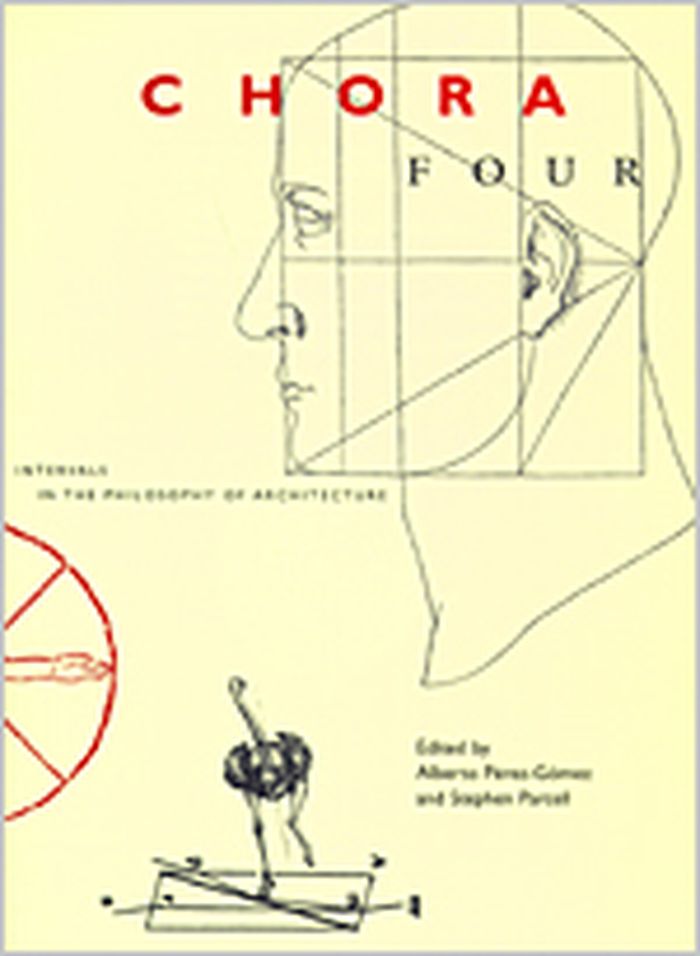
Chora 4 : intervals in the philosophy of architecture
Actions:
Prix:
$32.95
(disponible sur commande)
Résumé:
Contributors to this volume strive to uncover architectural alternatives to simplistic models based on concepts of aesthetics, technology, or sociology. Seventeen essays explore historical topics ranging from antiquity, with a study of the Roman Colosseum; through early Renaissance subjects, such as the treatises of Luca Pacioli on architecture; through to the modern era and explorations on topics ranging from seventeenth-century Amsterdam to architectural insights that can be found in the works of the poet and mathematician Lewis Carroll. Authors examining contemporary issues seek to explicate the spatial poetics of architecture by invoking other artistic disciplines. Essays in this group include a discussion of the accomplishments of Gordon Matta-Clark, a reading of Alfred Hitchcock's Rear Window, and an analysis of the implications of ethical/formal questions in the work of Ludwig Wittgenstein for architecture. Contributors include Caroline Dionne (Université de Québec à Montréal), Mark Dorrian (University of Edinburgh), Michael Emerson (University of New South Wales), Marc Glaudemans (University of Technology), George Hersey (emeritus, Yale University), Robert Kirkbride (design director, Studiolo), Joanna Merwood (doctoral dissertation, Princeton University), Michel Moussette (Ph.D. at the Université de Montréal), Juhani Pallasmaa (architect, Finland, emeritus Washington University in St. Louis), Alberto Pérez-Gómez (McGill University), David Theodore (McGill University), and Dorian Yurchuk (architect, New York City).
Chora 4 : intervals in the philosophy of architecture
Actions:
Prix:
$32.95
(disponible sur commande)
Résumé:
Contributors to this volume strive to uncover architectural alternatives to simplistic models based on concepts of aesthetics, technology, or sociology. Seventeen essays explore historical topics ranging from antiquity, with a study of the Roman Colosseum; through early Renaissance subjects, such as the treatises of Luca Pacioli on architecture; through to the modern era and explorations on topics ranging from seventeenth-century Amsterdam to architectural insights that can be found in the works of the poet and mathematician Lewis Carroll. Authors examining contemporary issues seek to explicate the spatial poetics of architecture by invoking other artistic disciplines. Essays in this group include a discussion of the accomplishments of Gordon Matta-Clark, a reading of Alfred Hitchcock's Rear Window, and an analysis of the implications of ethical/formal questions in the work of Ludwig Wittgenstein for architecture. Contributors include Caroline Dionne (Université de Québec à Montréal), Mark Dorrian (University of Edinburgh), Michael Emerson (University of New South Wales), Marc Glaudemans (University of Technology), George Hersey (emeritus, Yale University), Robert Kirkbride (design director, Studiolo), Joanna Merwood (doctoral dissertation, Princeton University), Michel Moussette (Ph.D. at the Université de Montréal), Juhani Pallasmaa (architect, Finland, emeritus Washington University in St. Louis), Alberto Pérez-Gómez (McGill University), David Theodore (McGill University), and Dorian Yurchuk (architect, New York City).
Classification:
livres
livres
Publication:
mai 2003, Montreal
mai 2003, Montreal
Sujet:
Théorie de l’architecture
Théorie de l’architecture


