


5088 Résultats
Classification:
livres
livres
Actions:
Prix:
$25.95
(disponible sur commande)
Résumé:
If we ask where the curating of art occurs these days--in which places, which kinds of place, and how--apparent answers immediately appear: everywhere, expanding as if to ubiquity. Yet at the same time, we sense, with fragile purpose. In this, his newest book, Terry Smith explores the contemporary contexts of curating, looking for less apparent answers. It will map the(...)
Titre:
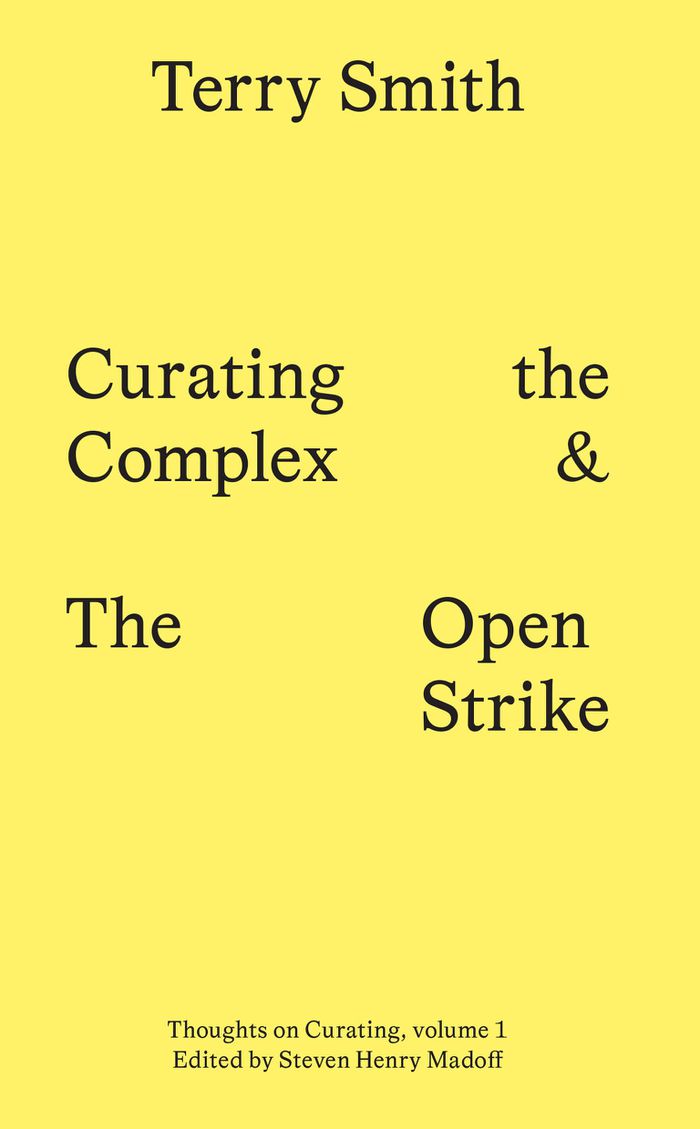
Curating the complex and the open strike
Actions:
Prix:
$25.95
(disponible sur commande)
Résumé:
If we ask where the curating of art occurs these days--in which places, which kinds of place, and how--apparent answers immediately appear: everywhere, expanding as if to ubiquity. Yet at the same time, we sense, with fragile purpose. In this, his newest book, Terry Smith explores the contemporary contexts of curating, looking for less apparent answers. It will map the dimensions of the visual arts exhibitionary complex, including its dialectical dance between institutionalization and deinstitutionalization; the persistence of professional classifications of curatorship; the given and changing categories of art exhibitions; the increasing variety of curatorial styles; the underthinking about publics; and (undistracted by curationism) the changing roles of art making and exhibiting art within an exhibitory iconomy that is at once viral and consumptive. A mapping of this kind might help us towards some answers to the more important questions: why curate art these days and in the name of which interests?
Classification:
livres
livres
Publication:
mai 2021
mai 2021
Sujet:
Muséologie
Muséologie
Classification:
livres
livres
Actions:
Prix:
$49.95
(disponible sur commande)
Résumé:
What might our cities look like in ten, twenty or fifty years? How may future cities face global challenges? Imagining the city of the future has long been an inspiration for many architects, artists and designers. This book examines how cities of the future have been visualised, what these projects sought to communicate and what the implications may be for us now. It(...)
Titre:
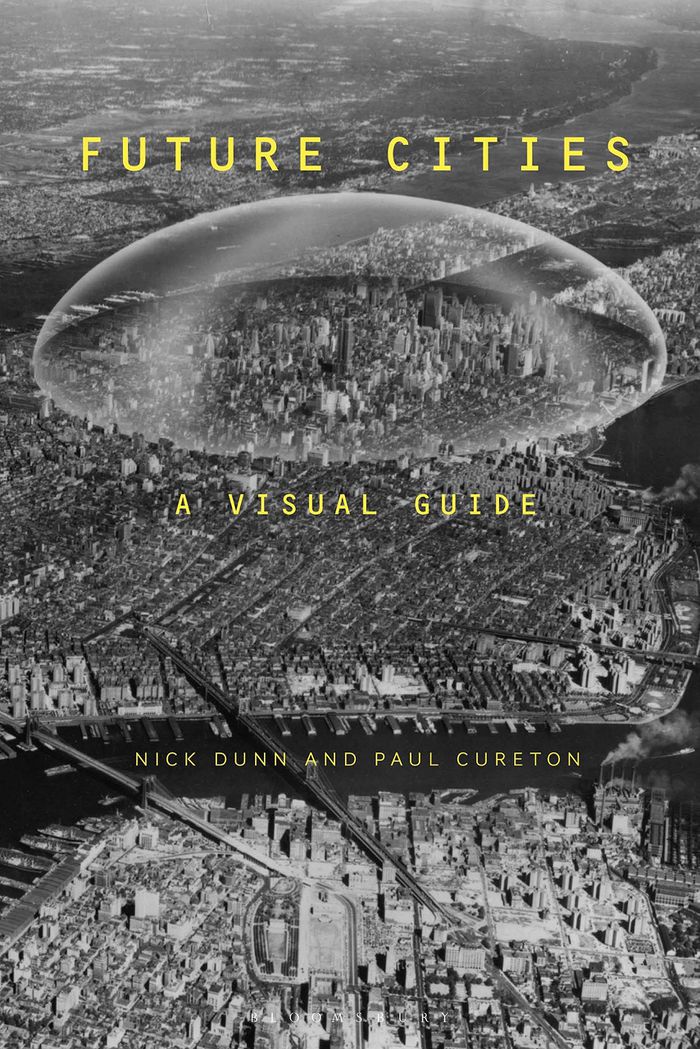
Future cities: a visual guide
Actions:
Prix:
$49.95
(disponible sur commande)
Résumé:
What might our cities look like in ten, twenty or fifty years? How may future cities face global challenges? Imagining the city of the future has long been an inspiration for many architects, artists and designers. This book examines how cities of the future have been visualised, what these projects sought to communicate and what the implications may be for us now. It provides a visual history of the future and explores the relationships between different visualisation techniques and ideologies for cities. Thinking about what futures are, who they are for, why they are desirable, and how and when they are to be brought into being is central to this book. Through visualisation we are able to experiment in ways that would be impractical and potentially hazardous in the real world, and this book, therefore, aims to contribute toward a better understanding of the power and agency of visualisations for future cities.
Classification:
livres
livres
Publication:
février 2021
février 2021
Sujet:
Théorie de l’urbanisme
Théorie de l’urbanisme
Classification:
livres
livres

Titre:
Eating in theory
Eating in theory
Actions:
Prix:
$34.95
(disponible sur commande)
Résumé:
As we taste, chew, swallow, digest, and excrete, our foods transform us, while our eating, in its turn, affects the wider earthly environment. In 'Eating in Theory' Annemarie Mol takes inspiration from these transformative entanglements to rethink what it is to be human. Drawing on fieldwork at food conferences, research labs, health care facilities, restaurants, and her(...)
Titre:
Eating in theory
Actions:
Prix:
$34.95
(disponible sur commande)
Résumé:
As we taste, chew, swallow, digest, and excrete, our foods transform us, while our eating, in its turn, affects the wider earthly environment. In 'Eating in Theory' Annemarie Mol takes inspiration from these transformative entanglements to rethink what it is to be human. Drawing on fieldwork at food conferences, research labs, health care facilities, restaurants, and her own kitchen table, Mol reassesses the work of authors such as Hannah Arendt, Maurice Merleau-Ponty, Hans Jonas, and Emmanuel Levinas. They celebrated the allegedly unique capability of humans to rise above their immediate bodily needs. Mol, by contrast, appreciates that as humans we share our fleshy substance with other living beings, whom we cultivate, cut into pieces, transport, prepare, and incorporate—and to whom we leave our excesses. This has far-reaching philosophical consequences. Taking human eating seriously suggests a reappraisal of being as transformative, knowing as entangling, doing as dispersed, and relating as a matter of inescapable dependence.
Classification:
livres
livres
Publication:
avril 2021
avril 2021
Sujet:
Bouffe
Bouffe
Classification:
livres
livres
Actions:
Prix:
$60.00
(disponible sur commande)
Résumé:
We all have memories of the object-world of childhood. For many of us, playthings and images from those days continue to resonate. Rereading a swathe of modern and contemporary artistic production through the lens of its engagement with childhood, this book blends in-depth art historical analysis with sustained theoretical exploration of topics such as surrealist(...)
Titre:
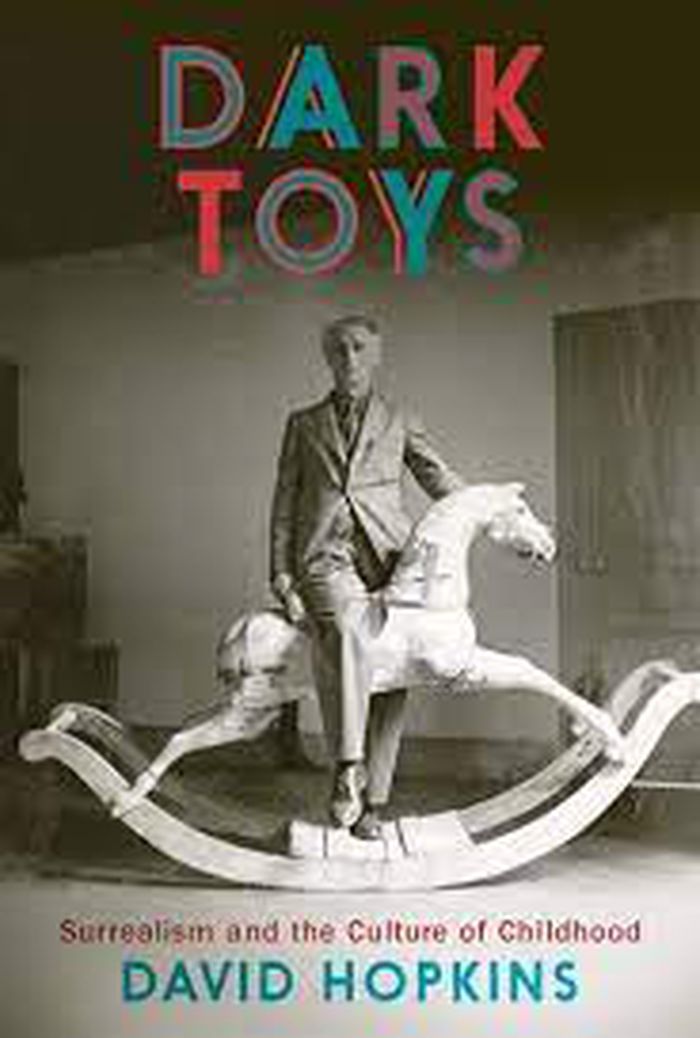
Dark toys: Surrealism and the culture of childhood
Actions:
Prix:
$60.00
(disponible sur commande)
Résumé:
We all have memories of the object-world of childhood. For many of us, playthings and images from those days continue to resonate. Rereading a swathe of modern and contemporary artistic production through the lens of its engagement with childhood, this book blends in-depth art historical analysis with sustained theoretical exploration of topics such as surrealist temporality, toys, play, nostalgia, memory, and 20th-century constructions of the child. The result is an entirely new approach to the surrealist tradition via its engagement with “childish things.” Providing what the author describes as a “long history of surrealism,” this book plots a trajectory from surrealism itself to the art of the 1980s and 1990s, through to the present day. It addresses a range of figures from Marcel Duchamp, Giorgio de Chirico, Max Ernst, Hans Bellmer, Joseph Cornell, and Helen Levitt, at one end of the spectrum, to Louise Bourgeois, Eduardo Paolozzi, Claes Oldenburg, Susan Hiller, Martin Sharp, Helen Chadwick, Mike Kelley, and Jeff Koons, at the other.
Classification:
livres
livres
Publication:
avril 2021
avril 2021
Sujet:
Théorie de l’art
Théorie de l’art
Classification:
périodiques
périodiques

Actions:
Prix:
$28.00
(disponible sur commande)
Résumé:
The archives of the 1980s: 23 archives involved, 106 archival documents found, 6 original interviews, 1 horoscope from Gilardi's Phototeca in a poster size. Every person is a memory. Memory which may be conjured up by joining the dots between what the subject has experienced over the years, starting from a personal history—which allows for a certain clinical-narrative(...)
Titre:
Archivio n.06 : The Eighties Issue
Actions:
Prix:
$28.00
(disponible sur commande)
Résumé:
The archives of the 1980s: 23 archives involved, 106 archival documents found, 6 original interviews, 1 horoscope from Gilardi's Phototeca in a poster size. Every person is a memory. Memory which may be conjured up by joining the dots between what the subject has experienced over the years, starting from a personal history—which allows for a certain clinical-narrative accuracy—only to then go on to delve into the collective sphere, investigating and recounting private and institutional archives that accompany us through the presentation of the facts. Home to the facts are the eras: that's why over the following issues Archivio will identify four decade-long containers. This issue continues Archivio's journey back through the twentieth century, stopping this time on the fluorescently outgoing, yet such intimate years of the 1980s—so close and yetso far. Because "a day is a year is a lifetime", as the R.W. Fassbinder's biography italian title says.
Classification:
périodiques
périodiques
Publication:
mai 2021
mai 2021
Sujet:
Revues
Revues
Classification:
livres
livres

Actions:
Prix:
$36.95
(disponible sur commande)
Résumé:
Inspired by artists like Edward Curtis and Charles Schulz, who devoted their lives to a single objective, Rudy VanderLans continues his pursuit to create a consistent body of work of postcard-size images, rendering a comprehensive portrait of California in the early part of the 21st century. VanderLans, who is often drawn to places with fantastical names- like Oleander(...)
Titre:
Rudy Vanderlans: Oleander sunset
Actions:
Prix:
$36.95
(disponible sur commande)
Résumé:
Inspired by artists like Edward Curtis and Charles Schulz, who devoted their lives to a single objective, Rudy VanderLans continues his pursuit to create a consistent body of work of postcard-size images, rendering a comprehensive portrait of California in the early part of the 21st century. VanderLans, who is often drawn to places with fantastical names- like Oleander Sunset- wanders about California's back roads with eyes wide open. Without theorizing, or searching for subjects, he allows himself to be receptive to the world around him and discovers beauty in the most ordinary locales. Like the men who named the cities and towns he visits, VanderLans makes the mundane seem less so, and in the process shows us what’s been overlooked. "Oleander Sunset" juxtaposes single images on opposing pages, setting up dynamic formal and contextual interactions through contrasting, complementing and reiteration. The book is interspersed with a number of fold-out panoramas, placing the viewer smack in the middle of the author's habitual stamping ground.
Classification:
livres
livres
Publication:
août 2021
août 2021
Sujet:
Monographies photo
Monographies photo
Classification:
livres
livres
Actions:
Prix:
$100.00
(disponible sur commande)
Résumé:
Parks are essential to our well-being; this has never been clearer than it is today, and a recent surge of park development offers us much to celebrate. "Parks of the 21st century" presents 52 parks in the U.S., Mexico, Canada, Europe, and China that have turned despoiled and polluted land (including former factories, railroads, and industrial waterfronts) into beneficial(...)
Titre:
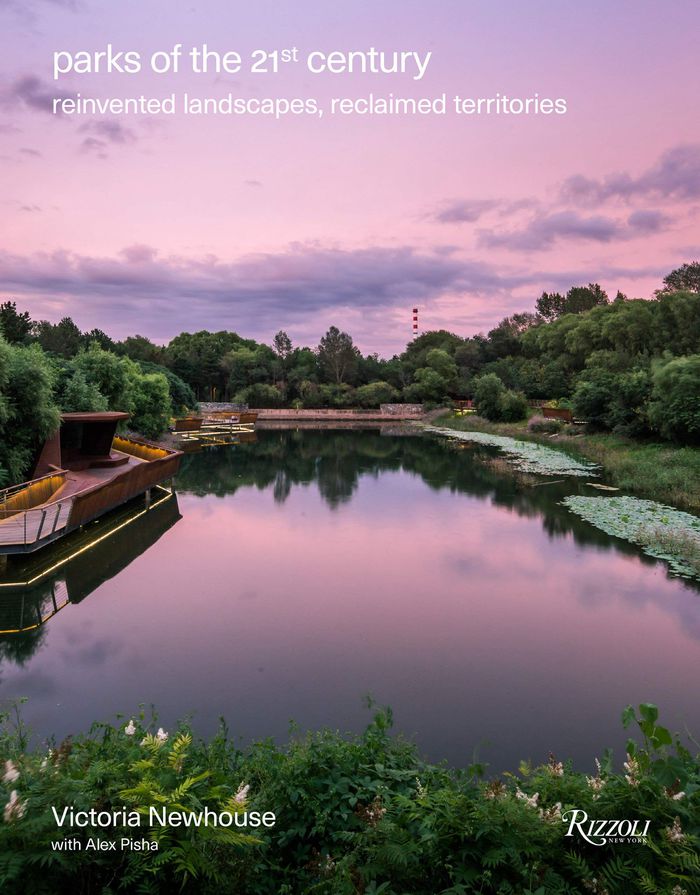
Parks of the 21st Century: reinvented landscapes, reclaimed territories
Actions:
Prix:
$100.00
(disponible sur commande)
Résumé:
Parks are essential to our well-being; this has never been clearer than it is today, and a recent surge of park development offers us much to celebrate. "Parks of the 21st century" presents 52 parks in the U.S., Mexico, Canada, Europe, and China that have turned despoiled and polluted land (including former factories, railroads, and industrial waterfronts) into beneficial landscapes. Landscape architects have been referred to as "the first environmentalists," and "Parks of the 21st century" shows how parks are being designed as proactive, dynamic green spaces. The High Line in New York is an early example of how an obsolete railroad could be transformed. Opened in 2009, it now attracts nearly 8 million visitors a year. In addition to providing public open space, these renewed landscapes offer economic revitalization and large-scale environmental improvement. Among the parks featured in this book are designs by well-known professionals such as James Corner Field Operations, Michael Van Valkenburgh Associates, Kongjian Yu/Turenscape, and Catherine Mosbach.
Classification:
livres
livres
Publication:
septembre 2021
septembre 2021
Sujet:
Jardins
Jardins
Classification:
livres
livres
Actions:
Prix:
$36.95
(disponible sur commande)
Résumé:
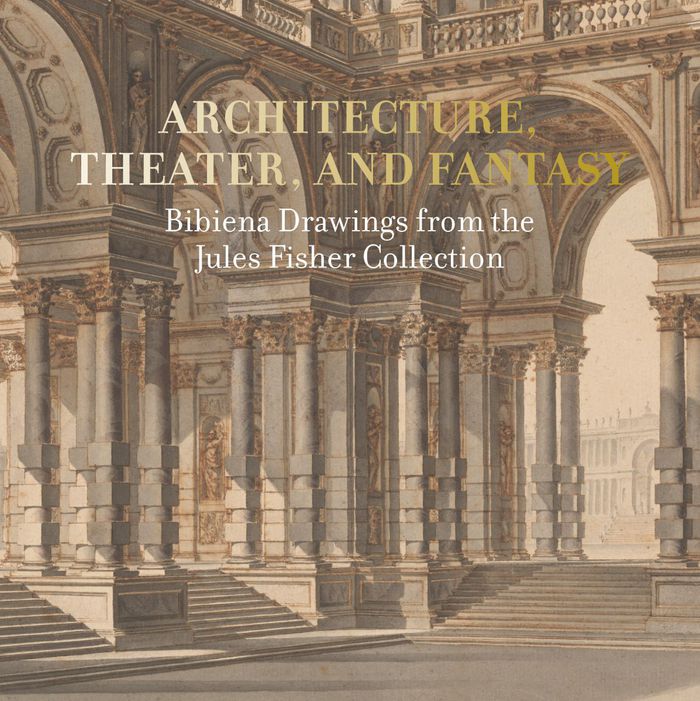
This exhibition catalog explores the remarkable theatrical designs of Italy’s influential Bibiena family in the seventeenth and eighteenth centuries. For nearly a century, members of three generations of the Bibiena family were the most highly sought theater designers in Europe. Their elaborate stage designs were used for operas, festivals, and courtly performances across(...)
Sujet:
Dessin d’architecture
Dessin d’architecture
Publication:
juillet 2021
juillet 2021
Titre:
Architecture, theater and fantasy: Bibena drawings from the Jules Fisher collection
Actions:
Prix:
$36.95
(disponible sur commande)
Résumé:
This exhibition catalog explores the remarkable theatrical designs of Italy’s influential Bibiena family in the seventeenth and eighteenth centuries. For nearly a century, members of three generations of the Bibiena family were the most highly sought theater designers in Europe. Their elaborate stage designs were used for operas, festivals, and courtly performances across Europe, from their native Italy to cities as far afield as Vienna, Prague, Stockholm, St. Petersburg, and Lisbon. Beyond these performances, the distinctive Bibiena style survives through their remarkable drawings. "Architecture, theater, and fantasy" commemorates a group of Bibiena drawings from the collection of Jules Fisher, the Tony Award–winning lighting designer, gifted to the Morgan Library and Museum in New York. Accompanying the first US exhibition of these works in more than thirty years, these drawings demonstrate the range of the Bibienas’ output, from energetic sketches to detailed watercolors. Representations of imagined palace interiors and lavish illusionistic architecture illuminate the visual splendor of the Baroque period.
Classification:
livres
livres
Publication:
juillet 2021
juillet 2021
Sujet:
Dessin d’architecture
Dessin d’architecture
Classification:
livres
livres
Titre:
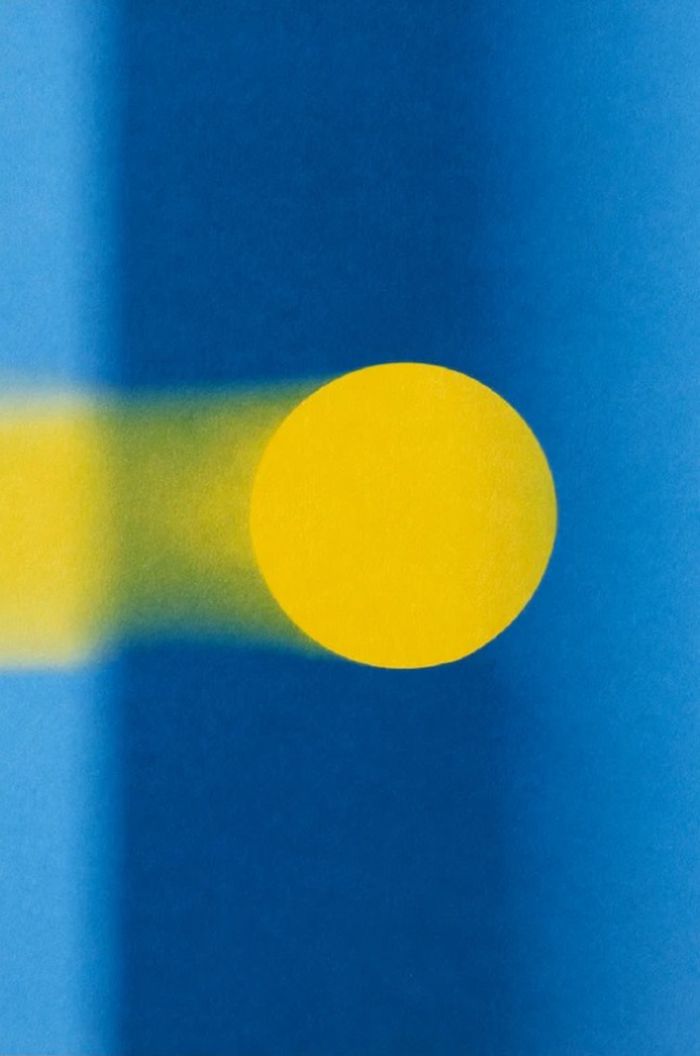
Paul Rousteau: Seascapes
Paul Rousteau: Seascapes
Actions:
Prix:
$60.00
(disponible sur commande)
Résumé:
French artist Paul Rousteau is known for his alchemic light and colour-bending approach to photography. Seascapes is a series made by Rousteau while artist-in-residence on a boat off the Coral Sea, in Australia. Inspired by the unending horizons around him, Rousteau retreated to the darkroom to invent mental topographies of his own, reducing the landscape down to the(...)
Titre:
Paul Rousteau: Seascapes
Actions:
Prix:
$60.00
(disponible sur commande)
Résumé:
French artist Paul Rousteau is known for his alchemic light and colour-bending approach to photography. Seascapes is a series made by Rousteau while artist-in-residence on a boat off the Coral Sea, in Australia. Inspired by the unending horizons around him, Rousteau retreated to the darkroom to invent mental topographies of his own, reducing the landscape down to the barest constituent elements – water, air and light. Often saturated, interrupted or out of focus, his photographs are series of playful experiments navigating between figuration and abstraction, painting and digital art. These constructed landscapes invite us to consider the point where human imagination interacts with the landscape - how fantasies of distance, displacement and faraway places are projected onto the horizon. Existing somewhere between vision, imagination and a surreal, submerged reality, Rousteau extends this fiction through globetrotting captions and an innovative design that invites readers to rip away and reappropriate the seascapes as their own.
Classification:
livres
livres
Publication:
juillet 2021
juillet 2021
Sujet:
Monographies photo
Monographies photo
Classification:
périodiques
périodiques

Actions:
Prix:
$25.00
(disponible sur commande)
Résumé:
"Healed outcomes" is a symbolic issue for The Site Magazine. It marks a break from our past and the numeration we have used for the last twenty years, and initiates our first series. This series will be published over the next three years and each issue will build on those preceding to explore how architecture can address today’s most pressing challenges. This first issue(...)
Titre:
Site, series 1 vol. 1 : healed outcomes
Actions:
Prix:
$25.00
(disponible sur commande)
Résumé:
"Healed outcomes" is a symbolic issue for The Site Magazine. It marks a break from our past and the numeration we have used for the last twenty years, and initiates our first series. This series will be published over the next three years and each issue will build on those preceding to explore how architecture can address today’s most pressing challenges. This first issue has long been in the works. Influenced by our discussions with Juhani Pallasmaa, who writes, "We are in constant dialogue and interaction with the environment, to the degree that it is impossible to detach the image of the self from its spatial and situational existence," it was clear to us that the inextricable relationship between space and consciousness was a natural starting point for any ongoing discussion about architecture’s role in the world. Without question, the offering of spaces for individual and collective healing is a role that architecture has maintained over time and across cultures.
Classification:
périodiques
périodiques
Publication:
septembre 2021
septembre 2021
Sujet:
Revues
Revues


