


6900 Résultats
Classification:
événements
événements
Titre:
Fouiller à Montréal
Fouiller à Montréal
Actions:
Description:
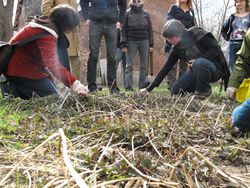
Nance Klehm, artiste et glaneuse vivant à Chicago, convie les participants à une séance de glanage et de dégustation d’infusion. Le glanage consiste à collecter des plantes qui poussent à l’état sauvage aussi bien en ville qu’à la campagne. La visite guidée, pédestre, permet de chercher, d’identifier et de ramasser des plantes comestibles qui poussent à Montréal, et se(...)
Nance Klehm, artiste et glaneuse vivant à Chicago, convie les participants à une séance de glanage et de dégustation d’infusion. Le glanage consiste à collecter des plantes qui poussent à l’état sauvage aussi bien en ville qu’à la campagne. La visite guidée, pédestre, permet de chercher, d’identifier et de ramasser des plantes comestibles qui poussent à Montréal, et se(...)
Date:
18 avril 2009
18 avril 2009
Titre:
Fouiller à Montréal
Actions:
Description:
Nance Klehm, artiste et glaneuse vivant à Chicago, convie les participants à une séance de glanage et de dégustation d’infusion. Le glanage consiste à collecter des plantes qui poussent à l’état sauvage aussi bien en ville qu’à la campagne. La visite guidée, pédestre, permet de chercher, d’identifier et de ramasser des plantes comestibles qui poussent à Montréal, et se(...)
Fouiller à Montréal
Actions:
Description:
Nance Klehm, artiste et glaneuse vivant à Chicago, convie les participants à une séance de glanage et de dégustation d’infusion. Le glanage consiste à collecter des plantes qui poussent à l’état sauvage aussi bien en ville qu’à la campagne. La visite guidée, pédestre, permet de chercher, d’identifier et de ramasser des plantes comestibles qui poussent à Montréal, et se(...)
Classification:
événements
événements
Date:
18 avril 2009
18 avril 2009
Classification:
événements
événements

Actions:
Description:
Lors de cette causerie, le photographe Bas Princen parlera de l’état d’avancement du projet 17 volcans, et évoquera les résonances existant entre les travaux de Franz Wilhelm Junghuhn, les œuvres de photographes néerlandais du début du XXe siècle (comme van Nieuwenhuis) à Java, ainsi que sa propre pratique. Si la découverte de nouveaux lieux semble impossible aujourd’hui,(...)
Lors de cette causerie, le photographe Bas Princen parlera de l’état d’avancement du projet 17 volcans, et évoquera les résonances existant entre les travaux de Franz Wilhelm Junghuhn, les œuvres de photographes néerlandais du début du XXe siècle (comme van Nieuwenhuis) à Java, ainsi que sa propre pratique. Si la découverte de nouveaux lieux semble impossible aujourd’hui,(...)
Date:
15 octobre 2016, 15h
15 octobre 2016, 15h
Titre:
Bas Princen : balades à dos de volcan
Actions:
Description:
Lors de cette causerie, le photographe Bas Princen parlera de l’état d’avancement du projet 17 volcans, et évoquera les résonances existant entre les travaux de Franz Wilhelm Junghuhn, les œuvres de photographes néerlandais du début du XXe siècle (comme van Nieuwenhuis) à Java, ainsi que sa propre pratique. Si la découverte de nouveaux lieux semble impossible aujourd’hui,(...)
Bas Princen : balades à dos de volcan
Actions:
Description:
Lors de cette causerie, le photographe Bas Princen parlera de l’état d’avancement du projet 17 volcans, et évoquera les résonances existant entre les travaux de Franz Wilhelm Junghuhn, les œuvres de photographes néerlandais du début du XXe siècle (comme van Nieuwenhuis) à Java, ainsi que sa propre pratique. Si la découverte de nouveaux lieux semble impossible aujourd’hui,(...)
Classification:
événements
événements
Date:
15 octobre 2016
15h
15 octobre 2016
15h
Classification:
archives
Niveau de description archivistique:
Fonds
archives
Niveau de description archivistique:
Fonds
Titre:
Joseph Rykwert fonds
Joseph Rykwert fonds
Numéro de référence:
AP209
Résumé:
The Joseph Rykwert fonds, 1928-2022, documents Joseph Rykwert’s career as an architectural historian, author and professor. The fonds includes the records for over a dozen monographs written between the mid-1960s and the mid-2010s as well as edited works and articles, and details his teaching and lecturing activities from the 1960s onwards in universities in Europe and the United States. The records highlight Joseph Rykwert’s multidisciplinary approach, which involved archaeology, anthropology and psychoanalysis in his study of the history and theory of architecture and of the urban form. The fonds is composed of textual records, publications and ephemera, and of photographs including multiple albums and a large number of slides; the fonds also documents Joseph Rykwert’s career as an independent designer through drawings realized between the late 1940s and the late 1970s.
AP209
Résumé:
The Joseph Rykwert fonds, 1928-2022, documents Joseph Rykwert’s career as an architectural historian, author and professor. The fonds includes the records for over a dozen monographs written between the mid-1960s and the mid-2010s as well as edited works and articles, and details his teaching and lecturing activities from the 1960s onwards in universities in Europe and the United States. The records highlight Joseph Rykwert’s multidisciplinary approach, which involved archaeology, anthropology and psychoanalysis in his study of the history and theory of architecture and of the urban form. The fonds is composed of textual records, publications and ephemera, and of photographs including multiple albums and a large number of slides; the fonds also documents Joseph Rykwert’s career as an independent designer through drawings realized between the late 1940s and the late 1970s.
Personnes et institutions:
Date:
1928-2022
1928-2022
Titre:
Joseph Rykwert fonds
Actions:
AP209
Résumé:
The Joseph Rykwert fonds, 1928-2022, documents Joseph Rykwert’s career as an architectural historian, author and professor. The fonds includes the records for over a dozen monographs written between the mid-1960s and the mid-2010s as well as edited works and articles, and details his teaching and lecturing activities from the 1960s onwards in universities in Europe and the United States. The records highlight Joseph Rykwert’s multidisciplinary approach, which involved archaeology, anthropology and psychoanalysis in his study of the history and theory of architecture and of the urban form. The fonds is composed of textual records, publications and ephemera, and of photographs including multiple albums and a large number of slides; the fonds also documents Joseph Rykwert’s career as an independent designer through drawings realized between the late 1940s and the late 1970s.
Joseph Rykwert fonds
Actions:
AP209
Résumé:
The Joseph Rykwert fonds, 1928-2022, documents Joseph Rykwert’s career as an architectural historian, author and professor. The fonds includes the records for over a dozen monographs written between the mid-1960s and the mid-2010s as well as edited works and articles, and details his teaching and lecturing activities from the 1960s onwards in universities in Europe and the United States. The records highlight Joseph Rykwert’s multidisciplinary approach, which involved archaeology, anthropology and psychoanalysis in his study of the history and theory of architecture and of the urban form. The fonds is composed of textual records, publications and ephemera, and of photographs including multiple albums and a large number of slides; the fonds also documents Joseph Rykwert’s career as an independent designer through drawings realized between the late 1940s and the late 1970s.
Classification:
archives
Niveau de description archivistique:
Fonds
archives
Niveau de description archivistique:
Fonds
Date:
1928-2022
1928-2022
Personnes et institutions:
Classification:
articles
articles
Actions:
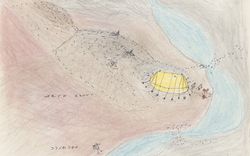
Olivia Lya Thomassie explore les dessins de Tuumasi Kudluk
Titre:
Documenter le mode de vie inuit
Olivia Lya Thomassie explore les dessins de Tuumasi Kudluk
Actions:
Documenter le mode de vie inuit
Olivia Lya Thomassie explore les dessins de Tuumasi Kudluk
Actions:
Classification:
expositions
expositions
Actions:
Description:
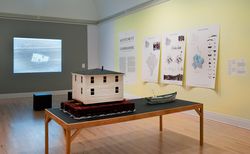
Si l’immigration est un thème dominant de la culture contemporaine, les discussions à son sujet sont souvent limitées à l’expérience humaine, telles que la traversée de frontières et les problématiques d’identité nationale. L’exposition Trajets adopte une perspective autre, celle de l’impact des mouvements sur l’environnement. Les exemples vont de la noix de coco qui(...)
Si l’immigration est un thème dominant de la culture contemporaine, les discussions à son sujet sont souvent limitées à l’expérience humaine, telles que la traversée de frontières et les problématiques d’identité nationale. L’exposition Trajets adopte une perspective autre, celle de l’impact des mouvements sur l’environnement. Les exemples vont de la noix de coco qui(...)
Localisation:
Salles principales
Salles principales
Date:
20 octobre 2010 au 13 mars 2011
20 octobre 2010 au 13 mars 2011
Titre:
Trajets: comment la mobilité des fruits, des idées et des architectures recompose notre environnement
Actions:
Description:
Si l’immigration est un thème dominant de la culture contemporaine, les discussions à son sujet sont souvent limitées à l’expérience humaine, telles que la traversée de frontières et les problématiques d’identité nationale. L’exposition Trajets adopte une perspective autre, celle de l’impact des mouvements sur l’environnement. Les exemples vont de la noix de coco qui(...)
Trajets: comment la mobilité des fruits, des idées et des architectures recompose notre environnement
Actions:
Description:
Si l’immigration est un thème dominant de la culture contemporaine, les discussions à son sujet sont souvent limitées à l’expérience humaine, telles que la traversée de frontières et les problématiques d’identité nationale. L’exposition Trajets adopte une perspective autre, celle de l’impact des mouvements sur l’environnement. Les exemples vont de la noix de coco qui(...)
Classification:
expositions
expositions
Date:
20 octobre 2010 au
13 mars 2011
20 octobre 2010 au
13 mars 2011
Localisation:
Salles principales
Salles principales
Classification:
expositions
expositions
Titre:
125 kilos de livres
125 kilos de livres
Actions:
Description:
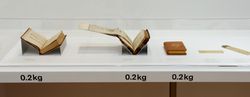
125 kilos de livres présente une sélection de livres d’architecture tirés de la collection du CCA, allant du XVe siècle jusqu’à nos jours, et invite à réfléchir sur ce qui, de prime abord, peut sembler être une caractéristique tout à fait banale du livre : son format. Des ouvrages dont les dimensions varient de 10 centimètres à un mètre sont abordés sous différents angles(...)
125 kilos de livres présente une sélection de livres d’architecture tirés de la collection du CCA, allant du XVe siècle jusqu’à nos jours, et invite à réfléchir sur ce qui, de prime abord, peut sembler être une caractéristique tout à fait banale du livre : son format. Des ouvrages dont les dimensions varient de 10 centimètres à un mètre sont abordés sous différents angles(...)
Localisation:
Salle octogonale
Salle octogonale
Date:
23 mars 2006 au 30 avril 2006
23 mars 2006 au 30 avril 2006
Titre:
125 kilos de livres
Actions:
Description:
125 kilos de livres présente une sélection de livres d’architecture tirés de la collection du CCA, allant du XVe siècle jusqu’à nos jours, et invite à réfléchir sur ce qui, de prime abord, peut sembler être une caractéristique tout à fait banale du livre : son format. Des ouvrages dont les dimensions varient de 10 centimètres à un mètre sont abordés sous différents angles(...)
125 kilos de livres
Actions:
Description:
125 kilos de livres présente une sélection de livres d’architecture tirés de la collection du CCA, allant du XVe siècle jusqu’à nos jours, et invite à réfléchir sur ce qui, de prime abord, peut sembler être une caractéristique tout à fait banale du livre : son format. Des ouvrages dont les dimensions varient de 10 centimètres à un mètre sont abordés sous différents angles(...)
Classification:
expositions
expositions
Date:
23 mars 2006 au
30 avril 2006
23 mars 2006 au
30 avril 2006
Localisation:
Salle octogonale
Salle octogonale
Classification:
expositions
expositions
Titre:
Melvin Charney 1935-2012
Melvin Charney 1935-2012
Actions:
Description:
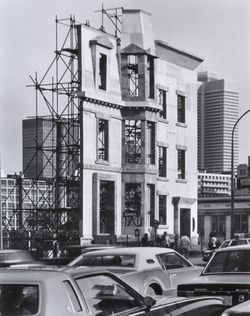
L’artiste et théoricien Melvin Charney, mort un peu plus tôt cette année, a légué d’importantes contributions au CCA et à la ville de Montréal dans son ensemble. Au cours de sa carrière longue et variée, Charney a défendu le rôle public que joue l’architecte au sein du vaste environnement bâti, soutenant l’idée que la rue est la première ressource de la ville. Le CCA(...)
L’artiste et théoricien Melvin Charney, mort un peu plus tôt cette année, a légué d’importantes contributions au CCA et à la ville de Montréal dans son ensemble. Au cours de sa carrière longue et variée, Charney a défendu le rôle public que joue l’architecte au sein du vaste environnement bâti, soutenant l’idée que la rue est la première ressource de la ville. Le CCA(...)
Localisation:
Vitrines
Vitrines
Date:
24 octobre 2012 au 14 avril 2013
24 octobre 2012 au 14 avril 2013
Titre:
Melvin Charney 1935-2012
Actions:
Description:
L’artiste et théoricien Melvin Charney, mort un peu plus tôt cette année, a légué d’importantes contributions au CCA et à la ville de Montréal dans son ensemble. Au cours de sa carrière longue et variée, Charney a défendu le rôle public que joue l’architecte au sein du vaste environnement bâti, soutenant l’idée que la rue est la première ressource de la ville. Le CCA(...)
Melvin Charney 1935-2012
Actions:
Description:
L’artiste et théoricien Melvin Charney, mort un peu plus tôt cette année, a légué d’importantes contributions au CCA et à la ville de Montréal dans son ensemble. Au cours de sa carrière longue et variée, Charney a défendu le rôle public que joue l’architecte au sein du vaste environnement bâti, soutenant l’idée que la rue est la première ressource de la ville. Le CCA(...)
Classification:
expositions
expositions
Date:
24 octobre 2012 au
14 avril 2013
24 octobre 2012 au
14 avril 2013
Localisation:
Vitrines
Vitrines
Classification:
documents textuels
documents textuels
Numéro de référence:
ARCH203944
Description:
Contient : - Soulie, Jean-Paul. "La vie noctune de Montréal trouvera un nouveau cadre dans le complexe Desjardins" (La Presse, 24 mars 1973) ; - "Dévoilement de la maquette de l'hôtel Méridien-Montréal" ([vers 1974]); - "Un hôtel à saveur québécoise" ([vers 1974]) ; - "A search for perfection - in project big..." (The Montreal Star, 17 août 1974) ; - Marsan, Jean-Claude. "Le Complexe Desjardins -2 : La première véritable place" (Le Devoir, 20 mars 1976) ; - "Pour fêter l'ouverture du Complexe" (La Presse, 25 mars 1976) : présentation du programme des activités socioculturelles marquant l'ouverture du Complexe, 3 au 18 avril 1976) ; - Nadeau, Michel. "Le Complexe Desjardins aura coûté deux fois plus que prévu : $206 millions" (Le Devoir, 2 avril 1976) ; - "Alfred Rouleau : Briser la frontière entre l'est et l'ouest" (La Presse, 5 avril 1976) ; - Ryan, Claude. "Le complexe Desjardins, et après" (Le Devoir, 5 avril 1976) ; - Ensemble! Journal d'information coopérative, 22 avril 1976 (numéro entièrement consacré au Complexe Desjardins peu après son inauguration) ; - "Le Complexe Desjardins", supplément, (Le Devoir, 14 mai 1976) ; - London, Mark. "Lessons to learn in giant Complexe" (The Montreal Star, 12 mars 1977) ; - Pomerantz, Richard. "Not all city plazas meet expectations" (The Montreal Star, 18 août 1979) ; - "Début des travaux au Palais des congrès" (Le Devoir, 19 octobre 1979) [Photographie avec le Complexe Desjardins en arrière-plan] ; - Beaudry, Pierre. "Le plus beau miracle du frère André" (Le Devoir, 13 novembre 1985) ; - Bonhomme, Jean-Pierre. "Après dix années, le Complexe Desjardins se porte très bien" (La Presse, 12 avril 1986) ; - Turcotte, Claude. "La coopération au milieu de la tourmente" (Le Devoir, 9-10 mars 1996) ; - Turcotte, Claude. "Tout commence à Lévis" (Le Devoir, 18-19 mars 2000) ; - Beaudry, Pierre. "Lettre ouverte au maire de Montréal (II)" (Le Devoir. n.d.) ; - Ouellet, Jean. "Le complexe de la place" (Source non identifiée, n.d.).
ARCH203944
Description:
Contient : - Soulie, Jean-Paul. "La vie noctune de Montréal trouvera un nouveau cadre dans le complexe Desjardins" (La Presse, 24 mars 1973) ; - "Dévoilement de la maquette de l'hôtel Méridien-Montréal" ([vers 1974]); - "Un hôtel à saveur québécoise" ([vers 1974]) ; - "A search for perfection - in project big..." (The Montreal Star, 17 août 1974) ; - Marsan, Jean-Claude. "Le Complexe Desjardins -2 : La première véritable place" (Le Devoir, 20 mars 1976) ; - "Pour fêter l'ouverture du Complexe" (La Presse, 25 mars 1976) : présentation du programme des activités socioculturelles marquant l'ouverture du Complexe, 3 au 18 avril 1976) ; - Nadeau, Michel. "Le Complexe Desjardins aura coûté deux fois plus que prévu : $206 millions" (Le Devoir, 2 avril 1976) ; - "Alfred Rouleau : Briser la frontière entre l'est et l'ouest" (La Presse, 5 avril 1976) ; - Ryan, Claude. "Le complexe Desjardins, et après" (Le Devoir, 5 avril 1976) ; - Ensemble! Journal d'information coopérative, 22 avril 1976 (numéro entièrement consacré au Complexe Desjardins peu après son inauguration) ; - "Le Complexe Desjardins", supplément, (Le Devoir, 14 mai 1976) ; - London, Mark. "Lessons to learn in giant Complexe" (The Montreal Star, 12 mars 1977) ; - Pomerantz, Richard. "Not all city plazas meet expectations" (The Montreal Star, 18 août 1979) ; - "Début des travaux au Palais des congrès" (Le Devoir, 19 octobre 1979) [Photographie avec le Complexe Desjardins en arrière-plan] ; - Beaudry, Pierre. "Le plus beau miracle du frère André" (Le Devoir, 13 novembre 1985) ; - Bonhomme, Jean-Pierre. "Après dix années, le Complexe Desjardins se porte très bien" (La Presse, 12 avril 1986) ; - Turcotte, Claude. "La coopération au milieu de la tourmente" (Le Devoir, 9-10 mars 1996) ; - Turcotte, Claude. "Tout commence à Lévis" (Le Devoir, 18-19 mars 2000) ; - Beaudry, Pierre. "Lettre ouverte au maire de Montréal (II)" (Le Devoir. n.d.) ; - Ouellet, Jean. "Le complexe de la place" (Source non identifiée, n.d.).
Personnes et institutions:
Date:
1973-2000
1973-2000
Titre:
Coupures de journaux et cahiers spéciaux, Complexe Desjardins, Montréal, Québec
Actions:
ARCH203944
Description:
Contient : - Soulie, Jean-Paul. "La vie noctune de Montréal trouvera un nouveau cadre dans le complexe Desjardins" (La Presse, 24 mars 1973) ; - "Dévoilement de la maquette de l'hôtel Méridien-Montréal" ([vers 1974]); - "Un hôtel à saveur québécoise" ([vers 1974]) ; - "A search for perfection - in project big..." (The Montreal Star, 17 août 1974) ; - Marsan, Jean-Claude. "Le Complexe Desjardins -2 : La première véritable place" (Le Devoir, 20 mars 1976) ; - "Pour fêter l'ouverture du Complexe" (La Presse, 25 mars 1976) : présentation du programme des activités socioculturelles marquant l'ouverture du Complexe, 3 au 18 avril 1976) ; - Nadeau, Michel. "Le Complexe Desjardins aura coûté deux fois plus que prévu : $206 millions" (Le Devoir, 2 avril 1976) ; - "Alfred Rouleau : Briser la frontière entre l'est et l'ouest" (La Presse, 5 avril 1976) ; - Ryan, Claude. "Le complexe Desjardins, et après" (Le Devoir, 5 avril 1976) ; - Ensemble! Journal d'information coopérative, 22 avril 1976 (numéro entièrement consacré au Complexe Desjardins peu après son inauguration) ; - "Le Complexe Desjardins", supplément, (Le Devoir, 14 mai 1976) ; - London, Mark. "Lessons to learn in giant Complexe" (The Montreal Star, 12 mars 1977) ; - Pomerantz, Richard. "Not all city plazas meet expectations" (The Montreal Star, 18 août 1979) ; - "Début des travaux au Palais des congrès" (Le Devoir, 19 octobre 1979) [Photographie avec le Complexe Desjardins en arrière-plan] ; - Beaudry, Pierre. "Le plus beau miracle du frère André" (Le Devoir, 13 novembre 1985) ; - Bonhomme, Jean-Pierre. "Après dix années, le Complexe Desjardins se porte très bien" (La Presse, 12 avril 1986) ; - Turcotte, Claude. "La coopération au milieu de la tourmente" (Le Devoir, 9-10 mars 1996) ; - Turcotte, Claude. "Tout commence à Lévis" (Le Devoir, 18-19 mars 2000) ; - Beaudry, Pierre. "Lettre ouverte au maire de Montréal (II)" (Le Devoir. n.d.) ; - Ouellet, Jean. "Le complexe de la place" (Source non identifiée, n.d.).
Coupures de journaux et cahiers spéciaux, Complexe Desjardins, Montréal, Québec
Actions:
ARCH203944
Description:
Contient : - Soulie, Jean-Paul. "La vie noctune de Montréal trouvera un nouveau cadre dans le complexe Desjardins" (La Presse, 24 mars 1973) ; - "Dévoilement de la maquette de l'hôtel Méridien-Montréal" ([vers 1974]); - "Un hôtel à saveur québécoise" ([vers 1974]) ; - "A search for perfection - in project big..." (The Montreal Star, 17 août 1974) ; - Marsan, Jean-Claude. "Le Complexe Desjardins -2 : La première véritable place" (Le Devoir, 20 mars 1976) ; - "Pour fêter l'ouverture du Complexe" (La Presse, 25 mars 1976) : présentation du programme des activités socioculturelles marquant l'ouverture du Complexe, 3 au 18 avril 1976) ; - Nadeau, Michel. "Le Complexe Desjardins aura coûté deux fois plus que prévu : $206 millions" (Le Devoir, 2 avril 1976) ; - "Alfred Rouleau : Briser la frontière entre l'est et l'ouest" (La Presse, 5 avril 1976) ; - Ryan, Claude. "Le complexe Desjardins, et après" (Le Devoir, 5 avril 1976) ; - Ensemble! Journal d'information coopérative, 22 avril 1976 (numéro entièrement consacré au Complexe Desjardins peu après son inauguration) ; - "Le Complexe Desjardins", supplément, (Le Devoir, 14 mai 1976) ; - London, Mark. "Lessons to learn in giant Complexe" (The Montreal Star, 12 mars 1977) ; - Pomerantz, Richard. "Not all city plazas meet expectations" (The Montreal Star, 18 août 1979) ; - "Début des travaux au Palais des congrès" (Le Devoir, 19 octobre 1979) [Photographie avec le Complexe Desjardins en arrière-plan] ; - Beaudry, Pierre. "Le plus beau miracle du frère André" (Le Devoir, 13 novembre 1985) ; - Bonhomme, Jean-Pierre. "Après dix années, le Complexe Desjardins se porte très bien" (La Presse, 12 avril 1986) ; - Turcotte, Claude. "La coopération au milieu de la tourmente" (Le Devoir, 9-10 mars 1996) ; - Turcotte, Claude. "Tout commence à Lévis" (Le Devoir, 18-19 mars 2000) ; - Beaudry, Pierre. "Lettre ouverte au maire de Montréal (II)" (Le Devoir. n.d.) ; - Ouellet, Jean. "Le complexe de la place" (Source non identifiée, n.d.).
Classification:
documents textuels
documents textuels
Date:
1973-2000
1973-2000
Personnes et institutions:
Classification:
dessins
dessins
Actions:
Numéro de référence:
DR1967:0012
Description:
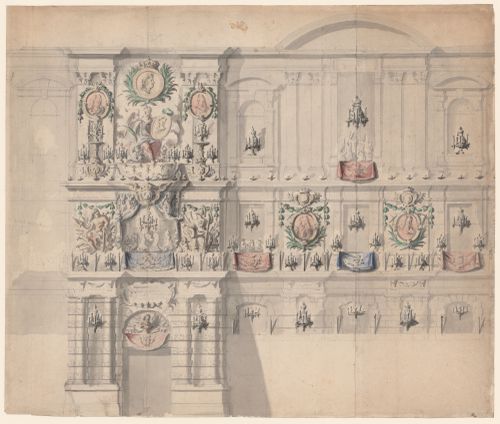
The drawing shows an elevation of the Porte Jean Goujon (now known as the Porte Barbet de Jouy) on the southern, quai-side façade of the Louvre, as well as part of the façade to the east of the portal. On the ground floor, candelabras line the windows and niches. The entry portal features a sculptural bust – likely a representation of Louis XIV – and a red banner with the king’s coat of arms. Above the portal’s tympanum is a large ovoid cartouche with faint script in black chalk that may read « Plate pour l’inscription, » indicating that the text had not yet been finalized at the time of the drawing’s creation. The heavily-decorated middle register features two over-life-size mythical and allegorical figures on either side of a balcony. To the left is Hercules, with his club, and to the right is an allegorical representation of Bellona. The balcony is hung with a blue tapestry woven with the king’s interlocking L monogram. Blue curtains with fleurs-de-lys hang over the balcony, revealing the revelers inside the building. These ornamental elements continue along the façade, which is hung with two large, circular portrait reliefs that likely show Louis XIV’s son, Grand Dauphin Louis, and grandson, Louis, the Duke of Burgundy, who was the father of the Duke of Brittany whose birth was being celebrated. Green watercolor paint is used to highlight the foliage festoons and palms that frame the portraits. On the top register of the portal is a seated allegorical figure holding a palm and a portrait, perhaps of the infant Louis, Duke of Brittany. Above her is a large, crowned medallion with the profile of Louis XIV in the guise of a Roman emperor surrounded by green palms. On either side of this central scene are large candelabras and circular portraits of the Grand Dauphin and the Duke of Burgundy. The architectural elements of the façade are carefully drawn in black chalk and faithfully render the architecture of the Louvre in the early eighteenth century.
DR1967:0012
Description:
The drawing shows an elevation of the Porte Jean Goujon (now known as the Porte Barbet de Jouy) on the southern, quai-side façade of the Louvre, as well as part of the façade to the east of the portal. On the ground floor, candelabras line the windows and niches. The entry portal features a sculptural bust – likely a representation of Louis XIV – and a red banner with the king’s coat of arms. Above the portal’s tympanum is a large ovoid cartouche with faint script in black chalk that may read « Plate pour l’inscription, » indicating that the text had not yet been finalized at the time of the drawing’s creation. The heavily-decorated middle register features two over-life-size mythical and allegorical figures on either side of a balcony. To the left is Hercules, with his club, and to the right is an allegorical representation of Bellona. The balcony is hung with a blue tapestry woven with the king’s interlocking L monogram. Blue curtains with fleurs-de-lys hang over the balcony, revealing the revelers inside the building. These ornamental elements continue along the façade, which is hung with two large, circular portrait reliefs that likely show Louis XIV’s son, Grand Dauphin Louis, and grandson, Louis, the Duke of Burgundy, who was the father of the Duke of Brittany whose birth was being celebrated. Green watercolor paint is used to highlight the foliage festoons and palms that frame the portraits. On the top register of the portal is a seated allegorical figure holding a palm and a portrait, perhaps of the infant Louis, Duke of Brittany. Above her is a large, crowned medallion with the profile of Louis XIV in the guise of a Roman emperor surrounded by green palms. On either side of this central scene are large candelabras and circular portraits of the Grand Dauphin and the Duke of Burgundy. The architectural elements of the façade are carefully drawn in black chalk and faithfully render the architecture of the Louvre in the early eighteenth century.
Personnes et institutions:
Sujet:
architecture temporaire
architecture temporaire
Date:
circa 1704
circa 1704
Titre:
Design for ceremonial decorations at the Louvre
Actions:
DR1967:0012
Description:
The drawing shows an elevation of the Porte Jean Goujon (now known as the Porte Barbet de Jouy) on the southern, quai-side façade of the Louvre, as well as part of the façade to the east of the portal. On the ground floor, candelabras line the windows and niches. The entry portal features a sculptural bust – likely a representation of Louis XIV – and a red banner with the king’s coat of arms. Above the portal’s tympanum is a large ovoid cartouche with faint script in black chalk that may read « Plate pour l’inscription, » indicating that the text had not yet been finalized at the time of the drawing’s creation. The heavily-decorated middle register features two over-life-size mythical and allegorical figures on either side of a balcony. To the left is Hercules, with his club, and to the right is an allegorical representation of Bellona. The balcony is hung with a blue tapestry woven with the king’s interlocking L monogram. Blue curtains with fleurs-de-lys hang over the balcony, revealing the revelers inside the building. These ornamental elements continue along the façade, which is hung with two large, circular portrait reliefs that likely show Louis XIV’s son, Grand Dauphin Louis, and grandson, Louis, the Duke of Burgundy, who was the father of the Duke of Brittany whose birth was being celebrated. Green watercolor paint is used to highlight the foliage festoons and palms that frame the portraits. On the top register of the portal is a seated allegorical figure holding a palm and a portrait, perhaps of the infant Louis, Duke of Brittany. Above her is a large, crowned medallion with the profile of Louis XIV in the guise of a Roman emperor surrounded by green palms. On either side of this central scene are large candelabras and circular portraits of the Grand Dauphin and the Duke of Burgundy. The architectural elements of the façade are carefully drawn in black chalk and faithfully render the architecture of the Louvre in the early eighteenth century.
Design for ceremonial decorations at the Louvre
Actions:
DR1967:0012
Description:
The drawing shows an elevation of the Porte Jean Goujon (now known as the Porte Barbet de Jouy) on the southern, quai-side façade of the Louvre, as well as part of the façade to the east of the portal. On the ground floor, candelabras line the windows and niches. The entry portal features a sculptural bust – likely a representation of Louis XIV – and a red banner with the king’s coat of arms. Above the portal’s tympanum is a large ovoid cartouche with faint script in black chalk that may read « Plate pour l’inscription, » indicating that the text had not yet been finalized at the time of the drawing’s creation. The heavily-decorated middle register features two over-life-size mythical and allegorical figures on either side of a balcony. To the left is Hercules, with his club, and to the right is an allegorical representation of Bellona. The balcony is hung with a blue tapestry woven with the king’s interlocking L monogram. Blue curtains with fleurs-de-lys hang over the balcony, revealing the revelers inside the building. These ornamental elements continue along the façade, which is hung with two large, circular portrait reliefs that likely show Louis XIV’s son, Grand Dauphin Louis, and grandson, Louis, the Duke of Burgundy, who was the father of the Duke of Brittany whose birth was being celebrated. Green watercolor paint is used to highlight the foliage festoons and palms that frame the portraits. On the top register of the portal is a seated allegorical figure holding a palm and a portrait, perhaps of the infant Louis, Duke of Brittany. Above her is a large, crowned medallion with the profile of Louis XIV in the guise of a Roman emperor surrounded by green palms. On either side of this central scene are large candelabras and circular portraits of the Grand Dauphin and the Duke of Burgundy. The architectural elements of the façade are carefully drawn in black chalk and faithfully render the architecture of the Louvre in the early eighteenth century.
Classification:
dessins
dessins
Date:
circa 1704
circa 1704
Personnes et institutions:
Sujet:
architecture temporaire
architecture temporaire
Classification:
événements
événements
Titre:
L'enseignement de... Nairobi
L'enseignement de... Nairobi
Actions:
Description:
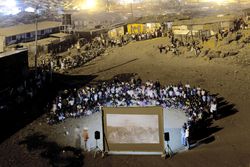
Le photographe documentaire et d’architecture Filippo Romano présente son étude en cours de l’explosion actuelle des bidonvilles de Nairobi. La ville est représentée par les nombreux portraits de résidents, d’ouvriers ou de communautés qu’il a capturés, démontrant comment l’environnement bâti façonne les cultures urbaines locales. La série L’enseignement de… s’inspire(...)
Le photographe documentaire et d’architecture Filippo Romano présente son étude en cours de l’explosion actuelle des bidonvilles de Nairobi. La ville est représentée par les nombreux portraits de résidents, d’ouvriers ou de communautés qu’il a capturés, démontrant comment l’environnement bâti façonne les cultures urbaines locales. La série L’enseignement de… s’inspire(...)
Localisation:
Théâtre Paul-Desmarais
Théâtre Paul-Desmarais
Date:
9 octobre 2014 , 18h
9 octobre 2014 , 18h
Titre:
L'enseignement de... Nairobi
Actions:
Description:
Le photographe documentaire et d’architecture Filippo Romano présente son étude en cours de l’explosion actuelle des bidonvilles de Nairobi. La ville est représentée par les nombreux portraits de résidents, d’ouvriers ou de communautés qu’il a capturés, démontrant comment l’environnement bâti façonne les cultures urbaines locales. La série L’enseignement de… s’inspire(...)
L'enseignement de... Nairobi
Actions:
Description:
Le photographe documentaire et d’architecture Filippo Romano présente son étude en cours de l’explosion actuelle des bidonvilles de Nairobi. La ville est représentée par les nombreux portraits de résidents, d’ouvriers ou de communautés qu’il a capturés, démontrant comment l’environnement bâti façonne les cultures urbaines locales. La série L’enseignement de… s’inspire(...)
Classification:
événements
événements
Date:
9 octobre 2014
18h
9 octobre 2014
18h
Localisation:
Théâtre Paul-Desmarais
Théâtre Paul-Desmarais


