


5194 Résultats
Classification:
livres
livres
Actions:
Prix:
$36.95
(disponible sur commande)
Résumé:
The book, ''Architecture as fabulated reality,'' marks the culmination of AAPK’s four experimental architectural projects, which employed virtual reality technology (VR) as the primary medium. The four projects explore a new emerging sense of spatiality, fabulating and questioning the notion of reality based upon shared backgrounds and attitudes to contemporary(...)
$36.95
(disponible sur commande)
Résumé:
The book, ''Architecture as fabulated reality,'' marks the culmination of AAPK’s four experimental architectural projects, which employed virtual reality technology (VR) as the primary medium. The four projects explore a new emerging sense of spatiality, fabulating and questioning the notion of reality based upon shared backgrounds and attitudes to contemporary(...)
Publication:
janvier 2020
janvier 2020
Titre:
Architecture as fabulated reality
Actions:
Prix:
$36.95
(disponible sur commande)
Résumé:
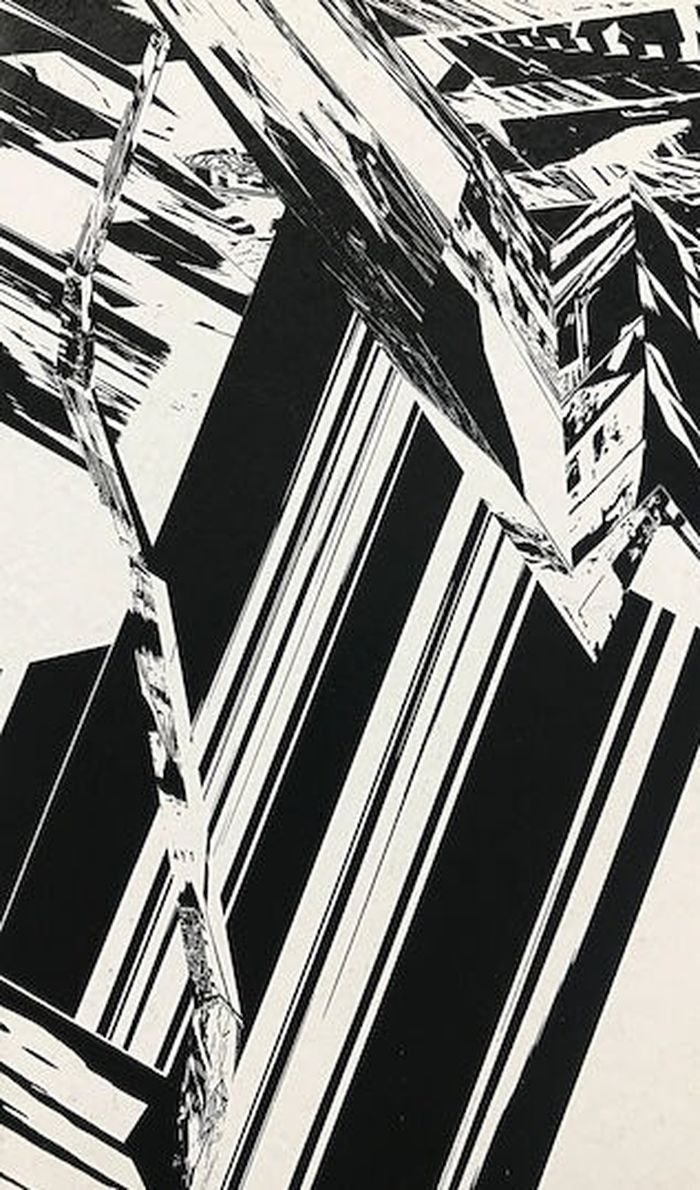
The book, ''Architecture as fabulated reality,'' marks the culmination of AAPK’s four experimental architectural projects, which employed virtual reality technology (VR) as the primary medium. The four projects explore a new emerging sense of spatiality, fabulating and questioning the notion of reality based upon shared backgrounds and attitudes to contemporary architectural discourse. To enhance ideas advanced by AAPK, the book invites four guest contributors from the architectural academic field in forms of critical essays or an interview. They reveal their collective interest in the power of the image and in forms of reality, in medium specificity and digital technology, and in presentation and representation along disciplinary lines. The subject of the book becomes clearer by curating and connecting each text, and meanwhile, makes it possible to reflect upon the situation that architecture is facing in the reality crisis caused by today’s digital technology or image culture.
Architecture as fabulated reality
Actions:
Prix:
$36.95
(disponible sur commande)
Résumé:
The book, ''Architecture as fabulated reality,'' marks the culmination of AAPK’s four experimental architectural projects, which employed virtual reality technology (VR) as the primary medium. The four projects explore a new emerging sense of spatiality, fabulating and questioning the notion of reality based upon shared backgrounds and attitudes to contemporary architectural discourse. To enhance ideas advanced by AAPK, the book invites four guest contributors from the architectural academic field in forms of critical essays or an interview. They reveal their collective interest in the power of the image and in forms of reality, in medium specificity and digital technology, and in presentation and representation along disciplinary lines. The subject of the book becomes clearer by curating and connecting each text, and meanwhile, makes it possible to reflect upon the situation that architecture is facing in the reality crisis caused by today’s digital technology or image culture.
Classification:
livres
livres
Publication:
janvier 2020
janvier 2020
Classification:
livres
livres
Actions:
Prix:
$18.95
(disponible sur commande)
Résumé:
Written between 1974 and 2012, ''Revolution at point zero'' collects forty years of research and theorizing on the nature of housework, social reproduction, and women’s struggles on this terrainto escape it, to better its conditions, to reconstruct it in ways that provide an alternative to capitalist relations. Indeed, as Federici reveals, behind the capitalist(...)
$18.95
(disponible sur commande)
Résumé:
Written between 1974 and 2012, ''Revolution at point zero'' collects forty years of research and theorizing on the nature of housework, social reproduction, and women’s struggles on this terrainto escape it, to better its conditions, to reconstruct it in ways that provide an alternative to capitalist relations. Indeed, as Federici reveals, behind the capitalist(...)
Titre:
Revolution at point zero: Housework, reproduction, and feminist struggle
Actions:
Prix:
$18.95
(disponible sur commande)
Résumé:
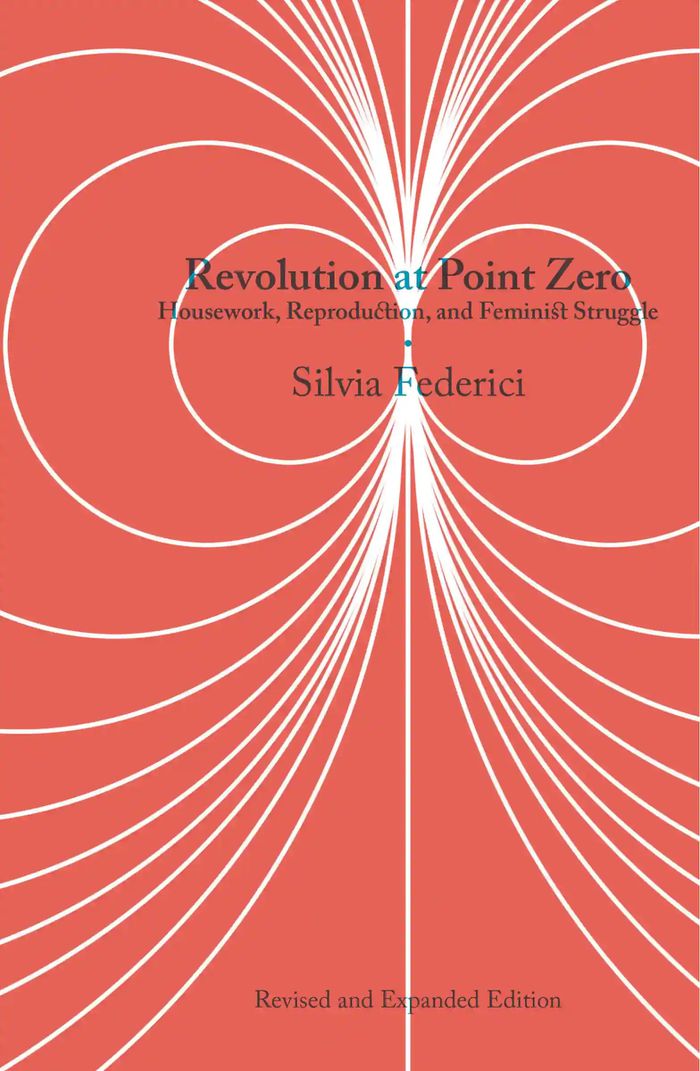
Written between 1974 and 2012, ''Revolution at point zero'' collects forty years of research and theorizing on the nature of housework, social reproduction, and women’s struggles on this terrainto escape it, to better its conditions, to reconstruct it in ways that provide an alternative to capitalist relations. Indeed, as Federici reveals, behind the capitalist organization of work and the contradictions inherent in ''alienated labor'' is an explosive ground zero for revolutionary practice upon which are decided the daily realities of our collective reproduction. Beginning with Federici’s organizational work in the Wages for Housework movement, the essays collected here unravel the power and politics of wide but related issues including the international restructuring of reproductive work and its effects on the sexual division of labor, the globalization of care work and sex work, the crisis of elder care, the development of affective labor, and the politics of the commons.
Revolution at point zero: Housework, reproduction, and feminist struggle
Actions:
Prix:
$18.95
(disponible sur commande)
Résumé:
Written between 1974 and 2012, ''Revolution at point zero'' collects forty years of research and theorizing on the nature of housework, social reproduction, and women’s struggles on this terrainto escape it, to better its conditions, to reconstruct it in ways that provide an alternative to capitalist relations. Indeed, as Federici reveals, behind the capitalist organization of work and the contradictions inherent in ''alienated labor'' is an explosive ground zero for revolutionary practice upon which are decided the daily realities of our collective reproduction. Beginning with Federici’s organizational work in the Wages for Housework movement, the essays collected here unravel the power and politics of wide but related issues including the international restructuring of reproductive work and its effects on the sexual division of labor, the globalization of care work and sex work, the crisis of elder care, the development of affective labor, and the politics of the commons.
Classification:
livres
livres
Publication:
mai 2020
mai 2020
Sujet:
Social
Social
Classification:
audio
audio
Actions:
Description:
1 online resource.
Auteur:
Sujet:
Publication:
[Place of publication not identified] : Momus, 2024.
[Place of publication not identified] : Momus, 2024.
Classification:
audio
audio
Publication:
[Place of publication not identified] : Momus, 2024.
[Place of publication not identified] : Momus, 2024.
Auteur:
Sujet:
Classification:
livres
livres

Titre:
And if I devoted my life to one of its feathers? Aesthetic responses to extraction, accumulation
And if I devoted my life to one of its feathers? Aesthetic responses to extraction, accumulation
Actions:
Prix:
$27.00
(disponible sur commande)
Résumé:
“And if I devoted my life to one of its feathers?” wrote the Chilean poet, artist, and feminist activist Cecilia Vicuña in the early 1970s. Vicuña countered anthropocentric and hetero-patriarchal urges with healing and appreciation, reviving the aesthetic and spiritual bonds between human and more-than-human entities and worlds. Revolving around this vision of(...)
$27.00
(disponible sur commande)
Résumé:
“And if I devoted my life to one of its feathers?” wrote the Chilean poet, artist, and feminist activist Cecilia Vicuña in the early 1970s. Vicuña countered anthropocentric and hetero-patriarchal urges with healing and appreciation, reviving the aesthetic and spiritual bonds between human and more-than-human entities and worlds. Revolving around this vision of(...)
Titre:
And if I devoted my life to one of its feathers? Aesthetic responses to extraction, accumulation
Actions:
Prix:
$27.00
(disponible sur commande)
Résumé:
“And if I devoted my life to one of its feathers?” wrote the Chilean poet, artist, and feminist activist Cecilia Vicuña in the early 1970s. Vicuña countered anthropocentric and hetero-patriarchal urges with healing and appreciation, reviving the aesthetic and spiritual bonds between human and more-than-human entities and worlds. Revolving around this vision of interconnectivity, this book, which accompanies a joint exhibition of the same name of Kunsthalle Wien and Wiener Festwochen, seeks to create a collective dialogue around unequal distribution of power, sovereignty, and social and ecological justice. The exhibited works and written contributions reflect on the rationale of exploitation, the fast-paced mining of raw materials, and environmental destruction as a colonial legacy. They deconstruct Western anthropocentric models and enduring colonial and racist discourses, trace the stories of indigenous struggles for collective survival, and celebrate encounters defined by solidarity in their resistance to capitalist extraction, misogyny, imperialist violence, and dispossession.
And if I devoted my life to one of its feathers? Aesthetic responses to extraction, accumulation
Actions:
Prix:
$27.00
(disponible sur commande)
Résumé:
“And if I devoted my life to one of its feathers?” wrote the Chilean poet, artist, and feminist activist Cecilia Vicuña in the early 1970s. Vicuña countered anthropocentric and hetero-patriarchal urges with healing and appreciation, reviving the aesthetic and spiritual bonds between human and more-than-human entities and worlds. Revolving around this vision of interconnectivity, this book, which accompanies a joint exhibition of the same name of Kunsthalle Wien and Wiener Festwochen, seeks to create a collective dialogue around unequal distribution of power, sovereignty, and social and ecological justice. The exhibited works and written contributions reflect on the rationale of exploitation, the fast-paced mining of raw materials, and environmental destruction as a colonial legacy. They deconstruct Western anthropocentric models and enduring colonial and racist discourses, trace the stories of indigenous struggles for collective survival, and celebrate encounters defined by solidarity in their resistance to capitalist extraction, misogyny, imperialist violence, and dispossession.
Classification:
livres
livres
Publication:
avril 2023
avril 2023
Sujet:
Théorie de l’art
Théorie de l’art
Classification:
livres
livres
Actions:
Prix:
$80.00
(disponible sur commande)
Résumé:
An examination of the multifaceted career of artist, activist, curator, and writer Howardena Pindell (b. 1943). It offers a fresh perspective on her abstract practice from the late 1960s through the early 1980s—a period in which debates about Black Power, feminism, and modernist abstraction intersected in uniquely contentious yet generative ways. Sarah Louise Cowan not(...)
$80.00
(disponible sur commande)
Résumé:
An examination of the multifaceted career of artist, activist, curator, and writer Howardena Pindell (b. 1943). It offers a fresh perspective on her abstract practice from the late 1960s through the early 1980s—a period in which debates about Black Power, feminism, and modernist abstraction intersected in uniquely contentious yet generative ways. Sarah Louise Cowan not(...)
Titre:
Howardena Pindell: Reclaiming abstraction
Actions:
Prix:
$80.00
(disponible sur commande)
Résumé:
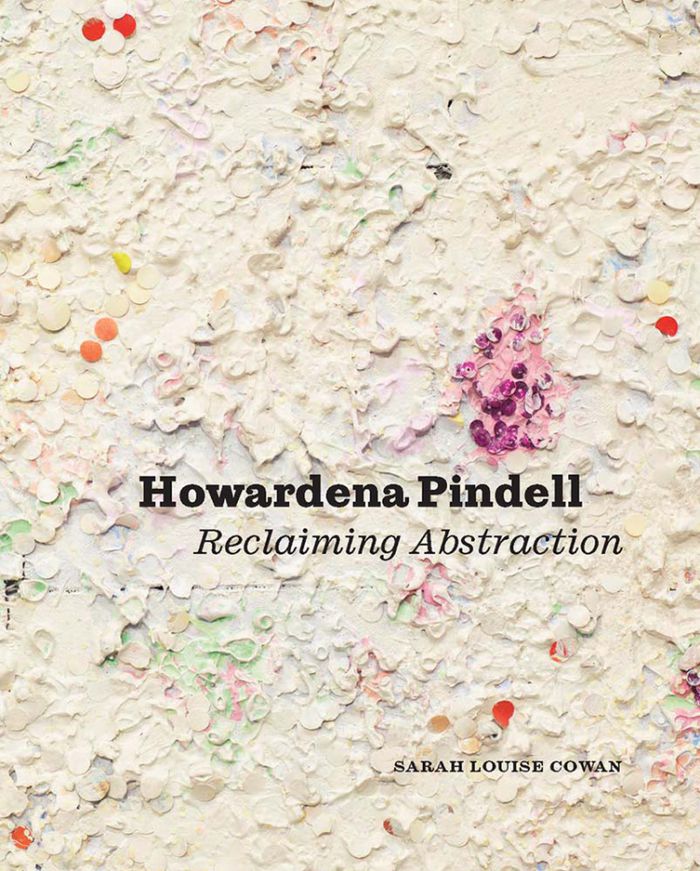
An examination of the multifaceted career of artist, activist, curator, and writer Howardena Pindell (b. 1943). It offers a fresh perspective on her abstract practice from the late 1960s through the early 1980s—a period in which debates about Black Power, feminism, and modernist abstraction intersected in uniquely contentious yet generative ways. Sarah Louise Cowan not only asserts Pindell’s rightful place within the canon but also recenters dominant historical narratives to reveal the profound and overlooked roles that Black women artists have played in shaping modernist abstraction. Pindell’s career acts as a springboard for a broader study of how artists have responded during periods of heightened social activism and used abstraction to convey political urgency. With works that drew on Ghanaian textiles, administrative labor, cosmetics, and postminimalism, Pindell deployed abstraction in deeply personal ways that resonated with collective African diasporic and women’s practices. In her groundbreaking analysis, Cowan argues that such work advanced Black feminist modernisms, diverse creative practices that unsettle racist and sexist logics.
Howardena Pindell: Reclaiming abstraction
Actions:
Prix:
$80.00
(disponible sur commande)
Résumé:
An examination of the multifaceted career of artist, activist, curator, and writer Howardena Pindell (b. 1943). It offers a fresh perspective on her abstract practice from the late 1960s through the early 1980s—a period in which debates about Black Power, feminism, and modernist abstraction intersected in uniquely contentious yet generative ways. Sarah Louise Cowan not only asserts Pindell’s rightful place within the canon but also recenters dominant historical narratives to reveal the profound and overlooked roles that Black women artists have played in shaping modernist abstraction. Pindell’s career acts as a springboard for a broader study of how artists have responded during periods of heightened social activism and used abstraction to convey political urgency. With works that drew on Ghanaian textiles, administrative labor, cosmetics, and postminimalism, Pindell deployed abstraction in deeply personal ways that resonated with collective African diasporic and women’s practices. In her groundbreaking analysis, Cowan argues that such work advanced Black feminist modernisms, diverse creative practices that unsettle racist and sexist logics.
Classification:
livres
livres
Publication:
décembre 2022
décembre 2022
Classification:
livres
livres
Titre:
The Panopticon writings
The Panopticon writings
Actions:
Prix:
$23.95
(disponible sur commande)
Résumé:
The Panopticon project for a model prison obsessed the English philosopher Jeremy Bentham for almost 20 years. In the end, the project came to nothing; the Panopticon was never built. But it is precisely this that makes the Panopticon project the best exemplification of Bentham's own theory of fictions, according to which non-existent fictitious entities can have all too(...)
$23.95
(disponible sur commande)
Résumé:
The Panopticon project for a model prison obsessed the English philosopher Jeremy Bentham for almost 20 years. In the end, the project came to nothing; the Panopticon was never built. But it is precisely this that makes the Panopticon project the best exemplification of Bentham's own theory of fictions, according to which non-existent fictitious entities can have all too(...)
Titre:
The Panopticon writings
Actions:
Prix:
$23.95
(disponible sur commande)
Résumé:
The Panopticon project for a model prison obsessed the English philosopher Jeremy Bentham for almost 20 years. In the end, the project came to nothing; the Panopticon was never built. But it is precisely this that makes the Panopticon project the best exemplification of Bentham's own theory of fictions, according to which non-existent fictitious entities can have all too real effects. There is probably no building that has stirred more philosophical controversy than Bentham's Panopticon. It is not merely, as Foucault thought, "a cruel, ingenious cage", in which subjects collaborate in their own subjection, but much more - constructing the Panopticon produces not only a prison, but also a god within it. It is a machine which on assembly is already inhabited by a ghost. It is through the Panopticon and the closely related theory of fictions that Bentham has made his greatest impact on modern thought; above all, on the theory of power.
The Panopticon writings
Actions:
Prix:
$23.95
(disponible sur commande)
Résumé:
The Panopticon project for a model prison obsessed the English philosopher Jeremy Bentham for almost 20 years. In the end, the project came to nothing; the Panopticon was never built. But it is precisely this that makes the Panopticon project the best exemplification of Bentham's own theory of fictions, according to which non-existent fictitious entities can have all too real effects. There is probably no building that has stirred more philosophical controversy than Bentham's Panopticon. It is not merely, as Foucault thought, "a cruel, ingenious cage", in which subjects collaborate in their own subjection, but much more - constructing the Panopticon produces not only a prison, but also a god within it. It is a machine which on assembly is already inhabited by a ghost. It is through the Panopticon and the closely related theory of fictions that Bentham has made his greatest impact on modern thought; above all, on the theory of power.
Classification:
livres
livres
Publication:
janvier 2011
janvier 2011
Sujet:
Théorie/ philosophie
Théorie/ philosophie
Classification:
livres
livres
Actions:
Prix:
$28.95
(disponible sur commande)
Résumé:
Somewhere in the course of the late twentieth century, Dubai became more than itself. The city was, suddenly, a postmodern urban spectacle rising from the desert—precisely the glittering global consumer utopia imagined by Dubai’s rulers and merchant elite. "In Dubai, the City as Corporation", Ahmed Kanna looks behind this seductive vision to reveal the role of cultural(...)
$28.95
(disponible sur commande)
Résumé:
Somewhere in the course of the late twentieth century, Dubai became more than itself. The city was, suddenly, a postmodern urban spectacle rising from the desert—precisely the glittering global consumer utopia imagined by Dubai’s rulers and merchant elite. "In Dubai, the City as Corporation", Ahmed Kanna looks behind this seductive vision to reveal the role of cultural(...)
Titre:
Dubai, the city as corporation
Actions:
Prix:
$28.95
(disponible sur commande)
Résumé:
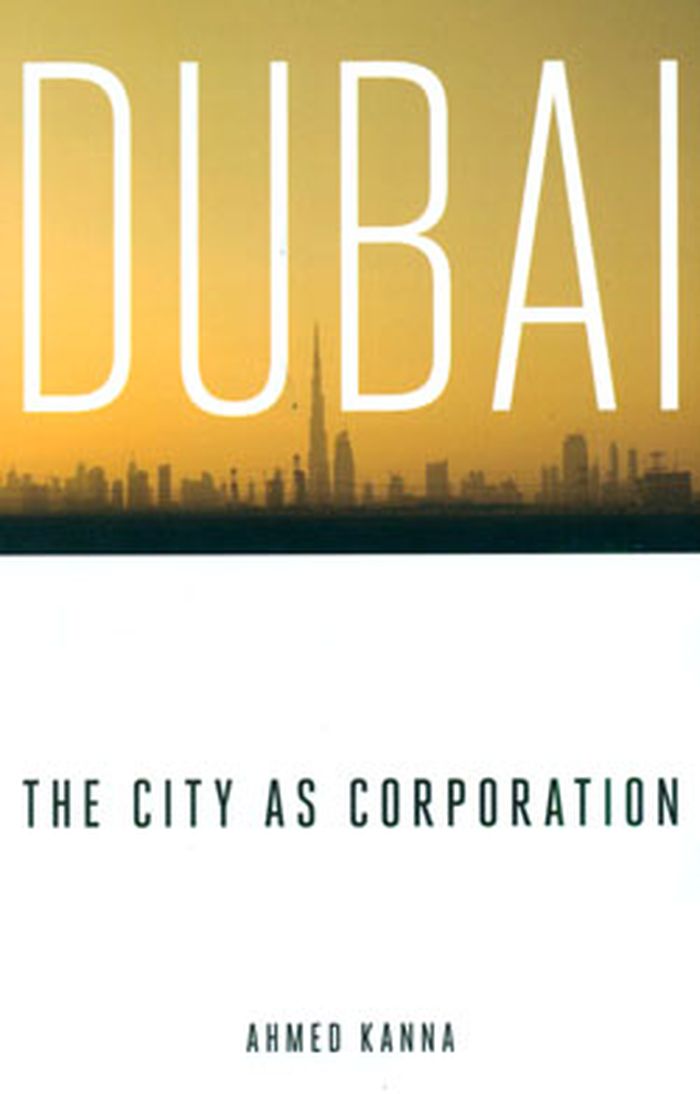
Somewhere in the course of the late twentieth century, Dubai became more than itself. The city was, suddenly, a postmodern urban spectacle rising from the desert—precisely the glittering global consumer utopia imagined by Dubai’s rulers and merchant elite. "In Dubai, the City as Corporation", Ahmed Kanna looks behind this seductive vision to reveal the role of cultural and political forces in shaping both the image and the reality of Dubai. Exposing local struggles over power and meaning in the making and representation of Dubai, Kanna examines the core questions of what gets built and for whom. This publication offers an instructive picture of how different factions—from local and non-Arab residents and expatriate South Asians to the cultural and economic elites of the city—have all participated in the creation and marketing of Dubai. The result is an unparalleled account of the ways in which the built environment shapes and is shaped by the experience of globalization and neoliberalism in a diverse, multinational city.
Dubai, the city as corporation
Actions:
Prix:
$28.95
(disponible sur commande)
Résumé:
Somewhere in the course of the late twentieth century, Dubai became more than itself. The city was, suddenly, a postmodern urban spectacle rising from the desert—precisely the glittering global consumer utopia imagined by Dubai’s rulers and merchant elite. "In Dubai, the City as Corporation", Ahmed Kanna looks behind this seductive vision to reveal the role of cultural and political forces in shaping both the image and the reality of Dubai. Exposing local struggles over power and meaning in the making and representation of Dubai, Kanna examines the core questions of what gets built and for whom. This publication offers an instructive picture of how different factions—from local and non-Arab residents and expatriate South Asians to the cultural and economic elites of the city—have all participated in the creation and marketing of Dubai. The result is an unparalleled account of the ways in which the built environment shapes and is shaped by the experience of globalization and neoliberalism in a diverse, multinational city.
Classification:
livres
livres
Publication:
juillet 2011
juillet 2011
Sujet:
Théorie de l’urbanisme
Théorie de l’urbanisme
Classification:
livres
livres
Titre:
Denis Wood: Everything sings
Denis Wood: Everything sings
Actions:
Prix:
$31.00
(disponible sur commande)
Résumé:
With artful wit and rigor, cartographer Denis Wood has written numerous books (including the influential bestseller The Power of Maps) that reorient his readers not only to our neighborhoods, homes and bodies, but also to our own very human instinct to understand where we live by mapmaking. At the heart of Wood's investigations is a near-legendary endeavor: the Boylan(...)
$31.00
(disponible sur commande)
Résumé:
With artful wit and rigor, cartographer Denis Wood has written numerous books (including the influential bestseller The Power of Maps) that reorient his readers not only to our neighborhoods, homes and bodies, but also to our own very human instinct to understand where we live by mapmaking. At the heart of Wood's investigations is a near-legendary endeavor: the Boylan(...)
Titre:
Denis Wood: Everything sings
Actions:
Prix:
$31.00
(disponible sur commande)
Résumé:
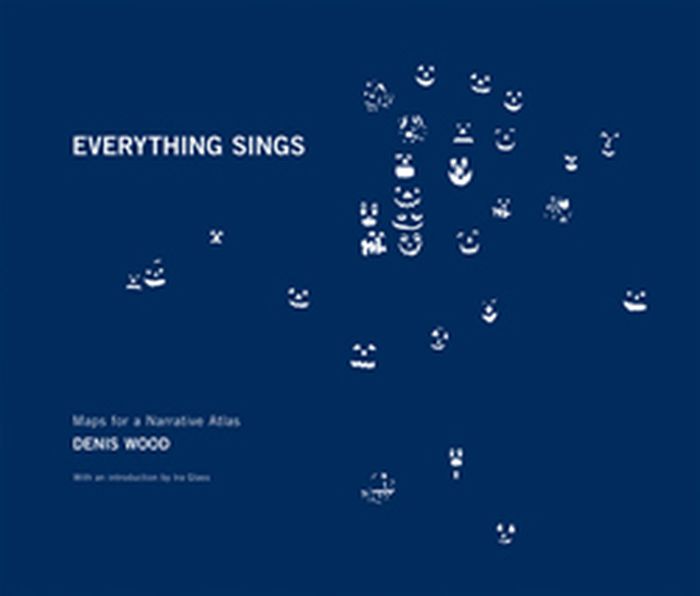
With artful wit and rigor, cartographer Denis Wood has written numerous books (including the influential bestseller The Power of Maps) that reorient his readers not only to our neighborhoods, homes and bodies, but also to our own very human instinct to understand where we live by mapmaking. At the heart of Wood's investigations is a near-legendary endeavor: the Boylan Heights maps, begun in 1982, and now published in Everything Sings. Surveying his century-old, half-square mile neighborhood Boylan Heights in Raleigh, North Carolina, Wood began by paring away the inessential "map crap" (scale, orientation, street grids) and, in searching for the revelatory in the unmapped and the unmappable, he ended up plotting such phenomena as radio waves permeating the air, the light cast by street lights and Halloween pumpkins on porches. Wood's maps accumulate into a multi-layered story about one neighborhood that tells the larger story of what constitutes the places we call home. With an introduction by Ira Glass.
Denis Wood: Everything sings
Actions:
Prix:
$31.00
(disponible sur commande)
Résumé:
With artful wit and rigor, cartographer Denis Wood has written numerous books (including the influential bestseller The Power of Maps) that reorient his readers not only to our neighborhoods, homes and bodies, but also to our own very human instinct to understand where we live by mapmaking. At the heart of Wood's investigations is a near-legendary endeavor: the Boylan Heights maps, begun in 1982, and now published in Everything Sings. Surveying his century-old, half-square mile neighborhood Boylan Heights in Raleigh, North Carolina, Wood began by paring away the inessential "map crap" (scale, orientation, street grids) and, in searching for the revelatory in the unmapped and the unmappable, he ended up plotting such phenomena as radio waves permeating the air, the light cast by street lights and Halloween pumpkins on porches. Wood's maps accumulate into a multi-layered story about one neighborhood that tells the larger story of what constitutes the places we call home. With an introduction by Ira Glass.
Classification:
livres
livres
Publication:
février 2011
février 2011
Classification:
livres
livres
Actions:
Prix:
$35.95
(disponible en magasin)
Résumé:
In this volume, Mario Carpo points to one key practice of modernity: the making of identical copies. Carpo highlights two examples of identicality crucial to the shaping of architectural modernity: in the fifteenth century, Leon Battista Alberti's invention of architectural design, according to which a building is an identical copy of the architect's design; and, in the(...)
$35.95
(disponible en magasin)
Résumé:
In this volume, Mario Carpo points to one key practice of modernity: the making of identical copies. Carpo highlights two examples of identicality crucial to the shaping of architectural modernity: in the fifteenth century, Leon Battista Alberti's invention of architectural design, according to which a building is an identical copy of the architect's design; and, in the(...)
Titre:
The alphabet and the algorithm
Actions:
Prix:
$35.95
(disponible en magasin)
Résumé:
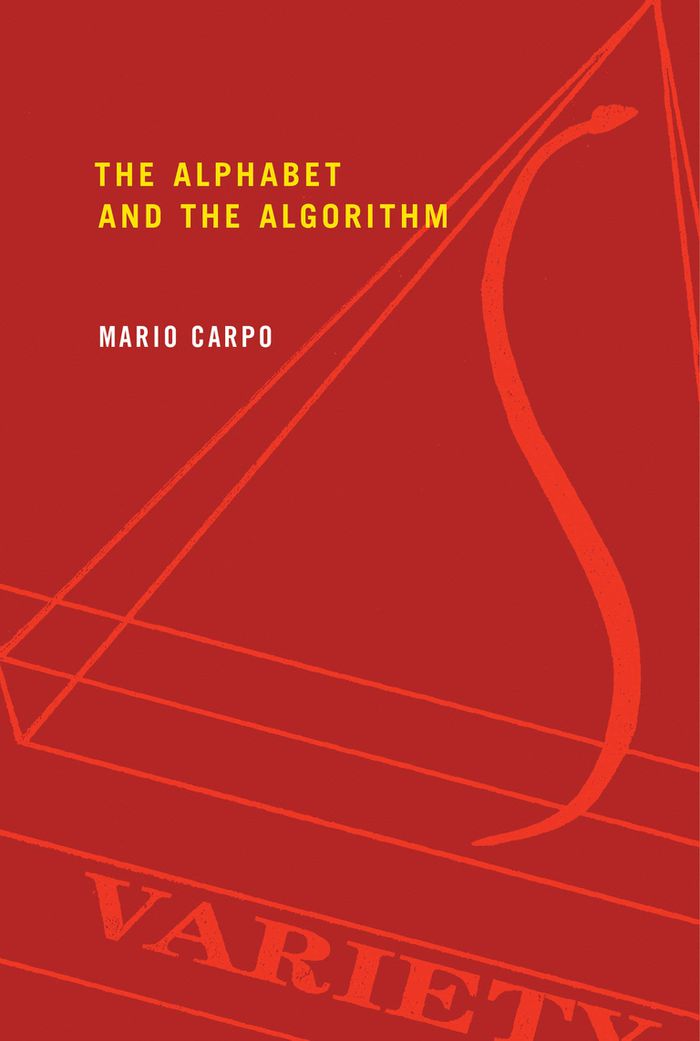
In this volume, Mario Carpo points to one key practice of modernity: the making of identical copies. Carpo highlights two examples of identicality crucial to the shaping of architectural modernity: in the fifteenth century, Leon Battista Alberti's invention of architectural design, according to which a building is an identical copy of the architect's design; and, in the nineteenth and twentieth centuries, the mass production of identical copies from mechanical master models, matrixes, imprints, or molds. The modern power of the identical, Carpo argues, came to an end with the rise of digital technologies. Everything digital is variable. Carpo compares new forms of postindustrial digital craftsmanship to hand-making and the cultures and technologies of variations that existed before the coming of machine-made, identical copies. Carpo reviews the unfolding of digitally based design and construction from the early 1990s to the present, and suggests a new agenda for architecture in an age of variable objects and of generic and participatory authorship.
The alphabet and the algorithm
Actions:
Prix:
$35.95
(disponible en magasin)
Résumé:
In this volume, Mario Carpo points to one key practice of modernity: the making of identical copies. Carpo highlights two examples of identicality crucial to the shaping of architectural modernity: in the fifteenth century, Leon Battista Alberti's invention of architectural design, according to which a building is an identical copy of the architect's design; and, in the nineteenth and twentieth centuries, the mass production of identical copies from mechanical master models, matrixes, imprints, or molds. The modern power of the identical, Carpo argues, came to an end with the rise of digital technologies. Everything digital is variable. Carpo compares new forms of postindustrial digital craftsmanship to hand-making and the cultures and technologies of variations that existed before the coming of machine-made, identical copies. Carpo reviews the unfolding of digitally based design and construction from the early 1990s to the present, and suggests a new agenda for architecture in an age of variable objects and of generic and participatory authorship.
Classification:
livres
livres
Publication:
mars 2011
mars 2011
Classification:
livres
livres
Actions:
Prix:
$44.00
(disponible sur commande)
Résumé:
The production of architecture, both intellectually and physically, is on the brink of a fundamental change. Computational design enables architects to integrate ever more multifaceted and complex design information, while the industrial logics of conventional building construction are eroding rapidly in a context of increasingly ubiquitous computer-controlled(...)
$44.00
(disponible sur commande)
Résumé:
The production of architecture, both intellectually and physically, is on the brink of a fundamental change. Computational design enables architects to integrate ever more multifaceted and complex design information, while the industrial logics of conventional building construction are eroding rapidly in a context of increasingly ubiquitous computer-controlled(...)
Titre:
AD 82:02 : material computation
Actions:
Prix:
$44.00
(disponible sur commande)
Résumé:
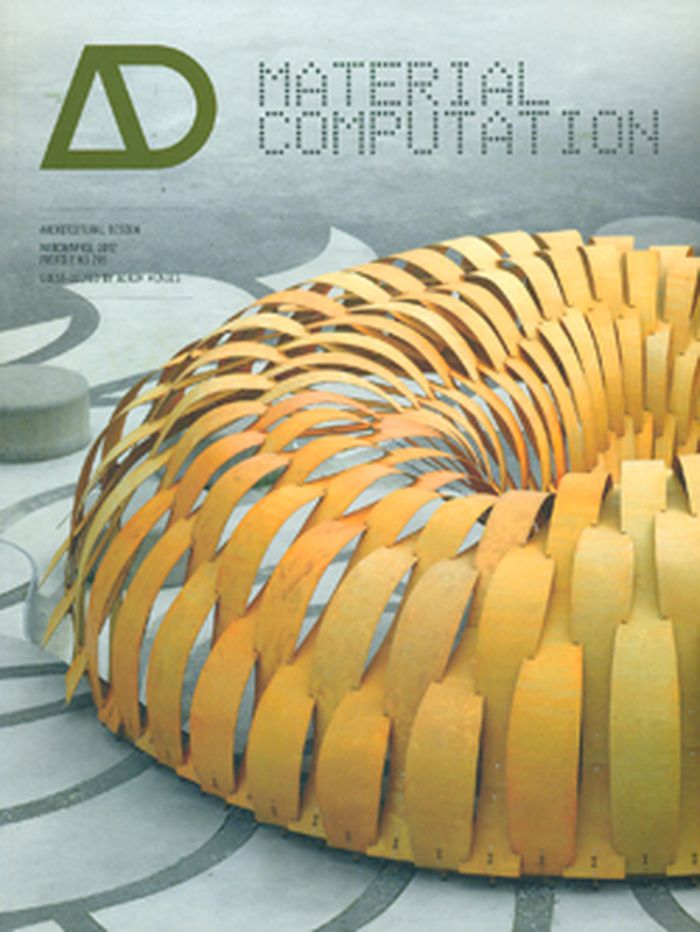
The production of architecture, both intellectually and physically, is on the brink of a fundamental change. Computational design enables architects to integrate ever more multifaceted and complex design information, while the industrial logics of conventional building construction are eroding rapidly in a context of increasingly ubiquitous computer-controlled manufacturing and fabrication. A novel convergence of computation and materialisation is about to emerge, bringing the virtual process of design and the physical realisation of architecture much closer together, more so than ever before. Computation provides a powerful agency for both informing the design process through specific material behaviour and characteristics, and in turn informing the organisation of matter and material across multiple scales based on feedback from the environment. In order to effectively introduce and outline the enabling power of computational design along with its inherent relationship to a biological paradigm, this publication looks at formation and materialisation in nature, integrative computational design, and engineering and manufacturing integration.
AD 82:02 : material computation
Actions:
Prix:
$44.00
(disponible sur commande)
Résumé:
The production of architecture, both intellectually and physically, is on the brink of a fundamental change. Computational design enables architects to integrate ever more multifaceted and complex design information, while the industrial logics of conventional building construction are eroding rapidly in a context of increasingly ubiquitous computer-controlled manufacturing and fabrication. A novel convergence of computation and materialisation is about to emerge, bringing the virtual process of design and the physical realisation of architecture much closer together, more so than ever before. Computation provides a powerful agency for both informing the design process through specific material behaviour and characteristics, and in turn informing the organisation of matter and material across multiple scales based on feedback from the environment. In order to effectively introduce and outline the enabling power of computational design along with its inherent relationship to a biological paradigm, this publication looks at formation and materialisation in nature, integrative computational design, and engineering and manufacturing integration.
Classification:
livres
livres
Publication:
mai 2012
mai 2012
Sujet:
Revues
Revues


