


5194 Résultats
Classification:
livres
livres

Actions:
Prix:
$98.00
(disponible sur commande)
Résumé:
When, in 1909, the color photography pioneer Sergei Mikhailovich Prokudin-Gorskii began his journey to capture all of Russia in color images on behalf of the czar, the scope and importance of his undertaking were clear. Since 1905 he had planned to systematically document the empire with the color photography technique he had developed in order to give all Russians,(...)
$98.00
(disponible sur commande)
Résumé:
When, in 1909, the color photography pioneer Sergei Mikhailovich Prokudin-Gorskii began his journey to capture all of Russia in color images on behalf of the czar, the scope and importance of his undertaking were clear. Since 1905 he had planned to systematically document the empire with the color photography technique he had developed in order to give all Russians,(...)
Titre:
Nostalgia : the Russian empire of Czar Nicholas II captured in color photographs by Sergei Mikhailovich Prokudin-Gorskii
Actions:
Prix:
$98.00
(disponible sur commande)
Résumé:
When, in 1909, the color photography pioneer Sergei Mikhailovich Prokudin-Gorskii began his journey to capture all of Russia in color images on behalf of the czar, the scope and importance of his undertaking were clear. Since 1905 he had planned to systematically document the empire with the color photography technique he had developed in order to give all Russians, particularly schoolchildren, a deeper connection to their country. His color images were not only meant to document the diverse citizens, ethnicities, settlements, folklore, and landscapes of a vast empire, but to create nothing less than a common identity for its populace. The subjects of Prokudin-Gorskii's landscape photography range from the medieval churches and monasteries of old Russia to the railroads and factories of an emerging industrial power. The United States Library of Congress purchased his work in 1948, but it was only recently laboriously restored. Nostalgia showcases these restored masterpieces of early color photography that are a milestone in Russia's cultural history.
Nostalgia : the Russian empire of Czar Nicholas II captured in color photographs by Sergei Mikhailovich Prokudin-Gorskii
Actions:
Prix:
$98.00
(disponible sur commande)
Résumé:
When, in 1909, the color photography pioneer Sergei Mikhailovich Prokudin-Gorskii began his journey to capture all of Russia in color images on behalf of the czar, the scope and importance of his undertaking were clear. Since 1905 he had planned to systematically document the empire with the color photography technique he had developed in order to give all Russians, particularly schoolchildren, a deeper connection to their country. His color images were not only meant to document the diverse citizens, ethnicities, settlements, folklore, and landscapes of a vast empire, but to create nothing less than a common identity for its populace. The subjects of Prokudin-Gorskii's landscape photography range from the medieval churches and monasteries of old Russia to the railroads and factories of an emerging industrial power. The United States Library of Congress purchased his work in 1948, but it was only recently laboriously restored. Nostalgia showcases these restored masterpieces of early color photography that are a milestone in Russia's cultural history.
Classification:
livres
livres
Publication:
septembre 2012
septembre 2012
Sujet:
Monographies photo
Monographies photo
Classification:
livres
livres
Prix:
$23.95
(disponible sur commande)
Résumé:
Our cities are changing. Around the world, more and more money is being invested in buildings and land. Real estate is now a $217 trillion dollar industry, worth thirty-six times the value of all the gold ever mined. It forms sixty percent of global assets, and one of the most powerful people in the world—the president of the United States—made his name as a landlord and(...)
$23.95
(disponible sur commande)
Résumé:
Our cities are changing. Around the world, more and more money is being invested in buildings and land. Real estate is now a $217 trillion dollar industry, worth thirty-six times the value of all the gold ever mined. It forms sixty percent of global assets, and one of the most powerful people in the world—the president of the United States—made his name as a landlord and(...)
Titre:
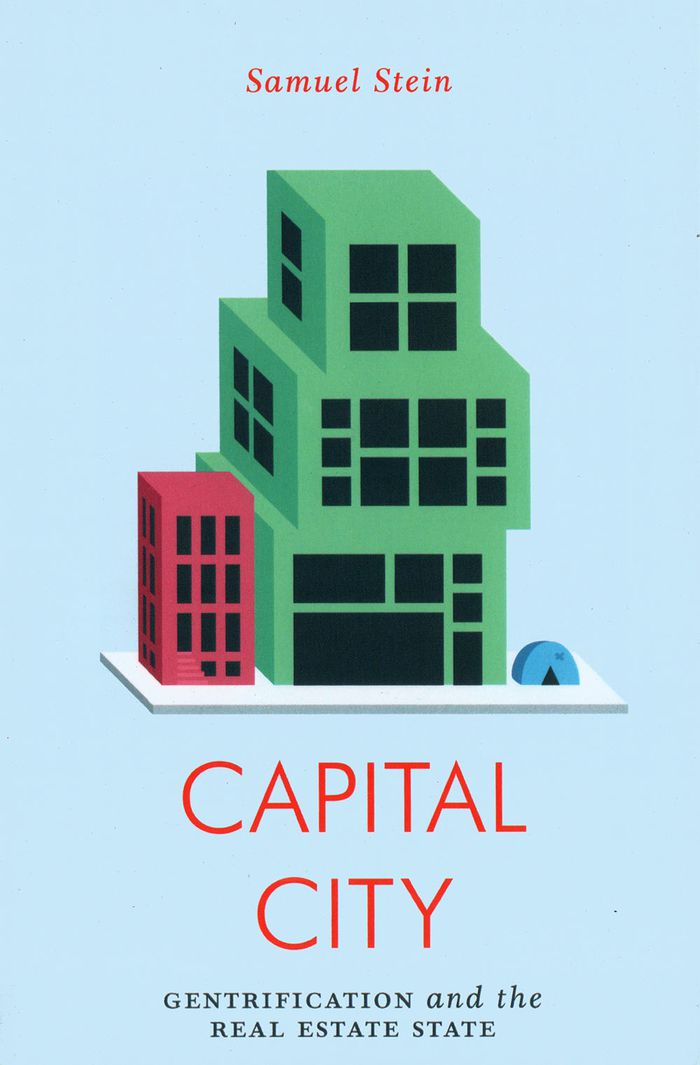
Capital city: gentrification and the real estate state
Actions:
Prix:
$23.95
(disponible sur commande)
Résumé:
Our cities are changing. Around the world, more and more money is being invested in buildings and land. Real estate is now a $217 trillion dollar industry, worth thirty-six times the value of all the gold ever mined. It forms sixty percent of global assets, and one of the most powerful people in the world—the president of the United States—made his name as a landlord and developer. Samuel Stein shows that this explosive transformation of urban life and politics has been driven not only by the tastes of wealthy newcomers, but by the state-driven process of urban planning. Planning agencies provide a unique window into the ways the state uses and is used by capital, and the means by which urban renovations are translated into rising real estate values and rising rents. “Capital City” explains the role of planners in the real estate state, as well as the remarkable power of planning to reclaim urban life.
Capital city: gentrification and the real estate state
Actions:
Prix:
$23.95
(disponible sur commande)
Résumé:
Our cities are changing. Around the world, more and more money is being invested in buildings and land. Real estate is now a $217 trillion dollar industry, worth thirty-six times the value of all the gold ever mined. It forms sixty percent of global assets, and one of the most powerful people in the world—the president of the United States—made his name as a landlord and developer. Samuel Stein shows that this explosive transformation of urban life and politics has been driven not only by the tastes of wealthy newcomers, but by the state-driven process of urban planning. Planning agencies provide a unique window into the ways the state uses and is used by capital, and the means by which urban renovations are translated into rising real estate values and rising rents. “Capital City” explains the role of planners in the real estate state, as well as the remarkable power of planning to reclaim urban life.
Classification:
livres
livres
Publication:
mars 2019
mars 2019
Sujet:
Théorie de l’urbanisme
Théorie de l’urbanisme
Classification:
livres
livres
Actions:
Prix:
$25.95
(disponible sur commande)
Résumé:
Much has been written about Britain's trailblazing post-1970s privatization program, but the biggest privatization of them all has until now escaped scrutiny: the privatization of land. Since Margaret Thatcher took power in 1979, and hidden from the public eye, about 10 per cent of the entire British land mass, including some of its most valuable real estate, has passed(...)
$25.95
(disponible sur commande)
Résumé:
Much has been written about Britain's trailblazing post-1970s privatization program, but the biggest privatization of them all has until now escaped scrutiny: the privatization of land. Since Margaret Thatcher took power in 1979, and hidden from the public eye, about 10 per cent of the entire British land mass, including some of its most valuable real estate, has passed(...)
Titre:
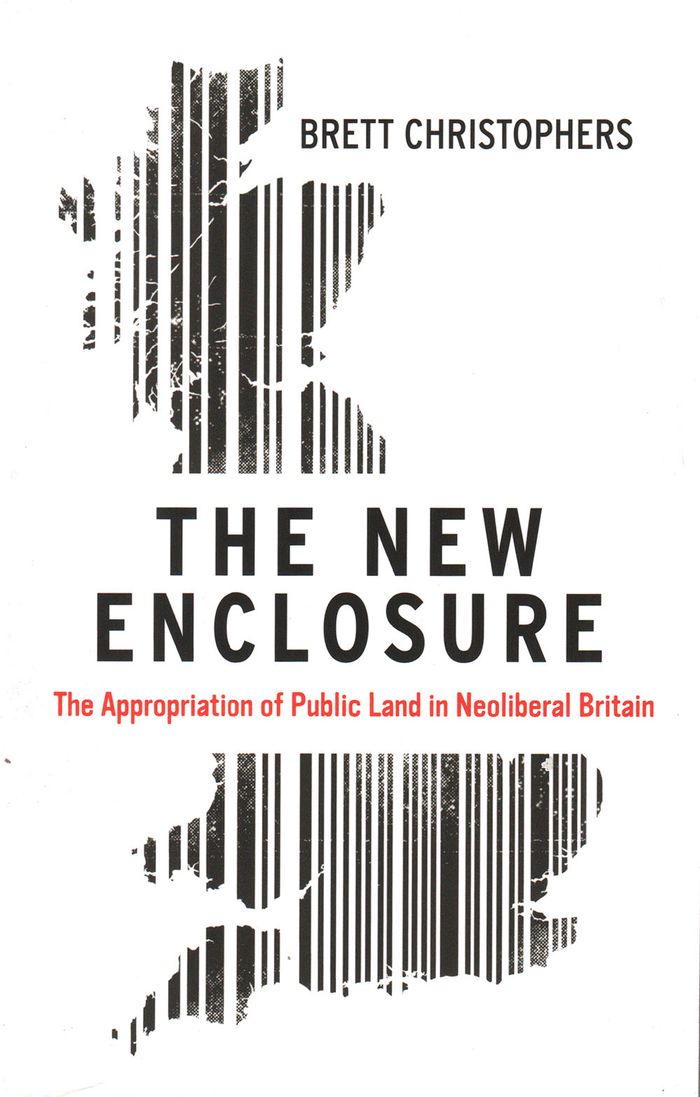
The new enclosure: the appropriation of public land in neoliberal Britain
Actions:
Prix:
$25.95
(disponible sur commande)
Résumé:
Much has been written about Britain's trailblazing post-1970s privatization program, but the biggest privatization of them all has until now escaped scrutiny: the privatization of land. Since Margaret Thatcher took power in 1979, and hidden from the public eye, about 10 per cent of the entire British land mass, including some of its most valuable real estate, has passed from public to private hands. Forest land, defence land, health service land and above all else local authority land- for farming and school sports, for recreation and housing - has been sold off en masse. Why? How? And with what social, economic and political consequences? “The New Enclosure” provides the first ever study of this profoundly significant phenomenon, situating it as a centrepiece of neoliberalism in Britain and as a successor programme to the original eighteenth-century enclosures. With more public land still slated for disposal, the book identifies the stakes and asks what, if anything, can and should be done.
The new enclosure: the appropriation of public land in neoliberal Britain
Actions:
Prix:
$25.95
(disponible sur commande)
Résumé:
Much has been written about Britain's trailblazing post-1970s privatization program, but the biggest privatization of them all has until now escaped scrutiny: the privatization of land. Since Margaret Thatcher took power in 1979, and hidden from the public eye, about 10 per cent of the entire British land mass, including some of its most valuable real estate, has passed from public to private hands. Forest land, defence land, health service land and above all else local authority land- for farming and school sports, for recreation and housing - has been sold off en masse. Why? How? And with what social, economic and political consequences? “The New Enclosure” provides the first ever study of this profoundly significant phenomenon, situating it as a centrepiece of neoliberalism in Britain and as a successor programme to the original eighteenth-century enclosures. With more public land still slated for disposal, the book identifies the stakes and asks what, if anything, can and should be done.
Classification:
livres
livres
Publication:
novembre 2019
novembre 2019
Sujet:
Paysages urbains
Paysages urbains
Classification:
livres
livres

Titre:
Gabriel Orozco
Gabriel Orozco
Actions:
Prix:
$66.00
(disponible sur commande)
Résumé:
Gabriel Orozco emerged at the beginning of the 1990s as one of the most intriguing and original artists of his generation. His work is unique in its formal power and intellectual rigor, resisting confinement to one medium and roaming freely and fluently among drawing, photography, sculpture, installation and painting. Orozco deliberately blurs the boundary between the art(...)
$66.00
(disponible sur commande)
Résumé:
Gabriel Orozco emerged at the beginning of the 1990s as one of the most intriguing and original artists of his generation. His work is unique in its formal power and intellectual rigor, resisting confinement to one medium and roaming freely and fluently among drawing, photography, sculpture, installation and painting. Orozco deliberately blurs the boundary between the art(...)
Titre:
Gabriel Orozco
Actions:
Prix:
$66.00
(disponible sur commande)
Résumé:
Gabriel Orozco emerged at the beginning of the 1990s as one of the most intriguing and original artists of his generation. His work is unique in its formal power and intellectual rigor, resisting confinement to one medium and roaming freely and fluently among drawing, photography, sculpture, installation and painting. Orozco deliberately blurs the boundary between the art object and the everyday environment, situating his work in a place that merges art and reality, whether through exquisite drawings made on airplane boarding passes or sculptures composed of recovered trash. This publication examines two decades of the artist's production year by year, from 1989 through 2009. Each section is richly illustrated and includes a short text, based on interviews with the artist, that combines biographical information with a brief and focused discussion of selected works. Critical essays by Ann Temkin, Benjamin H.D. Buchloh and Briony Fer supplement these foundational and chronological explorations, providing new insights and strategies for grounding Orozco's work in the larger landscape of contemporary art production.
Gabriel Orozco
Actions:
Prix:
$66.00
(disponible sur commande)
Résumé:
Gabriel Orozco emerged at the beginning of the 1990s as one of the most intriguing and original artists of his generation. His work is unique in its formal power and intellectual rigor, resisting confinement to one medium and roaming freely and fluently among drawing, photography, sculpture, installation and painting. Orozco deliberately blurs the boundary between the art object and the everyday environment, situating his work in a place that merges art and reality, whether through exquisite drawings made on airplane boarding passes or sculptures composed of recovered trash. This publication examines two decades of the artist's production year by year, from 1989 through 2009. Each section is richly illustrated and includes a short text, based on interviews with the artist, that combines biographical information with a brief and focused discussion of selected works. Critical essays by Ann Temkin, Benjamin H.D. Buchloh and Briony Fer supplement these foundational and chronological explorations, providing new insights and strategies for grounding Orozco's work in the larger landscape of contemporary art production.
Classification:
livres
livres
Publication:
décembre 2009
décembre 2009
Classification:
livres
livres
Actions:
Prix:
$28.95
(disponible sur commande)
Résumé:
No metropolis has been more loved or more hated. To its official boosters, “Los Angeles brings it all together.” To detractors, LA is a sunlit mortuary where “you can rot without feeling it.” To Mike Davis, the author of this fiercely elegant and wide- ranging work of social history, Los Angeles is both utopia and dystopia, a place where the last Joshua trees are being(...)
$28.95
(disponible sur commande)
Résumé:
No metropolis has been more loved or more hated. To its official boosters, “Los Angeles brings it all together.” To detractors, LA is a sunlit mortuary where “you can rot without feeling it.” To Mike Davis, the author of this fiercely elegant and wide- ranging work of social history, Los Angeles is both utopia and dystopia, a place where the last Joshua trees are being(...)
Titre:
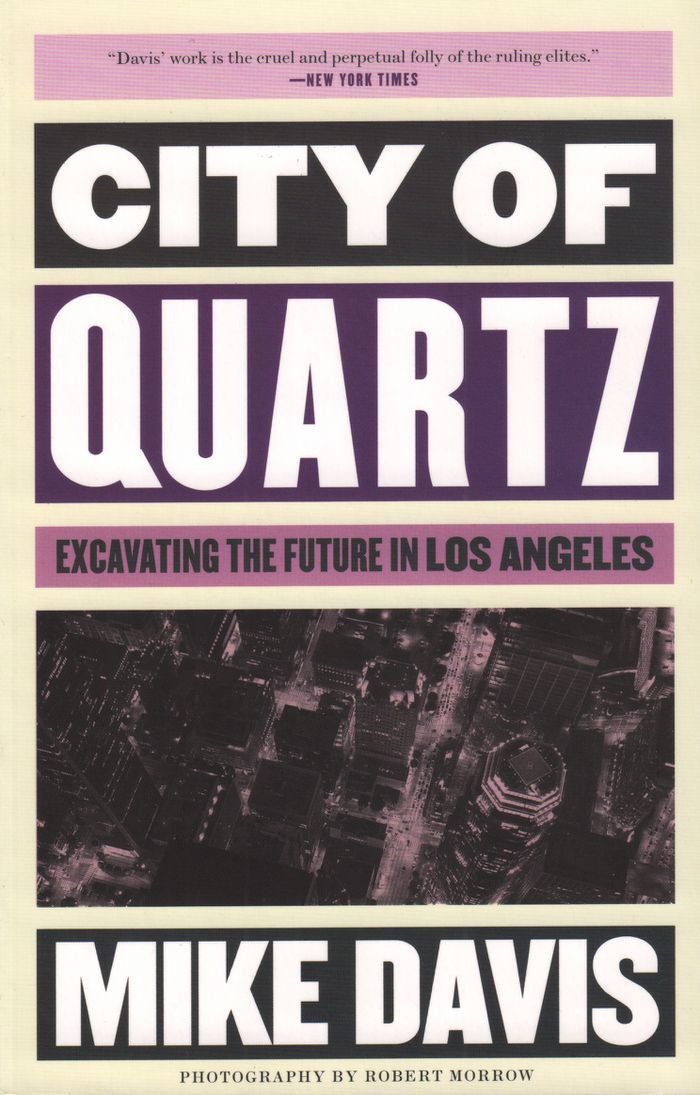
City of quartz: excavating the future in Los Angeles
Actions:
Prix:
$28.95
(disponible sur commande)
Résumé:
No metropolis has been more loved or more hated. To its official boosters, “Los Angeles brings it all together.” To detractors, LA is a sunlit mortuary where “you can rot without feeling it.” To Mike Davis, the author of this fiercely elegant and wide- ranging work of social history, Los Angeles is both utopia and dystopia, a place where the last Joshua trees are being plowed under to make room for model communities in the desert, where the rich have hired their own police to fend off street gangs, as well as armed Beirut militias. In "City of Quartz", Davis reconstructs LA’s shadow history and dissects its ethereal economy. He tells us who has the power and how they hold on to it. He gives us a city of Dickensian extremes, Pynchonesque conspiracies, and a desperation straight out of Nathaniel Westa city in which we may glimpse our own future mirrored with terrifying clarity.
City of quartz: excavating the future in Los Angeles
Actions:
Prix:
$28.95
(disponible sur commande)
Résumé:
No metropolis has been more loved or more hated. To its official boosters, “Los Angeles brings it all together.” To detractors, LA is a sunlit mortuary where “you can rot without feeling it.” To Mike Davis, the author of this fiercely elegant and wide- ranging work of social history, Los Angeles is both utopia and dystopia, a place where the last Joshua trees are being plowed under to make room for model communities in the desert, where the rich have hired their own police to fend off street gangs, as well as armed Beirut militias. In "City of Quartz", Davis reconstructs LA’s shadow history and dissects its ethereal economy. He tells us who has the power and how they hold on to it. He gives us a city of Dickensian extremes, Pynchonesque conspiracies, and a desperation straight out of Nathaniel Westa city in which we may glimpse our own future mirrored with terrifying clarity.
Classification:
livres
livres
Publication:
juillet 2018
juillet 2018
Sujet:
Théorie de l’urbanisme
Théorie de l’urbanisme
Classification:
livres
livres
Actions:
Prix:
$44.00
(disponible sur commande)
Résumé:
Monuments represent power: explicitly and simply, but not universally. In Estonia, the classical notion of a monument is a strange one. Its presence is marginal, its tradition non-existent and its form tormented by an apparent cultural displacement. The statue on a square never claimed the central position so common in Western Europe. This semantic void directs attention(...)
$44.00
(disponible sur commande)
Résumé:
Monuments represent power: explicitly and simply, but not universally. In Estonia, the classical notion of a monument is a strange one. Its presence is marginal, its tradition non-existent and its form tormented by an apparent cultural displacement. The statue on a square never claimed the central position so common in Western Europe. This semantic void directs attention(...)
Sujet:
Théorie de l’architecture
Théorie de l’architecture
Publication:
juillet 2018
juillet 2018
Titre:
Weak monument: architectures beyond the plinth
Actions:
Prix:
$44.00
(disponible sur commande)
Résumé:
Monuments represent power: explicitly and simply, but not universally. In Estonia, the classical notion of a monument is a strange one. Its presence is marginal, its tradition non-existent and its form tormented by an apparent cultural displacement. The statue on a square never claimed the central position so common in Western Europe. This semantic void directs attention to other, less exceptional pieces of architecture. Sometimes a stairway marks a politically charged location, or a pavement becomes symbolic. Instead of explicit meanings inscribed in marble and bronze, an implicit charge is revealed that might be weaker yet more relevant, for what is only implicit cannot be openly questioned. Weak Monument explores the blurred line between a monument's explicitly political form and the architecture of everyday. It juxtaposes classical monuments with seemingly insignificant architectural objects and public space in a collection of images and drawings, archival as well as newly commissioned ones, alongside essays and brief texts
Weak monument: architectures beyond the plinth
Actions:
Prix:
$44.00
(disponible sur commande)
Résumé:
Monuments represent power: explicitly and simply, but not universally. In Estonia, the classical notion of a monument is a strange one. Its presence is marginal, its tradition non-existent and its form tormented by an apparent cultural displacement. The statue on a square never claimed the central position so common in Western Europe. This semantic void directs attention to other, less exceptional pieces of architecture. Sometimes a stairway marks a politically charged location, or a pavement becomes symbolic. Instead of explicit meanings inscribed in marble and bronze, an implicit charge is revealed that might be weaker yet more relevant, for what is only implicit cannot be openly questioned. Weak Monument explores the blurred line between a monument's explicitly political form and the architecture of everyday. It juxtaposes classical monuments with seemingly insignificant architectural objects and public space in a collection of images and drawings, archival as well as newly commissioned ones, alongside essays and brief texts
Classification:
livres
livres
Publication:
juillet 2018
juillet 2018
Sujet:
Théorie de l’architecture
Théorie de l’architecture
Classification:
livres
livres
Titre:
Andreas Schmidt : the city
Andreas Schmidt : the city
Actions:
Prix:
$66.00
(disponible en magasin)
Résumé:
Andreas Schmidt captures clear-sighted images on his nighttime rambles through the City of London — the historical heart of the city and one of the world’s financial centers. As was the case in his photobook Las Vegas, which dealt with another glittering, superficial world, here he also documents the seductive glamour of urban financial palaces while never losing sight of(...)
$66.00
(disponible en magasin)
Résumé:
Andreas Schmidt captures clear-sighted images on his nighttime rambles through the City of London — the historical heart of the city and one of the world’s financial centers. As was the case in his photobook Las Vegas, which dealt with another glittering, superficial world, here he also documents the seductive glamour of urban financial palaces while never losing sight of(...)
Titre:
Andreas Schmidt : the city
Actions:
Prix:
$66.00
(disponible en magasin)
Résumé:
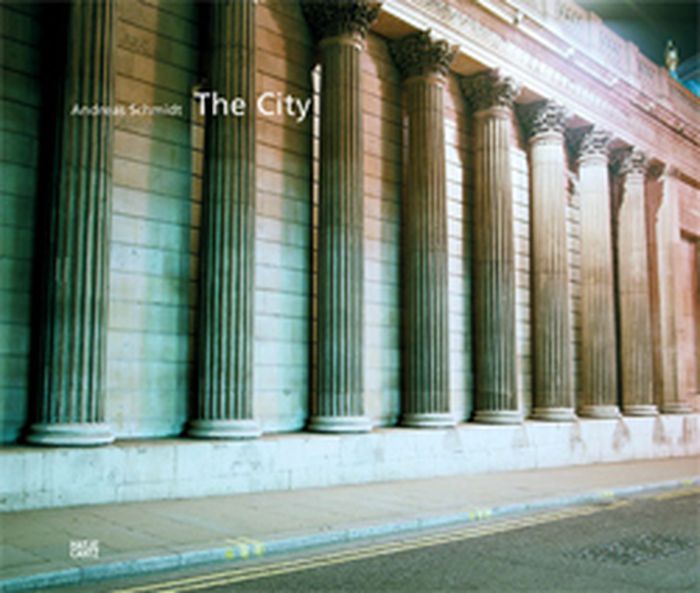
Andreas Schmidt captures clear-sighted images on his nighttime rambles through the City of London — the historical heart of the city and one of the world’s financial centers. As was the case in his photobook Las Vegas, which dealt with another glittering, superficial world, here he also documents the seductive glamour of urban financial palaces while never losing sight of their inhuman exorbitance. Although hundreds of thousands of people work in the City, its dimensions are not human. Everything is oversized, made of steel, glass, and marble, and decorated with mindless ornamental elements. Only emergency exits or indoor plants are of normal size, and they look absurd next to everything else. Empty lobbies, conference rooms, and endless corridors conform to corporate design, but primarily emanate power and coldness. As the cover of the book attests, the venerable Bank of England long ago began fitting itself out with enormous grandeur : the Neoclassical façade by Sir John Soane (1828) was regarded as an insurmountable barrier for unauthorized persons.
Andreas Schmidt : the city
Actions:
Prix:
$66.00
(disponible en magasin)
Résumé:
Andreas Schmidt captures clear-sighted images on his nighttime rambles through the City of London — the historical heart of the city and one of the world’s financial centers. As was the case in his photobook Las Vegas, which dealt with another glittering, superficial world, here he also documents the seductive glamour of urban financial palaces while never losing sight of their inhuman exorbitance. Although hundreds of thousands of people work in the City, its dimensions are not human. Everything is oversized, made of steel, glass, and marble, and decorated with mindless ornamental elements. Only emergency exits or indoor plants are of normal size, and they look absurd next to everything else. Empty lobbies, conference rooms, and endless corridors conform to corporate design, but primarily emanate power and coldness. As the cover of the book attests, the venerable Bank of England long ago began fitting itself out with enormous grandeur : the Neoclassical façade by Sir John Soane (1828) was regarded as an insurmountable barrier for unauthorized persons.
Classification:
livres
livres
Publication:
décembre 2009
décembre 2009
Sujet:
Monographies photo
Monographies photo
Classification:
livres
livres
Actions:
Prix:
$81.95
(disponible sur commande)
Résumé:
Hargreaves Associates has been at the forefront of landscape architectural practice since its founding in 1983, creating a narrative approach to landscape architecture that layers history, ecology, and environmental phenomena. Whether reductive or rich, highly programmed or passive, culturally interpretive or teeming with the phenomena of nature’s own systems, the built(...)
$81.95
(disponible sur commande)
Résumé:
Hargreaves Associates has been at the forefront of landscape architectural practice since its founding in 1983, creating a narrative approach to landscape architecture that layers history, ecology, and environmental phenomena. Whether reductive or rich, highly programmed or passive, culturally interpretive or teeming with the phenomena of nature’s own systems, the built(...)
Titre:
Landscape alchemy: the work of Hargreaves Associates
Actions:
Prix:
$81.95
(disponible sur commande)
Résumé:
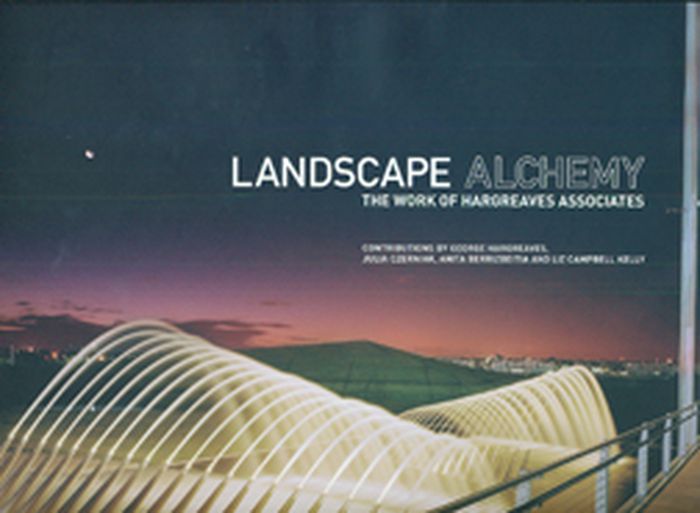
Hargreaves Associates has been at the forefront of landscape architectural practice since its founding in 1983, creating a narrative approach to landscape architecture that layers history, ecology, and environmental phenomena. Whether reductive or rich, highly programmed or passive, culturally interpretive or teeming with the phenomena of nature’s own systems, the built landscapes of Hargreaves Associates emphasize the power of connection to day-to-day life. This volume presents projects from throughout the 25-year history of the firm and highlights the firm's role in advancing the reoccupation of postindustrial sites, including the reclamation of waterfronts within the United States, Europe, and Australia. Featuring color photographs and illustrations throughout, the book also shows how the firm works with cultural landscapes, urban parks, smaller plazas, and gardens. Included are details on Hargreaves' innovative entries in recent landscape architectural competitions, including its stunning design of a 270-acre Victorian-style pleasure garden for the 2012 London Olympics.
Landscape alchemy: the work of Hargreaves Associates
Actions:
Prix:
$81.95
(disponible sur commande)
Résumé:
Hargreaves Associates has been at the forefront of landscape architectural practice since its founding in 1983, creating a narrative approach to landscape architecture that layers history, ecology, and environmental phenomena. Whether reductive or rich, highly programmed or passive, culturally interpretive or teeming with the phenomena of nature’s own systems, the built landscapes of Hargreaves Associates emphasize the power of connection to day-to-day life. This volume presents projects from throughout the 25-year history of the firm and highlights the firm's role in advancing the reoccupation of postindustrial sites, including the reclamation of waterfronts within the United States, Europe, and Australia. Featuring color photographs and illustrations throughout, the book also shows how the firm works with cultural landscapes, urban parks, smaller plazas, and gardens. Included are details on Hargreaves' innovative entries in recent landscape architectural competitions, including its stunning design of a 270-acre Victorian-style pleasure garden for the 2012 London Olympics.
Classification:
livres
livres
Publication:
décembre 2009
décembre 2009
Classification:
livres
livres
Titre:
Richard Meier architect
Richard Meier architect
Actions:
Prix:
$98.00
(disponible sur commande)
Résumé:
This publication comprehensively documents Meier’s work since 2004. This extensively illustrated presentation vividly conveys the purity and power of Meier’s vision. Thirty residential, commercial, and civic projects are featured, including the Ara Pacis Museum in Rome, the Burda Collection Museum and Arp Museum in Germany, San Jose City Hall, the Broad Art Center at(...)
$98.00
(disponible sur commande)
Résumé:
This publication comprehensively documents Meier’s work since 2004. This extensively illustrated presentation vividly conveys the purity and power of Meier’s vision. Thirty residential, commercial, and civic projects are featured, including the Ara Pacis Museum in Rome, the Burda Collection Museum and Arp Museum in Germany, San Jose City Hall, the Broad Art Center at(...)
Titre:
Richard Meier architect
Actions:
Prix:
$98.00
(disponible sur commande)
Résumé:
This publication comprehensively documents Meier’s work since 2004. This extensively illustrated presentation vividly conveys the purity and power of Meier’s vision. Thirty residential, commercial, and civic projects are featured, including the Ara Pacis Museum in Rome, the Burda Collection Museum and Arp Museum in Germany, San Jose City Hall, the Broad Art Center at UCLA, apartment towers in Manhattan and Brooklyn, and master plans for Newark, New Jersey, and Manhattan’s East Side. Richard Meier received his architectural training at Cornell University and began his career in the early 1960s designing private residential projects whose elegant modernist style and white facades have become icons of modern architecture. Since that time, his international practice has included museums, courthouses, city halls, corporate headquarters, educational facilities, and public housing, in addition to private houses. He has received numerous awards for his work, including the Pritzker Prize for Architecture and the Gold Medal of the American Institute of Architects.
Richard Meier architect
Actions:
Prix:
$98.00
(disponible sur commande)
Résumé:
This publication comprehensively documents Meier’s work since 2004. This extensively illustrated presentation vividly conveys the purity and power of Meier’s vision. Thirty residential, commercial, and civic projects are featured, including the Ara Pacis Museum in Rome, the Burda Collection Museum and Arp Museum in Germany, San Jose City Hall, the Broad Art Center at UCLA, apartment towers in Manhattan and Brooklyn, and master plans for Newark, New Jersey, and Manhattan’s East Side. Richard Meier received his architectural training at Cornell University and began his career in the early 1960s designing private residential projects whose elegant modernist style and white facades have become icons of modern architecture. Since that time, his international practice has included museums, courthouses, city halls, corporate headquarters, educational facilities, and public housing, in addition to private houses. He has received numerous awards for his work, including the Pritzker Prize for Architecture and the Gold Medal of the American Institute of Architects.
Classification:
livres
livres
Publication:
novembre 2009
novembre 2009
Sujet:
Architecture, monographies
Architecture, monographies
Classification:
livres
livres
Prix:
$30.00
(disponible sur commande)
Résumé:
Nye looks at America's development of its electrical grid, which made large-scale power failures possible; military blackouts before and during World War II ("The silence was the big surprise of the blackout, the darkness discounted," wrote Harold Ross in The New Yorker in 1942); New York City's contrasting 1965 and 1977 blackout experiences (the first characterized by(...)
$30.00
(disponible sur commande)
Résumé:
Nye looks at America's development of its electrical grid, which made large-scale power failures possible; military blackouts before and during World War II ("The silence was the big surprise of the blackout, the darkness discounted," wrote Harold Ross in The New Yorker in 1942); New York City's contrasting 1965 and 1977 blackout experiences (the first characterized by(...)
Titre:
When the lights went out, a history of blackouts in America
Actions:
Prix:
$30.00
(disponible sur commande)
Résumé:
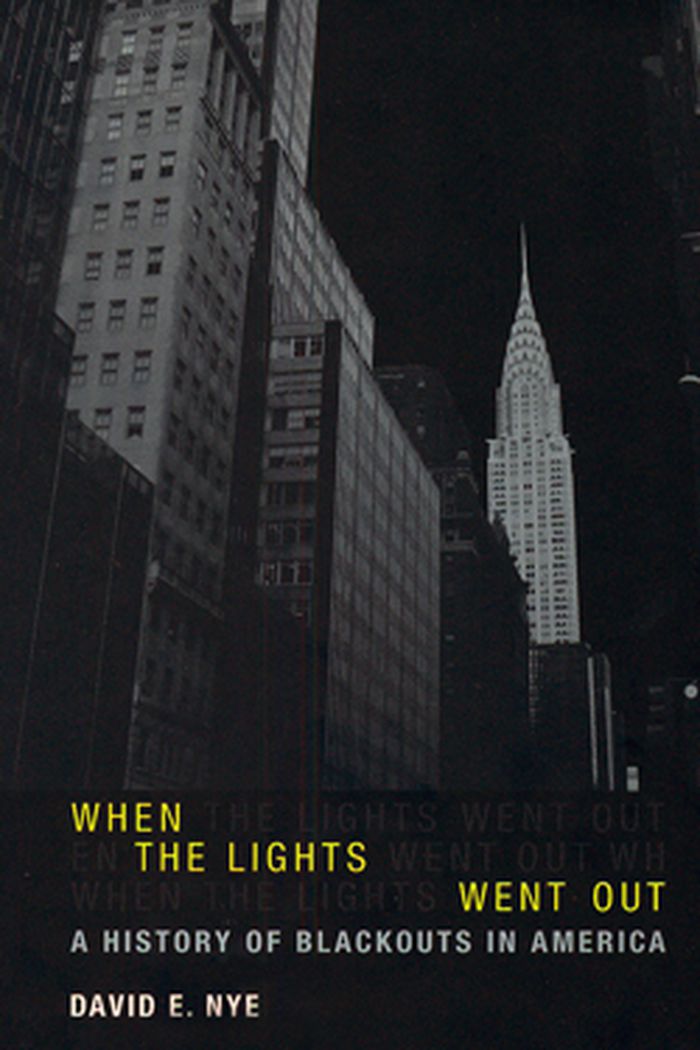
Nye looks at America's development of its electrical grid, which made large-scale power failures possible; military blackouts before and during World War II ("The silence was the big surprise of the blackout, the darkness discounted," wrote Harold Ross in The New Yorker in 1942); New York City's contrasting 1965 and 1977 blackout experiences (the first characterized by cooperation, the second by looting and disorder); the growth in consumer demand that led to rolling blackouts made worse by energy traders' market manipulations; blackouts caused by terrorist attacks and sabotage; and, finally, the "greenout" (exemplified by the new tradition of "Earth Hour"), a voluntary reduction organized by environmental organizations. Blackouts, writes Nye, are breaks in the flow of social time that reveal much about the trajectory of American history. Each time one occurs, Americans confront their essential condition—not as isolated individuals, but as a community that increasingly binds itself together with electrical wires and signals.
When the lights went out, a history of blackouts in America
Actions:
Prix:
$30.00
(disponible sur commande)
Résumé:
Nye looks at America's development of its electrical grid, which made large-scale power failures possible; military blackouts before and during World War II ("The silence was the big surprise of the blackout, the darkness discounted," wrote Harold Ross in The New Yorker in 1942); New York City's contrasting 1965 and 1977 blackout experiences (the first characterized by cooperation, the second by looting and disorder); the growth in consumer demand that led to rolling blackouts made worse by energy traders' market manipulations; blackouts caused by terrorist attacks and sabotage; and, finally, the "greenout" (exemplified by the new tradition of "Earth Hour"), a voluntary reduction organized by environmental organizations. Blackouts, writes Nye, are breaks in the flow of social time that reveal much about the trajectory of American history. Each time one occurs, Americans confront their essential condition—not as isolated individuals, but as a community that increasingly binds itself together with electrical wires and signals.
Classification:
livres
livres
Publication:
mars 2010
mars 2010
Sujet:
Théorie de l’urbanisme
Théorie de l’urbanisme


