


5088 Résultats
Classification:
livres
livres
Actions:
Prix:
$73.95
(disponible sur commande)
Résumé:
Standing on Mont Ventoux near Avignon, the fourteenth-century poet Petrarch experienced an entirely new sensation that he described as 'stepping out of time and space'. On the mountain's summit he was as far as he could be from the 'world's stage all around'. The huge distance reduced reference points to insignificant specks down below, and everything in the panorama(...)
Titre:
The invented land : a bird's-eye view of Dutch landscape architecture
Actions:
Prix:
$73.95
(disponible sur commande)
Résumé:
Standing on Mont Ventoux near Avignon, the fourteenth-century poet Petrarch experienced an entirely new sensation that he described as 'stepping out of time and space'. On the mountain's summit he was as far as he could be from the 'world's stage all around'. The huge distance reduced reference points to insignificant specks down below, and everything in the panorama seemed motionless, dispelling any notion of time. Petrarch had placed himself outside reality. That is what makes aerial photography so fascinating, writes Clemens M. Steenbergen, professor of landscape architecture at Delft University of Technology, in his introduction. The higher the viewpoint the greater the visual control and the more abstract the image. We can see whether a landscape has been shaped by man or is pure nature, how space and mass form one composition. Aerial photographer and landscape architect Peter van Bolhuis captures on camera the Dutch landscape: areas devoted to agriculture, forestry, nature, infrastructure and urban development. The pictures show us the achievements of a half century of landscape architecture. We see a landscape in which everything is precisely measured and demarcated, everything is planned and calculated, with no space left unattended. We see, writes Tracy Metz in one of the essays, 'a landscape that is the sum of negotiations about ever smaller parts'.
Classification:
livres
livres
Publication:
décembre 2004, Wageningen, Netherlands
décembre 2004, Wageningen, Netherlands
Sujet:
Jardins
Jardins
Classification:
livres
livres
Titre:
Ant
Ant
Actions:
Prix:
$25.00
(disponible sur commande)
Résumé:
Ants are legion: at present there are 11,006 species of ant known; they live everywhere in the world except the polar icecaps; and the combined weight of the ant population has been estimated to make up half the mass of all insects alive today. When we encounter them outdoors, ants fascinate us; discovered in our kitchen cupboards, they elicit horror and disgust.(...)
Titre:
Ant
Actions:
Prix:
$25.00
(disponible sur commande)
Résumé:
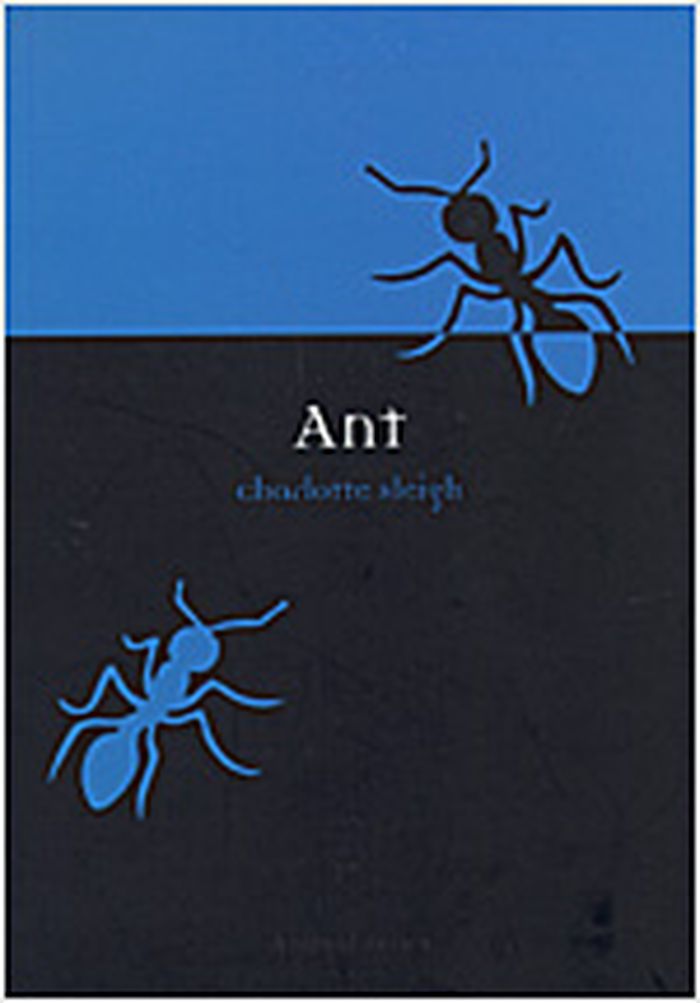
Ants are legion: at present there are 11,006 species of ant known; they live everywhere in the world except the polar icecaps; and the combined weight of the ant population has been estimated to make up half the mass of all insects alive today. When we encounter them outdoors, ants fascinate us; discovered in our kitchen cupboards, they elicit horror and disgust. Charlotte Sleigh’s 'Ant' elucidates the cultural reasons behind our varied reactions to these extraordinary insects, and considers the variety of responses that humans have expressed at different times and in different places to their intricate, miniature societies. Ants have figured as fantasy miniature armies, as models of good behaviour, as infiltrating communists and as creatures on the borderline between the realms of the organic and the machine: in 1977 British Telecom hired ant experts to help solve problems with their massive information network. This is the first book to examine ants in these and many other such guises, and in so doing opens up broader issues about the history of science and humans’ relations with the natural world. It will be of interest to anyone who likes natural history or cultural studies, or who has ever rushed out and bought a can of Raid™.
Classification:
livres
livres
Publication:
janvier 1900, London
janvier 1900, London
Sujet:
Faune et flore
Faune et flore
Classification:
livres
livres
Actions:
Prix:
$39.95
(disponible en magasin)
Résumé:
In the mid 1960s Aldo Rossi launched what in retrospect appears a heroic endeavour: a redefinition of architecture founded in the knowledge of the rules and forms that constitute "the European city". Understanding this type of city as a collective artefact, Rossi sought to lead architecture out of the impasse created by a technocratic interpretation of functionalism after(...)
Titre:
OASE 62 : architecture and the project of the city
Actions:
Prix:
$39.95
(disponible en magasin)
Résumé:
In the mid 1960s Aldo Rossi launched what in retrospect appears a heroic endeavour: a redefinition of architecture founded in the knowledge of the rules and forms that constitute "the European city". Understanding this type of city as a collective artefact, Rossi sought to lead architecture out of the impasse created by a technocratic interpretation of functionalism after World War II. Tendenza, with Aldo Rossi and Giorgio Grassi as its main protagonists, proposed the study of existing cities as architectural phenomena, intending to identify enduring formal patterns that could be reworked into elements of a new design. In this issue of "OASE" these ideas and their bearings on architectural practice are traced through the work of Carel Weeber, arguably the most controversial and successful architect to adopt the Italian ideas and transform them in the Dutch context. This issue will examine the relevance of the experience of Tendenza now, against the background of the almost complete erosion of the urban nature of much of suburbanized Europe. Is the reference to "the European city" still tenable? The transformation of these ideas and design solutions in Holland allows us to gauge their effect on the architectural discipline and their contribution to rethinking existing cities.
Classification:
livres
livres
Publication:
octobre 2003, Rotterdam
octobre 2003, Rotterdam
Sujet:
Revues, anciens numéros
Revues, anciens numéros
Classification:
livres
livres
Actions:
Prix:
$99.00
(disponible sur commande)
Résumé:
This paradigm shift is reflected in architecture as well: in recent years, increasingly innovative collective housing projects, organized around the principle of trading-in private spaces for larger, more luxurious shared spaces, have been emerging across the globe—many of them realized through bottom-up grassroots initiatives. The return of the collective in architecture(...)
Titre:
Together! The new architecture of the collective
Actions:
Prix:
$99.00
(disponible sur commande)
Résumé:
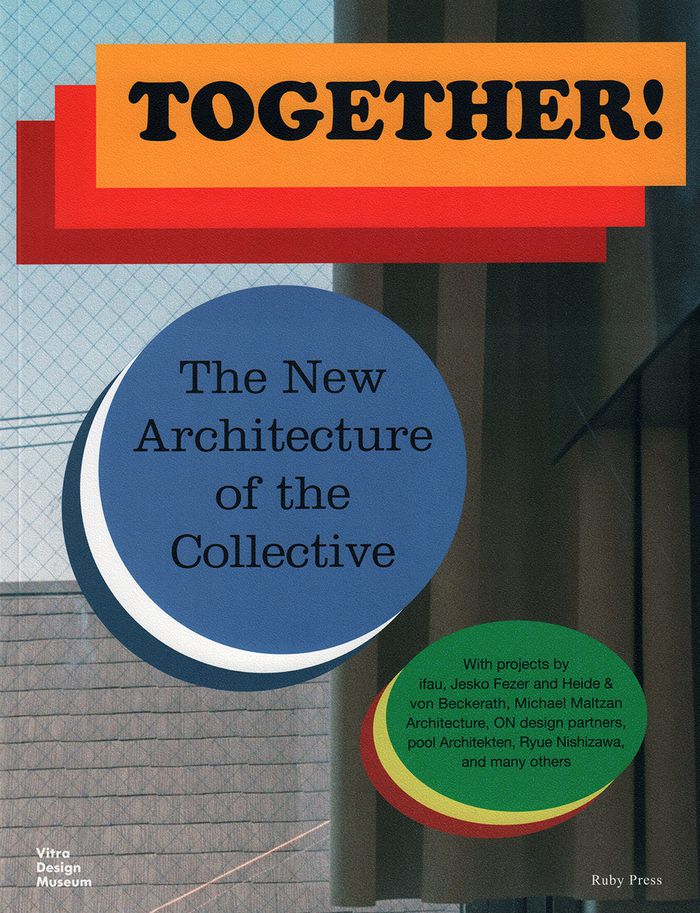
This paradigm shift is reflected in architecture as well: in recent years, increasingly innovative collective housing projects, organized around the principle of trading-in private spaces for larger, more luxurious shared spaces, have been emerging across the globe—many of them realized through bottom-up grassroots initiatives. The return of the collective in architecture has resulted in surprising architectural solutions that also create new urban spaces. "Together! The new architecture of the collective" presents around 20 international building projects from Europe, Japan and the US that provide innovative platforms for collective living in the present day. A selection of projects is discussed in detail, and extensive photo essays offer vivid impressions of the daily collective and private life and everyday routines in these buildings. Interviews with movers and shakers from the collective housing scene, written by international journalists, offer insights and background information on the processes and people that have made each project possible. All this is complemented by theoretical and historical context, including analytical essays by experts in the field, infographics providing facts and figures, diagrams explaining how different collective housing models work and an extensive timeline detailing the genealogy of the collective housing movement in the 20th century.
Classification:
livres
livres
Publication:
août 2017
août 2017
Sujet:
Logements collectifs
Logements collectifs
Classification:
livres
livres
Actions:
Prix:
$26.95
(disponible sur commande)
Résumé:
Matsutake is the most valuable mushroom in the world—and a weed that grows in human-disturbed forests across the northern hemisphere. Through its ability to nurture trees, matsutake helps forests to grow in daunting places. It is also an edible delicacy in Japan, where it sometimes commands astronomical prices. In all its contradictions, matsutake offers insights into(...)
Publication:
septembre 2017
septembre 2017
Titre:
The mushroom at the end of the world: on the possiblity of life in capitalist ruins
Actions:
Prix:
$26.95
(disponible sur commande)
Résumé:
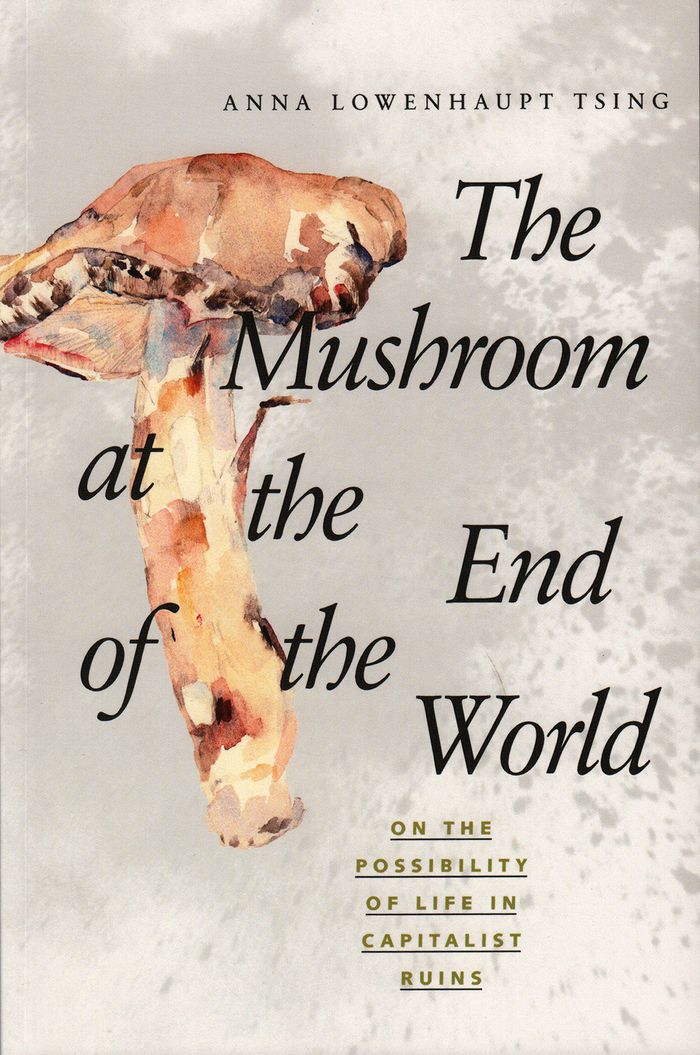
Matsutake is the most valuable mushroom in the world—and a weed that grows in human-disturbed forests across the northern hemisphere. Through its ability to nurture trees, matsutake helps forests to grow in daunting places. It is also an edible delicacy in Japan, where it sometimes commands astronomical prices. In all its contradictions, matsutake offers insights into areas far beyond just mushrooms and addresses a crucial question: what manages to live in the ruins we have made? A tale of diversity within our damaged landscapes, "The mushroom at the end of the world" follows one of the strangest commodity chains of our times to explore the unexpected corners of capitalism. Here, we witness the varied and peculiar worlds of matsutake commerce: the worlds of Japanese gourmets, capitalist traders, Hmong jungle fighters, industrial forests, Yi Chinese goat herders, Finnish nature guides, and more. These companions also lead us into fungal ecologies and forest histories to better understand the promise of cohabitation in a time of massive human destruction. By investigating one of the world's most sought-after fungi, The Mushroom at the End of the World presents an original examination into the relation between capitalist destruction and collaborative survival within multispecies landscapes, the prerequisite for continuing life on earth.
Classification:
livres
livres
Publication:
septembre 2017
septembre 2017
Classification:
livres
livres
Actions:
Prix:
$81.50
(disponible sur commande)
Résumé:
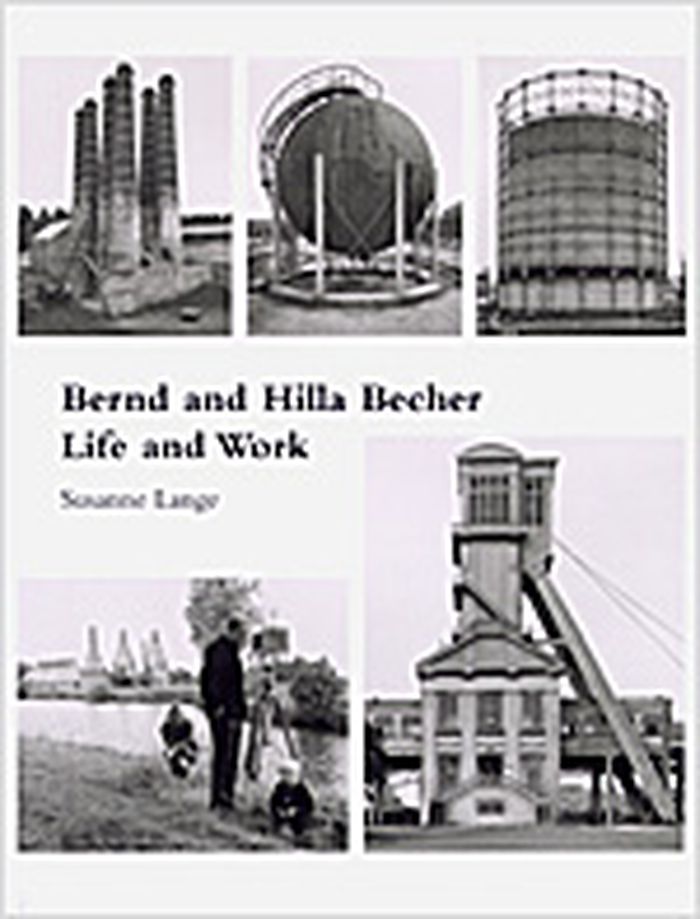
Bernd and Hilla Becher's lifetime project of documenting the industrial landscape of our time secures their position in the canon of postwar photographers. Their work - at once conceptual art, typological study, and topological documentation - has influenced German photographers of a younger generation, including Thomas Struth, Thomas Demand, Candida Höfer, Thomas Ruff,(...)
Titre:
Bernd and Hiller Becher : life and work
Actions:
Prix:
$81.50
(disponible sur commande)
Résumé:
Bernd and Hilla Becher's lifetime project of documenting the industrial landscape of our time secures their position in the canon of postwar photographers. Their work - at once conceptual art, typological study, and topological documentation - has influenced German photographers of a younger generation, including Thomas Struth, Thomas Demand, Candida Höfer, Thomas Ruff, and Andreas Gursky. This compelling, exhaustively documented biography describes the Bechers' life and work and offers a critical assessment of their place in the history of photography. Becher scholar Susanne Lange, granted access to the photographers' archives and quoting extensively from interviews with them, writes the first sustained analysis and biography of the Bechers' extraordinary partnership. She discusses, among other topics, both the functionalist and aesthetic dimensions of the Bechers' subject matter, their typologizing (which she finds reminiscent of nineteenth-century naturalists' classificatory schemes), and the anonymous industrial building style favored by German architects. She argues that industrial building types impose themselves on our consciousness as the cathedral did on that of the Middle Ages, and that the Bechers' photographs -which seem at first glance only to record a vanishing landscape - serve to examine this shaping of our perceptions. Their work provides us with a rare opportunity to see how we see.
Classification:
livres
livres
Publication:
novembre 2006, Cambridge (MA), London
novembre 2006, Cambridge (MA), London
Sujet:
Monographies photo
Monographies photo
Classification:
livres
livres

Titre:
Étapes 03 : international
Étapes 03 : international
Actions:
Prix:
$45.50
(disponible sur commande)
Résumé:
Exhibitions, platform events and publications track graphic design and boost its development. They enable designers and enthusiasts to keep tabs on recent experiments in the discipline and to appreciate the work of its stellar exponents. Indeed the public at large is starting to acquire an affinity and a feel for this strand of graphic culture. Tapping this trend, graphic(...)
Publication:
septembre 2005, Paris
septembre 2005, Paris
Titre:
Étapes 03 : international
Actions:
Prix:
$45.50
(disponible sur commande)
Résumé:
Exhibitions, platform events and publications track graphic design and boost its development. They enable designers and enthusiasts to keep tabs on recent experiments in the discipline and to appreciate the work of its stellar exponents. Indeed the public at large is starting to acquire an affinity and a feel for this strand of graphic culture. Tapping this trend, graphic design is still an applied art with the ability to cross over into other creative approaches and other cultures. British pop culture and musical genres are good examples of this. Vaughan Oliver is one of the graphic designers to have been spotted and then elevated to stardom for their work with a label, band or publication. Yet the picking-out of an individual style or attitude must not let us forget, and must not mask, the fact that the quality of such graphic output stems primarily from its complementarity with its subject. For Blue Note or 4AD, beautiful sleeves weren’t vital; the music and editorial project took pride of place. A lesser talent of the designers behind the artwork was to grasp this state of affairs and act accordingly. Peer recognition is relatively secondary, though it has the merit of underscoring excellence – and, even better, the exacting quest for the finest possible result.
Classification:
livres
livres
Publication:
septembre 2005, Paris
septembre 2005, Paris
Classification:
livres
livres

Actions:
Prix:
$48.00
(disponible sur commande)
Résumé:
In a sweeping panorama, Weatherland allows us to witness England’s cultural climates across the centuries. Before the Norman Conquest, Anglo-Saxons living in a wintry world wrote about the coldness of exile or the shelters they had to defend against enemies outside. The Middle Ages brought the warmth of spring; the new lyrics were sung in praise of blossoms and cuckoos.(...)
Titre:
Weatherland: writers and artists under English skies
Actions:
Prix:
$48.00
(disponible sur commande)
Résumé:
In a sweeping panorama, Weatherland allows us to witness England’s cultural climates across the centuries. Before the Norman Conquest, Anglo-Saxons living in a wintry world wrote about the coldness of exile or the shelters they had to defend against enemies outside. The Middle Ages brought the warmth of spring; the new lyrics were sung in praise of blossoms and cuckoos. Descriptions of a rainy night are rare before 1700, but by the end of the eighteenth century the Romantics had adopted the squall as a fit subject for their most probing thoughts. The weather is vast and yet we experience it intimately, and Alexandra Harris builds her story from small evocative details. There is the drawing of a twelfth-century man in February, warming bare toes by the fire. There is the tiny glass left behind from the Frost Fair of 1684, and the Sunspan house in Angmering that embodies the bright ambitions of the 1930s. Harris catches the distinct voices of compelling individuals. “Bloody cold,” says Jonathan Swift in the “slobbery” January of 1713. Percy Shelley wants to become a cloud and John Ruskin wants to bottle one. Weatherland is a celebration of English air and a life story of those who have lived in it.
Classification:
livres
livres
Publication:
mars 2016
mars 2016
Sujet:
Théorie de l’art
Théorie de l’art
Classification:
livres
livres
Prix:
$39.00
(disponible sur commande)
Résumé:
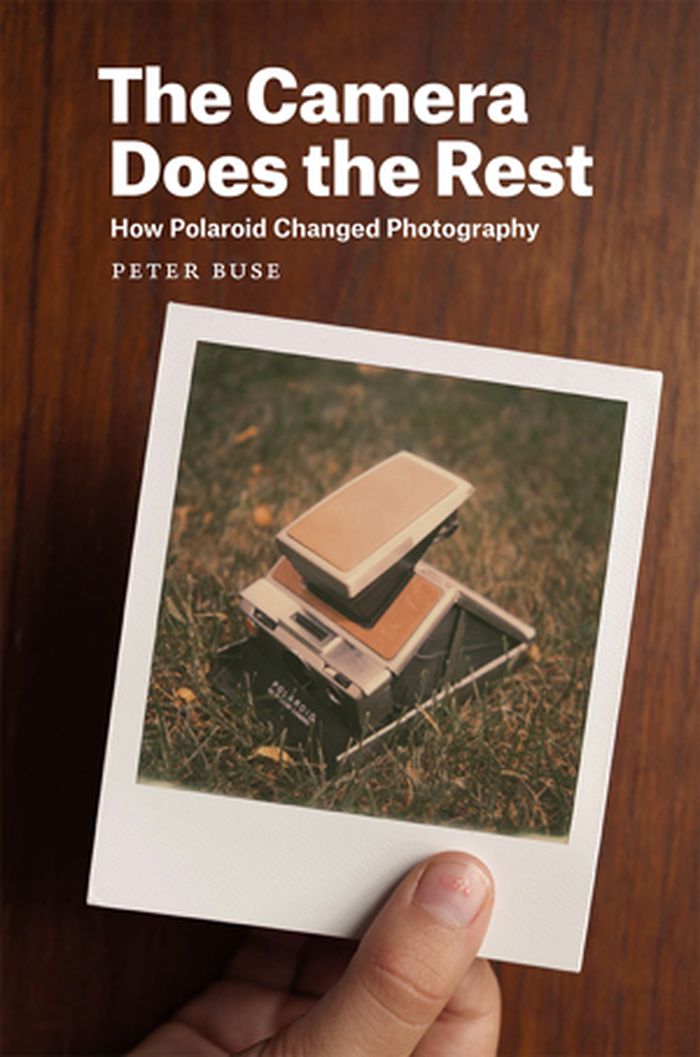
Writing in the context of two Polaroid Corporation bankruptcies, not to mention the obsolescence of its film, Peter Buse argues that Polaroid was, and is, distinguished by its process—by the fact that, as the New York Times put it in 1947, “the camera does the rest.” Polaroid was often dismissed as a toy, but Buse takes it seriously, showing how it(...)
Titre:
The camera does the rest: how Polaroid changed photography
Actions:
Prix:
$39.00
(disponible sur commande)
Résumé:
Writing in the context of two Polaroid Corporation bankruptcies, not to mention the obsolescence of its film, Peter Buse argues that Polaroid was, and is, distinguished by its process—by the fact that, as the New York Times put it in 1947, “the camera does the rest.” Polaroid was often dismissed as a toy, but Buse takes it seriously, showing how it encouraged photographic play as well as new forms of artistic practice. Drawing on unprecedented access to the archives of the Polaroid Corporation, Buse reveals Polaroid as photography at its most intimate, where the photographer, photograph, and subject sit in close proximity in both time and space—making Polaroid not only the perfect party camera but also the tool for frankly salacious pictures taking. Along the way, Buse tells the story of the Polaroid Corporation and its ultimately doomed hard-copy wager against the rising tide of digital imaging technology. He explores the continuities and the differences between Polaroid and digital, reflecting on what Polaroid can tell us about how we snap photos today. Richly illustrated, The Camera Does the Rest will delight historians, art critics, analog fanatics, photographers, and all those who miss the thrill of waiting to see what develops.
Classification:
livres
livres
Publication:
avril 2016
avril 2016
Sujet:
Théorie de la photographie
Théorie de la photographie
Classification:
livres
livres
Titre:
New architecture London
New architecture London
Actions:
Prix:
$58.50
(disponible en magasin)
Résumé:
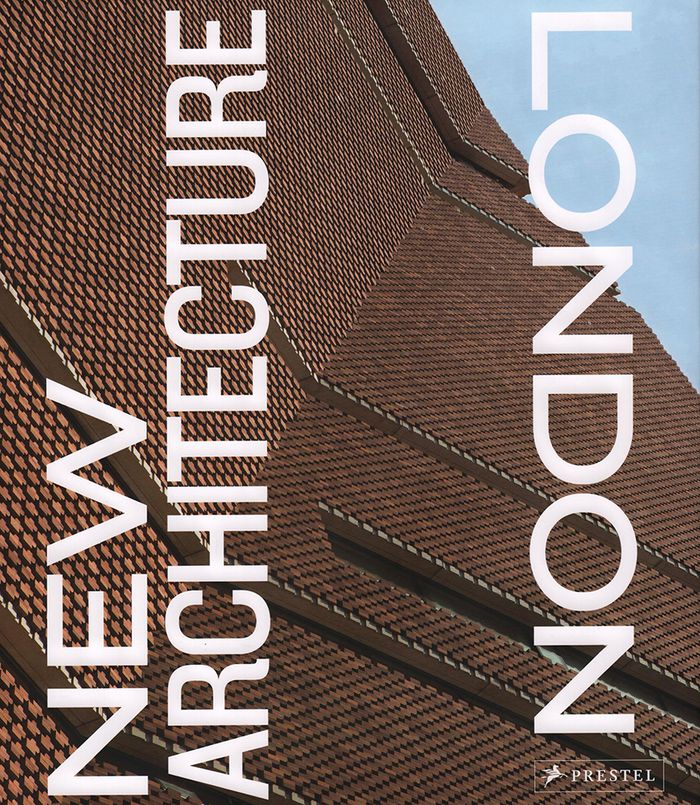
London has always been known for its iconic buildings, but the city has recently witnessed an explosion of new architecture from the world’s most acclaimed architects. This breathtaking volume offers a fascinating look at the city’s rapidly changing skyline and celebrates the enormous array of styles, materials, and cutting-edge technology that have been employed by(...)
Publication:
avril 2017
avril 2017
Titre:
New architecture London
Actions:
Prix:
$58.50
(disponible en magasin)
Résumé:
London has always been known for its iconic buildings, but the city has recently witnessed an explosion of new architecture from the world’s most acclaimed architects. This breathtaking volume offers a fascinating look at the city’s rapidly changing skyline and celebrates the enormous array of styles, materials, and cutting-edge technology that have been employed by today’s leading architects. The projects profiled here—brought to life by photographer Richard Schulman—range from dance and aquatic centers to world-class museums and global office headquarters. The book includes Rafael Viñoly’s “Walkie-Talkie” and “The Gherkin” by Foster + Partners, as well as Renzo Piano’s mixed-use skyscraper, “The Shard,” across the Thames. Tucked into a medieval alley, OMA’s New Court Rothschild Bank nimbly juxtaposes contemporary features with more traditional ones. Meanwhile, alongside St. Paul’s Cathedral, Jean Nouvel’s One New Change cleverly plays off its storied environs with an ingeniously constructed glass block that allows for multiple views of the iconic church. From the Tate Modern extension to the Emirates Airline tram, and from the Peckham Library to the US Embassy building, no new stone is left unturned or unremarked upon. This book demonstrates how one of the world’s oldest cities manages to feel eternally new and exciting.
Classification:
livres
livres
Publication:
avril 2017
avril 2017


