


520 Résultats
Classification:
livres
livres
Titre:
This house is not a home
This house is not a home
Actions:
Prix:
$24.00
(disponible sur commande)
Résumé:
After a hunting trip one fall, a family in the far reaches of so-called Canada’s north return to nothing but an empty space where their home once stood. Finding themselves suddenly homeless, they have no choice but to assimilate into settler-colonial society in a mining town that has encroached on their freedom.This intergenerational coming-of-age novel follows Ko`, a(...)
$24.00
(disponible sur commande)
Résumé:
After a hunting trip one fall, a family in the far reaches of so-called Canada’s north return to nothing but an empty space where their home once stood. Finding themselves suddenly homeless, they have no choice but to assimilate into settler-colonial society in a mining town that has encroached on their freedom.This intergenerational coming-of-age novel follows Ko`, a(...)
Titre:
This house is not a home
Actions:
Prix:
$24.00
(disponible sur commande)
Résumé:
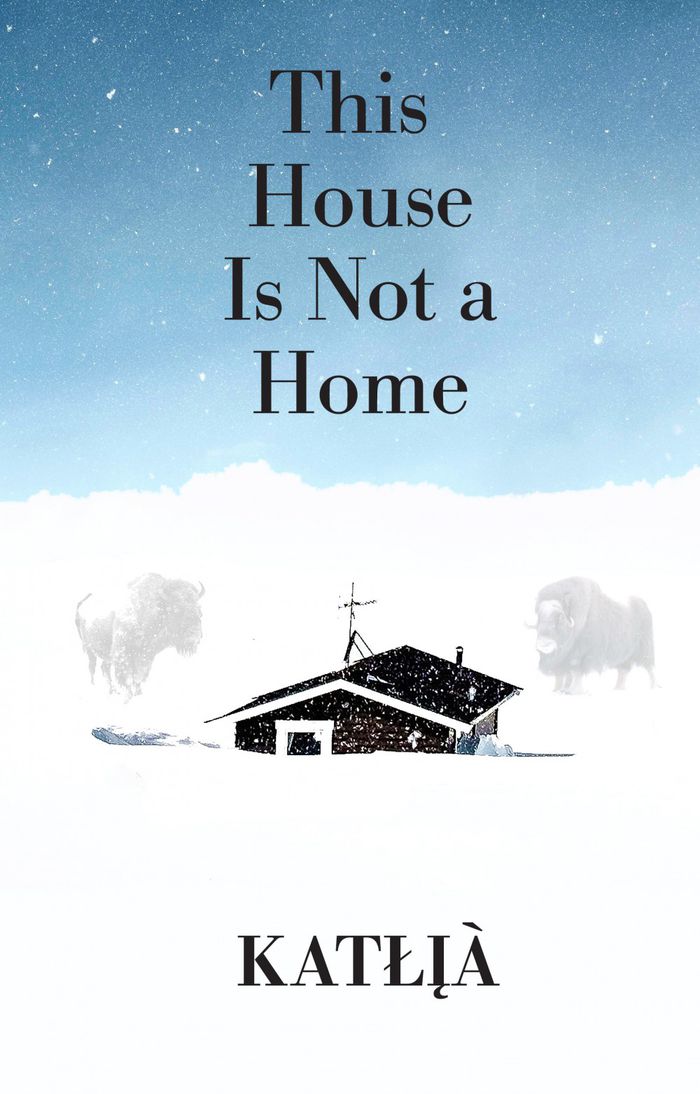
After a hunting trip one fall, a family in the far reaches of so-called Canada’s north return to nothing but an empty space where their home once stood. Finding themselves suddenly homeless, they have no choice but to assimilate into settler-colonial society in a mining town that has encroached on their freedom.This intergenerational coming-of-age novel follows Ko`, a Dene man who grew up entirely on the land before being taken to residential school. When he finally returns home, he struggles to connect with his family: his younger brother whom he has never met, his mother because he has lost his language, and an absent father whose disappearance he is too afraid to question. The third book from acclaimed Dene, Cree and Metis writer Katlià, this is a fictional story based on true events, presenting a clear trajectory of how settlers dispossessed Indigenous Peoples of their land — and how Indigenous communities, with dignity and resilience, continue to live and honour their culture, values, inherent knowledge systems, and Indigenous rights towards re-establishing sovereignty.
This house is not a home
Actions:
Prix:
$24.00
(disponible sur commande)
Résumé:
After a hunting trip one fall, a family in the far reaches of so-called Canada’s north return to nothing but an empty space where their home once stood. Finding themselves suddenly homeless, they have no choice but to assimilate into settler-colonial society in a mining town that has encroached on their freedom.This intergenerational coming-of-age novel follows Ko`, a Dene man who grew up entirely on the land before being taken to residential school. When he finally returns home, he struggles to connect with his family: his younger brother whom he has never met, his mother because he has lost his language, and an absent father whose disappearance he is too afraid to question. The third book from acclaimed Dene, Cree and Metis writer Katlià, this is a fictional story based on true events, presenting a clear trajectory of how settlers dispossessed Indigenous Peoples of their land — and how Indigenous communities, with dignity and resilience, continue to live and honour their culture, values, inherent knowledge systems, and Indigenous rights towards re-establishing sovereignty.
Classification:
livres
livres
Publication:
septembre 2022
septembre 2022
Sujet:
Autochtone
Autochtone
Classification:
livres
livres

Actions:
Prix:
$15.95
(disponible sur commande)
Résumé:
For decades, the Inuit of northern Québec were among the most neglected people in Canada. It took The Battle of James Bay, 1971-1975, for the governments in Québec City and Ottawa to wake up to the disgrace. In this concise, lively account, Zebedee Nungak relates the inside story of how the young Inuit and Cree ''Davids'' took action when Québec began construction on the(...)
$15.95
(disponible sur commande)
Résumé:
For decades, the Inuit of northern Québec were among the most neglected people in Canada. It took The Battle of James Bay, 1971-1975, for the governments in Québec City and Ottawa to wake up to the disgrace. In this concise, lively account, Zebedee Nungak relates the inside story of how the young Inuit and Cree ''Davids'' took action when Québec began construction on the(...)
Titre:
Wrestling with colonialism on steroids: Quebec Inuit fight for the homeland
Actions:
Prix:
$15.95
(disponible sur commande)
Résumé:
For decades, the Inuit of northern Québec were among the most neglected people in Canada. It took The Battle of James Bay, 1971-1975, for the governments in Québec City and Ottawa to wake up to the disgrace. In this concise, lively account, Zebedee Nungak relates the inside story of how the young Inuit and Cree ''Davids'' took action when Québec began construction on the giant James Bay hydro project. They fought in court and at the negotiation table for an accord that effectively became Canada’s first land-claims agreement. Nungak’s account is accompanied by his essays on Nunavik history. Together they provide a fascinating insight into a virtually unknown chapter of Canadian history.
Wrestling with colonialism on steroids: Quebec Inuit fight for the homeland
Actions:
Prix:
$15.95
(disponible sur commande)
Résumé:
For decades, the Inuit of northern Québec were among the most neglected people in Canada. It took The Battle of James Bay, 1971-1975, for the governments in Québec City and Ottawa to wake up to the disgrace. In this concise, lively account, Zebedee Nungak relates the inside story of how the young Inuit and Cree ''Davids'' took action when Québec began construction on the giant James Bay hydro project. They fought in court and at the negotiation table for an accord that effectively became Canada’s first land-claims agreement. Nungak’s account is accompanied by his essays on Nunavik history. Together they provide a fascinating insight into a virtually unknown chapter of Canadian history.
Classification:
livres
livres
Publication:
septembre 2017
septembre 2017
Sujet:
Autochtone
Autochtone
Classification:
livres
livres
Actions:
Prix:
$25.00
(disponible sur commande)
Résumé:
Chasseur, pêcheur, trappeur et homme politique, Taamusi Qumaq (1914-1993) est considéré comme l'un des grands penseurs des Inuit du Nunavik. Bien qu'unilingue en inuktitut, ce personnage exceptionnel a consacré sa vie à consigner, à l'écrit, la vie des siens ainsi que leur langue – et il s'est à ce titre mérité la reconnaissance de plusieurs institutions, dont celle de(...)
$25.00
(disponible sur commande)
Résumé:
Chasseur, pêcheur, trappeur et homme politique, Taamusi Qumaq (1914-1993) est considéré comme l'un des grands penseurs des Inuit du Nunavik. Bien qu'unilingue en inuktitut, ce personnage exceptionnel a consacré sa vie à consigner, à l'écrit, la vie des siens ainsi que leur langue – et il s'est à ce titre mérité la reconnaissance de plusieurs institutions, dont celle de(...)
Titre:
Je veux que les Inuit soient libres de nouveau
Actions:
Prix:
$25.00
(disponible sur commande)
Résumé:
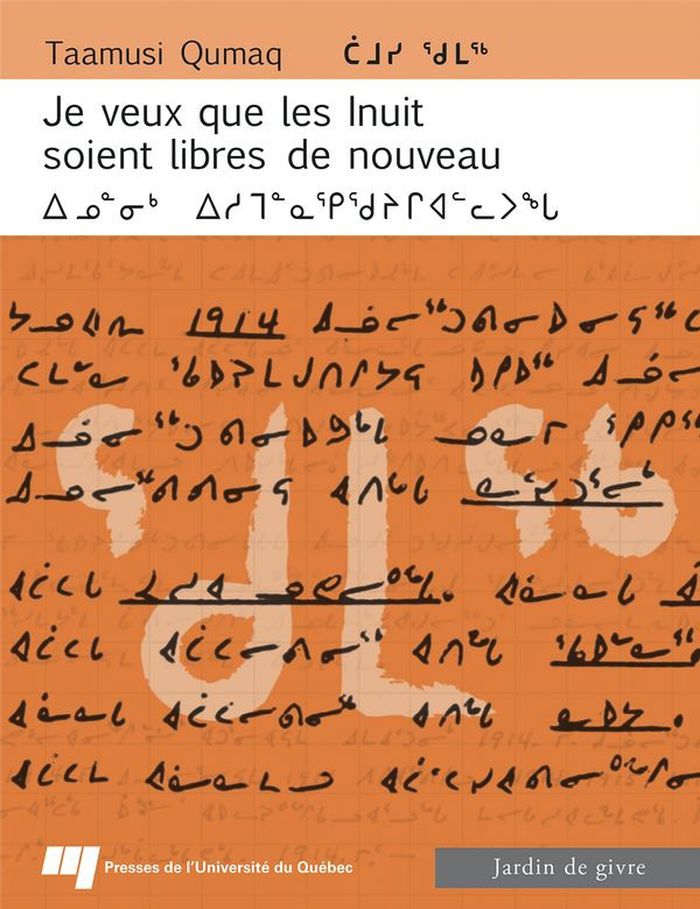
Chasseur, pêcheur, trappeur et homme politique, Taamusi Qumaq (1914-1993) est considéré comme l'un des grands penseurs des Inuit du Nunavik. Bien qu'unilingue en inuktitut, ce personnage exceptionnel a consacré sa vie à consigner, à l'écrit, la vie des siens ainsi que leur langue – et il s'est à ce titre mérité la reconnaissance de plusieurs institutions, dont celle de l'Assemblée nationale du Québec. Son autobiographie, dont on retrouvera ici la traduction en français, ainsi que pour la première fois sous forme de livre le texte original en inuktitut, constitue un document de grande importance, tant pour les Inuit qui trouveront en lui un modèle, que pour les lecteurs du monde entier qui accèdent par ses mots à un univers culturel fascinant. Avec une introduction de Louis-Jacques Dorais, professeur à l'Université Laval. Ce livre est publié en collaboration avec l'Institut culturel Avataq.
Je veux que les Inuit soient libres de nouveau
Actions:
Prix:
$25.00
(disponible sur commande)
Résumé:
Chasseur, pêcheur, trappeur et homme politique, Taamusi Qumaq (1914-1993) est considéré comme l'un des grands penseurs des Inuit du Nunavik. Bien qu'unilingue en inuktitut, ce personnage exceptionnel a consacré sa vie à consigner, à l'écrit, la vie des siens ainsi que leur langue – et il s'est à ce titre mérité la reconnaissance de plusieurs institutions, dont celle de l'Assemblée nationale du Québec. Son autobiographie, dont on retrouvera ici la traduction en français, ainsi que pour la première fois sous forme de livre le texte original en inuktitut, constitue un document de grande importance, tant pour les Inuit qui trouveront en lui un modèle, que pour les lecteurs du monde entier qui accèdent par ses mots à un univers culturel fascinant. Avec une introduction de Louis-Jacques Dorais, professeur à l'Université Laval. Ce livre est publié en collaboration avec l'Institut culturel Avataq.
Classification:
livres
livres
Publication:
août 2020
août 2020
Sujet:
Autochtone
Autochtone
Classification:
livres
livres
Actions:
Prix:
$26.99
(disponible en magasin)
Résumé:
In 'As we have always done', Leanne Betasamosake Simpson locates Indigenous political resurgence as a practice rooted in uniquely Indigenous theorizing, writing, organizing, and thinking. Indigenous resistance is a radical rejection of contemporary colonialism focused around the refusal of the dispossession of both Indigenous bodies and land. Simpson makes clear that(...)
$26.99
(disponible en magasin)
Résumé:
In 'As we have always done', Leanne Betasamosake Simpson locates Indigenous political resurgence as a practice rooted in uniquely Indigenous theorizing, writing, organizing, and thinking. Indigenous resistance is a radical rejection of contemporary colonialism focused around the refusal of the dispossession of both Indigenous bodies and land. Simpson makes clear that(...)
Titre:
As we have always done: Indigenous freedom through radical resistance
Actions:
Prix:
$26.99
(disponible en magasin)
Résumé:
In 'As we have always done', Leanne Betasamosake Simpson locates Indigenous political resurgence as a practice rooted in uniquely Indigenous theorizing, writing, organizing, and thinking. Indigenous resistance is a radical rejection of contemporary colonialism focused around the refusal of the dispossession of both Indigenous bodies and land. Simpson makes clear that its goal can no longer be cultural resurgence as a mechanism for inclusion in a multicultural mosaic. Instead, she calls for unapologetic, place-based Indigenous alternatives to the destructive logics of the settler colonial state, including heteropatriarchy, white supremacy, and capitalist exploitation.
As we have always done: Indigenous freedom through radical resistance
Actions:
Prix:
$26.99
(disponible en magasin)
Résumé:
In 'As we have always done', Leanne Betasamosake Simpson locates Indigenous political resurgence as a practice rooted in uniquely Indigenous theorizing, writing, organizing, and thinking. Indigenous resistance is a radical rejection of contemporary colonialism focused around the refusal of the dispossession of both Indigenous bodies and land. Simpson makes clear that its goal can no longer be cultural resurgence as a mechanism for inclusion in a multicultural mosaic. Instead, she calls for unapologetic, place-based Indigenous alternatives to the destructive logics of the settler colonial state, including heteropatriarchy, white supremacy, and capitalist exploitation.
Classification:
livres
livres
Publication:
janvier 2021
janvier 2021
Sujet:
Autochtone
Autochtone
Classification:
livres
livres
Titre:
Sanaaq: An Inuit novel
Sanaaq: An Inuit novel
Actions:
Prix:
$24.95
(disponible sur commande)
Résumé:
This book is an intimate story of an Inuit family negotiating the changes brought into their community by the coming of the qallunaat, the white people. Composed in 48 episodes, it recounts the daily life of Sanaaq, a strong and outspoken young widow, her daughter Qumaq, and their small semi-nomadic community in northern Quebec. Here they live their lives hunting seal,(...)
$24.95
(disponible sur commande)
Résumé:
This book is an intimate story of an Inuit family negotiating the changes brought into their community by the coming of the qallunaat, the white people. Composed in 48 episodes, it recounts the daily life of Sanaaq, a strong and outspoken young widow, her daughter Qumaq, and their small semi-nomadic community in northern Quebec. Here they live their lives hunting seal,(...)
Titre:
Sanaaq: An Inuit novel
Actions:
Prix:
$24.95
(disponible sur commande)
Résumé:
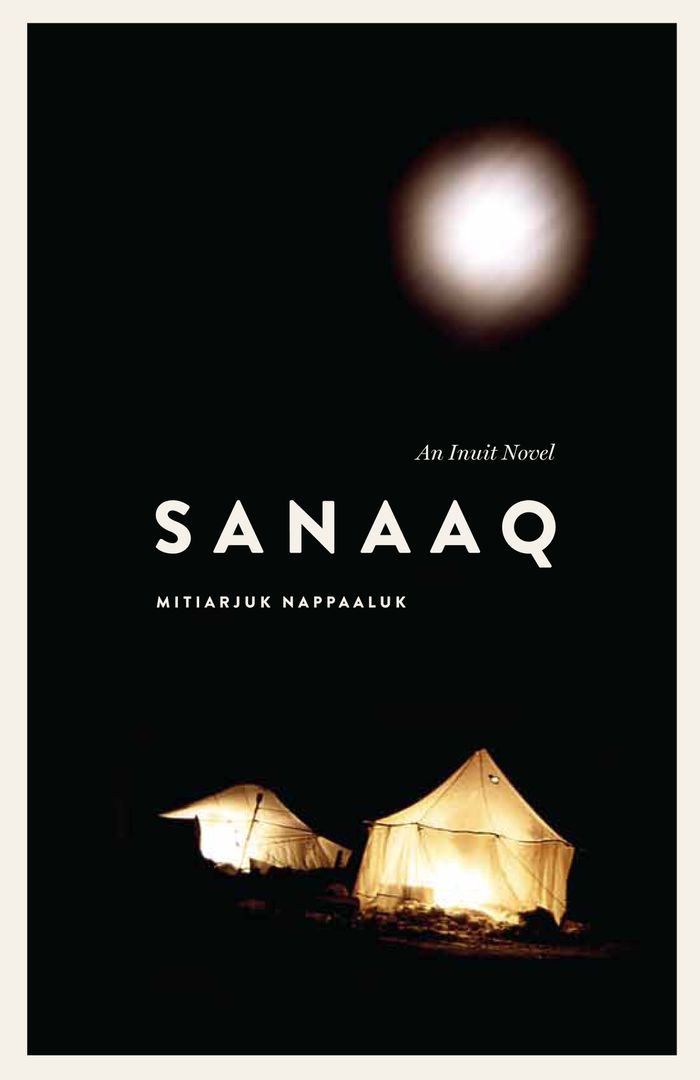
This book is an intimate story of an Inuit family negotiating the changes brought into their community by the coming of the qallunaat, the white people. Composed in 48 episodes, it recounts the daily life of Sanaaq, a strong and outspoken young widow, her daughter Qumaq, and their small semi-nomadic community in northern Quebec. Here they live their lives hunting seal, repairing their kayak, and gathering mussels under blue sea ice before the tide comes in. These are ordinary extraordinary lives: marriages are made and unmade, children are born and named, violence appears in the form of a fearful husband or a hungry polar bear. Here the spirit world is alive and relations with non-humans are never taken lightly. And under it all, the growing intrusion of the qallunaat and the battle for souls between the Catholic and Anglican missionaries threatens to forever change the way of life of Sanaaq and her young family.
Sanaaq: An Inuit novel
Actions:
Prix:
$24.95
(disponible sur commande)
Résumé:
This book is an intimate story of an Inuit family negotiating the changes brought into their community by the coming of the qallunaat, the white people. Composed in 48 episodes, it recounts the daily life of Sanaaq, a strong and outspoken young widow, her daughter Qumaq, and their small semi-nomadic community in northern Quebec. Here they live their lives hunting seal, repairing their kayak, and gathering mussels under blue sea ice before the tide comes in. These are ordinary extraordinary lives: marriages are made and unmade, children are born and named, violence appears in the form of a fearful husband or a hungry polar bear. Here the spirit world is alive and relations with non-humans are never taken lightly. And under it all, the growing intrusion of the qallunaat and the battle for souls between the Catholic and Anglican missionaries threatens to forever change the way of life of Sanaaq and her young family.
Classification:
livres
livres
Publication:
janvier 2014
janvier 2014
Sujet:
Autochtone
Autochtone
Classification:
livres
livres
Titre:
Le musée du quai Branly
Le musée du quai Branly
Actions:
Prix:
$62.95
(disponible sur commande)
Résumé:
L’ouverture du musée du quai Branly est l’aboutissement d’un rêve déjà ancien : celui de Claude Lévi-Strauss d’abord, d’André Malraux ensuite et enfin celui né de la rencontre entre Jacques Chirac, passionné depuis toujours par les arts du bout du monde, et Jacques Kerchache, auteur du manifeste «Les chefs-d’œuvre du monde entier naissent libres et égaux en droit». De(...)
$62.95
(disponible sur commande)
Résumé:
L’ouverture du musée du quai Branly est l’aboutissement d’un rêve déjà ancien : celui de Claude Lévi-Strauss d’abord, d’André Malraux ensuite et enfin celui né de la rencontre entre Jacques Chirac, passionné depuis toujours par les arts du bout du monde, et Jacques Kerchache, auteur du manifeste «Les chefs-d’œuvre du monde entier naissent libres et égaux en droit». De(...)
Publication:
octobre 2006, Paris
octobre 2006, Paris
Titre:
Le musée du quai Branly
Actions:
Prix:
$62.95
(disponible sur commande)
Résumé:
L’ouverture du musée du quai Branly est l’aboutissement d’un rêve déjà ancien : celui de Claude Lévi-Strauss d’abord, d’André Malraux ensuite et enfin celui né de la rencontre entre Jacques Chirac, passionné depuis toujours par les arts du bout du monde, et Jacques Kerchache, auteur du manifeste «Les chefs-d’œuvre du monde entier naissent libres et égaux en droit». De cette ferveur commune pour les arts non occidentaux est née l’idée de créer un lieu qui rende aux cultures minoritaires leur juste place dans les institutions muséales de la France. Dès 1995, le président de la République m’a demandé de conduire un groupe de réflexion sur ce futur musée. Le projet ne s’est pas fait en un jour, il a suscité des débats, traversé des tempêtes, rencontré des détracteurs, nourri des passions. L’accueil enthousiaste que le public réserve au musée du quai Branly depuis son ouverture est bien plus qu’une récompense, c’est la démonstration qu’une telle institution répond à une attente réelle et légitime et que ceux qui l’ont voulue avaient compris cette nécessité culturelle. Le projet architectural du musée du quai Branly est atypique. Il témoigne de la maturité du travail de Jean Nouvel. Répondant à des exigences spécifiques en matière d’image, d’identité, d’accessibilité et d’insertion urbaine, bénéficiant d’un site exceptionnel, à l’ombre de la tour Eiffel, il joue sur l’émotion, le dépaysement, la joie de la découverte. Le bâtiment, par son architecture novatrice, incarne parfaitement les ambitions qui étaient au cœur de ce grand projet : la tolérance, la reconnaissance et le respect des différences. Affirmation du refus d’une conception étriquée des savoirs et d’une hiérarchie des arts établie au détriment des productions artistiques des autres continents, il illustre l’engagement de la France voulu par Jacques Chirac en faveur de la diversité culturelle. C’est au contact des artistes, chercheurs et muséologues étrangers que se tisseront maintenant des liens durables avec la communauté scientifique et culturelle internationale. C’est aussi au contact des peuples autochtones que se forgera une appréhension plus juste de la manière de présenter et de faire vivre leurs patrimoines. Souhaitons que l’échange de ces regards et de ces questionnements nourrisse et enrichisse cette jeune et belle institution. Jacques Friedmann, Président d’honneur
Le musée du quai Branly
Actions:
Prix:
$62.95
(disponible sur commande)
Résumé:
L’ouverture du musée du quai Branly est l’aboutissement d’un rêve déjà ancien : celui de Claude Lévi-Strauss d’abord, d’André Malraux ensuite et enfin celui né de la rencontre entre Jacques Chirac, passionné depuis toujours par les arts du bout du monde, et Jacques Kerchache, auteur du manifeste «Les chefs-d’œuvre du monde entier naissent libres et égaux en droit». De cette ferveur commune pour les arts non occidentaux est née l’idée de créer un lieu qui rende aux cultures minoritaires leur juste place dans les institutions muséales de la France. Dès 1995, le président de la République m’a demandé de conduire un groupe de réflexion sur ce futur musée. Le projet ne s’est pas fait en un jour, il a suscité des débats, traversé des tempêtes, rencontré des détracteurs, nourri des passions. L’accueil enthousiaste que le public réserve au musée du quai Branly depuis son ouverture est bien plus qu’une récompense, c’est la démonstration qu’une telle institution répond à une attente réelle et légitime et que ceux qui l’ont voulue avaient compris cette nécessité culturelle. Le projet architectural du musée du quai Branly est atypique. Il témoigne de la maturité du travail de Jean Nouvel. Répondant à des exigences spécifiques en matière d’image, d’identité, d’accessibilité et d’insertion urbaine, bénéficiant d’un site exceptionnel, à l’ombre de la tour Eiffel, il joue sur l’émotion, le dépaysement, la joie de la découverte. Le bâtiment, par son architecture novatrice, incarne parfaitement les ambitions qui étaient au cœur de ce grand projet : la tolérance, la reconnaissance et le respect des différences. Affirmation du refus d’une conception étriquée des savoirs et d’une hiérarchie des arts établie au détriment des productions artistiques des autres continents, il illustre l’engagement de la France voulu par Jacques Chirac en faveur de la diversité culturelle. C’est au contact des artistes, chercheurs et muséologues étrangers que se tisseront maintenant des liens durables avec la communauté scientifique et culturelle internationale. C’est aussi au contact des peuples autochtones que se forgera une appréhension plus juste de la manière de présenter et de faire vivre leurs patrimoines. Souhaitons que l’échange de ces regards et de ces questionnements nourrisse et enrichisse cette jeune et belle institution. Jacques Friedmann, Président d’honneur
Classification:
livres
livres
Publication:
octobre 2006, Paris
octobre 2006, Paris
Classification:
livres
livres
Actions:
Prix:
$75.00
(disponible en magasin)
Résumé:
Finding your way around Sami building culture and architecture can be a challenge, as the material is scattered and sometimes inaccessible. This book is intended as both an introduction and a guide to deepening one's knowledge of the subject - in North Sami, Norwegian and English. In October 2021, the National Museum opened an exhibition of architect and artist Joar(...)
$75.00
(disponible en magasin)
Résumé:
Finding your way around Sami building culture and architecture can be a challenge, as the material is scattered and sometimes inaccessible. This book is intended as both an introduction and a guide to deepening one's knowledge of the subject - in North Sami, Norwegian and English. In October 2021, the National Museum opened an exhibition of architect and artist Joar(...)
Titre:
Huksendaidda: Architecture in Sapmi
Actions:
Prix:
$75.00
(disponible en magasin)
Résumé:
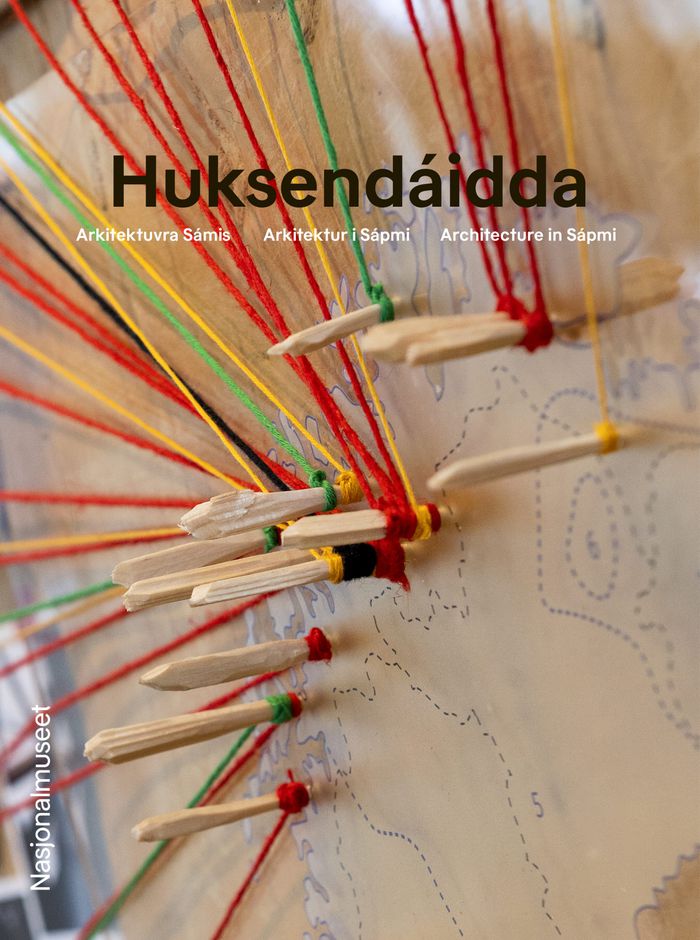
Finding your way around Sami building culture and architecture can be a challenge, as the material is scattered and sometimes inaccessible. This book is intended as both an introduction and a guide to deepening one's knowledge of the subject - in North Sami, Norwegian and English. In October 2021, the National Museum opened an exhibition of architect and artist Joar Nango's nomadic architectural library Girjegumpi. During the opening weekend, the museum organized a seminar on Sami architecture, and the lectures from the seminar are the basis for the book. Here you can read more about Nango's work Girjegumpi, Sami building practices, the treatment of the Sami in the history of architecture in Norway, how reconstruction and Norwegianization went hand in hand, the phenomenon of kjempelávvu, and also get an overview of Sami architecture on the Norwegian side of Sápmi.
Huksendaidda: Architecture in Sapmi
Actions:
Prix:
$75.00
(disponible en magasin)
Résumé:
Finding your way around Sami building culture and architecture can be a challenge, as the material is scattered and sometimes inaccessible. This book is intended as both an introduction and a guide to deepening one's knowledge of the subject - in North Sami, Norwegian and English. In October 2021, the National Museum opened an exhibition of architect and artist Joar Nango's nomadic architectural library Girjegumpi. During the opening weekend, the museum organized a seminar on Sami architecture, and the lectures from the seminar are the basis for the book. Here you can read more about Nango's work Girjegumpi, Sami building practices, the treatment of the Sami in the history of architecture in Norway, how reconstruction and Norwegianization went hand in hand, the phenomenon of kjempelávvu, and also get an overview of Sami architecture on the Norwegian side of Sápmi.
Classification:
livres
livres
Publication:
janvier 2022
janvier 2022
Sujet:
Architecture autochtone
Architecture autochtone
Classification:
livres
livres
Actions:
Prix:
$80.00
(disponible sur commande)
Résumé:
Plunge into the ancestral water wisdom that could reshape all our futures. This book reveals how Indigenous innovations—like floating farms, tidal fish traps, and aquifer recharge systems—have sustained civilizations for millennia by working with nature, not against it. Far from relics, these systems offer dynamic, adaptable solutions for the climate crisis of today.(...)
$80.00
(disponible sur commande)
Résumé:
Plunge into the ancestral water wisdom that could reshape all our futures. This book reveals how Indigenous innovations—like floating farms, tidal fish traps, and aquifer recharge systems—have sustained civilizations for millennia by working with nature, not against it. Far from relics, these systems offer dynamic, adaptable solutions for the climate crisis of today.(...)
Titre:
Lo-TEK Water: A field guide for TEKnology
Actions:
Prix:
$80.00
(disponible sur commande)
Résumé:
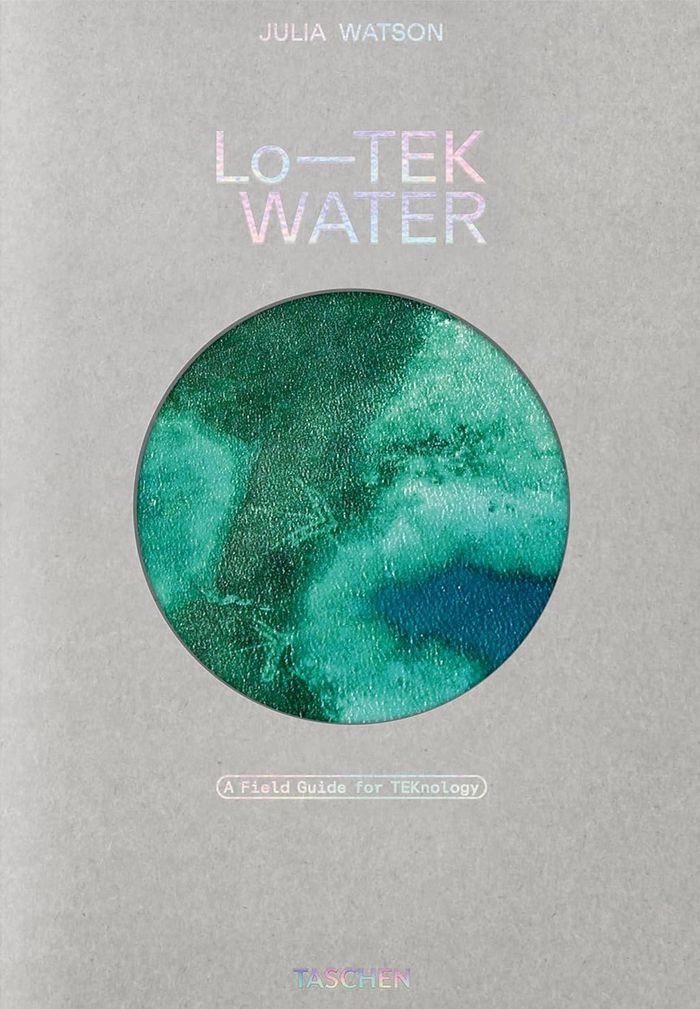
Plunge into the ancestral water wisdom that could reshape all our futures. This book reveals how Indigenous innovations—like floating farms, tidal fish traps, and aquifer recharge systems—have sustained civilizations for millennia by working with nature, not against it. Far from relics, these systems offer dynamic, adaptable solutions for the climate crisis of today. Structured to bridge past and future, the author Julia Watson dissolves the divide between technology and ecology, between ancestral wisdom and digital innovation. The TEKnological Renaissance it celebrates redefines water as an intelligent force that can shape resilient cities and landscapes. Aquatic infrastructure is reframed—from extractive and industrial into regenerative and evolving—designed to sustain life for generations.
Lo-TEK Water: A field guide for TEKnology
Actions:
Prix:
$80.00
(disponible sur commande)
Résumé:
Plunge into the ancestral water wisdom that could reshape all our futures. This book reveals how Indigenous innovations—like floating farms, tidal fish traps, and aquifer recharge systems—have sustained civilizations for millennia by working with nature, not against it. Far from relics, these systems offer dynamic, adaptable solutions for the climate crisis of today. Structured to bridge past and future, the author Julia Watson dissolves the divide between technology and ecology, between ancestral wisdom and digital innovation. The TEKnological Renaissance it celebrates redefines water as an intelligent force that can shape resilient cities and landscapes. Aquatic infrastructure is reframed—from extractive and industrial into regenerative and evolving—designed to sustain life for generations.
Classification:
livres
livres
Publication:
décembre 2025
décembre 2025
Sujet:
Architecture autochtone
Architecture autochtone
Classification:
livres
livres
Actions:
Prix:
$60.00
(disponible sur commande)
Résumé:
In 1892 seventeen Haida artists were commissioned to carve a model of HlGaagilda Llnagaay (the village of Skidegate on Haida Gwaii, British Columbia) for the 1893 World’s Fair in Chicago. The Skidegate model, featuring twenty-nine large houses and forty-two poles, is the only known model village in North America carved by nineteenth-century Indigenous residents of the(...)
$60.00
(disponible sur commande)
Résumé:
In 1892 seventeen Haida artists were commissioned to carve a model of HlGaagilda Llnagaay (the village of Skidegate on Haida Gwaii, British Columbia) for the 1893 World’s Fair in Chicago. The Skidegate model, featuring twenty-nine large houses and forty-two poles, is the only known model village in North America carved by nineteenth-century Indigenous residents of the(...)
Titre:
Skidegate House Models: From Haida Gwaii to the Chicago World's Fair and Beyond
Actions:
Prix:
$60.00
(disponible sur commande)
Résumé:
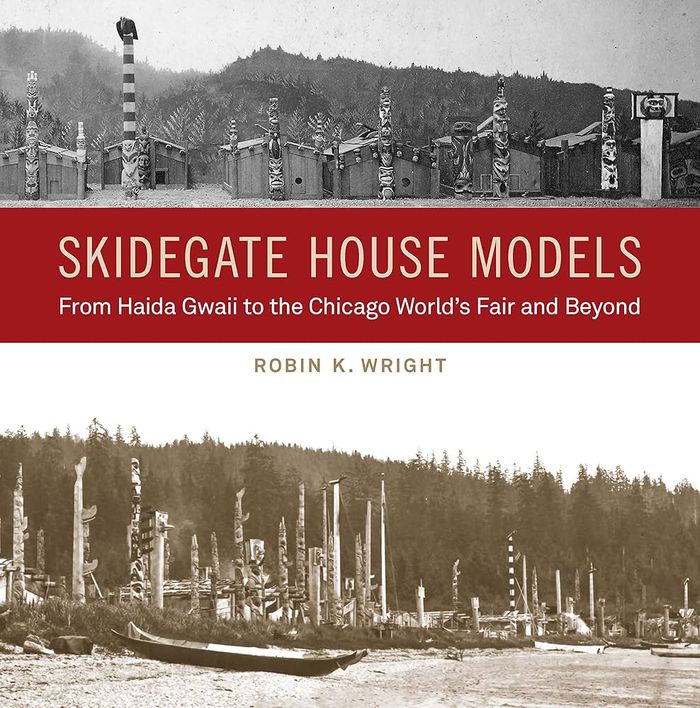
In 1892 seventeen Haida artists were commissioned to carve a model of HlGaagilda Llnagaay (the village of Skidegate on Haida Gwaii, British Columbia) for the 1893 World’s Fair in Chicago. The Skidegate model, featuring twenty-nine large houses and forty-two poles, is the only known model village in North America carved by nineteenth-century Indigenous residents of the village it portrayed. Based on over twenty years of collaborative research with the Skidegate Haida community, the book features vital cultural context. Robin K. Wright explores how Haida people represented their culture to the outside world at a time when they were suffering from devastating population loss due to introduced diseases and from ongoing attempts by the settler government to suppress their culture by making the potlatch illegal. While promoters of the Chicago World’s Fair used the village to celebrate the perceived “progress” of the dominant society, for Skidegate residents it provided a means to preserve their history and culture. After the exposition, many models were dispersed to the Field Museum of Natural History and other collections, but fourteen of the model houses have not yet been located. The book provides extensive archival information and photographs that contextualize the model village and might help locate the missing houses. Wright’s community-engaged research offers valuable insights into Northwest Coast art history.
Skidegate House Models: From Haida Gwaii to the Chicago World's Fair and Beyond
Actions:
Prix:
$60.00
(disponible sur commande)
Résumé:
In 1892 seventeen Haida artists were commissioned to carve a model of HlGaagilda Llnagaay (the village of Skidegate on Haida Gwaii, British Columbia) for the 1893 World’s Fair in Chicago. The Skidegate model, featuring twenty-nine large houses and forty-two poles, is the only known model village in North America carved by nineteenth-century Indigenous residents of the village it portrayed. Based on over twenty years of collaborative research with the Skidegate Haida community, the book features vital cultural context. Robin K. Wright explores how Haida people represented their culture to the outside world at a time when they were suffering from devastating population loss due to introduced diseases and from ongoing attempts by the settler government to suppress their culture by making the potlatch illegal. While promoters of the Chicago World’s Fair used the village to celebrate the perceived “progress” of the dominant society, for Skidegate residents it provided a means to preserve their history and culture. After the exposition, many models were dispersed to the Field Museum of Natural History and other collections, but fourteen of the model houses have not yet been located. The book provides extensive archival information and photographs that contextualize the model village and might help locate the missing houses. Wright’s community-engaged research offers valuable insights into Northwest Coast art history.
Classification:
livres
livres
Publication:
avril 2024
avril 2024
Sujet:
Architecture autochtone
Architecture autochtone
Classification:
livres
livres
Prix:
$40.00
(disponible sur commande)
Résumé:
This volume explores how Indigenous visual art and culture operate within and from a structural framework that is unique within the cultural milieu. Through a selection of contributions by Indigenous curators, artists, and scholars brings together perspectives that define curatorial practices, and at the same time postulates Indigenous sovereignty and self-determination(...)
$40.00
(disponible sur commande)
Résumé:
This volume explores how Indigenous visual art and culture operate within and from a structural framework that is unique within the cultural milieu. Through a selection of contributions by Indigenous curators, artists, and scholars brings together perspectives that define curatorial practices, and at the same time postulates Indigenous sovereignty and self-determination(...)
Publication:
mai 2020
mai 2020
Titre:
Becoming our future: Global indigenous curatorial practice
Actions:
Prix:
$40.00
(disponible sur commande)
Résumé:
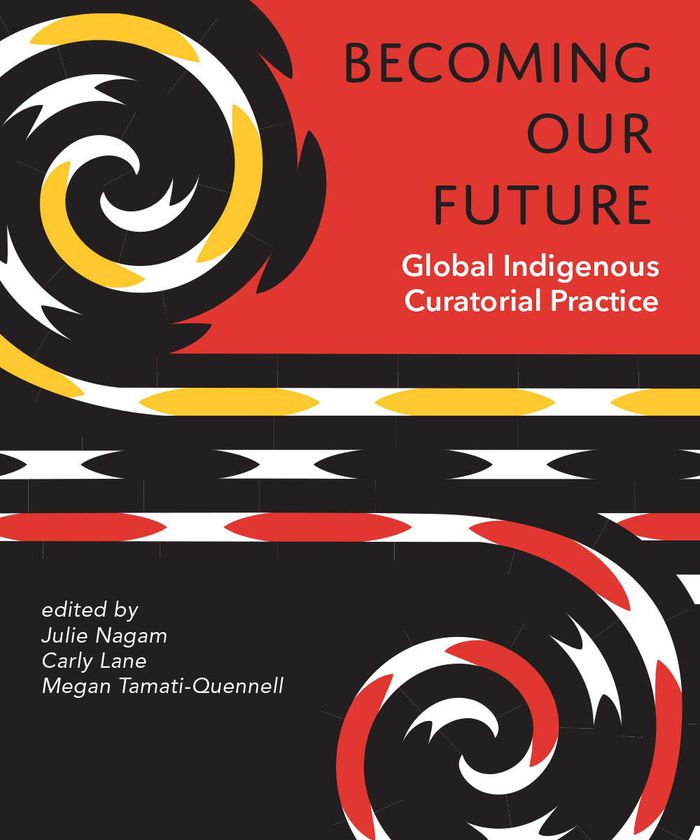
This volume explores how Indigenous visual art and culture operate within and from a structural framework that is unique within the cultural milieu. Through a selection of contributions by Indigenous curators, artists, and scholars brings together perspectives that define curatorial practices, and at the same time postulates Indigenous sovereignty and self-determination within the three countries. These compelling essays begin to unearth the connections and historical moments that draw Indigenous curatorial practices together and the differences that set them apart.
Becoming our future: Global indigenous curatorial practice
Actions:
Prix:
$40.00
(disponible sur commande)
Résumé:
This volume explores how Indigenous visual art and culture operate within and from a structural framework that is unique within the cultural milieu. Through a selection of contributions by Indigenous curators, artists, and scholars brings together perspectives that define curatorial practices, and at the same time postulates Indigenous sovereignty and self-determination within the three countries. These compelling essays begin to unearth the connections and historical moments that draw Indigenous curatorial practices together and the differences that set them apart.
Classification:
livres
livres
Publication:
mai 2020
mai 2020


