


5194 Résultats
Classification:
livres
livres
Actions:
Prix:
$72.50
(disponible sur commande)
Résumé:
Jordan Weitzman’s Participation is a riot of off-kilter perspective and weird synchronicities, a book of photography where people, places, and things casually tangle up into beautifully baffling configurations. Through the power of close observation, Weitzman captures the world at a slant where naked bodies form sultry architecture and everyday clutter assembles into fine(...)
$72.50
(disponible sur commande)
Résumé:
Jordan Weitzman’s Participation is a riot of off-kilter perspective and weird synchronicities, a book of photography where people, places, and things casually tangle up into beautifully baffling configurations. Through the power of close observation, Weitzman captures the world at a slant where naked bodies form sultry architecture and everyday clutter assembles into fine(...)
Titre:
Jordan Weitzman: Participation
Actions:
Prix:
$72.50
(disponible sur commande)
Résumé:
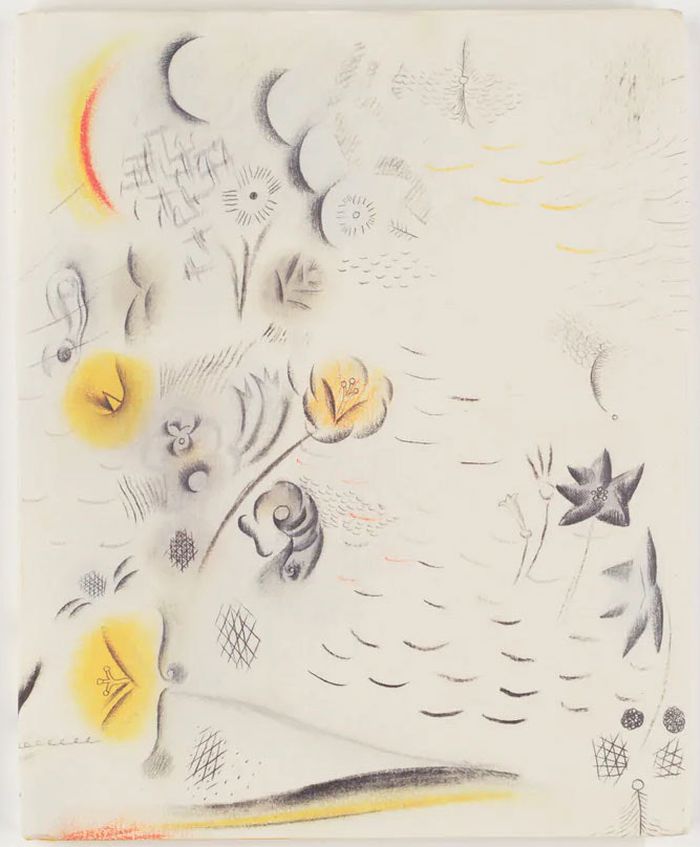
Jordan Weitzman’s Participation is a riot of off-kilter perspective and weird synchronicities, a book of photography where people, places, and things casually tangle up into beautifully baffling configurations. Through the power of close observation, Weitzman captures the world at a slant where naked bodies form sultry architecture and everyday clutter assembles into fine art. Complimented by a Louis Fratino dust jacket of half-etched figures and mysterious symbols, the book’s sequence is intimate and playful while never spelling itself out. Participation is the product of the photographer fully embedding in his circumstances and locating with an exacting compositional eye where the goofiness and boredom of everyday life drift into formal complexity and undefinable emotional states. The title is an invitation as much as it is a challenge, not only descriptive of Weitzman’s willingness to get in and meet his subjects head, waist, or side-on but for the viewer to crane their neck and pick apart his gorgeously twisted poetry of the strange ways people come together.
Jordan Weitzman: Participation
Actions:
Prix:
$72.50
(disponible sur commande)
Résumé:
Jordan Weitzman’s Participation is a riot of off-kilter perspective and weird synchronicities, a book of photography where people, places, and things casually tangle up into beautifully baffling configurations. Through the power of close observation, Weitzman captures the world at a slant where naked bodies form sultry architecture and everyday clutter assembles into fine art. Complimented by a Louis Fratino dust jacket of half-etched figures and mysterious symbols, the book’s sequence is intimate and playful while never spelling itself out. Participation is the product of the photographer fully embedding in his circumstances and locating with an exacting compositional eye where the goofiness and boredom of everyday life drift into formal complexity and undefinable emotional states. The title is an invitation as much as it is a challenge, not only descriptive of Weitzman’s willingness to get in and meet his subjects head, waist, or side-on but for the viewer to crane their neck and pick apart his gorgeously twisted poetry of the strange ways people come together.
Classification:
livres
livres
Publication:
janvier 2023
janvier 2023
Sujet:
Monographies photo
Monographies photo
Classification:
livres
livres
Actions:
Prix:
$225.95
(disponible sur commande)
Résumé:
The current phase of capitalist development manifests itself through a very diverse range of spatial byproducts: data centers, warehouses, container terminals, logistics parks, and many others. These architectural episodes express specific power relations, exacerbate issues of labor, and generate dramatic processes of subjectivity. Most importantly, these architectures,(...)
$225.95
(disponible sur commande)
Résumé:
The current phase of capitalist development manifests itself through a very diverse range of spatial byproducts: data centers, warehouses, container terminals, logistics parks, and many others. These architectural episodes express specific power relations, exacerbate issues of labor, and generate dramatic processes of subjectivity. Most importantly, these architectures,(...)
Titre:
Exteriorless architecture: Form, space, and urbanities of neoliberalism
Actions:
Prix:
$225.95
(disponible sur commande)
Résumé:
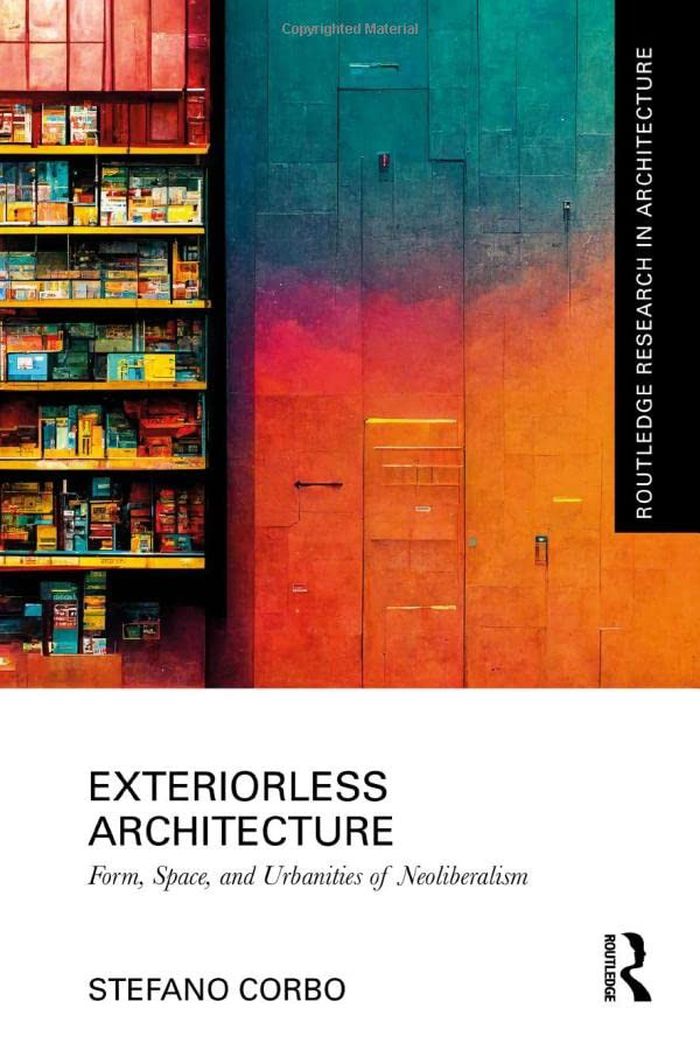
The current phase of capitalist development manifests itself through a very diverse range of spatial byproducts: data centers, warehouses, container terminals, logistics parks, and many others. These architectural episodes express specific power relations, exacerbate issues of labor, and generate dramatic processes of subjectivity. Most importantly, these architectures, despite their formal and typological heterogeneity, belong to a common paradigm: the exteriorless. How can an architecture of the exteriorless be defined? How does it differentiate from examples and manifestations of the past? How do notions of legibility, form versus function, typological articulation come into play? In situating the spatialities of contemporary capitalism within the larger debate on Anthropocene, Post-Anthropocene, and Capitalocene, the book attempts to answer those questions by delineating three main characteristics for an architecture of the exteriorless: its physical and symbolic role as interface; its ambiguous condition of being at the same time local and global, isolated and connected, compressed and expanded; and, lastly, its contribution to new forms of urbanity in absence of the traditional city.
Exteriorless architecture: Form, space, and urbanities of neoliberalism
Actions:
Prix:
$225.95
(disponible sur commande)
Résumé:
The current phase of capitalist development manifests itself through a very diverse range of spatial byproducts: data centers, warehouses, container terminals, logistics parks, and many others. These architectural episodes express specific power relations, exacerbate issues of labor, and generate dramatic processes of subjectivity. Most importantly, these architectures, despite their formal and typological heterogeneity, belong to a common paradigm: the exteriorless. How can an architecture of the exteriorless be defined? How does it differentiate from examples and manifestations of the past? How do notions of legibility, form versus function, typological articulation come into play? In situating the spatialities of contemporary capitalism within the larger debate on Anthropocene, Post-Anthropocene, and Capitalocene, the book attempts to answer those questions by delineating three main characteristics for an architecture of the exteriorless: its physical and symbolic role as interface; its ambiguous condition of being at the same time local and global, isolated and connected, compressed and expanded; and, lastly, its contribution to new forms of urbanity in absence of the traditional city.
Classification:
livres
livres
Publication:
juin 2023
juin 2023
Sujet:
Théorie de l’architecture
Théorie de l’architecture
Classification:
livres
livres
Actions:
Prix:
$41.95
(disponible sur commande)
Résumé:
Jacopo de' Barbari's "View of Venice," a woodcut first printed in the year 1500, presents a bird's-eye portrait of Venice at its peak as an international hub of trade, art, and culture. An artistic and cartographic masterpiece of the Renaissance, the View depicts Venice as a vibrant, waterborne city interconnected by canals and bridges and filled with ornate buildings,(...)
$41.95
(disponible sur commande)
Résumé:
Jacopo de' Barbari's "View of Venice," a woodcut first printed in the year 1500, presents a bird's-eye portrait of Venice at its peak as an international hub of trade, art, and culture. An artistic and cartographic masterpiece of the Renaissance, the View depicts Venice as a vibrant, waterborne city interconnected by canals and bridges and filled with ornate buildings,(...)
Titre:
A view of Venice: Portrait of a Renaissance city
Actions:
Prix:
$41.95
(disponible sur commande)
Résumé:
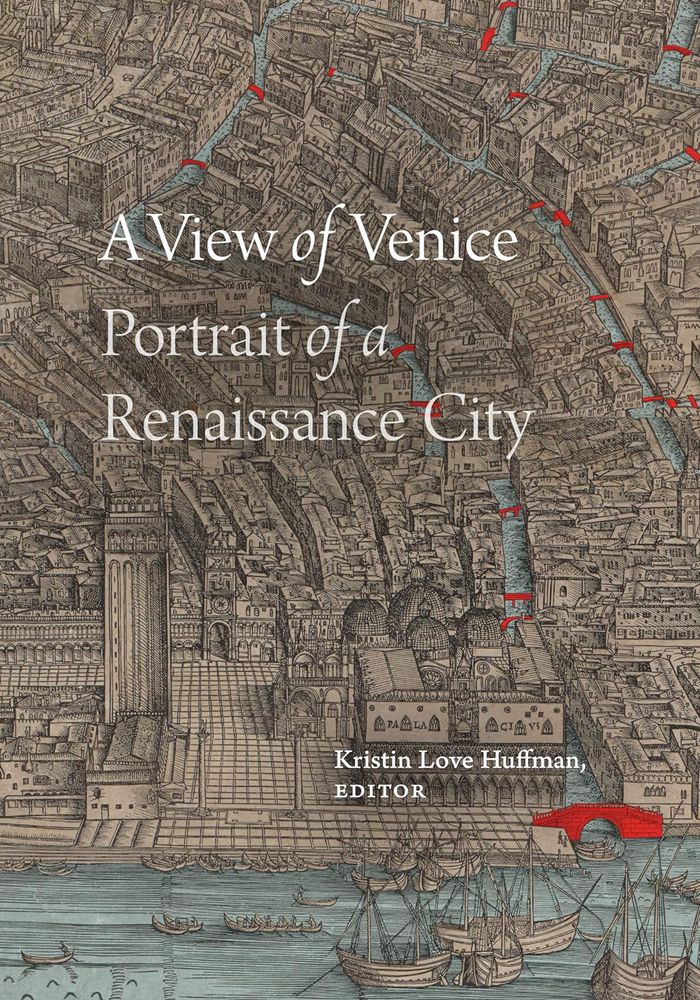
Jacopo de' Barbari's "View of Venice," a woodcut first printed in the year 1500, presents a bird's-eye portrait of Venice at its peak as an international hub of trade, art, and culture. An artistic and cartographic masterpiece of the Renaissance, the View depicts Venice as a vibrant, waterborne city interconnected by canals and bridges and filled with ornate buildings, elaborate gardens, and seafaring vessels. The contributors to "A view of Venice: Portrait of a Renaissance city" draw on a high-resolution digital scan of the over nine-foot-wide composite print to examine the complexities of this extraordinary woodcut and portrayal of early modern Venetian life. The essays show how the View constitutes an advanced material artifact of artistic, humanist, and scientific culture. They also outline the ways the print reveals information about the city's economic and military power, religious and social infrastructures, and cosmopolitan residents. Featuring methodological advancements in the digital humanities, "A view of Venice" highlights the reality and myths of a topographically unique, mystical city and its place in the world.
A view of Venice: Portrait of a Renaissance city
Actions:
Prix:
$41.95
(disponible sur commande)
Résumé:
Jacopo de' Barbari's "View of Venice," a woodcut first printed in the year 1500, presents a bird's-eye portrait of Venice at its peak as an international hub of trade, art, and culture. An artistic and cartographic masterpiece of the Renaissance, the View depicts Venice as a vibrant, waterborne city interconnected by canals and bridges and filled with ornate buildings, elaborate gardens, and seafaring vessels. The contributors to "A view of Venice: Portrait of a Renaissance city" draw on a high-resolution digital scan of the over nine-foot-wide composite print to examine the complexities of this extraordinary woodcut and portrayal of early modern Venetian life. The essays show how the View constitutes an advanced material artifact of artistic, humanist, and scientific culture. They also outline the ways the print reveals information about the city's economic and military power, religious and social infrastructures, and cosmopolitan residents. Featuring methodological advancements in the digital humanities, "A view of Venice" highlights the reality and myths of a topographically unique, mystical city and its place in the world.
Classification:
livres
livres
Publication:
janvier 2024
janvier 2024
Sujet:
Théorie de l’art
Théorie de l’art
Classification:
livres
livres
Prix:
$100.00
(disponible sur commande)
Résumé:
Lina Bo Bardi, the Rome-born architect, emigrated after World War Two to Brazil, a country where she undertook her professional career. The outcome of her personal experience and of a wish to get closer to the culture and ways of life of the people, Bo Bardi’s creativity moved in the direction of an architecture that prized simplicity, spontaneity, the residual and the(...)
$100.00
(disponible sur commande)
Résumé:
Lina Bo Bardi, the Rome-born architect, emigrated after World War Two to Brazil, a country where she undertook her professional career. The outcome of her personal experience and of a wish to get closer to the culture and ways of life of the people, Bo Bardi’s creativity moved in the direction of an architecture that prized simplicity, spontaneity, the residual and the(...)
Sujet:
Architecture, monographies
Architecture, monographies
Publication:
juin 2006, Barcelona, Sao Paulo
juin 2006, Barcelona, Sao Paulo
Titre:
Subtle substances : the architecture of Lina Bo Bardi
Actions:
Prix:
$100.00
(disponible sur commande)
Résumé:
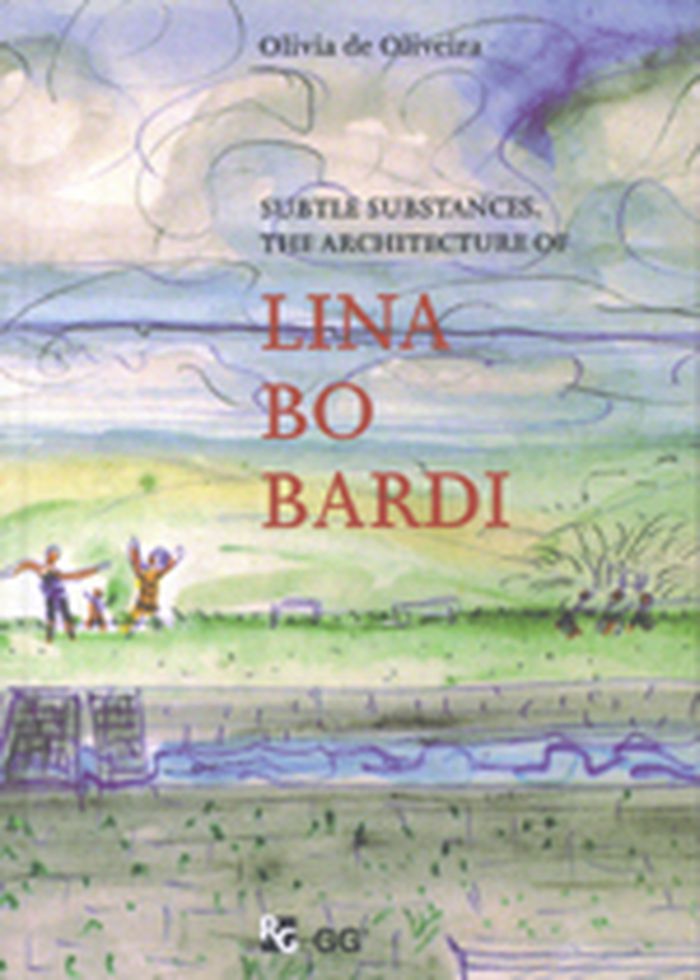
Lina Bo Bardi, the Rome-born architect, emigrated after World War Two to Brazil, a country where she undertook her professional career. The outcome of her personal experience and of a wish to get closer to the culture and ways of life of the people, Bo Bardi’s creativity moved in the direction of an architecture that prized simplicity, spontaneity, the residual and the ephemeral; an architecture understood as 'an organism suitable for life' which incorporated everydayness and the energy of the people who use it. As a result she used the word ‘substances’, rather than ‘materials’, to explain what her architecture was made of. These substances are air, light, nature and art, to which the author, Olivia de Oliveira, adds time. The work of Lina Bo Bardi, then, is presented here via a huge array of previously unpublished drawings, images, writings and projects that enable the reader to grasp in a kaleidoscopic way the power and current importance of her architecture as a critical confrontation with established reality.
Subtle substances : the architecture of Lina Bo Bardi
Actions:
Prix:
$100.00
(disponible sur commande)
Résumé:
Lina Bo Bardi, the Rome-born architect, emigrated after World War Two to Brazil, a country where she undertook her professional career. The outcome of her personal experience and of a wish to get closer to the culture and ways of life of the people, Bo Bardi’s creativity moved in the direction of an architecture that prized simplicity, spontaneity, the residual and the ephemeral; an architecture understood as 'an organism suitable for life' which incorporated everydayness and the energy of the people who use it. As a result she used the word ‘substances’, rather than ‘materials’, to explain what her architecture was made of. These substances are air, light, nature and art, to which the author, Olivia de Oliveira, adds time. The work of Lina Bo Bardi, then, is presented here via a huge array of previously unpublished drawings, images, writings and projects that enable the reader to grasp in a kaleidoscopic way the power and current importance of her architecture as a critical confrontation with established reality.
Classification:
livres
livres
Publication:
juin 2006, Barcelona, Sao Paulo
juin 2006, Barcelona, Sao Paulo
Sujet:
Architecture, monographies
Architecture, monographies
Classification:
livres
livres
Titre:
Richard Meier museums
Richard Meier museums
Actions:
Prix:
$112.00
(disponible sur commande)
Résumé:
Richard Meier, one of America's most influential and widely emulated architects, began his career in the early 1960s designing private residential projects, whose elegant modernist style and white facades have become icons of modern architecture. Renowned as the designer of large-scale works around the world, including the Jubilee Church in Rome and the Getty Center in(...)
$112.00
(disponible sur commande)
Résumé:
Richard Meier, one of America's most influential and widely emulated architects, began his career in the early 1960s designing private residential projects, whose elegant modernist style and white facades have become icons of modern architecture. Renowned as the designer of large-scale works around the world, including the Jubilee Church in Rome and the Getty Center in(...)
Sujet:
Architecture, monographies
Architecture, monographies
Publication:
novembre 2006, New York
novembre 2006, New York
Titre:
Richard Meier museums
Actions:
Prix:
$112.00
(disponible sur commande)
Résumé:
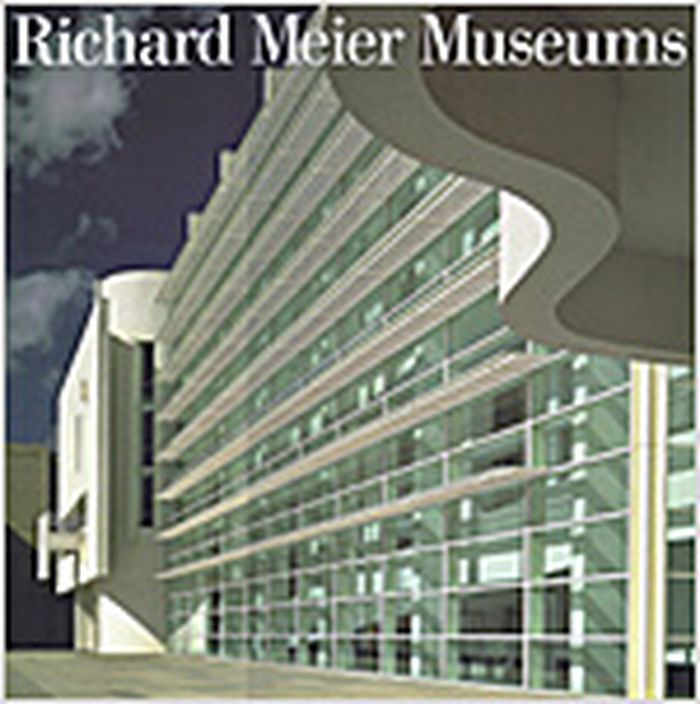
Richard Meier, one of America's most influential and widely emulated architects, began his career in the early 1960s designing private residential projects, whose elegant modernist style and white facades have become icons of modern architecture. Renowned as the designer of large-scale works around the world, including the Jubilee Church in Rome and the Getty Center in Los Angeles, Meier has set an international style all his own based on the purity and power of his unique vision. This beautifully photographed volume is the first to document Meier's complete catalogue of museum and gallery projects, including the seminal High Museum in Atlanta (recently featured on a U.S. postage stamp in a series that includes the Guggenheim Museum and the Chrysler Building), the Museum of Contemporary Art in Barcelona, the Gagosian Gallery in Beverly Hills, the Getty Center, and the Ara Pacis Museum in Rome. Richard Meier Museums presents these and other celebrated projects in stunning full-color interior and exterior photography and extensive drawings and plans to give the fullest understanding of this modernist master's remarkable contribution to the art of museum design.
Richard Meier museums
Actions:
Prix:
$112.00
(disponible sur commande)
Résumé:
Richard Meier, one of America's most influential and widely emulated architects, began his career in the early 1960s designing private residential projects, whose elegant modernist style and white facades have become icons of modern architecture. Renowned as the designer of large-scale works around the world, including the Jubilee Church in Rome and the Getty Center in Los Angeles, Meier has set an international style all his own based on the purity and power of his unique vision. This beautifully photographed volume is the first to document Meier's complete catalogue of museum and gallery projects, including the seminal High Museum in Atlanta (recently featured on a U.S. postage stamp in a series that includes the Guggenheim Museum and the Chrysler Building), the Museum of Contemporary Art in Barcelona, the Gagosian Gallery in Beverly Hills, the Getty Center, and the Ara Pacis Museum in Rome. Richard Meier Museums presents these and other celebrated projects in stunning full-color interior and exterior photography and extensive drawings and plans to give the fullest understanding of this modernist master's remarkable contribution to the art of museum design.
Classification:
livres
livres
Publication:
novembre 2006, New York
novembre 2006, New York
Sujet:
Architecture, monographies
Architecture, monographies
Classification:
livres
livres
Actions:
Prix:
$39.99
(disponible en magasin)
Résumé:
In 1664, England decided to invade the Dutch-controlled city of New Amsterdam on Manhattan Island. Charles II and his brother, the Duke of York, had dreams of empire, and their archrivals, the Dutch, were in the way. But Richard Nicolls, the military officer who led the English flotilla bent on destruction, changed his strategy once he encountered Peter Stuyvesant, New(...)
$39.99
(disponible en magasin)
Résumé:
In 1664, England decided to invade the Dutch-controlled city of New Amsterdam on Manhattan Island. Charles II and his brother, the Duke of York, had dreams of empire, and their archrivals, the Dutch, were in the way. But Richard Nicolls, the military officer who led the English flotilla bent on destruction, changed his strategy once he encountered Peter Stuyvesant, New(...)
Titre:
Taking Manhattan: The extraordinary events that created New York and shaped America
Actions:
Prix:
$39.99
(disponible en magasin)
Résumé:
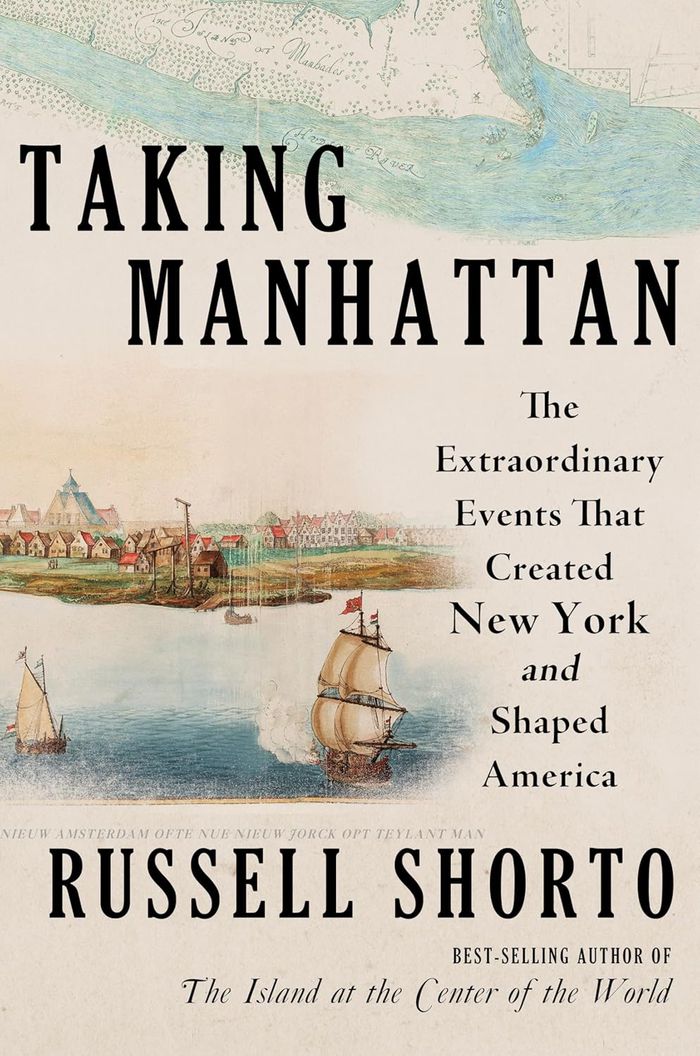
In 1664, England decided to invade the Dutch-controlled city of New Amsterdam on Manhattan Island. Charles II and his brother, the Duke of York, had dreams of empire, and their archrivals, the Dutch, were in the way. But Richard Nicolls, the military officer who led the English flotilla bent on destruction, changed his strategy once he encountered Peter Stuyvesant, New Netherland’s canny director general. Bristling with vibrant characters, "Taking Manhattan" reveals the founding of New York to be an invention, the result of creative negotiations that would blend the multiethnic, capitalistic society of New Amsterdam with the power of the rising English empire. But the birth of what might be termed the first modern city is also a story of the brutal dispossession of Native Americans and of the roots of American slavery. The book draws from newly translated materials and illuminates neglected histories—of religious refugees, Indigenous tribes, and free and enslaved Africans. "Taking Manhattan" tells the riveting story of the birth of New York City as a center of capitalism and pluralism, a foundation from which America would rise.
Taking Manhattan: The extraordinary events that created New York and shaped America
Actions:
Prix:
$39.99
(disponible en magasin)
Résumé:
In 1664, England decided to invade the Dutch-controlled city of New Amsterdam on Manhattan Island. Charles II and his brother, the Duke of York, had dreams of empire, and their archrivals, the Dutch, were in the way. But Richard Nicolls, the military officer who led the English flotilla bent on destruction, changed his strategy once he encountered Peter Stuyvesant, New Netherland’s canny director general. Bristling with vibrant characters, "Taking Manhattan" reveals the founding of New York to be an invention, the result of creative negotiations that would blend the multiethnic, capitalistic society of New Amsterdam with the power of the rising English empire. But the birth of what might be termed the first modern city is also a story of the brutal dispossession of Native Americans and of the roots of American slavery. The book draws from newly translated materials and illuminates neglected histories—of religious refugees, Indigenous tribes, and free and enslaved Africans. "Taking Manhattan" tells the riveting story of the birth of New York City as a center of capitalism and pluralism, a foundation from which America would rise.
Classification:
livres
livres
Publication:
mars 2025
mars 2025
Classification:
livres
livres
Titre:
Oil
Oil
Actions:
Prix:
$21.95
(disponible sur commande)
Résumé:
Black gold. Liquid sunlight. Texas tea. Oil remains the ur-commodity of our global era, having been distilled from ancient algae and marine life to turn modernity's wheels. Wars are fought over it. Some communities are displaced by its extraction, so that others may reap its benefits. But despite its heated history, few will ever see oil on the ground. Shrouded within a(...)
$21.95
(disponible sur commande)
Résumé:
Black gold. Liquid sunlight. Texas tea. Oil remains the ur-commodity of our global era, having been distilled from ancient algae and marine life to turn modernity's wheels. Wars are fought over it. Some communities are displaced by its extraction, so that others may reap its benefits. But despite its heated history, few will ever see oil on the ground. Shrouded within a(...)
Titre:
Oil
Actions:
Prix:
$21.95
(disponible sur commande)
Résumé:
Black gold. Liquid sunlight. Texas tea. Oil remains the ur-commodity of our global era, having been distilled from ancient algae and marine life to turn modernity's wheels. Wars are fought over it. Some communities are displaced by its extraction, so that others may reap its benefits. But despite its heated history, few will ever see oil on the ground. Shrouded within a labyrinth of oil fields, pipelines, and manufacturies, it tends to be known only through its magical effects: the thrill of the road, the euphoria of flight, and the metamorphic allure of everything from vinyl records to celluloid film and synthetic clothing. Michael Tondre shows how hydrocarbon became today's pre-eminent power. How did oil come to structure selfhood and social relations? And to what extent is oil not only a commercial product but a cultural one-something shaped by widely imagined dreams and desires? Amid a warming world unleashed by fossil fuels, oil appears as a rich resource for thinking about histories of globalization and technology no less than the energetic underpinnings of literature, film, and art.
Oil
Actions:
Prix:
$21.95
(disponible sur commande)
Résumé:
Black gold. Liquid sunlight. Texas tea. Oil remains the ur-commodity of our global era, having been distilled from ancient algae and marine life to turn modernity's wheels. Wars are fought over it. Some communities are displaced by its extraction, so that others may reap its benefits. But despite its heated history, few will ever see oil on the ground. Shrouded within a labyrinth of oil fields, pipelines, and manufacturies, it tends to be known only through its magical effects: the thrill of the road, the euphoria of flight, and the metamorphic allure of everything from vinyl records to celluloid film and synthetic clothing. Michael Tondre shows how hydrocarbon became today's pre-eminent power. How did oil come to structure selfhood and social relations? And to what extent is oil not only a commercial product but a cultural one-something shaped by widely imagined dreams and desires? Amid a warming world unleashed by fossil fuels, oil appears as a rich resource for thinking about histories of globalization and technology no less than the energetic underpinnings of literature, film, and art.
Classification:
livres
livres
Publication:
novembre 2024
novembre 2024
Sujet:
Théorie/ philosophie
Théorie/ philosophie
Classification:
livres
livres
Actions:
Prix:
$36.95
(disponible en magasin)
Résumé:
Ice animates the look and feel of climate change. It is melting faster than ever before, causing social upheaval among northern coastal communities and disrupting a more southern, temperate world as sea levels rise. Economic, academic, and activist stakeholders are increasingly focused on the unsettling potential of ice as they plan for a future shaped by rapid(...)
$36.95
(disponible en magasin)
Résumé:
Ice animates the look and feel of climate change. It is melting faster than ever before, causing social upheaval among northern coastal communities and disrupting a more southern, temperate world as sea levels rise. Economic, academic, and activist stakeholders are increasingly focused on the unsettling potential of ice as they plan for a future shaped by rapid(...)
Titre:
Ice geographies: The colonial politics of race and indigeneity in the Arctic
Actions:
Prix:
$36.95
(disponible en magasin)
Résumé:
Ice animates the look and feel of climate change. It is melting faster than ever before, causing social upheaval among northern coastal communities and disrupting a more southern, temperate world as sea levels rise. Economic, academic, and activist stakeholders are increasingly focused on the unsettling potential of ice as they plan for a future shaped by rapid transformation. Yet, in "Ice geographies," Jen Rose Smith demonstrates that ice has always been at the center of making sense of the world. Ice as homeland is often at the heart of Arctic and sub-Arctic ontologies, cosmologies, and Native politics. Reflections on ice have also long been a constitutive element of Western political thought, but it often privileges a pristine or empty "nature" stripped of power relations. Smith centers ice to study race and indigeneity by investigating ice relations as sites and sources of analysis that are bound up with colonial and racial formations as well as ice geographies beyond those formations. Smith asks, How is ice a racialized geography and imaginary, and how does it also exceed those frameworks?
Ice geographies: The colonial politics of race and indigeneity in the Arctic
Actions:
Prix:
$36.95
(disponible en magasin)
Résumé:
Ice animates the look and feel of climate change. It is melting faster than ever before, causing social upheaval among northern coastal communities and disrupting a more southern, temperate world as sea levels rise. Economic, academic, and activist stakeholders are increasingly focused on the unsettling potential of ice as they plan for a future shaped by rapid transformation. Yet, in "Ice geographies," Jen Rose Smith demonstrates that ice has always been at the center of making sense of the world. Ice as homeland is often at the heart of Arctic and sub-Arctic ontologies, cosmologies, and Native politics. Reflections on ice have also long been a constitutive element of Western political thought, but it often privileges a pristine or empty "nature" stripped of power relations. Smith centers ice to study race and indigeneity by investigating ice relations as sites and sources of analysis that are bound up with colonial and racial formations as well as ice geographies beyond those formations. Smith asks, How is ice a racialized geography and imaginary, and how does it also exceed those frameworks?
Classification:
livres
livres
Publication:
mai 2025
mai 2025
Classification:
livres
livres
Titre:
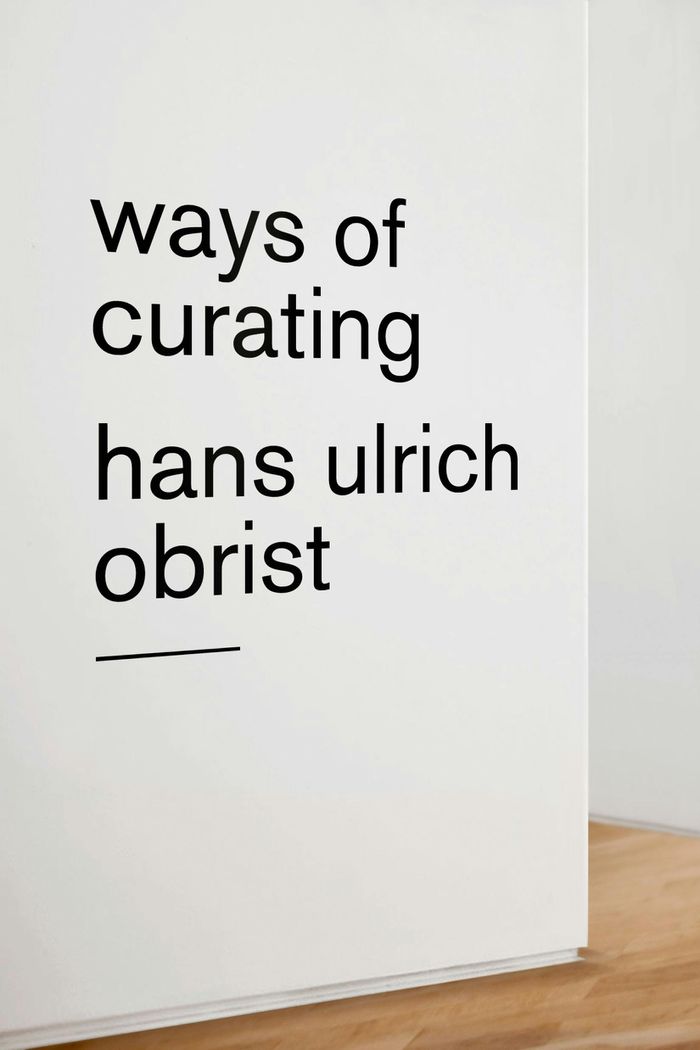
Ways of Curating
Ways of Curating
Actions:
Prix:
$35.95
(disponible en magasin)
Résumé:
Hans Ulrich Obrist curated his first exhibit in his kitchen when he was twenty-three years old. Since then he has staged more than 250 shows internationally, many of them among the most influential exhibits of our age. ''Ways of Curating'' is a compendium of the insights Obrist has gained from his years of extraordinary work in the art world. It skips between centuries(...)
$35.95
(disponible en magasin)
Résumé:
Hans Ulrich Obrist curated his first exhibit in his kitchen when he was twenty-three years old. Since then he has staged more than 250 shows internationally, many of them among the most influential exhibits of our age. ''Ways of Curating'' is a compendium of the insights Obrist has gained from his years of extraordinary work in the art world. It skips between centuries(...)
Titre:
Ways of Curating
Actions:
Prix:
$35.95
(disponible en magasin)
Résumé:
Hans Ulrich Obrist curated his first exhibit in his kitchen when he was twenty-three years old. Since then he has staged more than 250 shows internationally, many of them among the most influential exhibits of our age. ''Ways of Curating'' is a compendium of the insights Obrist has gained from his years of extraordinary work in the art world. It skips between centuries and continents, flitting from meetings with the artists who have inspired him (including Gerhard Richter, Louise Bourgeois, and Gilbert and George) to biographies of influential figures such as Diaghilev and Walter Hopps. It describes some of the greatest exhibitions in history, as well as some of the greatest exhibitions never realized. It traces the evolution of collections from Athanasius Kircher's seventeenth-century Wunderkammer to modern museums, and points the way for projects yet to come. Obrist has rescued the word "curate" from wine stores and playlists to remind us of the power inherent in looking at art--and at the world--in a new way.
Ways of Curating
Actions:
Prix:
$35.95
(disponible en magasin)
Résumé:
Hans Ulrich Obrist curated his first exhibit in his kitchen when he was twenty-three years old. Since then he has staged more than 250 shows internationally, many of them among the most influential exhibits of our age. ''Ways of Curating'' is a compendium of the insights Obrist has gained from his years of extraordinary work in the art world. It skips between centuries and continents, flitting from meetings with the artists who have inspired him (including Gerhard Richter, Louise Bourgeois, and Gilbert and George) to biographies of influential figures such as Diaghilev and Walter Hopps. It describes some of the greatest exhibitions in history, as well as some of the greatest exhibitions never realized. It traces the evolution of collections from Athanasius Kircher's seventeenth-century Wunderkammer to modern museums, and points the way for projects yet to come. Obrist has rescued the word "curate" from wine stores and playlists to remind us of the power inherent in looking at art--and at the world--in a new way.
Classification:
livres
livres
Publication:
juillet 2025
juillet 2025
Sujet:
Muséologie
Muséologie
Classification:
livres
livres
Actions:
Prix:
$110.00
(disponible sur commande)
Résumé:
The third installment in the Dongola Architecture Series, "Provoking the territory: Bernard Khoury", explores the provocative and often polarizing practice of Lebanese architect Bernard Khoury through an intimate lens rooted in Beirut. As with previous volumes, the series privileges critical conversations over monographic celebration—this edition not only follows Khoury’s(...)
$110.00
(disponible sur commande)
Résumé:
The third installment in the Dongola Architecture Series, "Provoking the territory: Bernard Khoury", explores the provocative and often polarizing practice of Lebanese architect Bernard Khoury through an intimate lens rooted in Beirut. As with previous volumes, the series privileges critical conversations over monographic celebration—this edition not only follows Khoury’s(...)
Titre:
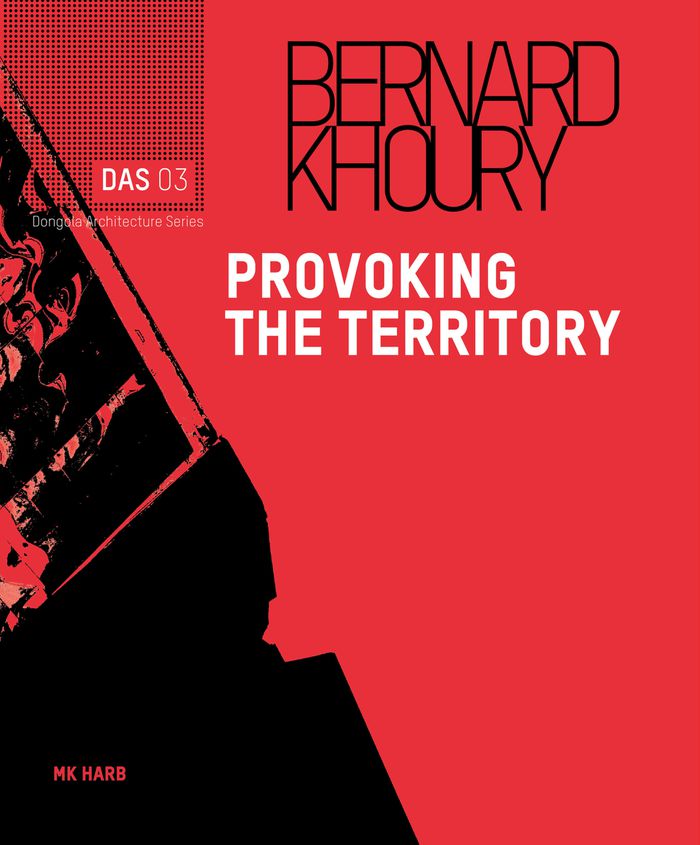
Bernard Khoury: Provoking the territory. Dongola Architecture Series DAS 03
Actions:
Prix:
$110.00
(disponible sur commande)
Résumé:
The third installment in the Dongola Architecture Series, "Provoking the territory: Bernard Khoury", explores the provocative and often polarizing practice of Lebanese architect Bernard Khoury through an intimate lens rooted in Beirut. As with previous volumes, the series privileges critical conversations over monographic celebration—this edition not only follows Khoury’s trajectory from student to self-reinvention in his fifties, but also presents him as both a product and provocateur of the city’s contradictions. This volume uses Khoury’s work not simply as an archive of built projects, but as an investigative framework for understanding Beirut’s urban complexities. It asks: how can an architect simultaneously challenge power and profit from it? Can one critically portray a city while being embedded in its elite networks? Following the structure of earlier volumes, "Provoking the territory" mobilizes Khoury’s thinking as a lens to reflect on regional failures to modernize, unlearn dominant fictions, and dive fearlessly into the architectural imaginaries of the Arab world. It is an invitation to confront the ethics, politics, and aesthetics of urban storytelling.
Bernard Khoury: Provoking the territory. Dongola Architecture Series DAS 03
Actions:
Prix:
$110.00
(disponible sur commande)
Résumé:
The third installment in the Dongola Architecture Series, "Provoking the territory: Bernard Khoury", explores the provocative and often polarizing practice of Lebanese architect Bernard Khoury through an intimate lens rooted in Beirut. As with previous volumes, the series privileges critical conversations over monographic celebration—this edition not only follows Khoury’s trajectory from student to self-reinvention in his fifties, but also presents him as both a product and provocateur of the city’s contradictions. This volume uses Khoury’s work not simply as an archive of built projects, but as an investigative framework for understanding Beirut’s urban complexities. It asks: how can an architect simultaneously challenge power and profit from it? Can one critically portray a city while being embedded in its elite networks? Following the structure of earlier volumes, "Provoking the territory" mobilizes Khoury’s thinking as a lens to reflect on regional failures to modernize, unlearn dominant fictions, and dive fearlessly into the architectural imaginaries of the Arab world. It is an invitation to confront the ethics, politics, and aesthetics of urban storytelling.
Classification:
livres
livres
Publication:
juillet 2025
juillet 2025
Sujet:
Architecture, monographies
Architecture, monographies


