


5088 Résultats
Classification:
livres
livres
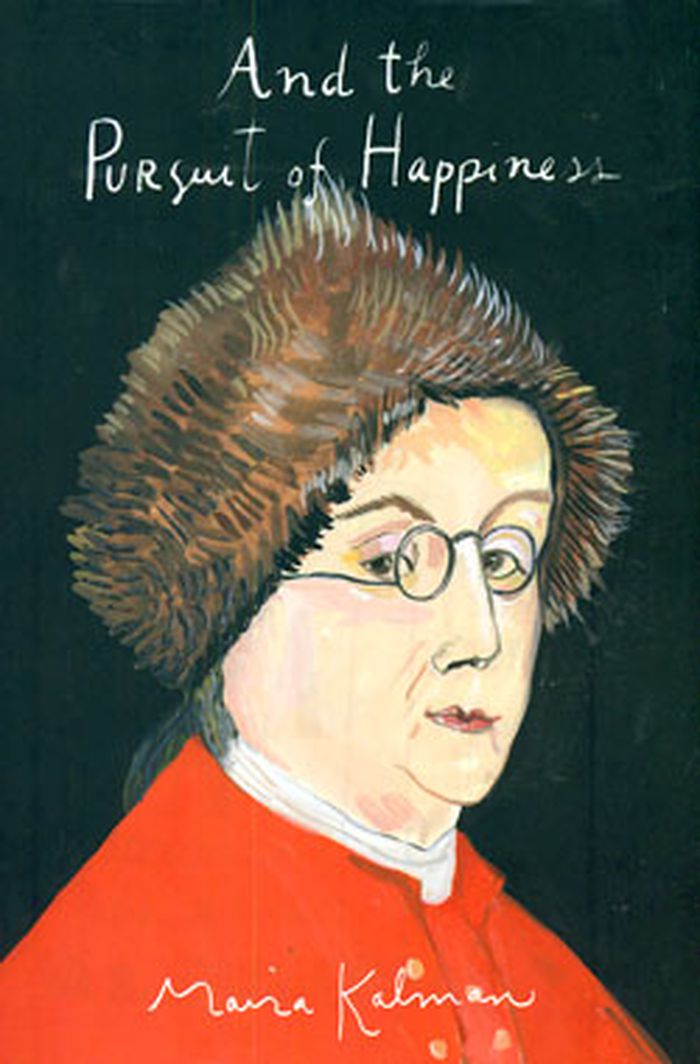
Titre:
And the pursuit of happiness
And the pursuit of happiness
Actions:
Prix:
$37.50
(disponible sur commande)
Résumé:
This publication is beloved artist and author Maira Kalman's yearlong investigation of democracy and how it works. Energized and inspired by the 2008 elections, on inauguration day Kalman traveled to Washington, D.C., launching a national tour that would take her from a town hall meeting in Newfane, Vermont, to the inner chambers of the Supreme Court. As we follow(...)
Titre:
And the pursuit of happiness
Actions:
Prix:
$37.50
(disponible sur commande)
Résumé:
This publication is beloved artist and author Maira Kalman's yearlong investigation of democracy and how it works. Energized and inspired by the 2008 elections, on inauguration day Kalman traveled to Washington, D.C., launching a national tour that would take her from a town hall meeting in Newfane, Vermont, to the inner chambers of the Supreme Court. As we follow Kalman's wholly idiosyncratic journey, we fall in love with Lincoln alongside her as she imagines making a home for herself in the center of his magisterial memorial; ponder Alexis de Tocqueville's America; witness the inner workings of a Bronx middle-school student council; take a high-speed lesson in great American women in the National Portrait Gallery; and consider the cost of war to the brave American service families of Fort Campbell, Kentucky. The observations she makes as she travels charm and inform, and-as we have come to expect with Kalman-the route is always one of fascinating indirection. Kalman finds evidence of democracy at work all around us. And the cast of characters we meet along the way is rousing good company, featuring visits from Benjamin Franklin, Eleanor Roosevelt, and many others. And the Pursuit of Happiness is a remarkable tribute to our history and a powerful reminder of the potential our future holds, from a true national treasure.
Classification:
livres
livres
Publication:
février 2011
février 2011
Sujet:
Illustration
Illustration
Classification:
livres
livres
Actions:
Prix:
$33.50
(disponible sur commande)
Résumé:
Over fifty years after the Situationist International appeared, its legacy continues to inspire activists, artists and theorists around the world. Such a legend has accrued to this movement that the story of the SI now demands to be told in a contemporary voice capable of putting it into the context of twenty-first-century struggles. McKenzie Wark delves into the(...)
Titre:
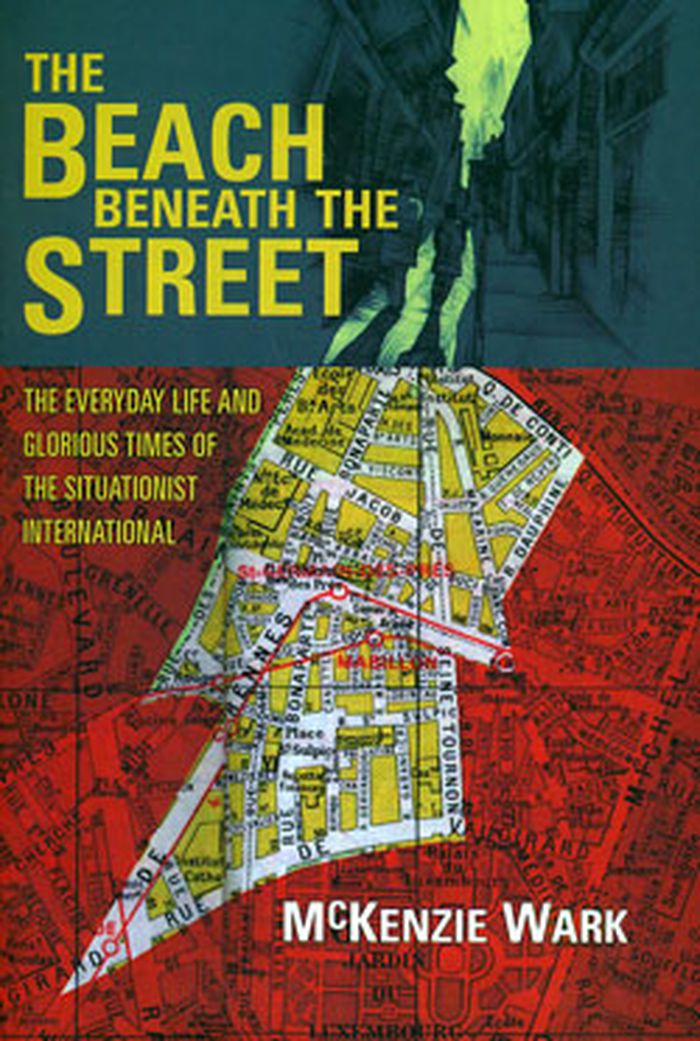
The beach beneath the street : the everyday life and glorious times of the situationist international
Actions:
Prix:
$33.50
(disponible sur commande)
Résumé:
Over fifty years after the Situationist International appeared, its legacy continues to inspire activists, artists and theorists around the world. Such a legend has accrued to this movement that the story of the SI now demands to be told in a contemporary voice capable of putting it into the context of twenty-first-century struggles. McKenzie Wark delves into the Situationists' unacknowledged diversity, revealing a world as rich in practice as it is in theory. Tracing the group's development from the bohemian Paris of the '50s to the explosive days of May '68, Wark's take on the Situationists is biographically and historically rich, presenting the group as an ensemble creation, rather than the brainchild and dominion of its most famous member, Guy Debord. Roaming through Europe and the lives of those who made up the movement —including Constant, Asger Jorn, Michèle Bernstein, Alex Trocchi and Jacqueline De Jong —Wark uncovers an international movement riven with conflicting passions. Accessible to those who have only just discovered the Situationists and filled with new insights, The Beach Beneath the Street rereads the group's history in the light of our contemporary experience of communications, architecture, and everyday life. The Situationists tried to escape the world of twentieth-century spectacle and failed in the attempt. Wark argues that they may still help us to escape the twenty-first century, while we still can ...
Classification:
livres
livres
Publication:
juin 2011
juin 2011
Sujet:
Situationnisme
Situationnisme
Classification:
livres
livres
Actions:
Prix:
$60.95
(disponible sur commande)
Résumé:
Mussolini’s bold claims upon the monuments and rhetoric of ancient Rome have been the subject of a number of recent books. D. Medina Lasansky shows us a much less familiar side of the cultural politics of Italian Fascism, tracing its wide-ranging efforts to adapt the nation’s medieval and Renaissance heritage to satisfy the regime’s programs of national regeneration.(...)
Titre:
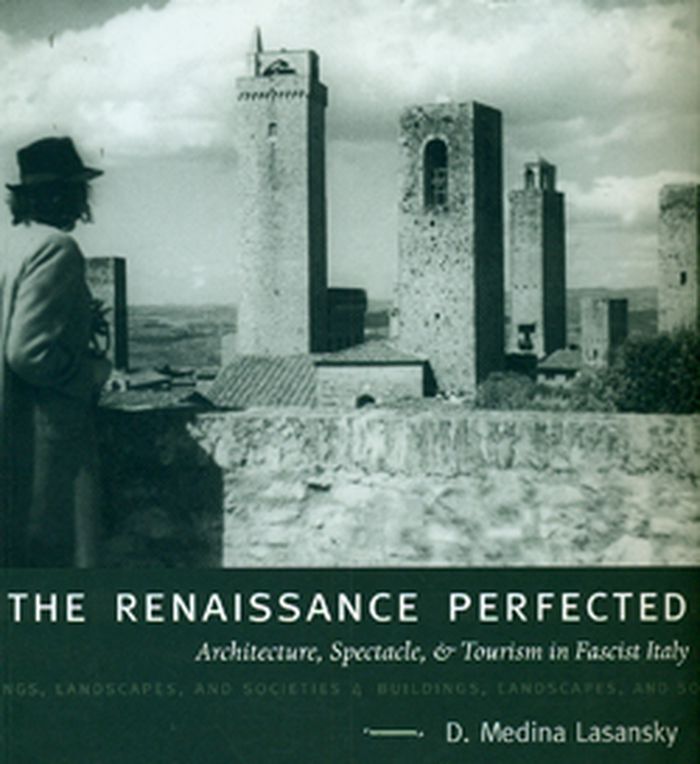
The Renaissance perfected: architecture, spectacle, and tourism in Fascist Italy
Actions:
Prix:
$60.95
(disponible sur commande)
Résumé:
Mussolini’s bold claims upon the monuments and rhetoric of ancient Rome have been the subject of a number of recent books. D. Medina Lasansky shows us a much less familiar side of the cultural politics of Italian Fascism, tracing its wide-ranging efforts to adapt the nation’s medieval and Renaissance heritage to satisfy the regime’s programs of national regeneration. Anyone acquainted with the beauties of Tuscany will be surprised to learn that architects, planners, and administrators working within Fascist programs fabricated much of what today’s tourists admire as authentic. Public squares, town halls, palaces, gardens, and civic rituals (including the famed palio of Siena) were all "restored" to suit a vision of the past shaped by Fascist notions of virile power, social order, and national achievement in the arts. Ultimately, Lasansky forces readers to question long-standing assumptions about the Renaissance even as she expands the parameters of what constitutes Fascist culture.The arguments in The Renaissance Perfected are based in fresh archival evidence and a rich collection of illustrations, many reproduced for the first time, ranging from photographs and architectural drawings to tourist posters and film stills. Lasansky’s groundbreaking book will be essential reading for students of medieval, Renaissance, and twentieth-century Italy as well as all those concerned with visual culture, architectural preservation, heritage studies, and tourism studies.
Classification:
livres
livres
Publication:
mai 2009
mai 2009
Sujet:
Théorie de l’architecture
Théorie de l’architecture
Classification:
périodiques
périodiques
Titre:
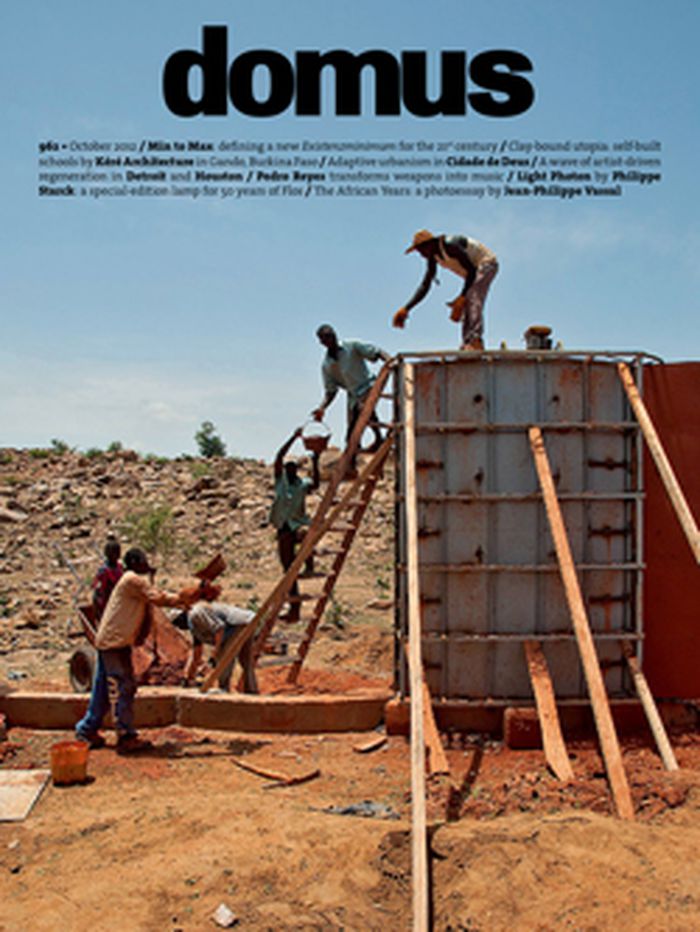
Domus 962
Domus 962
Actions:
Prix:
$35.00
(disponible sur commande)
Résumé:
The October issue of Domus focuses on the theme of affordable housing, tackling the question of what "minimum subsistence dwelling" could mean in the 21st century. It builds on the investigation started at the Min to Max international architecture symposium in Berlin. Guest edited by Ilka and Andreas Ruby, it starts with Berlin-based architecture studio Something(...)
Titre:
Domus 962
Actions:
Prix:
$35.00
(disponible sur commande)
Résumé:
The October issue of Domus focuses on the theme of affordable housing, tackling the question of what "minimum subsistence dwelling" could mean in the 21st century. It builds on the investigation started at the Min to Max international architecture symposium in Berlin. Guest edited by Ilka and Andreas Ruby, it starts with Berlin-based architecture studio Something Fantastic's manifesto on the creative opportunities and innovation allowed by the world recession. Domus then surveys the globe in search of positive strategies where design is subjected to constant experimentation, from Burkina Faso — where, in Gando, Diébédo Francis Kéré runs his experimental architecture workshop —, to Athens — where a group of teachers and researchers finds in the typical Greek polykatoikia the possibility of generating a host of collective and shared spaces —, passing through Detroit, Houston, New York City, Berlin, and Rio de Janeiro. Fresh after the opening of the Venice Architecture Biennale, issue 962 presents Gabriele Basilico's photographic survey of the Biennale's national pavilions, empty and waiting for their annual occupation. Jean-Philippe Vassal's photo essay captures extraordinary moments in the production of everyday space in Africa, and, in Mexico, artist Pedro Reyes transforms agents of death into instruments of life: by converting half a tonne of confiscated weapons into musical instruments, Reyes challenges us to imagine a change for the better.
Classification:
périodiques
périodiques
Publication:
novembre 2012
novembre 2012
Sujet:
Revues
Revues
Classification:
livres
livres
Titre:
The Sweetsburg archives
The Sweetsburg archives
Actions:
Prix:
$25.00
(disponible en magasin)
Résumé:
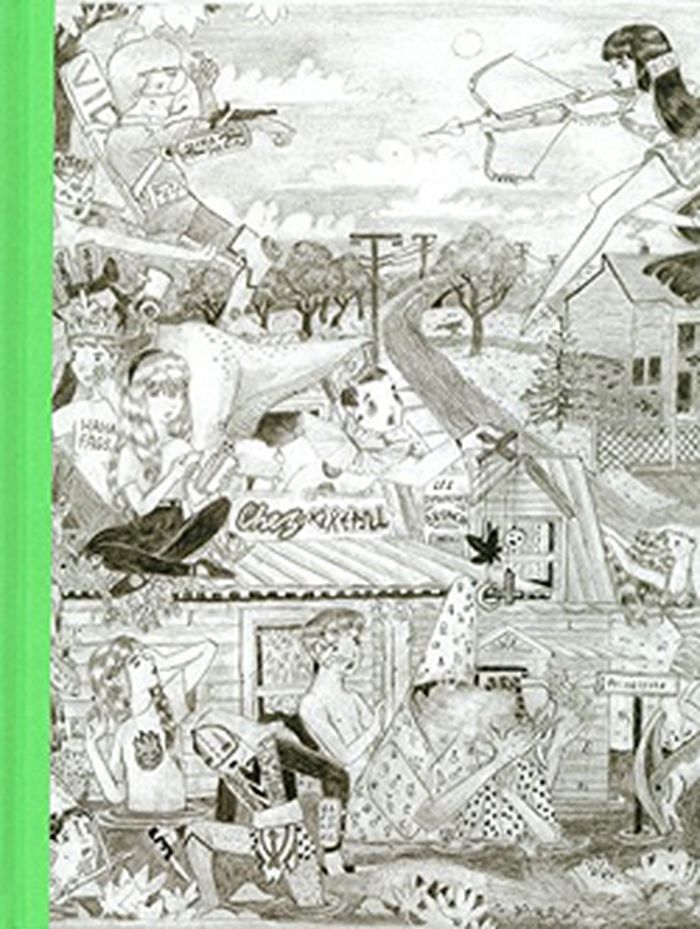
Jonathan Reid Sévigny was born and raised in Cowansville, in the Eastern Townships of Quebec, a culture so unique and full of rare and local treasures that become significant to those who grew up there but perhaps seem completely foreign and often tacky to outsiders. It isn’t the most glamorous town, nor does it have any particular sites or landmarks that one would go out(...)
Titre:
The Sweetsburg archives
Actions:
Prix:
$25.00
(disponible en magasin)
Résumé:
Jonathan Reid Sévigny was born and raised in Cowansville, in the Eastern Townships of Quebec, a culture so unique and full of rare and local treasures that become significant to those who grew up there but perhaps seem completely foreign and often tacky to outsiders. It isn’t the most glamorous town, nor does it have any particular sites or landmarks that one would go out of his / her way to visit. In The Sweetsburg Archives Sévigny is attempting to use his Quebeçois boyhood as an archetype for the relationship between the individual, the hometown, and the bewildering beauty that connects the two. As adults, we tend to romanticize our youth, we try and remember the best things about our coming of age, but we’re also scarred by certain events which we wish we could go back and change; fight back, kiss back. At a glance Sévigny’s depictions of Cowansville seem crisply utopian, a neat little playground of nice boys and girls. However, a closer look reveals their human forms are corrupt, splayed, eaten, and absorbed by animal fraternities, by swords of ritualistic death, by minute veils of the macrocosmic sky in all its unknown intricacies. The scene becomes otherworldly in the kid’s play, pushing us to remember that what is around and inside is both innocent and dirty, violent and soft, and constantly revised.
Classification:
livres
livres
Publication:
juillet 2014
juillet 2014
Sujet:
Illustration
Illustration
Classification:
livres
livres
Titre:
Mythologies
Mythologies
Actions:
Prix:
$17.00
(disponible sur commande)
Résumé:
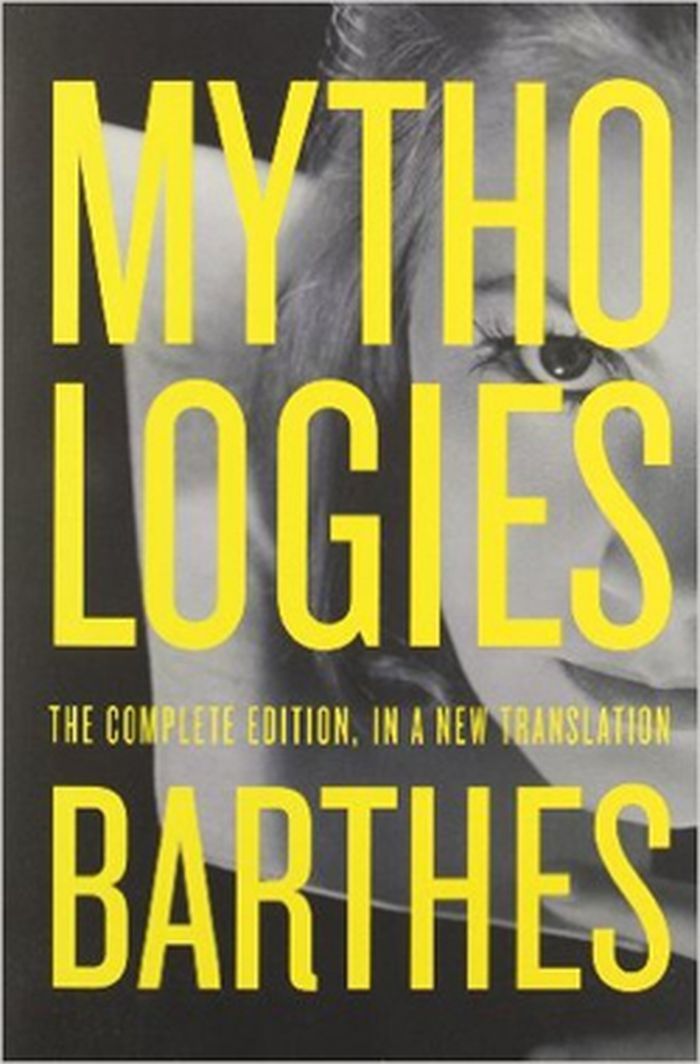
"No denunciation without its proper instrument of close analysis," Roland Barthes wrote in his preface to Mythologies. There is no more proper instrument of analysis of our contemporary myths than this book—one of the most significant works in French theory, and one that has transformed the way readers and philosophers view the world around them. Our age is a triumph(...)
Sujet:
Théorie/ philosophie
Théorie/ philosophie
Publication:
novembre 2013
novembre 2013
Titre:
Mythologies
Actions:
Prix:
$17.00
(disponible sur commande)
Résumé:
"No denunciation without its proper instrument of close analysis," Roland Barthes wrote in his preface to Mythologies. There is no more proper instrument of analysis of our contemporary myths than this book—one of the most significant works in French theory, and one that has transformed the way readers and philosophers view the world around them. Our age is a triumph of codification. We own devices that bring the world to the command of our fingertips. We have access to boundless information and prodigious quantities of stuff. We decide to like or not, to believe or not, to buy or not. We pick and choose. We think we are free. Yet all around us, in pop culture, politics, mainstream media, and advertising, there are codes and symbols that govern our choices. They are the fabrications of consumer society. They express myths of success, well-being, or happiness. As Barthes sees it, these myths must be carefully deciphered, and debunked. What Barthes discerned in mass media, the fashion of plastic, and the politics of postcolonial France applies with equal force to today's social networks, the iPhone, and the images of 9/11. This new edition of Mythologies, complete and beautifully rendered by the Pulitzer Prize–winning poet, critic, and translator Richard Howard, is a consecration of Barthes's classic—a lesson in clairvoyance that is more relevant now than ever.
Classification:
livres
livres
Publication:
novembre 2013
novembre 2013
Sujet:
Théorie/ philosophie
Théorie/ philosophie
Classification:
livres
livres
Titre:
When I was a photographer
When I was a photographer
Actions:
Prix:
$32.95
(disponible sur commande)
Résumé:
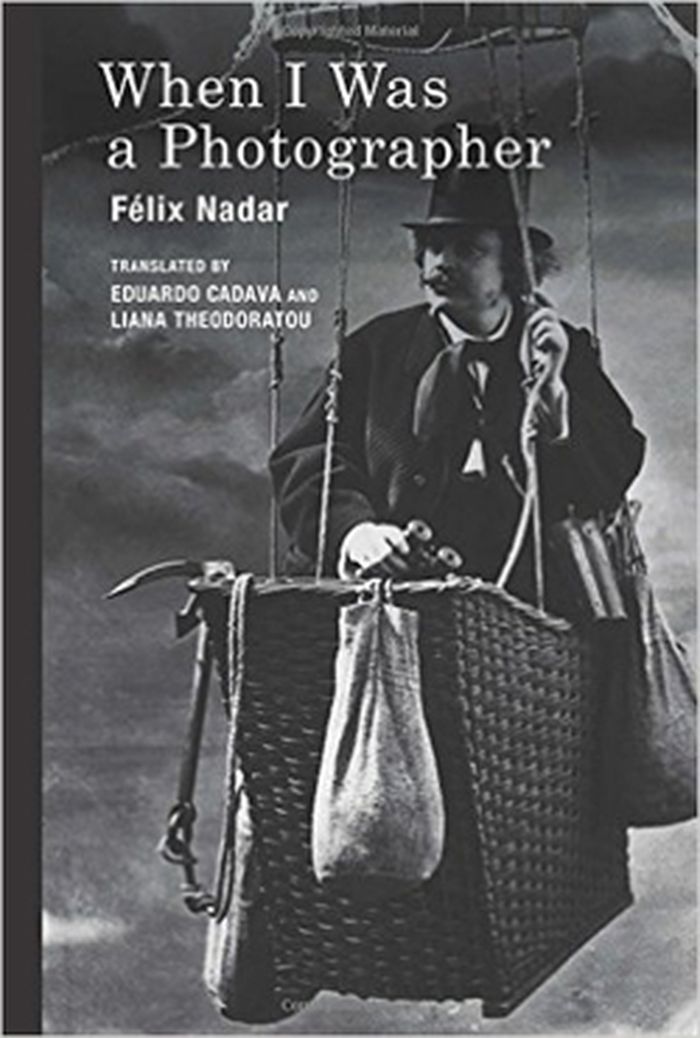
Celebrated nineteenth-century photographer—and writer, actor, caricaturist, inventor, and balloonist—Félix Nadar published this memoir of his photographic life in 1900 at the age of eighty. Composed as a series of vignettes (we might view them as a series of “written photographs”), this intelligent and witty book offers stories of Nadar’s experiences in the early years of(...)
Titre:
When I was a photographer
Actions:
Prix:
$32.95
(disponible sur commande)
Résumé:
Celebrated nineteenth-century photographer—and writer, actor, caricaturist, inventor, and balloonist—Félix Nadar published this memoir of his photographic life in 1900 at the age of eighty. Composed as a series of vignettes (we might view them as a series of “written photographs”), this intelligent and witty book offers stories of Nadar’s experiences in the early years of photography, memorable character sketches, and meditations on history. It is a classic work, cited by writers from Walter Benjamin to Rosalind Krauss. This is its first and only complete English translation. In When I Was a Photographer, Nadar tells us about his descent into the sewers and catacombs of Paris, where he experimented with the use of artificial lighting, and his ascent into the skies over Paris in a hot air balloon, from which he took the first aerial photographs. He recounts his “postal photography” during the 1870-1871 Siege of Paris—an amazing scheme involving micrographic images and carrier pigeons. He describes technical innovations and important figures in photography, and offers a thoughtful consideration of society and culture; but he also writes entertainingly about such matters as Balzac’s terror of being photographed, the impact of a photograph on a celebrated murder case, and the difference between male and female clients. Nadar’s memoir captures, as surely as his photographs, traces of a vanished era.
Classification:
livres
livres
Publication:
août 2015
août 2015
Sujet:
Théorie de la photographie
Théorie de la photographie
Classification:
périodiques
périodiques
Titre:
Monuments historiques.
Monuments historiques.
Actions:
Exemplaires:
Description:
volumes : illustrations ; 28 cm
Description:
volumes : illustrations ; 28 cm
Auteur:
Sujet:
Publication:
Paris : C.N.M.H.S., [1980?-]
Paris : C.N.M.H.S., [1980?-]
Classification:
périodiques
périodiques
Publication:
Paris : C.N.M.H.S., [1980?-]
Paris : C.N.M.H.S., [1980?-]
Auteur:
Sujet:
Classification:
livres
livres
Actions:
Prix:
$58.95
(disponible en magasin)
Résumé:
"In 2005, more than ever, architecture is annihilating places, banalizing them, violating them. Sometimes it replaces the landscape, creates it in its own image, which is nothing but another way of effacing it÷ At a time when we rush across the world faster and faster, when we listen to and watch the same global networks, share feelings about the same disasters, when we(...)
Titre:
Jean Nouvel: Louisiana museum of modern art
Actions:
Prix:
$58.95
(disponible en magasin)
Résumé:
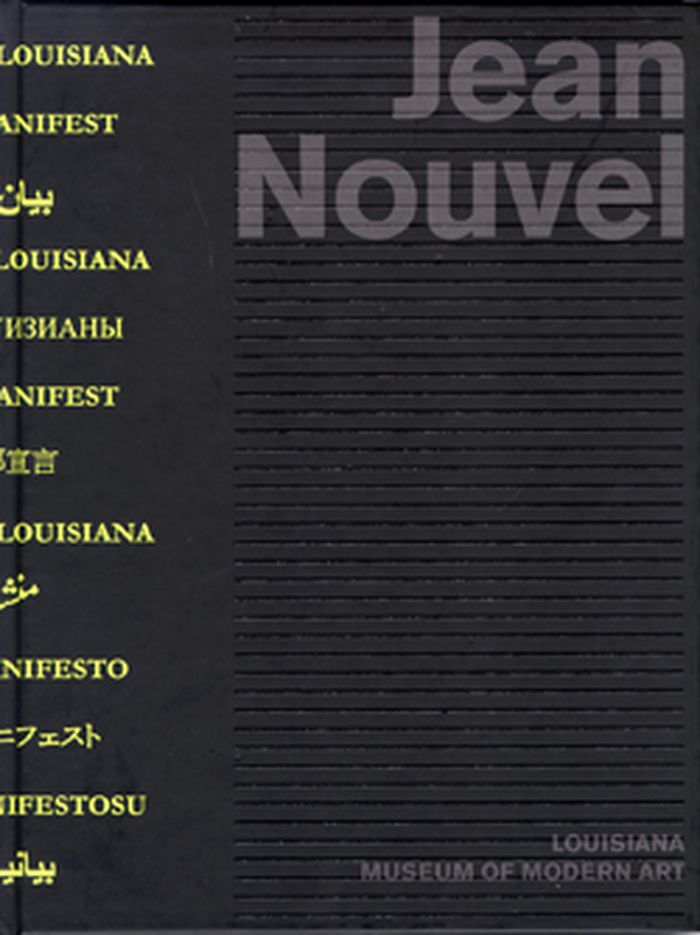
"In 2005, more than ever, architecture is annihilating places, banalizing them, violating them. Sometimes it replaces the landscape, creates it in its own image, which is nothing but another way of effacing it÷ At a time when we rush across the world faster and faster, when we listen to and watch the same global networks, share feelings about the same disasters, when we dance to the same hits, watch the same matches, when they flood us with the same films, in which the star is global, when the president of one country wants to rule the world, when we shop in cloned shopping centers, work behind the same eternal curtain walls÷and when whatever good might come of this forms no part of global priorities÷the global economy is accentuating the effects of the dominant architecture, the type that claims Îwe don't need context.' And yet debate on this galloping frenzy does not exist: architectural criticism, invoking the limits of the discipline, is content with aesthetic and stylistic reflections devoid of any analysis of the real, and ignores the crucial historical clash that--more insistently every day--sets a global architecture against an architecture of situations, generic architecture against an architecture of specificity." So says the international architecture star Jean Nouvel in his manifesto, published here in 12 languages, along with images of his recently completed Louisiana Museum of Modern Art, Denmark.
Classification:
livres
livres
Publication:
août 2006, Louisiana
août 2006, Louisiana
Sujet:
Architecture, monographies
Architecture, monographies
Classification:
audio
audio
Titre:
Lattina.
Lattina.
Actions:
Description:
1 online resource.
Auteur:
Sujet:
Publication:
[Place of publication not identified] : Lateral Addition, 2015.
[Place of publication not identified] : Lateral Addition, 2015.
Classification:
audio
audio
Publication:
[Place of publication not identified] : Lateral Addition, 2015.
[Place of publication not identified] : Lateral Addition, 2015.
Auteur:
Sujet:


