


5194 Résultats
Classification:
livres
livres
Titre:
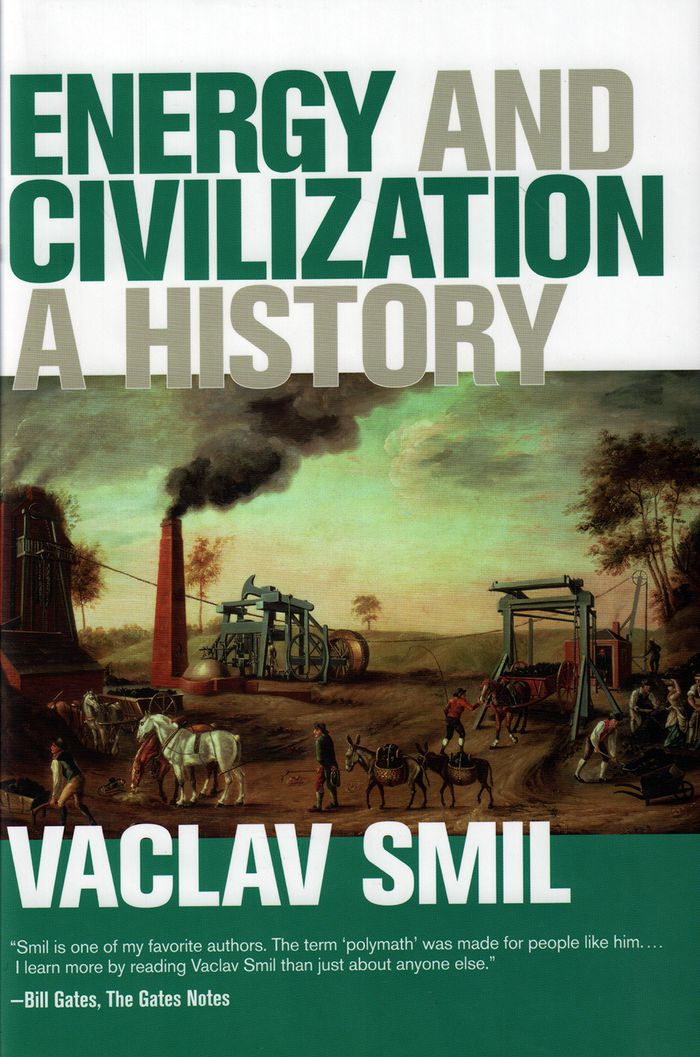
Energy and civilization
Energy and civilization
Actions:
Prix:
$49.00
(disponible sur commande)
Résumé:
Energy is the only universal currency; it is necessary for getting anything done. The conversion of energy on Earth ranges from terra-forming forces of plate tectonics to cumulative erosive effects of raindrops. Life on Earth depends on the photosynthetic conversion of solar energy into plant biomass. Humans have come to rely on many more energy flows—ranging from fossil(...)
$49.00
(disponible sur commande)
Résumé:
Energy is the only universal currency; it is necessary for getting anything done. The conversion of energy on Earth ranges from terra-forming forces of plate tectonics to cumulative erosive effects of raindrops. Life on Earth depends on the photosynthetic conversion of solar energy into plant biomass. Humans have come to rely on many more energy flows—ranging from fossil(...)
Titre:
Energy and civilization
Actions:
Prix:
$49.00
(disponible sur commande)
Résumé:
Energy is the only universal currency; it is necessary for getting anything done. The conversion of energy on Earth ranges from terra-forming forces of plate tectonics to cumulative erosive effects of raindrops. Life on Earth depends on the photosynthetic conversion of solar energy into plant biomass. Humans have come to rely on many more energy flows—ranging from fossil fuels to photovoltaic generation of electricity—for their civilized existence. In this monumental history, Vaclav Smil provides a comprehensive account of how energy has shaped society, from pre-agricultural foraging societies through today’s fossil fuel–driven civilization. Humans are the only species that can systematically harness energies outside their bodies, using the power of their intellect and an enormous variety of artifacts—from the simplest tools to internal combustion engines and nuclear reactors. The epochal transition to fossil fuels affected everything: agriculture, industry, transportation, weapons, communication, economics, urbanization, quality of life, politics, and the environment. Smil describes humanity’s energy eras in panoramic and interdisciplinary fashion, offering readers a magisterial overview. This book is an extensively updated and expanded version of Smil’s "Energy in world history" (1994). Smil has incorporated an enormous amount of new material, reflecting the dramatic developments in energy studies over the last two decades and his own research over that time.
Energy and civilization
Actions:
Prix:
$49.00
(disponible sur commande)
Résumé:
Energy is the only universal currency; it is necessary for getting anything done. The conversion of energy on Earth ranges from terra-forming forces of plate tectonics to cumulative erosive effects of raindrops. Life on Earth depends on the photosynthetic conversion of solar energy into plant biomass. Humans have come to rely on many more energy flows—ranging from fossil fuels to photovoltaic generation of electricity—for their civilized existence. In this monumental history, Vaclav Smil provides a comprehensive account of how energy has shaped society, from pre-agricultural foraging societies through today’s fossil fuel–driven civilization. Humans are the only species that can systematically harness energies outside their bodies, using the power of their intellect and an enormous variety of artifacts—from the simplest tools to internal combustion engines and nuclear reactors. The epochal transition to fossil fuels affected everything: agriculture, industry, transportation, weapons, communication, economics, urbanization, quality of life, politics, and the environment. Smil describes humanity’s energy eras in panoramic and interdisciplinary fashion, offering readers a magisterial overview. This book is an extensively updated and expanded version of Smil’s "Energy in world history" (1994). Smil has incorporated an enormous amount of new material, reflecting the dramatic developments in energy studies over the last two decades and his own research over that time.
Classification:
livres
livres
Publication:
mai 2017
mai 2017
Classification:
livres
livres
Actions:
Prix:
$71.99
(disponible sur commande)
Résumé:
Irish-born designer Eileen Gray (1878-1976) is widely known today as a pioneer of both Art Deco and Modernism. In a career spanning nearly 80 years she produced innovative designs for furniture, lighting, carpets, interiors and architecture. Much less well known is that throughout her life as a designer and an architect she never stopped producing small paintings and(...)
$71.99
(disponible sur commande)
Résumé:
Irish-born designer Eileen Gray (1878-1976) is widely known today as a pioneer of both Art Deco and Modernism. In a career spanning nearly 80 years she produced innovative designs for furniture, lighting, carpets, interiors and architecture. Much less well known is that throughout her life as a designer and an architect she never stopped producing small paintings and(...)
Titre:
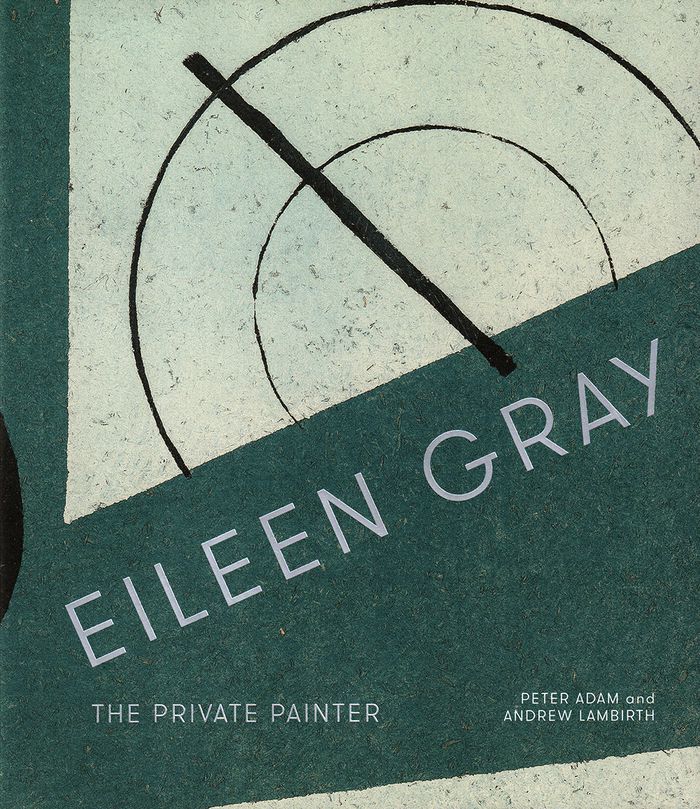
Eileen Gray: the private painter
Actions:
Prix:
$71.99
(disponible sur commande)
Résumé:
Irish-born designer Eileen Gray (1878-1976) is widely known today as a pioneer of both Art Deco and Modernism. In a career spanning nearly 80 years she produced innovative designs for furniture, lighting, carpets, interiors and architecture. Much less well known is that throughout her life as a designer and an architect she never stopped producing small paintings and drawings. This book is the first to focus on Eileen Gray's important but essentially private work as a painter. Eileen Gray considered herself a designer and an architect, not a painter: she viewed her work as a painter with great modesty, treating it as a private occupation and a vehicle for artistic expression during periods when she could not design furniture. Much of her artwork has disappeared, either lost in the Second World War or destroyed by the artist herself. But a body of works on paper, produced between the 1920s and the 1950s, has survived: elegant, geometric drawings and gouaches of muted tonality and subtle power. This book, which reproduces unseen material from the Eileen Gray archive and draws on Gray's correspondence with her niece Prunella Clough on the nature of painting, will be a revelation to her many followers and admirers.
Eileen Gray: the private painter
Actions:
Prix:
$71.99
(disponible sur commande)
Résumé:
Irish-born designer Eileen Gray (1878-1976) is widely known today as a pioneer of both Art Deco and Modernism. In a career spanning nearly 80 years she produced innovative designs for furniture, lighting, carpets, interiors and architecture. Much less well known is that throughout her life as a designer and an architect she never stopped producing small paintings and drawings. This book is the first to focus on Eileen Gray's important but essentially private work as a painter. Eileen Gray considered herself a designer and an architect, not a painter: she viewed her work as a painter with great modesty, treating it as a private occupation and a vehicle for artistic expression during periods when she could not design furniture. Much of her artwork has disappeared, either lost in the Second World War or destroyed by the artist herself. But a body of works on paper, produced between the 1920s and the 1950s, has survived: elegant, geometric drawings and gouaches of muted tonality and subtle power. This book, which reproduces unseen material from the Eileen Gray archive and draws on Gray's correspondence with her niece Prunella Clough on the nature of painting, will be a revelation to her many followers and admirers.
Classification:
livres
livres
Publication:
octobre 2015
octobre 2015
Sujet:
Design, monographies
Design, monographies
Classification:
livres
livres
Actions:
Prix:
$93.95
(disponible en magasin)
Résumé:
Bernd and Hilla Becher's photography can be considered conceptual art, typological study, and topological documentation. Their work can be linked to the Neue Sachlichkeit movement of the 1920s and to such masters of German photography as Karl Blossfeldt, August Sander, and Albert Renger-Patzsch. Their photographs documenting the architecture of industrial structures,(...)
$93.95
(disponible en magasin)
Résumé:
Bernd and Hilla Becher's photography can be considered conceptual art, typological study, and topological documentation. Their work can be linked to the Neue Sachlichkeit movement of the 1920s and to such masters of German photography as Karl Blossfeldt, August Sander, and Albert Renger-Patzsch. Their photographs documenting the architecture of industrial structures,(...)
Titre:
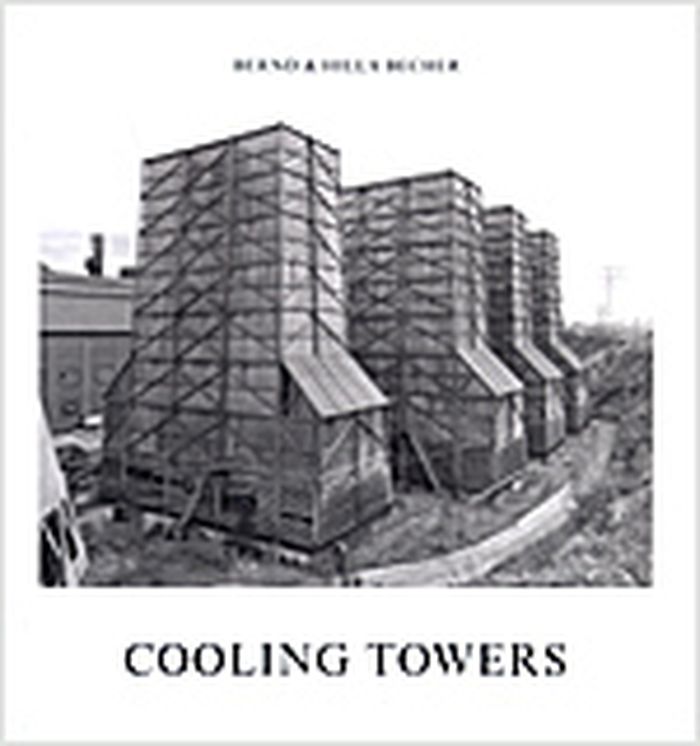
Bernd & Hilla Becher : cooling towers
Actions:
Prix:
$93.95
(disponible en magasin)
Résumé:
Bernd and Hilla Becher's photography can be considered conceptual art, typological study, and topological documentation. Their work can be linked to the Neue Sachlichkeit movement of the 1920s and to such masters of German photography as Karl Blossfeldt, August Sander, and Albert Renger-Patzsch. Their photographs documenting the architecture of industrial structures, taken over the course of forty years, make up the most important body of work to be found in independent objective photography. This volume adds cooling towers to a list of photographic projects that includes book-length studies of water towers, blast furnaces, gas tanks, mineheads, and frame houses. Since the end of the nineteenth century, cooling towers have formed a striking part of electricity and steel works. The first cooling towers were wood-clad structures at coal mines; more recent examples are the steel or concrete constructions seen at nuclear power stations. The simplicity of these forms and their hermetically sealed external skins create an impressive, monumental effect. The Bechers have been photographing cooling towers since the 1960s. This volume contains 236 photographs of cooling towers - in all their different shapes and structural forms - from Belgium, England, France, Germany, Holland, and the United States, and includes a short text by the Bechers.
Bernd & Hilla Becher : cooling towers
Actions:
Prix:
$93.95
(disponible en magasin)
Résumé:
Bernd and Hilla Becher's photography can be considered conceptual art, typological study, and topological documentation. Their work can be linked to the Neue Sachlichkeit movement of the 1920s and to such masters of German photography as Karl Blossfeldt, August Sander, and Albert Renger-Patzsch. Their photographs documenting the architecture of industrial structures, taken over the course of forty years, make up the most important body of work to be found in independent objective photography. This volume adds cooling towers to a list of photographic projects that includes book-length studies of water towers, blast furnaces, gas tanks, mineheads, and frame houses. Since the end of the nineteenth century, cooling towers have formed a striking part of electricity and steel works. The first cooling towers were wood-clad structures at coal mines; more recent examples are the steel or concrete constructions seen at nuclear power stations. The simplicity of these forms and their hermetically sealed external skins create an impressive, monumental effect. The Bechers have been photographing cooling towers since the 1960s. This volume contains 236 photographs of cooling towers - in all their different shapes and structural forms - from Belgium, England, France, Germany, Holland, and the United States, and includes a short text by the Bechers.
Classification:
livres
livres
Publication:
mars 2006, Cambridge,Mass.
mars 2006, Cambridge,Mass.
Sujet:
Monographies photo
Monographies photo
Classification:
livres
livres
Prix:
$86.00
(disponible sur commande)
Résumé:
In the 11 days following the Chernobyl catastrophe on April 26, 1986, more than 116,000 people were permanently evacuated from the area surrounding the nuclear power plant. Declared unfit for human habitation, the zones of exclusion includes the towns of Pripyat (established in the 1970s to house workers) and Chernobyl. In May 2001, Robert Polidori photographed what was(...)
$86.00
(disponible sur commande)
Résumé:
In the 11 days following the Chernobyl catastrophe on April 26, 1986, more than 116,000 people were permanently evacuated from the area surrounding the nuclear power plant. Declared unfit for human habitation, the zones of exclusion includes the towns of Pripyat (established in the 1970s to house workers) and Chernobyl. In May 2001, Robert Polidori photographed what was(...)
Titre:
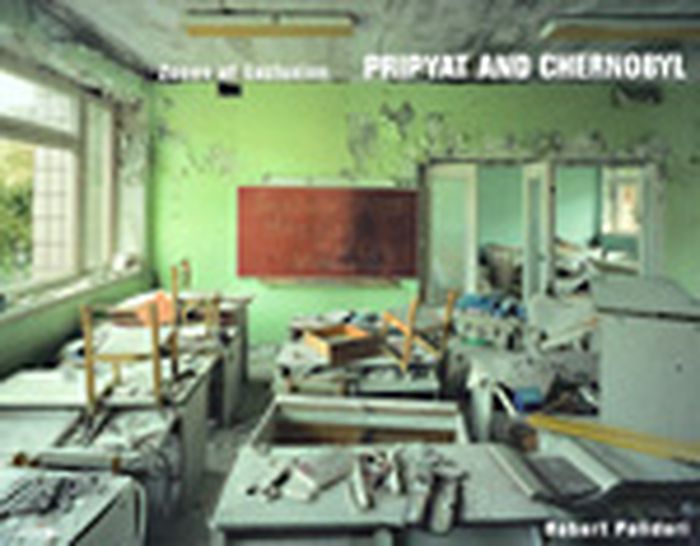
Robert Polidori : zones of exclusion : Pripyat and Chernobyl
Actions:
Prix:
$86.00
(disponible sur commande)
Résumé:
In the 11 days following the Chernobyl catastrophe on April 26, 1986, more than 116,000 people were permanently evacuated from the area surrounding the nuclear power plant. Declared unfit for human habitation, the zones of exclusion includes the towns of Pripyat (established in the 1970s to house workers) and Chernobyl. In May 2001, Robert Polidori photographed what was left behind in the this dead zone. His richly detailed images move from the burned-out control room of reactor 4, where technicians staged the experiment that caused the disaster, to the unfinished apartment complexes, ransacked schools and abandoned nurseries that remain as evidence of those who once called Pripyat home. Nearby, trucks and tanks used in the cleanup efforts rest in an auto graveyard, some covered in lead shrouds and others robbed of parts. Houseboats and barges rust in the contaminated waters of the Pripyat River. Foliage grows over the sidewalks and hides the modest homes of Chernobyl. In his large-scale photographs, Polidori captures the faded colors and desolate atmosphere of these two towns, producing haunting documents that present the reader with a rare view of not just a disastrous event, but a place and the people who lived there.
Robert Polidori : zones of exclusion : Pripyat and Chernobyl
Actions:
Prix:
$86.00
(disponible sur commande)
Résumé:
In the 11 days following the Chernobyl catastrophe on April 26, 1986, more than 116,000 people were permanently evacuated from the area surrounding the nuclear power plant. Declared unfit for human habitation, the zones of exclusion includes the towns of Pripyat (established in the 1970s to house workers) and Chernobyl. In May 2001, Robert Polidori photographed what was left behind in the this dead zone. His richly detailed images move from the burned-out control room of reactor 4, where technicians staged the experiment that caused the disaster, to the unfinished apartment complexes, ransacked schools and abandoned nurseries that remain as evidence of those who once called Pripyat home. Nearby, trucks and tanks used in the cleanup efforts rest in an auto graveyard, some covered in lead shrouds and others robbed of parts. Houseboats and barges rust in the contaminated waters of the Pripyat River. Foliage grows over the sidewalks and hides the modest homes of Chernobyl. In his large-scale photographs, Polidori captures the faded colors and desolate atmosphere of these two towns, producing haunting documents that present the reader with a rare view of not just a disastrous event, but a place and the people who lived there.
Classification:
livres
livres
Publication:
août 2003, Göttingen
août 2003, Göttingen
Sujet:
Monographies photo
Monographies photo
Classification:
livres
livres
Actions:
Prix:
$46.95
(disponible sur commande)
Résumé:
The author, Gerhard Mack, explores the architecture of each individual museum in detail, and highlights current tendencies in museum building in his seminal essay "Time Rediscovered". This is complemented by an introduction by Harald Szeemann, who(...)
$46.95
(disponible sur commande)
Résumé:
The author, Gerhard Mack, explores the architecture of each individual museum in detail, and highlights current tendencies in museum building in his seminal essay "Time Rediscovered". This is complemented by an introduction by Harald Szeemann, who(...)
Titre:
Art museums into the 21st century
Actions:
Prix:
$46.95
(disponible sur commande)
Résumé:
The author, Gerhard Mack, explores the architecture of each individual museum in detail, and highlights current tendencies in museum building in his seminal essay "Time Rediscovered". This is complemented by an introduction by Harald Szeemann, who as curator of the Kunsthaus in Zürich, was appointed director for Fine Arts at the Biennale in Venice this year. The museums examined in this book are Kunsthaus in Bregenz, the Museum of the Beyeler Fondation near Basel, the Guggenheim Museum in Bilbao, the Getty Center in Los Angeles and the Moderna und Arkitektur Museet in Stockholm all opening within a year of one another. The Tate Gallery of Modern Art which is being built by Herzog & de Meuron in a former power station on the Thames in London is to be completed in May 1999. Conversations with the architects Frank O. Gehry, Jacques Herzog, Richard Meier, Rafael Moneo, Jean Nouvel, Renzo Piano and Peter Zumthor reveal the wide spectrum of design concerns in contemporary museum design and building. In the Pavilion at the Beyeler Fondation, the interaction of nature, light and the presentation of art is an impressive experience. Jean Nouvel perceives the museum as a public place, bringing the various areas of 'urban chaos' into contact with each other. A total of eight projects are presented.
Art museums into the 21st century
Actions:
Prix:
$46.95
(disponible sur commande)
Résumé:
The author, Gerhard Mack, explores the architecture of each individual museum in detail, and highlights current tendencies in museum building in his seminal essay "Time Rediscovered". This is complemented by an introduction by Harald Szeemann, who as curator of the Kunsthaus in Zürich, was appointed director for Fine Arts at the Biennale in Venice this year. The museums examined in this book are Kunsthaus in Bregenz, the Museum of the Beyeler Fondation near Basel, the Guggenheim Museum in Bilbao, the Getty Center in Los Angeles and the Moderna und Arkitektur Museet in Stockholm all opening within a year of one another. The Tate Gallery of Modern Art which is being built by Herzog & de Meuron in a former power station on the Thames in London is to be completed in May 1999. Conversations with the architects Frank O. Gehry, Jacques Herzog, Richard Meier, Rafael Moneo, Jean Nouvel, Renzo Piano and Peter Zumthor reveal the wide spectrum of design concerns in contemporary museum design and building. In the Pavilion at the Beyeler Fondation, the interaction of nature, light and the presentation of art is an impressive experience. Jean Nouvel perceives the museum as a public place, bringing the various areas of 'urban chaos' into contact with each other. A total of eight projects are presented.
Classification:
livres
livres
Publication:
janvier 1900, Basel
janvier 1900, Basel
Classification:
livres
livres
Actions:
Prix:
$45.95
(disponible sur commande)
Résumé:
This book consists of two parts. Within each chapter, the left-hand page shows the work of an artist and the right-hand page that of an architect. This device of presenting the work in pairs has been contrived to emphasize the remarkable degree of correspondence between art and architecture and to highlight the common conceptual and physical qualities of(...)
$45.95
(disponible sur commande)
Résumé:
This book consists of two parts. Within each chapter, the left-hand page shows the work of an artist and the right-hand page that of an architect. This device of presenting the work in pairs has been contrived to emphasize the remarkable degree of correspondence between art and architecture and to highlight the common conceptual and physical qualities of(...)
Sujet:
Théorie de l’architecture
Théorie de l’architecture
Publication:
novembre 1999, Barcelona
novembre 1999, Barcelona
Titre:
Art and architecture : new affinities
Actions:
Prix:
$45.95
(disponible sur commande)
Résumé:
This book consists of two parts. Within each chapter, the left-hand page shows the work of an artist and the right-hand page that of an architect. This device of presenting the work in pairs has been contrived to emphasize the remarkable degree of correspondence between art and architecture and to highlight the common conceptual and physical qualities of the projects. Throughout, designers, landscape architects and lighting engineers are included in the architectural category, as their working structures, contractually defined to provide a quantifiable design service to the client, are alike. The works are assembled according to their design concept and arranged in eight sections, which identify the most important characteristics of each project. 'Barometer' focuses on the connection of the work to its natural environment, and 'Passage' investigates the relationship of space perception to physical movement. 'Reflection' looks at the suggestive power of the double image, and 'Light' compiles examples of the material quality of luminous matter. The manipulation of our habitual point of view is the subject of the chapter called 'Observation', while 'Excavation', as the title suggests, deals with the exploration of negative space. The 'Sound' chapter reviews the pervasive presence of resonant structures, and 'Memory' is dedicated to the physicality of our recollections.
Art and architecture : new affinities
Actions:
Prix:
$45.95
(disponible sur commande)
Résumé:
This book consists of two parts. Within each chapter, the left-hand page shows the work of an artist and the right-hand page that of an architect. This device of presenting the work in pairs has been contrived to emphasize the remarkable degree of correspondence between art and architecture and to highlight the common conceptual and physical qualities of the projects. Throughout, designers, landscape architects and lighting engineers are included in the architectural category, as their working structures, contractually defined to provide a quantifiable design service to the client, are alike. The works are assembled according to their design concept and arranged in eight sections, which identify the most important characteristics of each project. 'Barometer' focuses on the connection of the work to its natural environment, and 'Passage' investigates the relationship of space perception to physical movement. 'Reflection' looks at the suggestive power of the double image, and 'Light' compiles examples of the material quality of luminous matter. The manipulation of our habitual point of view is the subject of the chapter called 'Observation', while 'Excavation', as the title suggests, deals with the exploration of negative space. The 'Sound' chapter reviews the pervasive presence of resonant structures, and 'Memory' is dedicated to the physicality of our recollections.
Classification:
livres
livres
Publication:
novembre 1999, Barcelona
novembre 1999, Barcelona
Sujet:
Théorie de l’architecture
Théorie de l’architecture
Classification:
livres
livres
Titre:
The ethics of building
The ethics of building
Actions:
Prix:
$47.95
(disponible sur commande)
Résumé:
Mario Botta's villas, schools, banks, office and administrative buildings, museums and churches are structures of extraordinary visual power. How do they come into being? What are the foundations and constants in Botta's design process? What are the (...)
$47.95
(disponible sur commande)
Résumé:
Mario Botta's villas, schools, banks, office and administrative buildings, museums and churches are structures of extraordinary visual power. How do they come into being? What are the foundations and constants in Botta's design process? What are the (...)
Titre:
The ethics of building
Actions:
Prix:
$47.95
(disponible sur commande)
Résumé:
Mario Botta's villas, schools, banks, office and administrative buildings, museums and churches are structures of extraordinary visual power. How do they come into being? What are the foundations and constants in Botta's design process? What are the convictions behind them and the experiences derived from thirty years of creative work? This book answers these questions in three chapters, revolving around the themes of city, architecture and design. To Botta, the most primary and important task of the house is to protect and comfort; it is the place where the individual can find himself. Consequently, Botta describes the city as the "house» of a community, a house which should permit the most varied of interactions. The design in either of these two realms should never disregard the other. The architect must not forget that one of his essential tasks is to enrich the city that all too often threatens to deteriorate into an agglomerate. Architecture that deserves its name is "pensieri costruiti»: constructed ideas; it therefore does not limit itself to the functional and the pragmatic, but holds a beacon pointing to what already exists. When it comes to his furniture designs, Botta is fascinated by the tension between unchanging function and the persistent search for new aesthetic interpretation.
The ethics of building
Actions:
Prix:
$47.95
(disponible sur commande)
Résumé:
Mario Botta's villas, schools, banks, office and administrative buildings, museums and churches are structures of extraordinary visual power. How do they come into being? What are the foundations and constants in Botta's design process? What are the convictions behind them and the experiences derived from thirty years of creative work? This book answers these questions in three chapters, revolving around the themes of city, architecture and design. To Botta, the most primary and important task of the house is to protect and comfort; it is the place where the individual can find himself. Consequently, Botta describes the city as the "house» of a community, a house which should permit the most varied of interactions. The design in either of these two realms should never disregard the other. The architect must not forget that one of his essential tasks is to enrich the city that all too often threatens to deteriorate into an agglomerate. Architecture that deserves its name is "pensieri costruiti»: constructed ideas; it therefore does not limit itself to the functional and the pragmatic, but holds a beacon pointing to what already exists. When it comes to his furniture designs, Botta is fascinated by the tension between unchanging function and the persistent search for new aesthetic interpretation.
Classification:
livres
livres
Publication:
octobre 1997, Basel
octobre 1997, Basel
Sujet:
Architecture, monographies
Architecture, monographies
Classification:
livres
livres
Actions:
Prix:
$85.00
(disponible sur commande)
Résumé:
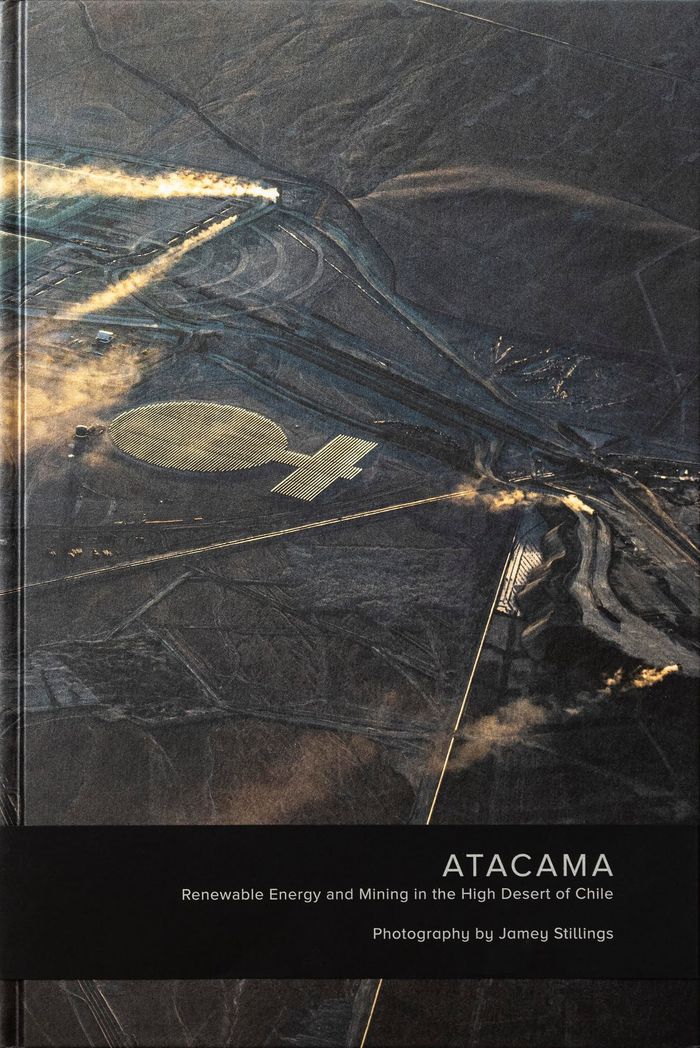
With "Atacama", Jamey Stillings again shares his distinctive aerial perspective to examine dramatic large-scale renewable energy projects, the visual dynamic of enormous mining operations and the stark beauty of the Atacama Desert, so often scarred by human activity. Chile produces a third of the world’s copper and has the largest known lithium reserves, and we utilize(...)
$85.00
(disponible sur commande)
Résumé:
With "Atacama", Jamey Stillings again shares his distinctive aerial perspective to examine dramatic large-scale renewable energy projects, the visual dynamic of enormous mining operations and the stark beauty of the Atacama Desert, so often scarred by human activity. Chile produces a third of the world’s copper and has the largest known lithium reserves, and we utilize(...)
Titre:
Jamey Stillings: Atacama, renewable energy and mining in the high desert of Chile
Actions:
Prix:
$85.00
(disponible sur commande)
Résumé:
With "Atacama", Jamey Stillings again shares his distinctive aerial perspective to examine dramatic large-scale renewable energy projects, the visual dynamic of enormous mining operations and the stark beauty of the Atacama Desert, so often scarred by human activity. Chile produces a third of the world’s copper and has the largest known lithium reserves, and we utilize these resources daily in our cars, computers and smartphones. The country’s mining industry has traditionally been dependent on imported coal, diesel and natural gas for its energy. Yet the Atacama Desert has excellent solar and wind potential: new renewable energy projects there now supply significant electricity to the northern grid, transmit power to population centers in the south, and are reducing mining’s dependence on fossil fuel. Stillings’ aesthetic interest in the human-altered landscape and concerns for environmental sustainability are principal pillars of his work. His photography elicits a critical dialogue about meeting our needs and desires while seeking equilibrium between nature and human activity. "Atacama," the latest chapter in his ongoing project "Changing perspectives," shows how photography can concurrently be a source of inspiration, motivation and information, and reminds us that a carbon-constrained future is crucial to a responsible approach to life on earth.
Jamey Stillings: Atacama, renewable energy and mining in the high desert of Chile
Actions:
Prix:
$85.00
(disponible sur commande)
Résumé:
With "Atacama", Jamey Stillings again shares his distinctive aerial perspective to examine dramatic large-scale renewable energy projects, the visual dynamic of enormous mining operations and the stark beauty of the Atacama Desert, so often scarred by human activity. Chile produces a third of the world’s copper and has the largest known lithium reserves, and we utilize these resources daily in our cars, computers and smartphones. The country’s mining industry has traditionally been dependent on imported coal, diesel and natural gas for its energy. Yet the Atacama Desert has excellent solar and wind potential: new renewable energy projects there now supply significant electricity to the northern grid, transmit power to population centers in the south, and are reducing mining’s dependence on fossil fuel. Stillings’ aesthetic interest in the human-altered landscape and concerns for environmental sustainability are principal pillars of his work. His photography elicits a critical dialogue about meeting our needs and desires while seeking equilibrium between nature and human activity. "Atacama," the latest chapter in his ongoing project "Changing perspectives," shows how photography can concurrently be a source of inspiration, motivation and information, and reminds us that a carbon-constrained future is crucial to a responsible approach to life on earth.
Classification:
livres
livres
Publication:
juin 2020
juin 2020
Sujet:
Monographies photo
Monographies photo
Classification:
livres
livres
Actions:
Prix:
$33.00
(disponible sur commande)
Résumé:
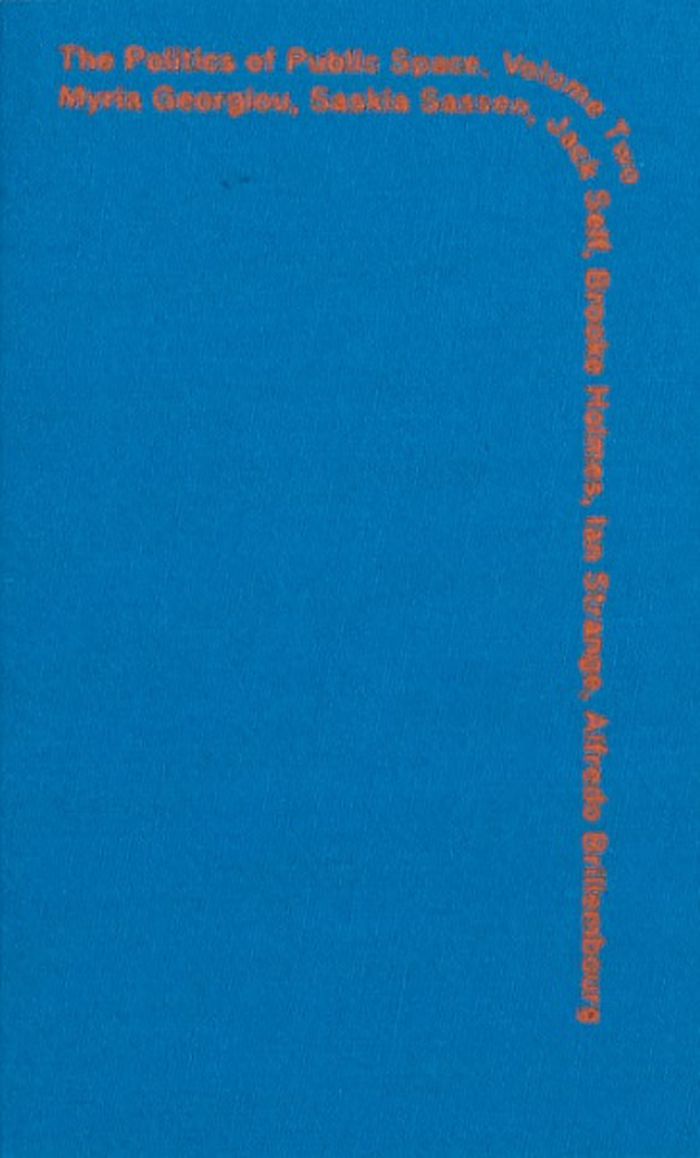
The Politics of Public Space is a quarterly publication of transcripts that speak directly to the city and the way we read it. The second volume addresses the effects of COVID-19, including the sudden changes in the way we interact and view our public spaces. It contains excerpts from Myria Georgiou, Saskia Sassen, Jack Self, Brooke Holmes, Ian Strange and Alfredo(...)
$33.00
(disponible sur commande)
Résumé:
The Politics of Public Space is a quarterly publication of transcripts that speak directly to the city and the way we read it. The second volume addresses the effects of COVID-19, including the sudden changes in the way we interact and view our public spaces. It contains excerpts from Myria Georgiou, Saskia Sassen, Jack Self, Brooke Holmes, Ian Strange and Alfredo(...)
Titre:
Politics of Public Space, Volume 2
Actions:
Prix:
$33.00
(disponible sur commande)
Résumé:
The Politics of Public Space is a quarterly publication of transcripts that speak directly to the city and the way we read it. The second volume addresses the effects of COVID-19, including the sudden changes in the way we interact and view our public spaces. It contains excerpts from Myria Georgiou, Saskia Sassen, Jack Self, Brooke Holmes, Ian Strange and Alfredo Brillembourg. This publication curates a series of global perspectives as we all come to terms with a new way of life due to the virus. Myria Georgiou observes the emergence of digital solidarity groups throughout the UK as inequalities and vulnerabilities are foregrounded. World-renowned sociologist Saskia Sassen reveals the pervasiveness of power as the fragility of our global connectedness is further disclosed. The true publicness of our cities is revealed in Jack Self’s account of protest and opposition to the political structures. Brooke Holmes depicts an interconnectedness between the health of the city and it’s citizens traced back to antiquity. Australian artist Ian Strange unpacks his understanding of the home as he recounts a decade of practice into the subject. And Venezuelan architect Alfredo Brillembourg calls to arms the architecture profession to deal directly with issues of injustice within the built environment.
Politics of Public Space, Volume 2
Actions:
Prix:
$33.00
(disponible sur commande)
Résumé:
The Politics of Public Space is a quarterly publication of transcripts that speak directly to the city and the way we read it. The second volume addresses the effects of COVID-19, including the sudden changes in the way we interact and view our public spaces. It contains excerpts from Myria Georgiou, Saskia Sassen, Jack Self, Brooke Holmes, Ian Strange and Alfredo Brillembourg. This publication curates a series of global perspectives as we all come to terms with a new way of life due to the virus. Myria Georgiou observes the emergence of digital solidarity groups throughout the UK as inequalities and vulnerabilities are foregrounded. World-renowned sociologist Saskia Sassen reveals the pervasiveness of power as the fragility of our global connectedness is further disclosed. The true publicness of our cities is revealed in Jack Self’s account of protest and opposition to the political structures. Brooke Holmes depicts an interconnectedness between the health of the city and it’s citizens traced back to antiquity. Australian artist Ian Strange unpacks his understanding of the home as he recounts a decade of practice into the subject. And Venezuelan architect Alfredo Brillembourg calls to arms the architecture profession to deal directly with issues of injustice within the built environment.
Classification:
livres
livres
Publication:
août 2020
août 2020
Sujet:
Théorie de l’urbanisme
Théorie de l’urbanisme
Classification:
livres
livres
Sujet:
Publication:
European Center for Constitutional and Human Rights Akademie der Künste 2019
European Center for Constitutional and Human Rights Akademie der Künste 2019
Classification:
livres
livres
Publication:
European Center for Constitutional and Human Rights Akademie der Künste 2019
European Center for Constitutional and Human Rights Akademie der Künste 2019
Sujet:


