


5194 Résultats
Classification:
audio
audio
Actions:
Description:
1 online resource.
Auteur:
Sujet:
Publication:
[Place of publication not identified] : The Funambulist, 2020.
[Place of publication not identified] : The Funambulist, 2020.
Titre:
Namibian History, Anticolonial Solidarities & Reparative Futurities.
Actions:
Description:
1 online resource.
Namibian History, Anticolonial Solidarities & Reparative Futurities.
Actions:
Description:
1 online resource.
Classification:
audio
audio
Publication:
[Place of publication not identified] : The Funambulist, 2020.
[Place of publication not identified] : The Funambulist, 2020.
Auteur:
Sujet:
Classification:
livres
livres
Actions:
Sujet:
Publication:
Library Stack NN Contemporary Art 2023
Library Stack NN Contemporary Art 2023
Classification:
livres
livres
Publication:
Library Stack NN Contemporary Art 2023
Library Stack NN Contemporary Art 2023
Sujet:
Classification:
livres
livres
Prix:
$47.00
(disponible sur commande)
Résumé:
"The Iconic House" features over one hundred of the most important and influential houses designed and built since 1900. With seminal works by Le Corbusier, Frank Lloyd Wright, and Mies van der Rohe, as well as modern-day greats like Tadao Ando, Rem Koolhaas, and Herzog & de Meuron, this book brings to life a stunning array of architectural masterpieces. Wide-ranging in(...)
$47.00
(disponible sur commande)
Résumé:
"The Iconic House" features over one hundred of the most important and influential houses designed and built since 1900. With seminal works by Le Corbusier, Frank Lloyd Wright, and Mies van der Rohe, as well as modern-day greats like Tadao Ando, Rem Koolhaas, and Herzog & de Meuron, this book brings to life a stunning array of architectural masterpieces. Wide-ranging in(...)
Titre:
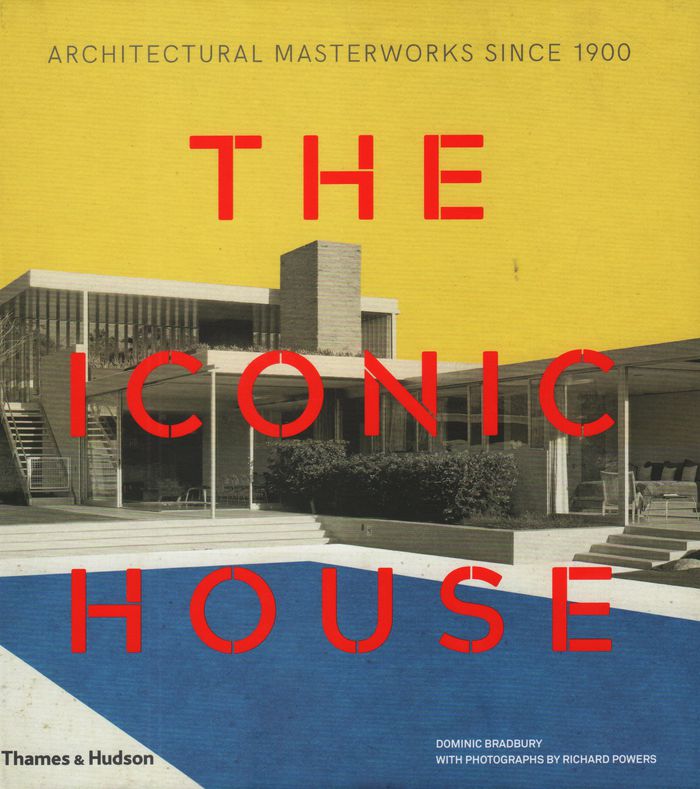
The iconic house: architectural masterworks since 1900
Actions:
Prix:
$47.00
(disponible sur commande)
Résumé:
"The Iconic House" features over one hundred of the most important and influential houses designed and built since 1900. With seminal works by Le Corbusier, Frank Lloyd Wright, and Mies van der Rohe, as well as modern-day greats like Tadao Ando, Rem Koolhaas, and Herzog & de Meuron, this book brings to life a stunning array of architectural masterpieces. Wide-ranging in both geographical scope and artistic style, the houses share an appreciation of local materials and building traditions and a careful understanding of clients’ needs. Each house, however, is the result of a unique approach that makes it groundbreaking for its time.
The iconic house: architectural masterworks since 1900
Actions:
Prix:
$47.00
(disponible sur commande)
Résumé:
"The Iconic House" features over one hundred of the most important and influential houses designed and built since 1900. With seminal works by Le Corbusier, Frank Lloyd Wright, and Mies van der Rohe, as well as modern-day greats like Tadao Ando, Rem Koolhaas, and Herzog & de Meuron, this book brings to life a stunning array of architectural masterpieces. Wide-ranging in both geographical scope and artistic style, the houses share an appreciation of local materials and building traditions and a careful understanding of clients’ needs. Each house, however, is the result of a unique approach that makes it groundbreaking for its time.
Classification:
livres
livres
Publication:
octobre 2018
octobre 2018
Sujet:
Architecture résidentielle
Architecture résidentielle
Classification:
livres
livres
Actions:
Prix:
$49.95
(disponible sur commande)
Résumé:
Modern is the most comprehensive study of Modern Movement architecture in Britain ever published. Shortlisted for the RIBA Bookshops International Book Award of 2005, this critically acclaimed publication is now available in paperback for the first time. Encyclopedic in scope and structure, it covers the work of such renowned architects as Walter Gropius, Marcel Breuer,(...)
$49.95
(disponible sur commande)
Résumé:
Modern is the most comprehensive study of Modern Movement architecture in Britain ever published. Shortlisted for the RIBA Bookshops International Book Award of 2005, this critically acclaimed publication is now available in paperback for the first time. Encyclopedic in scope and structure, it covers the work of such renowned architects as Walter Gropius, Marcel Breuer,(...)
Sujet:
Modernisme
Modernisme
Publication:
juillet 2007, London, New York
juillet 2007, London, New York
Titre:
Modern : The modern movement in Britain
Actions:
Prix:
$49.95
(disponible sur commande)
Résumé:
Modern is the most comprehensive study of Modern Movement architecture in Britain ever published. Shortlisted for the RIBA Bookshops International Book Award of 2005, this critically acclaimed publication is now available in paperback for the first time. Encyclopedic in scope and structure, it covers the work of such renowned architects as Walter Gropius, Marcel Breuer, Maxwell Fry, Ernö Goldfinger, Berthold Lubetkin and others who changed the vocabulary of architecture in Britain between the wars. Specially commissioned photographs document all the major surviving buildings, from private houses and apartment blocks to schools and factories.
Modern : The modern movement in Britain
Actions:
Prix:
$49.95
(disponible sur commande)
Résumé:
Modern is the most comprehensive study of Modern Movement architecture in Britain ever published. Shortlisted for the RIBA Bookshops International Book Award of 2005, this critically acclaimed publication is now available in paperback for the first time. Encyclopedic in scope and structure, it covers the work of such renowned architects as Walter Gropius, Marcel Breuer, Maxwell Fry, Ernö Goldfinger, Berthold Lubetkin and others who changed the vocabulary of architecture in Britain between the wars. Specially commissioned photographs document all the major surviving buildings, from private houses and apartment blocks to schools and factories.
Classification:
livres
livres
Publication:
juillet 2007, London, New York
juillet 2007, London, New York
Sujet:
Modernisme
Modernisme
Classification:
livres
livres
Actions:
Prix:
$47.00
(disponible sur commande)
Résumé:
Featuring one hundred of the most spectacular interiors across the world, this illustrated overview spans the entire twentieth century to the present day and includes interiors assembled by leading artists, fashion designers, architects, and interior and set designers. Bringing together diverse design talents, from Piero Fornasetti and Coco Chanel to Alvar Aalto, Marc(...)
$47.00
(disponible sur commande)
Résumé:
Featuring one hundred of the most spectacular interiors across the world, this illustrated overview spans the entire twentieth century to the present day and includes interiors assembled by leading artists, fashion designers, architects, and interior and set designers. Bringing together diverse design talents, from Piero Fornasetti and Coco Chanel to Alvar Aalto, Marc(...)
Titre:
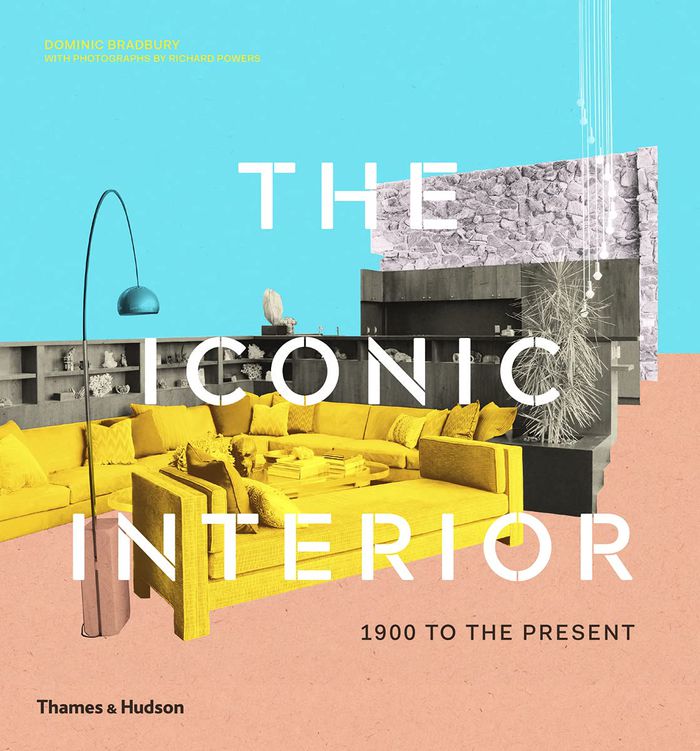
The iconic interior: 1900 to the present
Actions:
Prix:
$47.00
(disponible sur commande)
Résumé:
Featuring one hundred of the most spectacular interiors across the world, this illustrated overview spans the entire twentieth century to the present day and includes interiors assembled by leading artists, fashion designers, architects, and interior and set designers. Bringing together diverse design talents, from Piero Fornasetti and Coco Chanel to Alvar Aalto, Marc Newson, and Matthew Williamson, this expanded edition of "The iconic interior" also features three new interiors from Los Angeles–based Commune Design, Morocco-based tile designers Samuel and Caitlin Dowe-Sandes, and Dimore Studio’s London house interior for the owners of fashion design studio Dsquared2. The book also features a list of designer biographies and key works, making this a complete resource for designers and students. Representing every style, from minimalism and art nouveau to neotraditional and Gesamtkunstwerk creations, these iconic interiors are sure to inspire all audiences, from designers and students to homeowners and DIY enthusiasts.
The iconic interior: 1900 to the present
Actions:
Prix:
$47.00
(disponible sur commande)
Résumé:
Featuring one hundred of the most spectacular interiors across the world, this illustrated overview spans the entire twentieth century to the present day and includes interiors assembled by leading artists, fashion designers, architects, and interior and set designers. Bringing together diverse design talents, from Piero Fornasetti and Coco Chanel to Alvar Aalto, Marc Newson, and Matthew Williamson, this expanded edition of "The iconic interior" also features three new interiors from Los Angeles–based Commune Design, Morocco-based tile designers Samuel and Caitlin Dowe-Sandes, and Dimore Studio’s London house interior for the owners of fashion design studio Dsquared2. The book also features a list of designer biographies and key works, making this a complete resource for designers and students. Representing every style, from minimalism and art nouveau to neotraditional and Gesamtkunstwerk creations, these iconic interiors are sure to inspire all audiences, from designers and students to homeowners and DIY enthusiasts.
Classification:
livres
livres
Publication:
avril 2021
avril 2021
Sujet:
Design d’intérieur
Design d’intérieur
Classification:
livres
livres
Actions:
Exemplaires:
Description:
iv, 47 p. 28 cm.
Description:
iv, 47 p. 28 cm.
Auteur:
Sujet:
Publication:
Winnipeg : University of Winnipeg, Institute of Urban Studies, 1985.
Winnipeg : University of Winnipeg, Institute of Urban Studies, 1985.
Titre:
The evolving urban land tenure system in Canada / by Mohammed Qadeer.
Actions:
Exemplaires:
Description:
iv, 47 p. 28 cm.
The evolving urban land tenure system in Canada / by Mohammed Qadeer.
Actions:
Exemplaires:
Description:
iv, 47 p. 28 cm.
Classification:
livres
livres
Publication:
Winnipeg : University of Winnipeg, Institute of Urban Studies, 1985.
Winnipeg : University of Winnipeg, Institute of Urban Studies, 1985.
Auteur:
Sujet:
Classification:
livres
livres
Actions:
Exemplaires:
Description:
539 pages : illustrations (chiefly color) ; 25 cm
Description:
539 pages : illustrations (chiefly color) ; 25 cm
Auteur:
Sujet:
Publication:
Berlin : DOM Publishers, [2016]
Berlin : DOM Publishers, [2016]
Titre:
Architectural guide : United Arbab Emirates / Hendrik Bohle / Jan Dimog ; translated by Clarice Knowles.
Actions:
Exemplaires:
Description:
539 pages : illustrations (chiefly color) ; 25 cm
Architectural guide : United Arbab Emirates / Hendrik Bohle / Jan Dimog ; translated by Clarice Knowles.
Actions:
Exemplaires:
Description:
539 pages : illustrations (chiefly color) ; 25 cm
Classification:
livres
livres
Publication:
Berlin : DOM Publishers, [2016]
Berlin : DOM Publishers, [2016]
Auteur:
Sujet:
Classification:
livres
livres
Actions:
Exemplaires:
Description:
xiv, 366 pages : illustrations ; 24 cm
Description:
xiv, 366 pages : illustrations ; 24 cm
Auteur:
Sujet:
Publication:
Shaftesbury, Dorset : Donhead, 1998.
Shaftesbury, Dorset : Donhead, 1998.
Titre:
Architecture 1900 / edited by Peter Burman.
Actions:
Exemplaires:
Description:
xiv, 366 pages : illustrations ; 24 cm
Architecture 1900 / edited by Peter Burman.
Actions:
Exemplaires:
Description:
xiv, 366 pages : illustrations ; 24 cm
Classification:
livres
livres
Publication:
Shaftesbury, Dorset : Donhead, 1998.
Shaftesbury, Dorset : Donhead, 1998.
Auteur:
Sujet:
Classification:
livres
livres
Titre:
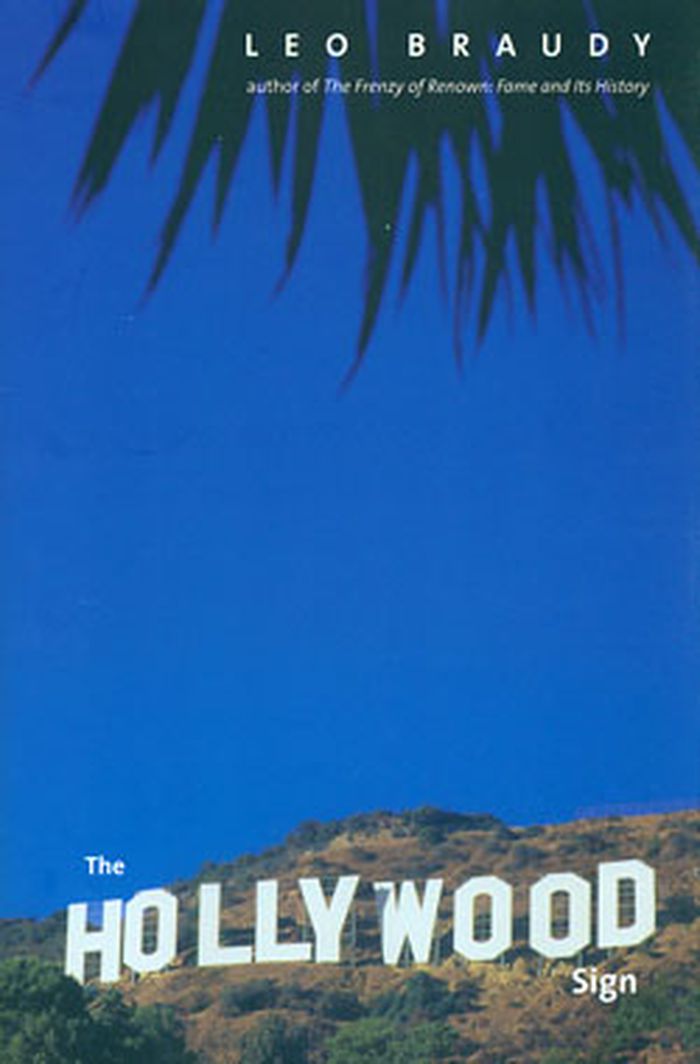
The Hollywood sign
The Hollywood sign
Actions:
Prix:
$27.95
(disponible sur commande)
Résumé:
Hollywood's famous sign, constructed of massive white block letters set into a steep hillside, is an emblem of the movie capital it looms over and an international symbol of glamour and star power. To so many who see its image, the sign represents the earthly home of that otherwise ethereal world of fame, stardom, and celebrity -the goal of American and worldwide(...)
$27.95
(disponible sur commande)
Résumé:
Hollywood's famous sign, constructed of massive white block letters set into a steep hillside, is an emblem of the movie capital it looms over and an international symbol of glamour and star power. To so many who see its image, the sign represents the earthly home of that otherwise ethereal world of fame, stardom, and celebrity -the goal of American and worldwide(...)
Titre:
The Hollywood sign
Actions:
Prix:
$27.95
(disponible sur commande)
Résumé:
Hollywood's famous sign, constructed of massive white block letters set into a steep hillside, is an emblem of the movie capital it looms over and an international symbol of glamour and star power. To so many who see its image, the sign represents the earthly home of that otherwise ethereal world of fame, stardom, and celebrity -the goal of American and worldwide aspiration to be in the limelight, to be, like the Hollywood sign itself, instantly recognizable. How an advertisement erected in 1923, touting the real estate development Hollywoodland, took on a life of its own is a story worthy of the entertainment world that is its focus. Leo Braudy traces the remarkable history of this distinctly American landmark, which has been saved over the years by a disparate group of fans and supporters, among them Alice Cooper and Hugh Hefner, who spearheaded its reconstruction in the 1970s. He also uses the sign's history to offer an intriguing look at the rise of the movie business from its earliest, silent days through the development of the studio system that helped define modern Hollywood. Mixing social history, urban studies, literature, and film, along with forays into such topics as the lure of Hollywood for utopian communities and the development of domestic architecture in Los Angeles, The Hollywood Sign is a fascinating account of how a temporary structure has become a permanent icon of American culture.
The Hollywood sign
Actions:
Prix:
$27.95
(disponible sur commande)
Résumé:
Hollywood's famous sign, constructed of massive white block letters set into a steep hillside, is an emblem of the movie capital it looms over and an international symbol of glamour and star power. To so many who see its image, the sign represents the earthly home of that otherwise ethereal world of fame, stardom, and celebrity -the goal of American and worldwide aspiration to be in the limelight, to be, like the Hollywood sign itself, instantly recognizable. How an advertisement erected in 1923, touting the real estate development Hollywoodland, took on a life of its own is a story worthy of the entertainment world that is its focus. Leo Braudy traces the remarkable history of this distinctly American landmark, which has been saved over the years by a disparate group of fans and supporters, among them Alice Cooper and Hugh Hefner, who spearheaded its reconstruction in the 1970s. He also uses the sign's history to offer an intriguing look at the rise of the movie business from its earliest, silent days through the development of the studio system that helped define modern Hollywood. Mixing social history, urban studies, literature, and film, along with forays into such topics as the lure of Hollywood for utopian communities and the development of domestic architecture in Los Angeles, The Hollywood Sign is a fascinating account of how a temporary structure has become a permanent icon of American culture.
Classification:
livres
livres
Publication:
mars 2011
mars 2011
Sujet:
Signalétique
Signalétique
Classification:
livres
livres
Prix:
$45.00
(disponible sur commande)
Résumé:
As digital technology advances at breakneck speed, images are circulating quicker than ever before. But what is the status of the image in the digital era? In this publication, art historian Hubert Burda (born 1940) examines the "iconic turn" in ten themed chapters and conversations with leading cultural theorists. In the first chapter, "The View Through the Window,"(...)
$45.00
(disponible sur commande)
Résumé:
As digital technology advances at breakneck speed, images are circulating quicker than ever before. But what is the status of the image in the digital era? In this publication, art historian Hubert Burda (born 1940) examines the "iconic turn" in ten themed chapters and conversations with leading cultural theorists. In the first chapter, "The View Through the Window,"(...)
Sujet:
Épistémologie et réseau
Épistémologie et réseau
Publication:
août 2011
août 2011
Titre:
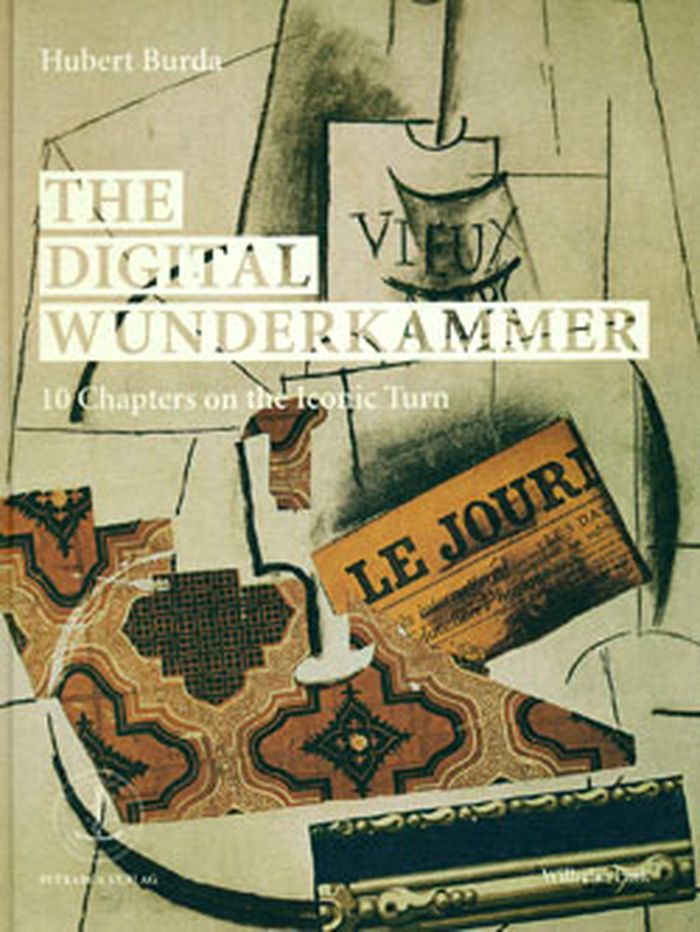
The digital wunderkammer : 10 chapters on the iconic turn
Actions:
Prix:
$45.00
(disponible sur commande)
Résumé:
As digital technology advances at breakneck speed, images are circulating quicker than ever before. But what is the status of the image in the digital era? In this publication, art historian Hubert Burda (born 1940) examines the "iconic turn" in ten themed chapters and conversations with leading cultural theorists. In the first chapter, "The View Through the Window," Burda traces the connection between perspectival painting and the television, demonstrating in the second chapter how the image requires a frame, which in turn requires a material vehicle - the topic of the third chapter - that in our era has become a non-material vehicle with its own formal parameters. In the fourth chapter, "The Mobile Image," Burda shows how images have always been linked to portability, but now migrate to an unprecedented degree, so that anyone with a personal device can globally disseminate, say, footage from a concert via Youtube. A discussion of the capacity of individual images to placate or ennervate leads to a seventh chapter on the appetite for the Sublime and the rhetoric and representation of power throughout art history. Following a discussion of the democratization of celebrity culture, Burda proposes that the Google search box is perhaps the most interesting "interface" of our times, analogous to the seventeenth-century cabinet of curiosities (or wunderkammer). Conversations with Friedrich Kittler, Peter Sloterdijk, Bazon Brock, Horst Bredekamp and Hans Belting further extend this imaginative debate on the "iconic turn."
The digital wunderkammer : 10 chapters on the iconic turn
Actions:
Prix:
$45.00
(disponible sur commande)
Résumé:
As digital technology advances at breakneck speed, images are circulating quicker than ever before. But what is the status of the image in the digital era? In this publication, art historian Hubert Burda (born 1940) examines the "iconic turn" in ten themed chapters and conversations with leading cultural theorists. In the first chapter, "The View Through the Window," Burda traces the connection between perspectival painting and the television, demonstrating in the second chapter how the image requires a frame, which in turn requires a material vehicle - the topic of the third chapter - that in our era has become a non-material vehicle with its own formal parameters. In the fourth chapter, "The Mobile Image," Burda shows how images have always been linked to portability, but now migrate to an unprecedented degree, so that anyone with a personal device can globally disseminate, say, footage from a concert via Youtube. A discussion of the capacity of individual images to placate or ennervate leads to a seventh chapter on the appetite for the Sublime and the rhetoric and representation of power throughout art history. Following a discussion of the democratization of celebrity culture, Burda proposes that the Google search box is perhaps the most interesting "interface" of our times, analogous to the seventeenth-century cabinet of curiosities (or wunderkammer). Conversations with Friedrich Kittler, Peter Sloterdijk, Bazon Brock, Horst Bredekamp and Hans Belting further extend this imaginative debate on the "iconic turn."
Classification:
livres
livres
Publication:
août 2011
août 2011
Sujet:
Épistémologie et réseau
Épistémologie et réseau


