


542 Résultats
Classification:
livres
livres
Actions:
Prix:
$65.00
(disponible sur commande)
Résumé:
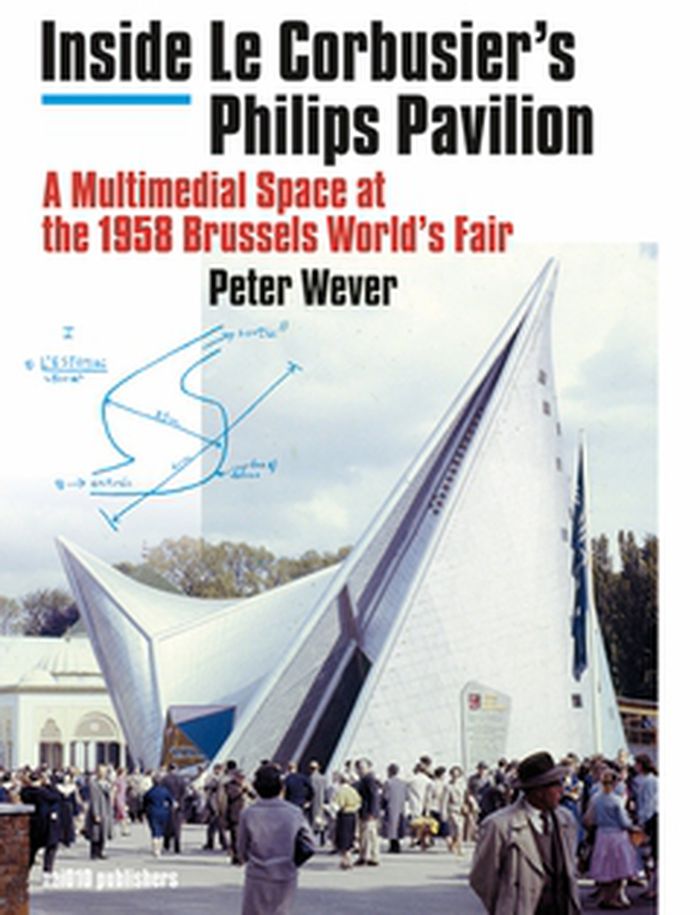
In 1958, Swiss-French architect and urban planner Le Corbusier designed the Philips Pavilion for the World's Fair in Brussels. It is the only building the artist produced for a Dutch client. The unconventional pavilion was the setting for the experimental performance "Le Poème électronique," by avant-garde composer Edgard Varèse, seen by one and a half million visitors.(...)
Titre:
Inside Le Corbusier's Philips Pavilion
Actions:
Prix:
$65.00
(disponible sur commande)
Résumé:
In 1958, Swiss-French architect and urban planner Le Corbusier designed the Philips Pavilion for the World's Fair in Brussels. It is the only building the artist produced for a Dutch client. The unconventional pavilion was the setting for the experimental performance "Le Poème électronique," by avant-garde composer Edgard Varèse, seen by one and a half million visitors. Combining film, color, music and light, this event is regarded as the first multimedia performance for the general public. After its demolition in 1959, the pavilion became an icon of 20th-century art. The Rijksmuseum in Amsterdam hosts a scale model of the pavilion and also provides the eight-minute soundtrack of "Le Poème électronique." EYE Filmmuseum, also in Amsterdam, has kept the film footage of the performance. This monograph includes a complete overview of the Philips Pavilion, including its history, construction and detailed documentation of "Le Poème électronique."
Classification:
livres
livres
Publication:
août 2015
août 2015
Sujet:
Architecture, monographies
Architecture, monographies
Classification:
livres
livres
Actions:
Prix:
$69.95
(disponible sur commande)
Résumé:
Built in Tokyo in 1961, the Umbrella House is the smallest residential home created by Japanese architect and mathematician Kazuo Shinohara. More than 60 years later, a stroke of good fortune made it possible to save the Umbrella House from demolition and move it to a new location, where it now stands on the Vitra Campus in Weil am Rhein, Germany. The wooden house’s(...)
Sujet:
Architecture, monographies
Architecture, monographies
Publication:
février 2023
février 2023
Titre:
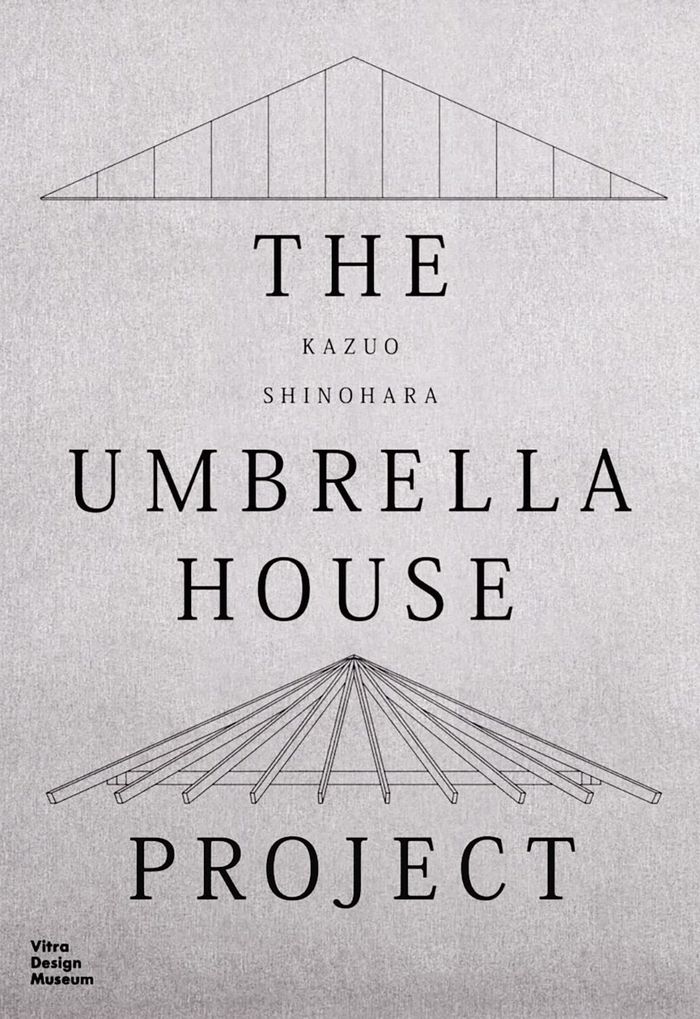
Kazuo Shinohara: The Umbrella House Project
Actions:
Prix:
$69.95
(disponible sur commande)
Résumé:
Built in Tokyo in 1961, the Umbrella House is the smallest residential home created by Japanese architect and mathematician Kazuo Shinohara. More than 60 years later, a stroke of good fortune made it possible to save the Umbrella House from demolition and move it to a new location, where it now stands on the Vitra Campus in Weil am Rhein, Germany. The wooden house’s post-and-beam construction references traditional Japanese domestic and temple architecture. Experts from Japan and Europe supervised the dismantling of the house in Tokyo and its reassembly in Weil am Rhein. This concise volume traces the long journey of the Umbrella House, in illustrations including impressions from 1960s Japan, architectural designs and plans, and photographs documenting its dismantling and reassembly at its new location. Texts by Ryue Nishizawa (SANAA), Shin-ichi Okuyama and David B. Stewart discuss the Umbrella House against the background of Japanese architectural discourse between 1960 and the present.
Classification:
livres
livres
Publication:
février 2023
février 2023
Sujet:
Architecture, monographies
Architecture, monographies
Classification:
livres
livres
Actions:
Prix:
$71.95
(disponible sur commande)
Résumé:
The built environment is a critical factor in the climate equation. Approximately 40 percent of global emissions derive from the construction, operation, and demolition of human settlements. The 21st century must be the century of re-entanglement, where quintessential functions (housing, work, culture, recreation, etc.) are reintegrated within urban spaces; where(...)
Sujet:
Architecture écologique
Architecture écologique
Publication:
septembre 2023
septembre 2023
Titre:
Reconstructing the future: Cities as carbon sinks
Actions:
Prix:
$71.95
(disponible sur commande)
Résumé:
The built environment is a critical factor in the climate equation. Approximately 40 percent of global emissions derive from the construction, operation, and demolition of human settlements. The 21st century must be the century of re-entanglement, where quintessential functions (housing, work, culture, recreation, etc.) are reintegrated within urban spaces; where socioeconomic and ecological systems form a mutually supportive network of networks; and where past, present, and future are perceived as interwoven waves in the river of time. Fortunately, opportunities exist to transform the built environment from a carbon source to a carbon sink through, e.g. timber construction high-rise buildings, circular bioeconomy methods, AI-assisted design, smart recycling technology, multifunctional land use, integrated regional resource management, and community-based urban development, to name just a few. This volume compiles the papers presented by world-renowned scientists, architects, spatial planners, activists, and policy makers at the Reconstructing the Future for People and Planet conference, held at the Vatican in June 2022.
Classification:
livres
livres
Publication:
septembre 2023
septembre 2023
Sujet:
Architecture écologique
Architecture écologique
Classification:
livres
livres
Prix:
$22.95
(disponible en magasin)
Résumé:
Comprised of two steel and concrete towers outfitted with 140 prefabricated living capsules, the ''Nakagin Capsule Tower'' in Tokyo is one of the most iconic and influential architectural marvels of the postwar period. A touchstone of the Metabolist movement, the tower was designed by the office of Japanese architect Kisho Kurokawa (1934–2007) and completed between 1970(...)
Titre:
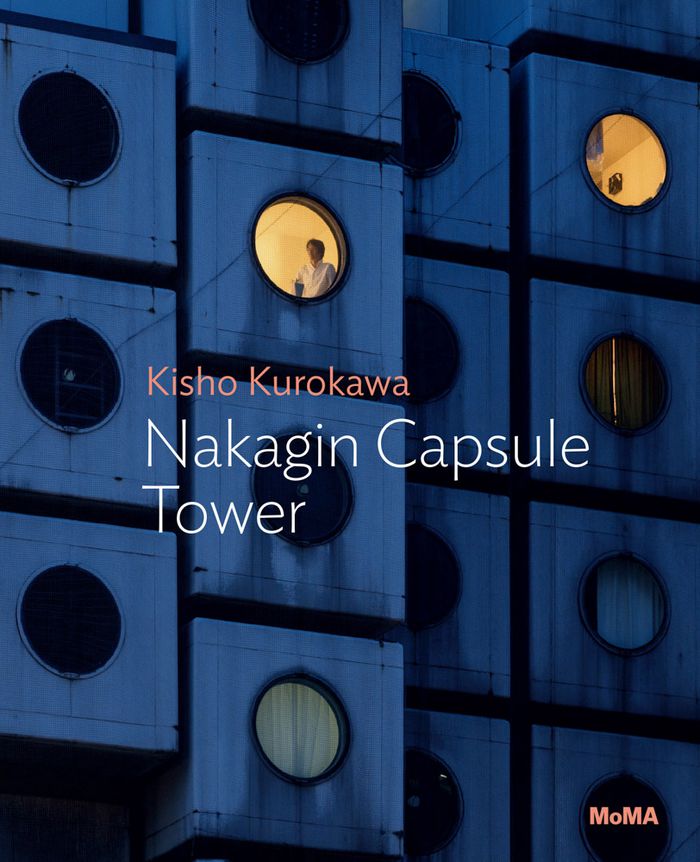
Kisho Kurokawa: Nakagin Capsule Tower. MoMA one on one series
Actions:
Prix:
$22.95
(disponible en magasin)
Résumé:
Comprised of two steel and concrete towers outfitted with 140 prefabricated living capsules, the ''Nakagin Capsule Tower'' in Tokyo is one of the most iconic and influential architectural marvels of the postwar period. A touchstone of the Metabolist movement, the tower was designed by the office of Japanese architect Kisho Kurokawa (1934–2007) and completed between 1970 and 1972. Each capsule was intended for single occupancy and came outfitted with its own ensuite bathroom, a foldout desk, a telephone, a reel-to-reel tape player, a Sony color television and a "porthole" window overlooking the city. In this volume of the MoMA ''One on One'' series, curator Evangelos Kotsioris delves into the groundbreaking design, construction, evolution and ultimate need for the demolition of this remarkable structure in 2022. It is published in advance of MoMA's exhibition of one of the original capsules, the first to be publicly shown in the United States.
Classification:
livres
livres
Publication:
août 2025
août 2025
Sujet:
Architecture, monographies
Architecture, monographies
Classification:
livres
livres
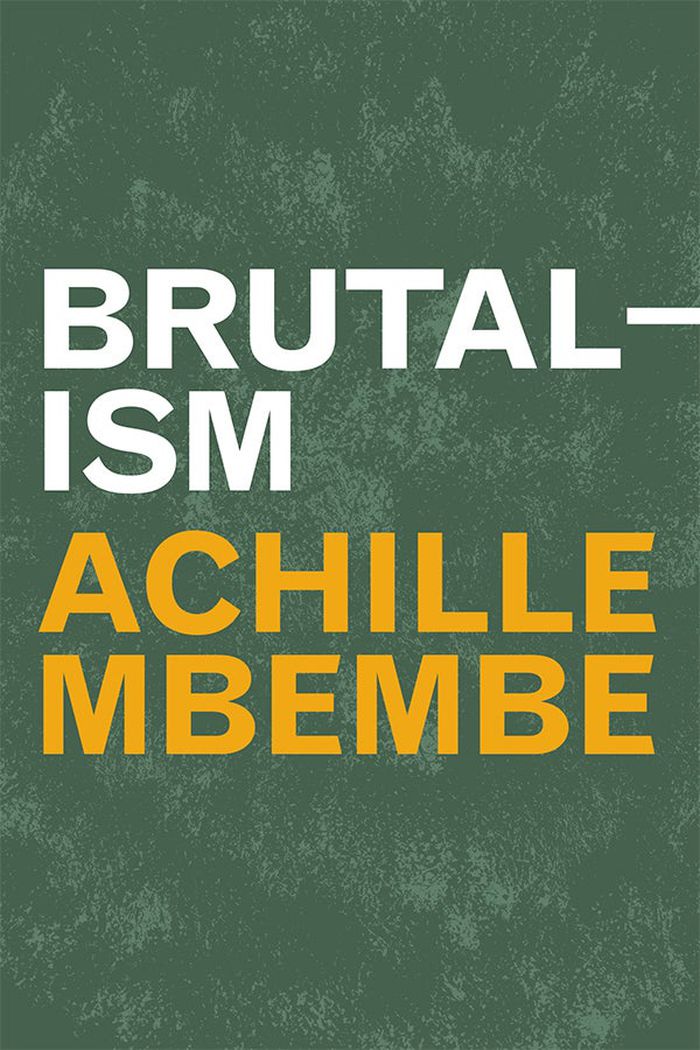
Titre:
Brutalism
Brutalism
Actions:
Prix:
$33.95
(disponible en magasin)
Résumé:
In ''Brutalism'', eminent social and critical theorist Achille Mbembe invokes the architectural aesthetic of brutalism to describe our moment, caught up in the pathos of demolition and production on a planetary scale. Just as brutalist architecture creates an affect of overwhelming weight and destruction, Mbembe contends that contemporary capitalism crushes and dominates(...)
Titre:
Brutalism
Actions:
Prix:
$33.95
(disponible en magasin)
Résumé:
In ''Brutalism'', eminent social and critical theorist Achille Mbembe invokes the architectural aesthetic of brutalism to describe our moment, caught up in the pathos of demolition and production on a planetary scale. Just as brutalist architecture creates an affect of overwhelming weight and destruction, Mbembe contends that contemporary capitalism crushes and dominates all spheres of existence. In our digital, technologically focused era, capitalism has produced a becoming-artificial of humanity and the becoming-human of machines. This blurring of the natural and artificial presents a planetary existential threat in which contemporary society’s goal is to precipitate the mutation of the human species into a condition that is at once plastic and synthetic. Mbembe argues that Afro-diasporic thought presents the only solution for breaking the totalizing logic of contemporary capitalism: repairing that which is broken, developing a new planetary consciousness, and reforming a community of humans in solidarity with all living things.
Classification:
livres
livres
Publication:
juin 2024
juin 2024
Sujet:
Social
Social
Classification:
livres
livres
Actions:
Prix:
$80.00
(disponible en magasin)
Résumé:
Between 1948 and 2016, David Goldblatt returned periodically to Fietas, a suburb west of Johannesburg's city centre, to photograph the impact of punitive segregation and ethnic cleansing wrought by apartheid legislation on its residents and landscape. Moved by the life force of the predominantly Indian community's families, shopkeepers, and small business owners,(...)
Titre:
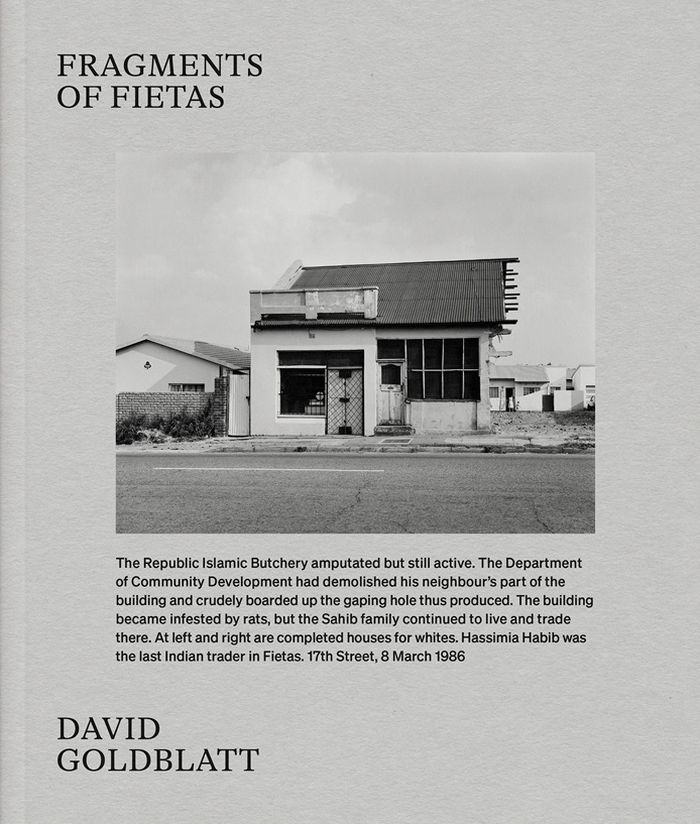
David Goldblatt: Fragments of Fietas
Actions:
Prix:
$80.00
(disponible en magasin)
Résumé:
Between 1948 and 2016, David Goldblatt returned periodically to Fietas, a suburb west of Johannesburg's city centre, to photograph the impact of punitive segregation and ethnic cleansing wrought by apartheid legislation on its residents and landscape. Moved by the life force of the predominantly Indian community's families, shopkeepers, and small business owners, Goldblatt said attempted to grasp something of their life and what they had built. The resulting photographs, collected and published here for the first time, form a vivid social document of Fietas before, during, and after its destruction under the Group Areas Act. Earlier images of storefronts and domestic interiors contrast poignantly with those of their demolition from the late 1970s onwards. Dignified portraits of traders in their stores capture their determined efforts to build a life for their families. Interviews with past and present Fietas residents close the book, recalling the testimonials of Goldblatt's subjects in The Transported of Kwandebele and Ex-Offenders at the Scene of Crime.
Classification:
livres
livres
Publication:
septembre 2025
septembre 2025
Sujet:
Monographies photo
Monographies photo
Classification:
livres
livres
Actions:
Prix:
$63.00
(disponible sur commande)
Résumé:
Disapproved of by the critics and extremely nonconformist, Carlo Mollino expressed himself through his architectural designs, his furniture and interiors, in a language assimilated from futurism and surrealism. The influence of architects ranging from Gaudí to Mendelsohn, from Aalto to Le Corbusier, can be seen in his highly individual designs. Projects such as the(...)
Titre:
Carlo Mollino : architecture as autobiography
Actions:
Prix:
$63.00
(disponible sur commande)
Résumé:
Disapproved of by the critics and extremely nonconformist, Carlo Mollino expressed himself through his architectural designs, his furniture and interiors, in a language assimilated from futurism and surrealism. The influence of architects ranging from Gaudí to Mendelsohn, from Aalto to Le Corbusier, can be seen in his highly individual designs. Projects such as the sledge-lift station at Lago Nero, the Teatro Regio in Turin and the Lutrario ballroom demonstrated his exceptional powers of imagination. The interaction between Mollino’s professional activities and his many interests, which included aeronautics, downhill racing, set design and eroticism. With the demolition of his massive masterpiece, the Ippica in Turin, and the destruction of his most prestigious interiors, all that remains today of Mollino’s work is his furniture. Drawing on rare photographs and documents, this important monograph reconstructs Mollino’s work through more than eighty interiors and pieces of furniture spanning his career, pieces built with such bravura that they often resemble sculpture more than works of industrial design.
Classification:
livres
livres
Publication:
avril 2006, New York
avril 2006, New York
Sujet:
Architecture, monographies
Architecture, monographies
Classification:
livres
livres
Actions:
Prix:
$45.95
(disponible sur commande)
Résumé:
Anarchitecture, a radical aesthetic practice of unmaking the built environment, staged a vigorous confrontation with urban renewal and gentrification projects in the 1970s. In Anarchitecture After Everything, Jack Halberstam identifies a powerful lexicon of transformation within anarchitecture, joining the movement’s practices of cutting and splitting with the(...)
Titre:
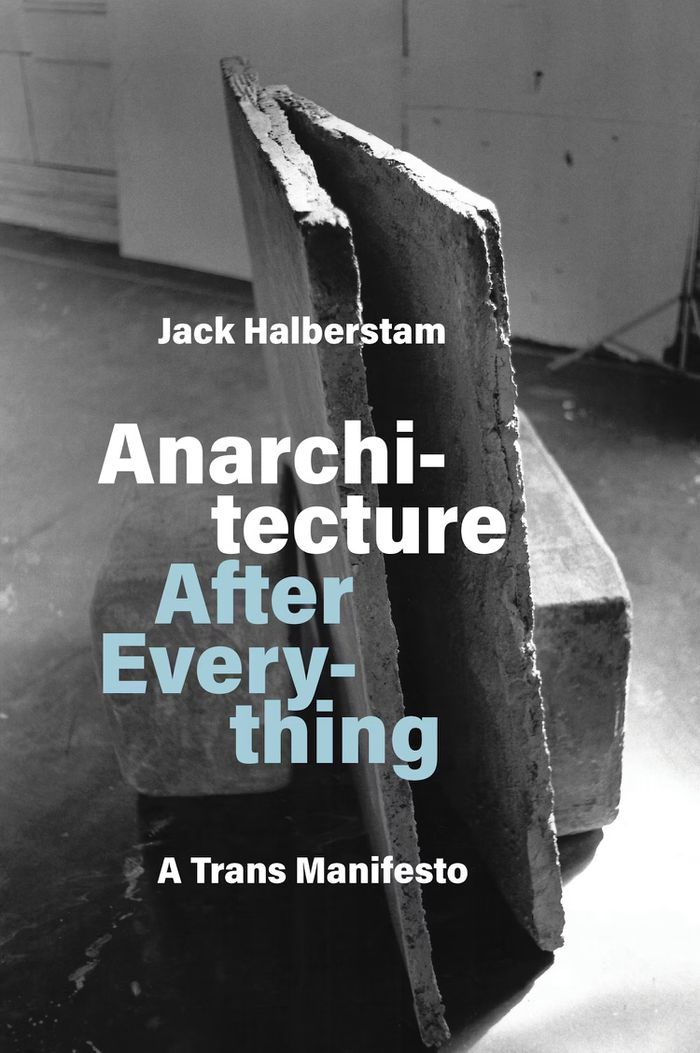
Anarchitecture after everything: A trans manifesto
Actions:
Prix:
$45.95
(disponible sur commande)
Résumé:
Anarchitecture, a radical aesthetic practice of unmaking the built environment, staged a vigorous confrontation with urban renewal and gentrification projects in the 1970s. In Anarchitecture After Everything, Jack Halberstam identifies a powerful lexicon of transformation within anarchitecture, joining the movement’s practices of cutting and splitting with the destabilizing power of transness to detonate acts of formal violence in our time. "Anarchitecture" describes the aesthetic practice of splitting and cutting, dismantling and undoing, unmaking, unbuilding, and ultimately unworlding. The trans body splits bodily coherence, dismantles the gender binary, and unbuilds bodily meaning. In these chapters, Gordon Matta-Clark’s cuts, along with Alvin Baltrop’s 1970s images of collapsing warehouses and Beverly Buchanan’s post-demolition fragmentary sculptures, return with a vengeance through the contemporary aesthetic gestures of Yve Laris Cohen, Jesse Darling, Nicole Eisenman, Kiyan Williams, Cassils, boychild, and Every Ocean Hughes. Anarchitecture unmakes space and offers a new rhetoric for emptiness. In its conclusion, the book explores this rhetoric through Renee Gladman’s anarchitectural experiments with language.
Classification:
livres
livres
Publication:
août 2026
août 2026
Sujet:
Théorie de l’architecture
Théorie de l’architecture
Classification:
périodiques
périodiques
Actions:
Prix:
$52.00
(disponible en magasin)
Résumé:
When Ansgar Schulz first visits Adorf, a small town in Saxony, it is raining. For centuries, freshwater pearl mussels have been fished from the Elster river here; a local heritage museum earmarked for expansion documents their rich history. Watching rainwater trace its way across the existing roofs, the architect imagines the same for the facade of the new building. With(...)
Titre:
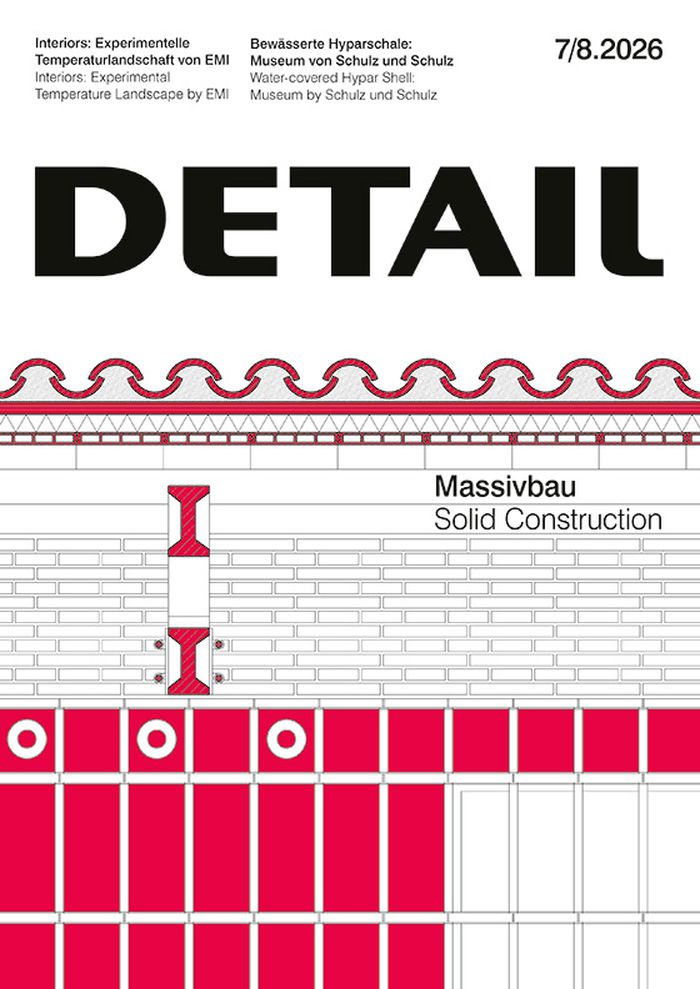
Detail 7/8 2026: Solid construction
Actions:
Prix:
$52.00
(disponible en magasin)
Résumé:
When Ansgar Schulz first visits Adorf, a small town in Saxony, it is raining. For centuries, freshwater pearl mussels have been fished from the Elster river here; a local heritage museum earmarked for expansion documents their rich history. Watching rainwater trace its way across the existing roofs, the architect imagines the same for the facade of the new building. With its double-curved canopy, the Mother-of-Pearl Museum connects two existing structures. Clad in waterproof concrete, the building lets water run quietly down its surface – as if it were always meant to. Outside, the performative detail becomes a sensory echo of the pearl mussels inside. Solid construction is associated with weight, permanence, and immobility. This issue argues otherwise. Hand-pressed bricks, wax-treated rammed earth composed of demolition material, cyclopean concrete from limestone and rubble, hemp lime as a renewable material for the future – each detail explores what masonry can do when it is rethought. Does the heaviest building material have the lightest future?
Classification:
périodiques
périodiques
Publication:
juillet 2026
juillet 2026
Sujet:
Revues
Revues
Classification:
livres
livres
Prix:
$62.99
(disponible sur commande)
Résumé:
For six months in 1961, Richard Nickel, John Vinci, and David Norris salvaged the interior and exterior ornamentation of the Garrick Theater, Adler & Sullivan’s magnificent architectural masterpiece in Chicago’s theater district. The building was replaced by a parking garage, and its demolition ignited the historic preservation movement in Chicago. The Garrick(...)
Sujet:
Architecture, monographies
Architecture, monographies
Publication:
octobre 2021
octobre 2021
Titre:
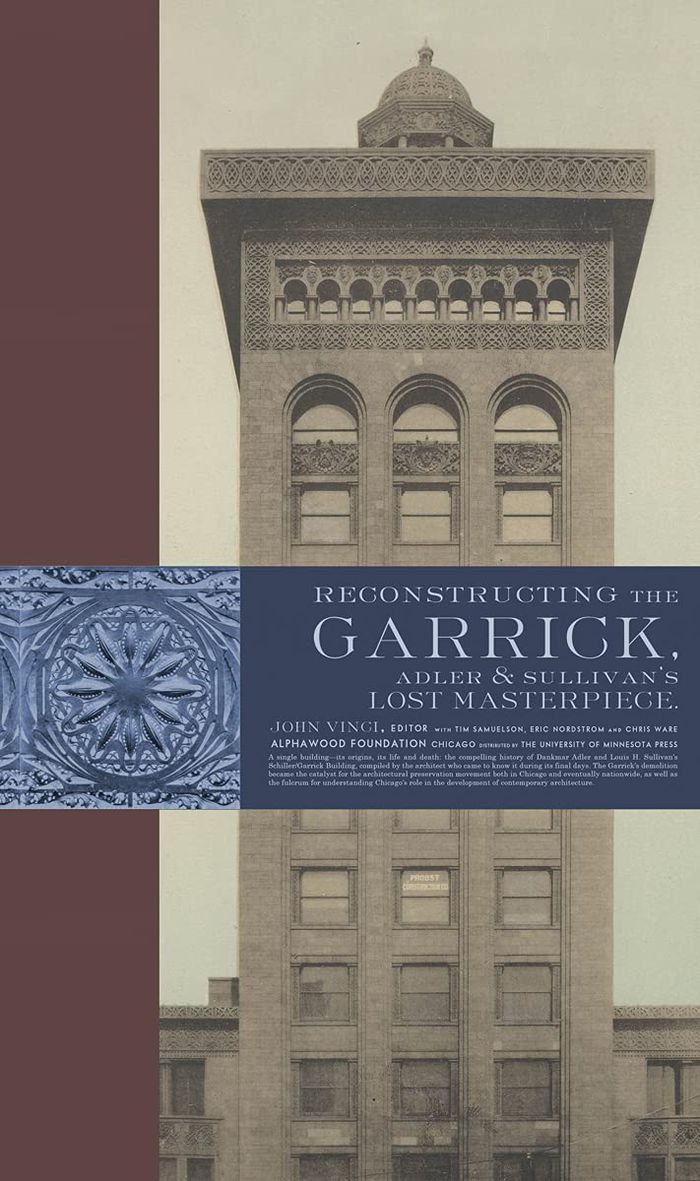
Reconstructing the Garrick: Adler & Sullivan's lost masterpiece
Actions:
Prix:
$62.99
(disponible sur commande)
Résumé:
For six months in 1961, Richard Nickel, John Vinci, and David Norris salvaged the interior and exterior ornamentation of the Garrick Theater, Adler & Sullivan’s magnificent architectural masterpiece in Chicago’s theater district. The building was replaced by a parking garage, and its demolition ignited the historic preservation movement in Chicago. The Garrick (originally the Schiller Building) was built in 1892 and featured elaborate embellishments, especially in its theater and exterior, including the ornamentation and colorful decorative stenciling that would become hallmarks of Louis Sullivan’s career. ''Reconstructing the Garrick'' documents the enormous salvaging job undertaken to preserve elements of the building’s design, but also presents the full life story of the Garrick, featuring historic and architectural photographs, essays by prominent architectural and art historians, interviews, drawings, ephemera from throughout its lively history and details of its remarkable ornamentation—a significant resource and compelling tribute to one of Chicago’s finest lost buildings. A seventy-two-page facsimile of Richard Nickel’s salvage workbook is tipped into the binding.
Classification:
livres
livres
Publication:
octobre 2021
octobre 2021
Sujet:
Architecture, monographies
Architecture, monographies


