


12071 Résultats
Classification:
livres
livres
Actions:
Prix:
$66.00
(disponible en magasin)
Résumé:
Emerging in the devastating aftermath of World War II, Brutalist architecture in Japan is characterized by its geometric shapes, functionality, and unconventional use of concrete—which is often left unfinished to showcase the material’s inherent textures and imperfections. Japanese Brutalism represented a radical departure from traditional Japanese architecture, drawing(...)
$66.00
(disponible en magasin)
Résumé:
Emerging in the devastating aftermath of World War II, Brutalist architecture in Japan is characterized by its geometric shapes, functionality, and unconventional use of concrete—which is often left unfinished to showcase the material’s inherent textures and imperfections. Japanese Brutalism represented a radical departure from traditional Japanese architecture, drawing(...)
Titre:
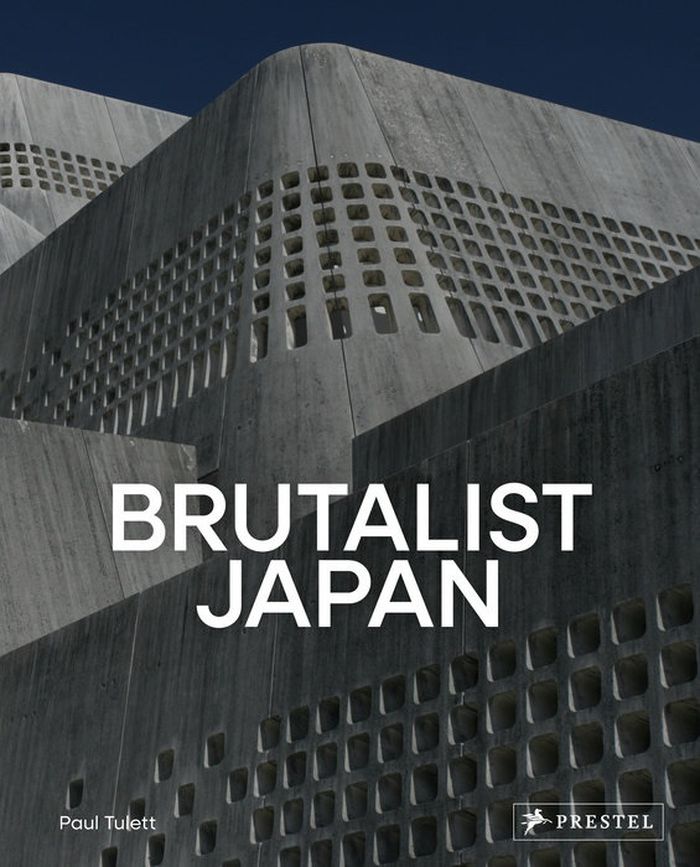
Brutalist Japan: A photographic tour of post-war Japanese Architecture
Actions:
Prix:
$66.00
(disponible en magasin)
Résumé:
Emerging in the devastating aftermath of World War II, Brutalist architecture in Japan is characterized by its geometric shapes, functionality, and unconventional use of concrete—which is often left unfinished to showcase the material’s inherent textures and imperfections. Japanese Brutalism represented a radical departure from traditional Japanese architecture, drawing inspiration from the global Brutalist movement but incorporating unique elements that reflect Japan’s culture and history. A leading expert on Japanese Brutalism, Paul Tulett has traveled throughout the country to photograph extraordinary examples of this aesthetic. In over 200 dynamic and impeccable photographs he captures the elements and paradoxes inherent in the buildings themselves: the rawness of concrete juxtaposed with elegant design; a harmonious integration into urban landscapes; and a global, modernist approach that maintains traditional Japanese elements.
Brutalist Japan: A photographic tour of post-war Japanese Architecture
Actions:
Prix:
$66.00
(disponible en magasin)
Résumé:
Emerging in the devastating aftermath of World War II, Brutalist architecture in Japan is characterized by its geometric shapes, functionality, and unconventional use of concrete—which is often left unfinished to showcase the material’s inherent textures and imperfections. Japanese Brutalism represented a radical departure from traditional Japanese architecture, drawing inspiration from the global Brutalist movement but incorporating unique elements that reflect Japan’s culture and history. A leading expert on Japanese Brutalism, Paul Tulett has traveled throughout the country to photograph extraordinary examples of this aesthetic. In over 200 dynamic and impeccable photographs he captures the elements and paradoxes inherent in the buildings themselves: the rawness of concrete juxtaposed with elegant design; a harmonious integration into urban landscapes; and a global, modernist approach that maintains traditional Japanese elements.
Classification:
livres
livres
Publication:
novembre 2024
novembre 2024
Sujet:
Brutalisme
Brutalisme
Classification:
livres
livres

Actions:
Prix:
$134.99
(disponible en magasin)
Résumé:
The 1960s continue to hold an almost mythical place in Western culture, particularly in Britain, where change was widespread and infiltrated many aspects of life. This included architecture, whose role in a modern democracy and the form it should take were hotly debated. This book discusses the architectural thinking of the time through an examination of the design of(...)
$134.99
(disponible en magasin)
Résumé:
The 1960s continue to hold an almost mythical place in Western culture, particularly in Britain, where change was widespread and infiltrated many aspects of life. This included architecture, whose role in a modern democracy and the form it should take were hotly debated. This book discusses the architectural thinking of the time through an examination of the design of(...)
Titre:
1960s University buildings: The golden age of British modern architecture
Actions:
Prix:
$134.99
(disponible en magasin)
Résumé:
The 1960s continue to hold an almost mythical place in Western culture, particularly in Britain, where change was widespread and infiltrated many aspects of life. This included architecture, whose role in a modern democracy and the form it should take were hotly debated. This book discusses the architectural thinking of the time through an examination of the design of university buildings. While there were notable buildings being built in other spheres, no other field of architecture provided the opportunity to express those ideas as freely, while also reflecting innovative new thinking about education and society. Somehow, the university buildings of the 1960s seemed to represent the cutting edge of modern architecture in the UK. This book provides the first critical analysis and overview of these buildings, designed by some of the leading British architects of the period including Basil Spence, Leslie Martin, Alison and Peter Smithson, Denys Lasdun, Powell and Moya and James Stirling. By placing the buildings in a wider social, cultural and political context, it examines the combination of circumstances and attitudes that produced results that are equally admired and detested and allows us to understand how we might replicate or avoid them in the future.
1960s University buildings: The golden age of British modern architecture
Actions:
Prix:
$134.99
(disponible en magasin)
Résumé:
The 1960s continue to hold an almost mythical place in Western culture, particularly in Britain, where change was widespread and infiltrated many aspects of life. This included architecture, whose role in a modern democracy and the form it should take were hotly debated. This book discusses the architectural thinking of the time through an examination of the design of university buildings. While there were notable buildings being built in other spheres, no other field of architecture provided the opportunity to express those ideas as freely, while also reflecting innovative new thinking about education and society. Somehow, the university buildings of the 1960s seemed to represent the cutting edge of modern architecture in the UK. This book provides the first critical analysis and overview of these buildings, designed by some of the leading British architects of the period including Basil Spence, Leslie Martin, Alison and Peter Smithson, Denys Lasdun, Powell and Moya and James Stirling. By placing the buildings in a wider social, cultural and political context, it examines the combination of circumstances and attitudes that produced results that are equally admired and detested and allows us to understand how we might replicate or avoid them in the future.
Classification:
livres
livres
Publication:
juin 2025
juin 2025
Sujet:
Modernisme
Modernisme
Classification:
livres
livres
Actions:
Prix:
$66.00
(disponible en magasin)
Résumé:
"Brutalist Korea" features more than 220 full-color images of buildings from Seoul to Busan, Daegu to Daejeon. These include government complexes, university campuses, cultural institutions, and public housing—structures shaped by a period of rapid industrialization and national rebuilding, rendered here with clarity and nuance. Korean Brutalism emerged in the 1960s and(...)
$66.00
(disponible en magasin)
Résumé:
"Brutalist Korea" features more than 220 full-color images of buildings from Seoul to Busan, Daegu to Daejeon. These include government complexes, university campuses, cultural institutions, and public housing—structures shaped by a period of rapid industrialization and national rebuilding, rendered here with clarity and nuance. Korean Brutalism emerged in the 1960s and(...)
Titre:
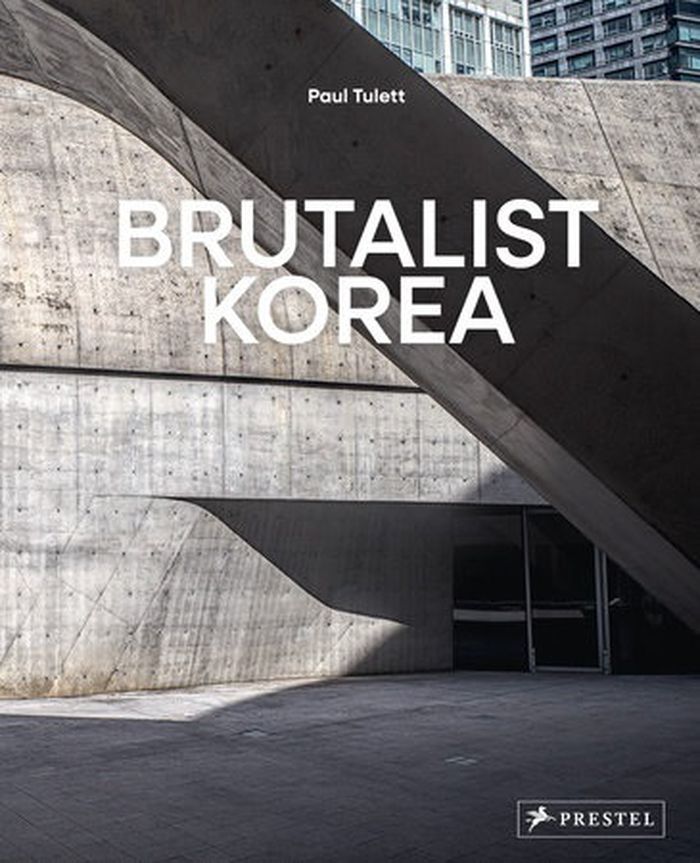
Brutalist Korea: A photographic tour of post-war Korean architecture
Actions:
Prix:
$66.00
(disponible en magasin)
Résumé:
"Brutalist Korea" features more than 220 full-color images of buildings from Seoul to Busan, Daegu to Daejeon. These include government complexes, university campuses, cultural institutions, and public housing—structures shaped by a period of rapid industrialization and national rebuilding, rendered here with clarity and nuance. Korean Brutalism emerged in the 1960s and ’70s, informed by modernist ideals and adapted to local conditions. Architects such as Kim Swoo-geun, Lee Jong- sup, Choi Maeng-gi, and Seung H-Sang designed buildings that combined geometric severity with regional sensitivity. Their work reflects a desire for permanence and purpose, and for an architectural identity rooted in both function and expression.
Brutalist Korea: A photographic tour of post-war Korean architecture
Actions:
Prix:
$66.00
(disponible en magasin)
Résumé:
"Brutalist Korea" features more than 220 full-color images of buildings from Seoul to Busan, Daegu to Daejeon. These include government complexes, university campuses, cultural institutions, and public housing—structures shaped by a period of rapid industrialization and national rebuilding, rendered here with clarity and nuance. Korean Brutalism emerged in the 1960s and ’70s, informed by modernist ideals and adapted to local conditions. Architects such as Kim Swoo-geun, Lee Jong- sup, Choi Maeng-gi, and Seung H-Sang designed buildings that combined geometric severity with regional sensitivity. Their work reflects a desire for permanence and purpose, and for an architectural identity rooted in both function and expression.
Classification:
livres
livres
Publication:
avril 2026
avril 2026
Sujet:
Brutalisme
Brutalisme
Classification:
livres
livres
Prix:
$62.00
(disponible en magasin)
Résumé:
Architecture, as a living organism, establishes a relationship between beings and their environment, where the notions of energy, breathing and light are the vectors for the conception of spaces. For Serero, ?architecture should reach the minimum impact on its local environment and aims to vanish and resiliate in nature. The work rethink architecture and shifts away its(...)
$62.00
(disponible en magasin)
Résumé:
Architecture, as a living organism, establishes a relationship between beings and their environment, where the notions of energy, breathing and light are the vectors for the conception of spaces. For Serero, ?architecture should reach the minimum impact on its local environment and aims to vanish and resiliate in nature. The work rethink architecture and shifts away its(...)
Titre:
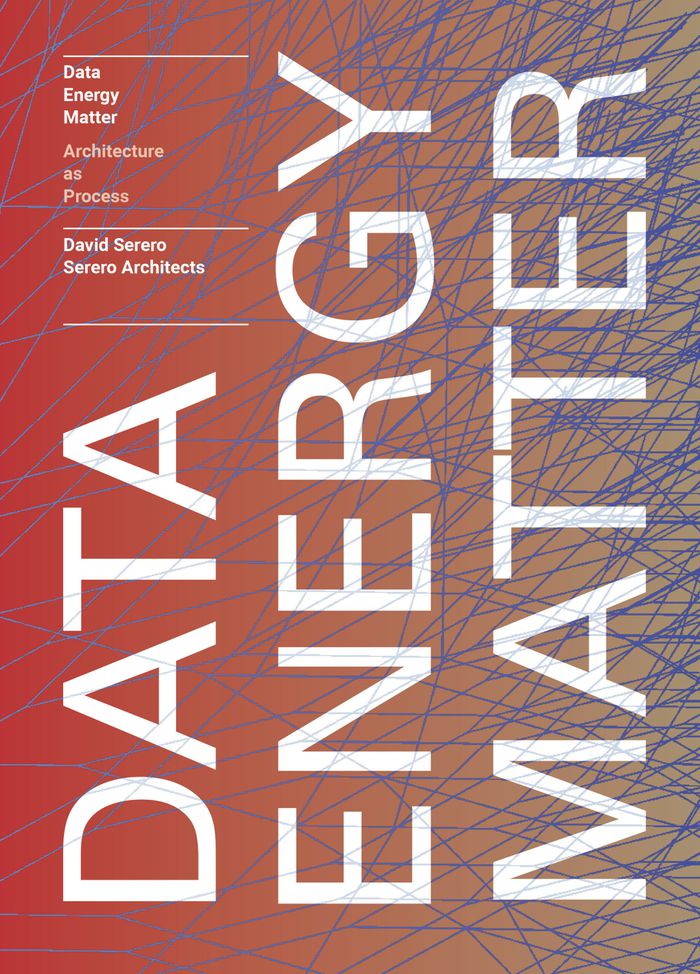
Data. Energy. Matter: Why architecture is key to climate change
Actions:
Prix:
$62.00
(disponible en magasin)
Résumé:
Architecture, as a living organism, establishes a relationship between beings and their environment, where the notions of energy, breathing and light are the vectors for the conception of spaces. For Serero, ?architecture should reach the minimum impact on its local environment and aims to vanish and resiliate in nature. The work rethink architecture and shifts away its permanent condition towards a transient and ephemeral one, with greater spatial versatility and multiplying the potential usage to propose an open architecture. This book reveals 3 profound transformations of recent architecture: the digital revolution and its impact on creative work in all conceptual aspects, the emergence of an internet of energy ?that buildings will contribute to create to share energy, and the profusion of new usage of private and public spaces, both collaborative and connected, creating an interstitial experience of spaces ?between the physical and the virtual.
Data. Energy. Matter: Why architecture is key to climate change
Actions:
Prix:
$62.00
(disponible en magasin)
Résumé:
Architecture, as a living organism, establishes a relationship between beings and their environment, where the notions of energy, breathing and light are the vectors for the conception of spaces. For Serero, ?architecture should reach the minimum impact on its local environment and aims to vanish and resiliate in nature. The work rethink architecture and shifts away its permanent condition towards a transient and ephemeral one, with greater spatial versatility and multiplying the potential usage to propose an open architecture. This book reveals 3 profound transformations of recent architecture: the digital revolution and its impact on creative work in all conceptual aspects, the emergence of an internet of energy ?that buildings will contribute to create to share energy, and the profusion of new usage of private and public spaces, both collaborative and connected, creating an interstitial experience of spaces ?between the physical and the virtual.
Classification:
livres
livres
Publication:
décembre 2025
décembre 2025
Classification:
livres
livres
Prix:
$75.00
(disponible sur commande)
Résumé:
Henri Stierlin discusses the vast scope of Islamic architecture and architectural decoration from the frontiers of Iran to the heart of India and places it within its historical context, while photographs of Islam's monuments, ceramics, miniatures and carpets enable us to use art as a window into Islamic culture. The final section of the book presents nine great(...)
$75.00
(disponible sur commande)
Résumé:
Henri Stierlin discusses the vast scope of Islamic architecture and architectural decoration from the frontiers of Iran to the heart of India and places it within its historical context, while photographs of Islam's monuments, ceramics, miniatures and carpets enable us to use art as a window into Islamic culture. The final section of the book presents nine great(...)
Publication:
novembre 2002, London
novembre 2002, London
Titre:
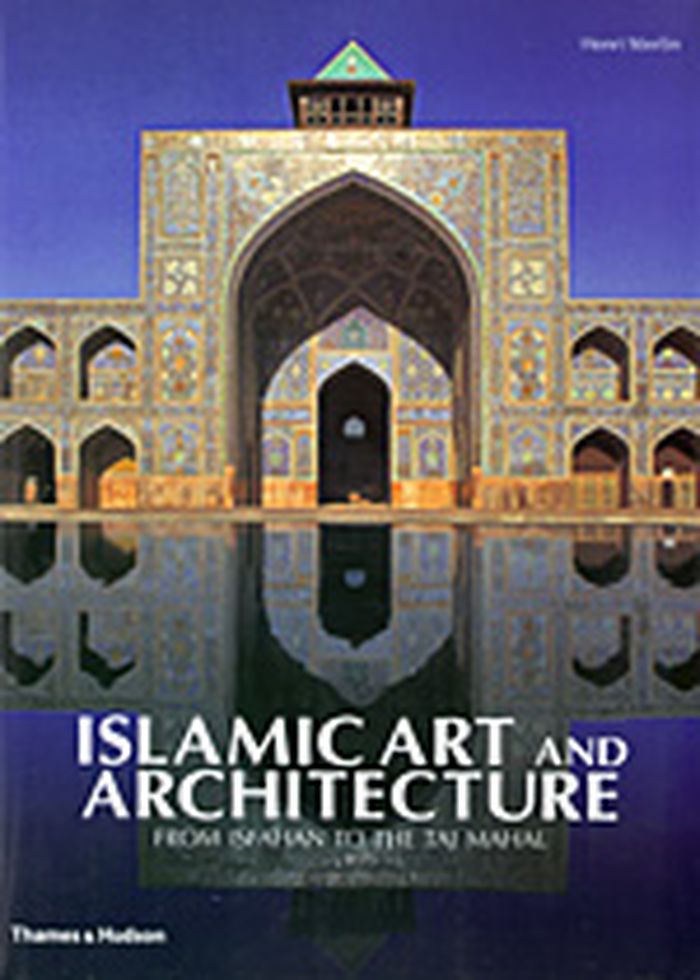
Islamic art and architecture from Isfahan to the Taj Mahal
Actions:
Prix:
$75.00
(disponible sur commande)
Résumé:
Henri Stierlin discusses the vast scope of Islamic architecture and architectural decoration from the frontiers of Iran to the heart of India and places it within its historical context, while photographs of Islam's monuments, ceramics, miniatures and carpets enable us to use art as a window into Islamic culture. The final section of the book presents nine great masterpieces of Islamic architecture, including the Friday Mosque in Isfahan, the Registan in Samarqand, the abandoned Mughal city of Fategpur Sikri and Agra's Taj Mahal.
Islamic art and architecture from Isfahan to the Taj Mahal
Actions:
Prix:
$75.00
(disponible sur commande)
Résumé:
Henri Stierlin discusses the vast scope of Islamic architecture and architectural decoration from the frontiers of Iran to the heart of India and places it within its historical context, while photographs of Islam's monuments, ceramics, miniatures and carpets enable us to use art as a window into Islamic culture. The final section of the book presents nine great masterpieces of Islamic architecture, including the Friday Mosque in Isfahan, the Registan in Samarqand, the abandoned Mughal city of Fategpur Sikri and Agra's Taj Mahal.
Classification:
livres
livres
Publication:
novembre 2002, London
novembre 2002, London
Classification:
livres
livres
Actions:
Prix:
$67.50
(disponible sur commande)
Résumé:
This issue of Architectural Design takes a unique look at the relationship between architects and furniture design and furniture and architecture. There are features on some of the most important exponents of 'total design' of the 20th century - Max Bill, Ernv Goldfinger, Arne Jacobsen, Mies van der Rohe and Eero Saarinen - as well as those of the 21st: Alvaro Siza, John(...)
$67.50
(disponible sur commande)
Résumé:
This issue of Architectural Design takes a unique look at the relationship between architects and furniture design and furniture and architecture. There are features on some of the most important exponents of 'total design' of the 20th century - Max Bill, Ernv Goldfinger, Arne Jacobsen, Mies van der Rohe and Eero Saarinen - as well as those of the 21st: Alvaro Siza, John(...)
Titre:
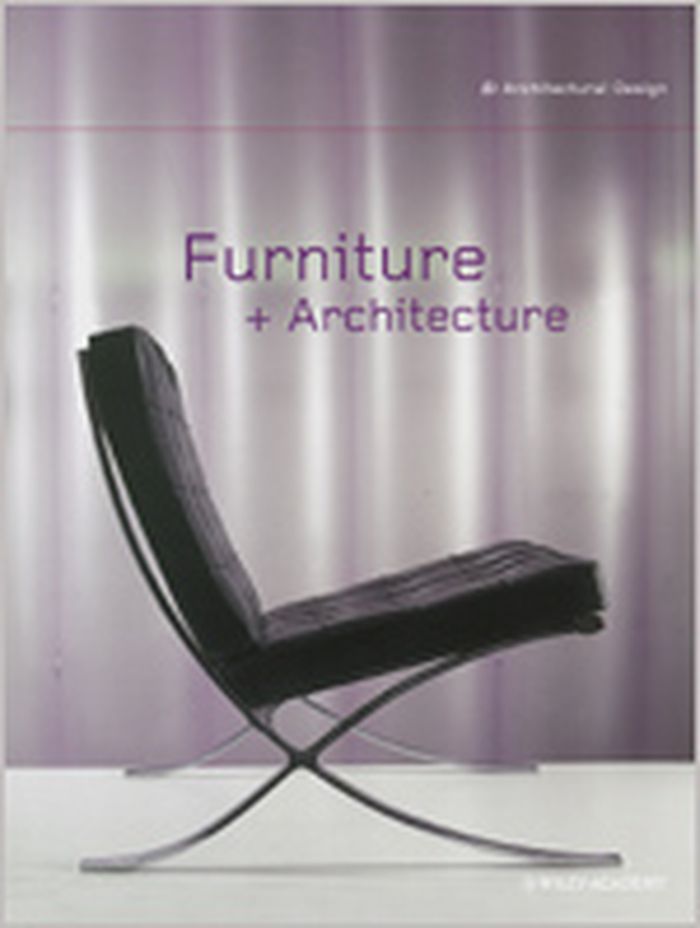
Furniture + architecture : architectural design vol. 72 no. 4 July 2002
Actions:
Prix:
$67.50
(disponible sur commande)
Résumé:
This issue of Architectural Design takes a unique look at the relationship between architects and furniture design and furniture and architecture. There are features on some of the most important exponents of 'total design' of the 20th century - Max Bill, Ernv Goldfinger, Arne Jacobsen, Mies van der Rohe and Eero Saarinen - as well as those of the 21st: Alvaro Siza, John Pawson and David Adjaye. Other emerging designers featured include Alison Brooks, Tom Emerson of 6A, Jam and Gans & Jelacic while there is also an exploration of an aesthetic of 'found' design and an artistic and architectural exploration of the ordinary. Also included in the publication is an invaluable listing of specialist retailers selling architect-designed furniture.
Furniture + architecture : architectural design vol. 72 no. 4 July 2002
Actions:
Prix:
$67.50
(disponible sur commande)
Résumé:
This issue of Architectural Design takes a unique look at the relationship between architects and furniture design and furniture and architecture. There are features on some of the most important exponents of 'total design' of the 20th century - Max Bill, Ernv Goldfinger, Arne Jacobsen, Mies van der Rohe and Eero Saarinen - as well as those of the 21st: Alvaro Siza, John Pawson and David Adjaye. Other emerging designers featured include Alison Brooks, Tom Emerson of 6A, Jam and Gans & Jelacic while there is also an exploration of an aesthetic of 'found' design and an artistic and architectural exploration of the ordinary. Also included in the publication is an invaluable listing of specialist retailers selling architect-designed furniture.
Classification:
livres
livres
Publication:
septembre 2002, Chichester
septembre 2002, Chichester
Sujet:
Design d’intérieur
Design d’intérieur
Classification:
livres
livres
Actions:
Prix:
$39.95
(disponible sur commande)
Résumé:
Focusing on Los Angeles, this book looks at urban transformation through the architecture and land development of large-scale residential projects. The author demonstrates the inherent instability of very large sites. Cuff explores five cases that span the period from the 1930s, when federal support for slum clearance and public housing caused convulsions near(...)
$39.95
(disponible sur commande)
Résumé:
Focusing on Los Angeles, this book looks at urban transformation through the architecture and land development of large-scale residential projects. The author demonstrates the inherent instability of very large sites. Cuff explores five cases that span the period from the 1930s, when federal support for slum clearance and public housing caused convulsions near(...)
Titre:
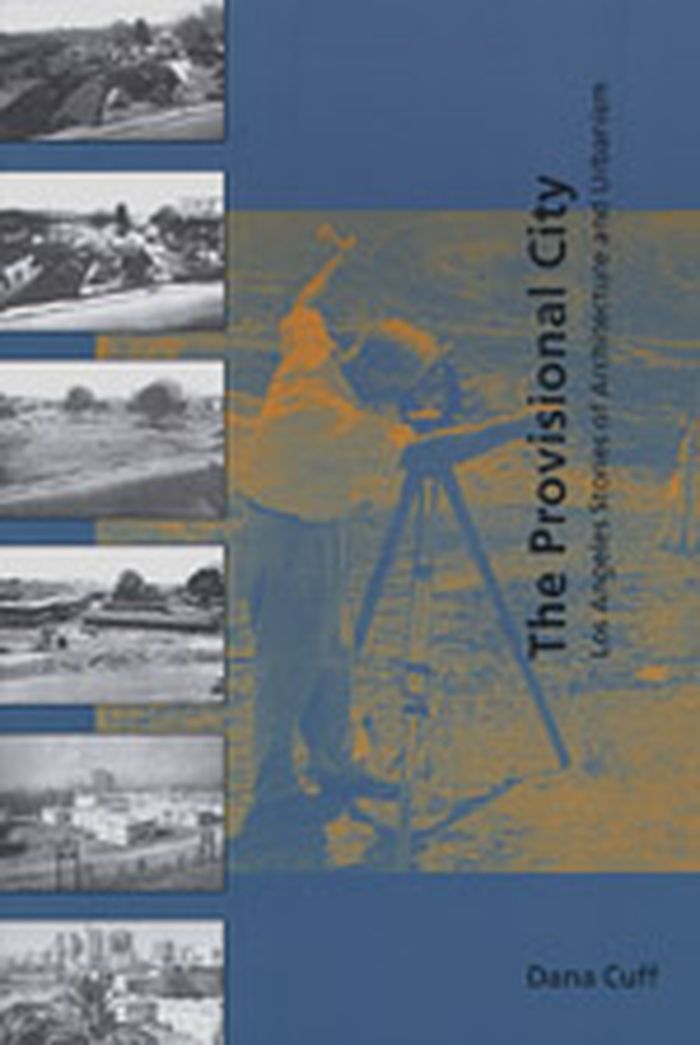
The provisional city : Los Angeles stories of architecture and urbanism
Actions:
Prix:
$39.95
(disponible sur commande)
Résumé:
Focusing on Los Angeles, this book looks at urban transformation through the architecture and land development of large-scale residential projects. The author demonstrates the inherent instability of very large sites. Cuff explores five cases that span the period from the 1930s, when federal support for slum clearance and public housing caused convulsions near downtown, to a huge 1990s mixed-use development on one of Los Angeles' last remaining wetlands. The story takes us from the refined modernist architecture of Richard Neutra to the self-conscious populism of the New Urbanism. The cases illuminate the relationship of housing architecture to issues of race, class, urban design, geography, and political ideology.
The provisional city : Los Angeles stories of architecture and urbanism
Actions:
Prix:
$39.95
(disponible sur commande)
Résumé:
Focusing on Los Angeles, this book looks at urban transformation through the architecture and land development of large-scale residential projects. The author demonstrates the inherent instability of very large sites. Cuff explores five cases that span the period from the 1930s, when federal support for slum clearance and public housing caused convulsions near downtown, to a huge 1990s mixed-use development on one of Los Angeles' last remaining wetlands. The story takes us from the refined modernist architecture of Richard Neutra to the self-conscious populism of the New Urbanism. The cases illuminate the relationship of housing architecture to issues of race, class, urban design, geography, and political ideology.
Classification:
livres
livres
Publication:
octobre 2002, Cambridge, Mass.
octobre 2002, Cambridge, Mass.
Sujet:
Théorie de l’urbanisme
Théorie de l’urbanisme
Classification:
livres
livres
Actions:
Prix:
$118.95
(disponible sur commande)
Résumé:
The Bank of England symbolizes the economic strength, influence, and potency of Britain. Founded in 1694, its world-famous buildings were built and rebuilt four times by different architects, most notably Sir John Soane. The Bank’s three-and-a-quarter-acre complex has included elegant public banking halls and private offices, courtyards and gardens, warehouses and vaults,(...)
$118.95
(disponible sur commande)
Résumé:
The Bank of England symbolizes the economic strength, influence, and potency of Britain. Founded in 1694, its world-famous buildings were built and rebuilt four times by different architects, most notably Sir John Soane. The Bank’s three-and-a-quarter-acre complex has included elegant public banking halls and private offices, courtyards and gardens, warehouses and vaults,(...)
Sujet:
Histoire jusqu’à 1900
Histoire jusqu’à 1900
Publication:
janvier 1900, New Haven and London
janvier 1900, New Haven and London
Titre:
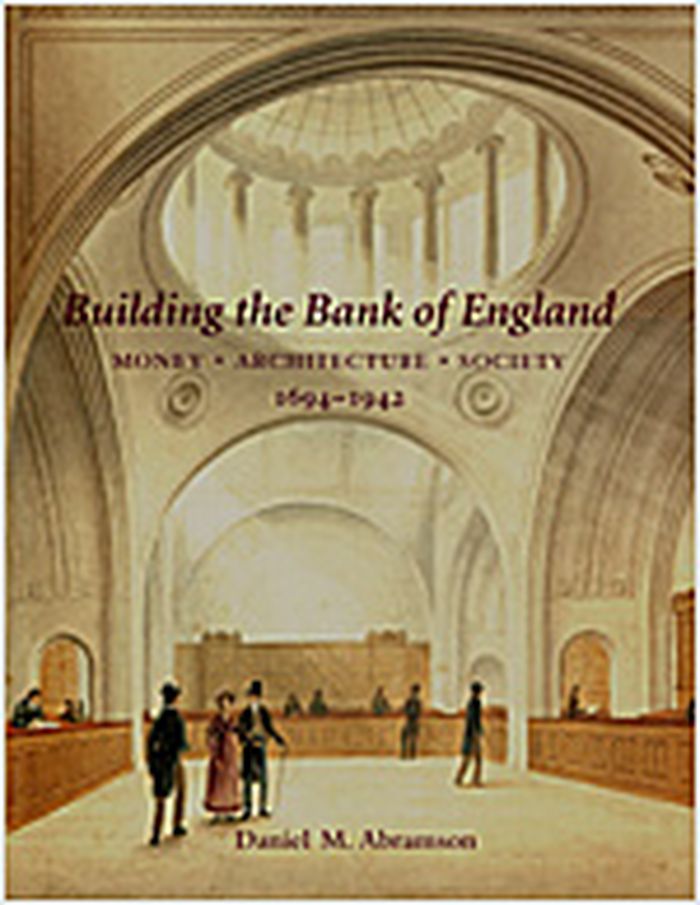
Building the bank of England : money, architecture, society 1694-1942
Actions:
Prix:
$118.95
(disponible sur commande)
Résumé:
The Bank of England symbolizes the economic strength, influence, and potency of Britain. Founded in 1694, its world-famous buildings were built and rebuilt four times by different architects, most notably Sir John Soane. The Bank’s three-and-a-quarter-acre complex has included elegant public banking halls and private offices, courtyards and gardens, warehouses and vaults, residential apartments and guards’ barracks. This illustrated book examines for the first time the entire architectural history of the Bank from the seventeenth through the twentieth centuries. Drawing on a variety of perspectives, the book relates the history of the Bank of England to current debates on English economic, social, and urban history, including issues of national identity, mercantile politics, and the commercialization of culture. The book also shows how the building itself has expressed various historical tensions among the Bank’s inhabitants and publics: its directors and detractors, its clerks and clientele, its tourists, and even its mob attackers.
Building the bank of England : money, architecture, society 1694-1942
Actions:
Prix:
$118.95
(disponible sur commande)
Résumé:
The Bank of England symbolizes the economic strength, influence, and potency of Britain. Founded in 1694, its world-famous buildings were built and rebuilt four times by different architects, most notably Sir John Soane. The Bank’s three-and-a-quarter-acre complex has included elegant public banking halls and private offices, courtyards and gardens, warehouses and vaults, residential apartments and guards’ barracks. This illustrated book examines for the first time the entire architectural history of the Bank from the seventeenth through the twentieth centuries. Drawing on a variety of perspectives, the book relates the history of the Bank of England to current debates on English economic, social, and urban history, including issues of national identity, mercantile politics, and the commercialization of culture. The book also shows how the building itself has expressed various historical tensions among the Bank’s inhabitants and publics: its directors and detractors, its clerks and clientele, its tourists, and even its mob attackers.
Classification:
livres
livres
Publication:
janvier 1900, New Haven and London
janvier 1900, New Haven and London
Sujet:
Histoire jusqu’à 1900
Histoire jusqu’à 1900
Classification:
livres
livres
Prix:
$66.95
(disponible sur commande)
Résumé:
“Landscape Architecture and Town Planning in The Netherlands 01-03” offers a critical survey of current landscape architectonic and urban planning projects, and enables professional colleagues, clients and other interested parties to keep abreast of the 'state of the art' in landscape architecture and town planning in The Netherlands. The 2001-2003 edition is the fifth(...)
$66.95
(disponible sur commande)
Résumé:
“Landscape Architecture and Town Planning in The Netherlands 01-03” offers a critical survey of current landscape architectonic and urban planning projects, and enables professional colleagues, clients and other interested parties to keep abreast of the 'state of the art' in landscape architecture and town planning in The Netherlands. The 2001-2003 edition is the fifth(...)
Titre:
Landscape architecture and town planning in the Netherlands 01-03
Actions:
Prix:
$66.95
(disponible sur commande)
Résumé:
“Landscape Architecture and Town Planning in The Netherlands 01-03” offers a critical survey of current landscape architectonic and urban planning projects, and enables professional colleagues, clients and other interested parties to keep abreast of the 'state of the art' in landscape architecture and town planning in The Netherlands. The 2001-2003 edition is the fifth in a series of biannual publications. A commission under the leadership of Tineke Blok, comprised of Ruud Brouwers, Ton Hartman, Sylvia Karres, Martin Knuijt and Frits Palmboom, selected over 40 projects which are exemplary in one manner or another. Important themes this time are reconstruction of centres, neighbourhoods and parks, and what is being called the 'new collectivity' in town expansions and city centre projects. A number of analytic essays and opinion pieces by Ivan Nio, Rudi van Ettinger and Frans de Josselin de Jong, among others, precede the selection. The selection is accompanied by a commentary by Ruud Brouwers. Peter Paul Witsen wrote the project descriptions.
Landscape architecture and town planning in the Netherlands 01-03
Actions:
Prix:
$66.95
(disponible sur commande)
Résumé:
“Landscape Architecture and Town Planning in The Netherlands 01-03” offers a critical survey of current landscape architectonic and urban planning projects, and enables professional colleagues, clients and other interested parties to keep abreast of the 'state of the art' in landscape architecture and town planning in The Netherlands. The 2001-2003 edition is the fifth in a series of biannual publications. A commission under the leadership of Tineke Blok, comprised of Ruud Brouwers, Ton Hartman, Sylvia Karres, Martin Knuijt and Frits Palmboom, selected over 40 projects which are exemplary in one manner or another. Important themes this time are reconstruction of centres, neighbourhoods and parks, and what is being called the 'new collectivity' in town expansions and city centre projects. A number of analytic essays and opinion pieces by Ivan Nio, Rudi van Ettinger and Frans de Josselin de Jong, among others, precede the selection. The selection is accompanied by a commentary by Ruud Brouwers. Peter Paul Witsen wrote the project descriptions.
Classification:
livres
livres
Publication:
mars 2005, Bussum
mars 2005, Bussum
Sujet:
Jardins
Jardins
Classification:
livres
livres
Actions:
Prix:
$118.95
(disponible sur commande)
Résumé:
American landscape designer Kathryn Gustafson, long one of the most respected in her field, recently garnered international acclaim with her Diana Memorial Fountain in Hyde Park, London. Moving Horizons, the first comprehensive monograph on her work, showcases her recent projects for the American Museum of Natural History in New York, the Millennium Garden in Chicago, the(...)
$118.95
(disponible sur commande)
Résumé:
American landscape designer Kathryn Gustafson, long one of the most respected in her field, recently garnered international acclaim with her Diana Memorial Fountain in Hyde Park, London. Moving Horizons, the first comprehensive monograph on her work, showcases her recent projects for the American Museum of Natural History in New York, the Millennium Garden in Chicago, the(...)
Titre:
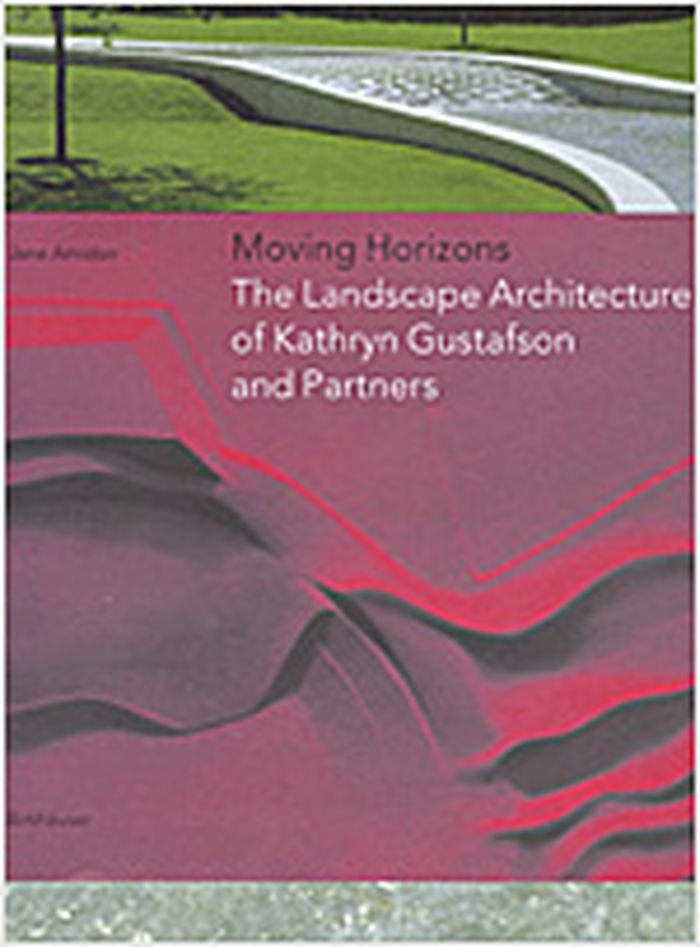
Moving horizons : the landscape architecture of Kathryn Gustafson and Partners
Actions:
Prix:
$118.95
(disponible sur commande)
Résumé:
American landscape designer Kathryn Gustafson, long one of the most respected in her field, recently garnered international acclaim with her Diana Memorial Fountain in Hyde Park, London. Moving Horizons, the first comprehensive monograph on her work, showcases her recent projects for the American Museum of Natural History in New York, the Millennium Garden in Chicago, the Great Glass House in Wales, the Amsterdam Westergasfabriek Park, and the Garden of Forgiveness in Beirut. In total, thirty projects underline Gustafson's distinctive and highly artistic style, characterized by sensual sculptural forms that have made her the landscape designer of choice for architects like Norman Foster, Mecanoo, and Renzo Piano.
Moving horizons : the landscape architecture of Kathryn Gustafson and Partners
Actions:
Prix:
$118.95
(disponible sur commande)
Résumé:
American landscape designer Kathryn Gustafson, long one of the most respected in her field, recently garnered international acclaim with her Diana Memorial Fountain in Hyde Park, London. Moving Horizons, the first comprehensive monograph on her work, showcases her recent projects for the American Museum of Natural History in New York, the Millennium Garden in Chicago, the Great Glass House in Wales, the Amsterdam Westergasfabriek Park, and the Garden of Forgiveness in Beirut. In total, thirty projects underline Gustafson's distinctive and highly artistic style, characterized by sensual sculptural forms that have made her the landscape designer of choice for architects like Norman Foster, Mecanoo, and Renzo Piano.
Classification:
livres
livres
Publication:
février 2005, Basel
février 2005, Basel
Sujet:
Jardins
Jardins


