


5247 Résultats
Classification:
livres
livres
Prix:
$50.00
(disponible sur commande)
Résumé:
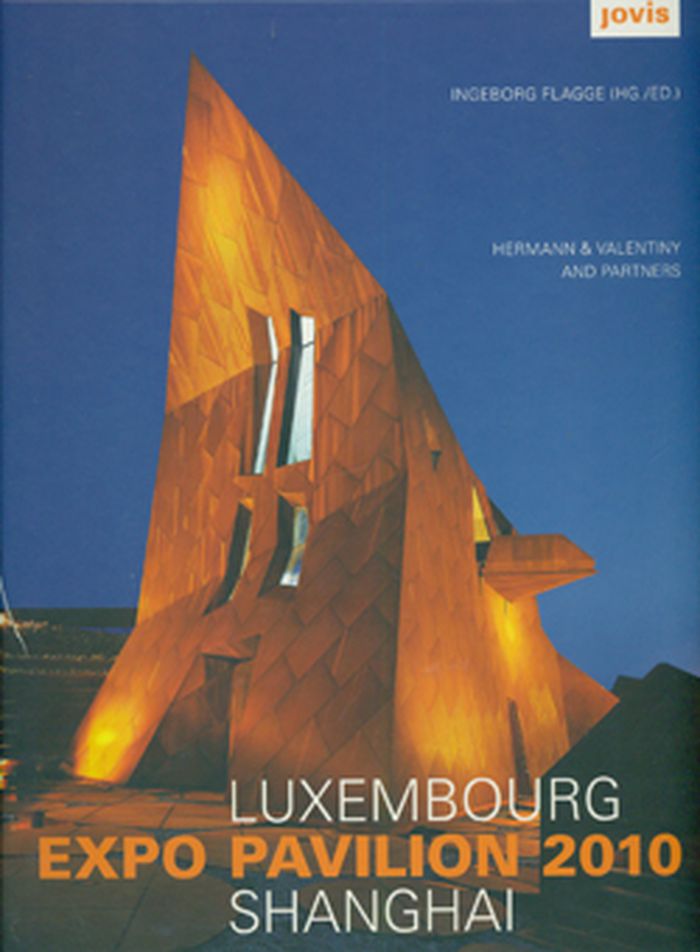
With the Luxembourg Pavilion for EXPO 2010 in Shanghai, the internationally renowned practice of Hermann & Valentiny und Partner demonstrates the utmost potential of the alliance of architecture and art.
$50.00
(disponible sur commande)
Résumé:
With the Luxembourg Pavilion for EXPO 2010 in Shanghai, the internationally renowned practice of Hermann & Valentiny und Partner demonstrates the utmost potential of the alliance of architecture and art.
Publication:
mai 2010
mai 2010
Titre:
Hermann & Valentiny : Luxembourg expo pavilion 2010, Shanghai
Actions:
Prix:
$50.00
(disponible sur commande)
Résumé:
With the Luxembourg Pavilion for EXPO 2010 in Shanghai, the internationally renowned practice of Hermann & Valentiny und Partner demonstrates the utmost potential of the alliance of architecture and art.
Classification:
livres
livres
Publication:
mai 2010
mai 2010
Classification:
livres
livres
Prix:
$32.95
(disponible sur commande)
Résumé:
In Curating Consciousness, Marcia Brennan focuses on one of the transformational figures of twentieth-century curatorial culture, and the main protagonist of this unacknowledged curatorial practice. James Johnson Sweeney (1900–1986) was hired as the Director of Painting and Sculpture at the Museum of Modern Art in 1935. He went on to become the director of the Guggenheim(...)
Titre:
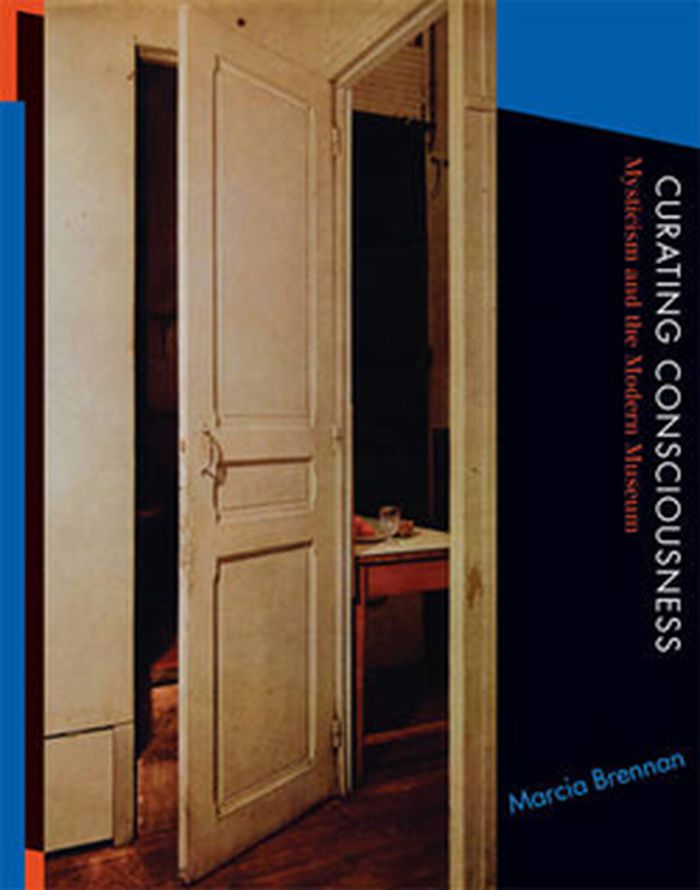
Curating consciousness: Mysticism and the Modern museum
Actions:
Prix:
$32.95
(disponible sur commande)
Résumé:
In Curating Consciousness, Marcia Brennan focuses on one of the transformational figures of twentieth-century curatorial culture, and the main protagonist of this unacknowledged curatorial practice. James Johnson Sweeney (1900–1986) was hired as the Director of Painting and Sculpture at the Museum of Modern Art in 1935. He went on to become the director of the Guggenheim Museum and the Museum of Fine Arts, Houston. Throughout his career, Sweeney provocatively engaged motifs of mysticism in order to cast the modern museum as a secular temple of art. Sweeney believed that artworks could engender visionary perspectives and induce alternative modes of consciousness in their viewers; his career can be seen as an exercise in curating modernist consciousness itself. Brennan describes how these motifs informed Sweeney's curatorial and textual engagements with specific artists and projects, including Marcel Duchamp's intricately androgynous constructions, Alberto Burri's images of hermetic alchemy and blood miracles, Pierre Soulages's creative transmutations of sacred stones into gestural abstract paintings, Jean Tinguely's apocalyptic yet playful kinetic experiments, and Eduardo Chillida's translations of theology and philosophy into sculpted fields of sparkling light.
Classification:
livres
livres
Publication:
mars 2010
mars 2010
Classification:
livres
livres
Titre:
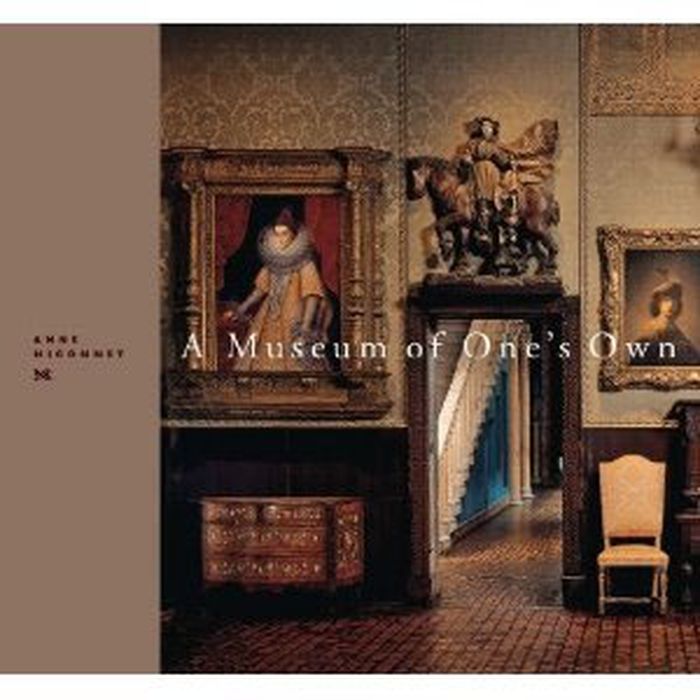
A museum of one's own
A museum of one's own
Actions:
Prix:
$54.95
(disponible sur commande)
Résumé:
When French revolutionaries sacked royal holdings at the end of the 18th century, they began the largest transfer of artistic goods in world history. By 1850 many "repossessed" treasures had come to rest in a new institution, the public museum, where they were assigned educational tasks. Anne Higonnet's book begins at this turning point in the history of art, but it looks(...)
Titre:
A museum of one's own
Actions:
Prix:
$54.95
(disponible sur commande)
Résumé:
When French revolutionaries sacked royal holdings at the end of the 18th century, they began the largest transfer of artistic goods in world history. By 1850 many "repossessed" treasures had come to rest in a new institution, the public museum, where they were assigned educational tasks. Anne Higonnet's book begins at this turning point in the history of art, but it looks instead at another new institution, the collection museum. Emerging in London with the Wallace Collection, the collection museum spread rapidly in Gilded Age America. To the discontent of many Europeans, cash-flush Americans like J.P. Morgan and Henry Clay Frick went on collecting campaigns that netted masterpiece after masterpiece, along with the furniture and fittings of dozens of aristocratic residences. Higonnet weaves letters, auction records and photographs into an engrossing account of the founding of both renowned and obscure collection museums. She also explores how these collectors stoked the tremendous values accorded paintings by Raphael, Titian, Rembrandt, Vermeer, Velazquez, Gainsborough and Reynolds.
Classification:
livres
livres
Publication:
mai 2010
mai 2010
Classification:
livres
livres

Actions:
Prix:
$54.95
(disponible sur commande)
Résumé:
During World War 2 the Neues Museum was almost completely destroyed. Now, on the Berlin Museum Island with its tremendous diversity of demands for the restoration it has become the classic example for the preservation of historic monuments. It is rebuilt due to the plans of the world renown architect David Chipperfield. The great reopening of this building (a main work of(...)
Titre:
The Neues Museums Berlin: conserving, restoring, rebuilding within the world heritage
Actions:
Prix:
$54.95
(disponible sur commande)
Résumé:
During World War 2 the Neues Museum was almost completely destroyed. Now, on the Berlin Museum Island with its tremendous diversity of demands for the restoration it has become the classic example for the preservation of historic monuments. It is rebuilt due to the plans of the world renown architect David Chipperfield. The great reopening of this building (a main work of the Schinkel scholar Friedrich August Stueler) is scheduled for March 2009. The present book shows the history from its origins under Frederic Wilhelm IV of Prussia, the various phases of conversation and restoration of the war-ruin during the different systems after war to the considerations of preservation, modern building technique and current utilization.
Classification:
livres
livres
Publication:
juin 2009
juin 2009
Classification:
livres
livres
Actions:
Prix:
$27.50
(disponible sur commande)
Résumé:
The concept of an encyclopedic museum was born of the Enlightenment, a manifestation of society's growing belief that the spread of knowledge and the promotion of intellectual inquiry were crucial to human development and the future of a rational society. With Museums Matter, James Cuno, president and director of the Art Institute of Chicago, takes us on a brief tour(...)
Titre:
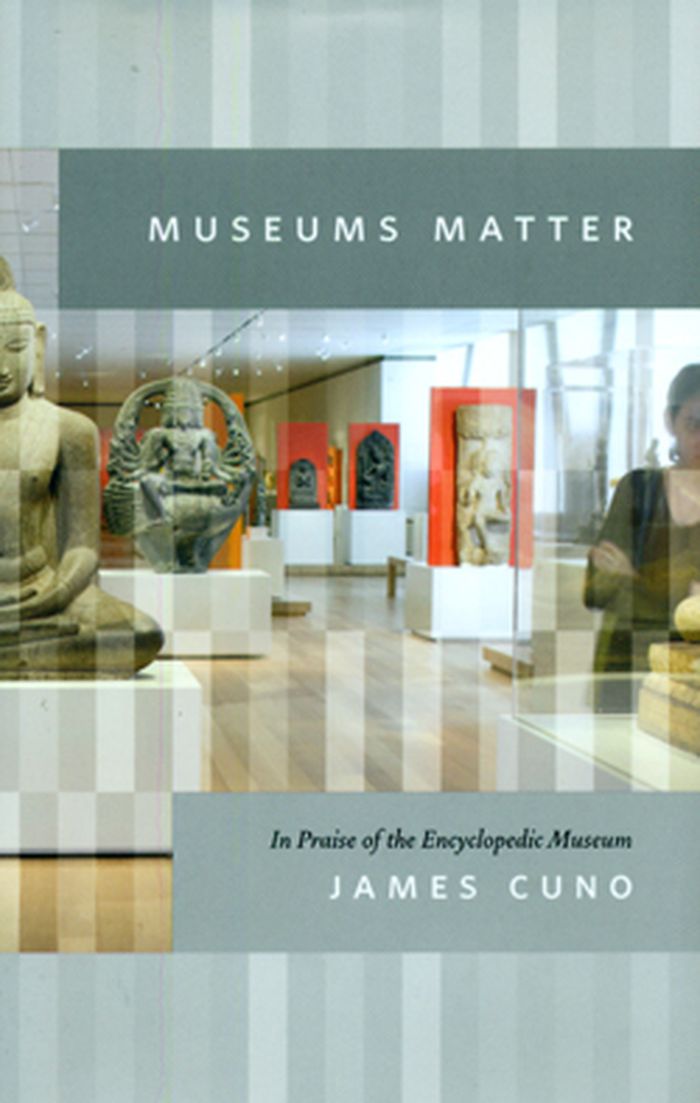
Museums matter: in praise of the encyclopedic museum
Actions:
Prix:
$27.50
(disponible sur commande)
Résumé:
The concept of an encyclopedic museum was born of the Enlightenment, a manifestation of society's growing belief that the spread of knowledge and the promotion of intellectual inquiry were crucial to human development and the future of a rational society. With Museums Matter, James Cuno, president and director of the Art Institute of Chicago, takes us on a brief tour of the modern museum, from the creation of the British Museum - the archetypal encyclopedic collection - to the present, when major museums host millions of visitors annually and play a major role in the cultural lives of their cities. Engaging with thinkers such as Edward Said and Martha Nussbaum, and drawing on examples from the politics of India to the destruction of the Bramiyan Buddhas to the history of trade and travel, Cuno makes a case for the encyclopedic museum as a truly cosmopolitan institution, promoting tolerance, understanding, and a shared sense of history - values that are essential in our ever more globalized age.
Classification:
livres
livres
Publication:
décembre 2011
décembre 2011
Classification:
livres
livres
Titre:
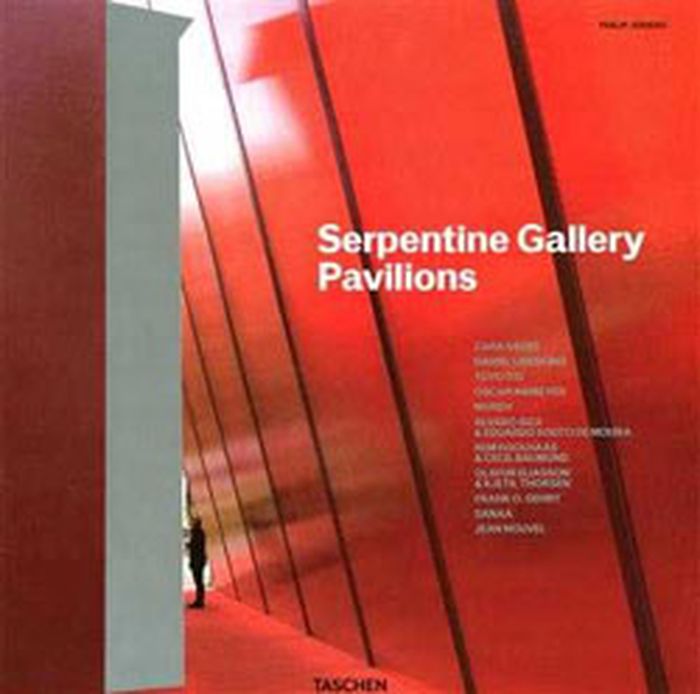
Serpentine gallery pavillons
Serpentine gallery pavillons
Actions:
Prix:
$64.95
(disponible sur commande)
Résumé:
Since 2000, the Serpentine Gallery in London's Kensington Gardens has called on some of the world's top architects to design summer pavilions - temporary structures that are erected next to the Gallery itself for a three-month period. The Serpentine, which was built in 1934 as a tea pavilion, opened in 1970 as a show-place for exhibitions of modern and contemporary(...)
Titre:
Serpentine gallery pavillons
Actions:
Prix:
$64.95
(disponible sur commande)
Résumé:
Since 2000, the Serpentine Gallery in London's Kensington Gardens has called on some of the world's top architects to design summer pavilions - temporary structures that are erected next to the Gallery itself for a three-month period. The Serpentine, which was built in 1934 as a tea pavilion, opened in 1970 as a show-place for exhibitions of modern and contemporary artists. The projects completed or envisaged include the work of: Zaha Hadid, 2000; Daniel Libeskind, 2001; Toyo Ito, 2002; Oscar Niemeyer, 2003; MVRDV, 2004 (un-realised); Alvaro Siza and Eduardo Souto de Moura with Cecil Balmond, 2005; Rem Koolhaas and Cecil Balmond, 2006; Olafur Eliasson and Kjetil Thorsen, 2007; Frank Gehry, 2008; SANAA, 2009; Jean Nouvel, 2010; and, other works such as Zaha Hadid's temporary 2006 installation Lilas are included in the book as well. This book is the first to bring together all of the Serpentine Pavilions.
Classification:
livres
livres
Publication:
août 2011
août 2011
Classification:
livres
livres

Titre:
New museums in Spain
New museums in Spain
Actions:
Prix:
$106.95
(disponible sur commande)
Résumé:
Spanish museum architecture has experienced a marked upturn since the 1990s, helping even small towns off the tourist beaten track to acquire museum buildings. The present book, which is also suitable as a museum guide, confirms the world-class nature of Spanish architecture, recorded from Rafael Moneo's early Museo Nacional de Arte Romano in Merida to Herzog & de(...)
Titre:
New museums in Spain
Actions:
Prix:
$106.95
(disponible sur commande)
Résumé:
Spanish museum architecture has experienced a marked upturn since the 1990s, helping even small towns off the tourist beaten track to acquire museum buildings. The present book, which is also suitable as a museum guide, confirms the world-class nature of Spanish architecture, recorded from Rafael Moneo's early Museo Nacional de Arte Romano in Merida to Herzog & de Meuron's new CaixaForum art gallery in Madrid.
Classification:
livres
livres
Publication:
octobre 2010
octobre 2010
Classification:
livres
livres

Actions:
Prix:
$66.00
(disponible sur commande)
Résumé:
The great World's Fairs and Expositions staged around the world since the middle of the 19th century were among the largest and most dramatic cultural events ever staged. In both beneficial and detrimental ways, they affected the lives of tens of millions of people. This publication retraces the history of world's fairs and expositions from London to Shanghai 1851-2010.
Titre:
Fair world: a history of world's fairs and expositions, from London to Shangai 1851-2010
Actions:
Prix:
$66.00
(disponible sur commande)
Résumé:
The great World's Fairs and Expositions staged around the world since the middle of the 19th century were among the largest and most dramatic cultural events ever staged. In both beneficial and detrimental ways, they affected the lives of tens of millions of people. This publication retraces the history of world's fairs and expositions from London to Shanghai 1851-2010.
Classification:
livres
livres
Publication:
novembre 2011
novembre 2011
Classification:
livres
livres

Titre:
Conception d'exposition
Conception d'exposition
Actions:
Prix:
$44.95
(disponible sur commande)
Résumé:
Chaque exposition est unique et raconte une histoire qui lui est propre. La façon dont ces histoires sont racontées et transposées dans un décor dépend directement de la conception d'exposition. Ce livre, qui s'articule autour d'études de cas et d'exemples, détaille les principaux aspects de la conception d'exposition et du rôle de concepteur.
Titre:
Conception d'exposition
Actions:
Prix:
$44.95
(disponible sur commande)
Résumé:
Chaque exposition est unique et raconte une histoire qui lui est propre. La façon dont ces histoires sont racontées et transposées dans un décor dépend directement de la conception d'exposition. Ce livre, qui s'articule autour d'études de cas et d'exemples, détaille les principaux aspects de la conception d'exposition et du rôle de concepteur.
Classification:
livres
livres
Publication:
janvier 2012
janvier 2012
Classification:
livres
livres
Titre:
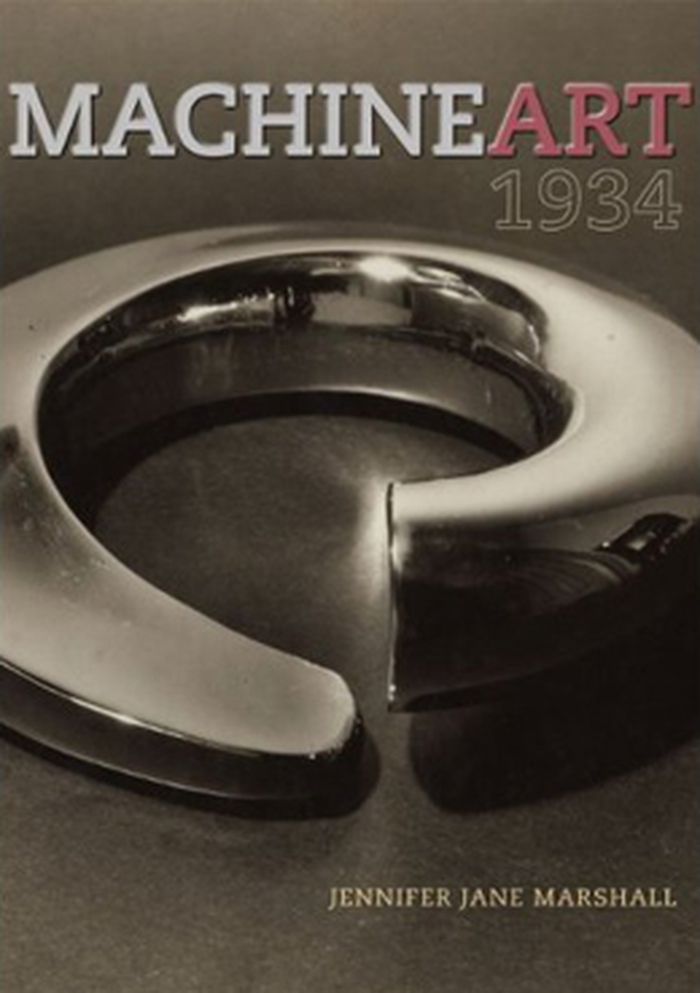
Machine art, 1934
Machine art, 1934
Actions:
Prix:
$49.95
(disponible sur commande)
Résumé:
In 1934, New York’s Museum of Modern Art staged a major exhibition of ball bearings, airplane propellers, pots and pans, cocktail tumblers, petri dishes, protractors, and other machine parts and products. The exhibition, titled Machine Art, explored these ordinary objects as works of modern art, teaching museumgoers about the nature of beauty and value in the era of mass(...)
Titre:
Machine art, 1934
Actions:
Prix:
$49.95
(disponible sur commande)
Résumé:
In 1934, New York’s Museum of Modern Art staged a major exhibition of ball bearings, airplane propellers, pots and pans, cocktail tumblers, petri dishes, protractors, and other machine parts and products. The exhibition, titled Machine Art, explored these ordinary objects as works of modern art, teaching museumgoers about the nature of beauty and value in the era of mass production. Telling the story of this popular but controversial show, Jennifer Jane Marshall examines its history and the relationship between the museum’s director, Alfred H. Barr Jr., and its curator, Philip Johnson, who oversaw it. She situates the show within the tumultuous climate of the interwar period and the Great Depression, considering how these unadorned objects served as a response to timely debates over photography, abstract art, the end of the American gold standard, and John Dewey’s insight that how a person experiences things depends on the context in which they are encountered. An engaging investigation of interwar American modernism, Machine Art, 1934 reveals how even simple things can serve as a defense against uncertainty.
Classification:
livres
livres
Publication:
avril 2012
avril 2012


