


618 Résultats
Classification:
livres
livres
Titre:
Dams
Dams
Actions:
Prix:
$106.00
(disponible sur commande)
Résumé:
A lavishly illustrated exploration of these landscape-defining structures across the United States. Dams are a monumental presence on the American landscape. This newest book in the Norton/Library of Congress series shows that the history of dam development is characterized by invention and innovation, and parallels that of the United States. It emphasizes the unique(...)
Titre:
Dams
Actions:
Prix:
$106.00
(disponible sur commande)
Résumé:
A lavishly illustrated exploration of these landscape-defining structures across the United States. Dams are a monumental presence on the American landscape. This newest book in the Norton/Library of Congress series shows that the history of dam development is characterized by invention and innovation, and parallels that of the United States. It emphasizes the unique design and engineering complexities of these impressive structures.
Classification:
livres
livres
Publication:
septembre 2008
septembre 2008
Sujet:
Structures d’ingénierie
Structures d’ingénierie
Classification:
livres
livres

Prix:
$101.00
(disponible sur commande)
Résumé:
Le génie parasismique traite de l'impact des séismes sur les structures et des moyens d'y remédier. Il s'appuie notamment sur une excellente connaissance des méthodes de dimensionnement parasismique, et en particulier du dimensionnement en capacité. Rédigé par deux des spécialistes francophones du domaine, cet ouvrage offre une vue exhaustive de l'ensemble des moyens mis(...)
Sujet:
Structures d’ingénierie
Structures d’ingénierie
Publication:
janvier 1900, Lausanne
janvier 1900, Lausanne
Titre:
Génie parasismique: conception et dimension des bâtiments
Actions:
Prix:
$101.00
(disponible sur commande)
Résumé:
Le génie parasismique traite de l'impact des séismes sur les structures et des moyens d'y remédier. Il s'appuie notamment sur une excellente connaissance des méthodes de dimensionnement parasismique, et en particulier du dimensionnement en capacité. Rédigé par deux des spécialistes francophones du domaine, cet ouvrage offre une vue exhaustive de l'ensemble des moyens mis à disposition de l'ingénieur pour limiter l'impact des manifestations sismiques sur les constructions. Il montre toute l'importance de la prise en compte des sollicitations sismiques lors de la phase de conception de bâtiments neufs. Il présente et explique en détail les spécificités du comportement sismique et la méthode de dimensionnement en capacité, développée expressément pour le cas sismique. L'application de cette méthode est traitée dans le cadre des normes de construction les plus récentes. Le nouvel ouvrage de référence en langue française pour les étudiants ingénieurs et les ingénieurs praticiens.
Classification:
livres
livres
Publication:
janvier 1900, Lausanne
janvier 1900, Lausanne
Sujet:
Structures d’ingénierie
Structures d’ingénierie
Classification:
livres
livres

Prix:
$54.00
(disponible sur commande)
Résumé:
Cet ouvrage expose de manière claire et synthétique la problématique de la prise en compte des séismes lors de la construction de bâtiments. Principalement destiné aux praticiens du secteur du bâtiment non spécialistes du sujet, il offre un aperçu complet de l'ensemble des éléments constructifs à considérer afin d'éviter tout désastre lors d'un séisme. L'ouvrage aborde(...)
Titre:
Séismes et construction : éléments pour non-spécialistes
Actions:
Prix:
$54.00
(disponible sur commande)
Résumé:
Cet ouvrage expose de manière claire et synthétique la problématique de la prise en compte des séismes lors de la construction de bâtiments. Principalement destiné aux praticiens du secteur du bâtiment non spécialistes du sujet, il offre un aperçu complet de l'ensemble des éléments constructifs à considérer afin d'éviter tout désastre lors d'un séisme. L'ouvrage aborde les thèmes de la vulnérabilité des bâtiments, de la conception parasismique, du dimensionnement et des normes de construction à adopter, ainsi que de l'évaluation sismique des ouvrages existants. Chaque chapitre se clôt pari un résumé synthétique, et un lexique des définitions et des termes spécifiques utilisés dans le texte complète l'ouvrage. Rédigé dans un langage clair et accessible aux profanes du domaine, cet ouvrage sans précédent ni équivalent en langue française constitue une véritable référence pour les architectes, maîtres d'ouvrages et ingénieurs conseil, ainsi que pour un large public intéressé par cette problématique.
Classification:
livres
livres
Publication:
avril 2008, Lausanne
avril 2008, Lausanne
Sujet:
Structures d’ingénierie
Structures d’ingénierie
Classification:
livres
livres

Prix:
$64.95
(disponible sur commande)
Résumé:
Using materials and structures to form the guiding principles for architectural knowledge, On span and space offers an understanding of architecture from the consideration of how architectural works are actually put together.
$64.95
(disponible sur commande)
Résumé:
Using materials and structures to form the guiding principles for architectural knowledge, On span and space offers an understanding of architecture from the consideration of how architectural works are actually put together.
Sujet:
Structures d’ingénierie
Structures d’ingénierie
Publication:
décembre 2007, London, New York
décembre 2007, London, New York
Titre:
On span and space: exploring structures in architecture
Actions:
Prix:
$64.95
(disponible sur commande)
Résumé:
Using materials and structures to form the guiding principles for architectural knowledge, On span and space offers an understanding of architecture from the consideration of how architectural works are actually put together.
Classification:
livres
livres
Publication:
décembre 2007, London, New York
décembre 2007, London, New York
Sujet:
Structures d’ingénierie
Structures d’ingénierie
Classification:
livres
livres
Prix:
$69.95
(disponible sur commande)
Résumé:
Recent innovations in computational techniques, material systems and fabrication processes have revolutionized the design and construction of surface structures. Innovative Surface Structures is an in-depth introduction to the fundamentals of surface structures, and provides the techniques and knowledge necessary to design folded plates, shells and tensile membranes in a(...)
Titre:
Innovative surface structures: technologies and applications
Actions:
Prix:
$69.95
(disponible sur commande)
Résumé:
Recent innovations in computational techniques, material systems and fabrication processes have revolutionized the design and construction of surface structures. Innovative Surface Structures is an in-depth introduction to the fundamentals of surface structures, and provides the techniques and knowledge necessary to design folded plates, shells and tensile membranes in a broad variety of materials.
Classification:
livres
livres
Publication:
janvier 2008, New York
janvier 2008, New York
Sujet:
Structures d’ingénierie
Structures d’ingénierie
Classification:
livres
livres

Actions:
Prix:
$81.50
(disponible sur commande)
Résumé:
Precast prestressed concrete (PC) and steel are the two structural materials that have been considered for the production of honeycomb tubes. While this book was created to introduce the concept of steel honeycomb tubes, in this introductory chapter we present honeycomb tube structures that feature precast prestressed concrete (PC honeycomb tubes) dubbed as 'HTA'(...)
Sujet:
Structures d’ingénierie
Structures d’ingénierie
Publication:
février 2008
février 2008
Titre:
Honeycomb dynamics architecture
Actions:
Prix:
$81.50
(disponible sur commande)
Résumé:
Precast prestressed concrete (PC) and steel are the two structural materials that have been considered for the production of honeycomb tubes. While this book was created to introduce the concept of steel honeycomb tubes, in this introductory chapter we present honeycomb tube structures that feature precast prestressed concrete (PC honeycomb tubes) dubbed as 'HTA' (Honeycomb Tube Architecture), which served as precedent. In addition to a summary of Honeycomb Tube Architecture, a book published in December 2006 to exhibit concepts of PC honeycomb tubes, here, we present the results of tests on a 1/3 scale mock-up of the structural system that were conducted in April 2007 along with actual works of architecture being planned for execution.
Classification:
livres
livres
Publication:
février 2008
février 2008
Sujet:
Structures d’ingénierie
Structures d’ingénierie
Classification:
livres
livres
Actions:
Prix:
$39.95
(disponible sur commande)
Résumé:
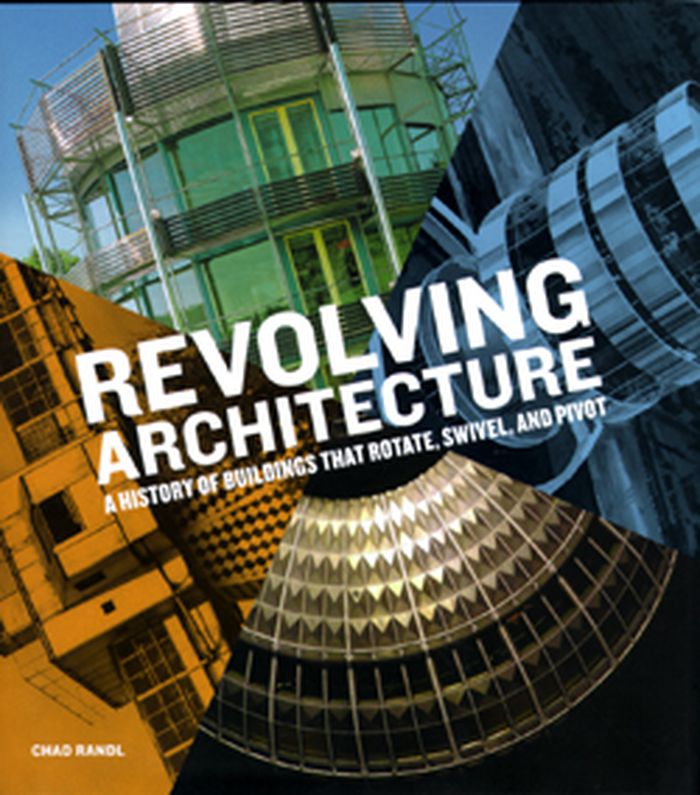
Alternately lauded as the future of architecture or dismissed as pure folly, revolving buildings are a fascinating missing chapter in architectural history with surprising relevance to issues in contemporary architectural design. Rotating structures have been employed to solve problems and create effects that stationary buildings can't achieve. Rotating buildings offered(...)
Titre:
Revolving Architecture: a history of buildings that rotate, swivel, and pivot
Actions:
Prix:
$39.95
(disponible sur commande)
Résumé:
Alternately lauded as the future of architecture or dismissed as pure folly, revolving buildings are a fascinating missing chapter in architectural history with surprising relevance to issues in contemporary architectural design. Rotating structures have been employed to solve problems and create effects that stationary buildings can't achieve. Rotating buildings offered ever-changing vistas and made interior spaces more flexible and adaptable. They were used to impress visitors, treat patients, and improve the green qualities of a structure by keeping particular rooms in or out of the sun. The follow-up to his critically acclaimed book A-frame, Chad Randl's Revolving Architecture: A History of Buildings that Rotate, Swivel, and Pivot explores the history of this unique building type, investigating the cultural forces that have driven people to design and inhabit them. Revolving Architecture is packed with a variety of fantastic revolving structures such as a jail that kept inmates under a warden's constant surveillance, glamorous revolving restaurants, tuberculosis treatment wards, houses, theaters, and even a contemporary residential building whose full-floor apartments circle independently of each other. International examples from the late 1800s though the present demonstrate the variety and innovation of these dynamic structures.
Classification:
livres
livres
Publication:
juillet 2008, New York
juillet 2008, New York
Sujet:
Structures d’ingénierie
Structures d’ingénierie
Classification:
livres
livres
Actions:
Prix:
$19.95
(disponible sur commande)
Résumé:
«Je n'ai pas trouvé de meilleure façon de vous présenter mes réflexions sur la construction qu'à travers mes propres projets. Comme un auteur qui écrirait son premier livre, il m'a été difficile de ne pas succomber en partie à l'autobiographie...» Santiago Calatrava, architecte et ingénieur, recherche sans se cacher l'unité entre l'art et la science. Son exploration des(...)
Titre:
Force, mouvement, forme : entretiens
Actions:
Prix:
$19.95
(disponible sur commande)
Résumé:
«Je n'ai pas trouvé de meilleure façon de vous présenter mes réflexions sur la construction qu'à travers mes propres projets. Comme un auteur qui écrirait son premier livre, il m'a été difficile de ne pas succomber en partie à l'autobiographie...» Santiago Calatrava, architecte et ingénieur, recherche sans se cacher l'unité entre l'art et la science. Son exploration des formes naturelles (en particulier du corps humain), son ouverture à l'approche métaphorique et le brio de ses représentations facilitent son exploration créative de la forme, de l'espace, de la lumière et même de la cinétique. Sa maîtrise des principes de l'ingénierie non seulement lui permet de réaliser ces projets, mais elle se voit défiée et sans cesse poussée en avant par le dialogue entre invention formelle et principes scientifiques.
Classification:
livres
livres
Publication:
juillet 2016
juillet 2016
Sujet:
Structures d’ingénierie
Structures d’ingénierie
Classification:
livres
livres

Actions:
Prix:
$39.95
(disponible sur commande)
Résumé:
From Leonardo da Vinci’s fantastic visions, to Richard Branson’s plans to offer commercial space travel by 2010, visionaries and entrepreneurs have long dreamed of how we will travel in the future. "Future tech: innovations in transportation" is a prescient look at how we will be moving forward over the coming decades. Whilst we are not yet travelling to work using(...)
Titre:
Future tech : innovations in transportations
Actions:
Prix:
$39.95
(disponible sur commande)
Résumé:
From Leonardo da Vinci’s fantastic visions, to Richard Branson’s plans to offer commercial space travel by 2010, visionaries and entrepreneurs have long dreamed of how we will travel in the future. "Future tech: innovations in transportation" is a prescient look at how we will be moving forward over the coming decades. Whilst we are not yet travelling to work using jet-powered backpacks, the issue of transport in the future is becoming increasingly important. As roads have become more congested and the environment more fragile, the means of transport at our disposal seem less and less adequate. "Future tech" explores what designers and engineers around the globe are developing for the world of tomorrow. "Future tech" features prototypes already in the first stages of manufacture alongside more conceptual, speculative designs, as well as a history of mechanised transport and invention through the ages. There are chapters on public transport, road, air and water travel as well as personal mobility .
Classification:
livres
livres
Publication:
juillet 2006, London
juillet 2006, London
Sujet:
Structures d’ingénierie
Structures d’ingénierie
Classification:
livres
livres
Prix:
$37.50
(disponible sur commande)
Résumé:
Drivers in the nation's capital face a host of hazards: high-speed traffic circles, presidential motorcades, jaywalking tourists, and bewildering signs that send unsuspecting motorists from the Lincoln Memorial into suburban Virginia in less than two minutes. And parking? Don't bet on it unless you're in the fast lane of the Capital Beltway during rush hour. Little(...)
Titre:
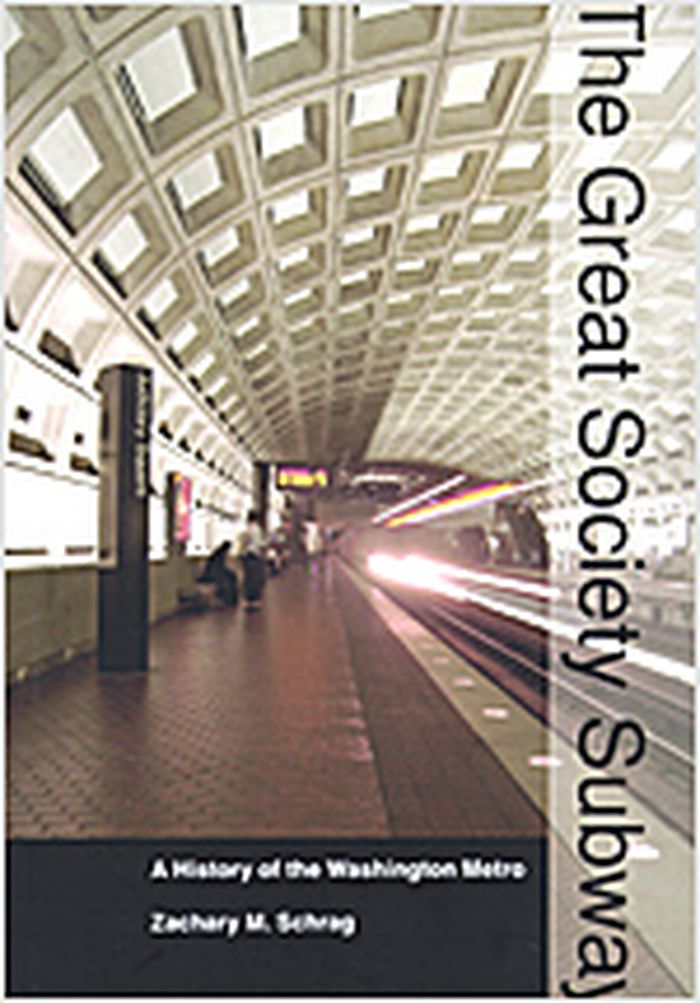
The Great Society subway : a history of the Washington Metro
Actions:
Prix:
$37.50
(disponible sur commande)
Résumé:
Drivers in the nation's capital face a host of hazards: high-speed traffic circles, presidential motorcades, jaywalking tourists, and bewildering signs that send unsuspecting motorists from the Lincoln Memorial into suburban Virginia in less than two minutes. And parking? Don't bet on it unless you're in the fast lane of the Capital Beltway during rush hour. Little wonder, then, that so many residents and visitors rely on the Washington Metro, the 106-mile rapid transit system that serves the District of Columbia and its inner suburbs. In the first comprehensive history of the Metro, Zachary M. Schrag tells the story of the Great Society subway from its earliest rumblings to the present day, from Arlington to College Park, Eisenhower to Marion Barry. Unlike the pre–World War II rail systems of New York, Chicago, and Philadelphia, the Metro was built at a time when most American families already owned cars, and when most American cities had dedicated themselves to freeways, not subways. Why did the nation's capital take a different path? What were the consequences of that decision? Using extensive archival research as well as oral history, Schrag argues that the Metro can be understood only in the political context from which it was born: the Great Society liberalism of the Kennedy, Johnson, and Nixon administrations. The Metro emerged from a period when Americans believed in public investments suited to the grandeur and dignity of the world's richest nation. The Metro was built not merely to move commuters, but in the words of Lyndon Johnson, to create "a place where the city of man serves not only the needs of the body and the demands of commerce but the desire for beauty and the hunger for community." Schrag scrutinizes the project from its earliest days, including general planning, routes, station architecture, funding decisions, land-use impacts, and the behavior of Metro riders. The story of the Great society subway sheds light on the development of metropolitan Washington, postwar urban policy, and the promises and limits of rail transit in American cities.
Classification:
livres
livres
Publication:
février 2006, Baltimore
février 2006, Baltimore
Sujet:
Structures d’ingénierie
Structures d’ingénierie


