


866 Résultats
Classification:
livres
livres
Prix:
$46.00
(disponible sur commande)
Résumé:
Auschwitz. Hiroshima. Cambodia’s killing fields. The World Trade Center. The mass graves of Rwanda. These places of violent death have become part of the recreational landscape of tourism, an industry that is otherwise dedicated to pleasure and escape. In dark places like concentration camps, prisons, battlegrounds, and the sites of natural disasters, how are memory and(...)
$46.00
(disponible sur commande)
Résumé:
Auschwitz. Hiroshima. Cambodia’s killing fields. The World Trade Center. The mass graves of Rwanda. These places of violent death have become part of the recreational landscape of tourism, an industry that is otherwise dedicated to pleasure and escape. In dark places like concentration camps, prisons, battlegrounds, and the sites of natural disasters, how are memory and(...)
Titre:
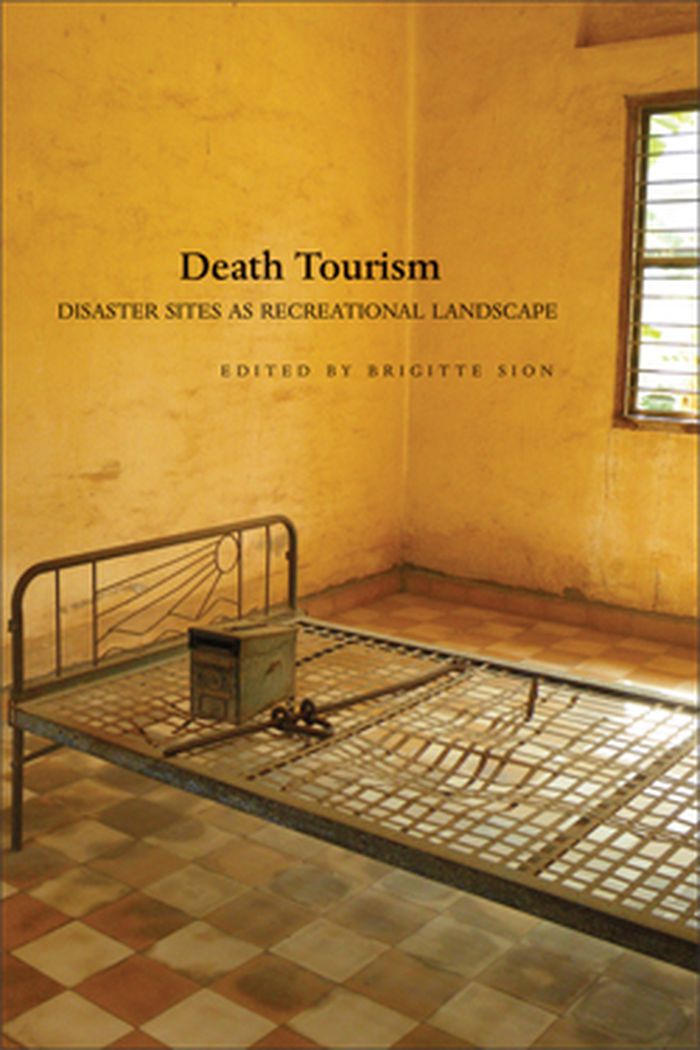
Death tourism: disaster sites as recreational landscape
Actions:
Prix:
$46.00
(disponible sur commande)
Résumé:
Auschwitz. Hiroshima. Cambodia’s killing fields. The World Trade Center. The mass graves of Rwanda. These places of violent death have become part of the recreational landscape of tourism, an industry that is otherwise dedicated to pleasure and escape. In dark places like concentration camps, prisons, battlegrounds, and the sites of natural disasters, how are memory and trauma mediated by thanotourism, or tourism of death? In Death Tourism, Brigitte Sion brings together essays by some of the most trenchant voices in the field to look at the tensions created by the juxtaposition of human remains and food stands, political agendas and educational programs, economic development and architectural ambition. How does a state redefine its national identity after catastrophic trauma? And what is the role of this kind of tourism in defining their new identity? A timely volume on an irresistible subject, this inquiry exposes the intersection of leisure with the inhumane, giving insight into how people respectfully share a public space that is both free and sacred, compelling and tragic.
Death tourism: disaster sites as recreational landscape
Actions:
Prix:
$46.00
(disponible sur commande)
Résumé:
Auschwitz. Hiroshima. Cambodia’s killing fields. The World Trade Center. The mass graves of Rwanda. These places of violent death have become part of the recreational landscape of tourism, an industry that is otherwise dedicated to pleasure and escape. In dark places like concentration camps, prisons, battlegrounds, and the sites of natural disasters, how are memory and trauma mediated by thanotourism, or tourism of death? In Death Tourism, Brigitte Sion brings together essays by some of the most trenchant voices in the field to look at the tensions created by the juxtaposition of human remains and food stands, political agendas and educational programs, economic development and architectural ambition. How does a state redefine its national identity after catastrophic trauma? And what is the role of this kind of tourism in defining their new identity? A timely volume on an irresistible subject, this inquiry exposes the intersection of leisure with the inhumane, giving insight into how people respectfully share a public space that is both free and sacred, compelling and tragic.
Classification:
livres
livres
Publication:
novembre 2015
novembre 2015
Classification:
livres
livres
Titre:
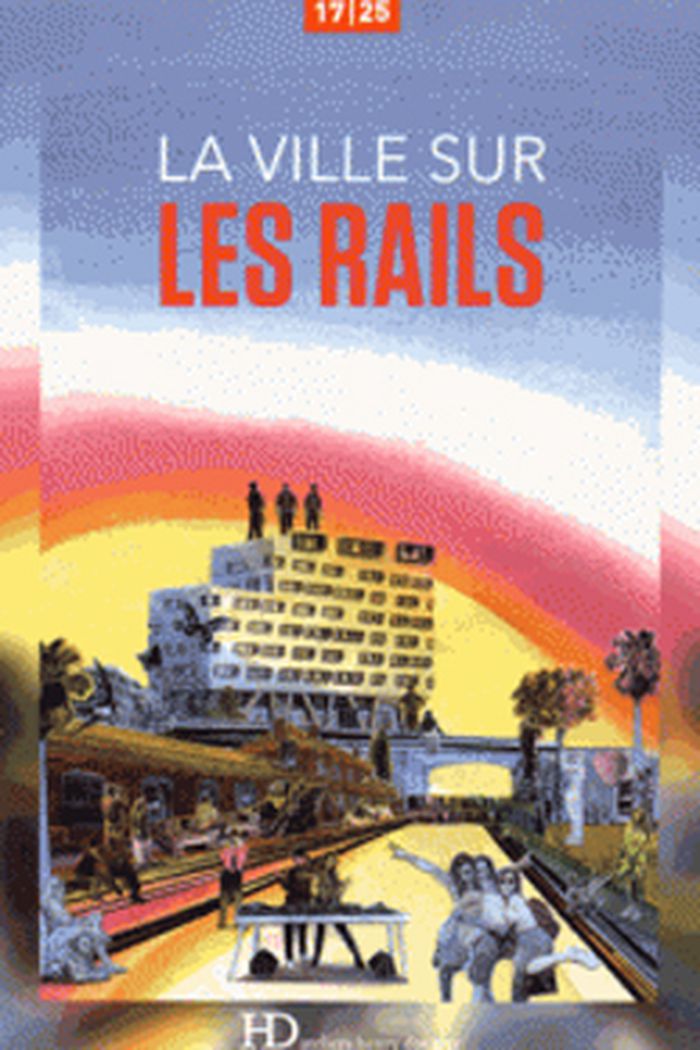
La ville sur les rails
La ville sur les rails
Actions:
Prix:
$34.95
(disponible sur commande)
Résumé:
«Villes et rails ont toujours été étroitement mêlés. L’arrivée du chemin de fer a façonné la ville contemporaine au XIXe siècle et le ferroviaire joue depuis un rôle de premier plan dans l’invention urbaine. Les acteurs du rail possèdent un patrimoine exceptionnel, partout en Europe. Terrains, gares, bâtiments industriels, logements, bureaux sont repensés pour devenir de(...)
$34.95
(disponible sur commande)
Résumé:
«Villes et rails ont toujours été étroitement mêlés. L’arrivée du chemin de fer a façonné la ville contemporaine au XIXe siècle et le ferroviaire joue depuis un rôle de premier plan dans l’invention urbaine. Les acteurs du rail possèdent un patrimoine exceptionnel, partout en Europe. Terrains, gares, bâtiments industriels, logements, bureaux sont repensés pour devenir de(...)
Titre:
La ville sur les rails
Actions:
Prix:
$34.95
(disponible sur commande)
Résumé:
«Villes et rails ont toujours été étroitement mêlés. L’arrivée du chemin de fer a façonné la ville contemporaine au XIXe siècle et le ferroviaire joue depuis un rôle de premier plan dans l’invention urbaine. Les acteurs du rail possèdent un patrimoine exceptionnel, partout en Europe. Terrains, gares, bâtiments industriels, logements, bureaux sont repensés pour devenir de véritables pôles innovants, au coeur des agglomérations comme en périphérie des grandes villes. Aux manettes : des hommes et des femmes passionnés, qui nous ont ouvert leurs portes. Nos portfolios, nouvelles, BD, reportages, illustrations se mêlent dans une invitation au voyage façon kaléidoscope. Au fil des pages, on découvre les trésors des archives ferroviaires, les pépites des plus grands architectes ou les projets les plus en pointe. On perce les secrets d’une résidence hôtelière du rail, on assiste en coulisses à de grands travaux nocturnes. On réfléchit aux moyens de contourner la contrainte, souvent forte dans ces lieux où l’infrastructure dictait sa loi. On imagine la ville de demain : durable, solidaire, belle, drôle, métisse.» -- Ateliers Henry Dougier
La ville sur les rails
Actions:
Prix:
$34.95
(disponible sur commande)
Résumé:
«Villes et rails ont toujours été étroitement mêlés. L’arrivée du chemin de fer a façonné la ville contemporaine au XIXe siècle et le ferroviaire joue depuis un rôle de premier plan dans l’invention urbaine. Les acteurs du rail possèdent un patrimoine exceptionnel, partout en Europe. Terrains, gares, bâtiments industriels, logements, bureaux sont repensés pour devenir de véritables pôles innovants, au coeur des agglomérations comme en périphérie des grandes villes. Aux manettes : des hommes et des femmes passionnés, qui nous ont ouvert leurs portes. Nos portfolios, nouvelles, BD, reportages, illustrations se mêlent dans une invitation au voyage façon kaléidoscope. Au fil des pages, on découvre les trésors des archives ferroviaires, les pépites des plus grands architectes ou les projets les plus en pointe. On perce les secrets d’une résidence hôtelière du rail, on assiste en coulisses à de grands travaux nocturnes. On réfléchit aux moyens de contourner la contrainte, souvent forte dans ces lieux où l’infrastructure dictait sa loi. On imagine la ville de demain : durable, solidaire, belle, drôle, métisse.» -- Ateliers Henry Dougier
Classification:
livres
livres
Publication:
février 2016
février 2016
Classification:
livres
livres
Actions:
Prix:
$24.95
(disponible sur commande)
Résumé:
Drawing on previously neglected sources, economist Marc Levinson shows how the container transformed economic geography, devastating traditional ports such as New York and London and fueling the growth of previously obscure ones, such as Oakland. By making shipping so cheap that industry could locate factories far from its customers, the container paved the way for Asia(...)
$24.95
(disponible sur commande)
Résumé:
Drawing on previously neglected sources, economist Marc Levinson shows how the container transformed economic geography, devastating traditional ports such as New York and London and fueling the growth of previously obscure ones, such as Oakland. By making shipping so cheap that industry could locate factories far from its customers, the container paved the way for Asia(...)
Titre:
The box: how the shipping container made the world smaller and the world economy bigger
Actions:
Prix:
$24.95
(disponible sur commande)
Résumé:
Drawing on previously neglected sources, economist Marc Levinson shows how the container transformed economic geography, devastating traditional ports such as New York and London and fueling the growth of previously obscure ones, such as Oakland. By making shipping so cheap that industry could locate factories far from its customers, the container paved the way for Asia to become the world's workshop and brought consumers a previously unimaginable variety of low-cost products from around the globe.
The box: how the shipping container made the world smaller and the world economy bigger
Actions:
Prix:
$24.95
(disponible sur commande)
Résumé:
Drawing on previously neglected sources, economist Marc Levinson shows how the container transformed economic geography, devastating traditional ports such as New York and London and fueling the growth of previously obscure ones, such as Oakland. By making shipping so cheap that industry could locate factories far from its customers, the container paved the way for Asia to become the world's workshop and brought consumers a previously unimaginable variety of low-cost products from around the globe.
Classification:
livres
livres
Publication:
avril 2016
avril 2016
Classification:
livres
livres
Actions:
Prix:
$22.50
(disponible sur commande)
Résumé:
First published more than thirty years ago, Paul Theroux's strange, unique, and hugely entertaining railway odyssey has become a modern classic of travel literature. Here Theroux recounts his early adventures on an unusual grand continental tour. Asia's fabled trains - the Orient Express, the Khyber Pass Local, the Frontier Mail, the Golden Arrow to Kuala Lumpur, the(...)
$22.50
(disponible sur commande)
Résumé:
First published more than thirty years ago, Paul Theroux's strange, unique, and hugely entertaining railway odyssey has become a modern classic of travel literature. Here Theroux recounts his early adventures on an unusual grand continental tour. Asia's fabled trains - the Orient Express, the Khyber Pass Local, the Frontier Mail, the Golden Arrow to Kuala Lumpur, the(...)
Titre:
The great railway bazaar: by train through Asia
Actions:
Prix:
$22.50
(disponible sur commande)
Résumé:
First published more than thirty years ago, Paul Theroux's strange, unique, and hugely entertaining railway odyssey has become a modern classic of travel literature. Here Theroux recounts his early adventures on an unusual grand continental tour. Asia's fabled trains - the Orient Express, the Khyber Pass Local, the Frontier Mail, the Golden Arrow to Kuala Lumpur, the Mandalay Express, the Trans-Siberian Express - are the stars of a journey that takes him on a loop eastbound from London's Victoria Station to Tokyo Central, then back from Japan on the Trans-Siberian.
The great railway bazaar: by train through Asia
Actions:
Prix:
$22.50
(disponible sur commande)
Résumé:
First published more than thirty years ago, Paul Theroux's strange, unique, and hugely entertaining railway odyssey has become a modern classic of travel literature. Here Theroux recounts his early adventures on an unusual grand continental tour. Asia's fabled trains - the Orient Express, the Khyber Pass Local, the Frontier Mail, the Golden Arrow to Kuala Lumpur, the Mandalay Express, the Trans-Siberian Express - are the stars of a journey that takes him on a loop eastbound from London's Victoria Station to Tokyo Central, then back from Japan on the Trans-Siberian.
Classification:
livres
livres
Publication:
mars 2006
mars 2006
Classification:
livres
livres
Actions:
Prix:
$26.00
(disponible sur commande)
Résumé:
Although airports are now best known for interminable waits at check-in counters, liquid restrictions for carry-on luggage, and humiliating shoe-removal rituals at security, they were once the backdrops for jet-setters who strutted, martinis in hand, through curvilinear terminals designed by Eero Saarinen. In the critically acclaimed Naked Airport, Alastair Gordon traces(...)
$26.00
(disponible sur commande)
Résumé:
Although airports are now best known for interminable waits at check-in counters, liquid restrictions for carry-on luggage, and humiliating shoe-removal rituals at security, they were once the backdrops for jet-setters who strutted, martinis in hand, through curvilinear terminals designed by Eero Saarinen. In the critically acclaimed Naked Airport, Alastair Gordon traces(...)
Titre:
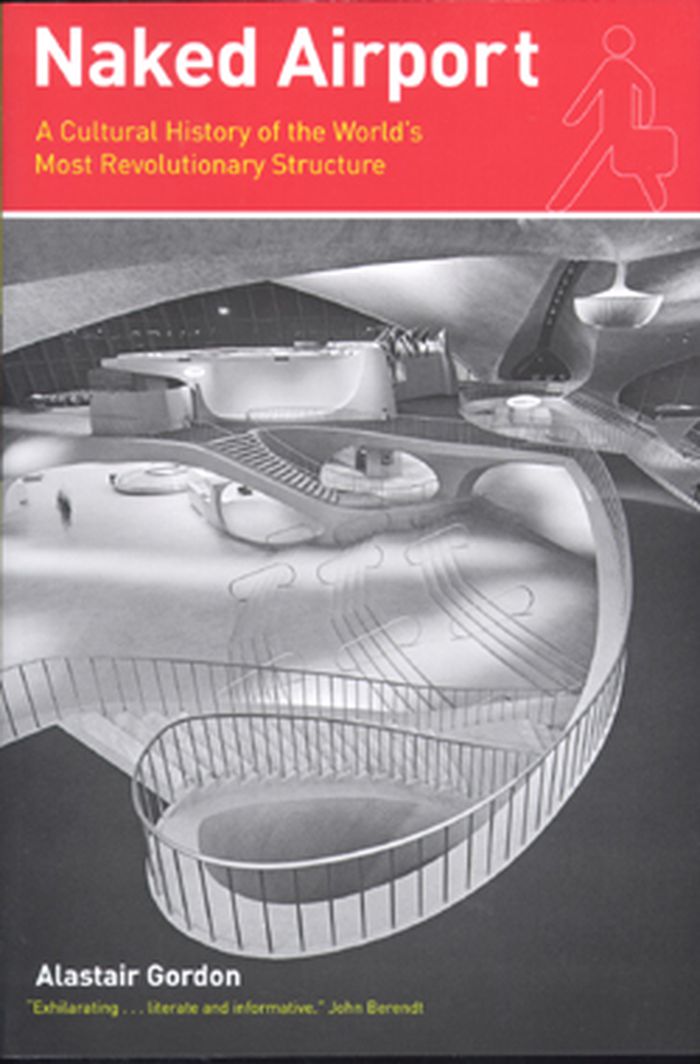
Naked Airport: a cultural history of the world's most revolutionary structure
Actions:
Prix:
$26.00
(disponible sur commande)
Résumé:
Although airports are now best known for interminable waits at check-in counters, liquid restrictions for carry-on luggage, and humiliating shoe-removal rituals at security, they were once the backdrops for jet-setters who strutted, martinis in hand, through curvilinear terminals designed by Eero Saarinen. In the critically acclaimed Naked Airport, Alastair Gordon traces the cultural history of this defining institution from its origins in the muddy fields of flying machines to its frontline position in the struggle against international terrorism. From global politics to action movies to the daily commute, Gordon shows how the airport has changed our sense of time, distance, and style, and ultimately the way cities are built and business is done. He introduces the people who shaped and were shaped by this place of sudden transition: pilots like Charles Lindbergh, architects like Le Corbusier, and political figures like Fiorello LaGuardia and Adolf Hitler. Naked Airport is a profoundly original history of a long-neglected yet central component of modern life.
Naked Airport: a cultural history of the world's most revolutionary structure
Actions:
Prix:
$26.00
(disponible sur commande)
Résumé:
Although airports are now best known for interminable waits at check-in counters, liquid restrictions for carry-on luggage, and humiliating shoe-removal rituals at security, they were once the backdrops for jet-setters who strutted, martinis in hand, through curvilinear terminals designed by Eero Saarinen. In the critically acclaimed Naked Airport, Alastair Gordon traces the cultural history of this defining institution from its origins in the muddy fields of flying machines to its frontline position in the struggle against international terrorism. From global politics to action movies to the daily commute, Gordon shows how the airport has changed our sense of time, distance, and style, and ultimately the way cities are built and business is done. He introduces the people who shaped and were shaped by this place of sudden transition: pilots like Charles Lindbergh, architects like Le Corbusier, and political figures like Fiorello LaGuardia and Adolf Hitler. Naked Airport is a profoundly original history of a long-neglected yet central component of modern life.
Classification:
livres
livres
Publication:
mai 2008, Chicago
mai 2008, Chicago
Classification:
livres
livres
Prix:
$38.50
(disponible sur commande)
Résumé:
Architecture and Tourism examines the relationship between tourism and the built environment and shows how photography, film, and souvenirs have been deployed to help mediate and mythologize specific sites. It also explores how tourist itineraries, behavior, and literature support larger cultural objectives. Drawing upon case studies in the United States, Cuba, Ghana,(...)
$38.50
(disponible sur commande)
Résumé:
Architecture and Tourism examines the relationship between tourism and the built environment and shows how photography, film, and souvenirs have been deployed to help mediate and mythologize specific sites. It also explores how tourist itineraries, behavior, and literature support larger cultural objectives. Drawing upon case studies in the United States, Cuba, Ghana,(...)
Publication:
mai 2004, Oxford, New York
mai 2004, Oxford, New York
Titre:
Architecture and tourism: perception, performance and place
Actions:
Prix:
$38.50
(disponible sur commande)
Résumé:
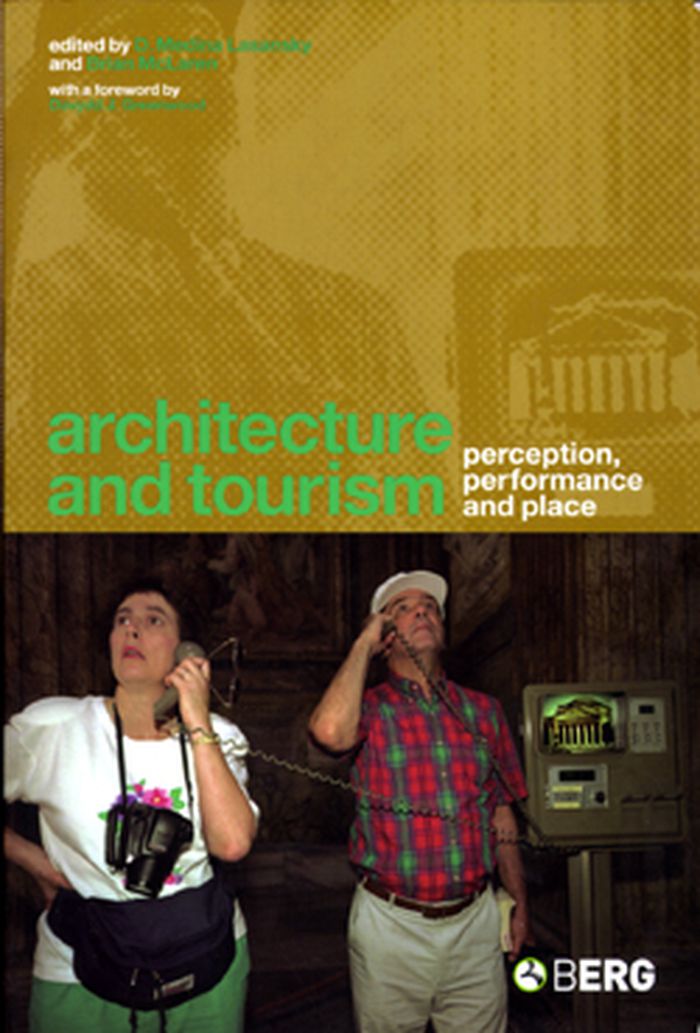
Architecture and Tourism examines the relationship between tourism and the built environment and shows how photography, film, and souvenirs have been deployed to help mediate and mythologize specific sites. It also explores how tourist itineraries, behavior, and literature support larger cultural objectives. Drawing upon case studies in the United States, Cuba, Ghana, Greece, France, Italy, Libya, Mauritius and Spain, Architecture and Tourism explores the touristic experience, representation and meaning of place within distinct cultural contexts. From the former sites of the slave trade on the Ghanean coast to the urban renewal of Old Havana and the honeymoon resorts in the Poconos, this book provides provocative insights into the practice of tourism and the conception of place.
Architecture and tourism: perception, performance and place
Actions:
Prix:
$38.50
(disponible sur commande)
Résumé:
Architecture and Tourism examines the relationship between tourism and the built environment and shows how photography, film, and souvenirs have been deployed to help mediate and mythologize specific sites. It also explores how tourist itineraries, behavior, and literature support larger cultural objectives. Drawing upon case studies in the United States, Cuba, Ghana, Greece, France, Italy, Libya, Mauritius and Spain, Architecture and Tourism explores the touristic experience, representation and meaning of place within distinct cultural contexts. From the former sites of the slave trade on the Ghanean coast to the urban renewal of Old Havana and the honeymoon resorts in the Poconos, this book provides provocative insights into the practice of tourism and the conception of place.
Classification:
livres
livres
Publication:
mai 2004, Oxford, New York
mai 2004, Oxford, New York
Classification:
livres
livres
Actions:
Prix:
$22.50
(disponible sur commande)
Résumé:
In a literary tour of the spaces of our homes, "Geography of home" reflects on how we define such elusive qualities as privacy, security, and comfort. Part social history, part architectural history, part personal anecdote, this rich book uncovers the hidden meanings (...)
$22.50
(disponible sur commande)
Résumé:
In a literary tour of the spaces of our homes, "Geography of home" reflects on how we define such elusive qualities as privacy, security, and comfort. Part social history, part architectural history, part personal anecdote, this rich book uncovers the hidden meanings (...)
Titre:
Geography of home : writings on where we live
Actions:
Prix:
$22.50
(disponible sur commande)
Résumé:
In a literary tour of the spaces of our homes, "Geography of home" reflects on how we define such elusive qualities as privacy, security, and comfort. Part social history, part architectural history, part personal anecdote, this rich book uncovers the hidden meanings of seemingly simple domestic spaces, in chapters ranging from "The front door" and "The porch" to "the library," "The kitchen," "The bedroom," "The bathroom," and "The garage," among others.
Geography of home : writings on where we live
Actions:
Prix:
$22.50
(disponible sur commande)
Résumé:
In a literary tour of the spaces of our homes, "Geography of home" reflects on how we define such elusive qualities as privacy, security, and comfort. Part social history, part architectural history, part personal anecdote, this rich book uncovers the hidden meanings of seemingly simple domestic spaces, in chapters ranging from "The front door" and "The porch" to "the library," "The kitchen," "The bedroom," "The bathroom," and "The garage," among others.
Classification:
livres
livres
Publication:
mai 1999, New York
mai 1999, New York
Classification:
livres
livres
Prix:
$31.99
(disponible sur commande)
Résumé:
As oil prices soar and suburbs continue to sprawl, Grescoe hits the commuter road in a global quest to understand and illuminate the challenges of the post-automobile age. Straphanger offers a global tour of alternatives to car-based living, told through encounters with bicycle commuters, subway engineers, idealistic mayors and disillusioned trolley campaigners.(...)
$31.99
(disponible sur commande)
Résumé:
As oil prices soar and suburbs continue to sprawl, Grescoe hits the commuter road in a global quest to understand and illuminate the challenges of the post-automobile age. Straphanger offers a global tour of alternatives to car-based living, told through encounters with bicycle commuters, subway engineers, idealistic mayors and disillusioned trolley campaigners.(...)
Titre:
Straphanger: saving our cities and ourselves from the automobile
Actions:
Prix:
$31.99
(disponible sur commande)
Résumé:
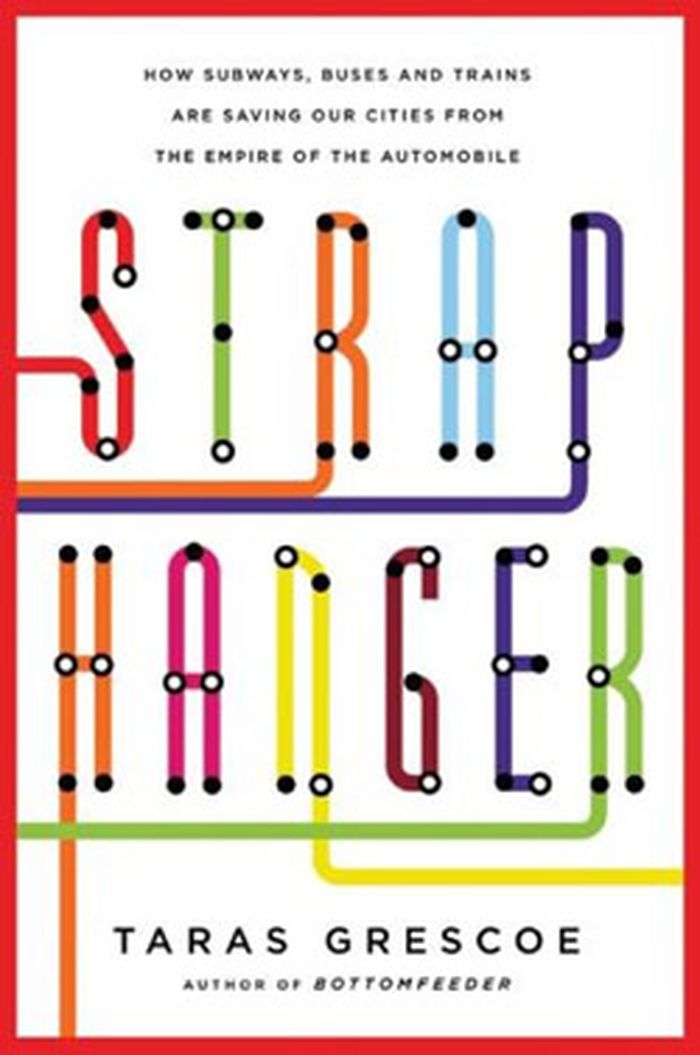
As oil prices soar and suburbs continue to sprawl, Grescoe hits the commuter road in a global quest to understand and illuminate the challenges of the post-automobile age. Straphanger offers a global tour of alternatives to car-based living, told through encounters with bicycle commuters, subway engineers, idealistic mayors and disillusioned trolley campaigners. Along the way, Grescoe meets libertarian apologists for the automobile, urbanists who defend suburban sprawl, champions of buses, rapid transit and light rail, and planners fighting to liberate cities from the empire of the automobile.
Straphanger: saving our cities and ourselves from the automobile
Actions:
Prix:
$31.99
(disponible sur commande)
Résumé:
As oil prices soar and suburbs continue to sprawl, Grescoe hits the commuter road in a global quest to understand and illuminate the challenges of the post-automobile age. Straphanger offers a global tour of alternatives to car-based living, told through encounters with bicycle commuters, subway engineers, idealistic mayors and disillusioned trolley campaigners. Along the way, Grescoe meets libertarian apologists for the automobile, urbanists who defend suburban sprawl, champions of buses, rapid transit and light rail, and planners fighting to liberate cities from the empire of the automobile.
Classification:
livres
livres
Publication:
avril 2012
avril 2012
Classification:
livres
livres
Prix:
$39.50
(disponible sur commande)
Résumé:
Ce livre analyse plusieurs expériences de représentation interprétative dans le contexte de cet espace insaisissable des grands aéroports, paradigme de notre environnement contemporain. Pour opérer sur ce milieu complexe d'apparente confusion, architectes et urbanistes doivent construire des procédures d'interprétation active du réel. Voici développées des directions de(...)
$39.50
(disponible sur commande)
Résumé:
Ce livre analyse plusieurs expériences de représentation interprétative dans le contexte de cet espace insaisissable des grands aéroports, paradigme de notre environnement contemporain. Pour opérer sur ce milieu complexe d'apparente confusion, architectes et urbanistes doivent construire des procédures d'interprétation active du réel. Voici développées des directions de(...)
Titre:
Aéroports, représentations et expérimentations en architecture
Actions:
Prix:
$39.50
(disponible sur commande)
Résumé:
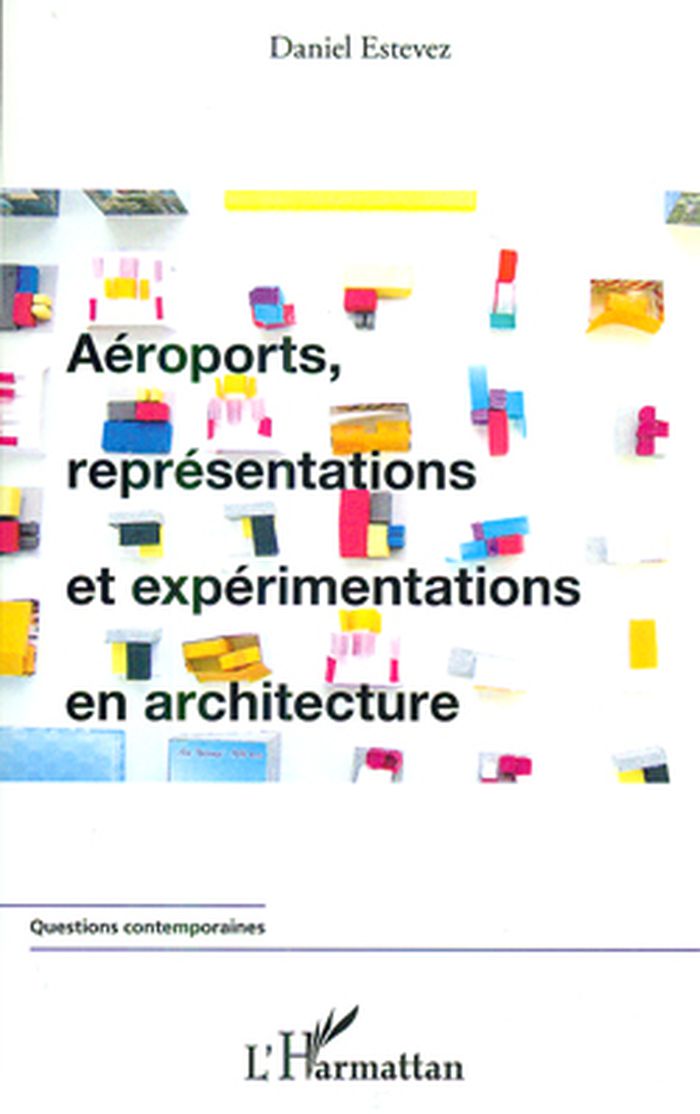
Ce livre analyse plusieurs expériences de représentation interprétative dans le contexte de cet espace insaisissable des grands aéroports, paradigme de notre environnement contemporain. Pour opérer sur ce milieu complexe d'apparente confusion, architectes et urbanistes doivent construire des procédures d'interprétation active du réel. Voici développées des directions de travail pour la représentation architecturale aujourd'hui.
Aéroports, représentations et expérimentations en architecture
Actions:
Prix:
$39.50
(disponible sur commande)
Résumé:
Ce livre analyse plusieurs expériences de représentation interprétative dans le contexte de cet espace insaisissable des grands aéroports, paradigme de notre environnement contemporain. Pour opérer sur ce milieu complexe d'apparente confusion, architectes et urbanistes doivent construire des procédures d'interprétation active du réel. Voici développées des directions de travail pour la représentation architecturale aujourd'hui.
Classification:
livres
livres
Publication:
avril 2012
avril 2012
Classification:
livres
livres

Prix:
$63.50
(disponible sur commande)
Résumé:
From its invention in Europe at the end of the nineteenth century, the automobile crisscrossed the world, completely took over the cities, and became a feature of daily life. Considered basic to the American lifestyle, the car reflected individualism, pragmatism, comfort, and above all modernity. In Latin America, it served as a symbol of distinction, similar to jewelry(...)
$63.50
(disponible sur commande)
Résumé:
From its invention in Europe at the end of the nineteenth century, the automobile crisscrossed the world, completely took over the cities, and became a feature of daily life. Considered basic to the American lifestyle, the car reflected individualism, pragmatism, comfort, and above all modernity. In Latin America, it served as a symbol of distinction, similar to jewelry(...)
Titre:
The cultural life of the automobile: roads to modernity
Actions:
Prix:
$63.50
(disponible sur commande)
Résumé:
From its invention in Europe at the end of the nineteenth century, the automobile crisscrossed the world, completely took over the cities, and became a feature of daily life. Considered basic to the American lifestyle, the car reflected individualism, pragmatism, comfort, and above all modernity. In Latin America, it served as a symbol of distinction, similar to jewelry or fine clothing. In The Cultural Life of the Automobile, Guillermo Giucci focuses on the automobile as an instrument of social change through its "kinetic modernity" and as an embodiment of the tremendous social impact of technology on cultural life. Material culture--how certain objects generate a wide array of cultural responses--has been the focus of much scholarly discussion in recent years. The automobile wrought major changes and inspired images in language, literature, and popular culture. Focusing primarily on Latin America but also covering the United States, Europe, Asia, and Africa, Giucci examines how the automobile was variously adapted by different cultures and how its use shaped and changed social and economic relationships within them. At the same time, he shows how the "automobilization" of society became an essential support for the development of modern individualism, and the automobile its clearest material manifestation.
The cultural life of the automobile: roads to modernity
Actions:
Prix:
$63.50
(disponible sur commande)
Résumé:
From its invention in Europe at the end of the nineteenth century, the automobile crisscrossed the world, completely took over the cities, and became a feature of daily life. Considered basic to the American lifestyle, the car reflected individualism, pragmatism, comfort, and above all modernity. In Latin America, it served as a symbol of distinction, similar to jewelry or fine clothing. In The Cultural Life of the Automobile, Guillermo Giucci focuses on the automobile as an instrument of social change through its "kinetic modernity" and as an embodiment of the tremendous social impact of technology on cultural life. Material culture--how certain objects generate a wide array of cultural responses--has been the focus of much scholarly discussion in recent years. The automobile wrought major changes and inspired images in language, literature, and popular culture. Focusing primarily on Latin America but also covering the United States, Europe, Asia, and Africa, Giucci examines how the automobile was variously adapted by different cultures and how its use shaped and changed social and economic relationships within them. At the same time, he shows how the "automobilization" of society became an essential support for the development of modern individualism, and the automobile its clearest material manifestation.
Classification:
livres
livres
Publication:
août 2012
août 2012


