


12071 Résultats
Classification:
livres
livres
Prix:
$87.95
(disponible sur commande)
Résumé:
Lancée en 1953 par Eugène Claudius Petit, ancien ministre de la Reconstruction et de l’Urbanisme et ami de Le Corbusier, Firminy-Vert, près de Saint-Etienne (Loire), devient rapidement célèbre comme exemple, unique en France et rare en Europe, de l’urbanisme corbuséen. Le quartier, dessiné par Charles Delfante, André Sive et Marcel Roux, a été conçu selon les principes(...)
$87.95
(disponible sur commande)
Résumé:
Lancée en 1953 par Eugène Claudius Petit, ancien ministre de la Reconstruction et de l’Urbanisme et ami de Le Corbusier, Firminy-Vert, près de Saint-Etienne (Loire), devient rapidement célèbre comme exemple, unique en France et rare en Europe, de l’urbanisme corbuséen. Le quartier, dessiné par Charles Delfante, André Sive et Marcel Roux, a été conçu selon les principes(...)
Titre:
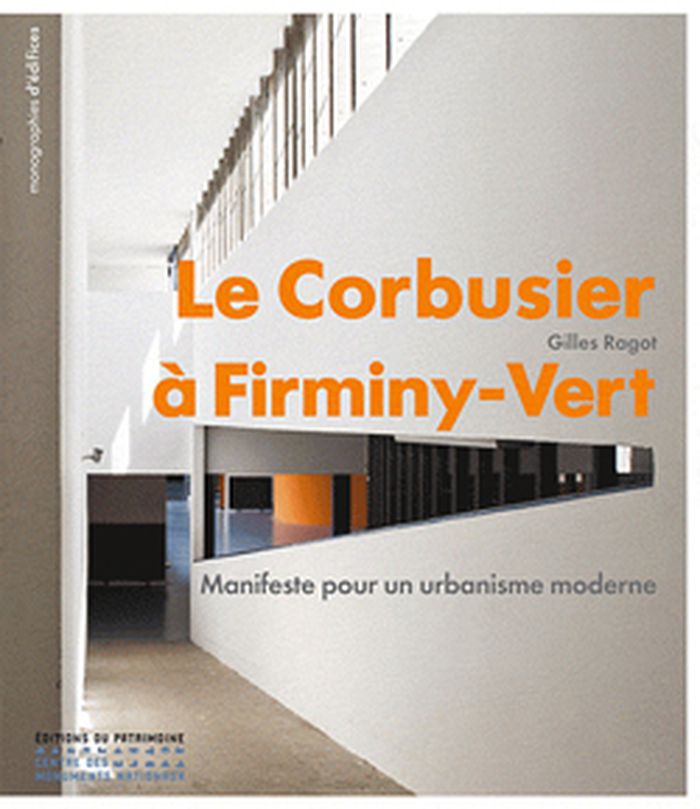
Le Corbusier à Firminy-Vert: manifeste pour un urbanisme moderne
Actions:
Prix:
$87.95
(disponible sur commande)
Résumé:
Lancée en 1953 par Eugène Claudius Petit, ancien ministre de la Reconstruction et de l’Urbanisme et ami de Le Corbusier, Firminy-Vert, près de Saint-Etienne (Loire), devient rapidement célèbre comme exemple, unique en France et rare en Europe, de l’urbanisme corbuséen. Le quartier, dessiné par Charles Delfante, André Sive et Marcel Roux, a été conçu selon les principes de La Charte d’Athènes. Le Corbusier, qui a oeuvré pour le choix du site, y a construit plusieurs équipements, une unité d’habitation et l’église Saint-Pierre, achevée en 2006. Centre civique, alliant habitations et équipements sportifs, culturels et cultuels, Firminy-Vert constitue donc un véritable manifeste des conceptions architecturales et urbaines de Le Corbusier, de leur puissance conceptuelle et de leur impact social. Ce livre est à la fois une chronique, un hommage et un superbe ouvrage de référence. Chronique de la genèse et de la réalisation du site, il présente les enjeux technologiques et urbains, et retrace un contexte historique et politique méconnu.
Le Corbusier à Firminy-Vert: manifeste pour un urbanisme moderne
Actions:
Prix:
$87.95
(disponible sur commande)
Résumé:
Lancée en 1953 par Eugène Claudius Petit, ancien ministre de la Reconstruction et de l’Urbanisme et ami de Le Corbusier, Firminy-Vert, près de Saint-Etienne (Loire), devient rapidement célèbre comme exemple, unique en France et rare en Europe, de l’urbanisme corbuséen. Le quartier, dessiné par Charles Delfante, André Sive et Marcel Roux, a été conçu selon les principes de La Charte d’Athènes. Le Corbusier, qui a oeuvré pour le choix du site, y a construit plusieurs équipements, une unité d’habitation et l’église Saint-Pierre, achevée en 2006. Centre civique, alliant habitations et équipements sportifs, culturels et cultuels, Firminy-Vert constitue donc un véritable manifeste des conceptions architecturales et urbaines de Le Corbusier, de leur puissance conceptuelle et de leur impact social. Ce livre est à la fois une chronique, un hommage et un superbe ouvrage de référence. Chronique de la genèse et de la réalisation du site, il présente les enjeux technologiques et urbains, et retrace un contexte historique et politique méconnu.
Classification:
livres
livres
Publication:
janvier 2012
janvier 2012
Sujet:
Architecture, monographies
Architecture, monographies
Classification:
livres
livres
Prix:
$100.95
(disponible sur commande)
Résumé:
À mesure que les préoccupations environnementales deviennent plus pressantes dans la société, le développement durable prend de plus en plus de place dans la conception des produits industriels. Michael F. Ashby, autorité scientifique reconnue dans le monde des matériaux, vise à répondre à ce besoin croissant avec cet ouvrage entièrement dévolu aux aspects(...)
$100.95
(disponible sur commande)
Résumé:
À mesure que les préoccupations environnementales deviennent plus pressantes dans la société, le développement durable prend de plus en plus de place dans la conception des produits industriels. Michael F. Ashby, autorité scientifique reconnue dans le monde des matériaux, vise à répondre à ce besoin croissant avec cet ouvrage entièrement dévolu aux aspects(...)
Titre:
Matériaux et environnement : choix éco-responsable en conception
Actions:
Prix:
$100.95
(disponible sur commande)
Résumé:
À mesure que les préoccupations environnementales deviennent plus pressantes dans la société, le développement durable prend de plus en plus de place dans la conception des produits industriels. Michael F. Ashby, autorité scientifique reconnue dans le monde des matériaux, vise à répondre à ce besoin croissant avec cet ouvrage entièrement dévolu aux aspects environnementaux des matériaux. Matériaux et environnement traite en détail de sujets comme la consommation des ressources, le cycle de vie des matériaux, leur empreinte carbone et la question indissociable de la consommation d’énergie, la sélection éco-responsable des matériaux, les questions réglementaires, le recyclage, les matériaux renouvelables et le développement durable.
Matériaux et environnement : choix éco-responsable en conception
Actions:
Prix:
$100.95
(disponible sur commande)
Résumé:
À mesure que les préoccupations environnementales deviennent plus pressantes dans la société, le développement durable prend de plus en plus de place dans la conception des produits industriels. Michael F. Ashby, autorité scientifique reconnue dans le monde des matériaux, vise à répondre à ce besoin croissant avec cet ouvrage entièrement dévolu aux aspects environnementaux des matériaux. Matériaux et environnement traite en détail de sujets comme la consommation des ressources, le cycle de vie des matériaux, leur empreinte carbone et la question indissociable de la consommation d’énergie, la sélection éco-responsable des matériaux, les questions réglementaires, le recyclage, les matériaux renouvelables et le développement durable.
Classification:
livres
livres
Publication:
janvier 2012
janvier 2012
Sujet:
Architecture écologique
Architecture écologique
Classification:
livres
livres
Actions:
Prix:
$45.00
(disponible sur commande)
Résumé:
In celebration of its ninetieth anniversary, the McCord Museum presents a dynamic collection of ninety of its most treasured pieces.The exhibit, produced by scenographer Daniel Castonguay, features fascinating objects in a dynamic and contemporary display that showcases Montreal's diverse peoples and their extraordinary histories.
$45.00
(disponible sur commande)
Résumé:
In celebration of its ninetieth anniversary, the McCord Museum presents a dynamic collection of ninety of its most treasured pieces.The exhibit, produced by scenographer Daniel Castonguay, features fascinating objects in a dynamic and contemporary display that showcases Montreal's diverse peoples and their extraordinary histories.
Titre:
90 treasures, 90 stories, 90 years
Actions:
Prix:
$45.00
(disponible sur commande)
Résumé:
In celebration of its ninetieth anniversary, the McCord Museum presents a dynamic collection of ninety of its most treasured pieces.The exhibit, produced by scenographer Daniel Castonguay, features fascinating objects in a dynamic and contemporary display that showcases Montreal's diverse peoples and their extraordinary histories.
90 treasures, 90 stories, 90 years
Actions:
Prix:
$45.00
(disponible sur commande)
Résumé:
In celebration of its ninetieth anniversary, the McCord Museum presents a dynamic collection of ninety of its most treasured pieces.The exhibit, produced by scenographer Daniel Castonguay, features fascinating objects in a dynamic and contemporary display that showcases Montreal's diverse peoples and their extraordinary histories.
Classification:
livres
livres
Publication:
février 2012
février 2012
Sujet:
Architecture de Montréal
Architecture de Montréal
Classification:
livres
livres
Prix:
$24.95
(disponible sur commande)
Résumé:
Le patrimoine culturel connaît actuellement un petit âge d'or qui se manifeste autant par la multiplication des objets et des héritages immatériels que par le développement des institutions patrimoniales ou encore par l'adoption de politiques du patrimoine.
$24.95
(disponible sur commande)
Résumé:
Le patrimoine culturel connaît actuellement un petit âge d'or qui se manifeste autant par la multiplication des objets et des héritages immatériels que par le développement des institutions patrimoniales ou encore par l'adoption de politiques du patrimoine.
Titre:
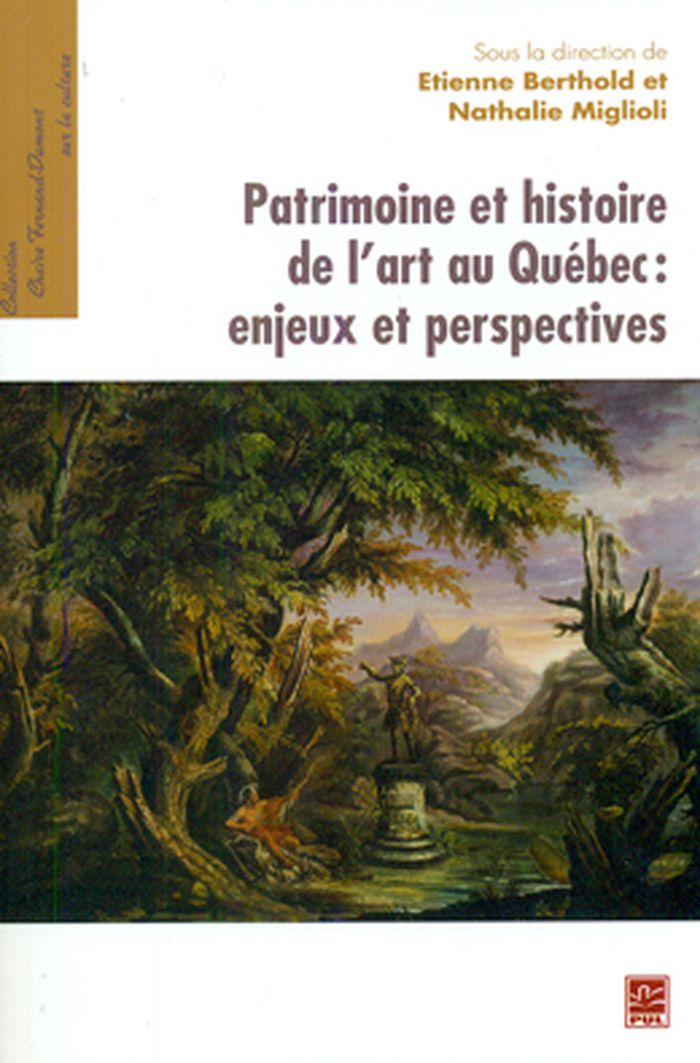
Patrimoine et histoire de l'art au Québec: enjeux et perspectives
Actions:
Prix:
$24.95
(disponible sur commande)
Résumé:
Le patrimoine culturel connaît actuellement un petit âge d'or qui se manifeste autant par la multiplication des objets et des héritages immatériels que par le développement des institutions patrimoniales ou encore par l'adoption de politiques du patrimoine.
Patrimoine et histoire de l'art au Québec: enjeux et perspectives
Actions:
Prix:
$24.95
(disponible sur commande)
Résumé:
Le patrimoine culturel connaît actuellement un petit âge d'or qui se manifeste autant par la multiplication des objets et des héritages immatériels que par le développement des institutions patrimoniales ou encore par l'adoption de politiques du patrimoine.
Classification:
livres
livres
Publication:
janvier 2012
janvier 2012
Sujet:
Architecture du Québec
Architecture du Québec
Classification:
livres
livres
Titre:
The prehistory of home
The prehistory of home
Actions:
Prix:
$34.95
(disponible sur commande)
Résumé:
Many animals build shelters, but only humans build homes. No other species creates such a variety of dwellings. Drawing examples from across the archaeological record and around the world, archaeologist Jerry D. Moore recounts the cultural development of the uniquely human imperative to maintain domestic dwellings. He shows how our houses allow us to physically adapt to(...)
$34.95
(disponible sur commande)
Résumé:
Many animals build shelters, but only humans build homes. No other species creates such a variety of dwellings. Drawing examples from across the archaeological record and around the world, archaeologist Jerry D. Moore recounts the cultural development of the uniquely human imperative to maintain domestic dwellings. He shows how our houses allow us to physically adapt to(...)
Titre:
The prehistory of home
Actions:
Prix:
$34.95
(disponible sur commande)
Résumé:
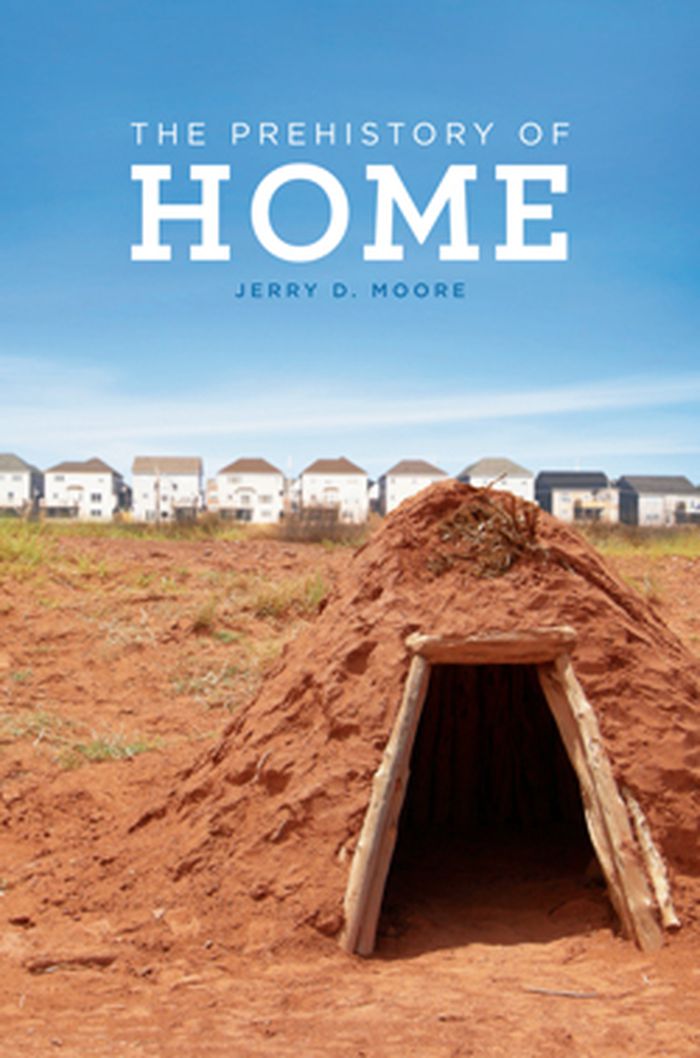
Many animals build shelters, but only humans build homes. No other species creates such a variety of dwellings. Drawing examples from across the archaeological record and around the world, archaeologist Jerry D. Moore recounts the cultural development of the uniquely human imperative to maintain domestic dwellings. He shows how our houses allow us to physically adapt to the environment and conceptually order the cosmos, and explains how we fabricate dwellings and, in the process, construct our lives. The Prehistory of Home points out how houses function as symbols of equality or proclaim the social divides between people, and how they shield us not only from the elements, but increasingly from inchoate fear.
The prehistory of home
Actions:
Prix:
$34.95
(disponible sur commande)
Résumé:
Many animals build shelters, but only humans build homes. No other species creates such a variety of dwellings. Drawing examples from across the archaeological record and around the world, archaeologist Jerry D. Moore recounts the cultural development of the uniquely human imperative to maintain domestic dwellings. He shows how our houses allow us to physically adapt to the environment and conceptually order the cosmos, and explains how we fabricate dwellings and, in the process, construct our lives. The Prehistory of Home points out how houses function as symbols of equality or proclaim the social divides between people, and how they shield us not only from the elements, but increasingly from inchoate fear.
Classification:
livres
livres
Publication:
mai 2012
mai 2012
Sujet:
Théorie de l’architecture
Théorie de l’architecture
Classification:
livres
livres
Actions:
Prix:
$53.95
(disponible en magasin)
Résumé:
With contributions from some of the world's most advanced thinkers on this subject, this book is essential reading for anyone looking at new ways of thinking about the digital within architecture. It speculates upon implications of Persistent Modelling for architectural practice, reconsidering the relationship between architectural representation and architectural(...)
$53.95
(disponible en magasin)
Résumé:
With contributions from some of the world's most advanced thinkers on this subject, this book is essential reading for anyone looking at new ways of thinking about the digital within architecture. It speculates upon implications of Persistent Modelling for architectural practice, reconsidering the relationship between architectural representation and architectural(...)
Titre:
Persistent modelling : extending the role of architectural representation
Actions:
Prix:
$53.95
(disponible en magasin)
Résumé:
With contributions from some of the world's most advanced thinkers on this subject, this book is essential reading for anyone looking at new ways of thinking about the digital within architecture. It speculates upon implications of Persistent Modelling for architectural practice, reconsidering the relationship between architectural representation and architectural artefact particularly in the fields of responsive and adaptive architectures.
Persistent modelling : extending the role of architectural representation
Actions:
Prix:
$53.95
(disponible en magasin)
Résumé:
With contributions from some of the world's most advanced thinkers on this subject, this book is essential reading for anyone looking at new ways of thinking about the digital within architecture. It speculates upon implications of Persistent Modelling for architectural practice, reconsidering the relationship between architectural representation and architectural artefact particularly in the fields of responsive and adaptive architectures.
Classification:
livres
livres
Publication:
mars 2012
mars 2012
Sujet:
Théorie de l’architecture
Théorie de l’architecture
Classification:
livres
livres
Titre:
Zaha Hadid: form in motion
Zaha Hadid: form in motion
Actions:
Prix:
$21.00
(disponible sur commande)
Résumé:
Published on the occasion of an exhibition held at the Philadelphia Museum of Art, Sept. 17, 2011-March 25, 2012.
$21.00
(disponible sur commande)
Résumé:
Published on the occasion of an exhibition held at the Philadelphia Museum of Art, Sept. 17, 2011-March 25, 2012.
Titre:
Zaha Hadid: form in motion
Actions:
Prix:
$21.00
(disponible sur commande)
Résumé:
Published on the occasion of an exhibition held at the Philadelphia Museum of Art, Sept. 17, 2011-March 25, 2012.
Zaha Hadid: form in motion
Actions:
Prix:
$21.00
(disponible sur commande)
Résumé:
Published on the occasion of an exhibition held at the Philadelphia Museum of Art, Sept. 17, 2011-March 25, 2012.
Classification:
livres
livres
Publication:
février 2012
février 2012
Sujet:
Architecture, monographies
Architecture, monographies
Classification:
livres
livres
Actions:
Prix:
$54.95
(disponible en magasin)
Résumé:
C’est la question de la modernité qui rassemble ces inédits et articles de Roger-Henri Guerrand. Elle offre une première lecture des champs et des méthodes que M. Guerrand a ouverts dans le domaine de l’histoire sociale, dans des textes dont la qualité scientifique n’altère en rien l’esprit caustique. Au-delà de la démocratisation de l’hygiène et du confort, l’auteur(...)
$54.95
(disponible en magasin)
Résumé:
C’est la question de la modernité qui rassemble ces inédits et articles de Roger-Henri Guerrand. Elle offre une première lecture des champs et des méthodes que M. Guerrand a ouverts dans le domaine de l’histoire sociale, dans des textes dont la qualité scientifique n’altère en rien l’esprit caustique. Au-delà de la démocratisation de l’hygiène et du confort, l’auteur(...)
Titre:
Corps et confort dans la ville moderne
Actions:
Prix:
$54.95
(disponible en magasin)
Résumé:
C’est la question de la modernité qui rassemble ces inédits et articles de Roger-Henri Guerrand. Elle offre une première lecture des champs et des méthodes que M. Guerrand a ouverts dans le domaine de l’histoire sociale, dans des textes dont la qualité scientifique n’altère en rien l’esprit caustique. Au-delà de la démocratisation de l’hygiène et du confort, l’auteur analyse la diffusion de l‘idée du bien-être pour tous.
Corps et confort dans la ville moderne
Actions:
Prix:
$54.95
(disponible en magasin)
Résumé:
C’est la question de la modernité qui rassemble ces inédits et articles de Roger-Henri Guerrand. Elle offre une première lecture des champs et des méthodes que M. Guerrand a ouverts dans le domaine de l’histoire sociale, dans des textes dont la qualité scientifique n’altère en rien l’esprit caustique. Au-delà de la démocratisation de l’hygiène et du confort, l’auteur analyse la diffusion de l‘idée du bien-être pour tous.
Classification:
livres
livres
Publication:
février 2012
février 2012
Sujet:
Théorie de l’architecture
Théorie de l’architecture
Classification:
livres
livres

Titre:
Tiny homes: simple shelter
Tiny homes: simple shelter
Actions:
Prix:
$28.50
(disponible sur commande)
Résumé:
In this book are some 150 builders who have taken things into their own hands, creating tiny homes (under 500 sq. ft.). Homes on land, homes on wheels, homes on the road, homes on water, even homes in the trees. There are also studios, saunas, garden sheds, and greenhouses. There are 1,300 photos showing a wide variety of small homemade shelters, and there are stories(...)
$28.50
(disponible sur commande)
Résumé:
In this book are some 150 builders who have taken things into their own hands, creating tiny homes (under 500 sq. ft.). Homes on land, homes on wheels, homes on the road, homes on water, even homes in the trees. There are also studios, saunas, garden sheds, and greenhouses. There are 1,300 photos showing a wide variety of small homemade shelters, and there are stories(...)
Titre:
Tiny homes: simple shelter
Actions:
Prix:
$28.50
(disponible sur commande)
Résumé:
In this book are some 150 builders who have taken things into their own hands, creating tiny homes (under 500 sq. ft.). Homes on land, homes on wheels, homes on the road, homes on water, even homes in the trees. There are also studios, saunas, garden sheds, and greenhouses. There are 1,300 photos showing a wide variety of small homemade shelters, and there are stories (and thoughts and inspirations) of the owner-builders who are on the forefront of this new trend in downsizing and self-sufficiency.
Tiny homes: simple shelter
Actions:
Prix:
$28.50
(disponible sur commande)
Résumé:
In this book are some 150 builders who have taken things into their own hands, creating tiny homes (under 500 sq. ft.). Homes on land, homes on wheels, homes on the road, homes on water, even homes in the trees. There are also studios, saunas, garden sheds, and greenhouses. There are 1,300 photos showing a wide variety of small homemade shelters, and there are stories (and thoughts and inspirations) of the owner-builders who are on the forefront of this new trend in downsizing and self-sufficiency.
Classification:
livres
livres
Publication:
février 2012
février 2012
Sujet:
Architecture miniature
Architecture miniature
Classification:
livres
livres
Prix:
$23.50
(disponible sur commande)
Résumé:
This comprehensive book clearly explains every aspect of this endeavor, including design (siting, orientation, climate consideration), materials (sisal, cactus, bamboo, earth), and implementation. The author emphasizes throughout the book what is inexpensive and sustainable. Included are sections discussing urban planning, small-scale energy production, cleaning and(...)
$23.50
(disponible sur commande)
Résumé:
This comprehensive book clearly explains every aspect of this endeavor, including design (siting, orientation, climate consideration), materials (sisal, cactus, bamboo, earth), and implementation. The author emphasizes throughout the book what is inexpensive and sustainable. Included are sections discussing urban planning, small-scale energy production, cleaning and(...)
Titre:
The barefoot architect: a handbook for green building
Actions:
Prix:
$23.50
(disponible sur commande)
Résumé:
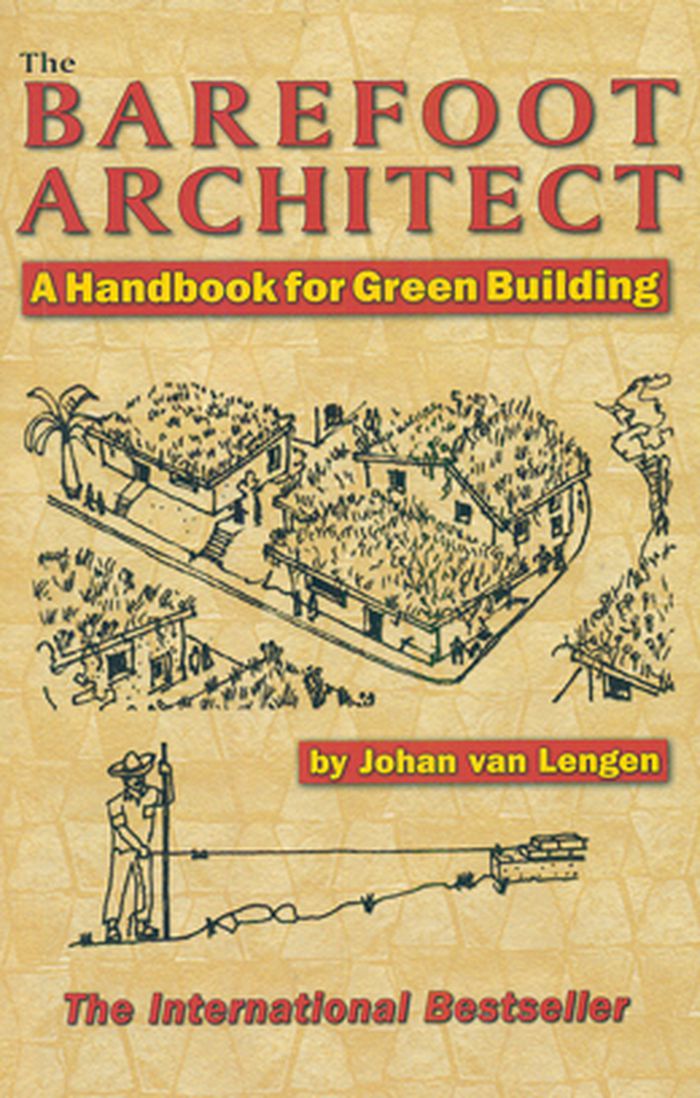
This comprehensive book clearly explains every aspect of this endeavor, including design (siting, orientation, climate consideration), materials (sisal, cactus, bamboo, earth), and implementation. The author emphasizes throughout the book what is inexpensive and sustainable. Included are sections discussing urban planning, small-scale energy production, cleaning and storing drinking water, and dealing with septic waste, and all information is applied to three distinct tropical regions: humid areas, temporate areas, and desert climates. Hundreds of explanatory drawings by van Lengen allow even novice builders to get started.
The barefoot architect: a handbook for green building
Actions:
Prix:
$23.50
(disponible sur commande)
Résumé:
This comprehensive book clearly explains every aspect of this endeavor, including design (siting, orientation, climate consideration), materials (sisal, cactus, bamboo, earth), and implementation. The author emphasizes throughout the book what is inexpensive and sustainable. Included are sections discussing urban planning, small-scale energy production, cleaning and storing drinking water, and dealing with septic waste, and all information is applied to three distinct tropical regions: humid areas, temporate areas, and desert climates. Hundreds of explanatory drawings by van Lengen allow even novice builders to get started.
Classification:
livres
livres
Publication:
janvier 2012
janvier 2012
Sujet:
Architecture écologique
Architecture écologique


