


6147 Résultats
Classification:
documents textuels
documents textuels
Actions:
Numéro de référence:
DR1994:0011:026
Description:
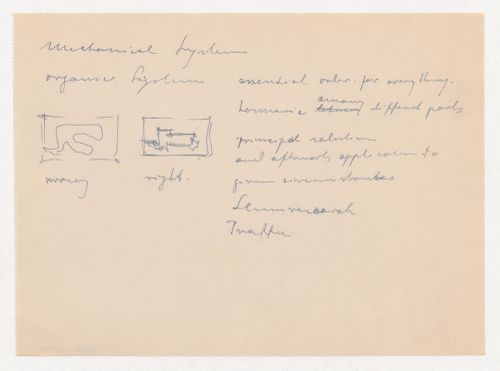
- Group DR1994:0011:001 R/V - DR1994:0011:030 includes three sketches (DR1994:0011:001 R/V - DR1994:0011:002 R/V and DR1994:0011:030), 24 pages of notes (DR1994:0011:003 - DR1994:0011:026), two sketchbooks (DR1994:0011:027:001-035 and DR1994:0011:028:001-008 R/V), and the envelope in which these materials were housed at acquisition (DR1994:0011:029). The sketches are for various subjects including I-beams (DR1994:0011:001 R/V), a column-to-beam connection and an unidentified building (DR1994:0011:002 R/V), and a sketch plan of Mies' 1928-1929 design for the Friedrichstrasse office building in Berlin (DR1994:0011:030). Notes DR1994:0011:003 - DR1994:0011:024 are written in German and are generally illegible. Many changes have been made to the notes, and some sheets appear to have been reordered or struck out. Some of the notes may be about urban planning. The number in the upper left corner of sheets DR1994:0011:010, DR1994:0011:012-016 and DR1994:0011:020-021 may indicate the order of the topics dealt with in the notes. Notes DR1994:0011:025 are illegible. Notes DR1994:0011:026 are written in English, and may be notes of a lecture. The notes in sketchbook DR1994:0011:027:001-035 are written in German, are generally illegible, and are usually written in point form or sometimes as lists. Chicago is mentioned on several of the sheets. There is a shift in the clarity of the handwriting halfway through the sketchbook and some of the notes in the latter half may relate to Mies' readings of philosophy. Some of the notes in sketchbook DR1994:0028:001-008 R/V are written in German and some in English. The first and second pages of the sketchbook describe measurements for addresses on the campus of IIT, as well as for the Power Plant. The last three pages of the sketchbook discuss the architectural education programm at IIT and an exhibition of student work.
DR1994:0011:026
Description:
- Group DR1994:0011:001 R/V - DR1994:0011:030 includes three sketches (DR1994:0011:001 R/V - DR1994:0011:002 R/V and DR1994:0011:030), 24 pages of notes (DR1994:0011:003 - DR1994:0011:026), two sketchbooks (DR1994:0011:027:001-035 and DR1994:0011:028:001-008 R/V), and the envelope in which these materials were housed at acquisition (DR1994:0011:029). The sketches are for various subjects including I-beams (DR1994:0011:001 R/V), a column-to-beam connection and an unidentified building (DR1994:0011:002 R/V), and a sketch plan of Mies' 1928-1929 design for the Friedrichstrasse office building in Berlin (DR1994:0011:030). Notes DR1994:0011:003 - DR1994:0011:024 are written in German and are generally illegible. Many changes have been made to the notes, and some sheets appear to have been reordered or struck out. Some of the notes may be about urban planning. The number in the upper left corner of sheets DR1994:0011:010, DR1994:0011:012-016 and DR1994:0011:020-021 may indicate the order of the topics dealt with in the notes. Notes DR1994:0011:025 are illegible. Notes DR1994:0011:026 are written in English, and may be notes of a lecture. The notes in sketchbook DR1994:0011:027:001-035 are written in German, are generally illegible, and are usually written in point form or sometimes as lists. Chicago is mentioned on several of the sheets. There is a shift in the clarity of the handwriting halfway through the sketchbook and some of the notes in the latter half may relate to Mies' readings of philosophy. Some of the notes in sketchbook DR1994:0028:001-008 R/V are written in German and some in English. The first and second pages of the sketchbook describe measurements for addresses on the campus of IIT, as well as for the Power Plant. The last three pages of the sketchbook discuss the architectural education programm at IIT and an exhibition of student work.
Personnes et institutions:
Sujet:
architecture
architecture
Date:
1955
1955
Titre:
Notes and unidentified sketches
Actions:
DR1994:0011:026
Description:
- Group DR1994:0011:001 R/V - DR1994:0011:030 includes three sketches (DR1994:0011:001 R/V - DR1994:0011:002 R/V and DR1994:0011:030), 24 pages of notes (DR1994:0011:003 - DR1994:0011:026), two sketchbooks (DR1994:0011:027:001-035 and DR1994:0011:028:001-008 R/V), and the envelope in which these materials were housed at acquisition (DR1994:0011:029). The sketches are for various subjects including I-beams (DR1994:0011:001 R/V), a column-to-beam connection and an unidentified building (DR1994:0011:002 R/V), and a sketch plan of Mies' 1928-1929 design for the Friedrichstrasse office building in Berlin (DR1994:0011:030). Notes DR1994:0011:003 - DR1994:0011:024 are written in German and are generally illegible. Many changes have been made to the notes, and some sheets appear to have been reordered or struck out. Some of the notes may be about urban planning. The number in the upper left corner of sheets DR1994:0011:010, DR1994:0011:012-016 and DR1994:0011:020-021 may indicate the order of the topics dealt with in the notes. Notes DR1994:0011:025 are illegible. Notes DR1994:0011:026 are written in English, and may be notes of a lecture. The notes in sketchbook DR1994:0011:027:001-035 are written in German, are generally illegible, and are usually written in point form or sometimes as lists. Chicago is mentioned on several of the sheets. There is a shift in the clarity of the handwriting halfway through the sketchbook and some of the notes in the latter half may relate to Mies' readings of philosophy. Some of the notes in sketchbook DR1994:0028:001-008 R/V are written in German and some in English. The first and second pages of the sketchbook describe measurements for addresses on the campus of IIT, as well as for the Power Plant. The last three pages of the sketchbook discuss the architectural education programm at IIT and an exhibition of student work.
Notes and unidentified sketches
Actions:
DR1994:0011:026
Description:
- Group DR1994:0011:001 R/V - DR1994:0011:030 includes three sketches (DR1994:0011:001 R/V - DR1994:0011:002 R/V and DR1994:0011:030), 24 pages of notes (DR1994:0011:003 - DR1994:0011:026), two sketchbooks (DR1994:0011:027:001-035 and DR1994:0011:028:001-008 R/V), and the envelope in which these materials were housed at acquisition (DR1994:0011:029). The sketches are for various subjects including I-beams (DR1994:0011:001 R/V), a column-to-beam connection and an unidentified building (DR1994:0011:002 R/V), and a sketch plan of Mies' 1928-1929 design for the Friedrichstrasse office building in Berlin (DR1994:0011:030). Notes DR1994:0011:003 - DR1994:0011:024 are written in German and are generally illegible. Many changes have been made to the notes, and some sheets appear to have been reordered or struck out. Some of the notes may be about urban planning. The number in the upper left corner of sheets DR1994:0011:010, DR1994:0011:012-016 and DR1994:0011:020-021 may indicate the order of the topics dealt with in the notes. Notes DR1994:0011:025 are illegible. Notes DR1994:0011:026 are written in English, and may be notes of a lecture. The notes in sketchbook DR1994:0011:027:001-035 are written in German, are generally illegible, and are usually written in point form or sometimes as lists. Chicago is mentioned on several of the sheets. There is a shift in the clarity of the handwriting halfway through the sketchbook and some of the notes in the latter half may relate to Mies' readings of philosophy. Some of the notes in sketchbook DR1994:0028:001-008 R/V are written in German and some in English. The first and second pages of the sketchbook describe measurements for addresses on the campus of IIT, as well as for the Power Plant. The last three pages of the sketchbook discuss the architectural education programm at IIT and an exhibition of student work.
Classification:
documents textuels
documents textuels
Date:
1955
1955
Personnes et institutions:
Sujet:
architecture
architecture
Classification:
dessins, documents textuels, oeuvres d'art
dessins, documents textuels, oeuvres d'art

Actions:
Numéro de référence:
DR1974:0002:012:001-049
Description:
- This album contains student drawings by Hubert Rohault de Fleury executed at the École spéciale de peinture, sculpture et architecture, Paris (1798-1802), including drawings for the Grand Prix Competitions of 1800, 1801 and 1802, the Concours d'essai, the Concours d'émulation of 1800 and 1801, and other undetermined competitions. The drawings illustrate all stages of the design and competition process, ranging from preliminary sketches and esquisses to finished renderings, but do not include the renderings submitted to the Grand Prix Competitions. Drawings for the conversion of the Église de la Madeleine into a Temple de la Gloire (ca. 1806-1807) include line and wash drawings. Hubert's 1800 Grand Prix entry for an École nationale des beaux-arts was awarded the "deuxième Grand Prix" and this album includes: the esquisse; a handwritten copy of the programme; 11 large-scale line drawings - sections, elevations, and details of the ornamentation (DR1974:0002:012:008 R; DR1974:0002:012:012 R; DR1974:0002:012:037, DR1974:0002:012:039, DR1974:0002:012:041 - DR1974:0002:012:049). Two other drawings depict an École des beaux-arts, but they do not conform to the esquisse of Hubert's 1800 Grand Prix entry (DR1974:0002:012:012 V and DR1974:0002:012:013). Hubert's 1801 Grand Prix entry for a forum or public square dedicated to peace, is represented by the esquisse and four elevations, one coloured with wash (DR1974:0002:012:009 R/V - DR1974:0002:012:011 R). Studies of triumphal arches, probably relate to this project (DR1974:0002:012:011 V). Hubert's winning 1802 Grand Prix entry for a public fair with a hall for the exhibition of products of industry located on the banks of a large river is represented by an elevation and sectional elevation for the esquisse; 3 prints; finished plans, one of which is possibly part of the esquisse; elevations; sectional elevations; and one section (DR1974:0002:012:001 R/V - DR1974:0002:012:006 R/V:001-004). Three drawings which are apparently for public fairs are perhaps studies for the 1802 Grand Prix Competition (DR1974:0002:012:007 R:001-003). Also included are Hubert's entries in the Concours d'essai for each of these Grand Prix Competitions. The presence of "devises" on several drawings indicates they are the submitted competition entries: a school or college for the Concours d'émulation of 25 June 1801, for which Rohault de Fleury won a medal, a temple, a lycée, an opera house, a public bath, a sepulchral chapel, and possibly an exchange. An uncharacteristic nocturnal elevation is possibly for a cenotaph dedicated to Isaac Newton (DR1974:0002:012:014). Rohault de Fleury's design for the conversion of the Église de la Madeleine is represented by two plans (one with an elevation) drawn on engraved plans of the Madeleine, three sketch plans, a section, an elevation of a capital and other ornamentation, and an engraved plan of the designs by Pierre Contant d'Ivry and Guillaume Martin Couture for the same project.
DR1974:0002:012:001-049
Description:
- This album contains student drawings by Hubert Rohault de Fleury executed at the École spéciale de peinture, sculpture et architecture, Paris (1798-1802), including drawings for the Grand Prix Competitions of 1800, 1801 and 1802, the Concours d'essai, the Concours d'émulation of 1800 and 1801, and other undetermined competitions. The drawings illustrate all stages of the design and competition process, ranging from preliminary sketches and esquisses to finished renderings, but do not include the renderings submitted to the Grand Prix Competitions. Drawings for the conversion of the Église de la Madeleine into a Temple de la Gloire (ca. 1806-1807) include line and wash drawings. Hubert's 1800 Grand Prix entry for an École nationale des beaux-arts was awarded the "deuxième Grand Prix" and this album includes: the esquisse; a handwritten copy of the programme; 11 large-scale line drawings - sections, elevations, and details of the ornamentation (DR1974:0002:012:008 R; DR1974:0002:012:012 R; DR1974:0002:012:037, DR1974:0002:012:039, DR1974:0002:012:041 - DR1974:0002:012:049). Two other drawings depict an École des beaux-arts, but they do not conform to the esquisse of Hubert's 1800 Grand Prix entry (DR1974:0002:012:012 V and DR1974:0002:012:013). Hubert's 1801 Grand Prix entry for a forum or public square dedicated to peace, is represented by the esquisse and four elevations, one coloured with wash (DR1974:0002:012:009 R/V - DR1974:0002:012:011 R). Studies of triumphal arches, probably relate to this project (DR1974:0002:012:011 V). Hubert's winning 1802 Grand Prix entry for a public fair with a hall for the exhibition of products of industry located on the banks of a large river is represented by an elevation and sectional elevation for the esquisse; 3 prints; finished plans, one of which is possibly part of the esquisse; elevations; sectional elevations; and one section (DR1974:0002:012:001 R/V - DR1974:0002:012:006 R/V:001-004). Three drawings which are apparently for public fairs are perhaps studies for the 1802 Grand Prix Competition (DR1974:0002:012:007 R:001-003). Also included are Hubert's entries in the Concours d'essai for each of these Grand Prix Competitions. The presence of "devises" on several drawings indicates they are the submitted competition entries: a school or college for the Concours d'émulation of 25 June 1801, for which Rohault de Fleury won a medal, a temple, a lycée, an opera house, a public bath, a sepulchral chapel, and possibly an exchange. An uncharacteristic nocturnal elevation is possibly for a cenotaph dedicated to Isaac Newton (DR1974:0002:012:014). Rohault de Fleury's design for the conversion of the Église de la Madeleine is represented by two plans (one with an elevation) drawn on engraved plans of the Madeleine, three sketch plans, a section, an elevation of a capital and other ornamentation, and an engraved plan of the designs by Pierre Contant d'Ivry and Guillaume Martin Couture for the same project.
Personnes et institutions:
Sujet:
architecture, architecture temporaire, urbanisme
architecture, architecture temporaire, urbanisme
Date:
drawings executed 1800-1807, manuscripts between 1800 and 1802, published 1806
drawings executed 1800-1807, manuscripts between 1800 and 1802, published 1806
Titre:
Album of student drawings for architectural competitions held at the École spéciale de peinture, sculpture et architecture and drawings for the conversion of the Église de la Madeleine into a Temple de la Gloire, Paris
Actions:
DR1974:0002:012:001-049
Description:
- This album contains student drawings by Hubert Rohault de Fleury executed at the École spéciale de peinture, sculpture et architecture, Paris (1798-1802), including drawings for the Grand Prix Competitions of 1800, 1801 and 1802, the Concours d'essai, the Concours d'émulation of 1800 and 1801, and other undetermined competitions. The drawings illustrate all stages of the design and competition process, ranging from preliminary sketches and esquisses to finished renderings, but do not include the renderings submitted to the Grand Prix Competitions. Drawings for the conversion of the Église de la Madeleine into a Temple de la Gloire (ca. 1806-1807) include line and wash drawings. Hubert's 1800 Grand Prix entry for an École nationale des beaux-arts was awarded the "deuxième Grand Prix" and this album includes: the esquisse; a handwritten copy of the programme; 11 large-scale line drawings - sections, elevations, and details of the ornamentation (DR1974:0002:012:008 R; DR1974:0002:012:012 R; DR1974:0002:012:037, DR1974:0002:012:039, DR1974:0002:012:041 - DR1974:0002:012:049). Two other drawings depict an École des beaux-arts, but they do not conform to the esquisse of Hubert's 1800 Grand Prix entry (DR1974:0002:012:012 V and DR1974:0002:012:013). Hubert's 1801 Grand Prix entry for a forum or public square dedicated to peace, is represented by the esquisse and four elevations, one coloured with wash (DR1974:0002:012:009 R/V - DR1974:0002:012:011 R). Studies of triumphal arches, probably relate to this project (DR1974:0002:012:011 V). Hubert's winning 1802 Grand Prix entry for a public fair with a hall for the exhibition of products of industry located on the banks of a large river is represented by an elevation and sectional elevation for the esquisse; 3 prints; finished plans, one of which is possibly part of the esquisse; elevations; sectional elevations; and one section (DR1974:0002:012:001 R/V - DR1974:0002:012:006 R/V:001-004). Three drawings which are apparently for public fairs are perhaps studies for the 1802 Grand Prix Competition (DR1974:0002:012:007 R:001-003). Also included are Hubert's entries in the Concours d'essai for each of these Grand Prix Competitions. The presence of "devises" on several drawings indicates they are the submitted competition entries: a school or college for the Concours d'émulation of 25 June 1801, for which Rohault de Fleury won a medal, a temple, a lycée, an opera house, a public bath, a sepulchral chapel, and possibly an exchange. An uncharacteristic nocturnal elevation is possibly for a cenotaph dedicated to Isaac Newton (DR1974:0002:012:014). Rohault de Fleury's design for the conversion of the Église de la Madeleine is represented by two plans (one with an elevation) drawn on engraved plans of the Madeleine, three sketch plans, a section, an elevation of a capital and other ornamentation, and an engraved plan of the designs by Pierre Contant d'Ivry and Guillaume Martin Couture for the same project.
Album of student drawings for architectural competitions held at the École spéciale de peinture, sculpture et architecture and drawings for the conversion of the Église de la Madeleine into a Temple de la Gloire, Paris
Actions:
DR1974:0002:012:001-049
Description:
- This album contains student drawings by Hubert Rohault de Fleury executed at the École spéciale de peinture, sculpture et architecture, Paris (1798-1802), including drawings for the Grand Prix Competitions of 1800, 1801 and 1802, the Concours d'essai, the Concours d'émulation of 1800 and 1801, and other undetermined competitions. The drawings illustrate all stages of the design and competition process, ranging from preliminary sketches and esquisses to finished renderings, but do not include the renderings submitted to the Grand Prix Competitions. Drawings for the conversion of the Église de la Madeleine into a Temple de la Gloire (ca. 1806-1807) include line and wash drawings. Hubert's 1800 Grand Prix entry for an École nationale des beaux-arts was awarded the "deuxième Grand Prix" and this album includes: the esquisse; a handwritten copy of the programme; 11 large-scale line drawings - sections, elevations, and details of the ornamentation (DR1974:0002:012:008 R; DR1974:0002:012:012 R; DR1974:0002:012:037, DR1974:0002:012:039, DR1974:0002:012:041 - DR1974:0002:012:049). Two other drawings depict an École des beaux-arts, but they do not conform to the esquisse of Hubert's 1800 Grand Prix entry (DR1974:0002:012:012 V and DR1974:0002:012:013). Hubert's 1801 Grand Prix entry for a forum or public square dedicated to peace, is represented by the esquisse and four elevations, one coloured with wash (DR1974:0002:012:009 R/V - DR1974:0002:012:011 R). Studies of triumphal arches, probably relate to this project (DR1974:0002:012:011 V). Hubert's winning 1802 Grand Prix entry for a public fair with a hall for the exhibition of products of industry located on the banks of a large river is represented by an elevation and sectional elevation for the esquisse; 3 prints; finished plans, one of which is possibly part of the esquisse; elevations; sectional elevations; and one section (DR1974:0002:012:001 R/V - DR1974:0002:012:006 R/V:001-004). Three drawings which are apparently for public fairs are perhaps studies for the 1802 Grand Prix Competition (DR1974:0002:012:007 R:001-003). Also included are Hubert's entries in the Concours d'essai for each of these Grand Prix Competitions. The presence of "devises" on several drawings indicates they are the submitted competition entries: a school or college for the Concours d'émulation of 25 June 1801, for which Rohault de Fleury won a medal, a temple, a lycée, an opera house, a public bath, a sepulchral chapel, and possibly an exchange. An uncharacteristic nocturnal elevation is possibly for a cenotaph dedicated to Isaac Newton (DR1974:0002:012:014). Rohault de Fleury's design for the conversion of the Église de la Madeleine is represented by two plans (one with an elevation) drawn on engraved plans of the Madeleine, three sketch plans, a section, an elevation of a capital and other ornamentation, and an engraved plan of the designs by Pierre Contant d'Ivry and Guillaume Martin Couture for the same project.
Classification:
dessins, documents textuels, oeuvres d'art
dessins, documents textuels, oeuvres d'art
Date:
drawings executed 1800-1807, manuscripts between 1800 and 1802, published 1806
drawings executed 1800-1807, manuscripts between 1800 and 1802, published 1806
Personnes et institutions:
Sujet:
architecture, architecture temporaire, urbanisme
architecture, architecture temporaire, urbanisme
Classification:
dessins, documents textuels
dessins, documents textuels
Actions:
Numéro de référence:
DR1994:0011:027:001-035
Description:
- Group DR1994:0011:001 R/V - DR1994:0011:030 includes three sketches (DR1994:0011:001 R/V - DR1994:0011:002 R/V and DR1994:0011:030), 24 pages of notes (DR1994:0011:003 - DR1994:0011:026), two sketchbooks (DR1994:0011:027:001-035 and DR1994:0011:028:001-008 R/V), and the envelope in which these materials were housed at acquisition (DR1994:0011:029). The sketches are for various subjects including I-beams (DR1994:0011:001 R/V), a column-to-beam connection and an unidentified building (DR1994:0011:002 R/V), and a sketch plan of Mies' 1928-1929 design for the Friedrichstrasse office building in Berlin (DR1994:0011:030). Notes DR1994:0011:003 - DR1994:0011:024 are written in German and are generally illegible. Many changes have been made to the notes, and some sheets appear to have been reordered or struck out. Some of the notes may be about urban planning. The number in the upper left corner of sheets DR1994:0011:010, DR1994:0011:012-016 and DR1994:0011:020-021 may indicate the order of the topics dealt with in the notes. Notes DR1994:0011:025 are illegible. Notes DR1994:0011:026 are written in English, and may be notes of a lecture. The notes in sketchbook DR1994:0011:027:001-035 are written in German, are generally illegible, and are usually written in point form or sometimes as lists. Chicago is mentioned on several of the sheets. There is a shift in the clarity of the handwriting halfway through the sketchbook and some of the notes in the latter half may relate to Mies' readings of philosophy. Some of the notes in sketchbook DR1994:0028:001-008 R/V are written in German and some in English. The first and second pages of the sketchbook describe measurements for addresses on the campus of IIT, as well as for the Power Plant. The last three pages of the sketchbook discuss the architectural education programm at IIT and an exhibition of student work.
DR1994:0011:027:001-035
Description:
- Group DR1994:0011:001 R/V - DR1994:0011:030 includes three sketches (DR1994:0011:001 R/V - DR1994:0011:002 R/V and DR1994:0011:030), 24 pages of notes (DR1994:0011:003 - DR1994:0011:026), two sketchbooks (DR1994:0011:027:001-035 and DR1994:0011:028:001-008 R/V), and the envelope in which these materials were housed at acquisition (DR1994:0011:029). The sketches are for various subjects including I-beams (DR1994:0011:001 R/V), a column-to-beam connection and an unidentified building (DR1994:0011:002 R/V), and a sketch plan of Mies' 1928-1929 design for the Friedrichstrasse office building in Berlin (DR1994:0011:030). Notes DR1994:0011:003 - DR1994:0011:024 are written in German and are generally illegible. Many changes have been made to the notes, and some sheets appear to have been reordered or struck out. Some of the notes may be about urban planning. The number in the upper left corner of sheets DR1994:0011:010, DR1994:0011:012-016 and DR1994:0011:020-021 may indicate the order of the topics dealt with in the notes. Notes DR1994:0011:025 are illegible. Notes DR1994:0011:026 are written in English, and may be notes of a lecture. The notes in sketchbook DR1994:0011:027:001-035 are written in German, are generally illegible, and are usually written in point form or sometimes as lists. Chicago is mentioned on several of the sheets. There is a shift in the clarity of the handwriting halfway through the sketchbook and some of the notes in the latter half may relate to Mies' readings of philosophy. Some of the notes in sketchbook DR1994:0028:001-008 R/V are written in German and some in English. The first and second pages of the sketchbook describe measurements for addresses on the campus of IIT, as well as for the Power Plant. The last three pages of the sketchbook discuss the architectural education programm at IIT and an exhibition of student work.
Personnes et institutions:
Sujet:
architecture
architecture
Date:
1955
1955
Titre:
Sketchbook with unidentified notes
Actions:
DR1994:0011:027:001-035
Description:
- Group DR1994:0011:001 R/V - DR1994:0011:030 includes three sketches (DR1994:0011:001 R/V - DR1994:0011:002 R/V and DR1994:0011:030), 24 pages of notes (DR1994:0011:003 - DR1994:0011:026), two sketchbooks (DR1994:0011:027:001-035 and DR1994:0011:028:001-008 R/V), and the envelope in which these materials were housed at acquisition (DR1994:0011:029). The sketches are for various subjects including I-beams (DR1994:0011:001 R/V), a column-to-beam connection and an unidentified building (DR1994:0011:002 R/V), and a sketch plan of Mies' 1928-1929 design for the Friedrichstrasse office building in Berlin (DR1994:0011:030). Notes DR1994:0011:003 - DR1994:0011:024 are written in German and are generally illegible. Many changes have been made to the notes, and some sheets appear to have been reordered or struck out. Some of the notes may be about urban planning. The number in the upper left corner of sheets DR1994:0011:010, DR1994:0011:012-016 and DR1994:0011:020-021 may indicate the order of the topics dealt with in the notes. Notes DR1994:0011:025 are illegible. Notes DR1994:0011:026 are written in English, and may be notes of a lecture. The notes in sketchbook DR1994:0011:027:001-035 are written in German, are generally illegible, and are usually written in point form or sometimes as lists. Chicago is mentioned on several of the sheets. There is a shift in the clarity of the handwriting halfway through the sketchbook and some of the notes in the latter half may relate to Mies' readings of philosophy. Some of the notes in sketchbook DR1994:0028:001-008 R/V are written in German and some in English. The first and second pages of the sketchbook describe measurements for addresses on the campus of IIT, as well as for the Power Plant. The last three pages of the sketchbook discuss the architectural education programm at IIT and an exhibition of student work.
Sketchbook with unidentified notes
Actions:
DR1994:0011:027:001-035
Description:
- Group DR1994:0011:001 R/V - DR1994:0011:030 includes three sketches (DR1994:0011:001 R/V - DR1994:0011:002 R/V and DR1994:0011:030), 24 pages of notes (DR1994:0011:003 - DR1994:0011:026), two sketchbooks (DR1994:0011:027:001-035 and DR1994:0011:028:001-008 R/V), and the envelope in which these materials were housed at acquisition (DR1994:0011:029). The sketches are for various subjects including I-beams (DR1994:0011:001 R/V), a column-to-beam connection and an unidentified building (DR1994:0011:002 R/V), and a sketch plan of Mies' 1928-1929 design for the Friedrichstrasse office building in Berlin (DR1994:0011:030). Notes DR1994:0011:003 - DR1994:0011:024 are written in German and are generally illegible. Many changes have been made to the notes, and some sheets appear to have been reordered or struck out. Some of the notes may be about urban planning. The number in the upper left corner of sheets DR1994:0011:010, DR1994:0011:012-016 and DR1994:0011:020-021 may indicate the order of the topics dealt with in the notes. Notes DR1994:0011:025 are illegible. Notes DR1994:0011:026 are written in English, and may be notes of a lecture. The notes in sketchbook DR1994:0011:027:001-035 are written in German, are generally illegible, and are usually written in point form or sometimes as lists. Chicago is mentioned on several of the sheets. There is a shift in the clarity of the handwriting halfway through the sketchbook and some of the notes in the latter half may relate to Mies' readings of philosophy. Some of the notes in sketchbook DR1994:0028:001-008 R/V are written in German and some in English. The first and second pages of the sketchbook describe measurements for addresses on the campus of IIT, as well as for the Power Plant. The last three pages of the sketchbook discuss the architectural education programm at IIT and an exhibition of student work.
Classification:
dessins, documents textuels
dessins, documents textuels
Date:
1955
1955
Personnes et institutions:
Sujet:
architecture
architecture
Classification:
dessins, documents textuels
dessins, documents textuels
Actions:
Numéro de référence:
DR1994:0011:028:001-008
Description:
- Group DR1994:0011:001 R/V - DR1994:0011:030 includes three sketches (DR1994:0011:001 R/V - DR1994:0011:002 R/V and DR1994:0011:030), 24 pages of notes (DR1994:0011:003 - DR1994:0011:026), two sketchbooks (DR1994:0011:027:001-035 and DR1994:0011:028:001-008 R/V), and the envelope in which these materials were housed at acquisition (DR1994:0011:029). The sketches are for various subjects including I-beams (DR1994:0011:001 R/V), a column-to-beam connection and an unidentified building (DR1994:0011:002 R/V), and a sketch plan of Mies' 1928-1929 design for the Friedrichstrasse office building in Berlin (DR1994:0011:030). Notes DR1994:0011:003 - DR1994:0011:024 are written in German and are generally illegible. Many changes have been made to the notes, and some sheets appear to have been reordered or struck out. Some of the notes may be about urban planning. The number in the upper left corner of sheets DR1994:0011:010, DR1994:0011:012-016 and DR1994:0011:020-021 may indicate the order of the topics dealt with in the notes. Notes DR1994:0011:025 are illegible. Notes DR1994:0011:026 are written in English, and may be notes of a lecture. The notes in sketchbook DR1994:0011:027:001-035 are written in German, are generally illegible, and are usually written in point form or sometimes as lists. Chicago is mentioned on several of the sheets. There is a shift in the clarity of the handwriting halfway through the sketchbook and some of the notes in the latter half may relate to Mies' readings of philosophy. Some of the notes in sketchbook DR1994:0028:001-008 are written in German and some in English. The first and second pages of the sketchbook describe measurements for addresses on the campus of IIT, as well as for the Power Plant. The last three pages of the sketchbook discuss the architectural education programm at IIT and an exhibition of student work.
DR1994:0011:028:001-008
Description:
- Group DR1994:0011:001 R/V - DR1994:0011:030 includes three sketches (DR1994:0011:001 R/V - DR1994:0011:002 R/V and DR1994:0011:030), 24 pages of notes (DR1994:0011:003 - DR1994:0011:026), two sketchbooks (DR1994:0011:027:001-035 and DR1994:0011:028:001-008 R/V), and the envelope in which these materials were housed at acquisition (DR1994:0011:029). The sketches are for various subjects including I-beams (DR1994:0011:001 R/V), a column-to-beam connection and an unidentified building (DR1994:0011:002 R/V), and a sketch plan of Mies' 1928-1929 design for the Friedrichstrasse office building in Berlin (DR1994:0011:030). Notes DR1994:0011:003 - DR1994:0011:024 are written in German and are generally illegible. Many changes have been made to the notes, and some sheets appear to have been reordered or struck out. Some of the notes may be about urban planning. The number in the upper left corner of sheets DR1994:0011:010, DR1994:0011:012-016 and DR1994:0011:020-021 may indicate the order of the topics dealt with in the notes. Notes DR1994:0011:025 are illegible. Notes DR1994:0011:026 are written in English, and may be notes of a lecture. The notes in sketchbook DR1994:0011:027:001-035 are written in German, are generally illegible, and are usually written in point form or sometimes as lists. Chicago is mentioned on several of the sheets. There is a shift in the clarity of the handwriting halfway through the sketchbook and some of the notes in the latter half may relate to Mies' readings of philosophy. Some of the notes in sketchbook DR1994:0028:001-008 are written in German and some in English. The first and second pages of the sketchbook describe measurements for addresses on the campus of IIT, as well as for the Power Plant. The last three pages of the sketchbook discuss the architectural education programm at IIT and an exhibition of student work.
Personnes et institutions:
Sujet:
architecture, urbanisme
architecture, urbanisme
Date:
1955
1955
Titre:
Sketchbook with notes and sketches for buildings at Illinois Institute of Technology and notes about the architectural program at Illinois Institute of Technology
Actions:
DR1994:0011:028:001-008
Description:
- Group DR1994:0011:001 R/V - DR1994:0011:030 includes three sketches (DR1994:0011:001 R/V - DR1994:0011:002 R/V and DR1994:0011:030), 24 pages of notes (DR1994:0011:003 - DR1994:0011:026), two sketchbooks (DR1994:0011:027:001-035 and DR1994:0011:028:001-008 R/V), and the envelope in which these materials were housed at acquisition (DR1994:0011:029). The sketches are for various subjects including I-beams (DR1994:0011:001 R/V), a column-to-beam connection and an unidentified building (DR1994:0011:002 R/V), and a sketch plan of Mies' 1928-1929 design for the Friedrichstrasse office building in Berlin (DR1994:0011:030). Notes DR1994:0011:003 - DR1994:0011:024 are written in German and are generally illegible. Many changes have been made to the notes, and some sheets appear to have been reordered or struck out. Some of the notes may be about urban planning. The number in the upper left corner of sheets DR1994:0011:010, DR1994:0011:012-016 and DR1994:0011:020-021 may indicate the order of the topics dealt with in the notes. Notes DR1994:0011:025 are illegible. Notes DR1994:0011:026 are written in English, and may be notes of a lecture. The notes in sketchbook DR1994:0011:027:001-035 are written in German, are generally illegible, and are usually written in point form or sometimes as lists. Chicago is mentioned on several of the sheets. There is a shift in the clarity of the handwriting halfway through the sketchbook and some of the notes in the latter half may relate to Mies' readings of philosophy. Some of the notes in sketchbook DR1994:0028:001-008 are written in German and some in English. The first and second pages of the sketchbook describe measurements for addresses on the campus of IIT, as well as for the Power Plant. The last three pages of the sketchbook discuss the architectural education programm at IIT and an exhibition of student work.
Sketchbook with notes and sketches for buildings at Illinois Institute of Technology and notes about the architectural program at Illinois Institute of Technology
Actions:
DR1994:0011:028:001-008
Description:
- Group DR1994:0011:001 R/V - DR1994:0011:030 includes three sketches (DR1994:0011:001 R/V - DR1994:0011:002 R/V and DR1994:0011:030), 24 pages of notes (DR1994:0011:003 - DR1994:0011:026), two sketchbooks (DR1994:0011:027:001-035 and DR1994:0011:028:001-008 R/V), and the envelope in which these materials were housed at acquisition (DR1994:0011:029). The sketches are for various subjects including I-beams (DR1994:0011:001 R/V), a column-to-beam connection and an unidentified building (DR1994:0011:002 R/V), and a sketch plan of Mies' 1928-1929 design for the Friedrichstrasse office building in Berlin (DR1994:0011:030). Notes DR1994:0011:003 - DR1994:0011:024 are written in German and are generally illegible. Many changes have been made to the notes, and some sheets appear to have been reordered or struck out. Some of the notes may be about urban planning. The number in the upper left corner of sheets DR1994:0011:010, DR1994:0011:012-016 and DR1994:0011:020-021 may indicate the order of the topics dealt with in the notes. Notes DR1994:0011:025 are illegible. Notes DR1994:0011:026 are written in English, and may be notes of a lecture. The notes in sketchbook DR1994:0011:027:001-035 are written in German, are generally illegible, and are usually written in point form or sometimes as lists. Chicago is mentioned on several of the sheets. There is a shift in the clarity of the handwriting halfway through the sketchbook and some of the notes in the latter half may relate to Mies' readings of philosophy. Some of the notes in sketchbook DR1994:0028:001-008 are written in German and some in English. The first and second pages of the sketchbook describe measurements for addresses on the campus of IIT, as well as for the Power Plant. The last three pages of the sketchbook discuss the architectural education programm at IIT and an exhibition of student work.
Classification:
dessins, documents textuels
dessins, documents textuels
Date:
1955
1955
Personnes et institutions:
Sujet:
architecture, urbanisme
architecture, urbanisme
Classification:
graphique
graphique
Actions:
Numéro de référence:
DR1994:0011:029
Description:
- Group DR1994:0011:001 R/V - DR1994:0011:030 includes three sketches (DR1994:0011:001 R/V - DR1994:0011:002 R/V and DR1994:0011:030), 24 pages of notes (DR1994:0011:003 - DR1994:0011:026), two sketchbooks (DR1994:0011:027:001-035 and DR1994:0011:028:001-008 R/V), and the envelope in which these materials were housed at acquisition (DR1994:0011:029). The sketches are for various subjects including I-beams (DR1994:0011:001 R/V), a column-to-beam connection and an unidentified building (DR1994:0011:002 R/V), and a sketch plan of Mies' 1928-1929 design for the Friedrichstrasse office building in Berlin (DR1994:0011:030). Notes DR1994:0011:003 - DR1994:0011:024 are written in German and are generally illegible. Many changes have been made to the notes, and some sheets appear to have been reordered or struck out. Some of the notes may be about urban planning. The number in the upper left corner of sheets DR1994:0011:010, DR1994:0011:012-016 and DR1994:0011:020-021 may indicate the order of the topics dealt with in the notes. Notes DR1994:0011:025 are illegible. Notes DR1994:0011:026 are written in English, and may be notes of a lecture. The notes in sketchbook DR1994:0011:027:001-035 are written in German, are generally illegible, and are usually written in point form or sometimes as lists. Chicago is mentioned on several of the sheets. There is a shift in the clarity of the handwriting halfway through the sketchbook and some of the notes in the latter half may relate to Mies' readings of philosophy. Some of the notes in sketchbook DR1994:0028:001-008 R/V are written in German and some in English. The first and second pages of the sketchbook describe measurements for addresses on the campus of IIT, as well as for the Power Plant. The last three pages of the sketchbook discuss the architectural education programm at IIT and an exhibition of student work.
DR1994:0011:029
Description:
- Group DR1994:0011:001 R/V - DR1994:0011:030 includes three sketches (DR1994:0011:001 R/V - DR1994:0011:002 R/V and DR1994:0011:030), 24 pages of notes (DR1994:0011:003 - DR1994:0011:026), two sketchbooks (DR1994:0011:027:001-035 and DR1994:0011:028:001-008 R/V), and the envelope in which these materials were housed at acquisition (DR1994:0011:029). The sketches are for various subjects including I-beams (DR1994:0011:001 R/V), a column-to-beam connection and an unidentified building (DR1994:0011:002 R/V), and a sketch plan of Mies' 1928-1929 design for the Friedrichstrasse office building in Berlin (DR1994:0011:030). Notes DR1994:0011:003 - DR1994:0011:024 are written in German and are generally illegible. Many changes have been made to the notes, and some sheets appear to have been reordered or struck out. Some of the notes may be about urban planning. The number in the upper left corner of sheets DR1994:0011:010, DR1994:0011:012-016 and DR1994:0011:020-021 may indicate the order of the topics dealt with in the notes. Notes DR1994:0011:025 are illegible. Notes DR1994:0011:026 are written in English, and may be notes of a lecture. The notes in sketchbook DR1994:0011:027:001-035 are written in German, are generally illegible, and are usually written in point form or sometimes as lists. Chicago is mentioned on several of the sheets. There is a shift in the clarity of the handwriting halfway through the sketchbook and some of the notes in the latter half may relate to Mies' readings of philosophy. Some of the notes in sketchbook DR1994:0028:001-008 R/V are written in German and some in English. The first and second pages of the sketchbook describe measurements for addresses on the campus of IIT, as well as for the Power Plant. The last three pages of the sketchbook discuss the architectural education programm at IIT and an exhibition of student work.
Personnes et institutions:
Date:
1955
1955
Titre:
Envelope labelled "Mies' Notes on Lecture Series"
Actions:
DR1994:0011:029
Description:
- Group DR1994:0011:001 R/V - DR1994:0011:030 includes three sketches (DR1994:0011:001 R/V - DR1994:0011:002 R/V and DR1994:0011:030), 24 pages of notes (DR1994:0011:003 - DR1994:0011:026), two sketchbooks (DR1994:0011:027:001-035 and DR1994:0011:028:001-008 R/V), and the envelope in which these materials were housed at acquisition (DR1994:0011:029). The sketches are for various subjects including I-beams (DR1994:0011:001 R/V), a column-to-beam connection and an unidentified building (DR1994:0011:002 R/V), and a sketch plan of Mies' 1928-1929 design for the Friedrichstrasse office building in Berlin (DR1994:0011:030). Notes DR1994:0011:003 - DR1994:0011:024 are written in German and are generally illegible. Many changes have been made to the notes, and some sheets appear to have been reordered or struck out. Some of the notes may be about urban planning. The number in the upper left corner of sheets DR1994:0011:010, DR1994:0011:012-016 and DR1994:0011:020-021 may indicate the order of the topics dealt with in the notes. Notes DR1994:0011:025 are illegible. Notes DR1994:0011:026 are written in English, and may be notes of a lecture. The notes in sketchbook DR1994:0011:027:001-035 are written in German, are generally illegible, and are usually written in point form or sometimes as lists. Chicago is mentioned on several of the sheets. There is a shift in the clarity of the handwriting halfway through the sketchbook and some of the notes in the latter half may relate to Mies' readings of philosophy. Some of the notes in sketchbook DR1994:0028:001-008 R/V are written in German and some in English. The first and second pages of the sketchbook describe measurements for addresses on the campus of IIT, as well as for the Power Plant. The last three pages of the sketchbook discuss the architectural education programm at IIT and an exhibition of student work.
Envelope labelled "Mies' Notes on Lecture Series"
Actions:
DR1994:0011:029
Description:
- Group DR1994:0011:001 R/V - DR1994:0011:030 includes three sketches (DR1994:0011:001 R/V - DR1994:0011:002 R/V and DR1994:0011:030), 24 pages of notes (DR1994:0011:003 - DR1994:0011:026), two sketchbooks (DR1994:0011:027:001-035 and DR1994:0011:028:001-008 R/V), and the envelope in which these materials were housed at acquisition (DR1994:0011:029). The sketches are for various subjects including I-beams (DR1994:0011:001 R/V), a column-to-beam connection and an unidentified building (DR1994:0011:002 R/V), and a sketch plan of Mies' 1928-1929 design for the Friedrichstrasse office building in Berlin (DR1994:0011:030). Notes DR1994:0011:003 - DR1994:0011:024 are written in German and are generally illegible. Many changes have been made to the notes, and some sheets appear to have been reordered or struck out. Some of the notes may be about urban planning. The number in the upper left corner of sheets DR1994:0011:010, DR1994:0011:012-016 and DR1994:0011:020-021 may indicate the order of the topics dealt with in the notes. Notes DR1994:0011:025 are illegible. Notes DR1994:0011:026 are written in English, and may be notes of a lecture. The notes in sketchbook DR1994:0011:027:001-035 are written in German, are generally illegible, and are usually written in point form or sometimes as lists. Chicago is mentioned on several of the sheets. There is a shift in the clarity of the handwriting halfway through the sketchbook and some of the notes in the latter half may relate to Mies' readings of philosophy. Some of the notes in sketchbook DR1994:0028:001-008 R/V are written in German and some in English. The first and second pages of the sketchbook describe measurements for addresses on the campus of IIT, as well as for the Power Plant. The last three pages of the sketchbook discuss the architectural education programm at IIT and an exhibition of student work.
Classification:
graphique
graphique
Date:
1955
1955
Personnes et institutions:
Classification:
expositions
expositions
Titre:
Mies en Amérique
Mies en Amérique
Actions:
Description:
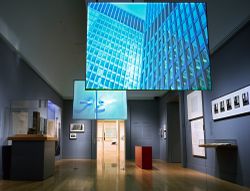
Grand penseur et artiste minutieux, et l’un des plus illustres architectes de l’histoire, Ludwig Mies van der Rohe est déjà une figure dominante de sa profession en Allemagne, lorsque, en 1938, dans la cinquantaine, il émigre aux États-Unis. Transplanté de l’école du Bauhaus (dont il a été le dernier directeur) à un institut technique de Chicago, délaissant le milieu de(...)
Grand penseur et artiste minutieux, et l’un des plus illustres architectes de l’histoire, Ludwig Mies van der Rohe est déjà une figure dominante de sa profession en Allemagne, lorsque, en 1938, dans la cinquantaine, il émigre aux États-Unis. Transplanté de l’école du Bauhaus (dont il a été le dernier directeur) à un institut technique de Chicago, délaissant le milieu de(...)
Localisation:
Salles principales
Salles principales
Date:
17 octobre 2001 au 20 janvier 2002
17 octobre 2001 au 20 janvier 2002
Titre:
Mies en Amérique
Actions:
Description:
Grand penseur et artiste minutieux, et l’un des plus illustres architectes de l’histoire, Ludwig Mies van der Rohe est déjà une figure dominante de sa profession en Allemagne, lorsque, en 1938, dans la cinquantaine, il émigre aux États-Unis. Transplanté de l’école du Bauhaus (dont il a été le dernier directeur) à un institut technique de Chicago, délaissant le milieu de(...)
Mies en Amérique
Actions:
Description:
Grand penseur et artiste minutieux, et l’un des plus illustres architectes de l’histoire, Ludwig Mies van der Rohe est déjà une figure dominante de sa profession en Allemagne, lorsque, en 1938, dans la cinquantaine, il émigre aux États-Unis. Transplanté de l’école du Bauhaus (dont il a été le dernier directeur) à un institut technique de Chicago, délaissant le milieu de(...)
Classification:
expositions
expositions
Date:
17 octobre 2001 au
20 janvier 2002
17 octobre 2001 au
20 janvier 2002
Localisation:
Salles principales
Salles principales
Classification:
événements
événements
Titre:
Nuit blanche 2025 : 38%
Nuit blanche 2025 : 38%
Actions:
Description:
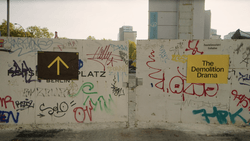
Il est temps d’envisager un changement systémique dans notre manière de concevoir et de valoriser lenvironnement bâti. Notre façon de construire nest pas écologiquement durable. Aujourd’hui 38% de la production mondiale annuelle du gaz à effet de serre est émis par l’industrie de la construction. Lors de la Nuit Blanche au CCA, nous vous invitons à venir discuter,(...)
Il est temps d’envisager un changement systémique dans notre manière de concevoir et de valoriser lenvironnement bâti. Notre façon de construire nest pas écologiquement durable. Aujourd’hui 38% de la production mondiale annuelle du gaz à effet de serre est émis par l’industrie de la construction. Lors de la Nuit Blanche au CCA, nous vous invitons à venir discuter,(...)
Mot(s)-clé(s):
Nuit Blanche 2025
Nuit Blanche 2025
Date:
1 mars 2025 au 2 mars 2025, de 19h à 1h
1 mars 2025 au 2 mars 2025, de 19h à 1h
Titre:
Nuit blanche 2025 : 38%
Actions:
Description:
Il est temps d’envisager un changement systémique dans notre manière de concevoir et de valoriser lenvironnement bâti. Notre façon de construire nest pas écologiquement durable. Aujourd’hui 38% de la production mondiale annuelle du gaz à effet de serre est émis par l’industrie de la construction. Lors de la Nuit Blanche au CCA, nous vous invitons à venir discuter,(...)
Nuit blanche 2025 : 38%
Actions:
Description:
Il est temps d’envisager un changement systémique dans notre manière de concevoir et de valoriser lenvironnement bâti. Notre façon de construire nest pas écologiquement durable. Aujourd’hui 38% de la production mondiale annuelle du gaz à effet de serre est émis par l’industrie de la construction. Lors de la Nuit Blanche au CCA, nous vous invitons à venir discuter,(...)
Classification:
événements
événements
Date:
1 mars 2025 au
2 mars 2025
de 19h à 1h
1 mars 2025 au
2 mars 2025
de 19h à 1h
Mot(s)-clé(s):
Nuit Blanche 2025
Nuit Blanche 2025
Classification:
expositions
expositions
Actions:
Description:
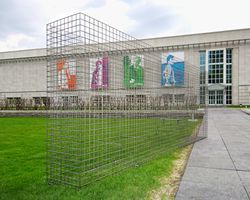
Mur absent : Évocation du Garbage Wall (1970) de Gordon Matta-Clark, une installation dans Parc Baile, est une structure symbolique qui évoque l’intérêt porté par Matta-Clark au recyclage, aux espaces abandonnés et à une vision différente de la conception architecturale. À l’occasion du premier Jour de la Terre, Gordon Matta-Clark (1943-78) organise un événement à(...)
Mur absent : Évocation du Garbage Wall (1970) de Gordon Matta-Clark, une installation dans Parc Baile, est une structure symbolique qui évoque l’intérêt porté par Matta-Clark au recyclage, aux espaces abandonnés et à une vision différente de la conception architecturale. À l’occasion du premier Jour de la Terre, Gordon Matta-Clark (1943-78) organise un événement à(...)
Localisation:
Parc Baile
Parc Baile
Date:
6 mai 2004 au 6 septembre 2004
6 mai 2004 au 6 septembre 2004
Titre:
Mur absent : évocation du Garbage Wall (1970) de Gordon Matta-Clark
Actions:
Description:
Mur absent : Évocation du Garbage Wall (1970) de Gordon Matta-Clark, une installation dans Parc Baile, est une structure symbolique qui évoque l’intérêt porté par Matta-Clark au recyclage, aux espaces abandonnés et à une vision différente de la conception architecturale. À l’occasion du premier Jour de la Terre, Gordon Matta-Clark (1943-78) organise un événement à(...)
Mur absent : évocation du Garbage Wall (1970) de Gordon Matta-Clark
Actions:
Description:
Mur absent : Évocation du Garbage Wall (1970) de Gordon Matta-Clark, une installation dans Parc Baile, est une structure symbolique qui évoque l’intérêt porté par Matta-Clark au recyclage, aux espaces abandonnés et à une vision différente de la conception architecturale. À l’occasion du premier Jour de la Terre, Gordon Matta-Clark (1943-78) organise un événement à(...)
Classification:
expositions
expositions
Date:
6 mai 2004 au
6 septembre 2004
6 mai 2004 au
6 septembre 2004
Localisation:
Parc Baile
Parc Baile
Classification:
expositions
expositions
Actions:
Description:
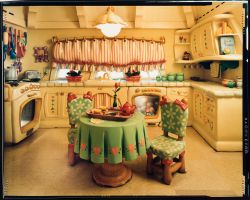
Réalisme et illusion : Photographies des parcs thématiques de Disney par Catherine Wagner présente un essai visuel des quatre parcs thématiques de Disney situés à Anaheim (Californie), à Orlando (Floride), à Tokyo et à Paris. Fascinée par la place prépondérante de l’illusion dans la conception et l’aménagement des parcs, Catherine Wagner désirait ajouter « une couche(...)
Réalisme et illusion : Photographies des parcs thématiques de Disney par Catherine Wagner présente un essai visuel des quatre parcs thématiques de Disney situés à Anaheim (Californie), à Orlando (Floride), à Tokyo et à Paris. Fascinée par la place prépondérante de l’illusion dans la conception et l’aménagement des parcs, Catherine Wagner désirait ajouter « une couche(...)
Localisation:
Salle octogonale
Salle octogonale
Date:
17 juin 1997 au 28 septembre 1997
17 juin 1997 au 28 septembre 1997
Titre:
Réalisme et illusion : photographies des parcs thématiques de Disney par Catherine Wagner
Actions:
Description:
Réalisme et illusion : Photographies des parcs thématiques de Disney par Catherine Wagner présente un essai visuel des quatre parcs thématiques de Disney situés à Anaheim (Californie), à Orlando (Floride), à Tokyo et à Paris. Fascinée par la place prépondérante de l’illusion dans la conception et l’aménagement des parcs, Catherine Wagner désirait ajouter « une couche(...)
Réalisme et illusion : photographies des parcs thématiques de Disney par Catherine Wagner
Actions:
Description:
Réalisme et illusion : Photographies des parcs thématiques de Disney par Catherine Wagner présente un essai visuel des quatre parcs thématiques de Disney situés à Anaheim (Californie), à Orlando (Floride), à Tokyo et à Paris. Fascinée par la place prépondérante de l’illusion dans la conception et l’aménagement des parcs, Catherine Wagner désirait ajouter « une couche(...)
Classification:
expositions
expositions
Date:
17 juin 1997 au
28 septembre 1997
17 juin 1997 au
28 septembre 1997
Localisation:
Salle octogonale
Salle octogonale
Classification:
expositions
expositions
Actions:
Description:
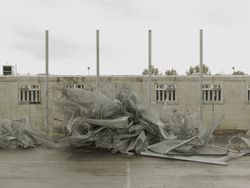
Les blocs pénitenciers en forme de H du Maze ont été le puissant symbole des conflits politiques et des mouvements de protestation souvent violents dont l’Irlande du Nord a été le théâtre. Ouverte en 1971 par le gouvernement britannique, la prison prévoyait d’enfermer les loyalistes et les républicains dans des lieux différents selon le statut des prisonniers : les(...)
Les blocs pénitenciers en forme de H du Maze ont été le puissant symbole des conflits politiques et des mouvements de protestation souvent violents dont l’Irlande du Nord a été le théâtre. Ouverte en 1971 par le gouvernement britannique, la prison prévoyait d’enfermer les loyalistes et les républicains dans des lieux différents selon le statut des prisonniers : les(...)
Localisation:
Salle octogonale
Salle octogonale
Date:
5 septembre 2013 au 12 janvier 2014
5 septembre 2013 au 12 janvier 2014
Titre:
BLOC H : Établissement carcéral – Donovan Wylie
Actions:
Description:
Les blocs pénitenciers en forme de H du Maze ont été le puissant symbole des conflits politiques et des mouvements de protestation souvent violents dont l’Irlande du Nord a été le théâtre. Ouverte en 1971 par le gouvernement britannique, la prison prévoyait d’enfermer les loyalistes et les républicains dans des lieux différents selon le statut des prisonniers : les(...)
BLOC H : Établissement carcéral – Donovan Wylie
Actions:
Description:
Les blocs pénitenciers en forme de H du Maze ont été le puissant symbole des conflits politiques et des mouvements de protestation souvent violents dont l’Irlande du Nord a été le théâtre. Ouverte en 1971 par le gouvernement britannique, la prison prévoyait d’enfermer les loyalistes et les républicains dans des lieux différents selon le statut des prisonniers : les(...)
Classification:
expositions
expositions
Date:
5 septembre 2013 au
12 janvier 2014
5 septembre 2013 au
12 janvier 2014
Localisation:
Salle octogonale
Salle octogonale


