


62 Résultats
Classification:
livres
livres

Actions:
Prix:
$46.50
(disponible sur commande)
Résumé:
What do struggles over pipelines in Canada, housing estates in France, and shantytowns in Martinique have in common? In "Urban revolutions," Stefan Kipfer shows how these struggles force us to understand the (neo-)colonial aspects of capitalist urbanization in a comparatively and historically nuanced fashion. In so doing, he demonstrates that urban research can offer a(...)
Titre:
Urban revolutions: Urbanisation and (Neo-) Colonialism in transatlantic context
Actions:
Prix:
$46.50
(disponible sur commande)
Résumé:
What do struggles over pipelines in Canada, housing estates in France, and shantytowns in Martinique have in common? In "Urban revolutions," Stefan Kipfer shows how these struggles force us to understand the (neo-)colonial aspects of capitalist urbanization in a comparatively and historically nuanced fashion. In so doing, he demonstrates that urban research can offer a rich, if uneven, terrain upon which to develop the relationship between Marxist and anti-colonial intellectual traditions. After a detailed dialogue between Henri Lefebvre and Frantz Fanon, Kipfer engages creole literature in the French Antilles, Indigenous radicalism in North America and political anti-racism in mainland France.
Classification:
livres
livres
Publication:
septembre 2023
septembre 2023
Sujet:
Théorie de l’urbanisme
Théorie de l’urbanisme
Classification:
livres
livres
Actions:
Prix:
$42.00
(disponible sur commande)
Résumé:
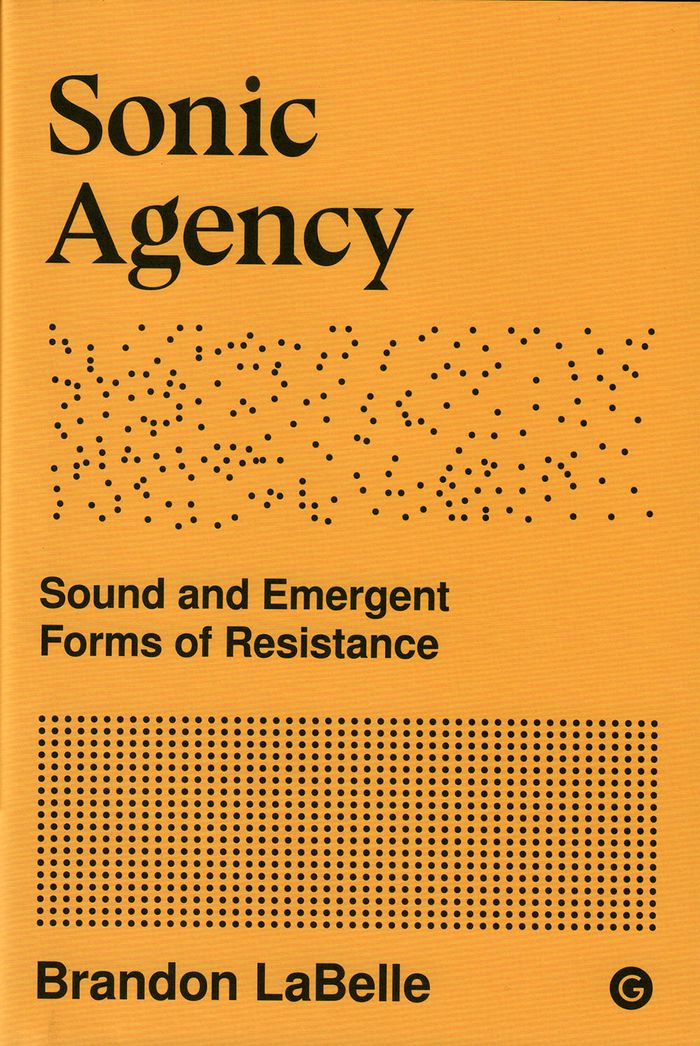
This book highlights sound's invisible, disruptive, and affective qualities and asks whether the unseen nature of sound can support a political transformation. In ''Sonic agency'', Brandon LaBelle sets out to engage contemporary social and political crises by way of sonic thought and imagination. He divides sound's functions into four figures of resistance -- the(...)
Titre:
Sonic agency: sound and emergent forms of resistance
Actions:
Prix:
$42.00
(disponible sur commande)
Résumé:
This book highlights sound's invisible, disruptive, and affective qualities and asks whether the unseen nature of sound can support a political transformation. In ''Sonic agency'', Brandon LaBelle sets out to engage contemporary social and political crises by way of sonic thought and imagination. He divides sound's functions into four figures of resistance -- the invisible, the overheard, the itinerant, and the weak -- and argues for their role in creating alternative "unlikely publics" in which to foster mutuality and dissent. He considers issues of disappearance and hidden culture, nonviolence and noise, creole poetics, and networked life, aiming to unsettle traditional notions of the "space of appearance" as the condition for political action and survival.
Classification:
livres
livres
Publication:
février 2018
février 2018
Sujet:
Acoustique
Acoustique


