


64 Résultats
Classification:
livres
livres
Actions:
Prix:
$37.95
(disponible sur commande)
Résumé:
In 1976, Robert Adams shot "Fort Collins, Colorado," a nighttime picture of a lone tree in a Colorado parking lot, the crescent moon hanging in the sky above. More than 30 years earlier, Ansel Adams had captured "Moonrise, Hernandez, New Mexico," showing a magnificent vista of desert scrub and clustered buildings, snow-capped mountains in the distance, the full moon(...)
$37.95
(disponible sur commande)
Résumé:
In 1976, Robert Adams shot "Fort Collins, Colorado," a nighttime picture of a lone tree in a Colorado parking lot, the crescent moon hanging in the sky above. More than 30 years earlier, Ansel Adams had captured "Moonrise, Hernandez, New Mexico," showing a magnificent vista of desert scrub and clustered buildings, snow-capped mountains in the distance, the full moon(...)
Sujet:
Théorie de la photographie
Théorie de la photographie
Publication:
juin 2002, Andover, Massachusetts
juin 2002, Andover, Massachusetts
Titre:
Reinventing the West : the photography of Ansel Adams and Robert Adams
Actions:
Prix:
$37.95
(disponible sur commande)
Résumé:
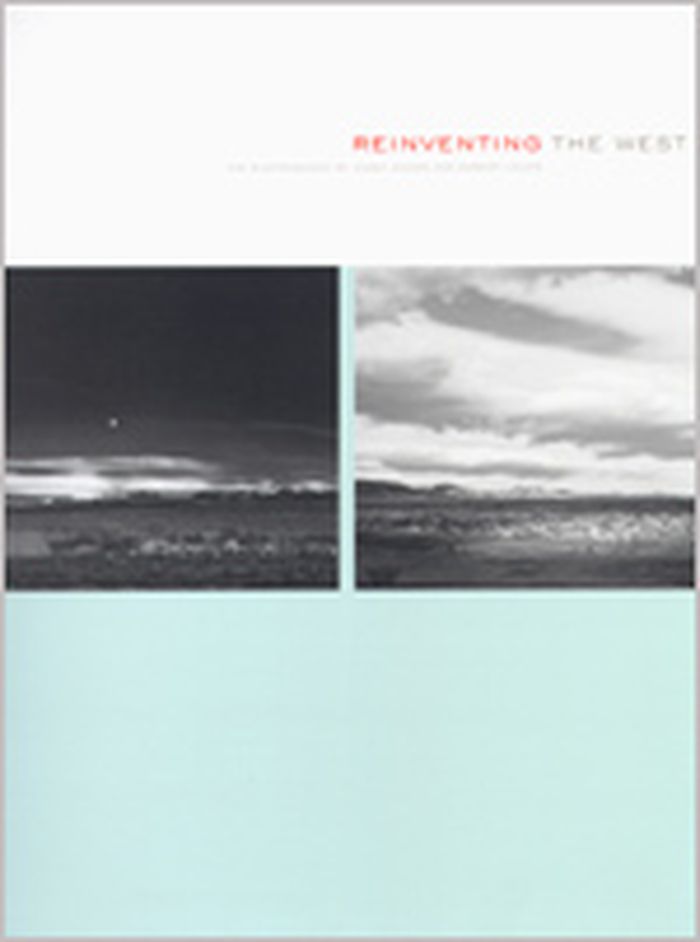
In 1976, Robert Adams shot "Fort Collins, Colorado," a nighttime picture of a lone tree in a Colorado parking lot, the crescent moon hanging in the sky above. More than 30 years earlier, Ansel Adams had captured "Moonrise, Hernandez, New Mexico," showing a magnificent vista of desert scrub and clustered buildings, snow-capped mountains in the distance, the full moon majestically presiding in the expansive sky overhead. These two pictures could be neither more different nor more similar; nor could the younger Adams have made his photograph without knowledge of his greatly admired predecessor's. If Ansel Adams created singular images in search of a platonic ideal of nature, Robert Adams explored repetition and conformity; both were responding, in their own personal and aesthetic way, to the landscape of the American West. The first book to juxtapose bodies of work by these two 20th-century master photographers, Reinventing the West reveals how their photographs reflect changing attitudes toward the western landscape and the natural world.
Reinventing the West : the photography of Ansel Adams and Robert Adams
Actions:
Prix:
$37.95
(disponible sur commande)
Résumé:
In 1976, Robert Adams shot "Fort Collins, Colorado," a nighttime picture of a lone tree in a Colorado parking lot, the crescent moon hanging in the sky above. More than 30 years earlier, Ansel Adams had captured "Moonrise, Hernandez, New Mexico," showing a magnificent vista of desert scrub and clustered buildings, snow-capped mountains in the distance, the full moon majestically presiding in the expansive sky overhead. These two pictures could be neither more different nor more similar; nor could the younger Adams have made his photograph without knowledge of his greatly admired predecessor's. If Ansel Adams created singular images in search of a platonic ideal of nature, Robert Adams explored repetition and conformity; both were responding, in their own personal and aesthetic way, to the landscape of the American West. The first book to juxtapose bodies of work by these two 20th-century master photographers, Reinventing the West reveals how their photographs reflect changing attitudes toward the western landscape and the natural world.
Classification:
livres
livres
Publication:
juin 2002, Andover, Massachusetts
juin 2002, Andover, Massachusetts
Sujet:
Théorie de la photographie
Théorie de la photographie
Classification:
livres
livres
Actions:
Prix:
$26.95
(disponible sur commande)
Résumé:
Measures are the subject of this unusual book, in which Robert Tavernor offers a fascinating account of the various measuring systems human beings have devised over two millennia. Tavernor urges us to look beyond the notion that measuring is strictly a scientific activity, divorced from human concerns. Instead, he sets measures and measuring in cultural context and shows(...)
$26.95
(disponible sur commande)
Résumé:
Measures are the subject of this unusual book, in which Robert Tavernor offers a fascinating account of the various measuring systems human beings have devised over two millennia. Tavernor urges us to look beyond the notion that measuring is strictly a scientific activity, divorced from human concerns. Instead, he sets measures and measuring in cultural context and shows(...)
Titre:
Smoot's Ear : The measure of humanity
Actions:
Prix:
$26.95
(disponible sur commande)
Résumé:
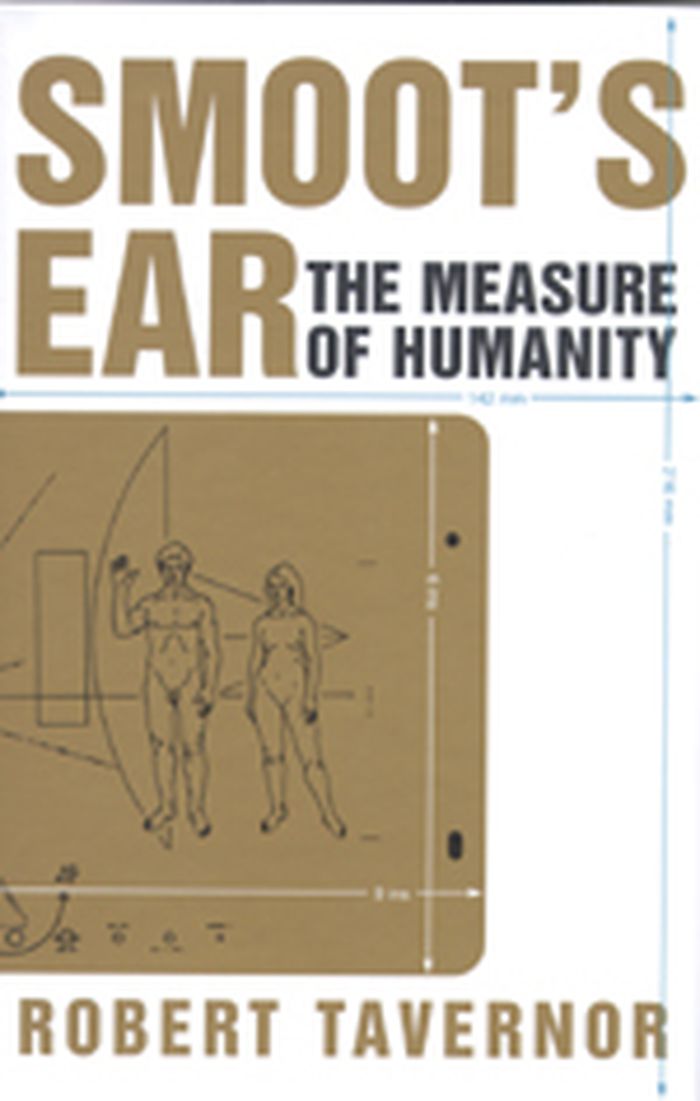
Measures are the subject of this unusual book, in which Robert Tavernor offers a fascinating account of the various measuring systems human beings have devised over two millennia. Tavernor urges us to look beyond the notion that measuring is strictly a scientific activity, divorced from human concerns. Instead, he sets measures and measuring in cultural context and shows how deeply they are connected to human experience and history. The book explores changing attitudes toward measure, focusing on key moments in art, sculpture, architecture, philosophy, and the development of scientific thought. It encompasses the journey of Western civilization from the construction of the Great Pyramid to the first manned flight to the moon. Beginning with a review of early measuring standards that referred to the feet and inches of ideal bodies, the book then tracks how Enlightenment interest in a truly scientific system of measure led to the creation of the metric system. This “rational” approach to measure in turn has inspired artists, architects, writers, and others to seek a balance that takes the human story into account. Tavernor concludes with a discussion of measure in our own time, when space travel presents to humankind a direct encounter with the unfathomable measure of the universe.
Smoot's Ear : The measure of humanity
Actions:
Prix:
$26.95
(disponible sur commande)
Résumé:
Measures are the subject of this unusual book, in which Robert Tavernor offers a fascinating account of the various measuring systems human beings have devised over two millennia. Tavernor urges us to look beyond the notion that measuring is strictly a scientific activity, divorced from human concerns. Instead, he sets measures and measuring in cultural context and shows how deeply they are connected to human experience and history. The book explores changing attitudes toward measure, focusing on key moments in art, sculpture, architecture, philosophy, and the development of scientific thought. It encompasses the journey of Western civilization from the construction of the Great Pyramid to the first manned flight to the moon. Beginning with a review of early measuring standards that referred to the feet and inches of ideal bodies, the book then tracks how Enlightenment interest in a truly scientific system of measure led to the creation of the metric system. This “rational” approach to measure in turn has inspired artists, architects, writers, and others to seek a balance that takes the human story into account. Tavernor concludes with a discussion of measure in our own time, when space travel presents to humankind a direct encounter with the unfathomable measure of the universe.
Classification:
livres
livres
Publication:
août 2007
août 2007
Classification:
livres
livres
Prix:
$54.00
(disponible sur commande)
Résumé:
We tend to think of architecture as a practice in permanence, but what if we looked instead for an architecture of transience? In "Things that move," Tim Anstey does just that: rather than assuming that architecture is, at a certain level, stationary, he considers how architecture moves subjects (referring to its emotive potential in the experience it creates); how it(...)
$54.00
(disponible sur commande)
Résumé:
We tend to think of architecture as a practice in permanence, but what if we looked instead for an architecture of transience? In "Things that move," Tim Anstey does just that: rather than assuming that architecture is, at a certain level, stationary, he considers how architecture moves subjects (referring to its emotive potential in the experience it creates); how it(...)
Titre:
Things that move: A hinterland in architectural history
Actions:
Prix:
$54.00
(disponible sur commande)
Résumé:
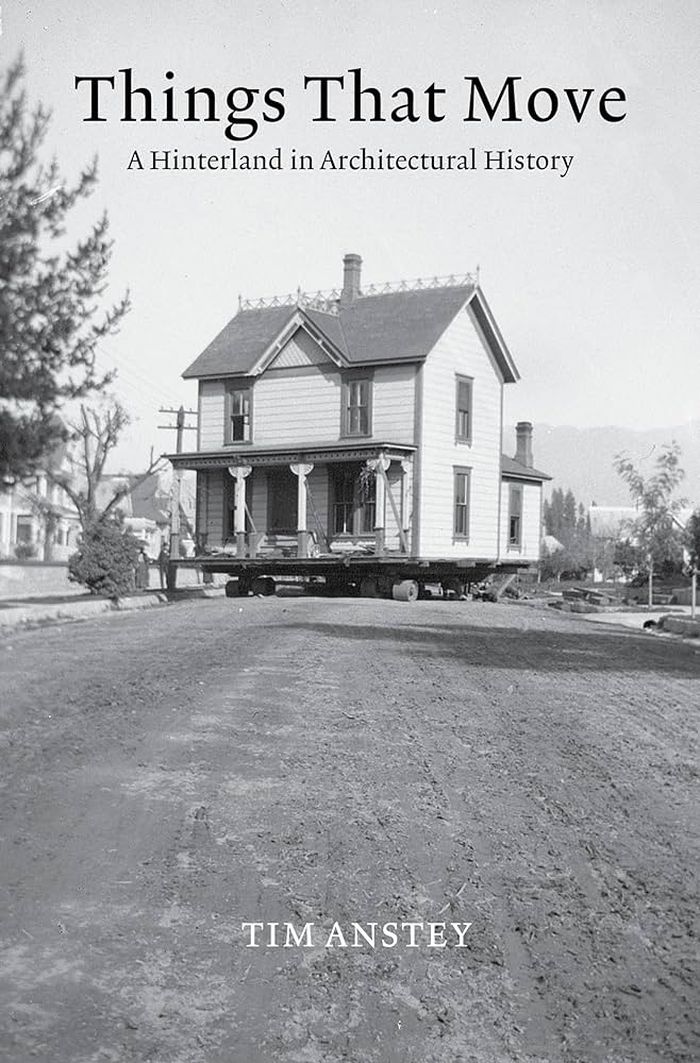
We tend to think of architecture as a practice in permanence, but what if we looked instead for an architecture of transience? In "Things that move," Tim Anstey does just that: rather than assuming that architecture is, at a certain level, stationary, he considers how architecture moves subjects (referring to its emotive potential in the experience it creates); how it moves objects (referring to how it choreographs bodies in motion); and how it is itself moved (referring to the mixture of materials, laws, affordances, and images that introduce movement into any architectural condition). The first of the book's three sections, "Cargoes," highlights the mobile peripheries of architectural history through the eighteenth and nineteenth centuries. It asks what kinds of knowledge can be included in a discussion of architecture, noting the connections between discourses of the lithe and the technical, on the one hand, and those associated with the production of monumental, static compositions on the other. The second section, “Dispatches,” reinterprets early architectural theory by examining the Renaissance ideal of decorum, the nature of the architectural work, and the ways in which architects are constituted as authors. The last part of the book, “Vehicles,” considers building in terms of literal and metaphorical movement, using two cases from the twentieth century that investigate the relationship between architecture and cultural memory. Using a broadly forensic approach to connect details in otherwise disparate cases, "Things that move" is a breathtakingly capacious architectural account that will change the way readers understand buildings, their becoming, and their significance.
Things that move: A hinterland in architectural history
Actions:
Prix:
$54.00
(disponible sur commande)
Résumé:
We tend to think of architecture as a practice in permanence, but what if we looked instead for an architecture of transience? In "Things that move," Tim Anstey does just that: rather than assuming that architecture is, at a certain level, stationary, he considers how architecture moves subjects (referring to its emotive potential in the experience it creates); how it moves objects (referring to how it choreographs bodies in motion); and how it is itself moved (referring to the mixture of materials, laws, affordances, and images that introduce movement into any architectural condition). The first of the book's three sections, "Cargoes," highlights the mobile peripheries of architectural history through the eighteenth and nineteenth centuries. It asks what kinds of knowledge can be included in a discussion of architecture, noting the connections between discourses of the lithe and the technical, on the one hand, and those associated with the production of monumental, static compositions on the other. The second section, “Dispatches,” reinterprets early architectural theory by examining the Renaissance ideal of decorum, the nature of the architectural work, and the ways in which architects are constituted as authors. The last part of the book, “Vehicles,” considers building in terms of literal and metaphorical movement, using two cases from the twentieth century that investigate the relationship between architecture and cultural memory. Using a broadly forensic approach to connect details in otherwise disparate cases, "Things that move" is a breathtakingly capacious architectural account that will change the way readers understand buildings, their becoming, and their significance.
Classification:
livres
livres
Publication:
avril 2024
avril 2024
Sujet:
Théorie de l’architecture
Théorie de l’architecture
Classification:
audio
audio
Titre:
Lattina.
Lattina.
Actions:
Description:
1 online resource.
Auteur:
Sujet:
Publication:
[Place of publication not identified] : Lateral Addition, 2015.
[Place of publication not identified] : Lateral Addition, 2015.
Classification:
audio
audio
Publication:
[Place of publication not identified] : Lateral Addition, 2015.
[Place of publication not identified] : Lateral Addition, 2015.
Auteur:
Sujet:


