


629 Résultats
Classification:
livres
livres
Titre:
Style
Style
Actions:
Prix:
$125.00
(disponible sur commande)
Résumé:
The enduring influence of the architect Gottfried Semper (1803-79) derives less from his monumental buildings in Dresden, Zurich, and Vienna than from his "Style in the technical and tectonic arts" (1860-63). Semper's landmark survey of the motives giving rise to the technical arts (textiles, ceramics, carpentry, masonry) explores the symbolic and material preconditions(...)
$125.00
(disponible sur commande)
Résumé:
The enduring influence of the architect Gottfried Semper (1803-79) derives less from his monumental buildings in Dresden, Zurich, and Vienna than from his "Style in the technical and tectonic arts" (1860-63). Semper's landmark survey of the motives giving rise to the technical arts (textiles, ceramics, carpentry, masonry) explores the symbolic and material preconditions(...)
Titre:
Style
Actions:
Prix:
$125.00
(disponible sur commande)
Résumé:
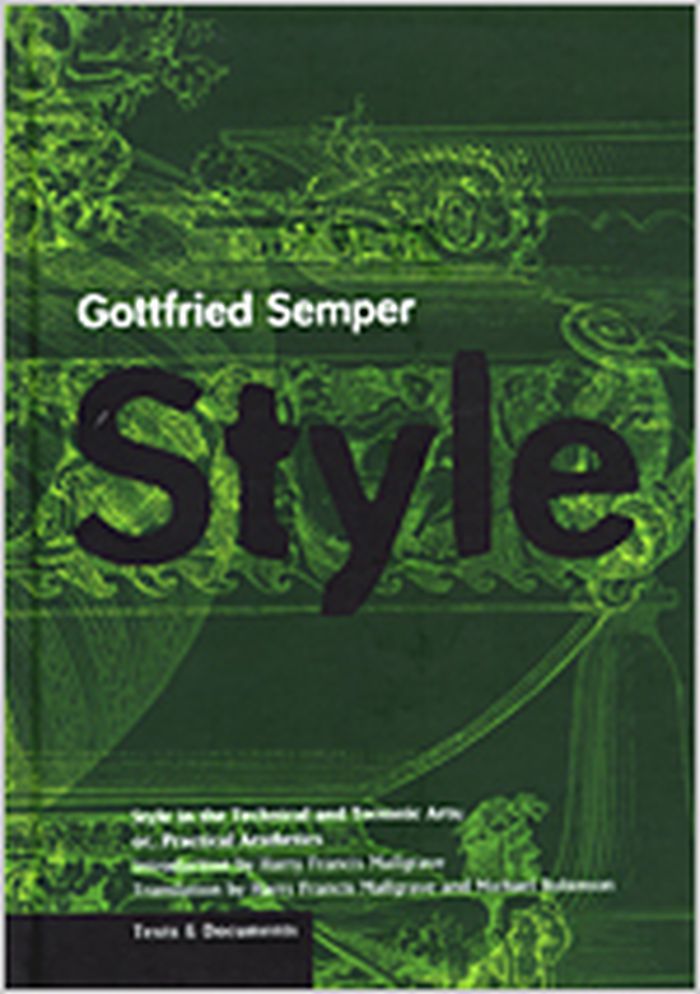
The enduring influence of the architect Gottfried Semper (1803-79) derives less from his monumental buildings in Dresden, Zurich, and Vienna than from his "Style in the technical and tectonic arts" (1860-63). Semper's landmark survey of the motives giving rise to the technical arts (textiles, ceramics, carpentry, masonry) explores the symbolic and material preconditions of style. An extended inquiry into the inner principles of artistic form, this work altered the intellectual field for aesthetics and art history and stands as a vital document in the construction of modern architectural theory. Translated by Harry Francis Mallgrave and Michael Robinson, with an introduction by Harry Francis Mallgrave.
Style
Actions:
Prix:
$125.00
(disponible sur commande)
Résumé:
The enduring influence of the architect Gottfried Semper (1803-79) derives less from his monumental buildings in Dresden, Zurich, and Vienna than from his "Style in the technical and tectonic arts" (1860-63). Semper's landmark survey of the motives giving rise to the technical arts (textiles, ceramics, carpentry, masonry) explores the symbolic and material preconditions of style. An extended inquiry into the inner principles of artistic form, this work altered the intellectual field for aesthetics and art history and stands as a vital document in the construction of modern architectural theory. Translated by Harry Francis Mallgrave and Michael Robinson, with an introduction by Harry Francis Mallgrave.
Classification:
livres
livres
Publication:
mai 2004, Los Angeles
mai 2004, Los Angeles
Sujet:
Théorie de l’architecture
Théorie de l’architecture
Classification:
livres
livres
Actions:
Prix:
$29.95
(disponible sur commande)
Résumé:
"Things don‘t really exist until you give them a name" traces contemporary urban heritage discourses and practices through diverse cities across the globe. From Dar es Salaam to Berlin, via Istanbul, Dresden and Kolkata, different voices connect to heritage debates. Architects, planners and urban researchers, as well as historians, cultural managers and artists provide(...)
$29.95
(disponible sur commande)
Résumé:
"Things don‘t really exist until you give them a name" traces contemporary urban heritage discourses and practices through diverse cities across the globe. From Dar es Salaam to Berlin, via Istanbul, Dresden and Kolkata, different voices connect to heritage debates. Architects, planners and urban researchers, as well as historians, cultural managers and artists provide(...)
Sujet:
Théorie de l’urbanisme
Théorie de l’urbanisme
Publication:
mars 2018
mars 2018
Titre:
Things don't really exist until you give them a name
Actions:
Prix:
$29.95
(disponible sur commande)
Résumé:
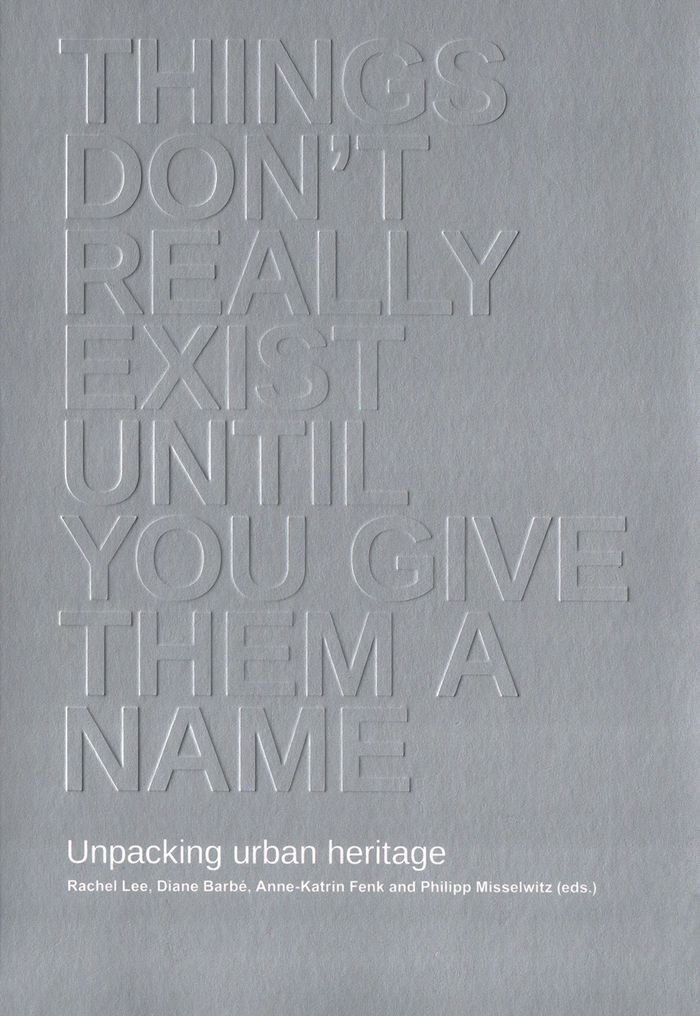
"Things don‘t really exist until you give them a name" traces contemporary urban heritage discourses and practices through diverse cities across the globe. From Dar es Salaam to Berlin, via Istanbul, Dresden and Kolkata, different voices connect to heritage debates. Architects, planners and urban researchers, as well as historians, cultural managers and artists provide fresh perspectives, concepts, methods and tools to address the urban heritage conundrum: Although heritage is touted as having the power to effect social cohesion and galvanise urban communities, it is intrinsically contested and divisive. Rather than a belief in absolute (aesthetic and material) values,this book argues for a more citizen-centred and rights-based approach to heritage which could help to make cities more just and inclusive.
Things don't really exist until you give them a name
Actions:
Prix:
$29.95
(disponible sur commande)
Résumé:
"Things don‘t really exist until you give them a name" traces contemporary urban heritage discourses and practices through diverse cities across the globe. From Dar es Salaam to Berlin, via Istanbul, Dresden and Kolkata, different voices connect to heritage debates. Architects, planners and urban researchers, as well as historians, cultural managers and artists provide fresh perspectives, concepts, methods and tools to address the urban heritage conundrum: Although heritage is touted as having the power to effect social cohesion and galvanise urban communities, it is intrinsically contested and divisive. Rather than a belief in absolute (aesthetic and material) values,this book argues for a more citizen-centred and rights-based approach to heritage which could help to make cities more just and inclusive.
Classification:
livres
livres
Publication:
mars 2018
mars 2018
Sujet:
Théorie de l’urbanisme
Théorie de l’urbanisme
Classification:
livres
livres
Titre:
From the world heritage of Wroclaw to that of Dessau : the path of Modernism architecture, 1900-1930
From the world heritage of Wroclaw to that of Dessau : the path of Modernism architecture, 1900-1930
Actions:
Prix:
$34.00
(disponible sur commande)
Résumé:
An unusual journey between Breslau and Dessau, from the World Cultural Heritage of the Centennial Hall (1913) to the World Cultural Heritage of Bauhaus dating from the twenties : and there are many highpoints of modern architecture in-between—in Görlitz, Dresden-Hellerau, Leipzig or Chemnitz, for example. Almost all the great modernist architects are gathered together(...)
$34.00
(disponible sur commande)
Résumé:
An unusual journey between Breslau and Dessau, from the World Cultural Heritage of the Centennial Hall (1913) to the World Cultural Heritage of Bauhaus dating from the twenties : and there are many highpoints of modern architecture in-between—in Görlitz, Dresden-Hellerau, Leipzig or Chemnitz, for example. Almost all the great modernist architects are gathered together(...)
Publication:
novembre 2009
novembre 2009
Titre:
From the world heritage of Wroclaw to that of Dessau : the path of Modernism architecture, 1900-1930
Actions:
Prix:
$34.00
(disponible sur commande)
Résumé:
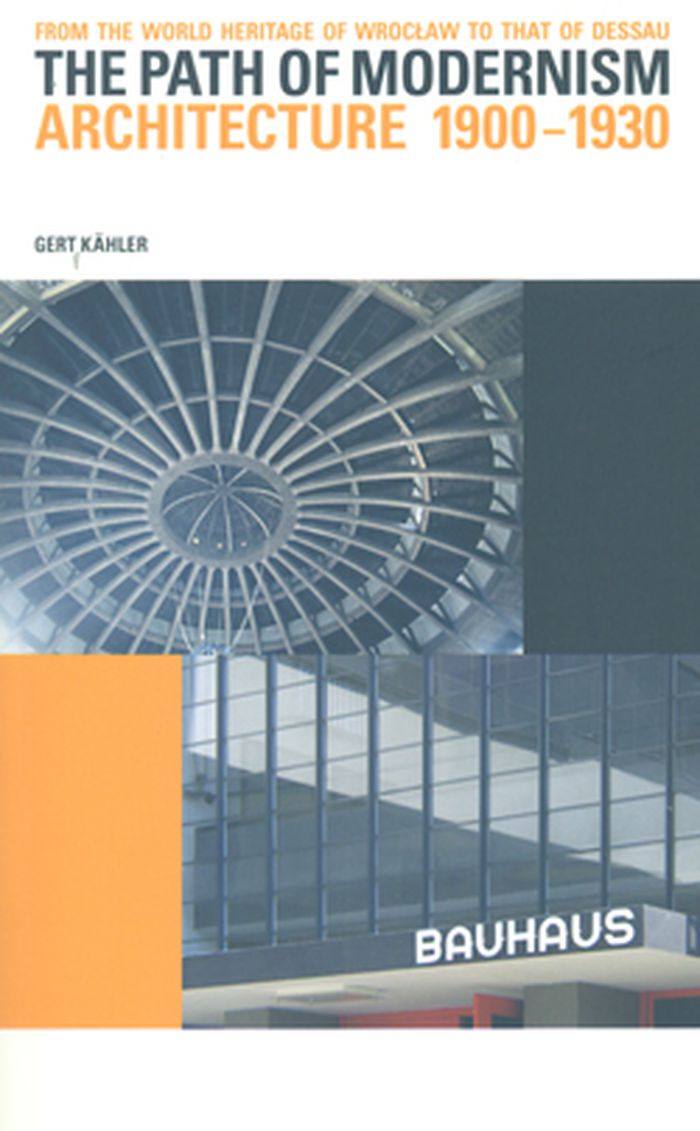
An unusual journey between Breslau and Dessau, from the World Cultural Heritage of the Centennial Hall (1913) to the World Cultural Heritage of Bauhaus dating from the twenties : and there are many highpoints of modern architecture in-between—in Görlitz, Dresden-Hellerau, Leipzig or Chemnitz, for example. Almost all the great modernist architects are gathered together here, from Hans Poelzig and Henry van de Velde to Heinrich Tessenow, Richard Riemerschmid, Hans Scharoun, Erich Mendelsohn and even Walter Gropius. But the focus is also on the cities themselves; at a very early date, their progressive building councillors thought hard about European urban development — about buildings ranging from striking tower blocks to top-quality mass housing. This publication illustrates an important chapter of architectural history in an original, condensed-format travel guide.
From the world heritage of Wroclaw to that of Dessau : the path of Modernism architecture, 1900-1930
Actions:
Prix:
$34.00
(disponible sur commande)
Résumé:
An unusual journey between Breslau and Dessau, from the World Cultural Heritage of the Centennial Hall (1913) to the World Cultural Heritage of Bauhaus dating from the twenties : and there are many highpoints of modern architecture in-between—in Görlitz, Dresden-Hellerau, Leipzig or Chemnitz, for example. Almost all the great modernist architects are gathered together here, from Hans Poelzig and Henry van de Velde to Heinrich Tessenow, Richard Riemerschmid, Hans Scharoun, Erich Mendelsohn and even Walter Gropius. But the focus is also on the cities themselves; at a very early date, their progressive building councillors thought hard about European urban development — about buildings ranging from striking tower blocks to top-quality mass housing. This publication illustrates an important chapter of architectural history in an original, condensed-format travel guide.
Classification:
livres
livres
Publication:
novembre 2009
novembre 2009
Classification:
livres
livres
Titre:
Norman Foster: works 6
Norman Foster: works 6
Actions:
Prix:
$165.00
(disponible sur commande)
Résumé:
The sixth volume in a monumental survey of the works of Norman Foster focuses on the years 1996 2009 and projects towards an exciting future of continued architectural excellence. This volume features more than 1,000 plans, sketches, and photographs of some of Foster's most renowned projects, including London's new Wembley Stadium, Germany's Dresden Station, and Beijing's(...)
$165.00
(disponible sur commande)
Résumé:
The sixth volume in a monumental survey of the works of Norman Foster focuses on the years 1996 2009 and projects towards an exciting future of continued architectural excellence. This volume features more than 1,000 plans, sketches, and photographs of some of Foster's most renowned projects, including London's new Wembley Stadium, Germany's Dresden Station, and Beijing's(...)
Titre:
Norman Foster: works 6
Actions:
Prix:
$165.00
(disponible sur commande)
Résumé:
The sixth volume in a monumental survey of the works of Norman Foster focuses on the years 1996 2009 and projects towards an exciting future of continued architectural excellence. This volume features more than 1,000 plans, sketches, and photographs of some of Foster's most renowned projects, including London's new Wembley Stadium, Germany's Dresden Station, and Beijing's new international airport. These and other important structures, along with lighting systems, furniture collections, and memorials, reveal the enormous range of Foster + Partners' work. In addition to offering insights into individual projects, this volume contextualizes Foster's work, identifying themes and connections, discussing influences and inspirations, and invoking a host of historical, cultural, and architectural references. A final chapter looks forward to forthcoming projects, further detailing a momentous career highlighted by creativity, innovation, and achievement.
Norman Foster: works 6
Actions:
Prix:
$165.00
(disponible sur commande)
Résumé:
The sixth volume in a monumental survey of the works of Norman Foster focuses on the years 1996 2009 and projects towards an exciting future of continued architectural excellence. This volume features more than 1,000 plans, sketches, and photographs of some of Foster's most renowned projects, including London's new Wembley Stadium, Germany's Dresden Station, and Beijing's new international airport. These and other important structures, along with lighting systems, furniture collections, and memorials, reveal the enormous range of Foster + Partners' work. In addition to offering insights into individual projects, this volume contextualizes Foster's work, identifying themes and connections, discussing influences and inspirations, and invoking a host of historical, cultural, and architectural references. A final chapter looks forward to forthcoming projects, further detailing a momentous career highlighted by creativity, innovation, and achievement.
Classification:
livres
livres
Publication:
juillet 2011
juillet 2011
Sujet:
Architecture, monographies
Architecture, monographies
Classification:
livres
livres
Actions:
Prix:
$19.95
(disponible sur commande)
Résumé:
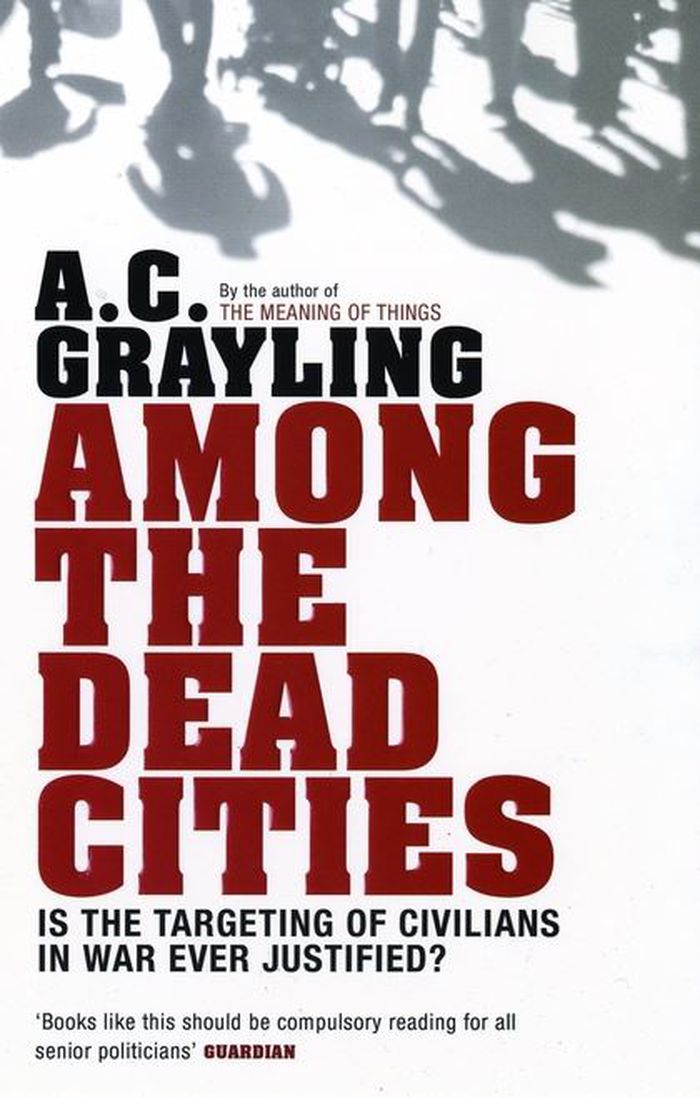
Britain and the USA carried out a massive bombing offensive against the cities of Germany and Japan in the course of the Second World War, which ended with the destruction of Hamburg, Dresden, Tokyo, Hiroshima and Nagasaki. Was the bombing of civilian targets justified by the necessities of war? Or was it, in fact, a crime against humanity? How should the descendants of(...)
$19.95
(disponible sur commande)
Résumé:
Britain and the USA carried out a massive bombing offensive against the cities of Germany and Japan in the course of the Second World War, which ended with the destruction of Hamburg, Dresden, Tokyo, Hiroshima and Nagasaki. Was the bombing of civilian targets justified by the necessities of war? Or was it, in fact, a crime against humanity? How should the descendants of(...)
Titre:
Among the dead cities: is the targeting of civilians in war ever justified?
Actions:
Prix:
$19.95
(disponible sur commande)
Résumé:
Britain and the USA carried out a massive bombing offensive against the cities of Germany and Japan in the course of the Second World War, which ended with the destruction of Hamburg, Dresden, Tokyo, Hiroshima and Nagasaki. Was the bombing of civilian targets justified by the necessities of war? Or was it, in fact, a crime against humanity? How should the descendants of the Allies who won the victory in that war, reply to the moral challenge of the descendants of those whose cities were targeted? The author looks at the stands people took, both for and against, and asks what the lessons are that we can learn for today about how people should behave in a world of tension and moral confusion, of terrorism and fragile democracies.
Among the dead cities: is the targeting of civilians in war ever justified?
Actions:
Prix:
$19.95
(disponible sur commande)
Résumé:
Britain and the USA carried out a massive bombing offensive against the cities of Germany and Japan in the course of the Second World War, which ended with the destruction of Hamburg, Dresden, Tokyo, Hiroshima and Nagasaki. Was the bombing of civilian targets justified by the necessities of war? Or was it, in fact, a crime against humanity? How should the descendants of the Allies who won the victory in that war, reply to the moral challenge of the descendants of those whose cities were targeted? The author looks at the stands people took, both for and against, and asks what the lessons are that we can learn for today about how people should behave in a world of tension and moral confusion, of terrorism and fragile democracies.
Classification:
livres
livres
Publication:
avril 2005
avril 2005
Sujet:
Théorie de l’architecture
Théorie de l’architecture
Classification:
livres
livres
Actions:
Prix:
$24.00
(disponible sur commande)
Résumé:
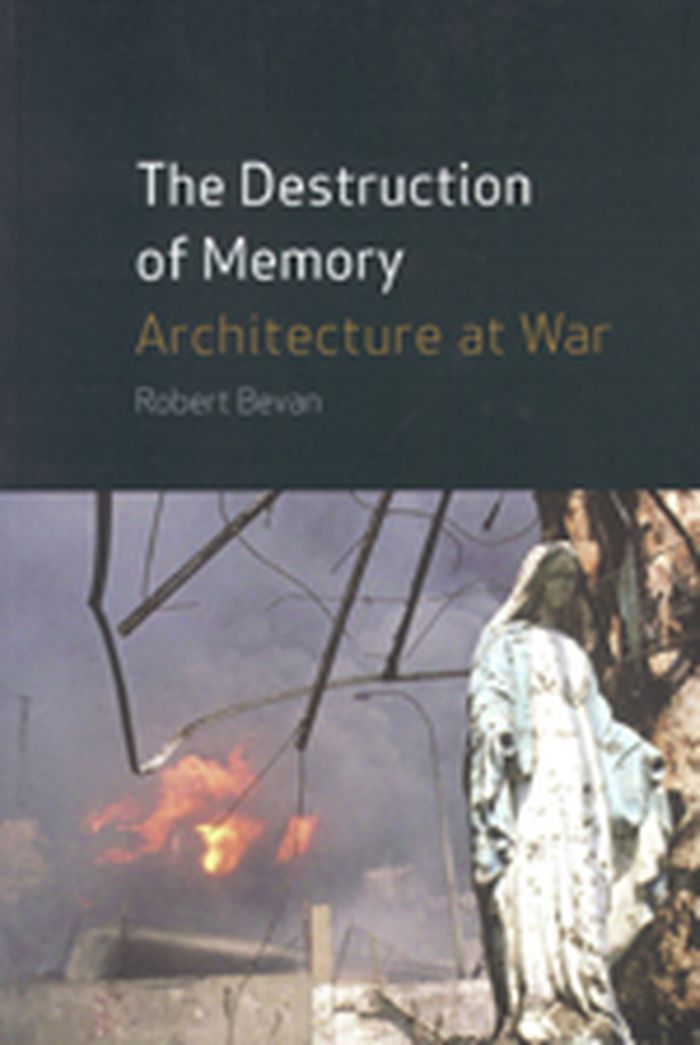
A decimated Shiite shrine in Iraq. The smoking World Trade Center site. The scorched cityscape of 1945 Dresden. Among the most indelible scars left by war is the destroyed landscapes, and such architectural devastation damages far more than mere buildings. Robert Bevan argues here that shattered buildings are not merely “collateral damage,” but rather calculated acts of(...)
$24.00
(disponible sur commande)
Résumé:
A decimated Shiite shrine in Iraq. The smoking World Trade Center site. The scorched cityscape of 1945 Dresden. Among the most indelible scars left by war is the destroyed landscapes, and such architectural devastation damages far more than mere buildings. Robert Bevan argues here that shattered buildings are not merely “collateral damage,” but rather calculated acts of(...)
Publication:
février 2007, London
février 2007, London
Titre:
The destruction of memory : Architecture at war
Actions:
Prix:
$24.00
(disponible sur commande)
Résumé:
A decimated Shiite shrine in Iraq. The smoking World Trade Center site. The scorched cityscape of 1945 Dresden. Among the most indelible scars left by war is the destroyed landscapes, and such architectural devastation damages far more than mere buildings. Robert Bevan argues here that shattered buildings are not merely “collateral damage,” but rather calculated acts of cultural annihilation. From Hitler’s Kristallnacht to the toppling of Saddam Hussein’s statue in the Iraq War, Bevan deftly sifts through military campaigns and their tactics throughout history, and analyzes the cultural impact and catastrophic consequences of architectural destruction. For Bevan, these actions are nothing less than cultural genocide. Ultimately, Bevan forcefully argues for the prosecution of nations that purposely flout established international treaties against destroyed architecture. A passionate and thought-provoking cri de coeur, The Destruction of Memory raises questions about the costs of war that run deeper than blood and money.
The destruction of memory : Architecture at war
Actions:
Prix:
$24.00
(disponible sur commande)
Résumé:
A decimated Shiite shrine in Iraq. The smoking World Trade Center site. The scorched cityscape of 1945 Dresden. Among the most indelible scars left by war is the destroyed landscapes, and such architectural devastation damages far more than mere buildings. Robert Bevan argues here that shattered buildings are not merely “collateral damage,” but rather calculated acts of cultural annihilation. From Hitler’s Kristallnacht to the toppling of Saddam Hussein’s statue in the Iraq War, Bevan deftly sifts through military campaigns and their tactics throughout history, and analyzes the cultural impact and catastrophic consequences of architectural destruction. For Bevan, these actions are nothing less than cultural genocide. Ultimately, Bevan forcefully argues for the prosecution of nations that purposely flout established international treaties against destroyed architecture. A passionate and thought-provoking cri de coeur, The Destruction of Memory raises questions about the costs of war that run deeper than blood and money.
Classification:
livres
livres
Publication:
février 2007, London
février 2007, London
Classification:
livres
livres
Actions:
Prix:
$63.00
(disponible en magasin)
Résumé:
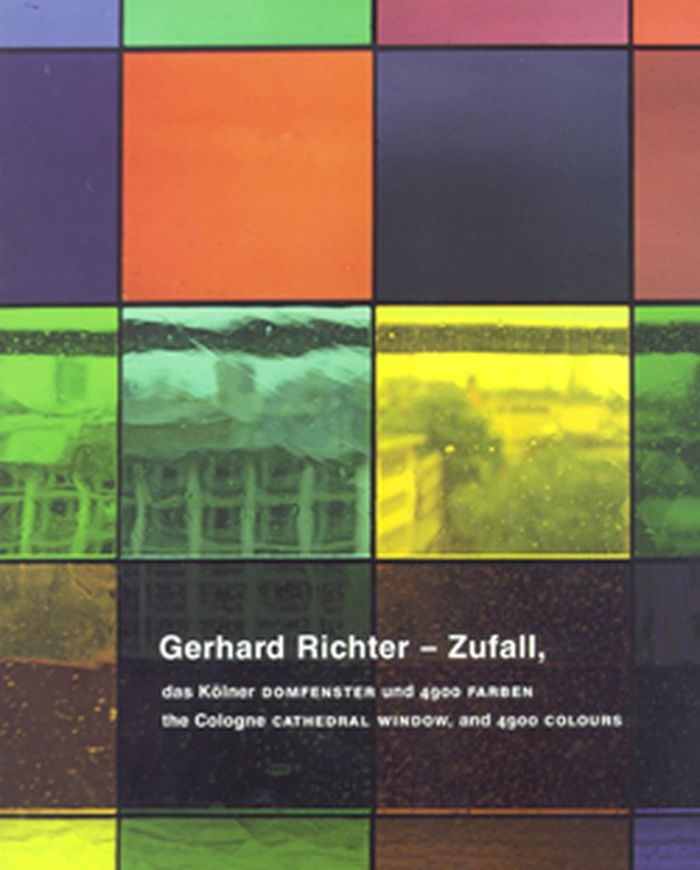
This volume documents Gerhard Richter's 65-foot-tall, abstract, stained-glass window for Germany's historic Cologne Cathedral, the original of which was destroyed by bombs in World War II, and thereafter replaced with clear glass. Composed of more than 11,000 four-inch squares, or "pixels," in 72 colors, the window is based on Richter's 1974 painting, "4096 Colors," a(...)
$63.00
(disponible en magasin)
Résumé:
This volume documents Gerhard Richter's 65-foot-tall, abstract, stained-glass window for Germany's historic Cologne Cathedral, the original of which was destroyed by bombs in World War II, and thereafter replaced with clear glass. Composed of more than 11,000 four-inch squares, or "pixels," in 72 colors, the window is based on Richter's 1974 painting, "4096 Colors," a(...)
Titre:
Gerhard Richter - Zufall, das Kölner Domfenster und 4900 farben the cologne cathedral window, and 4900 colours
Actions:
Prix:
$63.00
(disponible en magasin)
Résumé:
This volume documents Gerhard Richter's 65-foot-tall, abstract, stained-glass window for Germany's historic Cologne Cathedral, the original of which was destroyed by bombs in World War II, and thereafter replaced with clear glass. Composed of more than 11,000 four-inch squares, or "pixels," in 72 colors, the window is based on Richter's 1974 painting, "4096 Colors," a grid of monochromatic squares 64 tall and 64 wide (for a total of 4096 squares) which was organized and designed according to a mathematical formula that systematically mixed red, yellow, blue and gray. Photographs of the work are accompanied by three essays which integrate this important work into the context of Richter's oeuvre, and shed light on the principle of randomness on which it is based. Gerhard Richter was born in Dresden and escaped to West Germany in 1961. He has lived and worked in Cologne, where he was made an honorary citizen last year, since the early 1980s.
Gerhard Richter - Zufall, das Kölner Domfenster und 4900 farben the cologne cathedral window, and 4900 colours
Actions:
Prix:
$63.00
(disponible en magasin)
Résumé:
This volume documents Gerhard Richter's 65-foot-tall, abstract, stained-glass window for Germany's historic Cologne Cathedral, the original of which was destroyed by bombs in World War II, and thereafter replaced with clear glass. Composed of more than 11,000 four-inch squares, or "pixels," in 72 colors, the window is based on Richter's 1974 painting, "4096 Colors," a grid of monochromatic squares 64 tall and 64 wide (for a total of 4096 squares) which was organized and designed according to a mathematical formula that systematically mixed red, yellow, blue and gray. Photographs of the work are accompanied by three essays which integrate this important work into the context of Richter's oeuvre, and shed light on the principle of randomness on which it is based. Gerhard Richter was born in Dresden and escaped to West Germany in 1961. He has lived and worked in Cologne, where he was made an honorary citizen last year, since the early 1980s.
Classification:
livres
livres
Publication:
février 2008, Köln
février 2008, Köln
Classification:
livres
livres
Actions:
Prix:
$75.00
(disponible sur commande)
Résumé:
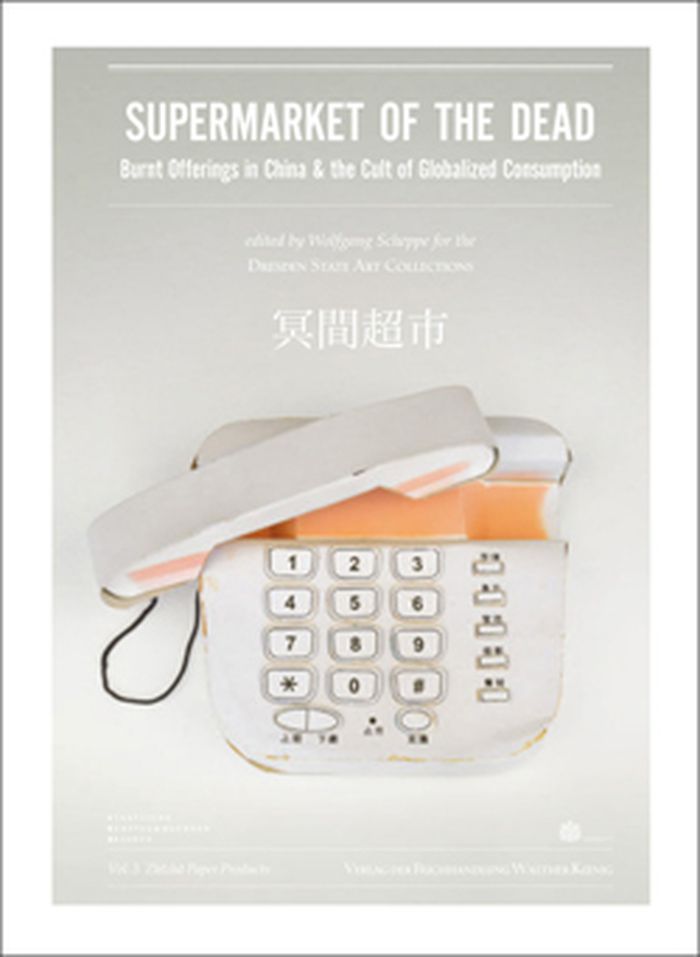
Three volume exhibition catalogue of exhibition titled 'Supermarket of the dead' at the Dresden State Art Museum in 2015. One of the most ancient forms of Chinese spirituality proves to be a living tradition, still widely practised everywhere in Chinese culture. Paper replicas of money and goods are ritually burned as offerings to win the favour of ancestors, gods and(...)
$75.00
(disponible sur commande)
Résumé:
Three volume exhibition catalogue of exhibition titled 'Supermarket of the dead' at the Dresden State Art Museum in 2015. One of the most ancient forms of Chinese spirituality proves to be a living tradition, still widely practised everywhere in Chinese culture. Paper replicas of money and goods are ritually burned as offerings to win the favour of ancestors, gods and(...)
Publication:
juillet 2015
juillet 2015
Titre:
Supermarket of the dead: burnt offerings in China an dthe cultu of globalised consumption
Actions:
Prix:
$75.00
(disponible sur commande)
Résumé:
Three volume exhibition catalogue of exhibition titled 'Supermarket of the dead' at the Dresden State Art Museum in 2015. One of the most ancient forms of Chinese spirituality proves to be a living tradition, still widely practised everywhere in Chinese culture. Paper replicas of money and goods are ritually burned as offerings to win the favour of ancestors, gods and spirits. These paper models have recently undergone a kind of transformation, in which imi-tations of traditional objects have been superseded by replicas of consumer goods found in western shopping habits. An alter-native world made of paper, encompassing all today’s globalised brand consumption fetishes, Gucci bags, Prada shoes, mobile phones, Apple computers and even Heineken beer cans and life-size cars, is committed to the flames as a tribute to the ancestors. This three part catalog offers a glimpse of the exhibition and includes a volume of essays to accompany the works.
Supermarket of the dead: burnt offerings in China an dthe cultu of globalised consumption
Actions:
Prix:
$75.00
(disponible sur commande)
Résumé:
Three volume exhibition catalogue of exhibition titled 'Supermarket of the dead' at the Dresden State Art Museum in 2015. One of the most ancient forms of Chinese spirituality proves to be a living tradition, still widely practised everywhere in Chinese culture. Paper replicas of money and goods are ritually burned as offerings to win the favour of ancestors, gods and spirits. These paper models have recently undergone a kind of transformation, in which imi-tations of traditional objects have been superseded by replicas of consumer goods found in western shopping habits. An alter-native world made of paper, encompassing all today’s globalised brand consumption fetishes, Gucci bags, Prada shoes, mobile phones, Apple computers and even Heineken beer cans and life-size cars, is committed to the flames as a tribute to the ancestors. This three part catalog offers a glimpse of the exhibition and includes a volume of essays to accompany the works.
Classification:
livres
livres
Publication:
juillet 2015
juillet 2015
Classification:
livres
livres
Prix:
$72.50
(disponible en magasin)
Résumé:
This publication introduces the untold story of German artist and poet Anneliese Hager. Active from the 1930s to the 1960s, Hager began her photographic experimentation in Germany during the Nazi censure of modern art. Her preferred medium was the cameraless photograph, or photogram—an image made by placing objects directly on (or in close proximity to) a light-sensitive(...)
$72.50
(disponible en magasin)
Résumé:
This publication introduces the untold story of German artist and poet Anneliese Hager. Active from the 1930s to the 1960s, Hager began her photographic experimentation in Germany during the Nazi censure of modern art. Her preferred medium was the cameraless photograph, or photogram—an image made by placing objects directly on (or in close proximity to) a light-sensitive(...)
Titre:
White shadows: Anneliese Hager and the camera-less photograph
Actions:
Prix:
$72.50
(disponible en magasin)
Résumé:
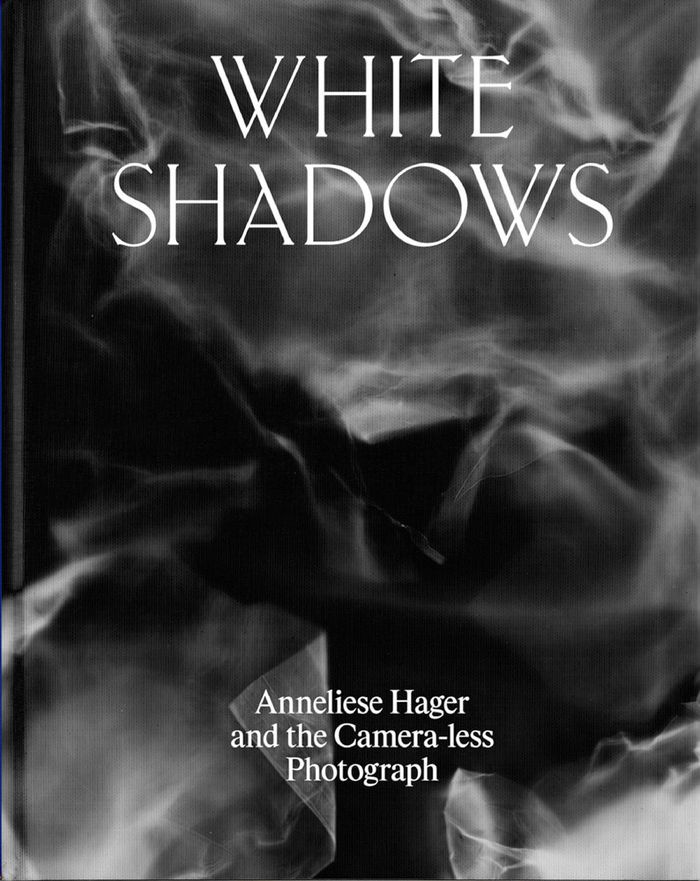
This publication introduces the untold story of German artist and poet Anneliese Hager. Active from the 1930s to the 1960s, Hager began her photographic experimentation in Germany during the Nazi censure of modern art. Her preferred medium was the cameraless photograph, or photogram—an image made by placing objects directly on (or in close proximity to) a light-sensitive surface and exposing the assembled material to light. In its final form, a photogram is a one-of-a-kind work that reverses light and dark: the longer the paper is covered, and hence unexposed, the brighter the covered parts will be, and vice versa. Hager called these bright areas "white shadows." Hager’s photograms offer a more inclusive history of the medium, synthesizing the technique’s 20th-century avant-garde trajectory (best known in the work of László Moholy-Nagy and Man Ray) and its 19th-century prehistories in the realm of science and in practices such as the making of silhouettes, collage and textile arts—pursuits often coded feminine. In 1945, all Hager’s existing artwork was destroyed in the bombing of Dresden during World War II. This book offers an unprecedented reconstruction of her development and postwar creation of otherworldly, Surrealist visions in photograms and poems, a selection of which appear here in English for the first time. For Hager, the photogram was significant for its provocative tonal inversions and surprising chance effects, but also for what emerges from the dark.
White shadows: Anneliese Hager and the camera-less photograph
Actions:
Prix:
$72.50
(disponible en magasin)
Résumé:
This publication introduces the untold story of German artist and poet Anneliese Hager. Active from the 1930s to the 1960s, Hager began her photographic experimentation in Germany during the Nazi censure of modern art. Her preferred medium was the cameraless photograph, or photogram—an image made by placing objects directly on (or in close proximity to) a light-sensitive surface and exposing the assembled material to light. In its final form, a photogram is a one-of-a-kind work that reverses light and dark: the longer the paper is covered, and hence unexposed, the brighter the covered parts will be, and vice versa. Hager called these bright areas "white shadows." Hager’s photograms offer a more inclusive history of the medium, synthesizing the technique’s 20th-century avant-garde trajectory (best known in the work of László Moholy-Nagy and Man Ray) and its 19th-century prehistories in the realm of science and in practices such as the making of silhouettes, collage and textile arts—pursuits often coded feminine. In 1945, all Hager’s existing artwork was destroyed in the bombing of Dresden during World War II. This book offers an unprecedented reconstruction of her development and postwar creation of otherworldly, Surrealist visions in photograms and poems, a selection of which appear here in English for the first time. For Hager, the photogram was significant for its provocative tonal inversions and surprising chance effects, but also for what emerges from the dark.
Classification:
livres
livres
Publication:
novembre 2023
novembre 2023
Sujet:
Monographies photo
Monographies photo


