


6673 Résultats
Classification:
livres
livres
Actions:
Prix:
$35.00
(disponible sur commande)
Résumé:
Lotte Reiniger (1899–1981) is a much loved figure in the early history of animated film. At an early age Reiniger discovered the Chinese art of silhouette puppetry, and made her first silhouettes for a school performance. Growing up during the early years of cinema, she fell in love with the films of Georges Méliès and Paul Wegener, and found imaginative ways to adapt the(...)
$35.00
(disponible sur commande)
Résumé:
Lotte Reiniger (1899–1981) is a much loved figure in the early history of animated film. At an early age Reiniger discovered the Chinese art of silhouette puppetry, and made her first silhouettes for a school performance. Growing up during the early years of cinema, she fell in love with the films of Georges Méliès and Paul Wegener, and found imaginative ways to adapt the(...)
Publication:
mars 2012
mars 2012
Titre:
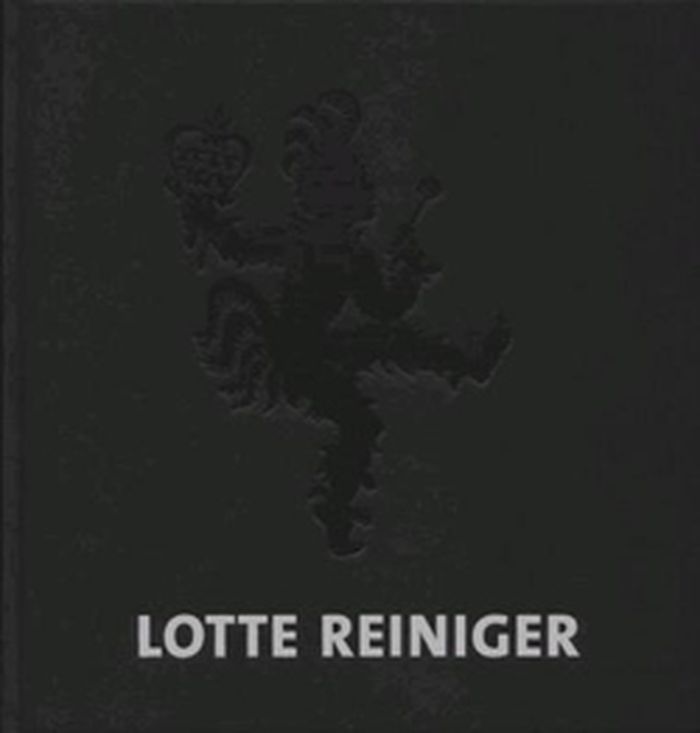
Lotte Reiniger: born with enchanting hands, three silhouette sequels
Actions:
Prix:
$35.00
(disponible sur commande)
Résumé:
Lotte Reiniger (1899–1981) is a much loved figure in the early history of animated film. At an early age Reiniger discovered the Chinese art of silhouette puppetry, and made her first silhouettes for a school performance. Growing up during the early years of cinema, she fell in love with the films of Georges Méliès and Paul Wegener, and found imaginative ways to adapt the craft of silhouette-making and shadow puppetry to the possibilities of animation. Reiniger elicited effects of motion from the inflexibility of silhouettes, and even introduced cultural quotations from the works of Charlie Chaplin or Josephine Baker into her magical films. This book reproduces three of her most beautiful silhouette series: versions of Mozart’s Magic Flute and The Marriage of Figaro, and an animal alphabet.
Lotte Reiniger: born with enchanting hands, three silhouette sequels
Actions:
Prix:
$35.00
(disponible sur commande)
Résumé:
Lotte Reiniger (1899–1981) is a much loved figure in the early history of animated film. At an early age Reiniger discovered the Chinese art of silhouette puppetry, and made her first silhouettes for a school performance. Growing up during the early years of cinema, she fell in love with the films of Georges Méliès and Paul Wegener, and found imaginative ways to adapt the craft of silhouette-making and shadow puppetry to the possibilities of animation. Reiniger elicited effects of motion from the inflexibility of silhouettes, and even introduced cultural quotations from the works of Charlie Chaplin or Josephine Baker into her magical films. This book reproduces three of her most beautiful silhouette series: versions of Mozart’s Magic Flute and The Marriage of Figaro, and an animal alphabet.
Classification:
livres
livres
Publication:
mars 2012
mars 2012
Classification:
livres
livres
Actions:
Prix:
$62.50
(disponible sur commande)
Résumé:
Kolo Moser was one of the most important universal artists in fin-de-siècle Vienna and is one of the leading representatives of Art Nouveau. His oeuvre includes painting, graphics, and crafts, as well as designs for fashion, lighting, and furniture, stage decoration, stained glass windows, book illustrations, and even banknotes. Blazing a trail for the art of his age, he(...)
$62.50
(disponible sur commande)
Résumé:
Kolo Moser was one of the most important universal artists in fin-de-siècle Vienna and is one of the leading representatives of Art Nouveau. His oeuvre includes painting, graphics, and crafts, as well as designs for fashion, lighting, and furniture, stage decoration, stained glass windows, book illustrations, and even banknotes. Blazing a trail for the art of his age, he(...)
Titre:
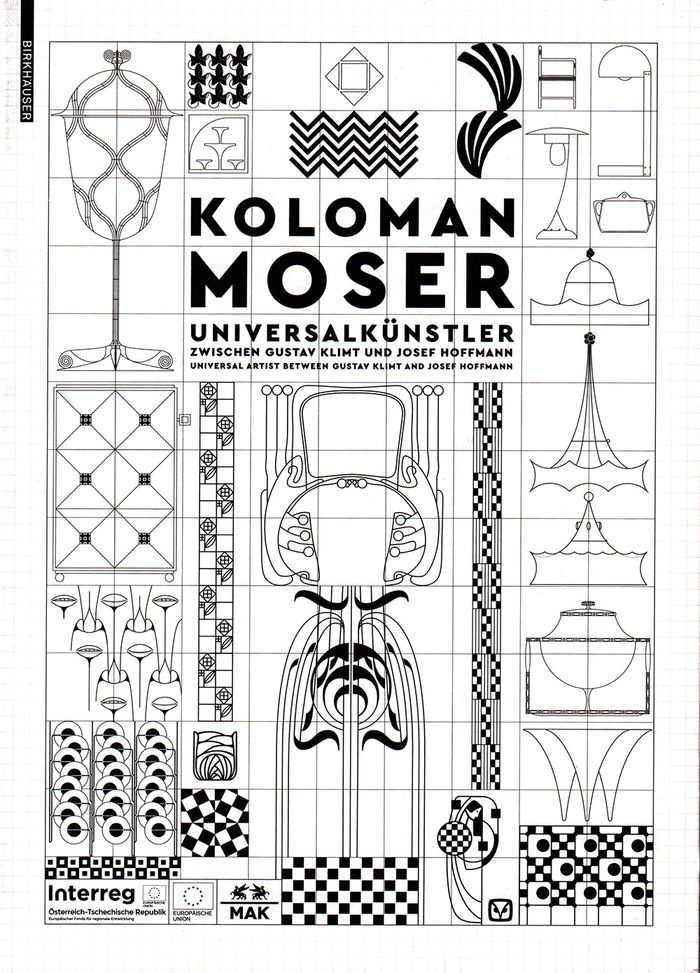
Koloman Moser: universal artist between Gustav Klimt and Josef Hoffmann
Actions:
Prix:
$62.50
(disponible sur commande)
Résumé:
Kolo Moser was one of the most important universal artists in fin-de-siècle Vienna and is one of the leading representatives of Art Nouveau. His oeuvre includes painting, graphics, and crafts, as well as designs for fashion, lighting, and furniture, stage decoration, stained glass windows, book illustrations, and even banknotes. Blazing a trail for the art of his age, he was a founding member of the Vienna Secession and, together with the architect Josef Hoffmann and the industrialist Fritz Wärndorfer, he established the Wiener Werkstätte in 1903. The objective of this collective of fine artists was to realize the Gesamtkunstwerk or total work of art at the highest caliber of arts and crafts. Some 400 objects, presented systematically and explained with essays, open up a new perspective on his impressive oeuvre.
Koloman Moser: universal artist between Gustav Klimt and Josef Hoffmann
Actions:
Prix:
$62.50
(disponible sur commande)
Résumé:
Kolo Moser was one of the most important universal artists in fin-de-siècle Vienna and is one of the leading representatives of Art Nouveau. His oeuvre includes painting, graphics, and crafts, as well as designs for fashion, lighting, and furniture, stage decoration, stained glass windows, book illustrations, and even banknotes. Blazing a trail for the art of his age, he was a founding member of the Vienna Secession and, together with the architect Josef Hoffmann and the industrialist Fritz Wärndorfer, he established the Wiener Werkstätte in 1903. The objective of this collective of fine artists was to realize the Gesamtkunstwerk or total work of art at the highest caliber of arts and crafts. Some 400 objects, presented systematically and explained with essays, open up a new perspective on his impressive oeuvre.
Classification:
livres
livres
Publication:
janvier 2019
janvier 2019
Sujet:
Design, monographies
Design, monographies
Classification:
livres
livres
Titre:
Uchronia: designing time
Uchronia: designing time
Actions:
Prix:
$64.00
(disponible sur commande)
Résumé:
This book critically investigates our contemporary time crisis. The transformation of society from an agrarian to an industrial, and finally an urbanized way of living and working has created a fundamental change in our understanding of time: a 24/7 mentality. The move from natural time to the digital age leads to a fragmentation of time that deeply affects our daily(...)
$64.00
(disponible sur commande)
Résumé:
This book critically investigates our contemporary time crisis. The transformation of society from an agrarian to an industrial, and finally an urbanized way of living and working has created a fundamental change in our understanding of time: a 24/7 mentality. The move from natural time to the digital age leads to a fragmentation of time that deeply affects our daily(...)
Titre:
Uchronia: designing time
Actions:
Prix:
$64.00
(disponible sur commande)
Résumé:
This book critically investigates our contemporary time crisis. The transformation of society from an agrarian to an industrial, and finally an urbanized way of living and working has created a fundamental change in our understanding of time: a 24/7 mentality. The move from natural time to the digital age leads to a fragmentation of time that deeply affects our daily biological and social rhythm. We need a new approach to time to overcome our temporal system of clocks and calendars. This book investigates a new perception of time by exploring the concept of uchronia, a term derived from the Greek u-topos and meaning 'no time' or 'non-time'. Uchronia is a way of questioning, speculating on and designing new kinds of temporal systems that are more about being in tune than on time.
Uchronia: designing time
Actions:
Prix:
$64.00
(disponible sur commande)
Résumé:
This book critically investigates our contemporary time crisis. The transformation of society from an agrarian to an industrial, and finally an urbanized way of living and working has created a fundamental change in our understanding of time: a 24/7 mentality. The move from natural time to the digital age leads to a fragmentation of time that deeply affects our daily biological and social rhythm. We need a new approach to time to overcome our temporal system of clocks and calendars. This book investigates a new perception of time by exploring the concept of uchronia, a term derived from the Greek u-topos and meaning 'no time' or 'non-time'. Uchronia is a way of questioning, speculating on and designing new kinds of temporal systems that are more about being in tune than on time.
Classification:
livres
livres
Publication:
janvier 2020
janvier 2020
Sujet:
Théorie du design
Théorie du design
Classification:
livres
livres

Actions:
Prix:
$49.95
(disponible en magasin)
Résumé:
Shaping the Great City looks at modern architecture and the city in a vast geographical area over nearly fifty years of tumultuous social and political change, bringing to light architectural developments that are only now emerging as subjects for international inquiry. How did modern architecture construct “meaning” in relation to the complex cultural traditions,(...)
$49.95
(disponible en magasin)
Résumé:
Shaping the Great City looks at modern architecture and the city in a vast geographical area over nearly fifty years of tumultuous social and political change, bringing to light architectural developments that are only now emerging as subjects for international inquiry. How did modern architecture construct “meaning” in relation to the complex cultural traditions,(...)
Titre:
Shaping the great city: modern architecture in central Europe, 1890-1937
Actions:
Prix:
$49.95
(disponible en magasin)
Résumé:
Shaping the Great City looks at modern architecture and the city in a vast geographical area over nearly fifty years of tumultuous social and political change, bringing to light architectural developments that are only now emerging as subjects for international inquiry. How did modern architecture construct “meaning” in relation to the complex cultural traditions, conflicting political agendas, and historical narratives of modernizing urban society in the cities of central Europe? What role did the cities themselves—as the principal arenas of public culture in the multinational, polyethnic, and pluricultural Hapsburg Empire, then in the successor republics—play in the evolution of modern architectural culture? These questions remain pertinent to the current relationship between cities and the increasingly diverse cultures within them, and to the role of the great city today in the age of globalization.
Shaping the great city: modern architecture in central Europe, 1890-1937
Actions:
Prix:
$49.95
(disponible en magasin)
Résumé:
Shaping the Great City looks at modern architecture and the city in a vast geographical area over nearly fifty years of tumultuous social and political change, bringing to light architectural developments that are only now emerging as subjects for international inquiry. How did modern architecture construct “meaning” in relation to the complex cultural traditions, conflicting political agendas, and historical narratives of modernizing urban society in the cities of central Europe? What role did the cities themselves—as the principal arenas of public culture in the multinational, polyethnic, and pluricultural Hapsburg Empire, then in the successor republics—play in the evolution of modern architectural culture? These questions remain pertinent to the current relationship between cities and the increasingly diverse cultures within them, and to the role of the great city today in the age of globalization.
Classification:
livres
livres
Publication:
mars 2000, Montréal/Munich
mars 2000, Montréal/Munich
Sujet:
Publications du CCA
Publications du CCA
Classification:
livres
livres
Actions:
Prix:
$95.00
(disponible en magasin)
Résumé:
Shaping the Great City looks at modern architecture and the city in a vast geographical area over nearly fifty years of tumultuous social and political change, bringing to light architectural developments that are only now emerging as subjects for international inquiry. How did modern architecture construct “meaning” in relation to the complex cultural traditions,(...)
$95.00
(disponible en magasin)
Résumé:
Shaping the Great City looks at modern architecture and the city in a vast geographical area over nearly fifty years of tumultuous social and political change, bringing to light architectural developments that are only now emerging as subjects for international inquiry. How did modern architecture construct “meaning” in relation to the complex cultural traditions,(...)
Titre:
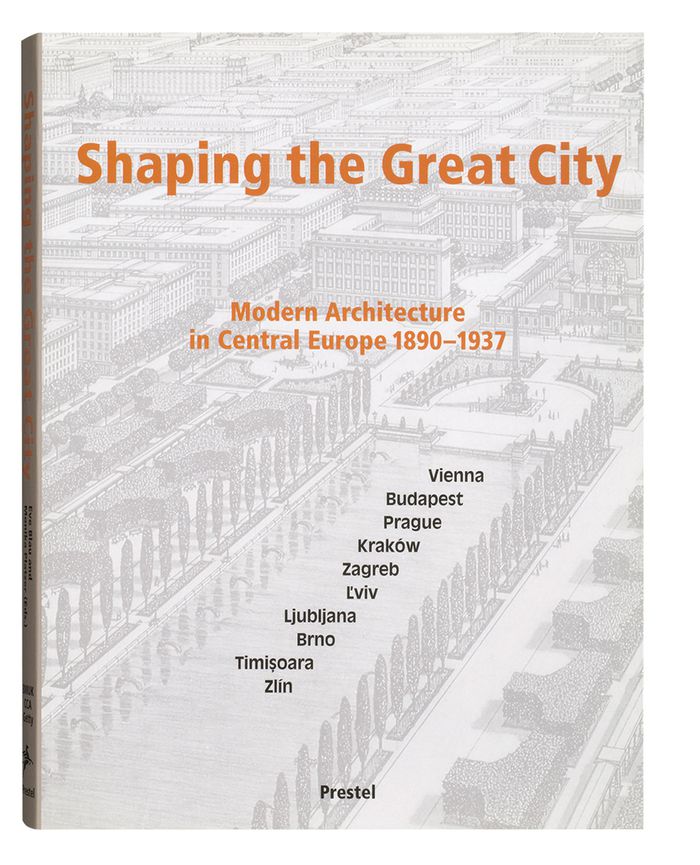
Shaping the great city: modern architecture in central Europe, 1890-1937
Actions:
Prix:
$95.00
(disponible en magasin)
Résumé:
Shaping the Great City looks at modern architecture and the city in a vast geographical area over nearly fifty years of tumultuous social and political change, bringing to light architectural developments that are only now emerging as subjects for international inquiry. How did modern architecture construct “meaning” in relation to the complex cultural traditions, conflicting political agendas, and historical narratives of modernizing urban society in the cities of central Europe? What role did the cities themselves—as the principal arenas of public culture in the multinational, polyethnic, and pluricultural Hapsburg Empire, then in the successor republics—play in the evolution of modern architectural culture? These questions remain pertinent to the current relationship between cities and the increasingly diverse cultures within them, and to the role of the great city today in the age of globalization.
Shaping the great city: modern architecture in central Europe, 1890-1937
Actions:
Prix:
$95.00
(disponible en magasin)
Résumé:
Shaping the Great City looks at modern architecture and the city in a vast geographical area over nearly fifty years of tumultuous social and political change, bringing to light architectural developments that are only now emerging as subjects for international inquiry. How did modern architecture construct “meaning” in relation to the complex cultural traditions, conflicting political agendas, and historical narratives of modernizing urban society in the cities of central Europe? What role did the cities themselves—as the principal arenas of public culture in the multinational, polyethnic, and pluricultural Hapsburg Empire, then in the successor republics—play in the evolution of modern architectural culture? These questions remain pertinent to the current relationship between cities and the increasingly diverse cultures within them, and to the role of the great city today in the age of globalization.
Classification:
livres
livres
Publication:
janvier 2000
janvier 2000
Sujet:
Publications du CCA
Publications du CCA
Classification:
livres
livres

Actions:
Prix:
$72.00
(disponible sur commande)
Résumé:
Beatrix Farrand: Private Gardens, Public Landscapes presents the life and work of one of the foremost landscape designers of the early 1900s. Born into a prominent New York family (she was the niece of Edith Wharton), Farrand eschewed the traditional social life of the Gilded Age to pursue her passion for landscape and plants. Many of her clients were members of the(...)
$72.00
(disponible sur commande)
Résumé:
Beatrix Farrand: Private Gardens, Public Landscapes presents the life and work of one of the foremost landscape designers of the early 1900s. Born into a prominent New York family (she was the niece of Edith Wharton), Farrand eschewed the traditional social life of the Gilded Age to pursue her passion for landscape and plants. Many of her clients were members of the(...)
Titre:
Beatrix Farrand: private gardens, public landscape
Actions:
Prix:
$72.00
(disponible sur commande)
Résumé:
Beatrix Farrand: Private Gardens, Public Landscapes presents the life and work of one of the foremost landscape designers of the early 1900s. Born into a prominent New York family (she was the niece of Edith Wharton), Farrand eschewed the traditional social life of the Gilded Age to pursue her passion for landscape and plants. Many of her clients were members of the highest echelon of society with estates in Newport, the Berkshires, and Maine, but Farrand ultimately became a consultant for university campuses, including Yale and Princeton, and for public gardens, including the Santa Barbara Botanic Garden and the Rose Garden at The New York Botanical Garden. Perhaps her best-known work is the extensive garden at Dumbarton Oaks, originally a private residence and now a research institute of Harvard University.
Beatrix Farrand: private gardens, public landscape
Actions:
Prix:
$72.00
(disponible sur commande)
Résumé:
Beatrix Farrand: Private Gardens, Public Landscapes presents the life and work of one of the foremost landscape designers of the early 1900s. Born into a prominent New York family (she was the niece of Edith Wharton), Farrand eschewed the traditional social life of the Gilded Age to pursue her passion for landscape and plants. Many of her clients were members of the highest echelon of society with estates in Newport, the Berkshires, and Maine, but Farrand ultimately became a consultant for university campuses, including Yale and Princeton, and for public gardens, including the Santa Barbara Botanic Garden and the Rose Garden at The New York Botanical Garden. Perhaps her best-known work is the extensive garden at Dumbarton Oaks, originally a private residence and now a research institute of Harvard University.
Classification:
livres
livres
Publication:
septembre 2009
septembre 2009
Classification:
livres
livres
Actions:
Prix:
$75.00
(disponible sur commande)
Résumé:
An eye-opening book about the 1980s New York art scene, its far-reaching effects on contemporary art, and the rise of some of the biggest names in the art world today. This groundbreaking book, accompanying a major exhibition at the Hirshhorn, tells the story of the evolution of New York’s downtown art scene in the 1980s—from a DIY counterculture in the East Village to a(...)
$75.00
(disponible sur commande)
Résumé:
An eye-opening book about the 1980s New York art scene, its far-reaching effects on contemporary art, and the rise of some of the biggest names in the art world today. This groundbreaking book, accompanying a major exhibition at the Hirshhorn, tells the story of the evolution of New York’s downtown art scene in the 1980s—from a DIY counterculture in the East Village to a(...)
Titre:
Brand new: art and commodity in the 1980s
Actions:
Prix:
$75.00
(disponible sur commande)
Résumé:
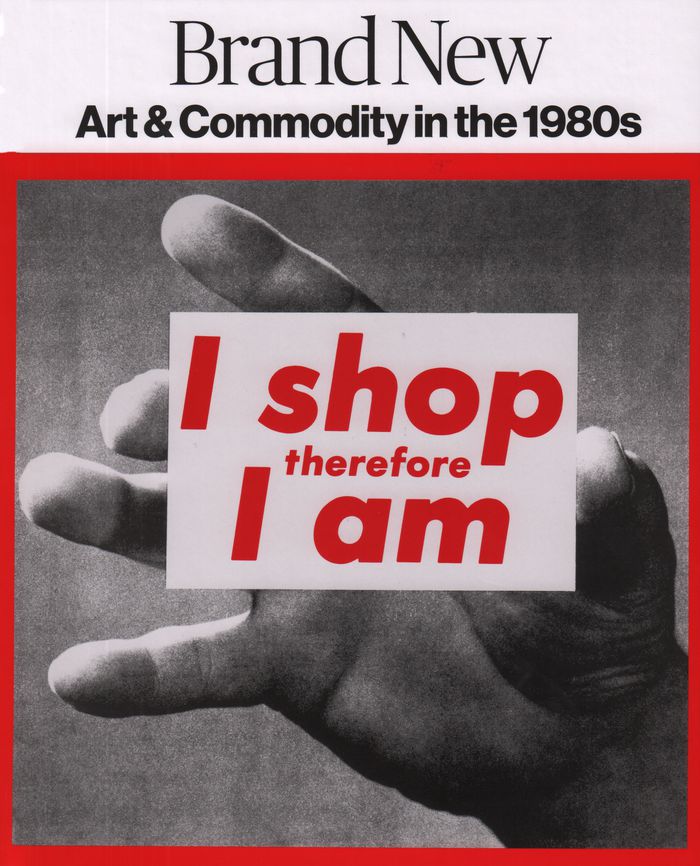
An eye-opening book about the 1980s New York art scene, its far-reaching effects on contemporary art, and the rise of some of the biggest names in the art world today. This groundbreaking book, accompanying a major exhibition at the Hirshhorn, tells the story of the evolution of New York’s downtown art scene in the 1980s—from a DIY counterculture in the East Village to a legitimate gallery business in SoHo. Coinciding with the rise of modern branding and the onset of the information age, artists’ focus on commodities and consumerism began as satire but came to be much more complex: commodities and associated phenomena, such as advertising, now served as vessels for ideas, politics, and personal relationships in “brand-new” types of painting, sculpture, photography, installation, and performance.
Brand new: art and commodity in the 1980s
Actions:
Prix:
$75.00
(disponible sur commande)
Résumé:
An eye-opening book about the 1980s New York art scene, its far-reaching effects on contemporary art, and the rise of some of the biggest names in the art world today. This groundbreaking book, accompanying a major exhibition at the Hirshhorn, tells the story of the evolution of New York’s downtown art scene in the 1980s—from a DIY counterculture in the East Village to a legitimate gallery business in SoHo. Coinciding with the rise of modern branding and the onset of the information age, artists’ focus on commodities and consumerism began as satire but came to be much more complex: commodities and associated phenomena, such as advertising, now served as vessels for ideas, politics, and personal relationships in “brand-new” types of painting, sculpture, photography, installation, and performance.
Classification:
livres
livres
Publication:
février 2018
février 2018
Classification:
livres
livres
Actions:
Prix:
$86.00
(disponible sur commande)
Résumé:
Anna Atkins (1799-1871) came of age in Victorian England, a particularly fertile environment for learning and scientific discovery. Guided by her father, a prominent scientist, Atkins was inspired by William Henry Fox Talbot to take up photography and was friends with Sir John Herschel, who invented the cyanotype photographic process in 1842. The next year, Atkins began(...)
$86.00
(disponible sur commande)
Résumé:
Anna Atkins (1799-1871) came of age in Victorian England, a particularly fertile environment for learning and scientific discovery. Guided by her father, a prominent scientist, Atkins was inspired by William Henry Fox Talbot to take up photography and was friends with Sir John Herschel, who invented the cyanotype photographic process in 1842. The next year, Atkins began(...)
Titre:
Sun gardens: cyanotypes of Anna Atkins
Actions:
Prix:
$86.00
(disponible sur commande)
Résumé:
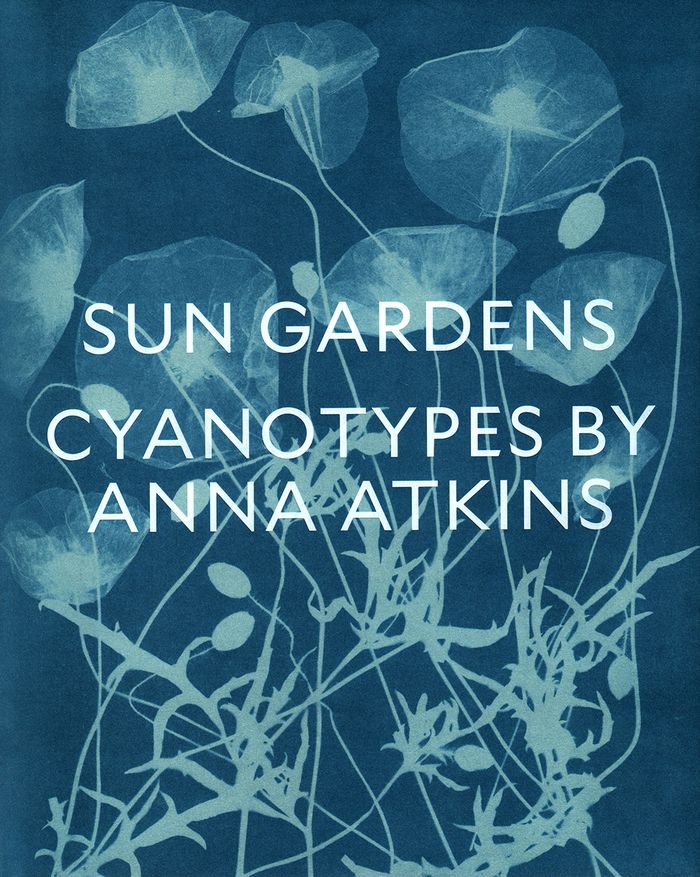
Anna Atkins (1799-1871) came of age in Victorian England, a particularly fertile environment for learning and scientific discovery. Guided by her father, a prominent scientist, Atkins was inspired by William Henry Fox Talbot to take up photography and was friends with Sir John Herschel, who invented the cyanotype photographic process in 1842. The next year, Atkins began making cyanotypes in an effort to illustrate and distribute information about her herbarium. The result was "Photographs of British Algae: Cyanotype Impressions", the first book to be illustrated with photographs. A decade later, she and her friend Anne Dixon expanded their visual inquiry to flowering plants, feathers, and other subjects. This volume is a revised and expanded edition of a long out-of-print monograph that first secured Atkins's place in the history of photography.
Sun gardens: cyanotypes of Anna Atkins
Actions:
Prix:
$86.00
(disponible sur commande)
Résumé:
Anna Atkins (1799-1871) came of age in Victorian England, a particularly fertile environment for learning and scientific discovery. Guided by her father, a prominent scientist, Atkins was inspired by William Henry Fox Talbot to take up photography and was friends with Sir John Herschel, who invented the cyanotype photographic process in 1842. The next year, Atkins began making cyanotypes in an effort to illustrate and distribute information about her herbarium. The result was "Photographs of British Algae: Cyanotype Impressions", the first book to be illustrated with photographs. A decade later, she and her friend Anne Dixon expanded their visual inquiry to flowering plants, feathers, and other subjects. This volume is a revised and expanded edition of a long out-of-print monograph that first secured Atkins's place in the history of photography.
Classification:
livres
livres
Publication:
novembre 2018
novembre 2018
Sujet:
Monographies photo
Monographies photo
Classification:
livres
livres
Titre:
Synthetic: how life got made
Synthetic: how life got made
Actions:
Prix:
$45.95
(disponible sur commande)
Résumé:
In "Synthetic: How Life Got Made", cultural anthropologist Sophia Roosth reveals how synthetic biologists make new living things in order to understand better how life works. The first book-length ethnographic study of this discipline, "Synthetic" documents the social, cultural, rhetorical, economic, and imaginative transformations biology has undergone in the(...)
$45.95
(disponible sur commande)
Résumé:
In "Synthetic: How Life Got Made", cultural anthropologist Sophia Roosth reveals how synthetic biologists make new living things in order to understand better how life works. The first book-length ethnographic study of this discipline, "Synthetic" documents the social, cultural, rhetorical, economic, and imaginative transformations biology has undergone in the(...)
Titre:
Synthetic: how life got made
Actions:
Prix:
$45.95
(disponible sur commande)
Résumé:
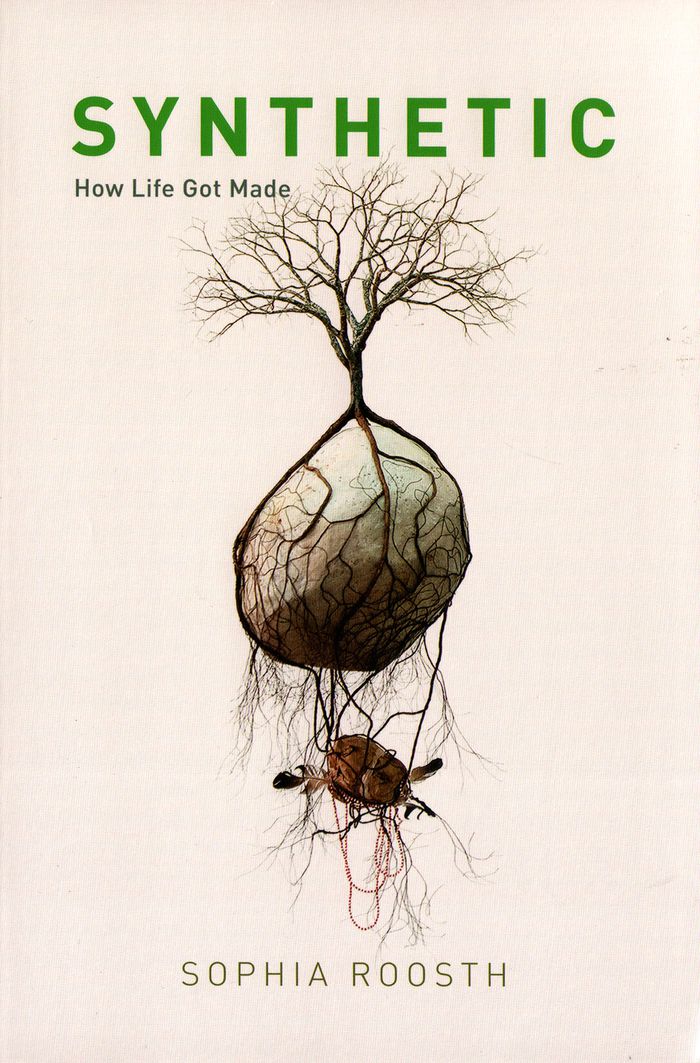
In "Synthetic: How Life Got Made", cultural anthropologist Sophia Roosth reveals how synthetic biologists make new living things in order to understand better how life works. The first book-length ethnographic study of this discipline, "Synthetic" documents the social, cultural, rhetorical, economic, and imaginative transformations biology has undergone in the post-genomic age. Roosth traces this new science from its origins at MIT to start-ups, laboratories, conferences, and hackers’ garages across the United States—even to contemporary efforts to resurrect extinct species. Her careful research reveals that rather than opening up a limitless new field, these biologists’ own experimental tactics circularly determine the biological features, theories, and limits they fasten upon. Exploring the life sciences emblematic of our time, "Synthetic" tells the origin story of the astonishing claim that biological making fosters biological knowing.
Synthetic: how life got made
Actions:
Prix:
$45.95
(disponible sur commande)
Résumé:
In "Synthetic: How Life Got Made", cultural anthropologist Sophia Roosth reveals how synthetic biologists make new living things in order to understand better how life works. The first book-length ethnographic study of this discipline, "Synthetic" documents the social, cultural, rhetorical, economic, and imaginative transformations biology has undergone in the post-genomic age. Roosth traces this new science from its origins at MIT to start-ups, laboratories, conferences, and hackers’ garages across the United States—even to contemporary efforts to resurrect extinct species. Her careful research reveals that rather than opening up a limitless new field, these biologists’ own experimental tactics circularly determine the biological features, theories, and limits they fasten upon. Exploring the life sciences emblematic of our time, "Synthetic" tells the origin story of the astonishing claim that biological making fosters biological knowing.
Classification:
livres
livres
Publication:
mars 2017
mars 2017
Classification:
livres
livres
Titre:
Computer
Computer
Actions:
Prix:
$29.99
(disponible sur commande)
Résumé:
Computer covers many issues ignored by other histories of computing, which have focused on technology and the design and promotion of computers and their general reception. Here, Atkinson chronicles the changes in physical design of the computer and shows how these changes in design are related to changes in popular attitude. Atkinson is fascinated by how the(...)
$29.99
(disponible sur commande)
Résumé:
Computer covers many issues ignored by other histories of computing, which have focused on technology and the design and promotion of computers and their general reception. Here, Atkinson chronicles the changes in physical design of the computer and shows how these changes in design are related to changes in popular attitude. Atkinson is fascinated by how the(...)
Titre:
Computer
Actions:
Prix:
$29.99
(disponible sur commande)
Résumé:
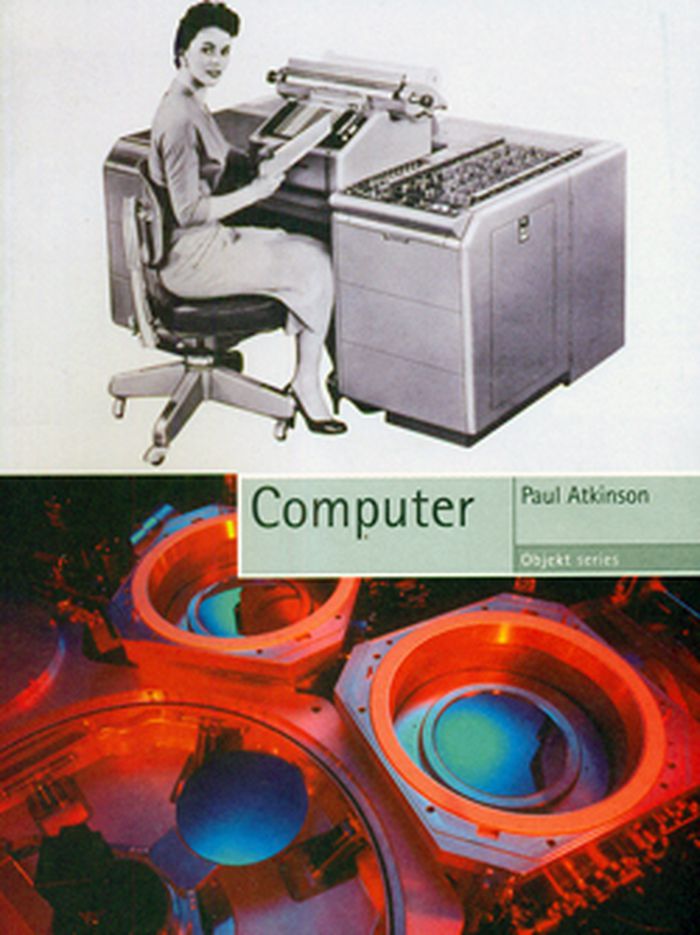
Computer covers many issues ignored by other histories of computing, which have focused on technology and the design and promotion of computers and their general reception. Here, Atkinson chronicles the changes in physical design of the computer and shows how these changes in design are related to changes in popular attitude. Atkinson is fascinated by how the computer has been represented and promoted in advertising. For example, in contrast to ads from the 1970s and ’80s, today’s PC is very PC—genderless, and largely status free. Computer also considers the role of the computer as a cultural touchstone, as evidenced by its regular appearance in popular culture, including the iconography of the space age, HAL from 2001: A Space Odyssey, James Bond’s gadgetry, and Stars War and Star Trek.
Computer
Actions:
Prix:
$29.99
(disponible sur commande)
Résumé:
Computer covers many issues ignored by other histories of computing, which have focused on technology and the design and promotion of computers and their general reception. Here, Atkinson chronicles the changes in physical design of the computer and shows how these changes in design are related to changes in popular attitude. Atkinson is fascinated by how the computer has been represented and promoted in advertising. For example, in contrast to ads from the 1970s and ’80s, today’s PC is very PC—genderless, and largely status free. Computer also considers the role of the computer as a cultural touchstone, as evidenced by its regular appearance in popular culture, including the iconography of the space age, HAL from 2001: A Space Odyssey, James Bond’s gadgetry, and Stars War and Star Trek.
Classification:
livres
livres
Publication:
juin 2010
juin 2010
Sujet:
Théorie du design
Théorie du design


