


36154 Résultats
Classification:
livres
livres
Actions:
Prix:
$67.95
(disponible sur commande)
Résumé:
In 1951, designer Greta Magnusson Grossman observed that California design was "not a superimposed style, but an answer to present conditions....It has developed out of our own preferences for living in a modern way."California design influenced the material culture of the entire country, in everything from architecture to fashion. This generously illustrated book, which(...)
$67.95
(disponible sur commande)
Résumé:
In 1951, designer Greta Magnusson Grossman observed that California design was "not a superimposed style, but an answer to present conditions....It has developed out of our own preferences for living in a modern way."California design influenced the material culture of the entire country, in everything from architecture to fashion. This generously illustrated book, which(...)
Titre:
Living in a modern way: California design 1930-1965
Actions:
Prix:
$67.95
(disponible sur commande)
Résumé:
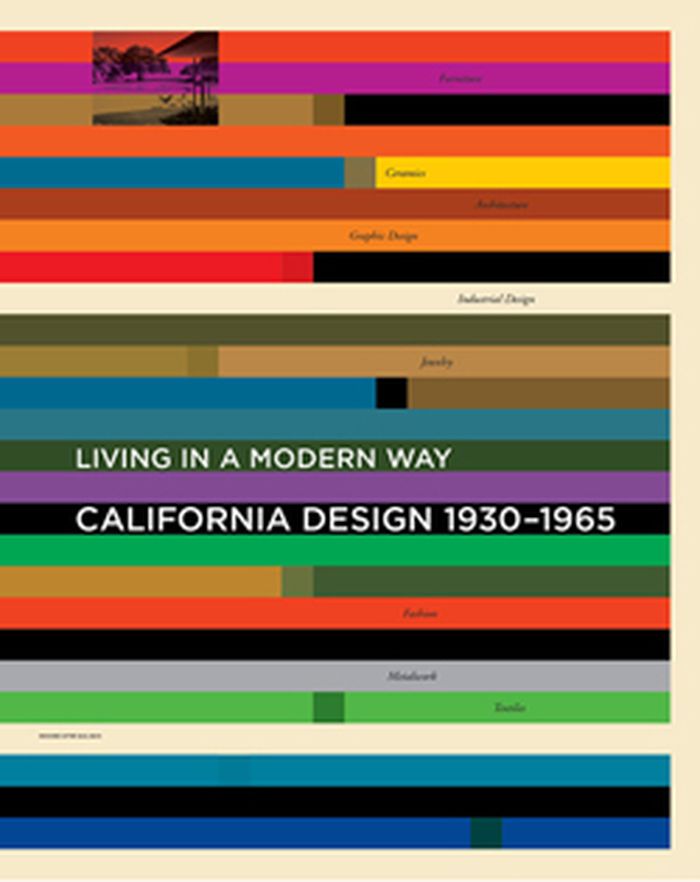
In 1951, designer Greta Magnusson Grossman observed that California design was "not a superimposed style, but an answer to present conditions....It has developed out of our own preferences for living in a modern way."California design influenced the material culture of the entire country, in everything from architecture to fashion. This generously illustrated book, which accompanies a major exhibition at the Los Angeles County Museum of Art, is the first comprehensive examination of California's mid-century modern design. It begins by tracing the origins of a distinctively California modernism in the 1930s by such European as Richard Neutra, Rudolph Schindler, and Kem Weber; it finds others pecific design influences and innovations in solid-color commercial ceramics, inspirations from Mexico and Asia, new schools for design training, new concepts about leisure, and the conversion of wartime technologies to peacetime use(exemplified by Charles and Ray Eames's plywood and fiberglass furniture).
Living in a modern way: California design 1930-1965
Actions:
Prix:
$67.95
(disponible sur commande)
Résumé:
In 1951, designer Greta Magnusson Grossman observed that California design was "not a superimposed style, but an answer to present conditions....It has developed out of our own preferences for living in a modern way."California design influenced the material culture of the entire country, in everything from architecture to fashion. This generously illustrated book, which accompanies a major exhibition at the Los Angeles County Museum of Art, is the first comprehensive examination of California's mid-century modern design. It begins by tracing the origins of a distinctively California modernism in the 1930s by such European as Richard Neutra, Rudolph Schindler, and Kem Weber; it finds others pecific design influences and innovations in solid-color commercial ceramics, inspirations from Mexico and Asia, new schools for design training, new concepts about leisure, and the conversion of wartime technologies to peacetime use(exemplified by Charles and Ray Eames's plywood and fiberglass furniture).
Classification:
livres
livres
Publication:
novembre 2011
novembre 2011
Sujet:
Design, époques et styles
Design, époques et styles
Classification:
livres
livres
Titre:
Education
Education
Actions:
Prix:
$27.95
(disponible sur commande)
Résumé:
This book will be a resource for all who believe in the importance of art in the wider educational realm. Framing the recent "educational turn" in the arts within a broad historical and social context, this anthology raises fundamental questions about how and what should be taught in an era of distributive rather than media-based practices. Among the many sources and(...)
$27.95
(disponible sur commande)
Résumé:
This book will be a resource for all who believe in the importance of art in the wider educational realm. Framing the recent "educational turn" in the arts within a broad historical and social context, this anthology raises fundamental questions about how and what should be taught in an era of distributive rather than media-based practices. Among the many sources and(...)
Titre:
Education
Actions:
Prix:
$27.95
(disponible sur commande)
Résumé:
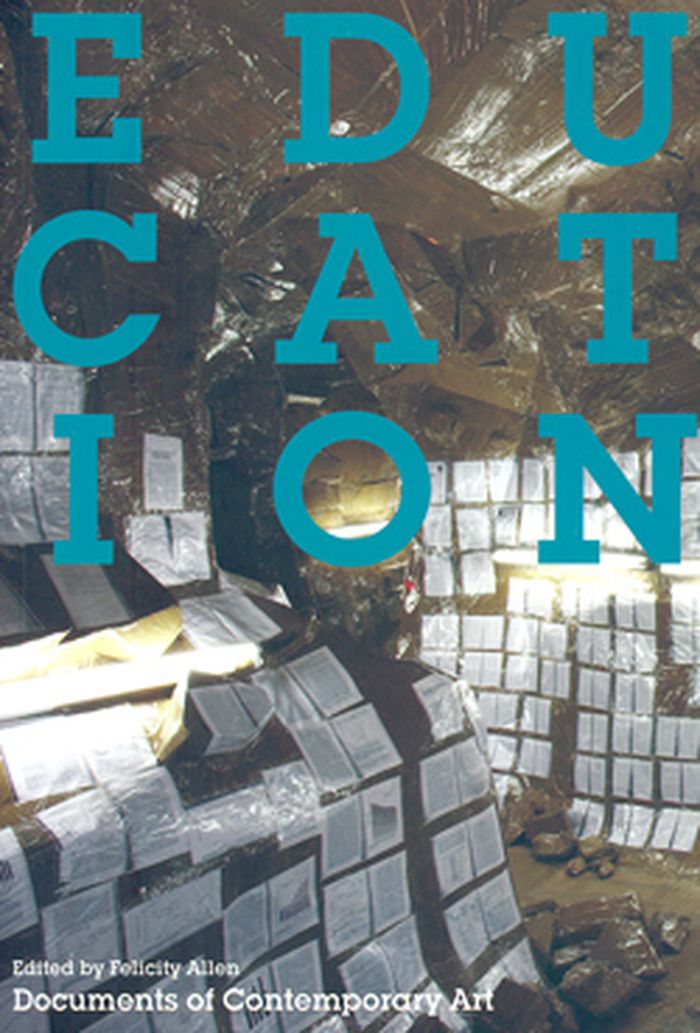
This book will be a resource for all who believe in the importance of art in the wider educational realm. Framing the recent "educational turn" in the arts within a broad historical and social context, this anthology raises fundamental questions about how and what should be taught in an era of distributive rather than media-based practices. Among the many sources and arguments traced here is second-wave feminism, which questioned dominant notions of personal and institutional freedom as enacted through art teaching and practice. Similarly, education-based responses by the art community to the catastrophes of World War II and postcolonial conflict critically inform contemporary art confronting the interrelationships of education, power, market capitalism, and--as Michael Hardt and Antonio Negri describe it--the global condition of war. These writings by artists, philosophers, educators, poets, and activists center on three recurring and interrelated themes: the notion of "indiscipline" in theories and practices that challenge boundaries of all kinds; the present and future role of the art school; and the turn to pedagogy as medium in a diverse range of recent projects. Other writings address such issues as instrumentalism and control, liberation and equality, the production and the politics of culture, and the roots of research-based practice and experimental participatory works.
Education
Actions:
Prix:
$27.95
(disponible sur commande)
Résumé:
This book will be a resource for all who believe in the importance of art in the wider educational realm. Framing the recent "educational turn" in the arts within a broad historical and social context, this anthology raises fundamental questions about how and what should be taught in an era of distributive rather than media-based practices. Among the many sources and arguments traced here is second-wave feminism, which questioned dominant notions of personal and institutional freedom as enacted through art teaching and practice. Similarly, education-based responses by the art community to the catastrophes of World War II and postcolonial conflict critically inform contemporary art confronting the interrelationships of education, power, market capitalism, and--as Michael Hardt and Antonio Negri describe it--the global condition of war. These writings by artists, philosophers, educators, poets, and activists center on three recurring and interrelated themes: the notion of "indiscipline" in theories and practices that challenge boundaries of all kinds; the present and future role of the art school; and the turn to pedagogy as medium in a diverse range of recent projects. Other writings address such issues as instrumentalism and control, liberation and equality, the production and the politics of culture, and the roots of research-based practice and experimental participatory works.
Classification:
livres
livres
Publication:
septembre 2011
septembre 2011
Sujet:
Théorie de l’art
Théorie de l’art
Classification:
livres
livres
Titre:
Ruins
Ruins
Actions:
Prix:
$35.95
(disponible sur commande)
Résumé:
The "ruins" of the modern era are the landmarks of recent art’s turn toward site and situation, history and memory. The abiding interest of artists in ruination and decay has led in particular to the concept of the modern ruin - an ambiguous site of artistic and architectural modernism, personal and collective memories, and the cultural afterlife of eras such as those of(...)
$35.95
(disponible sur commande)
Résumé:
The "ruins" of the modern era are the landmarks of recent art’s turn toward site and situation, history and memory. The abiding interest of artists in ruination and decay has led in particular to the concept of the modern ruin - an ambiguous site of artistic and architectural modernism, personal and collective memories, and the cultural afterlife of eras such as those of(...)
Titre:
Ruins
Actions:
Prix:
$35.95
(disponible sur commande)
Résumé:
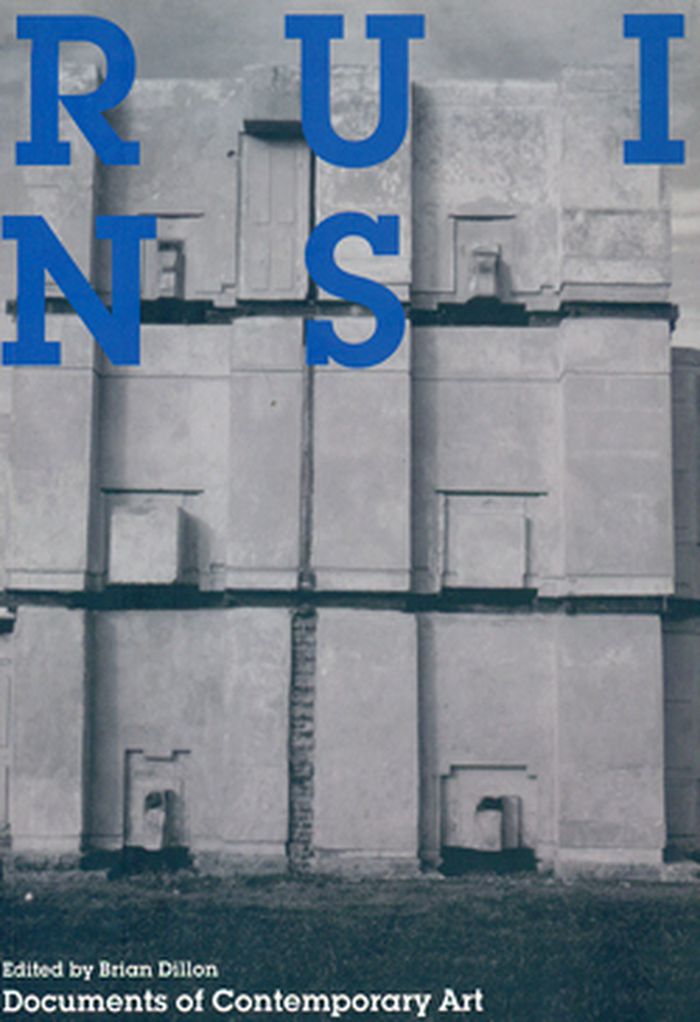
The "ruins" of the modern era are the landmarks of recent art’s turn toward site and situation, history and memory. The abiding interest of artists in ruination and decay has led in particular to the concept of the modern ruin - an ambiguous site of artistic and architectural modernism, personal and collective memories, and the cultural afterlife of eras such as those of state communism and colonialism. Contemporary art’s explorations of the ruin can evoke on the one hand diverse experiences of nostalgia and on the other a ceaselessly renewed encounter with catastrophes of the recent past and apprehensions of the future. For every relic of a harmonious era or utopian dream stands another recalling industrial decline, environmental disaster, and the depredations of war. This anthology provides a comprehensive survey of the contemporary ruin in cultural discourse, aesthetics, and artistic practice. It examines the development of ruin aesthetics from the early modern era to the present; the ruin as a privileged emblem of modernity’s decline; the relic as a portal onto the political history of the recent past; the destruction and decline of cities and landscapes, with the emergence of "non-places" and “drosscape”; the symbolism of the entropic and decayed in critical environmentalism; and the confusing temporalities of the ruin in recent art - its involution of timescales and perspectives as it addresses not just the past but the future.
Ruins
Actions:
Prix:
$35.95
(disponible sur commande)
Résumé:
The "ruins" of the modern era are the landmarks of recent art’s turn toward site and situation, history and memory. The abiding interest of artists in ruination and decay has led in particular to the concept of the modern ruin - an ambiguous site of artistic and architectural modernism, personal and collective memories, and the cultural afterlife of eras such as those of state communism and colonialism. Contemporary art’s explorations of the ruin can evoke on the one hand diverse experiences of nostalgia and on the other a ceaselessly renewed encounter with catastrophes of the recent past and apprehensions of the future. For every relic of a harmonious era or utopian dream stands another recalling industrial decline, environmental disaster, and the depredations of war. This anthology provides a comprehensive survey of the contemporary ruin in cultural discourse, aesthetics, and artistic practice. It examines the development of ruin aesthetics from the early modern era to the present; the ruin as a privileged emblem of modernity’s decline; the relic as a portal onto the political history of the recent past; the destruction and decline of cities and landscapes, with the emergence of "non-places" and “drosscape”; the symbolism of the entropic and decayed in critical environmentalism; and the confusing temporalities of the ruin in recent art - its involution of timescales and perspectives as it addresses not just the past but the future.
Classification:
livres
livres
Publication:
septembre 2011
septembre 2011
Sujet:
Théorie de l’art
Théorie de l’art
Classification:
livres
livres
Actions:
Prix:
$29.95
(disponible sur commande)
Résumé:
Cities speak, and this little book helps us understand their language. Considering the urban landscape not from the abstract perspective of an urbanplanner but from the viewpoint of an attentive observer, Urban Code offers 100 "lessons" - maxims, observations, and bite -size truths, followed by shortessays - that teach us how to read the city. This is a user's guide to(...)
$29.95
(disponible sur commande)
Résumé:
Cities speak, and this little book helps us understand their language. Considering the urban landscape not from the abstract perspective of an urbanplanner but from the viewpoint of an attentive observer, Urban Code offers 100 "lessons" - maxims, observations, and bite -size truths, followed by shortessays - that teach us how to read the city. This is a user's guide to(...)
Titre:
Urban code: 100 lessons for understanding the city
Actions:
Prix:
$29.95
(disponible sur commande)
Résumé:
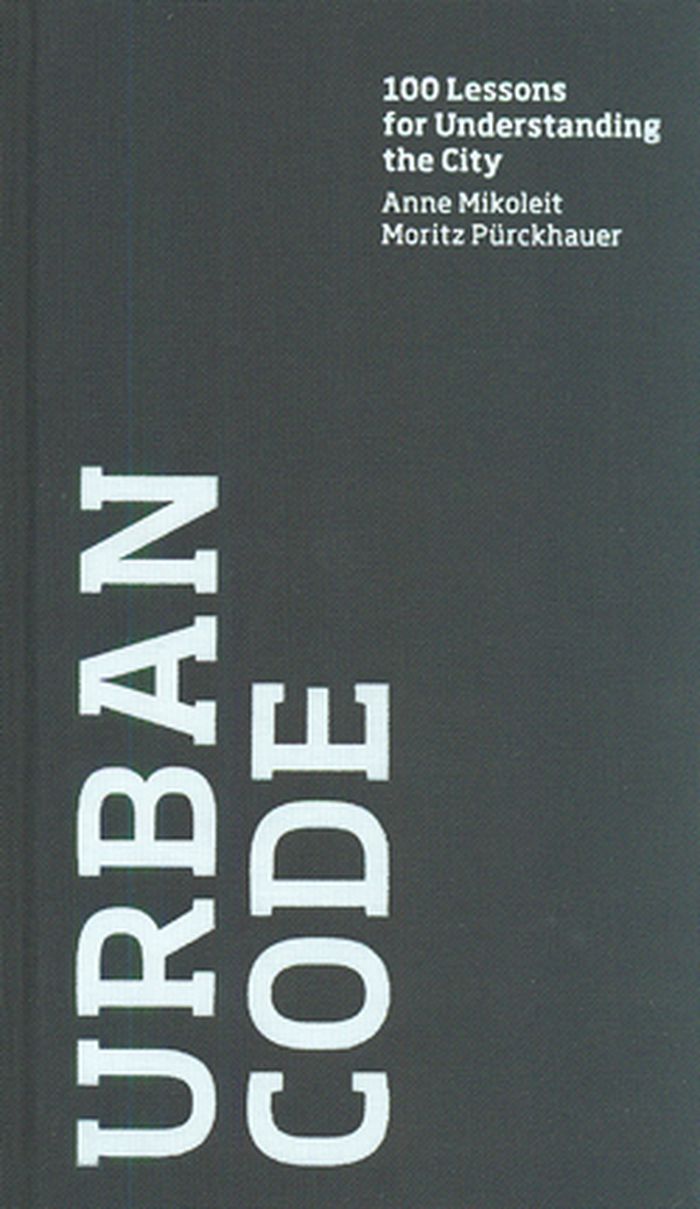
Cities speak, and this little book helps us understand their language. Considering the urban landscape not from the abstract perspective of an urbanplanner but from the viewpoint of an attentive observer, Urban Code offers 100 "lessons" - maxims, observations, and bite -size truths, followed by shortessays - that teach us how to read the city. This is a user's guide to the city, aprimer of urban literacy, at the pedestrian level.
Urban code: 100 lessons for understanding the city
Actions:
Prix:
$29.95
(disponible sur commande)
Résumé:
Cities speak, and this little book helps us understand their language. Considering the urban landscape not from the abstract perspective of an urbanplanner but from the viewpoint of an attentive observer, Urban Code offers 100 "lessons" - maxims, observations, and bite -size truths, followed by shortessays - that teach us how to read the city. This is a user's guide to the city, aprimer of urban literacy, at the pedestrian level.
Classification:
livres
livres
Publication:
octobre 2011
octobre 2011
Sujet:
Théorie de l’urbanisme
Théorie de l’urbanisme
Classification:
livres
livres

Actions:
Prix:
$38.95
(disponible sur commande)
Résumé:
A Landscape History of New England takes a view of New England's landscapes that goes beyond picture postcard-ready vistas of white-steepled churches, open pastures, and tree-covered mountains. Its chapters describe, for example, the Native American presence in the Maine Woods; offer a history of agriculture told through stone walls, woodlands, and farm buildings; report(...)
$38.95
(disponible sur commande)
Résumé:
A Landscape History of New England takes a view of New England's landscapes that goes beyond picture postcard-ready vistas of white-steepled churches, open pastures, and tree-covered mountains. Its chapters describe, for example, the Native American presence in the Maine Woods; offer a history of agriculture told through stone walls, woodlands, and farm buildings; report(...)
Titre:
A landscape history of New England
Actions:
Prix:
$38.95
(disponible sur commande)
Résumé:
A Landscape History of New England takes a view of New England's landscapes that goes beyond picture postcard-ready vistas of white-steepled churches, open pastures, and tree-covered mountains. Its chapters describe, for example, the Native American presence in the Maine Woods; offer a history of agriculture told through stone walls, woodlands, and farm buildings; report on the fragile ecology of tourist-friendly Cape Cod beaches; and reveal the ethnic stereotypes in forming Colonial Revivalism. Taken together, they offer a wide-ranging history of New England's diverse landscapes, stretching across two centuries. The book shows that all New England landscapes are the products of human agency as well as nature.
A landscape history of New England
Actions:
Prix:
$38.95
(disponible sur commande)
Résumé:
A Landscape History of New England takes a view of New England's landscapes that goes beyond picture postcard-ready vistas of white-steepled churches, open pastures, and tree-covered mountains. Its chapters describe, for example, the Native American presence in the Maine Woods; offer a history of agriculture told through stone walls, woodlands, and farm buildings; report on the fragile ecology of tourist-friendly Cape Cod beaches; and reveal the ethnic stereotypes in forming Colonial Revivalism. Taken together, they offer a wide-ranging history of New England's diverse landscapes, stretching across two centuries. The book shows that all New England landscapes are the products of human agency as well as nature.
Classification:
livres
livres
Publication:
octobre 2011
octobre 2011
Sujet:
Histoire jusqu’à 1900
Histoire jusqu’à 1900
Classification:
livres
livres
Prix:
$37.95
(disponible sur commande)
Résumé:
By the end of the twentieth century, America’s suburbs contained more office space than its central cities. Many of these corporate workplaces were surrounded, somewhat incongruously, by verdant vistas of broad lawns and leafy trees. In Pastoral Capitalism, Louise Mozingo describes the evolution of these central (but often ignored) features of postwar urbanism in the(...)
$37.95
(disponible sur commande)
Résumé:
By the end of the twentieth century, America’s suburbs contained more office space than its central cities. Many of these corporate workplaces were surrounded, somewhat incongruously, by verdant vistas of broad lawns and leafy trees. In Pastoral Capitalism, Louise Mozingo describes the evolution of these central (but often ignored) features of postwar urbanism in the(...)
Titre:
Pastoral capitalism: A history of suburban corporate landscapes
Actions:
Prix:
$37.95
(disponible sur commande)
Résumé:
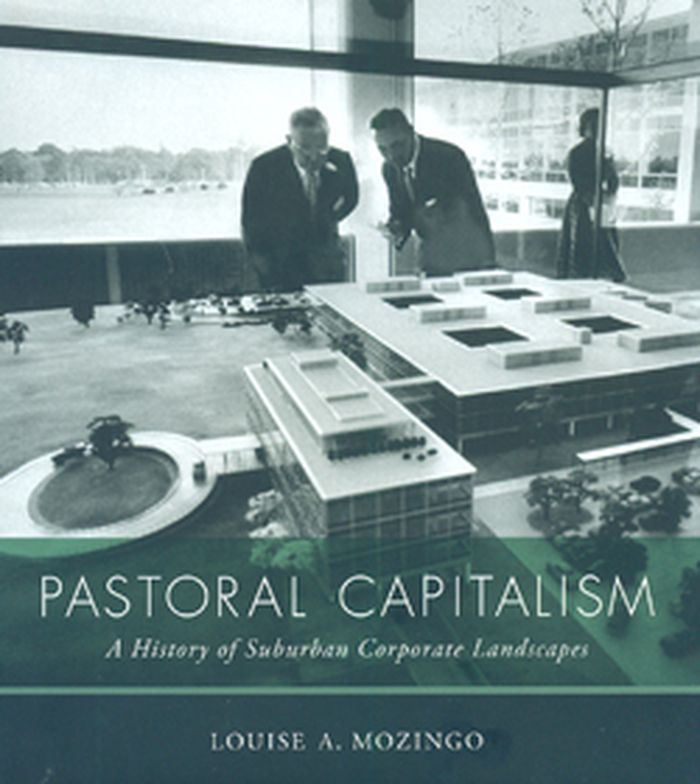
By the end of the twentieth century, America’s suburbs contained more office space than its central cities. Many of these corporate workplaces were surrounded, somewhat incongruously, by verdant vistas of broad lawns and leafy trees. In Pastoral Capitalism, Louise Mozingo describes the evolution of these central (but often ignored) features of postwar urbanism in the context of the modern capitalist enterprise. This book offers an indispensible chapter in urban history, examining not only the design of corporate landscapes but also the economic, social, and cultural models that determined their form.
Pastoral capitalism: A history of suburban corporate landscapes
Actions:
Prix:
$37.95
(disponible sur commande)
Résumé:
By the end of the twentieth century, America’s suburbs contained more office space than its central cities. Many of these corporate workplaces were surrounded, somewhat incongruously, by verdant vistas of broad lawns and leafy trees. In Pastoral Capitalism, Louise Mozingo describes the evolution of these central (but often ignored) features of postwar urbanism in the context of the modern capitalist enterprise. This book offers an indispensible chapter in urban history, examining not only the design of corporate landscapes but also the economic, social, and cultural models that determined their form.
Classification:
livres
livres
Publication:
juillet 2011
juillet 2011
Classification:
livres
livres
Prix:
$39.95
(disponible sur commande)
Résumé:
In Curious Visions of Modernity , David Martin unpacks a collection of artifacts from the visual and historicalarchives of modernity, finding in each a slippage of scientific rationality--arepressed heterogeneity within the homogenized structures of post-Enlightenment knowledge. In doing so, he exposes modernity and its visual culture as haunted byprecisely those(...)
$39.95
(disponible sur commande)
Résumé:
In Curious Visions of Modernity , David Martin unpacks a collection of artifacts from the visual and historicalarchives of modernity, finding in each a slippage of scientific rationality--arepressed heterogeneity within the homogenized structures of post-Enlightenment knowledge. In doing so, he exposes modernity and its visual culture as haunted byprecisely those(...)
Publication:
décembre 2011
décembre 2011
Titre:
Curious visions of modernity: enchantment, magic, and the sacred
Actions:
Prix:
$39.95
(disponible sur commande)
Résumé:
In Curious Visions of Modernity , David Martin unpacks a collection of artifacts from the visual and historicalarchives of modernity, finding in each a slippage of scientific rationality--arepressed heterogeneity within the homogenized structures of post-Enlightenment knowledge. In doing so, he exposes modernity and its visual culture as haunted byprecisely those things that rationality sought to expunge from the"enlightened" world: enchantment, magic, and wonderment. Martin traces the genealogies of what he considers three of the most distinct and historically immediate fields of modern visual culture: the collection, the body, and the mapping of spaces.
Curious visions of modernity: enchantment, magic, and the sacred
Actions:
Prix:
$39.95
(disponible sur commande)
Résumé:
In Curious Visions of Modernity , David Martin unpacks a collection of artifacts from the visual and historicalarchives of modernity, finding in each a slippage of scientific rationality--arepressed heterogeneity within the homogenized structures of post-Enlightenment knowledge. In doing so, he exposes modernity and its visual culture as haunted byprecisely those things that rationality sought to expunge from the"enlightened" world: enchantment, magic, and wonderment. Martin traces the genealogies of what he considers three of the most distinct and historically immediate fields of modern visual culture: the collection, the body, and the mapping of spaces.
Classification:
livres
livres
Publication:
décembre 2011
décembre 2011
Classification:
livres
livres
Actions:
Prix:
$19.95
(disponible sur commande)
Résumé:
One of the defining paintings of British Pop art, Richard Hamilton's Swingeing London 67(f) depicts two men--Mick Jagger and Hamilton's art dealer, Robert Fraser--handcuffed together in the back of a police van. The image is taken from a newspaper photograph that shows the two being driven from Lewes prison to Chichester Magistrates Court following their June 1967(...)
$19.95
(disponible sur commande)
Résumé:
One of the defining paintings of British Pop art, Richard Hamilton's Swingeing London 67(f) depicts two men--Mick Jagger and Hamilton's art dealer, Robert Fraser--handcuffed together in the back of a police van. The image is taken from a newspaper photograph that shows the two being driven from Lewes prison to Chichester Magistrates Court following their June 1967(...)
Titre:
Richard Hamilton: Swingeing London 67 (f)
Actions:
Prix:
$19.95
(disponible sur commande)
Résumé:
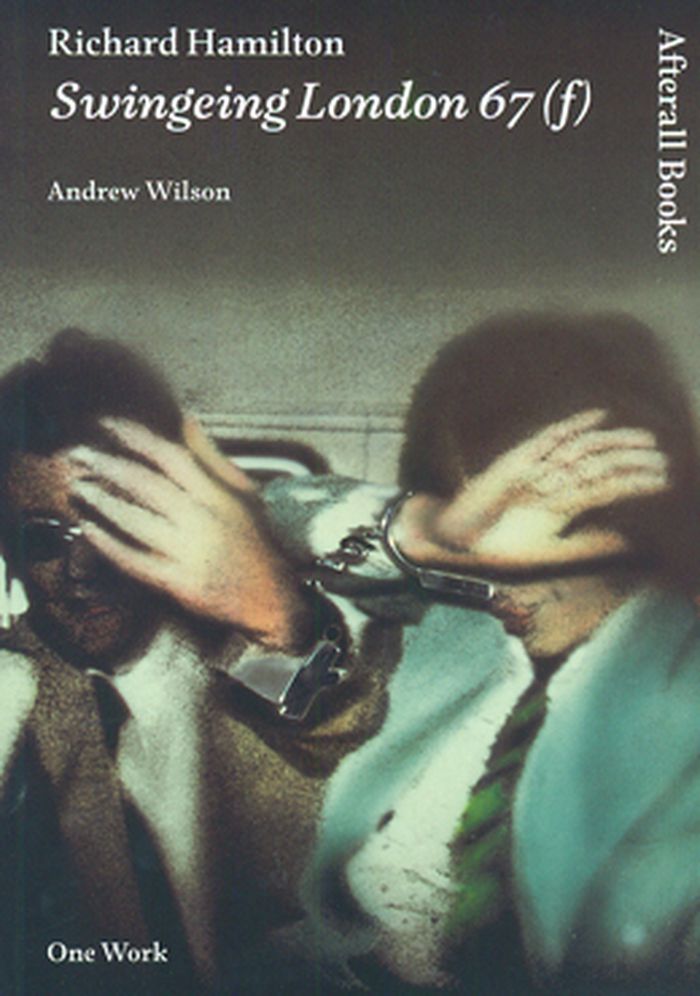
One of the defining paintings of British Pop art, Richard Hamilton's Swingeing London 67(f) depicts two men--Mick Jagger and Hamilton's art dealer, Robert Fraser--handcuffed together in the back of a police van. The image is taken from a newspaper photograph that shows the two being driven from Lewes prison to Chichester Magistrates Court following their June 1967 arrest for possession of drugs. Andrew Wilson views Swingeing London 67 (f) as history painting, to be understood in the context of the struggle against the British state's attempt--aided and abetted by the popular press--to repress any expression of personal liberation. Hamilton's Pop art idiom of figuration and media images was his way of refusing the demands of an old aesthetic order.
Richard Hamilton: Swingeing London 67 (f)
Actions:
Prix:
$19.95
(disponible sur commande)
Résumé:
One of the defining paintings of British Pop art, Richard Hamilton's Swingeing London 67(f) depicts two men--Mick Jagger and Hamilton's art dealer, Robert Fraser--handcuffed together in the back of a police van. The image is taken from a newspaper photograph that shows the two being driven from Lewes prison to Chichester Magistrates Court following their June 1967 arrest for possession of drugs. Andrew Wilson views Swingeing London 67 (f) as history painting, to be understood in the context of the struggle against the British state's attempt--aided and abetted by the popular press--to repress any expression of personal liberation. Hamilton's Pop art idiom of figuration and media images was his way of refusing the demands of an old aesthetic order.
Classification:
livres
livres
Publication:
septembre 2011
septembre 2011
Sujet:
Théorie de l’art
Théorie de l’art
Classification:
livres
livres
Actions:
Prix:
$39.95
(disponible sur commande)
Résumé:
An epic project in both size and purview, Peter Sloterdijk's three-volume, 2,500-page Spheres is the late-twentieth-century bookend to Heidegger's Being and Time. Rejecting the century's predominant philosophical focus on temporality, Sloterdijk, a self-described "student of the air," reinterprets the history of Western metaphysics as an inherently spatial and(...)
$39.95
(disponible sur commande)
Résumé:
An epic project in both size and purview, Peter Sloterdijk's three-volume, 2,500-page Spheres is the late-twentieth-century bookend to Heidegger's Being and Time. Rejecting the century's predominant philosophical focus on temporality, Sloterdijk, a self-described "student of the air," reinterprets the history of Western metaphysics as an inherently spatial and(...)
Titre:
Spheres1 : Bubbles, microspherology
Actions:
Prix:
$39.95
(disponible sur commande)
Résumé:
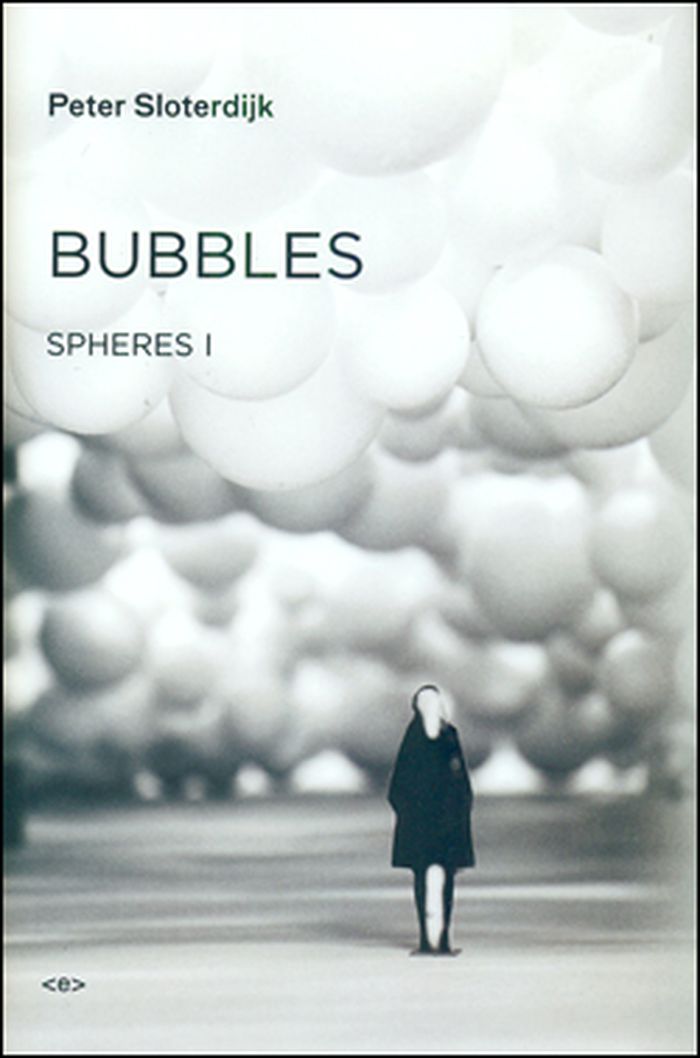
An epic project in both size and purview, Peter Sloterdijk's three-volume, 2,500-page Spheres is the late-twentieth-century bookend to Heidegger's Being and Time. Rejecting the century's predominant philosophical focus on temporality, Sloterdijk, a self-described "student of the air," reinterprets the history of Western metaphysics as an inherently spatial and immunological project, from the discovery of self (bubble) to the exploration of world (globe) to the poetics of plurality (foam). Exploring macro- and micro-space from the Greek agora to the contemporary urban apartment, Sloterdijk is able to synthesize, with immense erudition, the spatial theories of Aristotle, René Descartes, Gaston Bachelard, Walter Benjamin, and Georges Bataille into a morphology of shared, or multipolar, dwelling - identifying the question of being as one bound up with the aerial technology of architectonics and anthropogenesis. Sloterdijk describes Bubbles, the first volume of Spheres, as a general theory of the structures that allow couplings - or as the book's original intended subtitle put it, an "archeology of the intimate." Bubbles includes a wide array of images, not to illustrate Sloterdijk's discourse, but to offer a spatial and visual "parallel narrative" to his exploration of bubbles. Written over the course of a decade, the Spheres trilogy has waited another decade for its much-anticipated English translation from Semiotext(e). Volumes II, Globes, and III, Foam, will be published in the coming seasons.
Spheres1 : Bubbles, microspherology
Actions:
Prix:
$39.95
(disponible sur commande)
Résumé:
An epic project in both size and purview, Peter Sloterdijk's three-volume, 2,500-page Spheres is the late-twentieth-century bookend to Heidegger's Being and Time. Rejecting the century's predominant philosophical focus on temporality, Sloterdijk, a self-described "student of the air," reinterprets the history of Western metaphysics as an inherently spatial and immunological project, from the discovery of self (bubble) to the exploration of world (globe) to the poetics of plurality (foam). Exploring macro- and micro-space from the Greek agora to the contemporary urban apartment, Sloterdijk is able to synthesize, with immense erudition, the spatial theories of Aristotle, René Descartes, Gaston Bachelard, Walter Benjamin, and Georges Bataille into a morphology of shared, or multipolar, dwelling - identifying the question of being as one bound up with the aerial technology of architectonics and anthropogenesis. Sloterdijk describes Bubbles, the first volume of Spheres, as a general theory of the structures that allow couplings - or as the book's original intended subtitle put it, an "archeology of the intimate." Bubbles includes a wide array of images, not to illustrate Sloterdijk's discourse, but to offer a spatial and visual "parallel narrative" to his exploration of bubbles. Written over the course of a decade, the Spheres trilogy has waited another decade for its much-anticipated English translation from Semiotext(e). Volumes II, Globes, and III, Foam, will be published in the coming seasons.
Classification:
livres
livres
Publication:
novembre 2011
novembre 2011
Sujet:
Théorie/ philosophie
Théorie/ philosophie
Classification:
livres
livres
Actions:
Prix:
$45.95
(disponible sur commande)
Résumé:
When did the "silent deeps" become cacophonous and galaxies begin to swim in a sea of cosmic noise? Why do we think that noises have colors and that colors can be loud? How loud is too loud, and says who? Attending, as ears do, to a surround of sounds at once physical and political, Hillel Schwartz listens across millennia for changes in the Western experience and(...)
$45.95
(disponible sur commande)
Résumé:
When did the "silent deeps" become cacophonous and galaxies begin to swim in a sea of cosmic noise? Why do we think that noises have colors and that colors can be loud? How loud is too loud, and says who? Attending, as ears do, to a surround of sounds at once physical and political, Hillel Schwartz listens across millennia for changes in the Western experience and(...)
Titre:
Making noise: From Babel to the Big Bang & beyond
Actions:
Prix:
$45.95
(disponible sur commande)
Résumé:
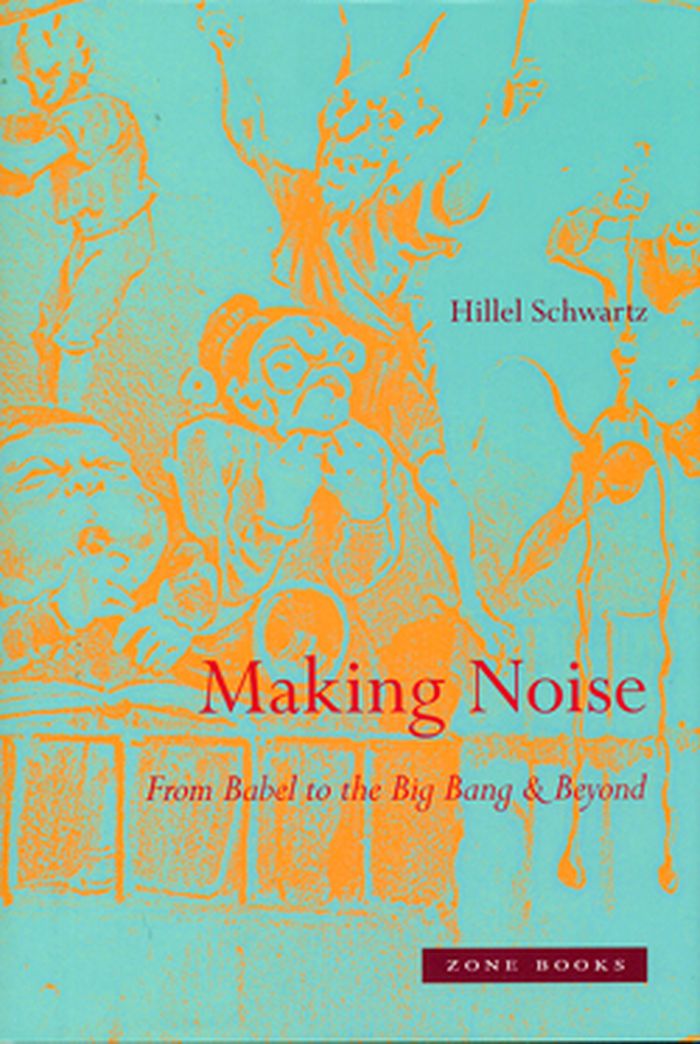
When did the "silent deeps" become cacophonous and galaxies begin to swim in a sea of cosmic noise? Why do we think that noises have colors and that colors can be loud? How loud is too loud, and says who? Attending, as ears do, to a surround of sounds at once physical and political, Hillel Schwartz listens across millennia for changes in the Western experience and understanding of noise. From the uproarious junior gods of Babylonian epics to crying infants heard over baby monitors, from doubly mythic Echo to amplifier feedback, from shouts frozen in Rabelaisian air to the squawk of loudspeakers and the static of shortwave radio, Making Noise follows "unwanted sound" on its surprisingly revealing path through terrains domestic and industrial, urban and rural, legal and religious, musical and medical, poetic and scientific.
Making noise: From Babel to the Big Bang & beyond
Actions:
Prix:
$45.95
(disponible sur commande)
Résumé:
When did the "silent deeps" become cacophonous and galaxies begin to swim in a sea of cosmic noise? Why do we think that noises have colors and that colors can be loud? How loud is too loud, and says who? Attending, as ears do, to a surround of sounds at once physical and political, Hillel Schwartz listens across millennia for changes in the Western experience and understanding of noise. From the uproarious junior gods of Babylonian epics to crying infants heard over baby monitors, from doubly mythic Echo to amplifier feedback, from shouts frozen in Rabelaisian air to the squawk of loudspeakers and the static of shortwave radio, Making Noise follows "unwanted sound" on its surprisingly revealing path through terrains domestic and industrial, urban and rural, legal and religious, musical and medical, poetic and scientific.
Classification:
livres
livres
Publication:
novembre 2011
novembre 2011
Sujet:
Théorie de l’architecture
Théorie de l’architecture


