


36154 Résultats
Classification:
livres
livres

Titre:
Eth Yearbook 2010
Eth Yearbook 2010
Actions:
Prix:
$42.00
(disponible sur commande)
Résumé:
This book includes student work from the courses of study in architectural design, technology and visual design at the Faculty of Architecture of the ETH, Zurich. It describes the entire breadth of approaches and disciplines which characterise the school. The work featured was produced in the previous year in the semester studios as part of a thesis project or in one of(...)
$42.00
(disponible sur commande)
Résumé:
This book includes student work from the courses of study in architectural design, technology and visual design at the Faculty of Architecture of the ETH, Zurich. It describes the entire breadth of approaches and disciplines which characterise the school. The work featured was produced in the previous year in the semester studios as part of a thesis project or in one of(...)
Titre:
Eth Yearbook 2010
Actions:
Prix:
$42.00
(disponible sur commande)
Résumé:
This book includes student work from the courses of study in architectural design, technology and visual design at the Faculty of Architecture of the ETH, Zurich. It describes the entire breadth of approaches and disciplines which characterise the school. The work featured was produced in the previous year in the semester studios as part of a thesis project or in one of the Master of Advanced Studies programmes (MAS), but also in academic exchange programs between: The Institute for the History and Theory of Architecture (gta); The Institute for Building Technology (HBT); The Institute for Historic Building Research and Conservation (IDB); The Network City and Landscape (NSL) with the ETH Studio Basel/Contemporary City Institute; The Institute for Urban Design (ISB). The Institute for Landscape Architecture (ILA) also present selected works of their teaching and research activities.
Eth Yearbook 2010
Actions:
Prix:
$42.00
(disponible sur commande)
Résumé:
This book includes student work from the courses of study in architectural design, technology and visual design at the Faculty of Architecture of the ETH, Zurich. It describes the entire breadth of approaches and disciplines which characterise the school. The work featured was produced in the previous year in the semester studios as part of a thesis project or in one of the Master of Advanced Studies programmes (MAS), but also in academic exchange programs between: The Institute for the History and Theory of Architecture (gta); The Institute for Building Technology (HBT); The Institute for Historic Building Research and Conservation (IDB); The Network City and Landscape (NSL) with the ETH Studio Basel/Contemporary City Institute; The Institute for Urban Design (ISB). The Institute for Landscape Architecture (ILA) also present selected works of their teaching and research activities.
Classification:
livres
livres
Publication:
juillet 2011
juillet 2011
Sujet:
Architecture contemporaine
Architecture contemporaine
Classification:
livres
livres
Prix:
$100.00
(disponible sur commande)
Résumé:
Laying out Manhattan's street grid and providing a rationale for the growth of New York was the city's first great civic enterprise, not to mention a brazenly ambitious project and major milestone in the history of city planning. The grid created the physical conditions for business and society to flourish and embodied the drive and discipline for which the city would(...)
$100.00
(disponible sur commande)
Résumé:
Laying out Manhattan's street grid and providing a rationale for the growth of New York was the city's first great civic enterprise, not to mention a brazenly ambitious project and major milestone in the history of city planning. The grid created the physical conditions for business and society to flourish and embodied the drive and discipline for which the city would(...)
Titre:
The greatest grid : the Master plan of Manhattan 1811-2011
Actions:
Prix:
$100.00
(disponible sur commande)
Résumé:
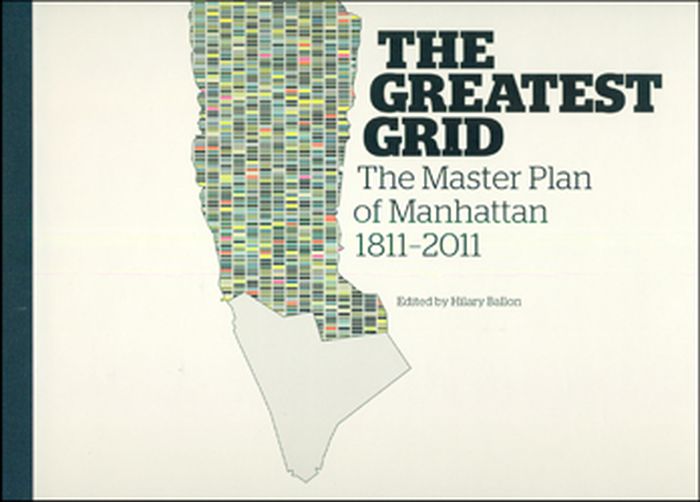
Laying out Manhattan's street grid and providing a rationale for the growth of New York was the city's first great civic enterprise, not to mention a brazenly ambitious project and major milestone in the history of city planning. The grid created the physical conditions for business and society to flourish and embodied the drive and discipline for which the city would come to be known. Published to coincide with an exhibition at the Museum of the City of New York celebrating the bicentennial of the Commissioners' 1811 Plan of Manhattan, this volume does more than memorialize such a visionary effort, it serves as an enduring reference full of rare images and information. "The Greatest Grid" shares the history of the Commissioners' plan, incorporating archival photos and illustrations, primary documents and testimony, and magnificent maps with essential analysis. The text, written by leading historians of New York City, follows the grid's initial design, implementation, and evolution, and then speaks to its enduring influence. A foldout map, accompanied by explanatory notes, reproduces the Commissioners' original plan, and additional maps and prints chart the city's pre-1811 irregular growth patterns and local precedent for the grid's design.
The greatest grid : the Master plan of Manhattan 1811-2011
Actions:
Prix:
$100.00
(disponible sur commande)
Résumé:
Laying out Manhattan's street grid and providing a rationale for the growth of New York was the city's first great civic enterprise, not to mention a brazenly ambitious project and major milestone in the history of city planning. The grid created the physical conditions for business and society to flourish and embodied the drive and discipline for which the city would come to be known. Published to coincide with an exhibition at the Museum of the City of New York celebrating the bicentennial of the Commissioners' 1811 Plan of Manhattan, this volume does more than memorialize such a visionary effort, it serves as an enduring reference full of rare images and information. "The Greatest Grid" shares the history of the Commissioners' plan, incorporating archival photos and illustrations, primary documents and testimony, and magnificent maps with essential analysis. The text, written by leading historians of New York City, follows the grid's initial design, implementation, and evolution, and then speaks to its enduring influence. A foldout map, accompanied by explanatory notes, reproduces the Commissioners' original plan, and additional maps and prints chart the city's pre-1811 irregular growth patterns and local precedent for the grid's design.
Classification:
livres
livres
Publication:
décembre 2011
décembre 2011
Sujet:
Théorie de l’urbanisme
Théorie de l’urbanisme
Classification:
livres
livres
Actions:
Prix:
$31.95
(disponible sur commande)
Résumé:
In The Right to Look, Nicholas Mirzoeff develops a comparative decolonial framework for visual culture studies, the field that he helped to create and shape. Casting modernity as an ongoing contest between visuality and countervisuality, or "the right to look," he explains how visuality sutures authority to power and renders the association natural. An(...)
$31.95
(disponible sur commande)
Résumé:
In The Right to Look, Nicholas Mirzoeff develops a comparative decolonial framework for visual culture studies, the field that he helped to create and shape. Casting modernity as an ongoing contest between visuality and countervisuality, or "the right to look," he explains how visuality sutures authority to power and renders the association natural. An(...)
Titre:
The right to look: a counterhistory of visuality
Actions:
Prix:
$31.95
(disponible sur commande)
Résumé:
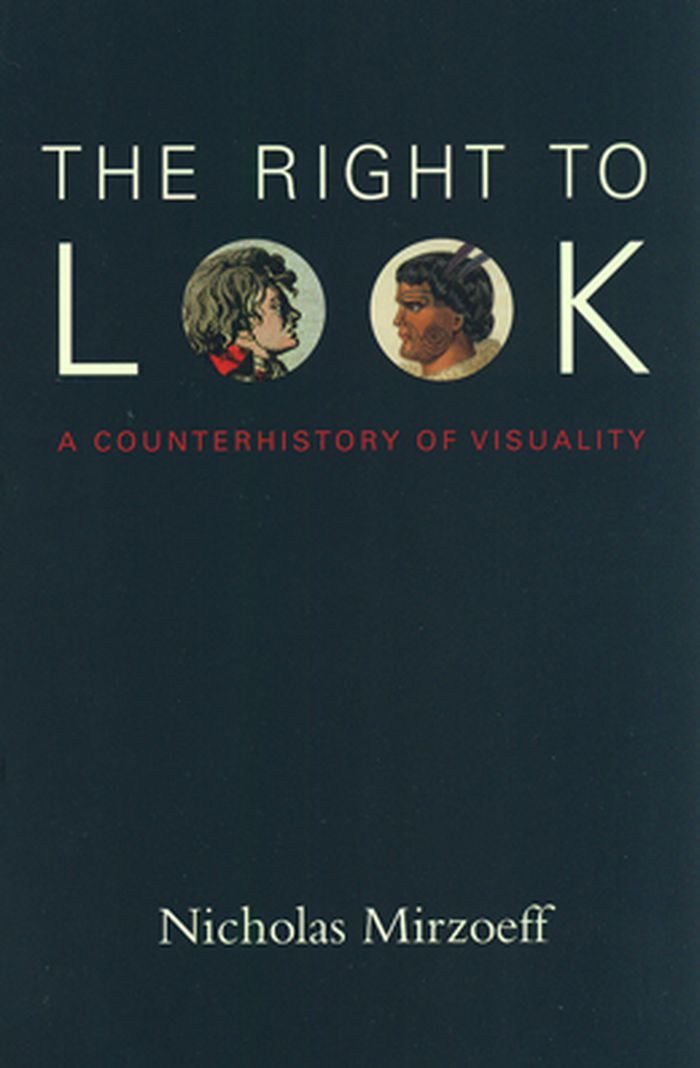
In The Right to Look, Nicholas Mirzoeff develops a comparative decolonial framework for visual culture studies, the field that he helped to create and shape. Casting modernity as an ongoing contest between visuality and countervisuality, or "the right to look," he explains how visuality sutures authority to power and renders the association natural. An early-nineteenth-century concept, meaning the visualization of history, visuality has been central to the legitimization of Western hegemony. Mirzoeff identifies three "complexes of visuality"--plantation slavery, imperialism, and the present-day military-industrial complex--and explains how, within each, power is made to seem self-evident through techniques of classification, separation, and aestheticization. This publication is a work of geographic, temporal, and conceptual reach.
The right to look: a counterhistory of visuality
Actions:
Prix:
$31.95
(disponible sur commande)
Résumé:
In The Right to Look, Nicholas Mirzoeff develops a comparative decolonial framework for visual culture studies, the field that he helped to create and shape. Casting modernity as an ongoing contest between visuality and countervisuality, or "the right to look," he explains how visuality sutures authority to power and renders the association natural. An early-nineteenth-century concept, meaning the visualization of history, visuality has been central to the legitimization of Western hegemony. Mirzoeff identifies three "complexes of visuality"--plantation slavery, imperialism, and the present-day military-industrial complex--and explains how, within each, power is made to seem self-evident through techniques of classification, separation, and aestheticization. This publication is a work of geographic, temporal, and conceptual reach.
Classification:
livres
livres
Publication:
novembre 2011
novembre 2011
Sujet:
Théorie/ philosophie
Théorie/ philosophie
Classification:
livres
livres
Prix:
$30.95
(disponible sur commande)
Résumé:
In "Havana beyond the Ruins," prominent architects, scholars, and writers based in and outside of Cuba analyze how Havana has been portrayed in literature, music, and the visual arts since Soviet subsidies of Cuba ceased, and the Cuban state has re-imagined Havana as a destination for international tourists and business ventures. Cuba's capital has experienced little(...)
$30.95
(disponible sur commande)
Résumé:
In "Havana beyond the Ruins," prominent architects, scholars, and writers based in and outside of Cuba analyze how Havana has been portrayed in literature, music, and the visual arts since Soviet subsidies of Cuba ceased, and the Cuban state has re-imagined Havana as a destination for international tourists and business ventures. Cuba's capital has experienced little(...)
Titre:
Havana, beyond the ruins: cultural mappings after 1989
Actions:
Prix:
$30.95
(disponible sur commande)
Résumé:
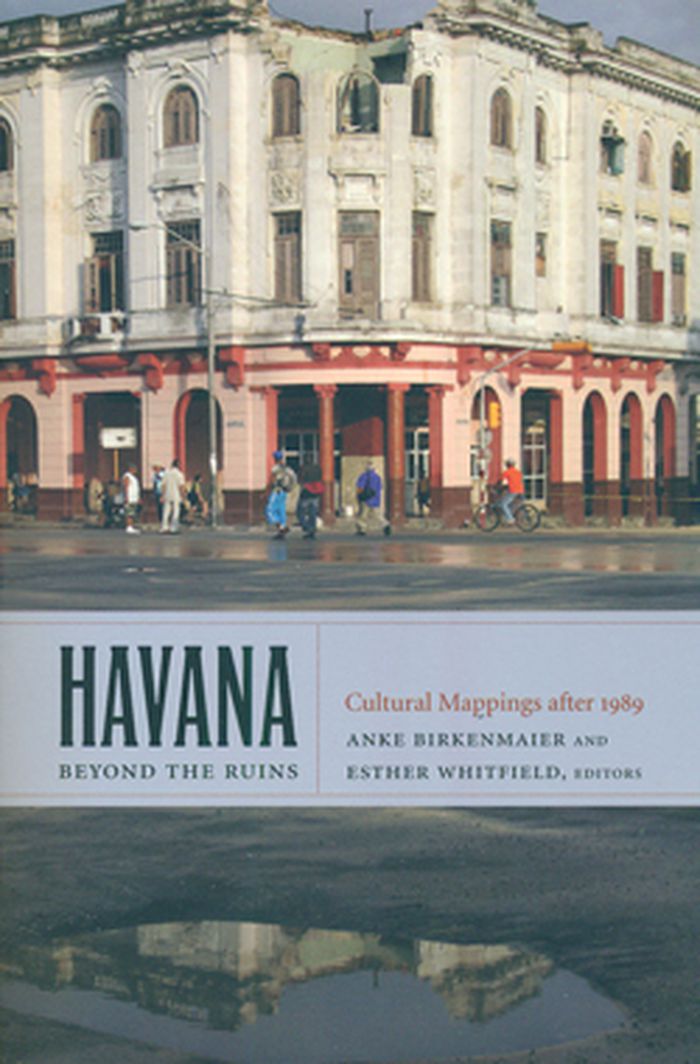
In "Havana beyond the Ruins," prominent architects, scholars, and writers based in and outside of Cuba analyze how Havana has been portrayed in literature, music, and the visual arts since Soviet subsidies of Cuba ceased, and the Cuban state has re-imagined Havana as a destination for international tourists and business ventures. Cuba's capital has experienced little construction since the revolution of 1959; many of its citizens live in poorly maintained colonial and modernist dwellings. It is this Havana--of crumbling houses, old cars, and a romantic aura of ruined hopes--that is marketed in picture books, memorabilia, and films. Bringing together assessments of the city's dwellings and urban development projects, "Havana beyond the Ruins" provides unique insights into issues of memory, citizenship, urban life, and the future of the revolution in Cuba.
Havana, beyond the ruins: cultural mappings after 1989
Actions:
Prix:
$30.95
(disponible sur commande)
Résumé:
In "Havana beyond the Ruins," prominent architects, scholars, and writers based in and outside of Cuba analyze how Havana has been portrayed in literature, music, and the visual arts since Soviet subsidies of Cuba ceased, and the Cuban state has re-imagined Havana as a destination for international tourists and business ventures. Cuba's capital has experienced little construction since the revolution of 1959; many of its citizens live in poorly maintained colonial and modernist dwellings. It is this Havana--of crumbling houses, old cars, and a romantic aura of ruined hopes--that is marketed in picture books, memorabilia, and films. Bringing together assessments of the city's dwellings and urban development projects, "Havana beyond the Ruins" provides unique insights into issues of memory, citizenship, urban life, and the future of the revolution in Cuba.
Classification:
livres
livres
Publication:
septembre 2011
septembre 2011
Sujet:
Théorie de l’urbanisme
Théorie de l’urbanisme
Classification:
livres
livres
Actions:
Prix:
$37.00
(disponible sur commande)
Résumé:
An examination of how British and Indian politicians, artists, scientists, nationalists, and tourists have transformed various sites in India into historical monuments emblematic of the modern Indian nation-state.
$37.00
(disponible sur commande)
Résumé:
An examination of how British and Indian politicians, artists, scientists, nationalists, and tourists have transformed various sites in India into historical monuments emblematic of the modern Indian nation-state.
Titre:
Monumental matters : the power, subjectivity, and space of India's Mughal architecture
Actions:
Prix:
$37.00
(disponible sur commande)
Résumé:
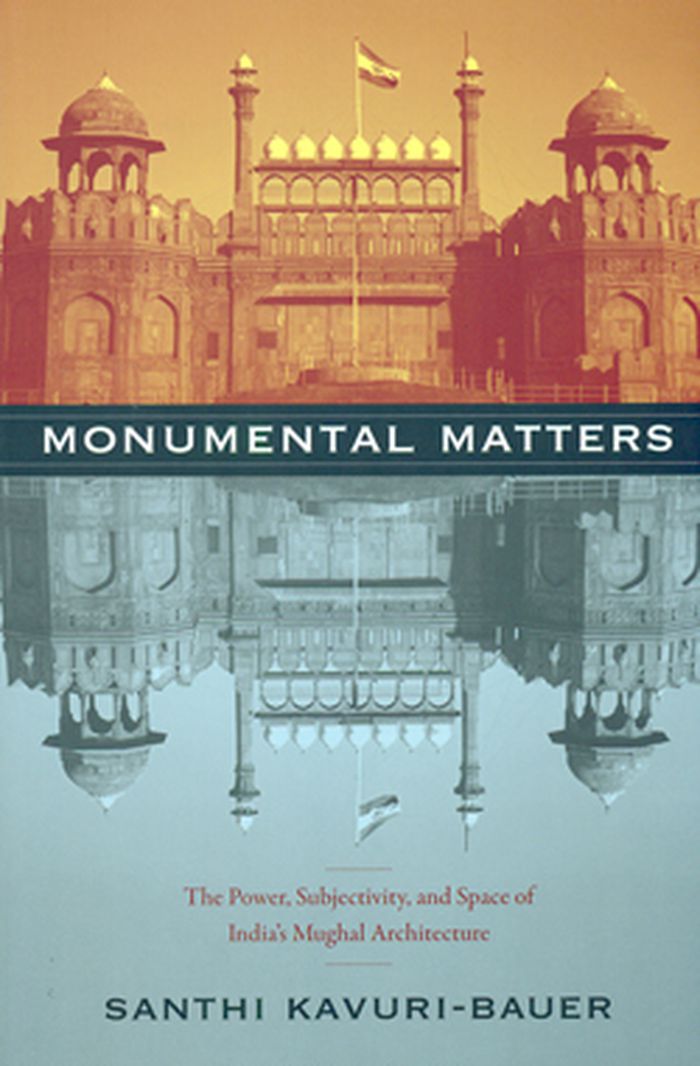
An examination of how British and Indian politicians, artists, scientists, nationalists, and tourists have transformed various sites in India into historical monuments emblematic of the modern Indian nation-state.
Monumental matters : the power, subjectivity, and space of India's Mughal architecture
Actions:
Prix:
$37.00
(disponible sur commande)
Résumé:
An examination of how British and Indian politicians, artists, scientists, nationalists, and tourists have transformed various sites in India into historical monuments emblematic of the modern Indian nation-state.
Classification:
livres
livres
Publication:
octobre 2011
octobre 2011
Classification:
livres
livres
Actions:
Prix:
$49.00
(disponible sur commande)
Résumé:
In the heady and hallucinogenic days of the 1960s and '70s, a diverse range of artists and creative individuals based in the American West -from the Pacific coast to the Rocky Mountains and the Southwest - broke the barriers between art and lifestyle and embraced the new, hybrid sensibilities of the countercultural movement. In "West of Center," Elissa Auther and Adam(...)
$49.00
(disponible sur commande)
Résumé:
In the heady and hallucinogenic days of the 1960s and '70s, a diverse range of artists and creative individuals based in the American West -from the Pacific coast to the Rocky Mountains and the Southwest - broke the barriers between art and lifestyle and embraced the new, hybrid sensibilities of the countercultural movement. In "West of Center," Elissa Auther and Adam(...)
Titre:
West of center : art and the counterculture experiment in America, 1965-1977
Actions:
Prix:
$49.00
(disponible sur commande)
Résumé:
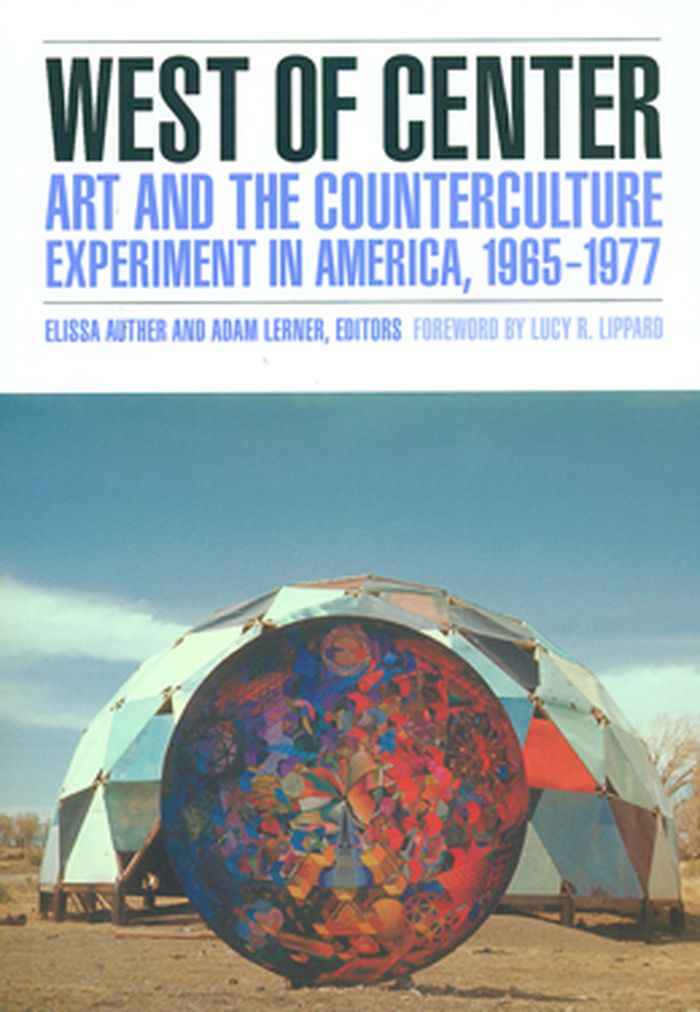
In the heady and hallucinogenic days of the 1960s and '70s, a diverse range of artists and creative individuals based in the American West -from the Pacific coast to the Rocky Mountains and the Southwest - broke the barriers between art and lifestyle and embraced the new, hybrid sensibilities of the countercultural movement. In "West of Center," Elissa Auther and Adam Lerner bring together a prominent group of scholars to elaborate the historical and artistic significance of these counterculture projects within the broader narrative of postwar American art, which skews heavily toward New York's avant-garde art scene. A companion to an exhibition originating at the Museum of Contemporary Art Denver, this book illuminates how, in the western United States, the counterculture's unique integration of art practices, political action, and collaborative life activities serves as a linchpin connecting postwar and contemporary artistic endeavors.
West of center : art and the counterculture experiment in America, 1965-1977
Actions:
Prix:
$49.00
(disponible sur commande)
Résumé:
In the heady and hallucinogenic days of the 1960s and '70s, a diverse range of artists and creative individuals based in the American West -from the Pacific coast to the Rocky Mountains and the Southwest - broke the barriers between art and lifestyle and embraced the new, hybrid sensibilities of the countercultural movement. In "West of Center," Elissa Auther and Adam Lerner bring together a prominent group of scholars to elaborate the historical and artistic significance of these counterculture projects within the broader narrative of postwar American art, which skews heavily toward New York's avant-garde art scene. A companion to an exhibition originating at the Museum of Contemporary Art Denver, this book illuminates how, in the western United States, the counterculture's unique integration of art practices, political action, and collaborative life activities serves as a linchpin connecting postwar and contemporary artistic endeavors.
Classification:
livres
livres
Publication:
janvier 2012
janvier 2012
Sujet:
Théorie de l’art
Théorie de l’art
Classification:
livres
livres
Actions:
Prix:
$38.95
(disponible sur commande)
Résumé:
In February 1956 the president of IBM hired the industrial designer and architect Eliot F. Noyes, charging him with reinventing IBM's corporate image, from stationery and curtains to products such as typewriters and computers and to laboratory and administration buildings. What followed remade IBM in a way that would also transform the relationships between design,(...)
$38.95
(disponible sur commande)
Résumé:
In February 1956 the president of IBM hired the industrial designer and architect Eliot F. Noyes, charging him with reinventing IBM's corporate image, from stationery and curtains to products such as typewriters and computers and to laboratory and administration buildings. What followed remade IBM in a way that would also transform the relationships between design,(...)
Titre:
The interface: IBM and the transformation of corporate design 1945-1976
Actions:
Prix:
$38.95
(disponible sur commande)
Résumé:
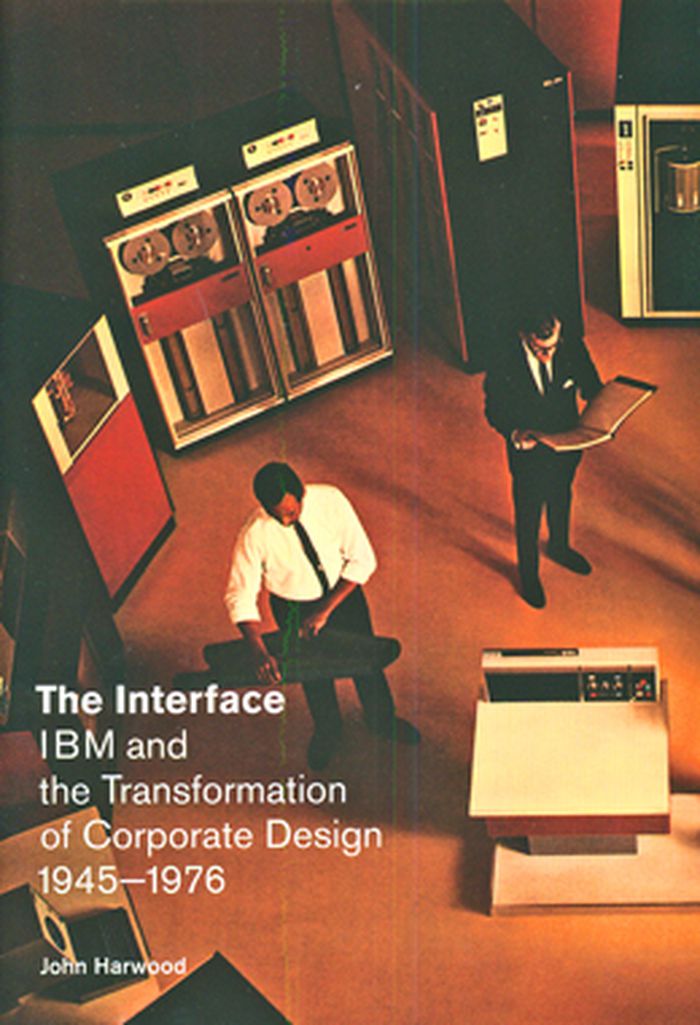
In February 1956 the president of IBM hired the industrial designer and architect Eliot F. Noyes, charging him with reinventing IBM's corporate image, from stationery and curtains to products such as typewriters and computers and to laboratory and administration buildings. What followed remade IBM in a way that would also transform the relationships between design, computer science, and corporate culture. IBM's program assembled a cast of leading figures in American design: Noyes, Charles Eames, Paul Rand, George Nelson, and Edgar Kaufmann Jr. The Interface offers a detailed account of the key role these designers played in shaping both the computer and the multinational corporation. Harwood describes the influence of computer and corporation on the theory and practice of design. Here we see how, in the period stretching from the "invention" of the computer during World War II to the appearance of the personal computer in the mid-1970s, disciplines once well outside the realm of architectural design -information and management theory, cybernetics, ergonomics, computer science- became integral aspects of design.
The interface: IBM and the transformation of corporate design 1945-1976
Actions:
Prix:
$38.95
(disponible sur commande)
Résumé:
In February 1956 the president of IBM hired the industrial designer and architect Eliot F. Noyes, charging him with reinventing IBM's corporate image, from stationery and curtains to products such as typewriters and computers and to laboratory and administration buildings. What followed remade IBM in a way that would also transform the relationships between design, computer science, and corporate culture. IBM's program assembled a cast of leading figures in American design: Noyes, Charles Eames, Paul Rand, George Nelson, and Edgar Kaufmann Jr. The Interface offers a detailed account of the key role these designers played in shaping both the computer and the multinational corporation. Harwood describes the influence of computer and corporation on the theory and practice of design. Here we see how, in the period stretching from the "invention" of the computer during World War II to the appearance of the personal computer in the mid-1970s, disciplines once well outside the realm of architectural design -information and management theory, cybernetics, ergonomics, computer science- became integral aspects of design.
Classification:
livres
livres
Publication:
novembre 2011
novembre 2011
Sujet:
Design industriel
Design industriel
Classification:
livres
livres
Actions:
Prix:
$27.50
(disponible sur commande)
Résumé:
From property deeds to shipping containers to wearable shelters to virtual spaces: what does it mean to draw a spatial boundary? To be at home? In a world in which notions of place are constantly changing, Jennifer Johung looks at new constructions of staying in place--in contemporary site-specific art, digital media, portable architecture, and various other imaginable(...)
$27.50
(disponible sur commande)
Résumé:
From property deeds to shipping containers to wearable shelters to virtual spaces: what does it mean to draw a spatial boundary? To be at home? In a world in which notions of place are constantly changing, Jennifer Johung looks at new constructions of staying in place--in contemporary site-specific art, digital media, portable architecture, and various other imaginable(...)
Titre:
Replacing home: From primordial hut to digital network in contemporary art
Actions:
Prix:
$27.50
(disponible sur commande)
Résumé:
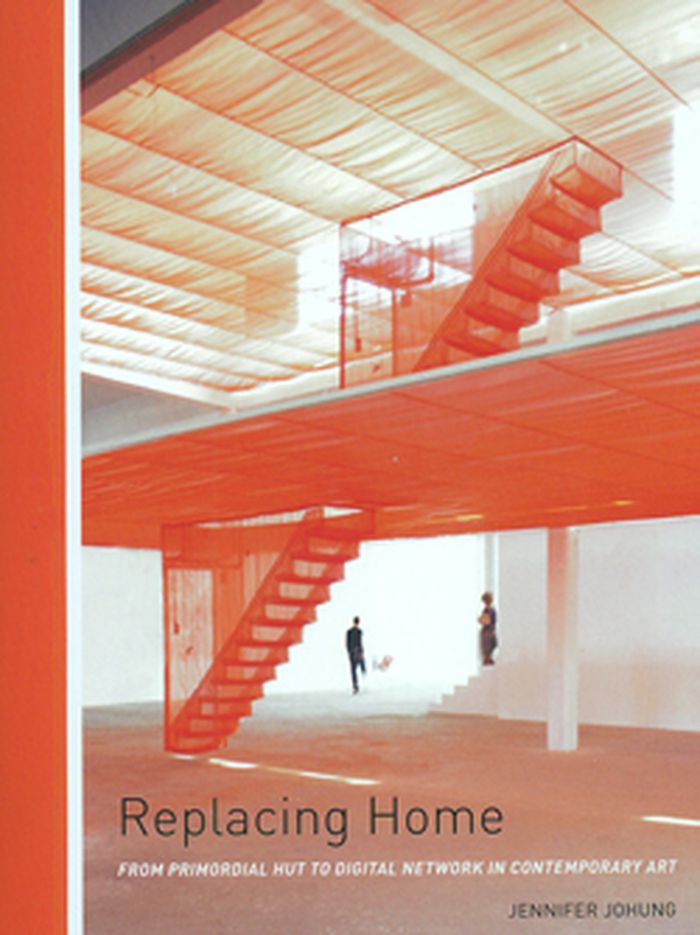
From property deeds to shipping containers to wearable shelters to virtual spaces: what does it mean to draw a spatial boundary? To be at home? In a world in which notions of place are constantly changing, Jennifer Johung looks at new constructions of staying in place--in contemporary site-specific art, digital media, portable architecture, and various other imaginable shelters and sites.
Replacing home: From primordial hut to digital network in contemporary art
Actions:
Prix:
$27.50
(disponible sur commande)
Résumé:
From property deeds to shipping containers to wearable shelters to virtual spaces: what does it mean to draw a spatial boundary? To be at home? In a world in which notions of place are constantly changing, Jennifer Johung looks at new constructions of staying in place--in contemporary site-specific art, digital media, portable architecture, and various other imaginable shelters and sites.
Classification:
livres
livres
Publication:
janvier 2012
janvier 2012
Sujet:
Théorie de l’art
Théorie de l’art
Classification:
livres
livres
Titre:
Moscow: the fourth Rome
Moscow: the fourth Rome
Actions:
Prix:
$56.50
(disponible sur commande)
Résumé:
In Moscow, the Fourth Rome , Katerina Clark shows how Soviet officials and intellectuals, in seeking to capture the imagination of leftist and anti-fascist intellectuals throughout the world, sought to establish their capital as the cosmopolitan center of a post-Christian confederation and to rebuild it to become a beacon for the rest of the world. Clark provides an(...)
$56.50
(disponible sur commande)
Résumé:
In Moscow, the Fourth Rome , Katerina Clark shows how Soviet officials and intellectuals, in seeking to capture the imagination of leftist and anti-fascist intellectuals throughout the world, sought to establish their capital as the cosmopolitan center of a post-Christian confederation and to rebuild it to become a beacon for the rest of the world. Clark provides an(...)
Publication:
novembre 2011
novembre 2011
Titre:
Moscow: the fourth Rome
Actions:
Prix:
$56.50
(disponible sur commande)
Résumé:
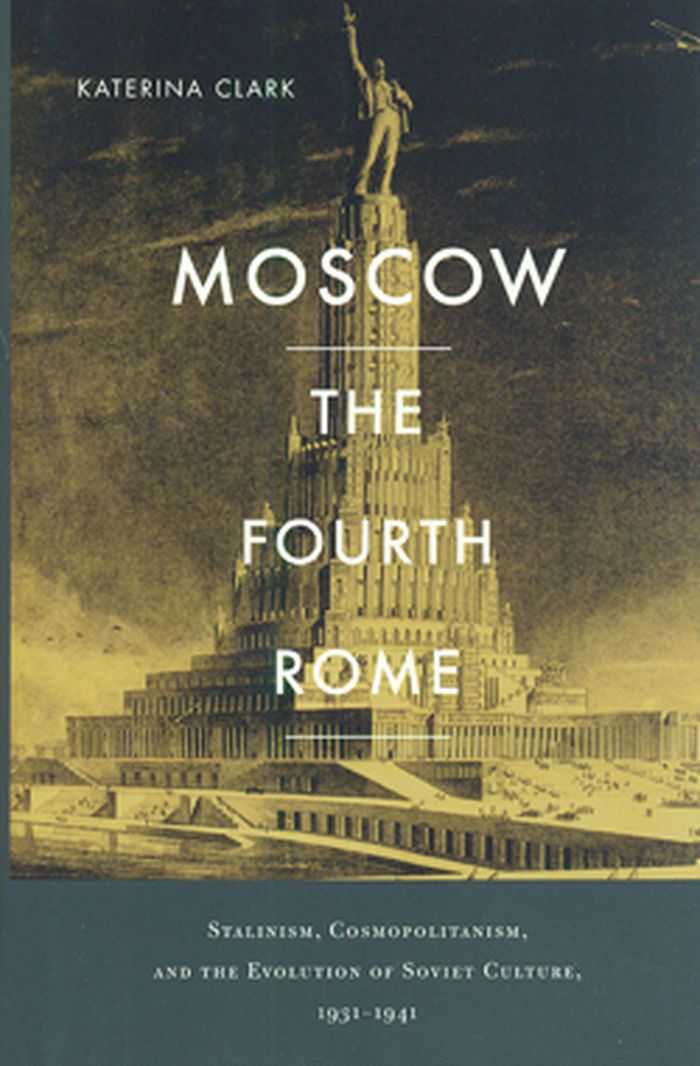
In Moscow, the Fourth Rome , Katerina Clark shows how Soviet officials and intellectuals, in seeking to capture the imagination of leftist and anti-fascist intellectuals throughout the world, sought to establish their capital as the cosmopolitan center of a post-Christian confederation and to rebuild it to become a beacon for the rest of the world. Clark provides an interpretative cultural history of the city during the crucial 1930s, the decade of the Great Purge. She draws on the work of intellectuals such as Sergei Eisenstein, Sergei Tretiakov, Mikhail Koltsov, and Ilya Ehrenburg to shed light on the singular Zeitgeist of that most Stalinist of periods. In her account, the decade emerges as an important moment in the prehistory of key concepts in literary and cultural studies today—transnationalism, cosmopolitanism, and world literature. By bringing to light neglected antecedents, she provides a new polemical and political context for understanding canonical works of writers such as Brecht, Benjamin, Lukacs, and Bakhtin.
Moscow: the fourth Rome
Actions:
Prix:
$56.50
(disponible sur commande)
Résumé:
In Moscow, the Fourth Rome , Katerina Clark shows how Soviet officials and intellectuals, in seeking to capture the imagination of leftist and anti-fascist intellectuals throughout the world, sought to establish their capital as the cosmopolitan center of a post-Christian confederation and to rebuild it to become a beacon for the rest of the world. Clark provides an interpretative cultural history of the city during the crucial 1930s, the decade of the Great Purge. She draws on the work of intellectuals such as Sergei Eisenstein, Sergei Tretiakov, Mikhail Koltsov, and Ilya Ehrenburg to shed light on the singular Zeitgeist of that most Stalinist of periods. In her account, the decade emerges as an important moment in the prehistory of key concepts in literary and cultural studies today—transnationalism, cosmopolitanism, and world literature. By bringing to light neglected antecedents, she provides a new polemical and political context for understanding canonical works of writers such as Brecht, Benjamin, Lukacs, and Bakhtin.
Classification:
livres
livres
Publication:
novembre 2011
novembre 2011
Classification:
livres
livres
Prix:
$47.00
(disponible sur commande)
Résumé:
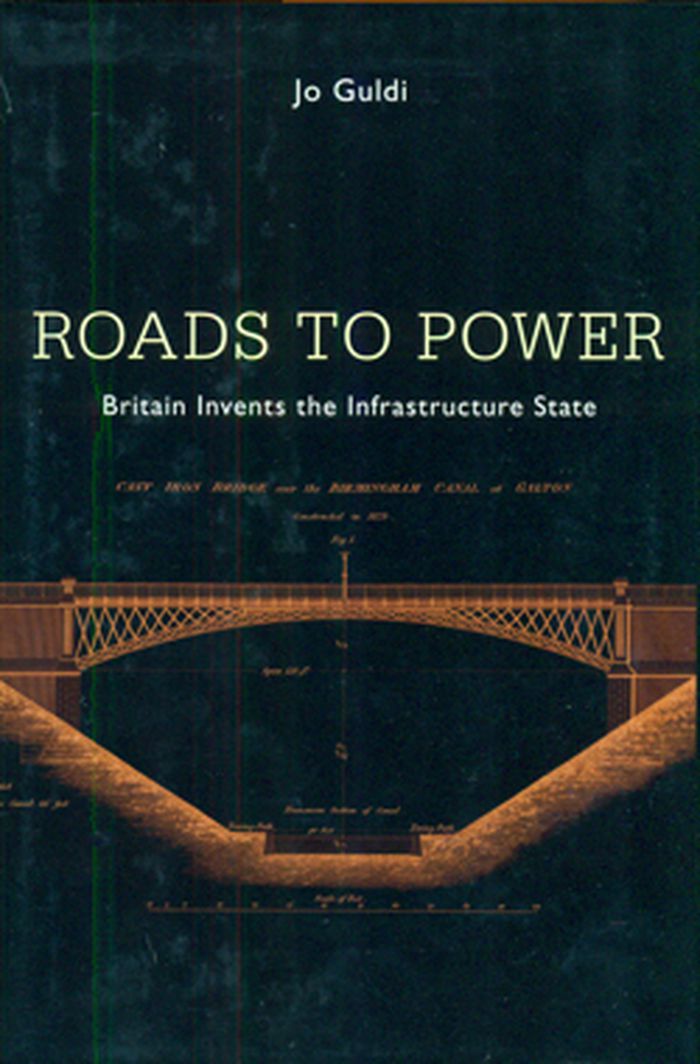
Roads to Power tells the story of how Britain built the first nation connected by infrastructure, how a libertarian revolution destroyed a national economy, and how technology caused strangers to stop speaking. In early eighteenth-century Britain, nothing but dirt track ran between most towns. By 1848 the primitive roads were transformed into a network of highways(...)
$47.00
(disponible sur commande)
Résumé:
Roads to Power tells the story of how Britain built the first nation connected by infrastructure, how a libertarian revolution destroyed a national economy, and how technology caused strangers to stop speaking. In early eighteenth-century Britain, nothing but dirt track ran between most towns. By 1848 the primitive roads were transformed into a network of highways(...)
Titre:
Roads to power: Britain invents the infrastructure state
Actions:
Prix:
$47.00
(disponible sur commande)
Résumé:
Roads to Power tells the story of how Britain built the first nation connected by infrastructure, how a libertarian revolution destroyed a national economy, and how technology caused strangers to stop speaking. In early eighteenth-century Britain, nothing but dirt track ran between most towns. By 1848 the primitive roads were transformed into a network of highways connecting every village and island in the nation—and also dividing them in unforeseen ways. The highway network led to contests for control over everything from road management to market access. Peripheries like the Highlands demanded that centralized government pay for roads they could not afford, while English counties wanted to be spared the cost of underwriting roads to Scotland. The new network also transformed social relationships. Although travelers moved along the same routes, they occupied increasingly isolated spheres. The roads were the product of a new form of government, the infrastructure state, marked by the unprecedented control bureaucrats wielded over decisions relating to everyday life.
Roads to power: Britain invents the infrastructure state
Actions:
Prix:
$47.00
(disponible sur commande)
Résumé:
Roads to Power tells the story of how Britain built the first nation connected by infrastructure, how a libertarian revolution destroyed a national economy, and how technology caused strangers to stop speaking. In early eighteenth-century Britain, nothing but dirt track ran between most towns. By 1848 the primitive roads were transformed into a network of highways connecting every village and island in the nation—and also dividing them in unforeseen ways. The highway network led to contests for control over everything from road management to market access. Peripheries like the Highlands demanded that centralized government pay for roads they could not afford, while English counties wanted to be spared the cost of underwriting roads to Scotland. The new network also transformed social relationships. Although travelers moved along the same routes, they occupied increasingly isolated spheres. The roads were the product of a new form of government, the infrastructure state, marked by the unprecedented control bureaucrats wielded over decisions relating to everyday life.
Classification:
livres
livres
Publication:
janvier 2012
janvier 2012
Sujet:
Théorie de l’architecture
Théorie de l’architecture


