


36154 Résultats
Classification:
livres
livres
Actions:
Prix:
$44.00
(disponible sur commande)
Résumé:
A pioneer of Conceptual art in Los Angeles during the late 1960s and 1970s, the painter, installation artist and theater director William Leavitt (born 1941) is above all an artist of narrative devices. Since 1969, his works in all the above media have employed abrupt fragments of popular and vernacular culture and depictions of modernist architecture to construct elusive(...)
$44.00
(disponible sur commande)
Résumé:
A pioneer of Conceptual art in Los Angeles during the late 1960s and 1970s, the painter, installation artist and theater director William Leavitt (born 1941) is above all an artist of narrative devices. Since 1969, his works in all the above media have employed abrupt fragments of popular and vernacular culture and depictions of modernist architecture to construct elusive(...)
Titre:
William Leavitt: Theater Objects
Actions:
Prix:
$44.00
(disponible sur commande)
Résumé:
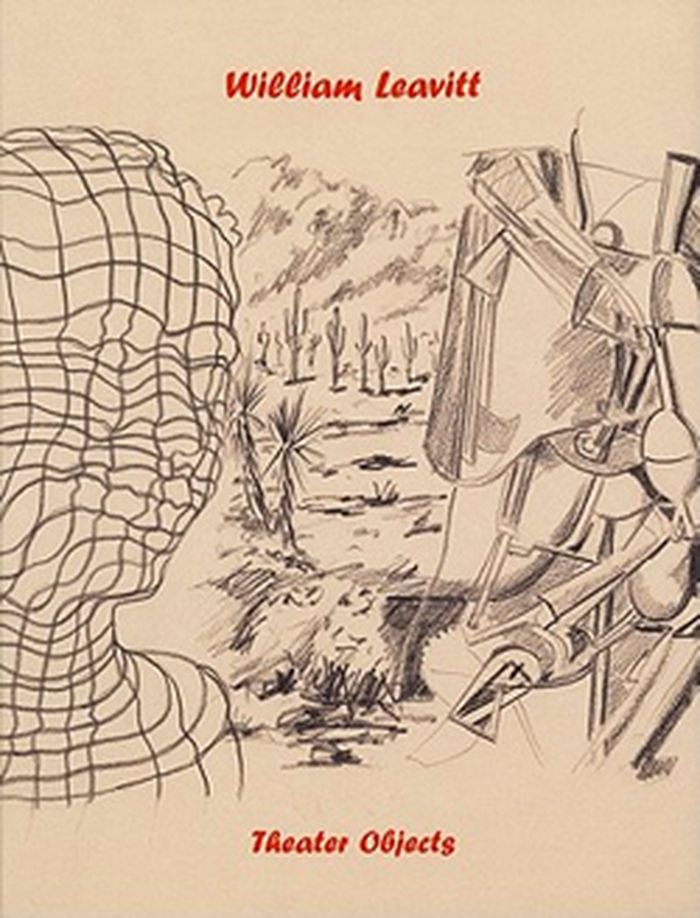
A pioneer of Conceptual art in Los Angeles during the late 1960s and 1970s, the painter, installation artist and theater director William Leavitt (born 1941) is above all an artist of narrative devices. Since 1969, his works in all the above media have employed abrupt fragments of popular and vernacular culture and depictions of modernist architecture to construct elusive narratives of cityscapes and environments. The culture and atmosphere of Los Angeles has played a significant role in Leavitt's handling of these themes; classic southern Californian motifs of ever-present artifice and almost washed-out brightness recur throughout his work. Surveying the artist's 40-year career, this volume includes sculptural tableaux, paintings, works on paper, photographs and performances from the late 1960s to the present. Leavitt has created a remarkable oeuvre that has influenced generations of artists, and this volume is both long overdue and highly anticipated.
William Leavitt: Theater Objects
Actions:
Prix:
$44.00
(disponible sur commande)
Résumé:
A pioneer of Conceptual art in Los Angeles during the late 1960s and 1970s, the painter, installation artist and theater director William Leavitt (born 1941) is above all an artist of narrative devices. Since 1969, his works in all the above media have employed abrupt fragments of popular and vernacular culture and depictions of modernist architecture to construct elusive narratives of cityscapes and environments. The culture and atmosphere of Los Angeles has played a significant role in Leavitt's handling of these themes; classic southern Californian motifs of ever-present artifice and almost washed-out brightness recur throughout his work. Surveying the artist's 40-year career, this volume includes sculptural tableaux, paintings, works on paper, photographs and performances from the late 1960s to the present. Leavitt has created a remarkable oeuvre that has influenced generations of artists, and this volume is both long overdue and highly anticipated.
Classification:
livres
livres
Publication:
avril 2011
avril 2011
Classification:
livres
livres
Titre:
Serpentine gallery pavillons
Serpentine gallery pavillons
Actions:
Prix:
$64.95
(disponible sur commande)
Résumé:
Since 2000, the Serpentine Gallery in London's Kensington Gardens has called on some of the world's top architects to design summer pavilions - temporary structures that are erected next to the Gallery itself for a three-month period. The Serpentine, which was built in 1934 as a tea pavilion, opened in 1970 as a show-place for exhibitions of modern and contemporary(...)
$64.95
(disponible sur commande)
Résumé:
Since 2000, the Serpentine Gallery in London's Kensington Gardens has called on some of the world's top architects to design summer pavilions - temporary structures that are erected next to the Gallery itself for a three-month period. The Serpentine, which was built in 1934 as a tea pavilion, opened in 1970 as a show-place for exhibitions of modern and contemporary(...)
Titre:
Serpentine gallery pavillons
Actions:
Prix:
$64.95
(disponible sur commande)
Résumé:
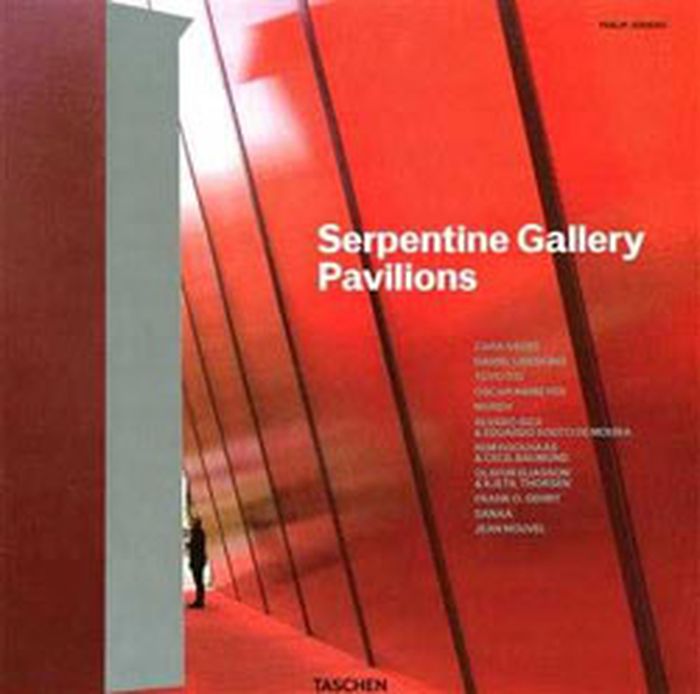
Since 2000, the Serpentine Gallery in London's Kensington Gardens has called on some of the world's top architects to design summer pavilions - temporary structures that are erected next to the Gallery itself for a three-month period. The Serpentine, which was built in 1934 as a tea pavilion, opened in 1970 as a show-place for exhibitions of modern and contemporary artists. The projects completed or envisaged include the work of: Zaha Hadid, 2000; Daniel Libeskind, 2001; Toyo Ito, 2002; Oscar Niemeyer, 2003; MVRDV, 2004 (un-realised); Alvaro Siza and Eduardo Souto de Moura with Cecil Balmond, 2005; Rem Koolhaas and Cecil Balmond, 2006; Olafur Eliasson and Kjetil Thorsen, 2007; Frank Gehry, 2008; SANAA, 2009; Jean Nouvel, 2010; and, other works such as Zaha Hadid's temporary 2006 installation Lilas are included in the book as well. This book is the first to bring together all of the Serpentine Pavilions.
Serpentine gallery pavillons
Actions:
Prix:
$64.95
(disponible sur commande)
Résumé:
Since 2000, the Serpentine Gallery in London's Kensington Gardens has called on some of the world's top architects to design summer pavilions - temporary structures that are erected next to the Gallery itself for a three-month period. The Serpentine, which was built in 1934 as a tea pavilion, opened in 1970 as a show-place for exhibitions of modern and contemporary artists. The projects completed or envisaged include the work of: Zaha Hadid, 2000; Daniel Libeskind, 2001; Toyo Ito, 2002; Oscar Niemeyer, 2003; MVRDV, 2004 (un-realised); Alvaro Siza and Eduardo Souto de Moura with Cecil Balmond, 2005; Rem Koolhaas and Cecil Balmond, 2006; Olafur Eliasson and Kjetil Thorsen, 2007; Frank Gehry, 2008; SANAA, 2009; Jean Nouvel, 2010; and, other works such as Zaha Hadid's temporary 2006 installation Lilas are included in the book as well. This book is the first to bring together all of the Serpentine Pavilions.
Classification:
livres
livres
Publication:
août 2011
août 2011
Classification:
livres
livres
Actions:
Prix:
$40.50
(disponible sur commande)
Résumé:
Our relationship with dirt is complex and ambivalent. Dirt is waste, excrement, rubbish, bacteria--but what then is soil, where crops grow, and to which our bodies eventually return? Dirt may pose significant risks to our health, but it is also vital to our existence. Lavishly illustrated, this exciting and often startling book is a provocative introduction to a vast(...)
$40.50
(disponible sur commande)
Résumé:
Our relationship with dirt is complex and ambivalent. Dirt is waste, excrement, rubbish, bacteria--but what then is soil, where crops grow, and to which our bodies eventually return? Dirt may pose significant risks to our health, but it is also vital to our existence. Lavishly illustrated, this exciting and often startling book is a provocative introduction to a vast(...)
Titre:
Dirt: the filthy reality of everyday life
Actions:
Prix:
$40.50
(disponible sur commande)
Résumé:
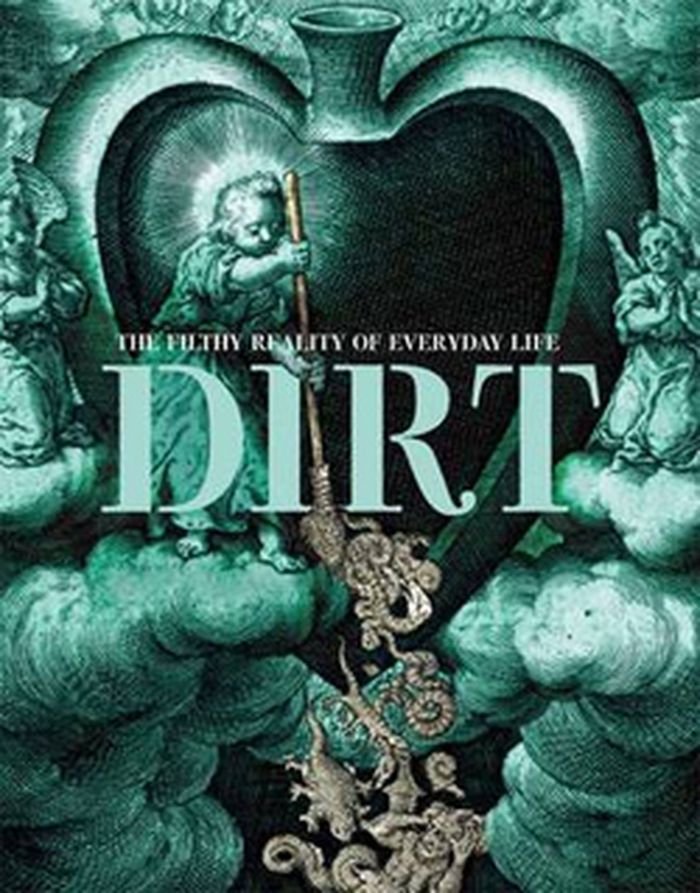
Our relationship with dirt is complex and ambivalent. Dirt is waste, excrement, rubbish, bacteria--but what then is soil, where crops grow, and to which our bodies eventually return? Dirt may pose significant risks to our health, but it is also vital to our existence. Lavishly illustrated, this exciting and often startling book is a provocative introduction to a vast and complex subject. Five writers and a graphic novelist pursue different themes from a range of perspectives in order to examine dirt and its contradictions, including personal grooming, the politics of dirt in the home, city sanitation, and waste disposal. From a 2011 exhibition at the Wellcome Collection, London.
Dirt: the filthy reality of everyday life
Actions:
Prix:
$40.50
(disponible sur commande)
Résumé:
Our relationship with dirt is complex and ambivalent. Dirt is waste, excrement, rubbish, bacteria--but what then is soil, where crops grow, and to which our bodies eventually return? Dirt may pose significant risks to our health, but it is also vital to our existence. Lavishly illustrated, this exciting and often startling book is a provocative introduction to a vast and complex subject. Five writers and a graphic novelist pursue different themes from a range of perspectives in order to examine dirt and its contradictions, including personal grooming, the politics of dirt in the home, city sanitation, and waste disposal. From a 2011 exhibition at the Wellcome Collection, London.
Classification:
livres
livres
Publication:
mai 2012
mai 2012
Sujet:
Théorie de l’architecture
Théorie de l’architecture
Classification:
livres
livres

Actions:
Prix:
$68.00
(disponible en magasin)
Résumé:
This first volume (1839-1890)of the "Skira History of Photography" considers the years of the invention of photography and those immediately following-extraordinary years from both the point of view of history and of the development of the inventions. Including the great early forebears, like Daguerre and Talbot, and the great photographic expeditions that placed the(...)
$68.00
(disponible en magasin)
Résumé:
This first volume (1839-1890)of the "Skira History of Photography" considers the years of the invention of photography and those immediately following-extraordinary years from both the point of view of history and of the development of the inventions. Including the great early forebears, like Daguerre and Talbot, and the great photographic expeditions that placed the(...)
Titre:
Photography : The origin 1839-1890
Actions:
Prix:
$68.00
(disponible en magasin)
Résumé:
This first volume (1839-1890)of the "Skira History of Photography" considers the years of the invention of photography and those immediately following-extraordinary years from both the point of view of history and of the development of the inventions. Including the great early forebears, like Daguerre and Talbot, and the great photographic expeditions that placed the world before the eyes of an ever-increasing number of people, this first volume also stresses the fundamental links between photography and the world of science. The volume concludes by examining the burgeoning relationship between photography and the traditional arts disciplines, a point of fundamental importance in the development of a photographic language.
Photography : The origin 1839-1890
Actions:
Prix:
$68.00
(disponible en magasin)
Résumé:
This first volume (1839-1890)of the "Skira History of Photography" considers the years of the invention of photography and those immediately following-extraordinary years from both the point of view of history and of the development of the inventions. Including the great early forebears, like Daguerre and Talbot, and the great photographic expeditions that placed the world before the eyes of an ever-increasing number of people, this first volume also stresses the fundamental links between photography and the world of science. The volume concludes by examining the burgeoning relationship between photography and the traditional arts disciplines, a point of fundamental importance in the development of a photographic language.
Classification:
livres
livres
Publication:
septembre 2011
septembre 2011
Sujet:
Photographie- collections
Photographie- collections
Classification:
livres
livres
Actions:
Prix:
$18.99
(disponible sur commande)
Résumé:
Makeshift Metropolis describes how current ideas about urban planning evolved from the movements that defined the twentieth century, such as City Beautiful, the Garden City, and the seminal ideas of Frank Lloyd Wright and Jane Jacobs. If the twentieth century was the age of planning, we now find ourselves in the age of the market, Rybczynski argues, where entrepreneurial(...)
$18.99
(disponible sur commande)
Résumé:
Makeshift Metropolis describes how current ideas about urban planning evolved from the movements that defined the twentieth century, such as City Beautiful, the Garden City, and the seminal ideas of Frank Lloyd Wright and Jane Jacobs. If the twentieth century was the age of planning, we now find ourselves in the age of the market, Rybczynski argues, where entrepreneurial(...)
Titre:
Makeshift metropolis: ideas about cities
Actions:
Prix:
$18.99
(disponible sur commande)
Résumé:
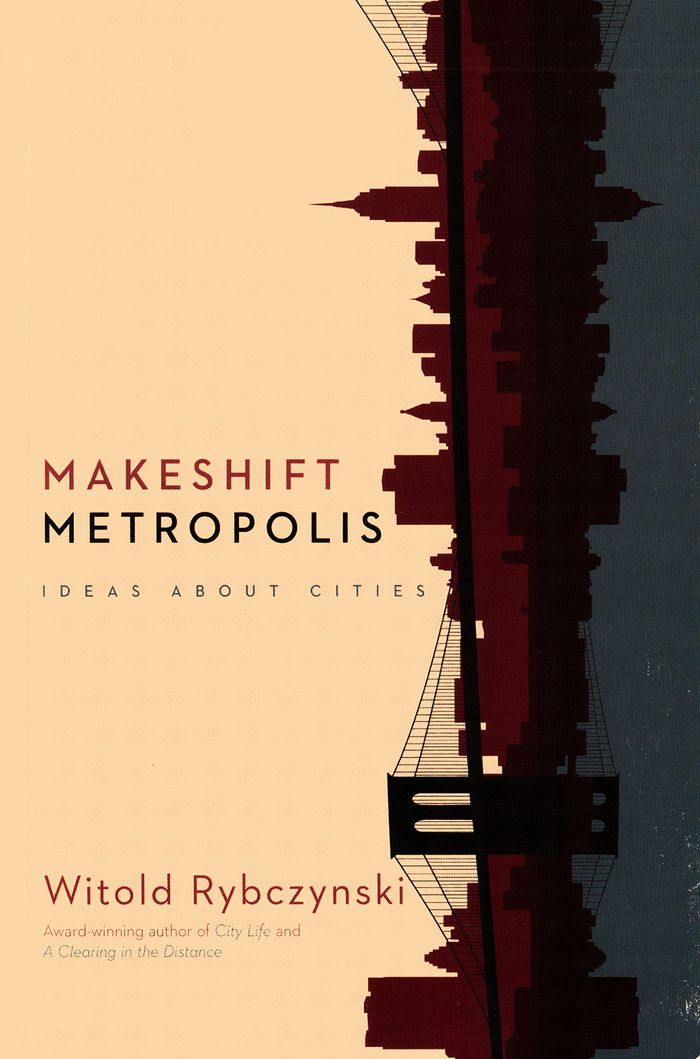
Makeshift Metropolis describes how current ideas about urban planning evolved from the movements that defined the twentieth century, such as City Beautiful, the Garden City, and the seminal ideas of Frank Lloyd Wright and Jane Jacobs. If the twentieth century was the age of planning, we now find ourselves in the age of the market, Rybczynski argues, where entrepreneurial developers are shaping the twenty-first-century city with mixed-use developments, downtown living, heterogeneity, density, and liveliness. He introduces readers to projects like Brooklyn Bridge Park, the Yards in Washington, D.C., and, further afield, to the new city of Modi’in, Israel—sites that, in this age of resource scarcity, economic turmoil, and changing human demands, challenge our notion of the city.
Makeshift metropolis: ideas about cities
Actions:
Prix:
$18.99
(disponible sur commande)
Résumé:
Makeshift Metropolis describes how current ideas about urban planning evolved from the movements that defined the twentieth century, such as City Beautiful, the Garden City, and the seminal ideas of Frank Lloyd Wright and Jane Jacobs. If the twentieth century was the age of planning, we now find ourselves in the age of the market, Rybczynski argues, where entrepreneurial developers are shaping the twenty-first-century city with mixed-use developments, downtown living, heterogeneity, density, and liveliness. He introduces readers to projects like Brooklyn Bridge Park, the Yards in Washington, D.C., and, further afield, to the new city of Modi’in, Israel—sites that, in this age of resource scarcity, economic turmoil, and changing human demands, challenge our notion of the city.
Classification:
livres
livres
Publication:
septembre 2011
septembre 2011
Sujet:
Théorie de l’urbanisme
Théorie de l’urbanisme
Classification:
livres
livres
Actions:
Prix:
$76.00
(disponible sur commande)
Résumé:
Brenda Colvin (1897-1981) ranks with Sylvia Crowe and Geoffrey Jellicoe as a pioneer of twentieth-century landscape design in Britain. This first full account of her life and work demonstrates her importance. With full access to the archives of Colvin, author Trish Gibson draws on Colvin's personal notebooks and uses many of her previously unpublished photographs and(...)
$76.00
(disponible sur commande)
Résumé:
Brenda Colvin (1897-1981) ranks with Sylvia Crowe and Geoffrey Jellicoe as a pioneer of twentieth-century landscape design in Britain. This first full account of her life and work demonstrates her importance. With full access to the archives of Colvin, author Trish Gibson draws on Colvin's personal notebooks and uses many of her previously unpublished photographs and(...)
Titre:
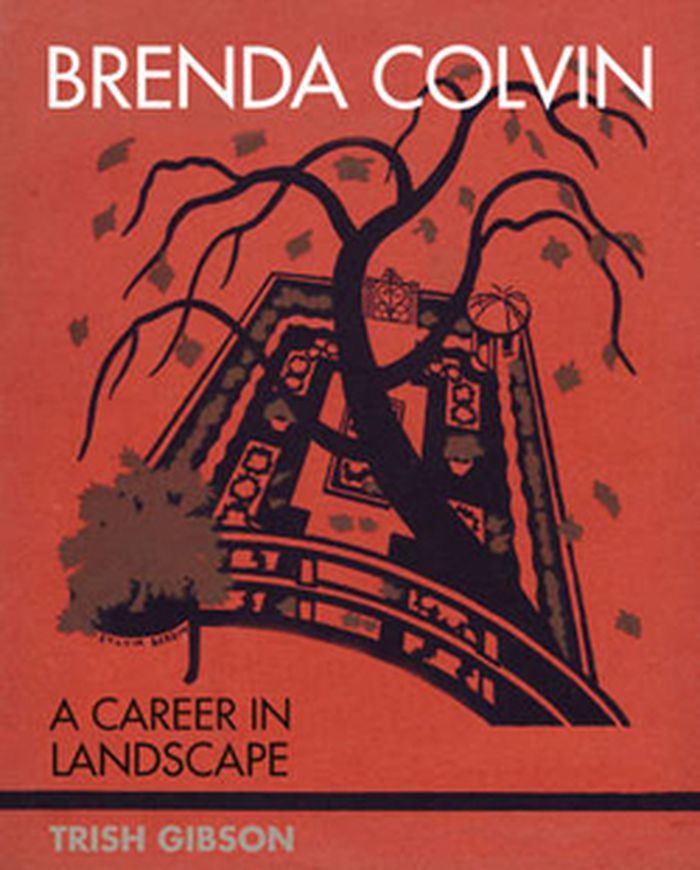
Brenda Colvin: a career in landscape
Actions:
Prix:
$76.00
(disponible sur commande)
Résumé:
Brenda Colvin (1897-1981) ranks with Sylvia Crowe and Geoffrey Jellicoe as a pioneer of twentieth-century landscape design in Britain. This first full account of her life and work demonstrates her importance. With full access to the archives of Colvin, author Trish Gibson draws on Colvin's personal notebooks and uses many of her previously unpublished photographs and plans for this book.
Brenda Colvin: a career in landscape
Actions:
Prix:
$76.00
(disponible sur commande)
Résumé:
Brenda Colvin (1897-1981) ranks with Sylvia Crowe and Geoffrey Jellicoe as a pioneer of twentieth-century landscape design in Britain. This first full account of her life and work demonstrates her importance. With full access to the archives of Colvin, author Trish Gibson draws on Colvin's personal notebooks and uses many of her previously unpublished photographs and plans for this book.
Classification:
livres
livres
Publication:
juillet 2011
juillet 2011
Classification:
livres
livres
Actions:
Prix:
$30.00
(disponible sur commande)
Résumé:
One of the twentieth century's most influential and iconoclastic protagonists, John Cage (1912-1992) may be described not so much as a composer, artist and author, as a thinker who applied his ideas equivalently to sound, visual art and writing. As with his music, the use of chance operations--in particular via the Chinese "Book of Changes," or "I Ching" - was central to(...)
$30.00
(disponible sur commande)
Résumé:
One of the twentieth century's most influential and iconoclastic protagonists, John Cage (1912-1992) may be described not so much as a composer, artist and author, as a thinker who applied his ideas equivalently to sound, visual art and writing. As with his music, the use of chance operations--in particular via the Chinese "Book of Changes," or "I Ching" - was central to(...)
Titre:
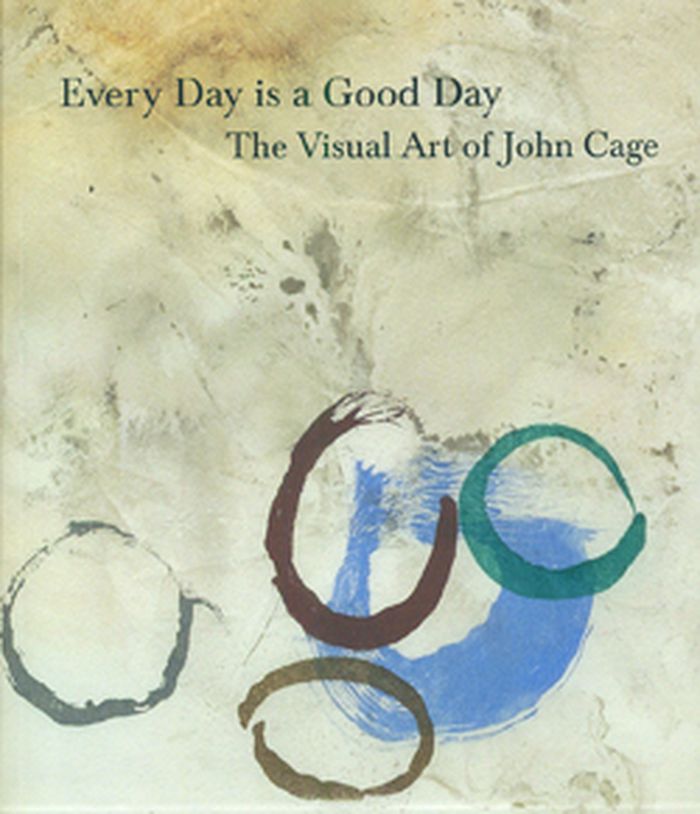
Everyday is a good day : The visual art of John Cage
Actions:
Prix:
$30.00
(disponible sur commande)
Résumé:
One of the twentieth century's most influential and iconoclastic protagonists, John Cage (1912-1992) may be described not so much as a composer, artist and author, as a thinker who applied his ideas equivalently to sound, visual art and writing. As with his music, the use of chance operations--in particular via the Chinese "Book of Changes," or "I Ching" - was central to Cage's approach to visual art, determining technique, the placement of forms and even tonal values. "Every Day is a Good Day" provides the first broad assessment of Cage's art, and is fully illustrated with plates of his drawings, watercolors and prints, including series such as "Where R=Ryoanji" (1983-92). Cage's working methods and philosophies are brought to light in new interviews with key collaborators: printmaker and writer Kathan Brown, founder of Crown Point Press; Laura Kuhn, Director of the John Cage Trust; artist Ray Kass; and Julie Lazar, curator of Cage's composition for a museum, "Rolywholyover: A Circus." Extracts from a 1966 interview between John Cage and critic Irving Sandler are also reproduced. At the heart of the book is a "Companion to John Cage," a selection of quotes by Cage and notes on key themes and influences, all of which make it essential reading on this important figure of the twentieth-century avant garde.
Everyday is a good day : The visual art of John Cage
Actions:
Prix:
$30.00
(disponible sur commande)
Résumé:
One of the twentieth century's most influential and iconoclastic protagonists, John Cage (1912-1992) may be described not so much as a composer, artist and author, as a thinker who applied his ideas equivalently to sound, visual art and writing. As with his music, the use of chance operations--in particular via the Chinese "Book of Changes," or "I Ching" - was central to Cage's approach to visual art, determining technique, the placement of forms and even tonal values. "Every Day is a Good Day" provides the first broad assessment of Cage's art, and is fully illustrated with plates of his drawings, watercolors and prints, including series such as "Where R=Ryoanji" (1983-92). Cage's working methods and philosophies are brought to light in new interviews with key collaborators: printmaker and writer Kathan Brown, founder of Crown Point Press; Laura Kuhn, Director of the John Cage Trust; artist Ray Kass; and Julie Lazar, curator of Cage's composition for a museum, "Rolywholyover: A Circus." Extracts from a 1966 interview between John Cage and critic Irving Sandler are also reproduced. At the heart of the book is a "Companion to John Cage," a selection of quotes by Cage and notes on key themes and influences, all of which make it essential reading on this important figure of the twentieth-century avant garde.
Classification:
livres
livres
Publication:
juillet 2011
juillet 2011
Classification:
livres
livres
Prix:
$49.99
(disponible sur commande)
Résumé:
This publication is a collection of “favorite” designs as selected by 80 graphic designers, typographers, teachers, scholars, writers and design impresarios. Designers have preferences, like modern over postmodern, serif over sans serif, decorative over minimal, but designers could not be engaged in design practice if they did not love design. The reasons for such a(...)
$49.99
(disponible sur commande)
Résumé:
This publication is a collection of “favorite” designs as selected by 80 graphic designers, typographers, teachers, scholars, writers and design impresarios. Designers have preferences, like modern over postmodern, serif over sans serif, decorative over minimal, but designers could not be engaged in design practice if they did not love design. The reasons for such a(...)
Titre:
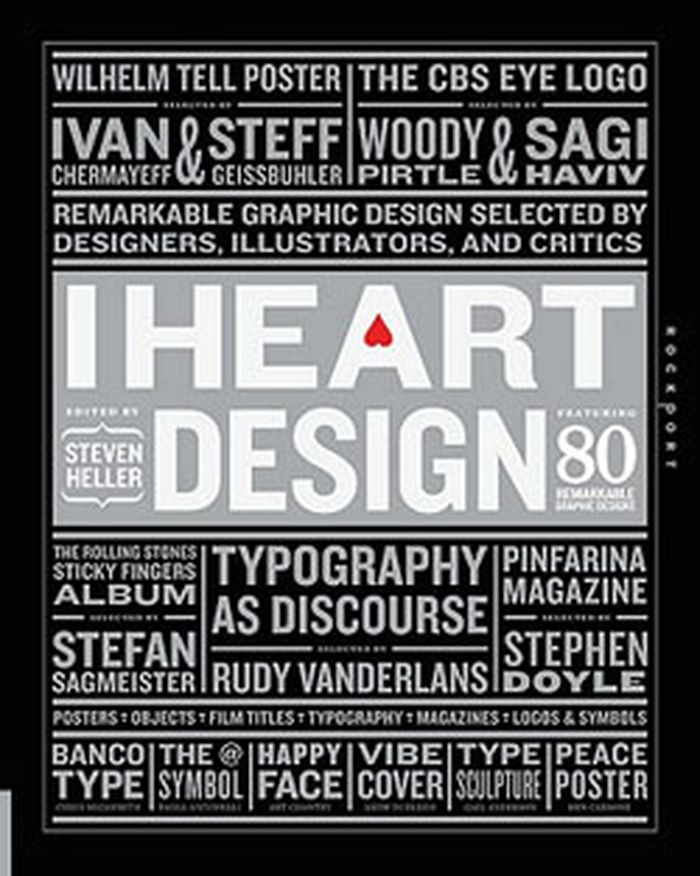
I heart design, featuring 80 remarkable graphic designs
Actions:
Prix:
$49.99
(disponible sur commande)
Résumé:
This publication is a collection of “favorite” designs as selected by 80 graphic designers, typographers, teachers, scholars, writers and design impresarios. Designers have preferences, like modern over postmodern, serif over sans serif, decorative over minimal, but designers could not be engaged in design practice if they did not love design. The reasons for such a charged emotion varies from individual to individual, but there are certain commonalities regarding form, function, outcome, and more. Design triggers something in all of us that may be solely aesthetic or decidedly content-driven, but in the final analysis, we are drawn to it through the heart.
I heart design, featuring 80 remarkable graphic designs
Actions:
Prix:
$49.99
(disponible sur commande)
Résumé:
This publication is a collection of “favorite” designs as selected by 80 graphic designers, typographers, teachers, scholars, writers and design impresarios. Designers have preferences, like modern over postmodern, serif over sans serif, decorative over minimal, but designers could not be engaged in design practice if they did not love design. The reasons for such a charged emotion varies from individual to individual, but there are certain commonalities regarding form, function, outcome, and more. Design triggers something in all of us that may be solely aesthetic or decidedly content-driven, but in the final analysis, we are drawn to it through the heart.
Classification:
livres
livres
Publication:
mars 2011
mars 2011
Classification:
livres
livres
Actions:
Prix:
$34.95
(disponible sur commande)
Résumé:
L'architecte suisse présente quatre de ses projets, trois bâtiments et une étude pour un concours. Il montre ensuite une collection d'images servant à expliquer les sources de son travail.
$34.95
(disponible sur commande)
Résumé:
L'architecte suisse présente quatre de ses projets, trois bâtiments et une étude pour un concours. Il montre ensuite une collection d'images servant à expliquer les sources de son travail.
Titre:
Valerio Olgiati, une conférence
Actions:
Prix:
$34.95
(disponible sur commande)
Résumé:
L'architecte suisse présente quatre de ses projets, trois bâtiments et une étude pour un concours. Il montre ensuite une collection d'images servant à expliquer les sources de son travail.
Valerio Olgiati, une conférence
Actions:
Prix:
$34.95
(disponible sur commande)
Résumé:
L'architecte suisse présente quatre de ses projets, trois bâtiments et une étude pour un concours. Il montre ensuite une collection d'images servant à expliquer les sources de son travail.
Classification:
livres
livres
Publication:
décembre 2011
décembre 2011
Sujet:
Architecture, monographies
Architecture, monographies
Classification:
livres
livres
Titre:
Fallen empires
Fallen empires
Actions:
Prix:
$55.00
(disponible sur commande)
Résumé:
Extensively covered by the media, debated by the governments of the world and claimed by vying religions, Israel is a remarkable case study for understanding the rise and fall of empires. By highlighting the country's historic architecture and its highly contentious ruins, Israeli photographer Shai Kremer (born 1974) questions how these sites figure today in the discourse(...)
$55.00
(disponible sur commande)
Résumé:
Extensively covered by the media, debated by the governments of the world and claimed by vying religions, Israel is a remarkable case study for understanding the rise and fall of empires. By highlighting the country's historic architecture and its highly contentious ruins, Israeli photographer Shai Kremer (born 1974) questions how these sites figure today in the discourse(...)
Titre:
Fallen empires
Actions:
Prix:
$55.00
(disponible sur commande)
Résumé:
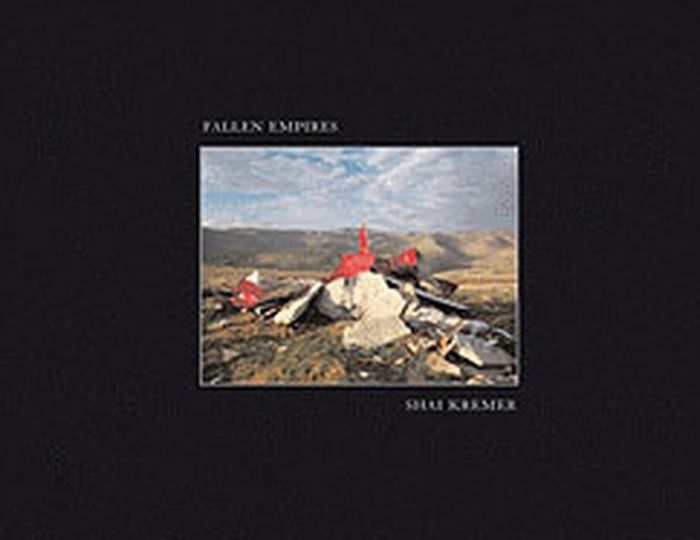
Extensively covered by the media, debated by the governments of the world and claimed by vying religions, Israel is a remarkable case study for understanding the rise and fall of empires. By highlighting the country's historic architecture and its highly contentious ruins, Israeli photographer Shai Kremer (born 1974) questions how these sites figure today in the discourse of the Israeli-Palestinian conflict and the future of the nation. This publication invites viewers to consider new relationships between the histories and identities assembled and disassembled in the creation of modern Israel. As Kremer explains, “Israel is overloaded with sediments of past empires. More than half of the current IDF (Israel Defense Forces) strongholds rest on the ruins of military sites of former empires. The recycling of these spaces, from one conqueror to the next, shows how most empires tried to conquer and rule this land, with one similar outcome: they eventually failed.”
Fallen empires
Actions:
Prix:
$55.00
(disponible sur commande)
Résumé:
Extensively covered by the media, debated by the governments of the world and claimed by vying religions, Israel is a remarkable case study for understanding the rise and fall of empires. By highlighting the country's historic architecture and its highly contentious ruins, Israeli photographer Shai Kremer (born 1974) questions how these sites figure today in the discourse of the Israeli-Palestinian conflict and the future of the nation. This publication invites viewers to consider new relationships between the histories and identities assembled and disassembled in the creation of modern Israel. As Kremer explains, “Israel is overloaded with sediments of past empires. More than half of the current IDF (Israel Defense Forces) strongholds rest on the ruins of military sites of former empires. The recycling of these spaces, from one conqueror to the next, shows how most empires tried to conquer and rule this land, with one similar outcome: they eventually failed.”
Classification:
livres
livres
Publication:
juillet 2011
juillet 2011
Sujet:
Monographies photo
Monographies photo


