


672 Résultats
Classification:
livres
livres
Actions:
Prix:
$18.00
(disponible sur commande)
Résumé:
"Charles Correa – seen by many in India as a sort of guru, as someone capable to transcend and grasp the ineffable reality that surrounds us – has left his noteworthy architectural heritage across the globe. In 2013, the Royal Institute of British Architects (RIBA) celebrated him as one of the greatest contemporary urban planners showcasing his work in an exhibition(...)
$18.00
(disponible sur commande)
Résumé:
"Charles Correa – seen by many in India as a sort of guru, as someone capable to transcend and grasp the ineffable reality that surrounds us – has left his noteworthy architectural heritage across the globe. In 2013, the Royal Institute of British Architects (RIBA) celebrated him as one of the greatest contemporary urban planners showcasing his work in an exhibition(...)
Titre:
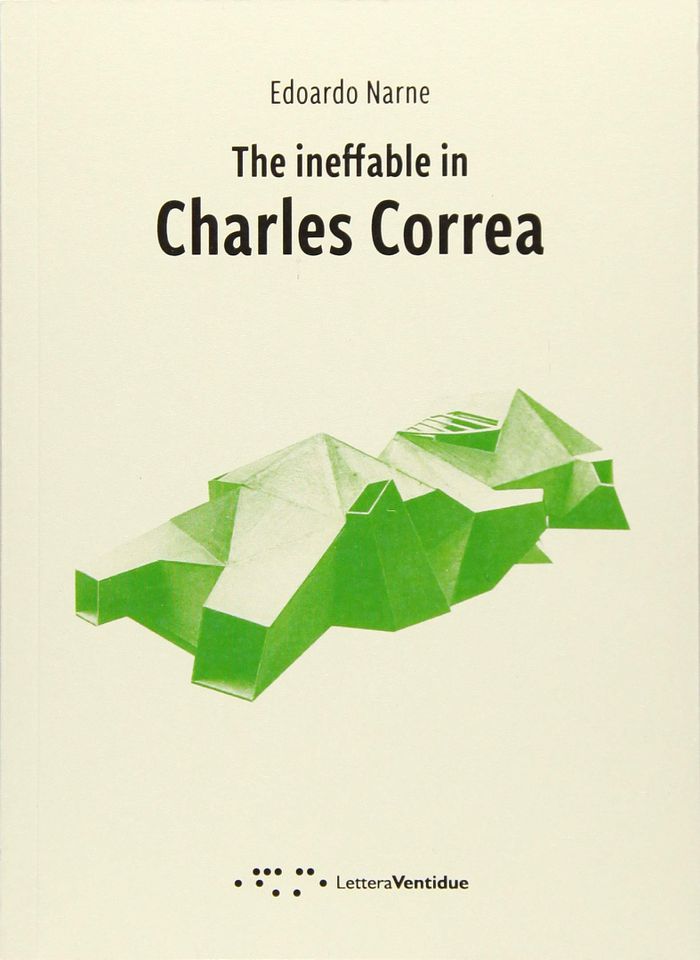
The ineffable in Charles Correa
Actions:
Prix:
$18.00
(disponible sur commande)
Résumé:
"Charles Correa – seen by many in India as a sort of guru, as someone capable to transcend and grasp the ineffable reality that surrounds us – has left his noteworthy architectural heritage across the globe. In 2013, the Royal Institute of British Architects (RIBA) celebrated him as one of the greatest contemporary urban planners showcasing his work in an exhibition called: 'Charles Correa: India’s greatest architect'. Profoundly tied to my Indian origins, to me Correa has been the master over distance, a personal benchmark to set my goals against. He was my inspiring thinker, architect and urbanist, or simply said, the designer I would have liked to be. Many of Correa’s last works show his deep-rooted search of the highest spiritual dimension in the attempt to trap part of the cosmic energy surrounding us into architectural works that were – and are – the shadow of his soul."
The ineffable in Charles Correa
Actions:
Prix:
$18.00
(disponible sur commande)
Résumé:
"Charles Correa – seen by many in India as a sort of guru, as someone capable to transcend and grasp the ineffable reality that surrounds us – has left his noteworthy architectural heritage across the globe. In 2013, the Royal Institute of British Architects (RIBA) celebrated him as one of the greatest contemporary urban planners showcasing his work in an exhibition called: 'Charles Correa: India’s greatest architect'. Profoundly tied to my Indian origins, to me Correa has been the master over distance, a personal benchmark to set my goals against. He was my inspiring thinker, architect and urbanist, or simply said, the designer I would have liked to be. Many of Correa’s last works show his deep-rooted search of the highest spiritual dimension in the attempt to trap part of the cosmic energy surrounding us into architectural works that were – and are – the shadow of his soul."
Classification:
livres
livres
Publication:
octobre 2019
octobre 2019
Sujet:
Architecture, monographies
Architecture, monographies
Classification:
livres
livres
Prix:
$72.00
(disponible sur commande)
Résumé:
Architect and artist Marshall Brown is making space for the future by remixing the legacy of modern architecture in this exploration of his visionary urban ideas, brought to life through extraordinary collages, drawings, models, and photographs. Groundbreaking architect Marshall Brown presents a vision of the future through cross-disciplinary explorations that(...)
$72.00
(disponible sur commande)
Résumé:
Architect and artist Marshall Brown is making space for the future by remixing the legacy of modern architecture in this exploration of his visionary urban ideas, brought to life through extraordinary collages, drawings, models, and photographs. Groundbreaking architect Marshall Brown presents a vision of the future through cross-disciplinary explorations that(...)
Titre:
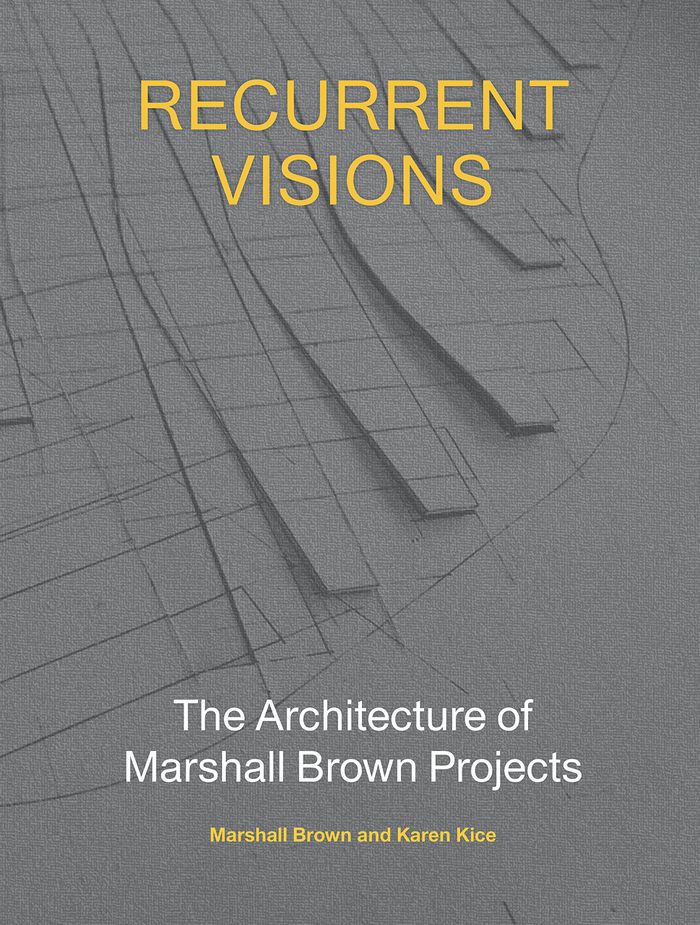
Recurrent visions: The architecture of Marshall Brown projects
Actions:
Prix:
$72.00
(disponible sur commande)
Résumé:
Architect and artist Marshall Brown is making space for the future by remixing the legacy of modern architecture in this exploration of his visionary urban ideas, brought to life through extraordinary collages, drawings, models, and photographs. Groundbreaking architect Marshall Brown presents a vision of the future through cross-disciplinary explorations that leverage the possibilities of scale, media, and time in this survey of three unique projects. With an introduction by curator Karen Kice, discover Brown's work through a deep dive into his seminal projects for New York, Chicago, and Detroit. ''Recurrent visions'' journeys into the cities, places, and spaces of the future crafted by the hands of today, with contributions from today's leading architectural thinkers, Monica Ponce de Leon, Joseph Becker, Allison Glenn, and Adrienne Brown, featuring three projects: UNITY Plan for the MTA Vanderbilt Rail Yards, Brooklyn; Dequindre Civic Academy, Detroit; Smooth Growth Urbanism, Chicago.
Recurrent visions: The architecture of Marshall Brown projects
Actions:
Prix:
$72.00
(disponible sur commande)
Résumé:
Architect and artist Marshall Brown is making space for the future by remixing the legacy of modern architecture in this exploration of his visionary urban ideas, brought to life through extraordinary collages, drawings, models, and photographs. Groundbreaking architect Marshall Brown presents a vision of the future through cross-disciplinary explorations that leverage the possibilities of scale, media, and time in this survey of three unique projects. With an introduction by curator Karen Kice, discover Brown's work through a deep dive into his seminal projects for New York, Chicago, and Detroit. ''Recurrent visions'' journeys into the cities, places, and spaces of the future crafted by the hands of today, with contributions from today's leading architectural thinkers, Monica Ponce de Leon, Joseph Becker, Allison Glenn, and Adrienne Brown, featuring three projects: UNITY Plan for the MTA Vanderbilt Rail Yards, Brooklyn; Dequindre Civic Academy, Detroit; Smooth Growth Urbanism, Chicago.
Classification:
livres
livres
Publication:
juin 2022
juin 2022
Sujet:
Architecture, monographies
Architecture, monographies
Classification:
livres
livres
Actions:
Prix:
$100.00
(disponible en magasin)
Résumé:
This exhibition catalogue highlights Girard’s deep engagement with the urban landscape, beginning with his early work in Vancouver, where he documented the city’s streets, neighbourhoods, and shifting social fabric in the 1970s and 1980s. His images from this period, collected in ''Under Vancouver'', 1972–1982 (2017), reveal a city in flux and a photographer attuned to(...)
$100.00
(disponible en magasin)
Résumé:
This exhibition catalogue highlights Girard’s deep engagement with the urban landscape, beginning with his early work in Vancouver, where he documented the city’s streets, neighbourhoods, and shifting social fabric in the 1970s and 1980s. His images from this period, collected in ''Under Vancouver'', 1972–1982 (2017), reveal a city in flux and a photographer attuned to(...)
Titre:
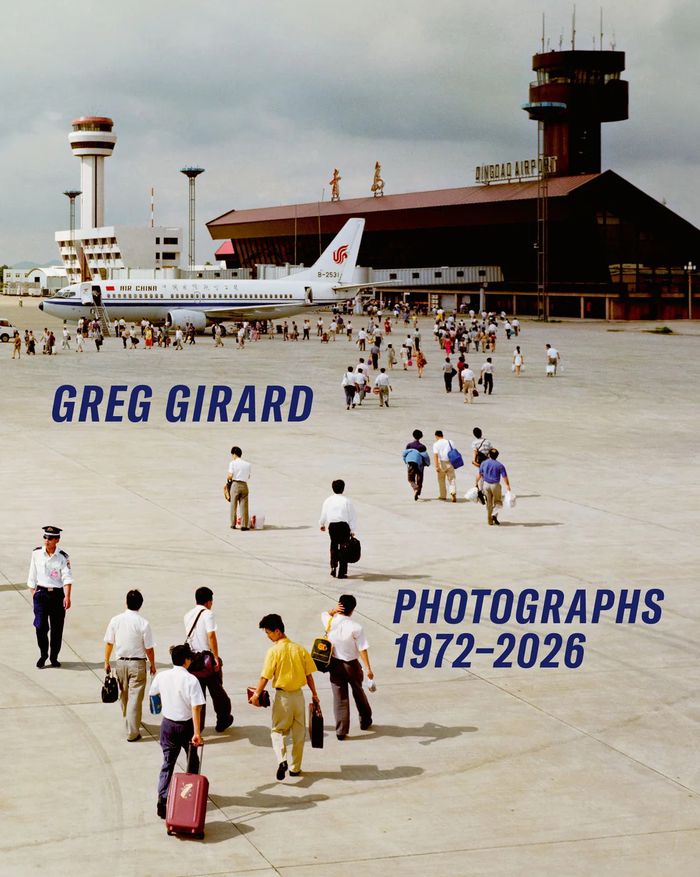
Greg Girard Photographs 1972-2026
Actions:
Prix:
$100.00
(disponible en magasin)
Résumé:
This exhibition catalogue highlights Girard’s deep engagement with the urban landscape, beginning with his early work in Vancouver, where he documented the city’s streets, neighbourhoods, and shifting social fabric in the 1970s and 1980s. His images from this period, collected in ''Under Vancouver'', 1972–1982 (2017), reveal a city in flux and a photographer attuned to both human presence and architectural change, offering an intimate yet expansive portrait of Vancouver’s history and culture. An early interest in Asia resulted in his living for decades in Tokyo, Hong Kong and Shanghai where he captured these cities extraordinary and often tumultuous transformations at the end of the 20th century and into the 21st. His record of life in Hong Kong’s Kowloon Walled City in ''City of Darkness'' (1993, first edition; 1999, reprint) and in ''City of Darkness Revisited'' (2014, first edition; 2021, reprint) co-authored with Ian Lambot, have formed the basis for countless reimaginings of a dystopian/romantic, Asia-influenced, urbanized near future in film and video games. These images, along with the work in ''Phantom Shanghai'' (2007), illustrate the tension between memory and progress, the built environment and human experience, and have earned international acclaim.
Greg Girard Photographs 1972-2026
Actions:
Prix:
$100.00
(disponible en magasin)
Résumé:
This exhibition catalogue highlights Girard’s deep engagement with the urban landscape, beginning with his early work in Vancouver, where he documented the city’s streets, neighbourhoods, and shifting social fabric in the 1970s and 1980s. His images from this period, collected in ''Under Vancouver'', 1972–1982 (2017), reveal a city in flux and a photographer attuned to both human presence and architectural change, offering an intimate yet expansive portrait of Vancouver’s history and culture. An early interest in Asia resulted in his living for decades in Tokyo, Hong Kong and Shanghai where he captured these cities extraordinary and often tumultuous transformations at the end of the 20th century and into the 21st. His record of life in Hong Kong’s Kowloon Walled City in ''City of Darkness'' (1993, first edition; 1999, reprint) and in ''City of Darkness Revisited'' (2014, first edition; 2021, reprint) co-authored with Ian Lambot, have formed the basis for countless reimaginings of a dystopian/romantic, Asia-influenced, urbanized near future in film and video games. These images, along with the work in ''Phantom Shanghai'' (2007), illustrate the tension between memory and progress, the built environment and human experience, and have earned international acclaim.
Classification:
livres
livres
Publication:
août 2026
août 2026
Sujet:
Monographies photo
Monographies photo
Classification:
livres
livres
Prix:
$37.00
(disponible sur commande)
Résumé:
In this timely and enlightening book, the bestselling author of Deep Work introduces a philosophy for technology use that has already improved countless lives. Digital minimalists are all around us. They're the calm, happy people who can hold long conversations without furtive glances at their phones. They can get lost in a good book, a woodworking project, or a(...)
$37.00
(disponible sur commande)
Résumé:
In this timely and enlightening book, the bestselling author of Deep Work introduces a philosophy for technology use that has already improved countless lives. Digital minimalists are all around us. They're the calm, happy people who can hold long conversations without furtive glances at their phones. They can get lost in a good book, a woodworking project, or a(...)
Titre:
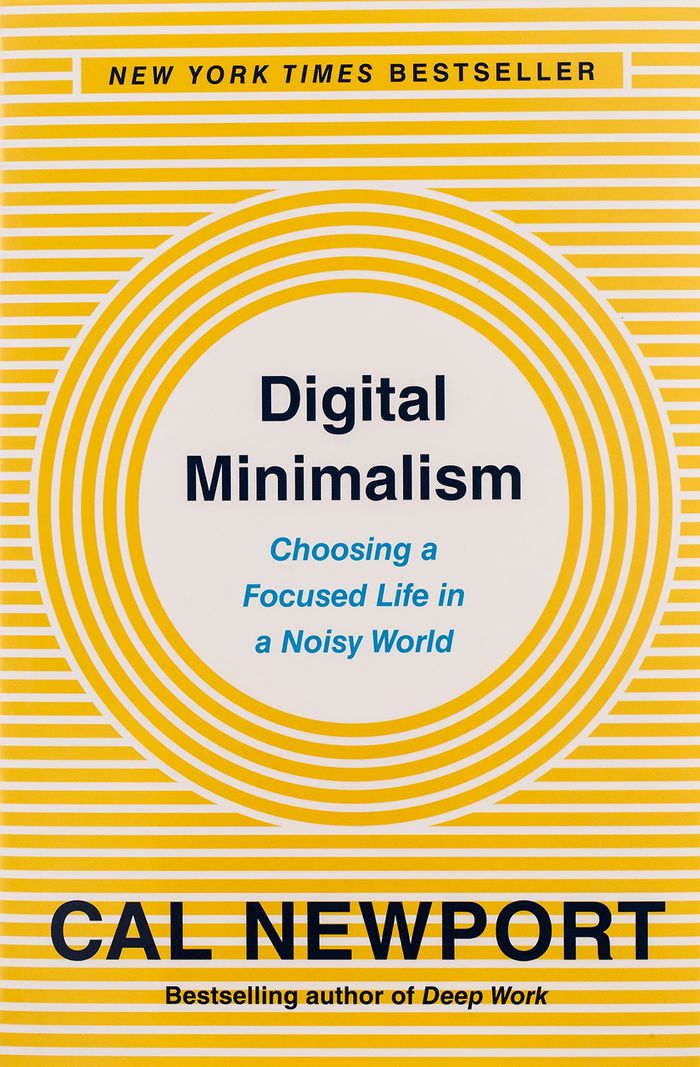
Digital minimalism: choosing a focused life in a noisy world
Actions:
Prix:
$37.00
(disponible sur commande)
Résumé:
In this timely and enlightening book, the bestselling author of Deep Work introduces a philosophy for technology use that has already improved countless lives. Digital minimalists are all around us. They're the calm, happy people who can hold long conversations without furtive glances at their phones. They can get lost in a good book, a woodworking project, or a leisurely morning run. They can have fun with friends and family without the obsessive urge to document the experience. They stay informed about the news of the day, but don't feel overwhelmed by it. They don't experience "fear of missing out" because they already know which activities provide them meaning and satisfaction. Now, Newport gives us a name for this quiet movement, and makes a persuasive case for its urgency in our tech-saturated world. Common sense tips, like turning off notifications, or occasional rituals like observing a digital sabbath, don't go far enough in helping us take back control of our technological lives, and attempts to unplug completely are complicated by the demands of family, friends and work. What we need instead is a thoughtful method to decide what tools to use, for what purposes, and under what conditions.
Digital minimalism: choosing a focused life in a noisy world
Actions:
Prix:
$37.00
(disponible sur commande)
Résumé:
In this timely and enlightening book, the bestselling author of Deep Work introduces a philosophy for technology use that has already improved countless lives. Digital minimalists are all around us. They're the calm, happy people who can hold long conversations without furtive glances at their phones. They can get lost in a good book, a woodworking project, or a leisurely morning run. They can have fun with friends and family without the obsessive urge to document the experience. They stay informed about the news of the day, but don't feel overwhelmed by it. They don't experience "fear of missing out" because they already know which activities provide them meaning and satisfaction. Now, Newport gives us a name for this quiet movement, and makes a persuasive case for its urgency in our tech-saturated world. Common sense tips, like turning off notifications, or occasional rituals like observing a digital sabbath, don't go far enough in helping us take back control of our technological lives, and attempts to unplug completely are complicated by the demands of family, friends and work. What we need instead is a thoughtful method to decide what tools to use, for what purposes, and under what conditions.
Classification:
livres
livres
Publication:
février 2019
février 2019
Sujet:
Théorie/ philosophie
Théorie/ philosophie
Classification:
livres
livres
Titre:
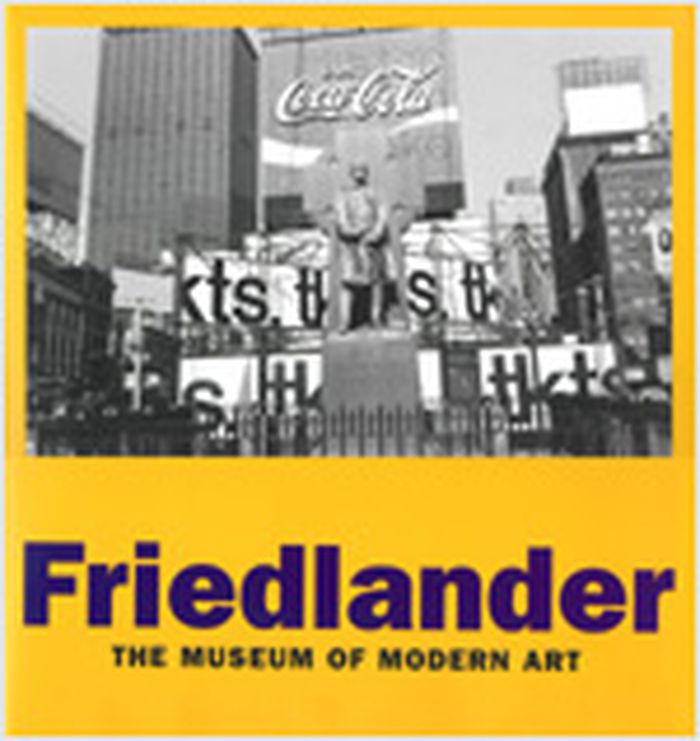
Friedlander
Friedlander
Actions:
Prix:
$97.50
(disponible sur commande)
Résumé:
Lee Friedlander is one of the most important of the 1960s generation of photographers for whom the posture of disinterested objectivity served as a vehicle for passionate personal inquiries. His large body of work - he most often produces extended series of pictures on a chosen theme, then publishes them in book form - is broad in subject matter and supple and complex in(...)
$97.50
(disponible sur commande)
Résumé:
Lee Friedlander is one of the most important of the 1960s generation of photographers for whom the posture of disinterested objectivity served as a vehicle for passionate personal inquiries. His large body of work - he most often produces extended series of pictures on a chosen theme, then publishes them in book form - is broad in subject matter and supple and complex in(...)
Titre:
Friedlander
Actions:
Prix:
$97.50
(disponible sur commande)
Résumé:
Lee Friedlander is one of the most important of the 1960s generation of photographers for whom the posture of disinterested objectivity served as a vehicle for passionate personal inquiries. His large body of work - he most often produces extended series of pictures on a chosen theme, then publishes them in book form - is broad in subject matter and supple and complex in style, and focuses on what he calls America's "social landscape". At the same time, he has pursued a playful dialogue with artistic tradition - as though open-eyed curiosity about the world and a sophisticated taste for the wiles of picture-making were one and the same thing. "Friedlander" takes a deep critical look at Friedlander's abundantly productive career. Including over 500 photographs grouped by series, and an incisive essay by Peter Galassi, Chief Curator of Photography at The Museum of Modern Art, this oversized publication is the most comprehensive review of the photographer's career to date.
Friedlander
Actions:
Prix:
$97.50
(disponible sur commande)
Résumé:
Lee Friedlander is one of the most important of the 1960s generation of photographers for whom the posture of disinterested objectivity served as a vehicle for passionate personal inquiries. His large body of work - he most often produces extended series of pictures on a chosen theme, then publishes them in book form - is broad in subject matter and supple and complex in style, and focuses on what he calls America's "social landscape". At the same time, he has pursued a playful dialogue with artistic tradition - as though open-eyed curiosity about the world and a sophisticated taste for the wiles of picture-making were one and the same thing. "Friedlander" takes a deep critical look at Friedlander's abundantly productive career. Including over 500 photographs grouped by series, and an incisive essay by Peter Galassi, Chief Curator of Photography at The Museum of Modern Art, this oversized publication is the most comprehensive review of the photographer's career to date.
Classification:
livres
livres
Publication:
juin 2005, New York
juin 2005, New York
Sujet:
Monographies photo
Monographies photo
Classification:
livres
livres
Actions:
Prix:
$31.95
(disponible en magasin)
Résumé:
For Georges Didi-Huberman, artist James Turrell is an inventor of impossible spaces and unthinkable sites, of aporias, of fables. Creator of some of the most fascinating works of the late twentieth and early twenty-first century, Turrell uses as his medium the most elemental material of sight and art: light. One crucial aspect of his work is the fabulation of place and(...)
$31.95
(disponible en magasin)
Résumé:
For Georges Didi-Huberman, artist James Turrell is an inventor of impossible spaces and unthinkable sites, of aporias, of fables. Creator of some of the most fascinating works of the late twentieth and early twenty-first century, Turrell uses as his medium the most elemental material of sight and art: light. One crucial aspect of his work is the fabulation of place and(...)
Titre:
The man who walked in color: James Turrell
Actions:
Prix:
$31.95
(disponible en magasin)
Résumé:
For Georges Didi-Huberman, artist James Turrell is an inventor of impossible spaces and unthinkable sites, of aporias, of fables. Creator of some of the most fascinating works of the late twentieth and early twenty-first century, Turrell uses as his medium the most elemental material of sight and art: light. One crucial aspect of his work is the fabulation of place and vision with its foundation deep in history. Didi-Huberman takes the reader on a journey between the impossible limit of the horizon and the arrival into a site of reverie and light, from the story of Exodus to the Pala d’Oro of San Marco’s Basilica in Venice, through art history and the origins of religious worship, finally plunging into Turrell’s cadmium dust and light, into the Painted Desert of his installation Roden Crater. For the esteemed art historian, Turrell’s artistic practice becomes the equivalent of walking along endless pathways in the desert, in “minuscule cathedrals where man discovers himself walking in color.”
The man who walked in color: James Turrell
Actions:
Prix:
$31.95
(disponible en magasin)
Résumé:
For Georges Didi-Huberman, artist James Turrell is an inventor of impossible spaces and unthinkable sites, of aporias, of fables. Creator of some of the most fascinating works of the late twentieth and early twenty-first century, Turrell uses as his medium the most elemental material of sight and art: light. One crucial aspect of his work is the fabulation of place and vision with its foundation deep in history. Didi-Huberman takes the reader on a journey between the impossible limit of the horizon and the arrival into a site of reverie and light, from the story of Exodus to the Pala d’Oro of San Marco’s Basilica in Venice, through art history and the origins of religious worship, finally plunging into Turrell’s cadmium dust and light, into the Painted Desert of his installation Roden Crater. For the esteemed art historian, Turrell’s artistic practice becomes the equivalent of walking along endless pathways in the desert, in “minuscule cathedrals where man discovers himself walking in color.”
Classification:
livres
livres
Publication:
mai 2017
mai 2017
Sujet:
Théorie de l’art
Théorie de l’art
Classification:
livres
livres
Actions:
Prix:
$64.00
(disponible sur commande)
Résumé:
Rolf Mühlethaler is an award-winning Swiss architect whose approach is characterized by a comprehensive analysis of local and historical contexts in combination with a deep conceptual understanding of structural elements, symmetry, simplicity, and repetition. Drawing on more than thirty years of experience—twenty with his own Bern-based firm, Rolf Mühlethaler Architekt—he(...)
$64.00
(disponible sur commande)
Résumé:
Rolf Mühlethaler is an award-winning Swiss architect whose approach is characterized by a comprehensive analysis of local and historical contexts in combination with a deep conceptual understanding of structural elements, symmetry, simplicity, and repetition. Drawing on more than thirty years of experience—twenty with his own Bern-based firm, Rolf Mühlethaler Architekt—he(...)
Titre:
Fragile order: Rölf Mühlethaler
Actions:
Prix:
$64.00
(disponible sur commande)
Résumé:
Rolf Mühlethaler is an award-winning Swiss architect whose approach is characterized by a comprehensive analysis of local and historical contexts in combination with a deep conceptual understanding of structural elements, symmetry, simplicity, and repetition. Drawing on more than thirty years of experience—twenty with his own Bern-based firm, Rolf Mühlethaler Architekt—he carefully designs and crafts his buildings with an eye toward balancing these concerns, or creating a fragile order. Published to accompany a major exhibition at Architekturgalerie Luzern, Fragile Order—Rolf Mühlethaler presents the first comprehensive English-language look at Mühlethaler’s complete body of work. The architect has realized projects for both publics and private clients, including single- and multi-family residences, schools, studios, and office spaces, as well as conversions of historic industrial buildings. Richly illustrated throughout with photographs that capture all stages of the process, from design sketches to completed projects, Fragile Order—Rolf Mühlethaler will be of interest to architects, as well as structural and building engineers.
Fragile order: Rölf Mühlethaler
Actions:
Prix:
$64.00
(disponible sur commande)
Résumé:
Rolf Mühlethaler is an award-winning Swiss architect whose approach is characterized by a comprehensive analysis of local and historical contexts in combination with a deep conceptual understanding of structural elements, symmetry, simplicity, and repetition. Drawing on more than thirty years of experience—twenty with his own Bern-based firm, Rolf Mühlethaler Architekt—he carefully designs and crafts his buildings with an eye toward balancing these concerns, or creating a fragile order. Published to accompany a major exhibition at Architekturgalerie Luzern, Fragile Order—Rolf Mühlethaler presents the first comprehensive English-language look at Mühlethaler’s complete body of work. The architect has realized projects for both publics and private clients, including single- and multi-family residences, schools, studios, and office spaces, as well as conversions of historic industrial buildings. Richly illustrated throughout with photographs that capture all stages of the process, from design sketches to completed projects, Fragile Order—Rolf Mühlethaler will be of interest to architects, as well as structural and building engineers.
Classification:
livres
livres
Publication:
mai 2017
mai 2017
Sujet:
Architecture, monographies
Architecture, monographies
Classification:
livres
livres
Titre:
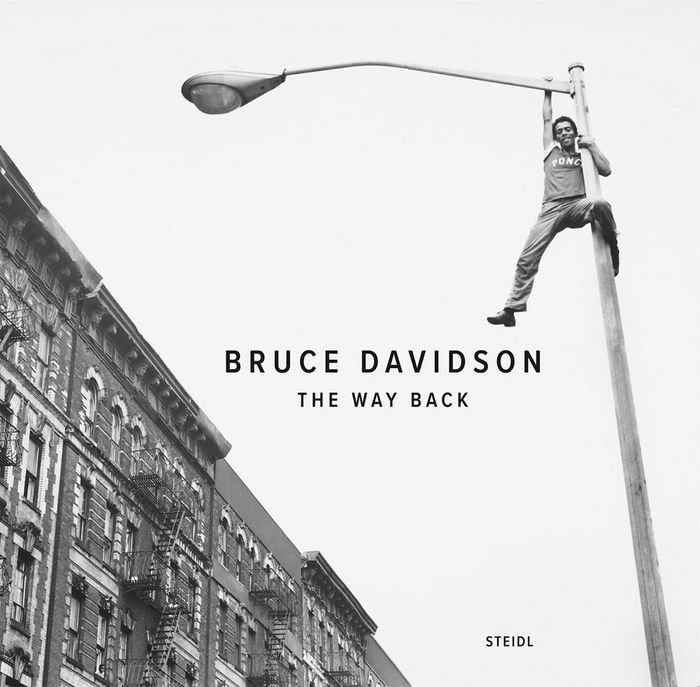
Bruce Davidson: The way back
Bruce Davidson: The way back
Actions:
Prix:
$110.00
(disponible sur commande)
Résumé:
Consisting solely of previously unpublished photographs, ''The Way Back'' is a deep dive through Bruce Davidson’s 60-year career. The book chronologically presents photos made between 1957 and 1992, showcasing Davidson’s exceptional versatility—from his earliest assignments to later seminal bodies of work including his year-long study of teenage members of a “Brooklyn(...)
$110.00
(disponible sur commande)
Résumé:
Consisting solely of previously unpublished photographs, ''The Way Back'' is a deep dive through Bruce Davidson’s 60-year career. The book chronologically presents photos made between 1957 and 1992, showcasing Davidson’s exceptional versatility—from his earliest assignments to later seminal bodies of work including his year-long study of teenage members of a “Brooklyn(...)
Titre:
Bruce Davidson: The way back
Actions:
Prix:
$110.00
(disponible sur commande)
Résumé:
Consisting solely of previously unpublished photographs, ''The Way Back'' is a deep dive through Bruce Davidson’s 60-year career. The book chronologically presents photos made between 1957 and 1992, showcasing Davidson’s exceptional versatility—from his earliest assignments to later seminal bodies of work including his year-long study of teenage members of a “Brooklyn Gang” (1959), his extensive coverage of the American Civil Rights Movement in “Time of Change” (1961–65), and his breakthrough portraits of the residents of a single block in Harlem in “East 100th Street” (1966–68). Series such as “Subway” (1980) and “Central Park” (1992) furthermore confirm Davidson as a quintessential chronicler of New York City. Regardless of his motif, what emerges through this retrospective is Davidson’s overt sensibility and empathy for his subjects, his commitment to documenting them in depth over time, and to capturing their beliefs, communities and subcultures. Unlike his peers who photographed events that constituted history, Davidson focused on the people within these histories.
Bruce Davidson: The way back
Actions:
Prix:
$110.00
(disponible sur commande)
Résumé:
Consisting solely of previously unpublished photographs, ''The Way Back'' is a deep dive through Bruce Davidson’s 60-year career. The book chronologically presents photos made between 1957 and 1992, showcasing Davidson’s exceptional versatility—from his earliest assignments to later seminal bodies of work including his year-long study of teenage members of a “Brooklyn Gang” (1959), his extensive coverage of the American Civil Rights Movement in “Time of Change” (1961–65), and his breakthrough portraits of the residents of a single block in Harlem in “East 100th Street” (1966–68). Series such as “Subway” (1980) and “Central Park” (1992) furthermore confirm Davidson as a quintessential chronicler of New York City. Regardless of his motif, what emerges through this retrospective is Davidson’s overt sensibility and empathy for his subjects, his commitment to documenting them in depth over time, and to capturing their beliefs, communities and subcultures. Unlike his peers who photographed events that constituted history, Davidson focused on the people within these histories.
Classification:
livres
livres
Publication:
juillet 2026
juillet 2026
Sujet:
Monographies photo
Monographies photo
Classification:
livres
livres

Actions:
Prix:
$45.00
(disponible en magasin)
Résumé:
''In 1991, I moved to Berlin for four years. The Berlin wall had just fallen but you could still see sections of it, and certainly still feel the divide between the Capitalist and Socialist states. Discovering Central Europe meant learning about some very dark history. The scars of Totalitarianism were deep, visible and raw from both the Cold War and the preceding Second(...)
$45.00
(disponible en magasin)
Résumé:
''In 1991, I moved to Berlin for four years. The Berlin wall had just fallen but you could still see sections of it, and certainly still feel the divide between the Capitalist and Socialist states. Discovering Central Europe meant learning about some very dark history. The scars of Totalitarianism were deep, visible and raw from both the Cold War and the preceding Second(...)
Titre:
Eric Tschaeppeler : Slipping the trail
Actions:
Prix:
$45.00
(disponible en magasin)
Résumé:
''In 1991, I moved to Berlin for four years. The Berlin wall had just fallen but you could still see sections of it, and certainly still feel the divide between the Capitalist and Socialist states. Discovering Central Europe meant learning about some very dark history. The scars of Totalitarianism were deep, visible and raw from both the Cold War and the preceding Second World War. These photographs were taken in Montreal during the Fall and Winter of 2013/14. I wanted to find a common visual ground where, through historical images we've all seen, my memories could be shared. I revisited these memories influenced by the political climate and my fear of a rising wave of militant nationalism and the return of the Police State. This work reflects some of my concerns through the evoking of personal and collective memories and the linking of present with past, and local to global.'' Eric Tschaeppeler
Eric Tschaeppeler : Slipping the trail
Actions:
Prix:
$45.00
(disponible en magasin)
Résumé:
''In 1991, I moved to Berlin for four years. The Berlin wall had just fallen but you could still see sections of it, and certainly still feel the divide between the Capitalist and Socialist states. Discovering Central Europe meant learning about some very dark history. The scars of Totalitarianism were deep, visible and raw from both the Cold War and the preceding Second World War. These photographs were taken in Montreal during the Fall and Winter of 2013/14. I wanted to find a common visual ground where, through historical images we've all seen, my memories could be shared. I revisited these memories influenced by the political climate and my fear of a rising wave of militant nationalism and the return of the Police State. This work reflects some of my concerns through the evoking of personal and collective memories and the linking of present with past, and local to global.'' Eric Tschaeppeler
Classification:
livres
livres
Publication:
octobre 2018
octobre 2018
Sujet:
Monographies photo
Monographies photo
Classification:
livres
livres

Actions:
Prix:
$41.00
(disponible sur commande)
Résumé:
In 2020, the prominent Danish feminist Emma Holten read an article stating that women were a net ‘ deficit’ to society. Women took more than they gave, ‘ draining’ the public purse by giving birth and taking parental leave. They contributed less than their fair share in taxes, because they often worked part-time to look after other people at home, or held low-paid jobs in(...)
$41.00
(disponible sur commande)
Résumé:
In 2020, the prominent Danish feminist Emma Holten read an article stating that women were a net ‘ deficit’ to society. Women took more than they gave, ‘ draining’ the public purse by giving birth and taking parental leave. They contributed less than their fair share in taxes, because they often worked part-time to look after other people at home, or held low-paid jobs in(...)
Titre:
Deficit: How feminist economics can change our world
Actions:
Prix:
$41.00
(disponible sur commande)
Résumé:
In 2020, the prominent Danish feminist Emma Holten read an article stating that women were a net ‘ deficit’ to society. Women took more than they gave, ‘ draining’ the public purse by giving birth and taking parental leave. They contributed less than their fair share in taxes, because they often worked part-time to look after other people at home, or held low-paid jobs in the public sector. Denmark would be richer if women’ s lives looked more like men’ s, the economic experts concluded. A similar story is told around the globe. How did we get here? In "Deficit", Emma Holten traces how economic thinkers – from the Enlightenment onwards – created a value framework that overlooked and neglected ‘ women’ s work’ and acts of care. She reveals how the economic models that drive political decisions today are just as flawed, giving us unparalleled monetary wealth, but causing deep social harms that are hurting us all.
Deficit: How feminist economics can change our world
Actions:
Prix:
$41.00
(disponible sur commande)
Résumé:
In 2020, the prominent Danish feminist Emma Holten read an article stating that women were a net ‘ deficit’ to society. Women took more than they gave, ‘ draining’ the public purse by giving birth and taking parental leave. They contributed less than their fair share in taxes, because they often worked part-time to look after other people at home, or held low-paid jobs in the public sector. Denmark would be richer if women’ s lives looked more like men’ s, the economic experts concluded. A similar story is told around the globe. How did we get here? In "Deficit", Emma Holten traces how economic thinkers – from the Enlightenment onwards – created a value framework that overlooked and neglected ‘ women’ s work’ and acts of care. She reveals how the economic models that drive political decisions today are just as flawed, giving us unparalleled monetary wealth, but causing deep social harms that are hurting us all.
Classification:
livres
livres
Publication:
mars 2025
mars 2025
Sujet:
Social
Social


