


6673 Résultats
Classification:
livres
livres
Titre:
Atlas of the senseable city
Atlas of the senseable city
Actions:
Prix:
$48.00
(disponible en magasin)
Résumé:
What have smart technologies taught us about cities? What lessons can we learn from today’s urbanites to make better places to live? Antoine Picon and Carlo Ratti argue that the answers are in the maps we make. For centuries, we have relied on maps to navigate the enormity of the city. Now, as the physical world combines with the digital world, we need a new generation of(...)
$48.00
(disponible en magasin)
Résumé:
What have smart technologies taught us about cities? What lessons can we learn from today’s urbanites to make better places to live? Antoine Picon and Carlo Ratti argue that the answers are in the maps we make. For centuries, we have relied on maps to navigate the enormity of the city. Now, as the physical world combines with the digital world, we need a new generation of(...)
Titre:
Atlas of the senseable city
Actions:
Prix:
$48.00
(disponible en magasin)
Résumé:
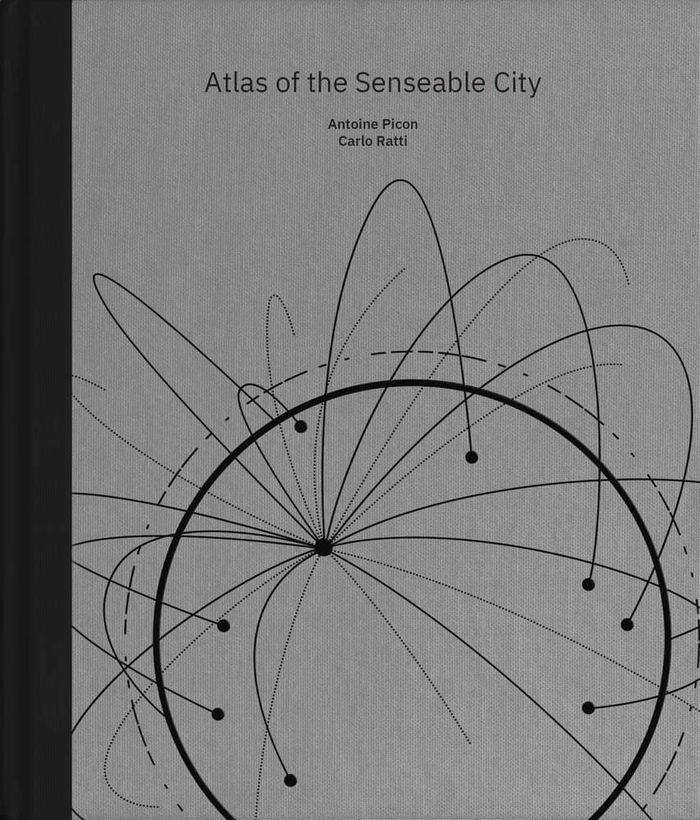
What have smart technologies taught us about cities? What lessons can we learn from today’s urbanites to make better places to live? Antoine Picon and Carlo Ratti argue that the answers are in the maps we make. For centuries, we have relied on maps to navigate the enormity of the city. Now, as the physical world combines with the digital world, we need a new generation of maps to navigate the city of tomorrow. Pervasive sensors allow anyone to visualize cities in entirely new ways—ebbs and flows of pollution, traffic, and internet connectivity. This book explores how the growth of digital mapping, spurred by sensing technologies, is affecting cities and daily lives. It examines how new cartographic possibilities aid urban planners, technicians, politicians, and administrators; how digitally mapped cities could reveal ways to make cities smarter and more efficient; how monitoring urbanites has political and social repercussions; and how the proliferation of open-source maps and collaborative platforms can aid activists and vulnerable populations. With its beautiful, accessible presentation of cutting-edge research, this book makes it easy for readers to understand the stakes of the new information age—and appreciate the timeless power of the city.
Atlas of the senseable city
Actions:
Prix:
$48.00
(disponible en magasin)
Résumé:
What have smart technologies taught us about cities? What lessons can we learn from today’s urbanites to make better places to live? Antoine Picon and Carlo Ratti argue that the answers are in the maps we make. For centuries, we have relied on maps to navigate the enormity of the city. Now, as the physical world combines with the digital world, we need a new generation of maps to navigate the city of tomorrow. Pervasive sensors allow anyone to visualize cities in entirely new ways—ebbs and flows of pollution, traffic, and internet connectivity. This book explores how the growth of digital mapping, spurred by sensing technologies, is affecting cities and daily lives. It examines how new cartographic possibilities aid urban planners, technicians, politicians, and administrators; how digitally mapped cities could reveal ways to make cities smarter and more efficient; how monitoring urbanites has political and social repercussions; and how the proliferation of open-source maps and collaborative platforms can aid activists and vulnerable populations. With its beautiful, accessible presentation of cutting-edge research, this book makes it easy for readers to understand the stakes of the new information age—and appreciate the timeless power of the city.
Classification:
livres
livres
Publication:
juin 2023
juin 2023
Sujet:
Théorie de l’urbanisme
Théorie de l’urbanisme
Classification:
livres
livres
Actions:
Prix:
$54.95
(disponible sur commande)
Résumé:
Ant Farm manifesto No. 853 bears the title 'Allegorical Time Warp': '... AMERICA, IN AN ALLEGORICAL TIME WARP / USING PRE ELECTRONIC, PRINT AGE TECHNIQUES / WELCOMES RETURNING SPACE HEROES / TICKER TAPE PARADE DOWN FIFTH AVENUE. / ALL I WANT TO DO IS EXPAND MY MIND ...' This book brings together two books bound within a single cover: 'Ant Farm Timeline' and 'Allegorical(...)
$54.95
(disponible sur commande)
Résumé:
Ant Farm manifesto No. 853 bears the title 'Allegorical Time Warp': '... AMERICA, IN AN ALLEGORICAL TIME WARP / USING PRE ELECTRONIC, PRINT AGE TECHNIQUES / WELCOMES RETURNING SPACE HEROES / TICKER TAPE PARADE DOWN FIFTH AVENUE. / ALL I WANT TO DO IS EXPAND MY MIND ...' This book brings together two books bound within a single cover: 'Ant Farm Timeline' and 'Allegorical(...)
Sujet:
Architecture, monographies
Architecture, monographies
Publication:
janvier 2008, New York/Barcelona
janvier 2008, New York/Barcelona
Titre:
Living archive 7: Ant Farm: allegorical time warp: the media fallout of July 21, 1969
Actions:
Prix:
$54.95
(disponible sur commande)
Résumé:
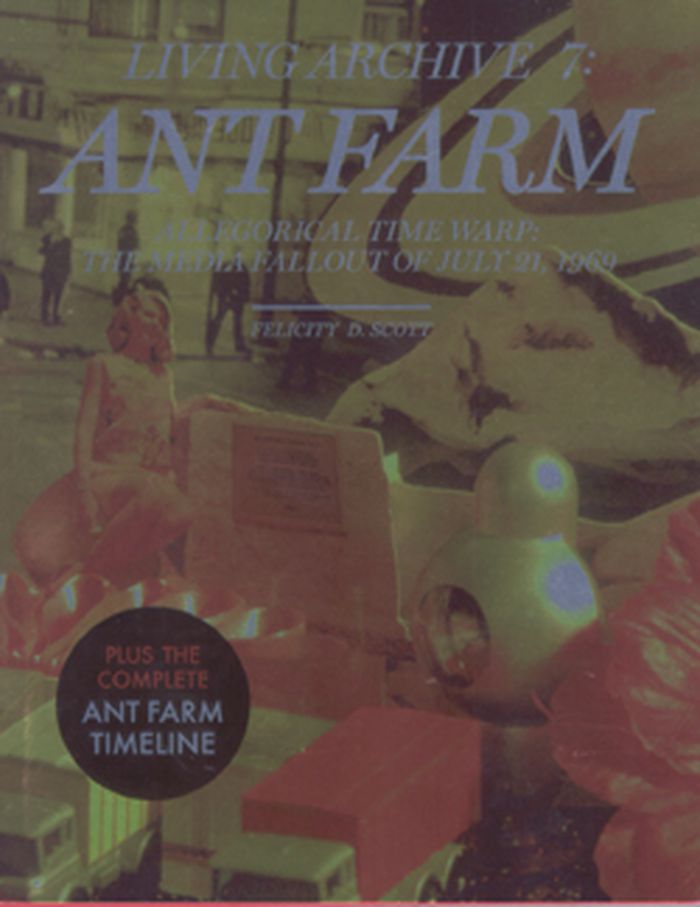
Ant Farm manifesto No. 853 bears the title 'Allegorical Time Warp': '... AMERICA, IN AN ALLEGORICAL TIME WARP / USING PRE ELECTRONIC, PRINT AGE TECHNIQUES / WELCOMES RETURNING SPACE HEROES / TICKER TAPE PARADE DOWN FIFTH AVENUE. / ALL I WANT TO DO IS EXPAND MY MIND ...' This book brings together two books bound within a single cover: 'Ant Farm Timeline' and 'Allegorical Time Warp: The Media Fallout of July 21, 1969'. In addition, the publication includes a small dossier of archival material related to Ant Farm's Truckstop Network project (1970-72). Introduced by Chip Lord, the timeline tells the story of Ant Farm's multifaceted experimental work over 114 pages, in as many full page illustrations of original material. The 'Allegorical Time Warp' by Felicity D. Scott, focused on the period from 1969 to 1972, tracks the transformations of an architectural project articulated simultaneously in open-ended media systems and closed life-support systems. The work of Ant Farm has been an archetype for a younger generation of artist's collectives. This publication offers to be the long awaited source for the material that surviced the fire of the collective's studio in august 1978.
Living archive 7: Ant Farm: allegorical time warp: the media fallout of July 21, 1969
Actions:
Prix:
$54.95
(disponible sur commande)
Résumé:
Ant Farm manifesto No. 853 bears the title 'Allegorical Time Warp': '... AMERICA, IN AN ALLEGORICAL TIME WARP / USING PRE ELECTRONIC, PRINT AGE TECHNIQUES / WELCOMES RETURNING SPACE HEROES / TICKER TAPE PARADE DOWN FIFTH AVENUE. / ALL I WANT TO DO IS EXPAND MY MIND ...' This book brings together two books bound within a single cover: 'Ant Farm Timeline' and 'Allegorical Time Warp: The Media Fallout of July 21, 1969'. In addition, the publication includes a small dossier of archival material related to Ant Farm's Truckstop Network project (1970-72). Introduced by Chip Lord, the timeline tells the story of Ant Farm's multifaceted experimental work over 114 pages, in as many full page illustrations of original material. The 'Allegorical Time Warp' by Felicity D. Scott, focused on the period from 1969 to 1972, tracks the transformations of an architectural project articulated simultaneously in open-ended media systems and closed life-support systems. The work of Ant Farm has been an archetype for a younger generation of artist's collectives. This publication offers to be the long awaited source for the material that surviced the fire of the collective's studio in august 1978.
Classification:
livres
livres
Publication:
janvier 2008, New York/Barcelona
janvier 2008, New York/Barcelona
Sujet:
Architecture, monographies
Architecture, monographies
Classification:
livres
livres
Actions:
Prix:
$42.95
(disponible en magasin)
Résumé:
American visual artist and scholar Joseph Grigely (born 1956) here brings together writings, lectures, interviews and documentation of his work spanning 40 years. Deaf since the age of 10, his art and writing have long questioned and made use of various modes of communication—photographs, handwritten notes, lipreading, newspaper headlines, paintings and TV captions—to(...)
$42.95
(disponible en magasin)
Résumé:
American visual artist and scholar Joseph Grigely (born 1956) here brings together writings, lectures, interviews and documentation of his work spanning 40 years. Deaf since the age of 10, his art and writing have long questioned and made use of various modes of communication—photographs, handwritten notes, lipreading, newspaper headlines, paintings and TV captions—to(...)
Titre:
Joseph Grigely: Otherhow: Essays and documents on art and disability, 1985-2024
Actions:
Prix:
$42.95
(disponible en magasin)
Résumé:
American visual artist and scholar Joseph Grigely (born 1956) here brings together writings, lectures, interviews and documentation of his work spanning 40 years. Deaf since the age of 10, his art and writing have long questioned and made use of various modes of communication—photographs, handwritten notes, lipreading, newspaper headlines, paintings and TV captions—to examine and scrutinize the ableism embedded in cultural and media production. ''Otherhow'' interrogates modes of access and analyzes how issues of accessibility and their resolution provide a benefit to everyone, not just the disabled. Chapters devoted to art, access and advocacy underpin the interconnected nature of these issues. Letters of complaint, faxes and emails, unpublished op-eds, exhibition proposals, statements on equality and access: each provides a glimpse into how Grigely’s work has been shaped by—or constructed from—the "tangled process" of opening access. The book is rounded out by a series of visual inventories: collections of images that document failures of access or, in the case of the obituaries, highlight those who had a disability or were activists working to establish greater access for those with disabilities.
Joseph Grigely: Otherhow: Essays and documents on art and disability, 1985-2024
Actions:
Prix:
$42.95
(disponible en magasin)
Résumé:
American visual artist and scholar Joseph Grigely (born 1956) here brings together writings, lectures, interviews and documentation of his work spanning 40 years. Deaf since the age of 10, his art and writing have long questioned and made use of various modes of communication—photographs, handwritten notes, lipreading, newspaper headlines, paintings and TV captions—to examine and scrutinize the ableism embedded in cultural and media production. ''Otherhow'' interrogates modes of access and analyzes how issues of accessibility and their resolution provide a benefit to everyone, not just the disabled. Chapters devoted to art, access and advocacy underpin the interconnected nature of these issues. Letters of complaint, faxes and emails, unpublished op-eds, exhibition proposals, statements on equality and access: each provides a glimpse into how Grigely’s work has been shaped by—or constructed from—the "tangled process" of opening access. The book is rounded out by a series of visual inventories: collections of images that document failures of access or, in the case of the obituaries, highlight those who had a disability or were activists working to establish greater access for those with disabilities.
Classification:
livres
livres
Publication:
février 2026
février 2026
Classification:
livres
livres
Actions:
Prix:
$71.95
(disponible sur commande)
Résumé:
In this history of aural culture in early-twentieth-century America, Emily Thompson charts dramatic transformations in what people heard and how they listened. What they heard was a new kind of sound that was the product of modern technology. They listened as newly critical consumers of aural commodities. By examining the technologies that produced this sound, as well as(...)
$71.95
(disponible sur commande)
Résumé:
In this history of aural culture in early-twentieth-century America, Emily Thompson charts dramatic transformations in what people heard and how they listened. What they heard was a new kind of sound that was the product of modern technology. They listened as newly critical consumers of aural commodities. By examining the technologies that produced this sound, as well as(...)
Titre:
The soundscape of modernity : architectural acoustics and the culture of listening in America, 1900-1933
Actions:
Prix:
$71.95
(disponible sur commande)
Résumé:
In this history of aural culture in early-twentieth-century America, Emily Thompson charts dramatic transformations in what people heard and how they listened. What they heard was a new kind of sound that was the product of modern technology. They listened as newly critical consumers of aural commodities. By examining the technologies that produced this sound, as well as the culture that enthusiastically consumed it, Thompson recovers a lost dimension of the Machine Age and deepens our understanding of the experience of change that characterized the era. Reverberation equations, sound meters, microphones, and acoustical tiles were deployed in places as varied as Boston’s Symphony Hall, New York’s office skyscrapers, and the soundstages of Hollywood. The control provided by these technologies, however, was applied in ways that denied the particularity of place, and the diverse spaces of modern America began to sound alike as a universal new sound predominated. Although this sound--clear, direct, efficient, and nonreverberant—-had little to say about the physical spaces in which it was produced, it speaks volumes about the culture that created it. By listening to it, Thompson constructs a compelling new account of the experience of modernity in America.
The soundscape of modernity : architectural acoustics and the culture of listening in America, 1900-1933
Actions:
Prix:
$71.95
(disponible sur commande)
Résumé:
In this history of aural culture in early-twentieth-century America, Emily Thompson charts dramatic transformations in what people heard and how they listened. What they heard was a new kind of sound that was the product of modern technology. They listened as newly critical consumers of aural commodities. By examining the technologies that produced this sound, as well as the culture that enthusiastically consumed it, Thompson recovers a lost dimension of the Machine Age and deepens our understanding of the experience of change that characterized the era. Reverberation equations, sound meters, microphones, and acoustical tiles were deployed in places as varied as Boston’s Symphony Hall, New York’s office skyscrapers, and the soundstages of Hollywood. The control provided by these technologies, however, was applied in ways that denied the particularity of place, and the diverse spaces of modern America began to sound alike as a universal new sound predominated. Although this sound--clear, direct, efficient, and nonreverberant—-had little to say about the physical spaces in which it was produced, it speaks volumes about the culture that created it. By listening to it, Thompson constructs a compelling new account of the experience of modernity in America.
Classification:
livres
livres
Publication:
avril 2002, Cambridge, Mass.
avril 2002, Cambridge, Mass.
Sujet:
Matériaux et éclairage
Matériaux et éclairage
Classification:
livres
livres
Actions:
Prix:
$44.00
(disponible en magasin)
Résumé:
What began as a simple letter--a mid-career architect's comments to a young writer--turned into a 32-year correspondence, by turns amusing, inflamed, and conciliatory. Frank Lloyd Wright and Lewis Mumford, two pivotal figures in 20th-century American architecture and urbanism, were both passionate writers, keenly aware of world events. Their 150 letters from 1926-1958(...)
$44.00
(disponible en magasin)
Résumé:
What began as a simple letter--a mid-career architect's comments to a young writer--turned into a 32-year correspondence, by turns amusing, inflamed, and conciliatory. Frank Lloyd Wright and Lewis Mumford, two pivotal figures in 20th-century American architecture and urbanism, were both passionate writers, keenly aware of world events. Their 150 letters from 1926-1958(...)
Sujet:
Architecture, monographies
Architecture, monographies
Publication:
novembre 2001, New York
novembre 2001, New York
Titre:
Frank Lloyd Wright + Lewis Mumford : thirty years of correspondence
Actions:
Prix:
$44.00
(disponible en magasin)
Résumé:
What began as a simple letter--a mid-career architect's comments to a young writer--turned into a 32-year correspondence, by turns amusing, inflamed, and conciliatory. Frank Lloyd Wright and Lewis Mumford, two pivotal figures in 20th-century American architecture and urbanism, were both passionate writers, keenly aware of world events. Their 150 letters from 1926-1958 covered a wide range of topics, including Wright's position in the history of American architecture and contemporary practice, their friends and rivals, the invention and spread of the International Style, and political events in Europe and the US. A fallout over isolationist politics in the early 1940s led to a 10-year gap in their exchange, and when it resumed the two were on an entirely different footing: Wright, the elder dean of American architecture at the height of his creative powers, and Mumford, an established critic in late middle age deeply committed to rebuilding a humanist outlook in the aftermath of World War II. Frank Lloyd Wright & Lewis Mumford offers an intimate look inside the minds and hearts of these two cultural giants, deepening our understanding of the men and the society they helped shape.
Frank Lloyd Wright + Lewis Mumford : thirty years of correspondence
Actions:
Prix:
$44.00
(disponible en magasin)
Résumé:
What began as a simple letter--a mid-career architect's comments to a young writer--turned into a 32-year correspondence, by turns amusing, inflamed, and conciliatory. Frank Lloyd Wright and Lewis Mumford, two pivotal figures in 20th-century American architecture and urbanism, were both passionate writers, keenly aware of world events. Their 150 letters from 1926-1958 covered a wide range of topics, including Wright's position in the history of American architecture and contemporary practice, their friends and rivals, the invention and spread of the International Style, and political events in Europe and the US. A fallout over isolationist politics in the early 1940s led to a 10-year gap in their exchange, and when it resumed the two were on an entirely different footing: Wright, the elder dean of American architecture at the height of his creative powers, and Mumford, an established critic in late middle age deeply committed to rebuilding a humanist outlook in the aftermath of World War II. Frank Lloyd Wright & Lewis Mumford offers an intimate look inside the minds and hearts of these two cultural giants, deepening our understanding of the men and the society they helped shape.
Classification:
livres
livres
Publication:
novembre 2001, New York
novembre 2001, New York
Sujet:
Architecture, monographies
Architecture, monographies
Classification:
livres
livres

Actions:
Prix:
$45.50
(disponible sur commande)
Résumé:
In the 1960s art fell out of time; both artists and critics lost their temporal bearings in response to what E. M. Cioran called "not being entitled to time." This anxiety and uneasiness about time, which Pamela Lee calls "chronophobia," cut across movements, media, and genres, and was figured in works ranging from kinetic sculptures to Andy Warhol films. Despite its(...)
$45.50
(disponible sur commande)
Résumé:
In the 1960s art fell out of time; both artists and critics lost their temporal bearings in response to what E. M. Cioran called "not being entitled to time." This anxiety and uneasiness about time, which Pamela Lee calls "chronophobia," cut across movements, media, and genres, and was figured in works ranging from kinetic sculptures to Andy Warhol films. Despite its(...)
Titre:
Chronophobia : on time in the art of the 1960's
Actions:
Prix:
$45.50
(disponible sur commande)
Résumé:
In the 1960s art fell out of time; both artists and critics lost their temporal bearings in response to what E. M. Cioran called "not being entitled to time." This anxiety and uneasiness about time, which Pamela Lee calls "chronophobia," cut across movements, media, and genres, and was figured in works ranging from kinetic sculptures to Andy Warhol films. Despite its pervasiveness, the subject of time and 1960s art has gone largely unexamined in historical accounts of the period. Chronophobia is the first critical attempt to define this obsession and analyze it in relation to art and technology. Lee discusses the chronophobia of art relative to the emergence of the Information Age in postwar culture. The accompanying rapid technological transformations, including the advent of computers and automation processes, produced for many an acute sense of historical unknowing; the seemingly accelerated pace of life began to outstrip any attempts to make sense of the present. Lee sees the attitude of 1960s art to time as a historical prelude to our current fixation on time and speed within digital culture. Reflecting upon the 1960s cultural anxiety about temporality, she argues, helps us historicize our current relation to technology and time.
Chronophobia : on time in the art of the 1960's
Actions:
Prix:
$45.50
(disponible sur commande)
Résumé:
In the 1960s art fell out of time; both artists and critics lost their temporal bearings in response to what E. M. Cioran called "not being entitled to time." This anxiety and uneasiness about time, which Pamela Lee calls "chronophobia," cut across movements, media, and genres, and was figured in works ranging from kinetic sculptures to Andy Warhol films. Despite its pervasiveness, the subject of time and 1960s art has gone largely unexamined in historical accounts of the period. Chronophobia is the first critical attempt to define this obsession and analyze it in relation to art and technology. Lee discusses the chronophobia of art relative to the emergence of the Information Age in postwar culture. The accompanying rapid technological transformations, including the advent of computers and automation processes, produced for many an acute sense of historical unknowing; the seemingly accelerated pace of life began to outstrip any attempts to make sense of the present. Lee sees the attitude of 1960s art to time as a historical prelude to our current fixation on time and speed within digital culture. Reflecting upon the 1960s cultural anxiety about temporality, she argues, helps us historicize our current relation to technology and time.
Classification:
livres
livres
Publication:
mai 2004, Cambridge, Mass.
mai 2004, Cambridge, Mass.
Classification:
livres
livres
Prix:
$34.00
(disponible sur commande)
Résumé:
The open terrain of new media is closing fast. Market concentration, legal consolidation and tightening governmental control have effectively ended the myth of the free and open networks. In Delusive Spaces, Eric Kluitenberg takes a critical position that retains a utopian potential for emerging media cultures. The book investigates the archeology of media and machine,(...)
$34.00
(disponible sur commande)
Résumé:
The open terrain of new media is closing fast. Market concentration, legal consolidation and tightening governmental control have effectively ended the myth of the free and open networks. In Delusive Spaces, Eric Kluitenberg takes a critical position that retains a utopian potential for emerging media cultures. The book investigates the archeology of media and machine,(...)
Titre:
Delusive spaces: essays on culture, media and technology
Actions:
Prix:
$34.00
(disponible sur commande)
Résumé:
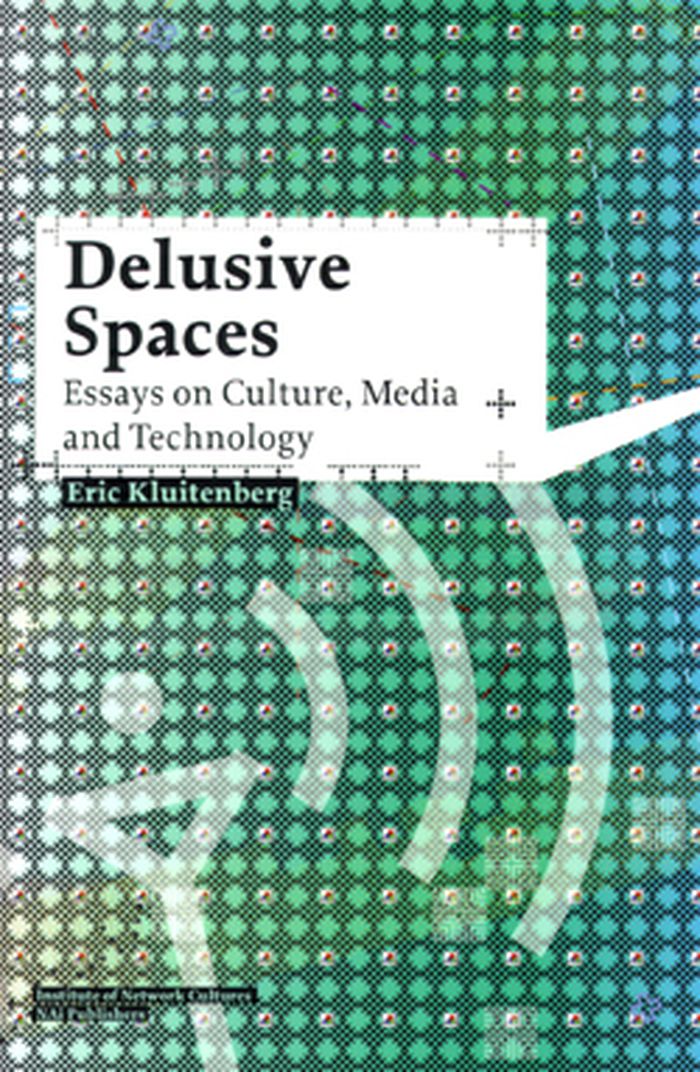
The open terrain of new media is closing fast. Market concentration, legal consolidation and tightening governmental control have effectively ended the myth of the free and open networks. In Delusive Spaces, Eric Kluitenberg takes a critical position that retains a utopian potential for emerging media cultures. The book investigates the archeology of media and machine, mapping the different methods and metaphors that speak about technology. Returning to the present, Kluitenberg discusses the cultural use of new media in an age of post-governmental politics. Delusive Spaces concludes with the impossibility of representation. Going beyond the obvious delusions of the 'new' and the 'free', Kluitenberg theorizes artistic practices and European cultural policies, demonstrating a provocative engagement with the utopian dimension of technology. Eric Kluitenberg is a Dutch media theorist, writer and organizer. Since the late 1980s, he has been involved in numerous international projects in the field of electronic art, media culture, and information politics. Kluitenberg heads the media program at De Balie, Centre for Culture and Politics in Amsterdam. He is the editor of the Book of Imaginary Media (NAi Publishers, 2006) and the theme issue Hybrid Space of Open, journal on art and the public domain (2007).
Delusive spaces: essays on culture, media and technology
Actions:
Prix:
$34.00
(disponible sur commande)
Résumé:
The open terrain of new media is closing fast. Market concentration, legal consolidation and tightening governmental control have effectively ended the myth of the free and open networks. In Delusive Spaces, Eric Kluitenberg takes a critical position that retains a utopian potential for emerging media cultures. The book investigates the archeology of media and machine, mapping the different methods and metaphors that speak about technology. Returning to the present, Kluitenberg discusses the cultural use of new media in an age of post-governmental politics. Delusive Spaces concludes with the impossibility of representation. Going beyond the obvious delusions of the 'new' and the 'free', Kluitenberg theorizes artistic practices and European cultural policies, demonstrating a provocative engagement with the utopian dimension of technology. Eric Kluitenberg is a Dutch media theorist, writer and organizer. Since the late 1980s, he has been involved in numerous international projects in the field of electronic art, media culture, and information politics. Kluitenberg heads the media program at De Balie, Centre for Culture and Politics in Amsterdam. He is the editor of the Book of Imaginary Media (NAi Publishers, 2006) and the theme issue Hybrid Space of Open, journal on art and the public domain (2007).
Classification:
livres
livres
Publication:
avril 2008, Rotterdam
avril 2008, Rotterdam
Sujet:
Épistémologie et réseau
Épistémologie et réseau
Classification:
livres
livres
Actions:
Prix:
$97.00
(disponible sur commande)
Résumé:
While the achievements of New York City’s most renowned postwar artists—de Kooning, Pollock, Rothko, Franz Kline—have been studied in depth, a large cadre of lesser-known but influential artists came of age between 1952 and 1965. Also understudied are the early, experimental works by more wellknown figures such as Mark di Suvero, Jim Dine, Dan Flavin, and Claes Oldenburg.(...)
$97.00
(disponible sur commande)
Résumé:
While the achievements of New York City’s most renowned postwar artists—de Kooning, Pollock, Rothko, Franz Kline—have been studied in depth, a large cadre of lesser-known but influential artists came of age between 1952 and 1965. Also understudied are the early, experimental works by more wellknown figures such as Mark di Suvero, Jim Dine, Dan Flavin, and Claes Oldenburg.(...)
Publication:
décembre 2016
décembre 2016
Titre:
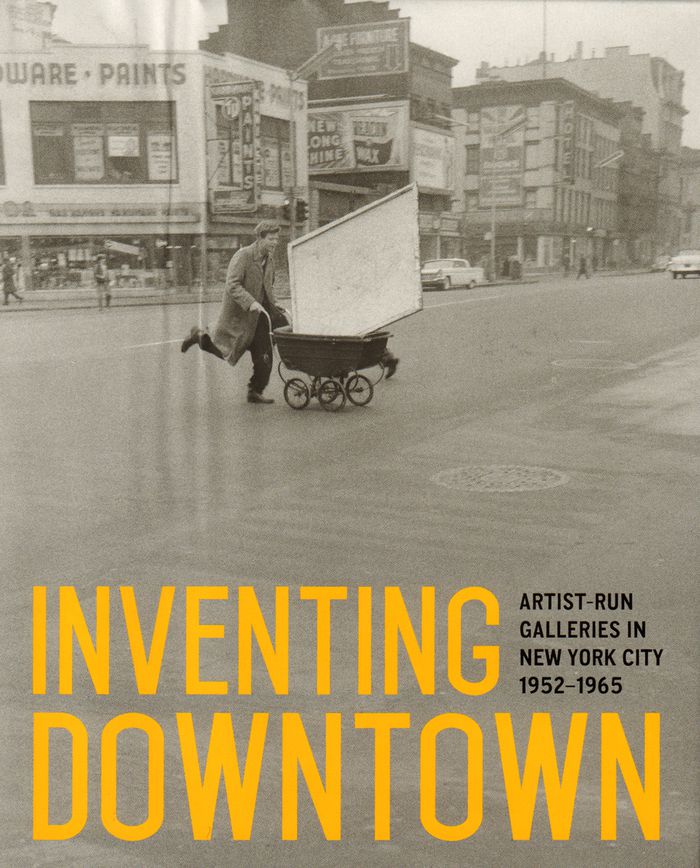
Inventing downtown: artist-run galleries in New York City, 1952-1965
Actions:
Prix:
$97.00
(disponible sur commande)
Résumé:
While the achievements of New York City’s most renowned postwar artists—de Kooning, Pollock, Rothko, Franz Kline—have been studied in depth, a large cadre of lesser-known but influential artists came of age between 1952 and 1965. Also understudied are the early, experimental works by more wellknown figures such as Mark di Suvero, Jim Dine, Dan Flavin, and Claes Oldenburg. Focusing on innovative artist-run galleries, this book invites readers to reevaluate the period—uncovering its diversity, creativity, and nuances, and tracing the spaces’ influence during the decades that followed. Inventing Downtown charts the development of artist-run galleries in Lower Manhattan from the early 1950s to the mid-1960s, showing how the area’s multicultural spirit played a major role in shaping the artworks exhibited there. The book explores 14 key spaces in which styles such as Pop, Minimalism, and performance and installation art thrived. Excerpts from 33 revealing interviews with artists, critics, and dealers, conducted by Billy Klüver and Julie Martin, offer unique personal insight into the era’s creative milieu. Taken together, the book’s essays and interviews provide a distinctly new assessment of how downtown New York’s fertile environment nurtured an innovative art scene.
Inventing downtown: artist-run galleries in New York City, 1952-1965
Actions:
Prix:
$97.00
(disponible sur commande)
Résumé:
While the achievements of New York City’s most renowned postwar artists—de Kooning, Pollock, Rothko, Franz Kline—have been studied in depth, a large cadre of lesser-known but influential artists came of age between 1952 and 1965. Also understudied are the early, experimental works by more wellknown figures such as Mark di Suvero, Jim Dine, Dan Flavin, and Claes Oldenburg. Focusing on innovative artist-run galleries, this book invites readers to reevaluate the period—uncovering its diversity, creativity, and nuances, and tracing the spaces’ influence during the decades that followed. Inventing Downtown charts the development of artist-run galleries in Lower Manhattan from the early 1950s to the mid-1960s, showing how the area’s multicultural spirit played a major role in shaping the artworks exhibited there. The book explores 14 key spaces in which styles such as Pop, Minimalism, and performance and installation art thrived. Excerpts from 33 revealing interviews with artists, critics, and dealers, conducted by Billy Klüver and Julie Martin, offer unique personal insight into the era’s creative milieu. Taken together, the book’s essays and interviews provide a distinctly new assessment of how downtown New York’s fertile environment nurtured an innovative art scene.
Classification:
livres
livres
Publication:
décembre 2016
décembre 2016
Classification:
livres
livres
Actions:
Prix:
$28.95
(disponible sur commande)
Résumé:
The Spy Museum, the Vacuum Cleaner Museum, the National Mustard Museum—not to mention the Art Institute, the Museum of Modern Art, and the Getty Center: museums have never been more robust, curating just about everything there is and assuming a new prominence in public life. The Return of Curiosity explores museums in the modern age, offering a fresh perspective on some(...)
$28.95
(disponible sur commande)
Résumé:
The Spy Museum, the Vacuum Cleaner Museum, the National Mustard Museum—not to mention the Art Institute, the Museum of Modern Art, and the Getty Center: museums have never been more robust, curating just about everything there is and assuming a new prominence in public life. The Return of Curiosity explores museums in the modern age, offering a fresh perspective on some(...)
Titre:
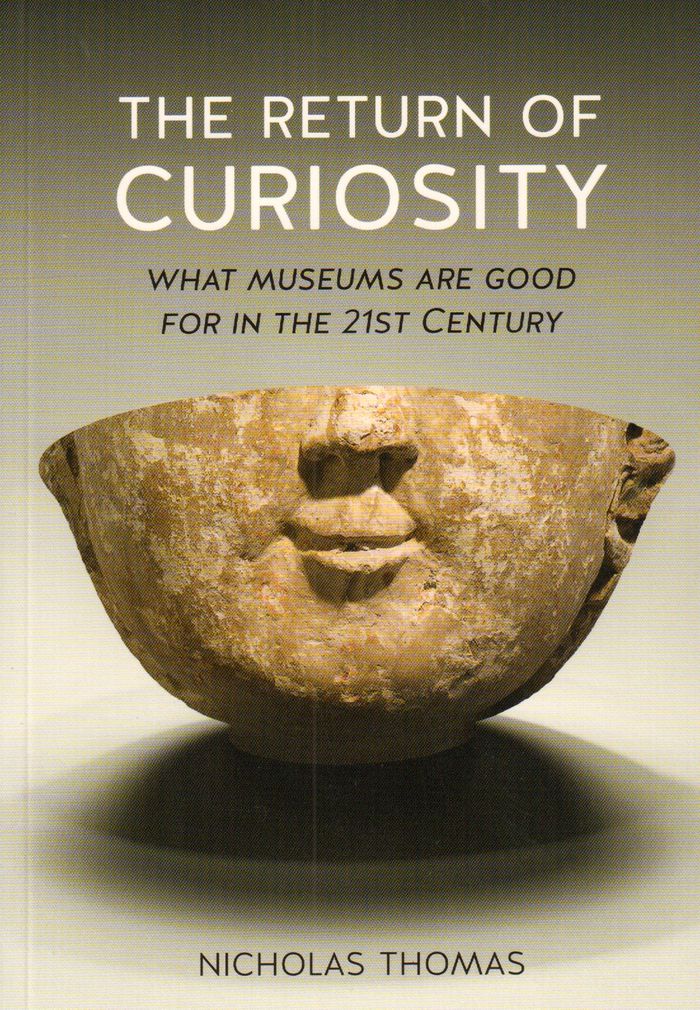
The return of curiosity: what museums are good for in the 21st century
Actions:
Prix:
$28.95
(disponible sur commande)
Résumé:
The Spy Museum, the Vacuum Cleaner Museum, the National Mustard Museum—not to mention the Art Institute, the Museum of Modern Art, and the Getty Center: museums have never been more robust, curating just about everything there is and assuming a new prominence in public life. The Return of Curiosity explores museums in the modern age, offering a fresh perspective on some of our most important cultural institutions and the vital function they serve as stewards of human and natural history. Reflecting on art galleries, science and history institutions, and collections all around the world, Nicholas Thomas argues that, in times marked by incredible insecurity and turbulence, museums help us sustain and enrich society. Moreover, they stimulate us to think in new ways about our world, compelling our curiosity and showing us the importance of understanding one another. Thomas looks at museums not simply as storehouses of old things but as the products of meaningful relationships between curators, the public, history, and culture. These relationships, he shows, don’t always go smoothly, but they do always offer new insights into the many ways we value—and try to preserve—the world we live in.
The return of curiosity: what museums are good for in the 21st century
Actions:
Prix:
$28.95
(disponible sur commande)
Résumé:
The Spy Museum, the Vacuum Cleaner Museum, the National Mustard Museum—not to mention the Art Institute, the Museum of Modern Art, and the Getty Center: museums have never been more robust, curating just about everything there is and assuming a new prominence in public life. The Return of Curiosity explores museums in the modern age, offering a fresh perspective on some of our most important cultural institutions and the vital function they serve as stewards of human and natural history. Reflecting on art galleries, science and history institutions, and collections all around the world, Nicholas Thomas argues that, in times marked by incredible insecurity and turbulence, museums help us sustain and enrich society. Moreover, they stimulate us to think in new ways about our world, compelling our curiosity and showing us the importance of understanding one another. Thomas looks at museums not simply as storehouses of old things but as the products of meaningful relationships between curators, the public, history, and culture. These relationships, he shows, don’t always go smoothly, but they do always offer new insights into the many ways we value—and try to preserve—the world we live in.
Classification:
livres
livres
Publication:
août 2016
août 2016
Sujet:
Muséologie
Muséologie
Classification:
livres
livres
Titre:
Vitruve et le vitruvianisme
Vitruve et le vitruvianisme
Actions:
Prix:
$52.00
(disponible sur commande)
Résumé:
Ce livre est la traduction de la 2e édition de "Einführung in die Geschichte der Architekturtheorie" parue en 1987. En tant que discipline, la théorie de l'architecture se situe d'abord dans le champ de la littérature artistique et se manifeste par des traités autant que par des chroniques, des pamphlets, des textes romanesques, voire des utopies. La tradition(...)
$52.00
(disponible sur commande)
Résumé:
Ce livre est la traduction de la 2e édition de "Einführung in die Geschichte der Architekturtheorie" parue en 1987. En tant que discipline, la théorie de l'architecture se situe d'abord dans le champ de la littérature artistique et se manifeste par des traités autant que par des chroniques, des pamphlets, des textes romanesques, voire des utopies. La tradition(...)
Titre:
Vitruve et le vitruvianisme
Actions:
Prix:
$52.00
(disponible sur commande)
Résumé:
Ce livre est la traduction de la 2e édition de "Einführung in die Geschichte der Architekturtheorie" parue en 1987. En tant que discipline, la théorie de l'architecture se situe d'abord dans le champ de la littérature artistique et se manifeste par des traités autant que par des chroniques, des pamphlets, des textes romanesques, voire des utopies. La tradition scientifique du traité remonte aux "Dix livres de l'architecture" de l'ingénieur-architecte Vitruve, ouvrage dédié à l'empereur Auguste. En Italie, en France, en Angleterre et en Allemagne, le discours lettré sur l'architecture répercute jusqu'au XIXe siècle l'écho du texte fondateur. D'où cette affirmation, cette amplification et ce déclin du vitruvianisme en tant que doctrine cardinale, sujette aux remises en cause de l'histoire. Partant de ce texte fondateur, le livre proposé examine le retentissement de Vitruve sur la théorie de l'architecture au Moyen Age, à la Renaissance et dans les Temps Modernes. Emanant de cours et de séminaires donnés à l'Université de Bâle, et donc destiné à l'enseignement, il propose un aperçu de l'exégèse vitruvienne et vise à mettre en place des jalons qui renvoient à la lecture des textes.
Vitruve et le vitruvianisme
Actions:
Prix:
$52.00
(disponible sur commande)
Résumé:
Ce livre est la traduction de la 2e édition de "Einführung in die Geschichte der Architekturtheorie" parue en 1987. En tant que discipline, la théorie de l'architecture se situe d'abord dans le champ de la littérature artistique et se manifeste par des traités autant que par des chroniques, des pamphlets, des textes romanesques, voire des utopies. La tradition scientifique du traité remonte aux "Dix livres de l'architecture" de l'ingénieur-architecte Vitruve, ouvrage dédié à l'empereur Auguste. En Italie, en France, en Angleterre et en Allemagne, le discours lettré sur l'architecture répercute jusqu'au XIXe siècle l'écho du texte fondateur. D'où cette affirmation, cette amplification et ce déclin du vitruvianisme en tant que doctrine cardinale, sujette aux remises en cause de l'histoire. Partant de ce texte fondateur, le livre proposé examine le retentissement de Vitruve sur la théorie de l'architecture au Moyen Age, à la Renaissance et dans les Temps Modernes. Emanant de cours et de séminaires donnés à l'Université de Bâle, et donc destiné à l'enseignement, il propose un aperçu de l'exégèse vitruvienne et vise à mettre en place des jalons qui renvoient à la lecture des textes.
Classification:
livres
livres
Publication:
mai 2016
mai 2016
Sujet:
Traités
Traités


