


6673 Résultats
Classification:
livres
livres
Prix:
$41.99
(disponible en magasin)
Résumé:
Americans spend, on average, 90 percent of their lives indoors, with two-thirds of that time spent in their homes. Globally, the construction and maintenance of residential buildings account for a staggering portion of carbon emissions. In this timely and fascinating work, architect and urban-planning scholar Stefan Al deftly weaves together archaeology, engineering,(...)
$41.99
(disponible en magasin)
Résumé:
Americans spend, on average, 90 percent of their lives indoors, with two-thirds of that time spent in their homes. Globally, the construction and maintenance of residential buildings account for a staggering portion of carbon emissions. In this timely and fascinating work, architect and urban-planning scholar Stefan Al deftly weaves together archaeology, engineering,(...)
Titre:
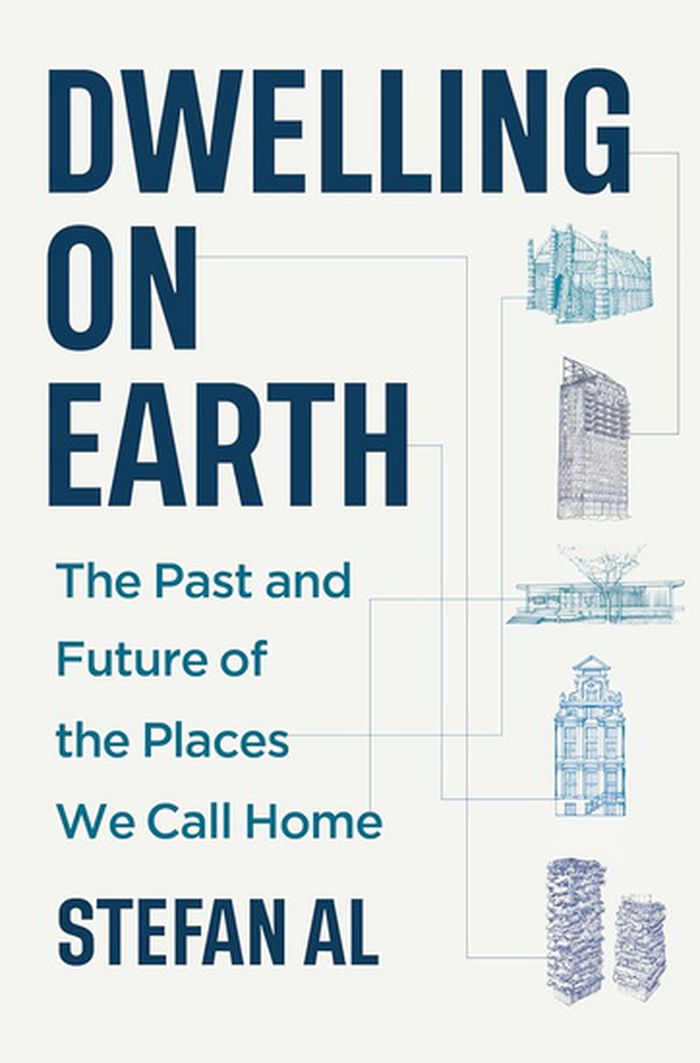
Dwelling on Earth: the past and future of the places we call home
Actions:
Prix:
$41.99
(disponible en magasin)
Résumé:
Americans spend, on average, 90 percent of their lives indoors, with two-thirds of that time spent in their homes. Globally, the construction and maintenance of residential buildings account for a staggering portion of carbon emissions. In this timely and fascinating work, architect and urban-planning scholar Stefan Al deftly weaves together archaeology, engineering, social history, and environmental science to explain how our homes have developed through the ages and in turn shaped civilization and the planet itself. From tiny pit-houses in the Levant and Mesoamerica thousands of years ago to soaring skyscrapers in Dubai, New York, and Shanghai today, ''Dwelling on Earth'' takes readers on a swift and absorbing tour of the evolution of human habitation. Whisking readers from ancient Pompeii to contemporary Hong Kong, industrial-age Liverpool to postwar Levittown, Al shows how our choices in housing have both reflected and affected ideas about gender roles, privacy, and comfort. Discover how seemingly mundane elements—like door-knockers and corridors—have altered everyday interactions, and how material choices have remade the planet's surface. He also confronts the darker side of domesticity, exposing the unintended consequences of our architectural choices across millennia, including smoke-filled Neolithic dwellings, deadly fires in crowded Roman apartment buildings, and worsening social isolation in car-dependent suburbs. Finally, he examines the myths and reality of future housing, including 3D-printed homes and space architecture built by robots.
Dwelling on Earth: the past and future of the places we call home
Actions:
Prix:
$41.99
(disponible en magasin)
Résumé:
Americans spend, on average, 90 percent of their lives indoors, with two-thirds of that time spent in their homes. Globally, the construction and maintenance of residential buildings account for a staggering portion of carbon emissions. In this timely and fascinating work, architect and urban-planning scholar Stefan Al deftly weaves together archaeology, engineering, social history, and environmental science to explain how our homes have developed through the ages and in turn shaped civilization and the planet itself. From tiny pit-houses in the Levant and Mesoamerica thousands of years ago to soaring skyscrapers in Dubai, New York, and Shanghai today, ''Dwelling on Earth'' takes readers on a swift and absorbing tour of the evolution of human habitation. Whisking readers from ancient Pompeii to contemporary Hong Kong, industrial-age Liverpool to postwar Levittown, Al shows how our choices in housing have both reflected and affected ideas about gender roles, privacy, and comfort. Discover how seemingly mundane elements—like door-knockers and corridors—have altered everyday interactions, and how material choices have remade the planet's surface. He also confronts the darker side of domesticity, exposing the unintended consequences of our architectural choices across millennia, including smoke-filled Neolithic dwellings, deadly fires in crowded Roman apartment buildings, and worsening social isolation in car-dependent suburbs. Finally, he examines the myths and reality of future housing, including 3D-printed homes and space architecture built by robots.
Classification:
livres
livres
Publication:
avril 2026
avril 2026
Sujet:
Social
Social
Classification:
livres
livres
Prix:
$24.95
(disponible sur commande)
Résumé:
Le patrimoine culturel connaît actuellement un petit âge d'or qui se manifeste autant par la multiplication des objets et des héritages immatériels que par le développement des institutions patrimoniales ou encore par l'adoption de politiques du patrimoine.
$24.95
(disponible sur commande)
Résumé:
Le patrimoine culturel connaît actuellement un petit âge d'or qui se manifeste autant par la multiplication des objets et des héritages immatériels que par le développement des institutions patrimoniales ou encore par l'adoption de politiques du patrimoine.
Titre:
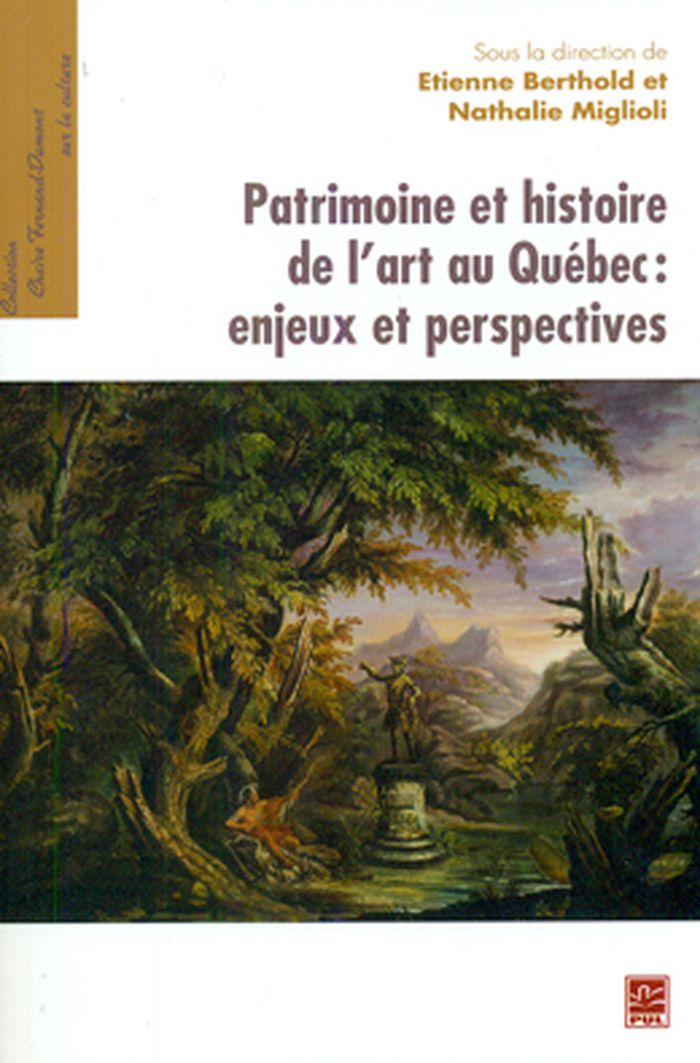
Patrimoine et histoire de l'art au Québec: enjeux et perspectives
Actions:
Prix:
$24.95
(disponible sur commande)
Résumé:
Le patrimoine culturel connaît actuellement un petit âge d'or qui se manifeste autant par la multiplication des objets et des héritages immatériels que par le développement des institutions patrimoniales ou encore par l'adoption de politiques du patrimoine.
Patrimoine et histoire de l'art au Québec: enjeux et perspectives
Actions:
Prix:
$24.95
(disponible sur commande)
Résumé:
Le patrimoine culturel connaît actuellement un petit âge d'or qui se manifeste autant par la multiplication des objets et des héritages immatériels que par le développement des institutions patrimoniales ou encore par l'adoption de politiques du patrimoine.
Classification:
livres
livres
Publication:
janvier 2012
janvier 2012
Sujet:
Architecture du Québec
Architecture du Québec
Classification:
livres
livres
Titre:
Le Mont-Saint-Michel
Le Mont-Saint-Michel
Actions:
Prix:
$18.50
(disponible sur commande)
Résumé:
Situé aux confins de la Normandie et de la Bretagne, l'abbaye du Mont-Saint-Michel a été l'un des plus fabuleux chantiers du Moyen Âge. Ce petit livre retrace l'histoire des lieux et sert également de guide de visite.
$18.50
(disponible sur commande)
Résumé:
Situé aux confins de la Normandie et de la Bretagne, l'abbaye du Mont-Saint-Michel a été l'un des plus fabuleux chantiers du Moyen Âge. Ce petit livre retrace l'histoire des lieux et sert également de guide de visite.
Titre:
Le Mont-Saint-Michel
Actions:
Prix:
$18.50
(disponible sur commande)
Résumé:
Situé aux confins de la Normandie et de la Bretagne, l'abbaye du Mont-Saint-Michel a été l'un des plus fabuleux chantiers du Moyen Âge. Ce petit livre retrace l'histoire des lieux et sert également de guide de visite.
Le Mont-Saint-Michel
Actions:
Prix:
$18.50
(disponible sur commande)
Résumé:
Situé aux confins de la Normandie et de la Bretagne, l'abbaye du Mont-Saint-Michel a été l'un des plus fabuleux chantiers du Moyen Âge. Ce petit livre retrace l'histoire des lieux et sert également de guide de visite.
Classification:
livres
livres
Publication:
mars 1998, Paris
mars 1998, Paris
Sujet:
Histoire jusqu’à 1900
Histoire jusqu’à 1900
Classification:
livres
livres
Actions:
Prix:
$67.50
(disponible sur commande)
Résumé:
The buildings of the past were constructed with readily available and local materials, such as stone, wood, or handmade bricks. Architects in the modern era, however, can choose from an ever increasing number of new materials, each one allowing for different advances in design. And yet the traditional materials have never been entirely supplanted; they still form an(...)
$67.50
(disponible sur commande)
Résumé:
The buildings of the past were constructed with readily available and local materials, such as stone, wood, or handmade bricks. Architects in the modern era, however, can choose from an ever increasing number of new materials, each one allowing for different advances in design. And yet the traditional materials have never been entirely supplanted; they still form an(...)
Publication:
octobre 2019
octobre 2019
Titre:
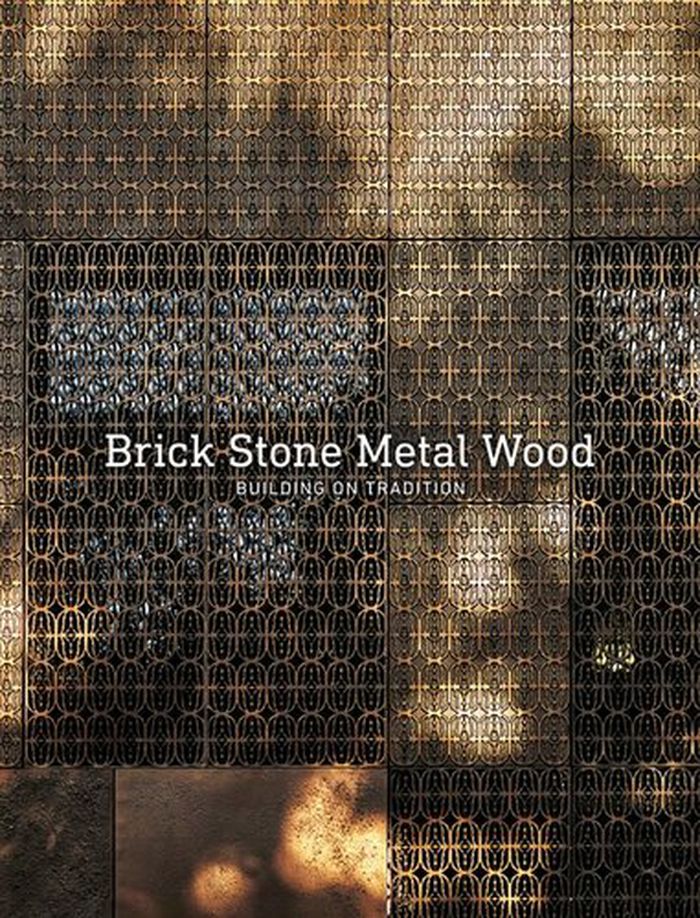
Building on tradition: repurposing traditional materials in architecture
Actions:
Prix:
$67.50
(disponible sur commande)
Résumé:
The buildings of the past were constructed with readily available and local materials, such as stone, wood, or handmade bricks. Architects in the modern era, however, can choose from an ever increasing number of new materials, each one allowing for different advances in design. And yet the traditional materials have never been entirely supplanted; they still form an important part of the architectural range and are still used by architects the world over. The humble brick, for example, has remained a constant throughout the history of architecture, as has timber with its flexibility and warm tones. But today such elements can be used in conjunction with newer materials to highlight their natural beauty in many different ways: creating a stunning metal facade, wrapping a building with a cool, sleek stone finish, designing a wall with an eye-catching interesting texture, or adding depth or warmth to an internal design. Traditional metals are also finding new use, being employed to coat a structure in a light metal skin that reflects the sunlight, or embedded onto a building to add interest and texture. This book journeys through a curated selection of stunning examples from across the world, showcasing how each material is creatively used over a diverse range of building types and styles, and illustrating the myriad possibilities and forms available to the modern architect who chooses to rework these age-old materials into a brand-new decorative yet functional form.
Building on tradition: repurposing traditional materials in architecture
Actions:
Prix:
$67.50
(disponible sur commande)
Résumé:
The buildings of the past were constructed with readily available and local materials, such as stone, wood, or handmade bricks. Architects in the modern era, however, can choose from an ever increasing number of new materials, each one allowing for different advances in design. And yet the traditional materials have never been entirely supplanted; they still form an important part of the architectural range and are still used by architects the world over. The humble brick, for example, has remained a constant throughout the history of architecture, as has timber with its flexibility and warm tones. But today such elements can be used in conjunction with newer materials to highlight their natural beauty in many different ways: creating a stunning metal facade, wrapping a building with a cool, sleek stone finish, designing a wall with an eye-catching interesting texture, or adding depth or warmth to an internal design. Traditional metals are also finding new use, being employed to coat a structure in a light metal skin that reflects the sunlight, or embedded onto a building to add interest and texture. This book journeys through a curated selection of stunning examples from across the world, showcasing how each material is creatively used over a diverse range of building types and styles, and illustrating the myriad possibilities and forms available to the modern architect who chooses to rework these age-old materials into a brand-new decorative yet functional form.
Classification:
livres
livres
Publication:
octobre 2019
octobre 2019
Classification:
livres
livres
Titre:
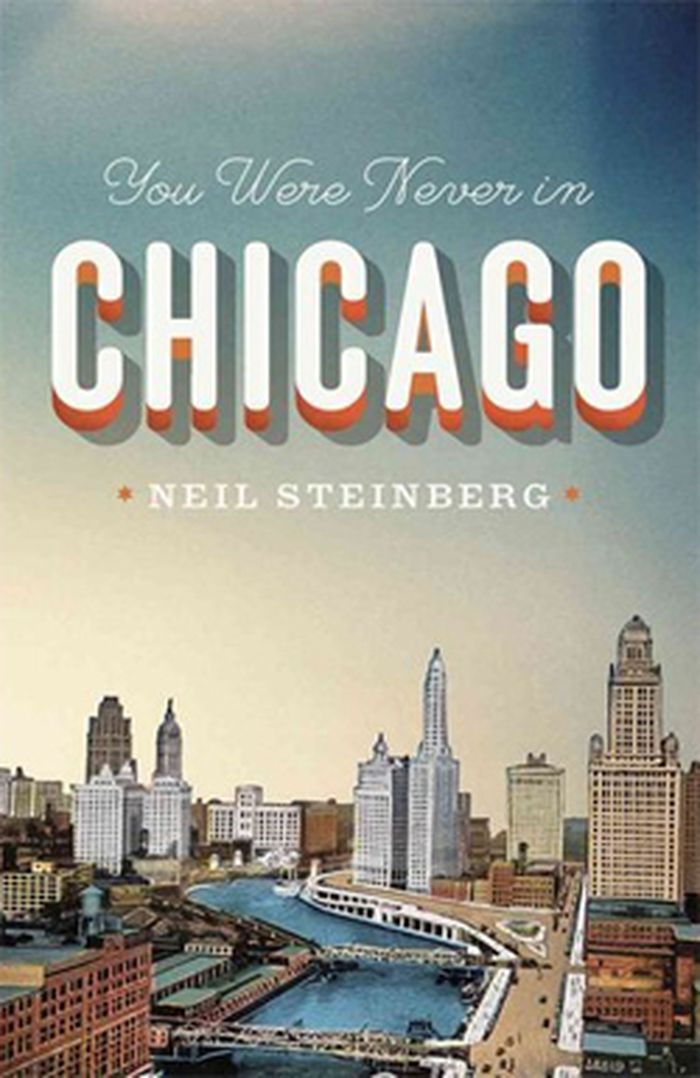
You were never in Chicago
You were never in Chicago
Actions:
Prix:
$27.95
(disponible sur commande)
Résumé:
In 1952 the New Yorker published a three-part essay by A. J. Liebling in which he dubbed Chicago the “Second City.” From garbage collection to the skyline, nothing escaped Liebling’s withering gaze. Among the outraged responses from Chicago residents was one that Liebling described as the apotheosis of such criticism: a postcard that read, simply, “You were never in(...)
$27.95
(disponible sur commande)
Résumé:
In 1952 the New Yorker published a three-part essay by A. J. Liebling in which he dubbed Chicago the “Second City.” From garbage collection to the skyline, nothing escaped Liebling’s withering gaze. Among the outraged responses from Chicago residents was one that Liebling described as the apotheosis of such criticism: a postcard that read, simply, “You were never in(...)
Publication:
décembre 2012
décembre 2012
Titre:
You were never in Chicago
Actions:
Prix:
$27.95
(disponible sur commande)
Résumé:
In 1952 the New Yorker published a three-part essay by A. J. Liebling in which he dubbed Chicago the “Second City.” From garbage collection to the skyline, nothing escaped Liebling’s withering gaze. Among the outraged responses from Chicago residents was one that Liebling described as the apotheosis of such criticism: a postcard that read, simply, “You were never in Chicago.” Neil Steinberg has lived in and around Chicago for more than three decades — ever since he left his hometown of Berea, Ohio, to attend Northwestern — yet he remains fascinated by the dynamics captured in Liebling’s anecdote. In You Were Never in Chicago Steinberg weaves the story of his own coming-of-age as a young outsider who made his way into the inner circles and upper levels of Chicago journalism with a nuanced portrait of the city that would surprise even lifelong residents. Steinberg takes readers through Chicago’s vanishing industrial past and explores the city from the quaint skybridge between the towers of the Wrigley Building, to the depths of the vast Deep Tunnel system below the streets. He deftly explains the city’s complex web of political favoritism and carefully profiles the characters he meets along the way, from greats of jazz and journalism to small-business owners just getting by. Throughout, Steinberg never loses the curiosity and close observation of an outsider, while thoughtfully considering how this perspective has shaped the city, and what it really means to belong.
You were never in Chicago
Actions:
Prix:
$27.95
(disponible sur commande)
Résumé:
In 1952 the New Yorker published a three-part essay by A. J. Liebling in which he dubbed Chicago the “Second City.” From garbage collection to the skyline, nothing escaped Liebling’s withering gaze. Among the outraged responses from Chicago residents was one that Liebling described as the apotheosis of such criticism: a postcard that read, simply, “You were never in Chicago.” Neil Steinberg has lived in and around Chicago for more than three decades — ever since he left his hometown of Berea, Ohio, to attend Northwestern — yet he remains fascinated by the dynamics captured in Liebling’s anecdote. In You Were Never in Chicago Steinberg weaves the story of his own coming-of-age as a young outsider who made his way into the inner circles and upper levels of Chicago journalism with a nuanced portrait of the city that would surprise even lifelong residents. Steinberg takes readers through Chicago’s vanishing industrial past and explores the city from the quaint skybridge between the towers of the Wrigley Building, to the depths of the vast Deep Tunnel system below the streets. He deftly explains the city’s complex web of political favoritism and carefully profiles the characters he meets along the way, from greats of jazz and journalism to small-business owners just getting by. Throughout, Steinberg never loses the curiosity and close observation of an outsider, while thoughtfully considering how this perspective has shaped the city, and what it really means to belong.
Classification:
livres
livres
Publication:
décembre 2012
décembre 2012
Classification:
livres
livres
Actions:
Prix:
$39.95
(disponible sur commande)
Résumé:
When #BlackLivesMatter emerged in 2013, it animated the most consequential Black-led mobilization since the civil rights and Black power era. Today, the hashtag turned rallying cry is but one expression of a radical reorientation toward Black politics, protest, and political thought. To Build a Black Future examines the spirit and significance of this insurgency, offering(...)
$39.95
(disponible sur commande)
Résumé:
When #BlackLivesMatter emerged in 2013, it animated the most consequential Black-led mobilization since the civil rights and Black power era. Today, the hashtag turned rallying cry is but one expression of a radical reorientation toward Black politics, protest, and political thought. To Build a Black Future examines the spirit and significance of this insurgency, offering(...)
Titre:
To build a black future: The radical politics of joy, pain and care
Actions:
Prix:
$39.95
(disponible sur commande)
Résumé:
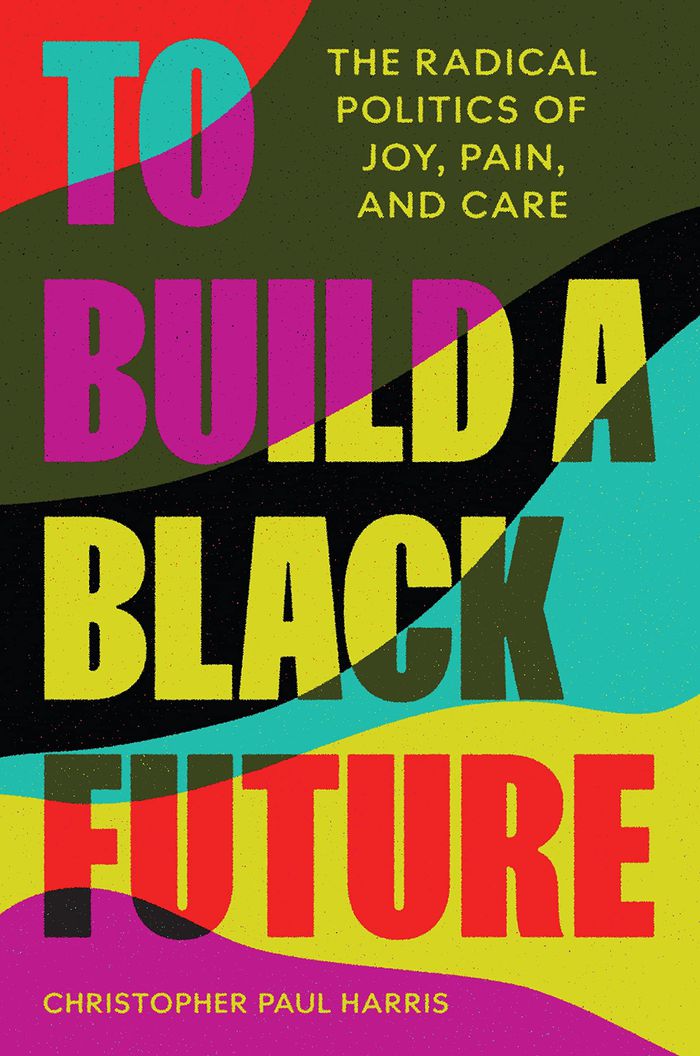
When #BlackLivesMatter emerged in 2013, it animated the most consequential Black-led mobilization since the civil rights and Black power era. Today, the hashtag turned rallying cry is but one expression of a radical reorientation toward Black politics, protest, and political thought. To Build a Black Future examines the spirit and significance of this insurgency, offering a revelatory account of a new political culture?responsive to pain, suffused with joy, and premised on care?emerging from the centuries-long arc of Black rebellion, a tradition that traces back to the Black slave. Drawing on his own experiences as an activist and organizer, Christopher Paul Harris takes readers inside the Movement for Black Lives (M4BL) to chart the propulsive trajectory of Black politics and thought from the Middle Passage to the present historical moment. Carefully attending to the social forces that produce Black struggle and the contradictions that arise within it, Harris illustrates how M4BL gives voice to an abolitionist praxis that bridges the past, present, and future, outlining a political project at once directed inward to the Black community while issuing an outward challenge to the world. Essential reading for the age of #BlackLivesMatter, this visionary and provocative book reveals how the radical politics of joy, pain, and care, in sharp contrast to liberal political thought, can build a Black future that transcends ideology and pushes the boundaries of our political imagination.
To build a black future: The radical politics of joy, pain and care
Actions:
Prix:
$39.95
(disponible sur commande)
Résumé:
When #BlackLivesMatter emerged in 2013, it animated the most consequential Black-led mobilization since the civil rights and Black power era. Today, the hashtag turned rallying cry is but one expression of a radical reorientation toward Black politics, protest, and political thought. To Build a Black Future examines the spirit and significance of this insurgency, offering a revelatory account of a new political culture?responsive to pain, suffused with joy, and premised on care?emerging from the centuries-long arc of Black rebellion, a tradition that traces back to the Black slave. Drawing on his own experiences as an activist and organizer, Christopher Paul Harris takes readers inside the Movement for Black Lives (M4BL) to chart the propulsive trajectory of Black politics and thought from the Middle Passage to the present historical moment. Carefully attending to the social forces that produce Black struggle and the contradictions that arise within it, Harris illustrates how M4BL gives voice to an abolitionist praxis that bridges the past, present, and future, outlining a political project at once directed inward to the Black community while issuing an outward challenge to the world. Essential reading for the age of #BlackLivesMatter, this visionary and provocative book reveals how the radical politics of joy, pain, and care, in sharp contrast to liberal political thought, can build a Black future that transcends ideology and pushes the boundaries of our political imagination.
Classification:
livres
livres
Publication:
septembre 2023
septembre 2023
Sujet:
Social
Social
Classification:
livres
livres
Actions:
Prix:
$25.00
(disponible en magasin)
Résumé:
VisualCollect presents a small exhibition titled “Artpiece, The Story of Plant Room.” This exhibition was curated to capture the awakening of plants and their surroundings as we transition from the end of winter into the warmth of spring. It aims to convey the idea that houseplants in modern society are more than mere decorations, they are precious companions that breathe(...)
$25.00
(disponible en magasin)
Résumé:
VisualCollect presents a small exhibition titled “Artpiece, The Story of Plant Room.” This exhibition was curated to capture the awakening of plants and their surroundings as we transition from the end of winter into the warmth of spring. It aims to convey the idea that houseplants in modern society are more than mere decorations, they are precious companions that breathe(...)
Publication:
octobre 2025
octobre 2025
Titre:
Lee Su. Artpiece: the story of plant room.
Actions:
Prix:
$25.00
(disponible en magasin)
Résumé:
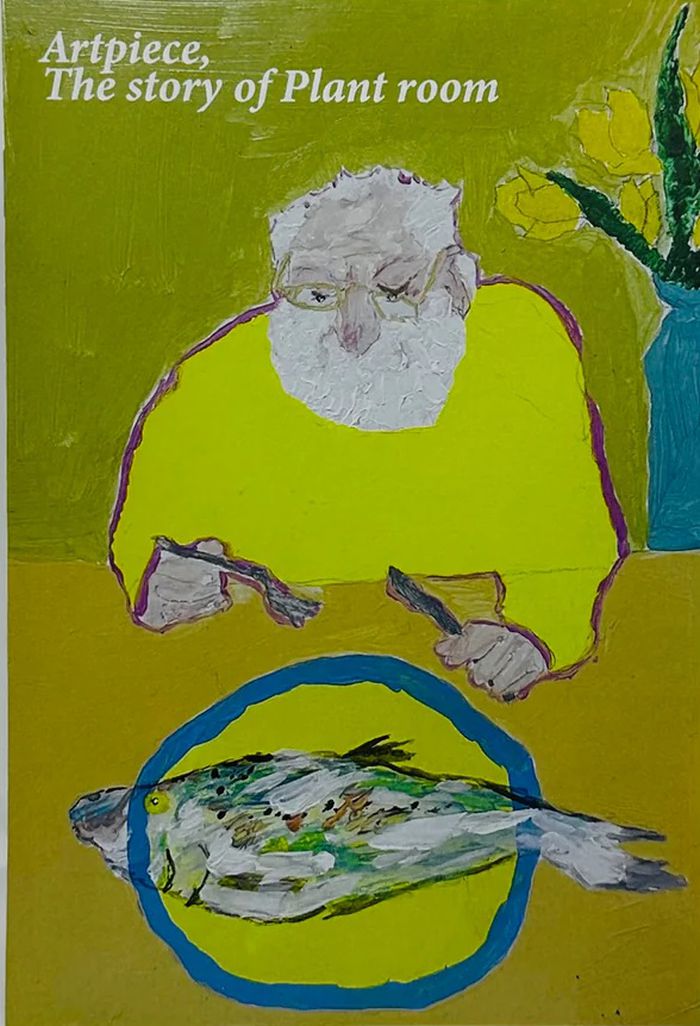
VisualCollect presents a small exhibition titled “Artpiece, The Story of Plant Room.” This exhibition was curated to capture the awakening of plants and their surroundings as we transition from the end of winter into the warmth of spring. It aims to convey the idea that houseplants in modern society are more than mere decorations, they are precious companions that breathe alongside our lives. Through the scenes surrounding these plants, we sought to create a harmony where nature and art blend together, and to share that process with others. From small succulents on a shelf, to climbing vines on the wall, to the bright green hues that fill window sills, each space reflects our tastes and personal stories. In this exhibition, artist Lee Su presents works that highlight vibrant color contrasts, featuring a charming grandfather dressed in raincoats as colorful as fish. These cheerful paintings lift the viewer’s mood and are all brought together in a storybook format. About the Artist Lee Su began painting after being captivated by the colorful scenery of London during his travels. He mainly works with themes of grandfathers and fish, expressing his wish to age with wit and to live a life as colorful and varied as a fish’s hues. His favorite brand is YMC, which he finds appealing for its bold use of color, and his favorite artist is David Hockney, known for his use of bright, uplifting colors.
Lee Su. Artpiece: the story of plant room.
Actions:
Prix:
$25.00
(disponible en magasin)
Résumé:
VisualCollect presents a small exhibition titled “Artpiece, The Story of Plant Room.” This exhibition was curated to capture the awakening of plants and their surroundings as we transition from the end of winter into the warmth of spring. It aims to convey the idea that houseplants in modern society are more than mere decorations, they are precious companions that breathe alongside our lives. Through the scenes surrounding these plants, we sought to create a harmony where nature and art blend together, and to share that process with others. From small succulents on a shelf, to climbing vines on the wall, to the bright green hues that fill window sills, each space reflects our tastes and personal stories. In this exhibition, artist Lee Su presents works that highlight vibrant color contrasts, featuring a charming grandfather dressed in raincoats as colorful as fish. These cheerful paintings lift the viewer’s mood and are all brought together in a storybook format. About the Artist Lee Su began painting after being captivated by the colorful scenery of London during his travels. He mainly works with themes of grandfathers and fish, expressing his wish to age with wit and to live a life as colorful and varied as a fish’s hues. His favorite brand is YMC, which he finds appealing for its bold use of color, and his favorite artist is David Hockney, known for his use of bright, uplifting colors.
Classification:
livres
livres
Publication:
octobre 2025
octobre 2025
Classification:
livres
livres
Titre:
Prosodic notes
Prosodic notes
Actions:
Prix:
$62.00
(disponible en magasin)
Résumé:
The exhibition Prosodic Grains at ''BY ART MATTERS'' (??????) draws inspiration from Chinese literature's pursuit of natural law and balanced beauty in phonology. It features works from over a dozen artists across different countries and regions, exploring the origins, elasticity, and limitations of human communication. For individuals, language and music carry fleeting(...)
$62.00
(disponible en magasin)
Résumé:
The exhibition Prosodic Grains at ''BY ART MATTERS'' (??????) draws inspiration from Chinese literature's pursuit of natural law and balanced beauty in phonology. It features works from over a dozen artists across different countries and regions, exploring the origins, elasticity, and limitations of human communication. For individuals, language and music carry fleeting(...)
Titre:
Prosodic notes
Actions:
Prix:
$62.00
(disponible en magasin)
Résumé:
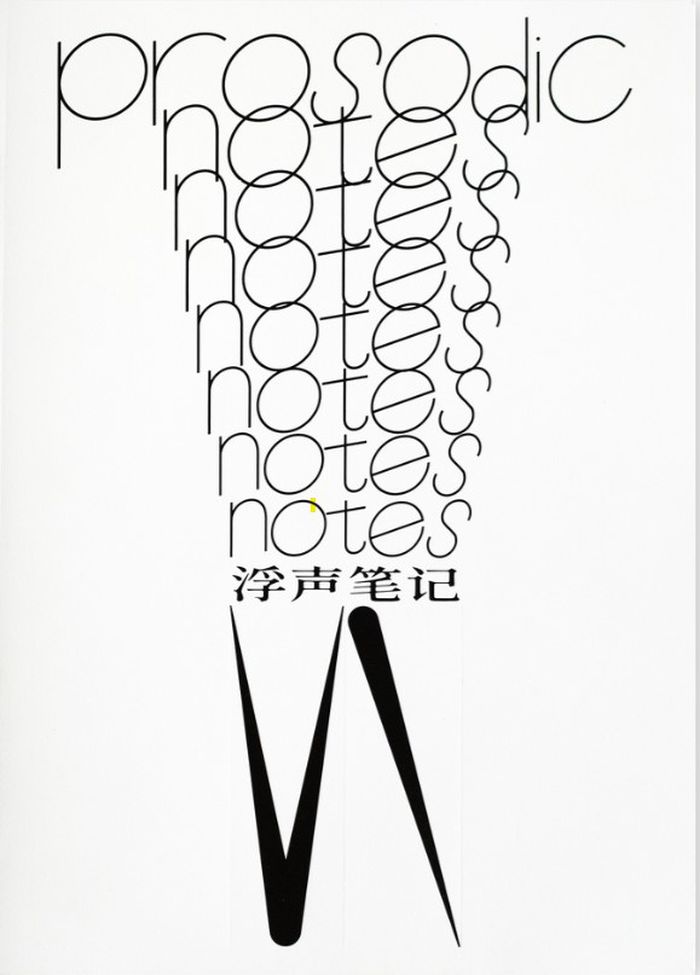
The exhibition Prosodic Grains at ''BY ART MATTERS'' (??????) draws inspiration from Chinese literature's pursuit of natural law and balanced beauty in phonology. It features works from over a dozen artists across different countries and regions, exploring the origins, elasticity, and limitations of human communication. For individuals, language and music carry fleeting emotions and thoughts; for human communities, they embody living histories and shared memories that reside in our collective consciousness. Embracing this holistic vision, the exhibition weaves individual breaths into the tapestry of global currents, embarking on a journey that awakens synesthetic sensations and delves into the realms of listening, perception, and resonance. In this information age, where attention fragments amidst discord and conflict, perhaps by experiencing and conveying the ineffable rhythmic beauty that transcends time and space, we can guide people back to their primal yearning for connection and mutual understanding. The publication ''Prosodic Notes'' emerges from the exhibition but isn't strictly bound by its concepts—it can be viewed as an alternative aspect of the exhibition. As we shaped this publication, we maintained an open dialogue with artists around the question: "How can works that pulse with sound and language find new life within the bounds of pages?" Some content consists of the original creations by artists. Another thread weaves in the artists' journeys toward their final works, including sketches, notes, archives, and interviews. These elements serve as passageways connecting living memories and experiences of the exhibition.
Prosodic notes
Actions:
Prix:
$62.00
(disponible en magasin)
Résumé:
The exhibition Prosodic Grains at ''BY ART MATTERS'' (??????) draws inspiration from Chinese literature's pursuit of natural law and balanced beauty in phonology. It features works from over a dozen artists across different countries and regions, exploring the origins, elasticity, and limitations of human communication. For individuals, language and music carry fleeting emotions and thoughts; for human communities, they embody living histories and shared memories that reside in our collective consciousness. Embracing this holistic vision, the exhibition weaves individual breaths into the tapestry of global currents, embarking on a journey that awakens synesthetic sensations and delves into the realms of listening, perception, and resonance. In this information age, where attention fragments amidst discord and conflict, perhaps by experiencing and conveying the ineffable rhythmic beauty that transcends time and space, we can guide people back to their primal yearning for connection and mutual understanding. The publication ''Prosodic Notes'' emerges from the exhibition but isn't strictly bound by its concepts—it can be viewed as an alternative aspect of the exhibition. As we shaped this publication, we maintained an open dialogue with artists around the question: "How can works that pulse with sound and language find new life within the bounds of pages?" Some content consists of the original creations by artists. Another thread weaves in the artists' journeys toward their final works, including sketches, notes, archives, and interviews. These elements serve as passageways connecting living memories and experiences of the exhibition.
Classification:
livres
livres
Publication:
octobre 2025
octobre 2025
Classification:
livres
livres
Actions:
Prix:
$13.95
(disponible en magasin)
Résumé:
Sellafield, Europe's largest nuclear site, began being decommissioned in 2022. Its primary purpose was to produce weapons-grade plutonium for the UK's nuclear weapons programme, but they also generated electrical power for the National Grid from 1956-2003 and reprocessed nuclear fuel from 1952 to 2022. In 1985, Barry Lewis photographed part of the plant for The Sunday(...)
$13.95
(disponible en magasin)
Résumé:
Sellafield, Europe's largest nuclear site, began being decommissioned in 2022. Its primary purpose was to produce weapons-grade plutonium for the UK's nuclear weapons programme, but they also generated electrical power for the National Grid from 1956-2003 and reprocessed nuclear fuel from 1952 to 2022. In 1985, Barry Lewis photographed part of the plant for The Sunday(...)
Titre:
Barry Lewis: Sellafield Nuclear Site 1985
Actions:
Prix:
$13.95
(disponible en magasin)
Résumé:
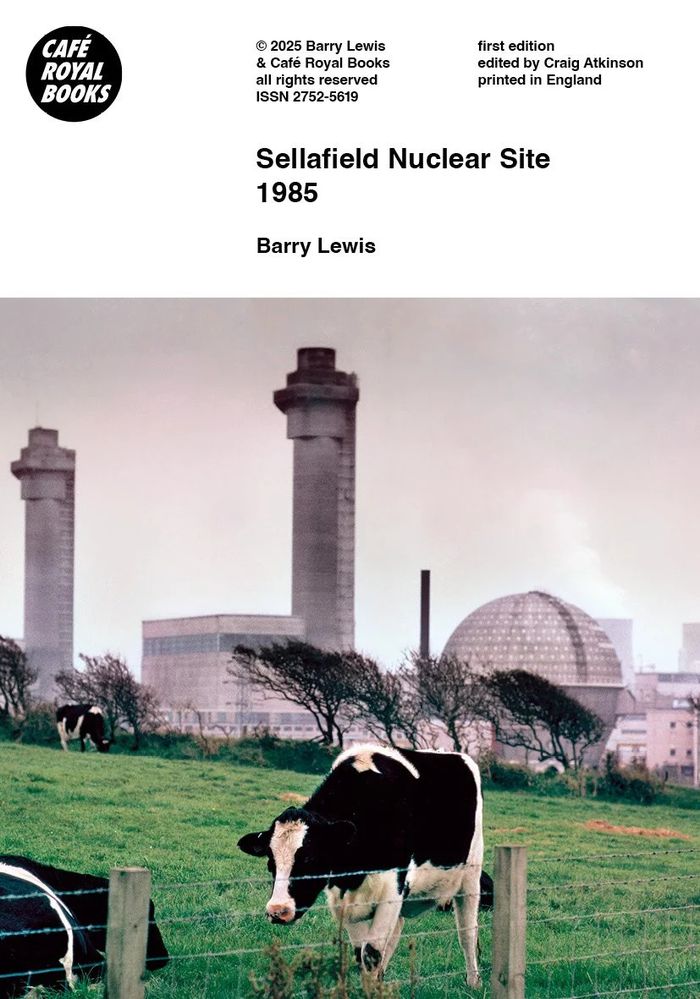
Sellafield, Europe's largest nuclear site, began being decommissioned in 2022. Its primary purpose was to produce weapons-grade plutonium for the UK's nuclear weapons programme, but they also generated electrical power for the National Grid from 1956-2003 and reprocessed nuclear fuel from 1952 to 2022. In 1985, Barry Lewis photographed part of the plant for The Sunday Times Magazine after reports found an increased incidence of leukaemia and non-Hodgkin lymphoma in children and young adults under 25 years of age living in Seascale, a village near Sellafield on the west coast of Cumbria. A government report suggested that these spikes were unlikely to have been caused by radiation exposure though the causes of these clusters of leukaemia around Sellafield was still not clear. 100Kg of plutonium had been pumped out of Sellafield into the Irish sea during the previous 40 years and 60Kg was unaccounted for. Any plutonium dust that is washed inshore, and when the tide goes out, could dry and blow inland. A single speck of plutonium inhaled is enough to trigger cancer. Sellafield is now a sprawling rubbish dump on the Cumbrian coast, with the world's largest store of plutonium that stores and treats decades of nuclear waste from atomic power generation and weapons programmes.The buildings are expected to be finally torn down by 2125 at a cost of approaching £100 billion and have its nuclear waste buried deep underground at a location still undecided.
Barry Lewis: Sellafield Nuclear Site 1985
Actions:
Prix:
$13.95
(disponible en magasin)
Résumé:
Sellafield, Europe's largest nuclear site, began being decommissioned in 2022. Its primary purpose was to produce weapons-grade plutonium for the UK's nuclear weapons programme, but they also generated electrical power for the National Grid from 1956-2003 and reprocessed nuclear fuel from 1952 to 2022. In 1985, Barry Lewis photographed part of the plant for The Sunday Times Magazine after reports found an increased incidence of leukaemia and non-Hodgkin lymphoma in children and young adults under 25 years of age living in Seascale, a village near Sellafield on the west coast of Cumbria. A government report suggested that these spikes were unlikely to have been caused by radiation exposure though the causes of these clusters of leukaemia around Sellafield was still not clear. 100Kg of plutonium had been pumped out of Sellafield into the Irish sea during the previous 40 years and 60Kg was unaccounted for. Any plutonium dust that is washed inshore, and when the tide goes out, could dry and blow inland. A single speck of plutonium inhaled is enough to trigger cancer. Sellafield is now a sprawling rubbish dump on the Cumbrian coast, with the world's largest store of plutonium that stores and treats decades of nuclear waste from atomic power generation and weapons programmes.The buildings are expected to be finally torn down by 2125 at a cost of approaching £100 billion and have its nuclear waste buried deep underground at a location still undecided.
Classification:
livres
livres
Publication:
avril 2026
avril 2026
Sujet:
Monographies photo
Monographies photo
Classification:
livres
livres
Titre:
London : bread and circuses
London : bread and circuses
Actions:
Prix:
$29.00
(disponible sur commande)
Résumé:
Wherever and whenever state and church, state and autocracy, political and architectural ambition have met and loved one another hungrily, domes have raised their imperious, lofty heads. At once magnificent and messy, old-fashioned and ultra-modern, opulent and squalid, London is something of a mongrel city, cross-bred over the centuries from cut-throat commerce, high(...)
$29.00
(disponible sur commande)
Résumé:
Wherever and whenever state and church, state and autocracy, political and architectural ambition have met and loved one another hungrily, domes have raised their imperious, lofty heads. At once magnificent and messy, old-fashioned and ultra-modern, opulent and squalid, London is something of a mongrel city, cross-bred over the centuries from cut-throat commerce, high(...)
Titre:
London : bread and circuses
Actions:
Prix:
$29.00
(disponible sur commande)
Résumé:
Wherever and whenever state and church, state and autocracy, political and architectural ambition have met and loved one another hungrily, domes have raised their imperious, lofty heads. At once magnificent and messy, old-fashioned and ultra-modern, opulent and squalid, London is something of a mongrel city, cross-bred over the centuries from cut-throat commerce, high finance and unrestrained creativity. For all its inventiveness, however, it is now also a city unable to provide its citizens with decent public transport, housing or services, beset and betrayed by governments who take from it but refuse to give back. In the lead-up to the much-hyped Millennium, a fortune was spent on lavish building projects—giant wheels, great courts, titanic art galleries, ambitious museums, a Brobdingnagian dome—but little in the way of public services, intelligent urban planning and infrastructure except by default. Has the right kind of money been spent on the wrong sort of projects? Who, in this pluralistic age, will cut through the layers of bureaucracy to restore some of the city’s unruly splendour? In this elegant and polemical book, the architecture critic Jonathan Glancey explores London’s Millennial follies and asks how and where London might now channel its energies. Combining anecdote and analysis with a sustained critique of the way the city is governed and financed, he draws a detailed picture of the state London’s in and speculates on how it might be transformed.
London : bread and circuses
Actions:
Prix:
$29.00
(disponible sur commande)
Résumé:
Wherever and whenever state and church, state and autocracy, political and architectural ambition have met and loved one another hungrily, domes have raised their imperious, lofty heads. At once magnificent and messy, old-fashioned and ultra-modern, opulent and squalid, London is something of a mongrel city, cross-bred over the centuries from cut-throat commerce, high finance and unrestrained creativity. For all its inventiveness, however, it is now also a city unable to provide its citizens with decent public transport, housing or services, beset and betrayed by governments who take from it but refuse to give back. In the lead-up to the much-hyped Millennium, a fortune was spent on lavish building projects—giant wheels, great courts, titanic art galleries, ambitious museums, a Brobdingnagian dome—but little in the way of public services, intelligent urban planning and infrastructure except by default. Has the right kind of money been spent on the wrong sort of projects? Who, in this pluralistic age, will cut through the layers of bureaucracy to restore some of the city’s unruly splendour? In this elegant and polemical book, the architecture critic Jonathan Glancey explores London’s Millennial follies and asks how and where London might now channel its energies. Combining anecdote and analysis with a sustained critique of the way the city is governed and financed, he draws a detailed picture of the state London’s in and speculates on how it might be transformed.
Classification:
livres
livres
Publication:
novembre 2001, London
novembre 2001, London


