


708 Résultats
Classification:
livres
livres
Actions:
Exemplaires:
Description:
149 pages : illustrations ; 23 cm
Description:
149 pages : illustrations ; 23 cm
Auteur:
Sujet:
- Art and race History.,
- Freedom and art United States 20th century.,
- African Americans in art History.,
- African American artists Political activity.,
- Protest movements United States History.,
- Art Political aspects United States History 20th century.,
- Art and society United States History 20th century.,
- Racism and the arts.,
- Art et race Histoire.,
- Liberté et art États-Unis 20e siècle.,
- Art Aspect politique États-Unis Histoire 20e siècle.,
- Art et société États-Unis Histoire 20e siècle.,
- Noirs américains dans l'art Histoire.,
- Artistes noirs américains Activité politique.,
- Contestation États-Unis Histoire.,
- Racisme et arts.,
- ART Criticism & Theory.,
- Art and Design.,
- African Americans in art,
- Art and race,
- Freedom and art,
- Beeldende kunsten.,
- United States,
- Nonfiction.,
- History
Publication:
New York : Badlands Unlimited, [2018], ©2018
New York : Badlands Unlimited, [2018], ©2018
Titre:
Whitewalling : art, race & protest in 3 acts / Aruna D'Souza ; artwork by Parker Bright & Pastiche Lumumba.
Actions:
Exemplaires:
Description:
149 pages : illustrations ; 23 cm
Whitewalling : art, race & protest in 3 acts / Aruna D'Souza ; artwork by Parker Bright & Pastiche Lumumba.
Actions:
Exemplaires:
Description:
149 pages : illustrations ; 23 cm
Classification:
livres
livres
Publication:
New York : Badlands Unlimited, [2018], ©2018
New York : Badlands Unlimited, [2018], ©2018
Auteur:
Sujet:
- Art and race History.,
- Freedom and art United States 20th century.,
- African Americans in art History.,
- African American artists Political activity.,
- Protest movements United States History.,
- Art Political aspects United States History 20th century.,
- Art and society United States History 20th century.,
- Racism and the arts.,
- Art et race Histoire.,
- Liberté et art États-Unis 20e siècle.,
- Art Aspect politique États-Unis Histoire 20e siècle.,
- Art et société États-Unis Histoire 20e siècle.,
- Noirs américains dans l'art Histoire.,
- Artistes noirs américains Activité politique.,
- Contestation États-Unis Histoire.,
- Racisme et arts.,
- ART Criticism & Theory.,
- Art and Design.,
- African Americans in art,
- Art and race,
- Freedom and art,
- Beeldende kunsten.,
- United States,
- Nonfiction.,
- History
Classification:
livres
livres
Actions:
Prix:
$47.00
(disponible sur commande)
Résumé:
Founders of the Congress for the New Urbanism, Andres Duany and Elizabeth Plater-Zyberk are at the forefront of this movement, and in Suburban Nation they assess sprawl's costs to society, be they ecological, economic, aesthetic, or social. It is a lively, thorough, critical lament, and an entertaining lesson on(...)
$47.00
(disponible sur commande)
Résumé:
Founders of the Congress for the New Urbanism, Andres Duany and Elizabeth Plater-Zyberk are at the forefront of this movement, and in Suburban Nation they assess sprawl's costs to society, be they ecological, economic, aesthetic, or social. It is a lively, thorough, critical lament, and an entertaining lesson on(...)
Sujet:
Théorie de l’urbanisme
Théorie de l’urbanisme
Publication:
janvier 2000, New York
janvier 2000, New York
Titre:
Suburban nation : the rise of sprawl and the decline of the American dream
Actions:
Prix:
$47.00
(disponible sur commande)
Résumé:
Founders of the Congress for the New Urbanism, Andres Duany and Elizabeth Plater-Zyberk are at the forefront of this movement, and in Suburban Nation they assess sprawl's costs to society, be they ecological, economic, aesthetic, or social. It is a lively, thorough, critical lament, and an entertaining lesson on the distinctions between postwar suburbia-characterized by housing clusters, strip malls, office parks, and parking lots-and the traditional neighborhoods that were built as a matter of course until mid-century. It is an indictment of the entire development community, including governments, for the fact that America no longer builds towns.
Suburban nation : the rise of sprawl and the decline of the American dream
Actions:
Prix:
$47.00
(disponible sur commande)
Résumé:
Founders of the Congress for the New Urbanism, Andres Duany and Elizabeth Plater-Zyberk are at the forefront of this movement, and in Suburban Nation they assess sprawl's costs to society, be they ecological, economic, aesthetic, or social. It is a lively, thorough, critical lament, and an entertaining lesson on the distinctions between postwar suburbia-characterized by housing clusters, strip malls, office parks, and parking lots-and the traditional neighborhoods that were built as a matter of course until mid-century. It is an indictment of the entire development community, including governments, for the fact that America no longer builds towns.
Classification:
livres
livres
Publication:
janvier 2000, New York
janvier 2000, New York
Sujet:
Théorie de l’urbanisme
Théorie de l’urbanisme
Classification:
livres
livres
Prix:
$40.00
(disponible sur commande)
Résumé:
In the early 2000s, a remarkable renewal of Toronto's Regent Park neighbourhood began. Designed as a garden city" in the 1940s, the area gained a reputation over the decades as a "no go" zone. In 2005, Toronto's City Council approved a revitalization that would effectively turn Regent Park into one of the city's "go to" neighbourhoods. Through captivating narrative that(...)
$40.00
(disponible sur commande)
Résumé:
In the early 2000s, a remarkable renewal of Toronto's Regent Park neighbourhood began. Designed as a garden city" in the 1940s, the area gained a reputation over the decades as a "no go" zone. In 2005, Toronto's City Council approved a revitalization that would effectively turn Regent Park into one of the city's "go to" neighbourhoods. Through captivating narrative that(...)
Titre:
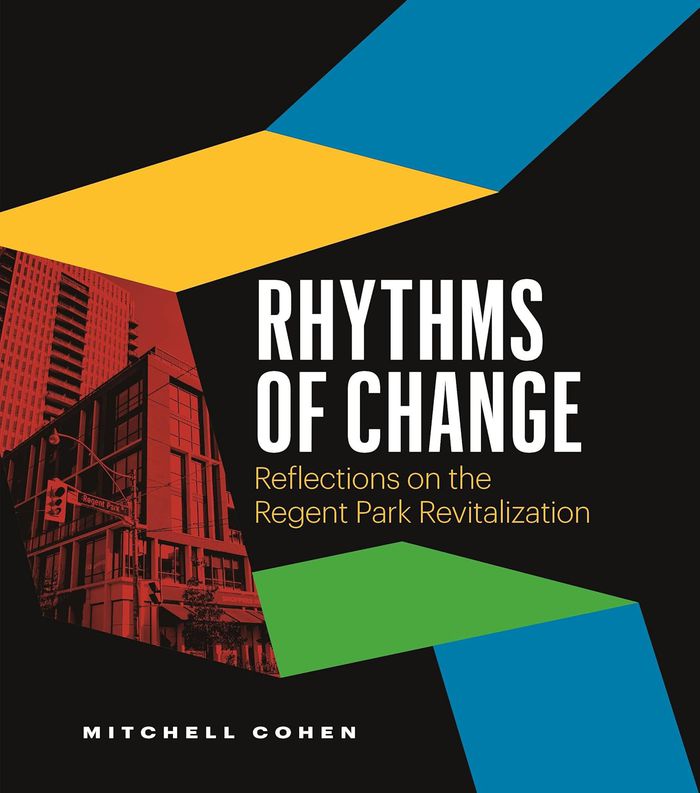
Rhythms of change: Reflections on the Regent Park Revitalization
Actions:
Prix:
$40.00
(disponible sur commande)
Résumé:
In the early 2000s, a remarkable renewal of Toronto's Regent Park neighbourhood began. Designed as a garden city" in the 1940s, the area gained a reputation over the decades as a "no go" zone. In 2005, Toronto's City Council approved a revitalization that would effectively turn Regent Park into one of the city's "go to" neighbourhoods. Through captivating narrative that transcends urban planning, architecture, community development, and business, "Rhythms of change" explores the revitalization journey through the eyes of Mitchell Cohen-a social activist, a musician, and the visionary CEO of The Daniels Corporation. The Regent Park revitalization is now the gold standard for reimagining and transforming stigmatized neighbourhoods. Cohen's firsthand account unveils key elements underlying an extraordinary metamorphosis into a healthy, resilient, and inclusive community.
Rhythms of change: Reflections on the Regent Park Revitalization
Actions:
Prix:
$40.00
(disponible sur commande)
Résumé:
In the early 2000s, a remarkable renewal of Toronto's Regent Park neighbourhood began. Designed as a garden city" in the 1940s, the area gained a reputation over the decades as a "no go" zone. In 2005, Toronto's City Council approved a revitalization that would effectively turn Regent Park into one of the city's "go to" neighbourhoods. Through captivating narrative that transcends urban planning, architecture, community development, and business, "Rhythms of change" explores the revitalization journey through the eyes of Mitchell Cohen-a social activist, a musician, and the visionary CEO of The Daniels Corporation. The Regent Park revitalization is now the gold standard for reimagining and transforming stigmatized neighbourhoods. Cohen's firsthand account unveils key elements underlying an extraordinary metamorphosis into a healthy, resilient, and inclusive community.
Classification:
livres
livres
Publication:
novembre 2024
novembre 2024
Sujet:
Architecture du Canada
Architecture du Canada
Classification:
livres
livres
Actions:
Prix:
$115.00
(disponible sur commande)
Résumé:
In his Habitat series, Olaf Otto Becker (born 1959) presents idyllic dreamlike places—paradisical tableaus from the jungles of Malaysia and Indonesia. Even the temperate rainforest of Redwood National Parks in California seems reassuringly intact: the mammoth trees are surviving thanks to rigorous conservation measures. By contrast, in the second half of his series Becker(...)
$115.00
(disponible sur commande)
Résumé:
In his Habitat series, Olaf Otto Becker (born 1959) presents idyllic dreamlike places—paradisical tableaus from the jungles of Malaysia and Indonesia. Even the temperate rainforest of Redwood National Parks in California seems reassuringly intact: the mammoth trees are surviving thanks to rigorous conservation measures. By contrast, in the second half of his series Becker(...)
Titre:
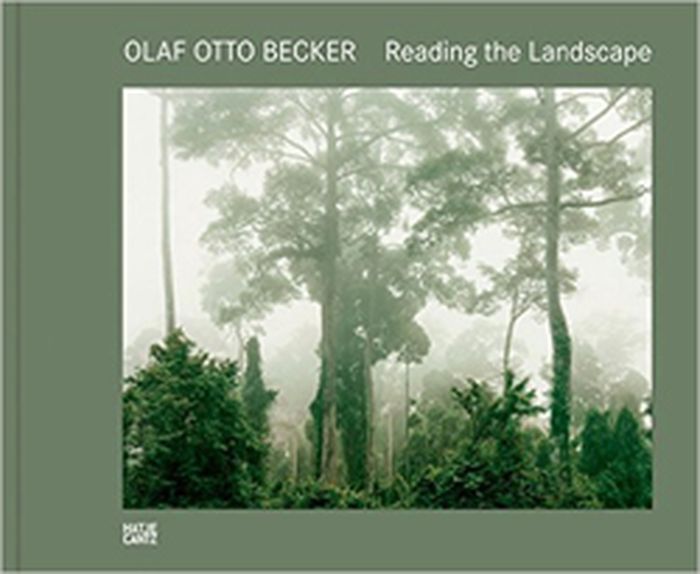
Olaf Otto Becker: reading the landscape
Actions:
Prix:
$115.00
(disponible sur commande)
Résumé:
In his Habitat series, Olaf Otto Becker (born 1959) presents idyllic dreamlike places—paradisical tableaus from the jungles of Malaysia and Indonesia. Even the temperate rainforest of Redwood National Parks in California seems reassuringly intact: the mammoth trees are surviving thanks to rigorous conservation measures. By contrast, in the second half of his series Becker shows what happens across the globe when international corporations clear large tracts of land and giant areas of barren, treeless terrain result. Erosion also does its work, and no life can survive in these places. In the final section, Becker presents the artificial "forests" conceived by various international architects to insert greenery into urban space.
Olaf Otto Becker: reading the landscape
Actions:
Prix:
$115.00
(disponible sur commande)
Résumé:
In his Habitat series, Olaf Otto Becker (born 1959) presents idyllic dreamlike places—paradisical tableaus from the jungles of Malaysia and Indonesia. Even the temperate rainforest of Redwood National Parks in California seems reassuringly intact: the mammoth trees are surviving thanks to rigorous conservation measures. By contrast, in the second half of his series Becker shows what happens across the globe when international corporations clear large tracts of land and giant areas of barren, treeless terrain result. Erosion also does its work, and no life can survive in these places. In the final section, Becker presents the artificial "forests" conceived by various international architects to insert greenery into urban space.
Classification:
livres
livres
Publication:
février 2015
février 2015
Sujet:
Monographies photo
Monographies photo
Classification:
livres
livres
Actions:
Exemplaires:
Description:
55 pages : illustrations, plans ; 31 cm.
Description:
55 pages : illustrations, plans ; 31 cm.
Auteur:
- Boyken, Immo, 1943-,
- Heidersberger, Heinrich, 1906-2006.,
- Pollich, Georg.,
- Tröger, Eberhard.
Sujet:
- Ruf, Sep, 1908-1982 Exhibitions.,
- Eiermann, Egon, 1904-1970 Exhibitions.,
- Eiermann, Egon, 1904-1970,
- Ruf, Sep, 1908-1982,
- Expo (International Exhibitions Bureau) (1958 : Brussels, Belgium),
- Expo (International Exhibitions Bureau),
- Architecture, German 20th century Exhibitions.,
- Exhibition buildings Belgium Brussels.,
- Architecture allemande 20e siècle Expositions.,
- Expositions Constructions Belgique Bruxelles.,
- Architecture, German,
- Buildings,
- Exhibition buildings,
- Brussels (Belgium) Buildings, structures, etc.,
- Bruxelles (Belgique) Constructions.,
- Belgium Brussels,
- Deutscher Pavillon Brüssel,
- Brüssel Deutscher Pavillon.,
- Exhibition catalogs
Publication:
Stuttgart : Edition Axel Menges, ©2007.
Stuttgart : Edition Axel Menges, ©2007.
Titre:
Egon Eiermann / Sep Ruf : Deutsche Pavillons, Brüssel 1958 / text, Immo Boyken ; Photographien/photographs, Heinrich Heidersberger, Georg Pollich, Eberhard Tröger.
Actions:
Exemplaires:
Description:
55 pages : illustrations, plans ; 31 cm.
Egon Eiermann / Sep Ruf : Deutsche Pavillons, Brüssel 1958 / text, Immo Boyken ; Photographien/photographs, Heinrich Heidersberger, Georg Pollich, Eberhard Tröger.
Actions:
Exemplaires:
Description:
55 pages : illustrations, plans ; 31 cm.
Classification:
livres
livres
Publication:
Stuttgart : Edition Axel Menges, ©2007.
Stuttgart : Edition Axel Menges, ©2007.
Auteur:
- Boyken, Immo, 1943-,
- Heidersberger, Heinrich, 1906-2006.,
- Pollich, Georg.,
- Tröger, Eberhard.
Sujet:
- Ruf, Sep, 1908-1982 Exhibitions.,
- Eiermann, Egon, 1904-1970 Exhibitions.,
- Eiermann, Egon, 1904-1970,
- Ruf, Sep, 1908-1982,
- Expo (International Exhibitions Bureau) (1958 : Brussels, Belgium),
- Expo (International Exhibitions Bureau),
- Architecture, German 20th century Exhibitions.,
- Exhibition buildings Belgium Brussels.,
- Architecture allemande 20e siècle Expositions.,
- Expositions Constructions Belgique Bruxelles.,
- Architecture, German,
- Buildings,
- Exhibition buildings,
- Brussels (Belgium) Buildings, structures, etc.,
- Bruxelles (Belgique) Constructions.,
- Belgium Brussels,
- Deutscher Pavillon Brüssel,
- Brüssel Deutscher Pavillon.,
- Exhibition catalogs
Classification:
livres
livres
Exemplaires:
Description:
x, 189 pages ; 24 cm
Description:
x, 189 pages ; 24 cm
Auteur:
Sujet:
- Black people Relocation Nova Scotia Halifax History 20th century.,
- Eviction Nova Scotia Halifax History 20th century.,
- Racism Nova Scotia Halifax History 20th century.,
- Urban renewal Nova Scotia Halifax History 20th century.,
- Black people Race identity Nova Scotia Halifax.,
- Racism Government policy Nova Scotia Halifax.,
- Black people Relocation Nova Scotia Halifax History.,
- Black Canadians Relocation Nova Scotia Halifax History.,
- Black Canadians Race identity Nova Scotia Halifax.,
- Racisme Politique gouvernementale Nouvelle-Écosse Halifax.,
- Personnes noires Déplacement Nouvelle-Écosse Halifax Histoire.,
- Personnes blanches Identité ethnique Nouvelle-Écosse Halifax.,
- Personnes noires Identité ethnique Nouvelle-Écosse Halifax.,
- Expulsion (Droit) Nouvelle-Écosse Halifax Histoire 20e siècle.,
- Racisme Nouvelle-Écosse Halifax Histoire 20e siècle.,
- Rénovation urbaine Nouvelle-Écosse Halifax Histoire 20e siècle.,
- Personnes noires Relogement Nouvelle-Écosse Halifax Histoire 20e siècle.,
- Personnes noires Relogement Nouvelle-Écosse Halifax Histoire.,
- Racism Government policy,
- Black people Race identity,
- Black people Relocation,
- Eviction,
- Race relations,
- Racism,
- Urban renewal,
- Discrimination raciale Politique publique Canada Halifax (Canada),
- Noirs Transfert Canada Halifax (Canada),
- Africville (Halifax Regional Municipality, N.S.) History 20th century.,
- Halifax (N.S.) Race relations.,
- Halifax (N.S.) History 20th century.,
- Africville (Halifax, N.-É.) Histoire.,
- Halifax (N.-É.) Histoire.,
- Nova Scotia Halifax,
- Nova Scotia Africville (Halifax Regional Municipality),
- Halifax (Canada) Relations interethniques.,
- Africville (Canada, Nouvelle-Écosse, Halifax) Histoire.,
- History
Publication:
Toronto ; Buffalo : University of Toronto Press, ©2008.
Toronto ; Buffalo : University of Toronto Press, ©2008.
Titre:
Razing Africville : a geography of racism / Jennifer J. Nelson.
Actions:
Exemplaires:
Description:
x, 189 pages ; 24 cm
Razing Africville : a geography of racism / Jennifer J. Nelson.
Actions:
Exemplaires:
Description:
x, 189 pages ; 24 cm
Classification:
livres
livres
Publication:
Toronto ; Buffalo : University of Toronto Press, ©2008.
Toronto ; Buffalo : University of Toronto Press, ©2008.
Auteur:
Sujet:
- Black people Relocation Nova Scotia Halifax History 20th century.,
- Eviction Nova Scotia Halifax History 20th century.,
- Racism Nova Scotia Halifax History 20th century.,
- Urban renewal Nova Scotia Halifax History 20th century.,
- Black people Race identity Nova Scotia Halifax.,
- Racism Government policy Nova Scotia Halifax.,
- Black people Relocation Nova Scotia Halifax History.,
- Black Canadians Relocation Nova Scotia Halifax History.,
- Black Canadians Race identity Nova Scotia Halifax.,
- Racisme Politique gouvernementale Nouvelle-Écosse Halifax.,
- Personnes noires Déplacement Nouvelle-Écosse Halifax Histoire.,
- Personnes blanches Identité ethnique Nouvelle-Écosse Halifax.,
- Personnes noires Identité ethnique Nouvelle-Écosse Halifax.,
- Expulsion (Droit) Nouvelle-Écosse Halifax Histoire 20e siècle.,
- Racisme Nouvelle-Écosse Halifax Histoire 20e siècle.,
- Rénovation urbaine Nouvelle-Écosse Halifax Histoire 20e siècle.,
- Personnes noires Relogement Nouvelle-Écosse Halifax Histoire 20e siècle.,
- Personnes noires Relogement Nouvelle-Écosse Halifax Histoire.,
- Racism Government policy,
- Black people Race identity,
- Black people Relocation,
- Eviction,
- Race relations,
- Racism,
- Urban renewal,
- Discrimination raciale Politique publique Canada Halifax (Canada),
- Noirs Transfert Canada Halifax (Canada),
- Africville (Halifax Regional Municipality, N.S.) History 20th century.,
- Halifax (N.S.) Race relations.,
- Halifax (N.S.) History 20th century.,
- Africville (Halifax, N.-É.) Histoire.,
- Halifax (N.-É.) Histoire.,
- Nova Scotia Halifax,
- Nova Scotia Africville (Halifax Regional Municipality),
- Halifax (Canada) Relations interethniques.,
- Africville (Canada, Nouvelle-Écosse, Halifax) Histoire.,
- History
Classification:
livres
livres
Actions:
Prix:
$47.50
(disponible sur commande)
Résumé:
"City of Play" shows how play is built into the very fabric of the modern city. From playgrounds to theme parks, skittle alleys to swimming pools, to the countless uncontrolled spaces which the urban habitat affords play is by no means just a childhood affair. A myriad essentially unproductive playful pursuits have, through time, modelled the modern city and landscape.(...)
$47.50
(disponible sur commande)
Résumé:
"City of Play" shows how play is built into the very fabric of the modern city. From playgrounds to theme parks, skittle alleys to swimming pools, to the countless uncontrolled spaces which the urban habitat affords play is by no means just a childhood affair. A myriad essentially unproductive playful pursuits have, through time, modelled the modern city and landscape.(...)
Titre:
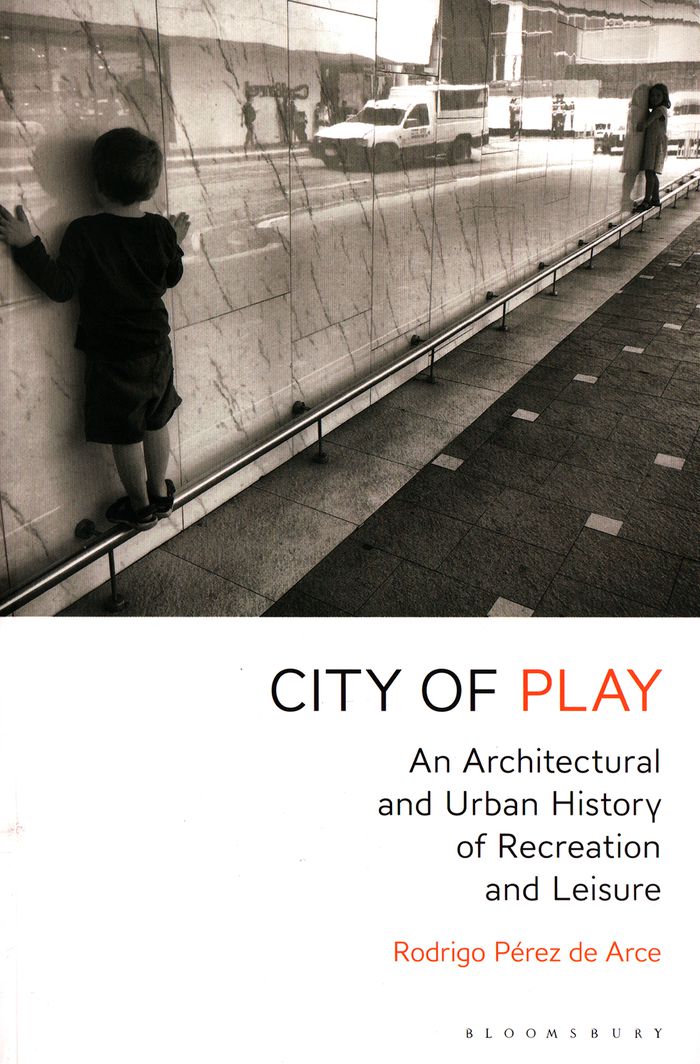
City of play: an architectural and urban history of recreation and leisure
Actions:
Prix:
$47.50
(disponible sur commande)
Résumé:
"City of Play" shows how play is built into the very fabric of the modern city. From playgrounds to theme parks, skittle alleys to swimming pools, to the countless uncontrolled spaces which the urban habitat affords play is by no means just a childhood affair. A myriad essentially unproductive playful pursuits have, through time, modelled the modern city and landscape. Architect and scholar Rodrigo Pérez de Arces erudite, original, and often surprising study explores a curiously neglected dimension of architectural design and practice: ludic space. It is an architectural history of the playground from the hippodrome to the Situationist city of space released from productive ends in the pursuit of leisure. The ludic imagination impregnated modernist ideals, and what begins with the playground ends with a re-consideration of the whole sweep of the modern movement through the filter of leisure and play.
City of play: an architectural and urban history of recreation and leisure
Actions:
Prix:
$47.50
(disponible sur commande)
Résumé:
"City of Play" shows how play is built into the very fabric of the modern city. From playgrounds to theme parks, skittle alleys to swimming pools, to the countless uncontrolled spaces which the urban habitat affords play is by no means just a childhood affair. A myriad essentially unproductive playful pursuits have, through time, modelled the modern city and landscape. Architect and scholar Rodrigo Pérez de Arces erudite, original, and often surprising study explores a curiously neglected dimension of architectural design and practice: ludic space. It is an architectural history of the playground from the hippodrome to the Situationist city of space released from productive ends in the pursuit of leisure. The ludic imagination impregnated modernist ideals, and what begins with the playground ends with a re-consideration of the whole sweep of the modern movement through the filter of leisure and play.
Classification:
livres
livres
Publication:
mai 2018
mai 2018
Sujet:
Théorie de l’urbanisme
Théorie de l’urbanisme
Classification:
livres
livres
Prix:
$32.95
(disponible sur commande)
Résumé:
The High Line, a new park atop an ele-vated rail structure on Manhattan’s West Side, is among the most innovative urban reclamation projects in memory. The story of how it came to be is a remarkable one: two young citizens with no prior experience in planning and development collaborated with their neighbors, elected officials, artists, local business owners, and leaders(...)
$32.95
(disponible sur commande)
Résumé:
The High Line, a new park atop an ele-vated rail structure on Manhattan’s West Side, is among the most innovative urban reclamation projects in memory. The story of how it came to be is a remarkable one: two young citizens with no prior experience in planning and development collaborated with their neighbors, elected officials, artists, local business owners, and leaders(...)
Titre:
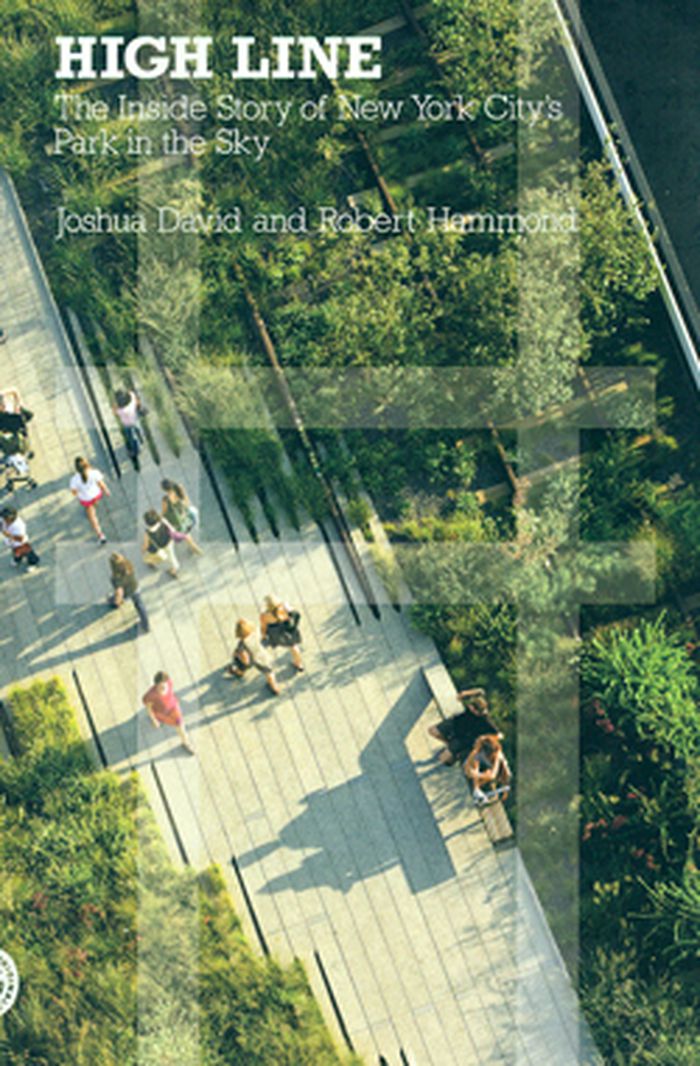
High line: the inside story of New York city's park in the sky
Actions:
Prix:
$32.95
(disponible sur commande)
Résumé:
The High Line, a new park atop an ele-vated rail structure on Manhattan’s West Side, is among the most innovative urban reclamation projects in memory. The story of how it came to be is a remarkable one: two young citizens with no prior experience in planning and development collaborated with their neighbors, elected officials, artists, local business owners, and leaders of burgeoning movements in horticulture and landscape architecture to create a park celebrated worldwide as a model for creatively designed, socially vibrant, ecologically sound public space. In this book, David and Hammond tell how they relied on skill, luck, and good timing: a crucial court ruling, an inspiring design contest, the enthusiasm of Mayor Bloomberg, the concern for urban planning issues following 9/11.
High line: the inside story of New York city's park in the sky
Actions:
Prix:
$32.95
(disponible sur commande)
Résumé:
The High Line, a new park atop an ele-vated rail structure on Manhattan’s West Side, is among the most innovative urban reclamation projects in memory. The story of how it came to be is a remarkable one: two young citizens with no prior experience in planning and development collaborated with their neighbors, elected officials, artists, local business owners, and leaders of burgeoning movements in horticulture and landscape architecture to create a park celebrated worldwide as a model for creatively designed, socially vibrant, ecologically sound public space. In this book, David and Hammond tell how they relied on skill, luck, and good timing: a crucial court ruling, an inspiring design contest, the enthusiasm of Mayor Bloomberg, the concern for urban planning issues following 9/11.
Classification:
livres
livres
Publication:
octobre 2011
octobre 2011
Sujet:
Paysages urbains
Paysages urbains
Classification:
livres
livres
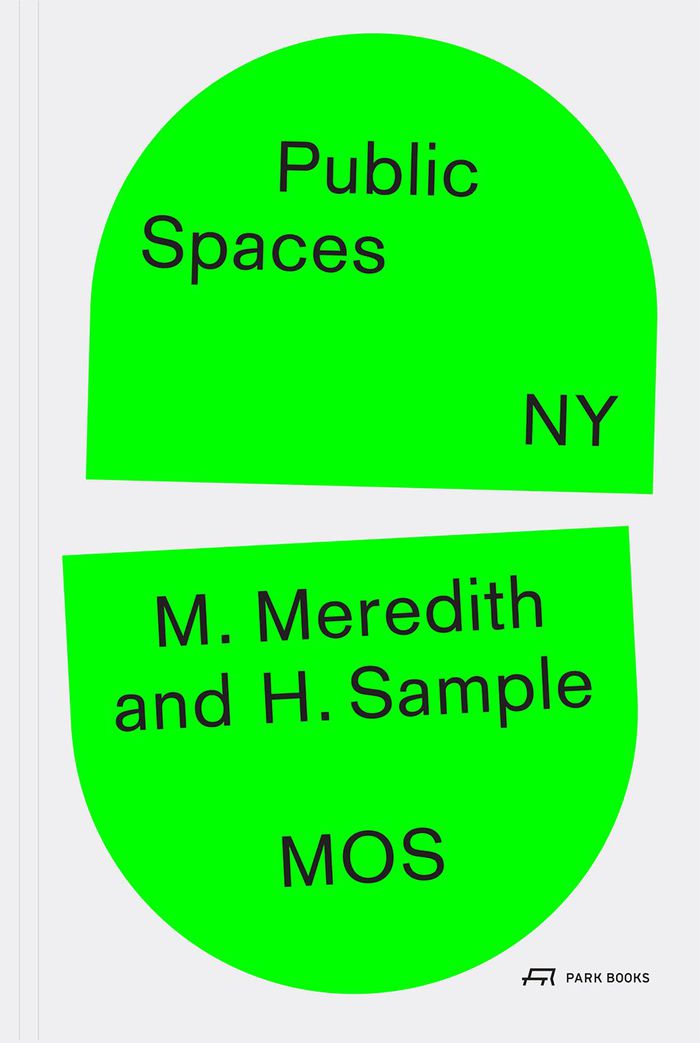
Titre:
Public space, NY
Public space, NY
Actions:
Prix:
$75.00
(disponible en magasin)
Résumé:
There are no perfect public spaces. Public space is constantly changing, shifting, never quite fixed. It is formed by laws, by regulations, by private ownership, and by city management. Public spaces are influenced both by the people who oversee them and by those who use them. And because of these facts, public spaces are never neutral. In "ublic Spaces, NY," Michael(...)
$75.00
(disponible en magasin)
Résumé:
There are no perfect public spaces. Public space is constantly changing, shifting, never quite fixed. It is formed by laws, by regulations, by private ownership, and by city management. Public spaces are influenced both by the people who oversee them and by those who use them. And because of these facts, public spaces are never neutral. In "ublic Spaces, NY," Michael(...)
Titre:
Public space, NY
Actions:
Prix:
$75.00
(disponible en magasin)
Résumé:
There are no perfect public spaces. Public space is constantly changing, shifting, never quite fixed. It is formed by laws, by regulations, by private ownership, and by city management. Public spaces are influenced both by the people who oversee them and by those who use them. And because of these facts, public spaces are never neutral. In "ublic Spaces, NY," Michael Meredith and Hilary Sample document and analyze Manhattan’s parks, streets, community gardens, privately owned public spaces, recreation areas, waterfronts, and cemeteries. Their book seeks to understand their design, construction and management, and provides detailed drawings of both the spaces themselves and speculative illustrations about how the public uses the spaces. By examining how public spaces facilitate or hinder inclusion, and by detailing the conflicts and negotiations they provoke, this book creates a discourse to reimagine the future of public life in the United States’ densest city.
Public space, NY
Actions:
Prix:
$75.00
(disponible en magasin)
Résumé:
There are no perfect public spaces. Public space is constantly changing, shifting, never quite fixed. It is formed by laws, by regulations, by private ownership, and by city management. Public spaces are influenced both by the people who oversee them and by those who use them. And because of these facts, public spaces are never neutral. In "ublic Spaces, NY," Michael Meredith and Hilary Sample document and analyze Manhattan’s parks, streets, community gardens, privately owned public spaces, recreation areas, waterfronts, and cemeteries. Their book seeks to understand their design, construction and management, and provides detailed drawings of both the spaces themselves and speculative illustrations about how the public uses the spaces. By examining how public spaces facilitate or hinder inclusion, and by detailing the conflicts and negotiations they provoke, this book creates a discourse to reimagine the future of public life in the United States’ densest city.
Classification:
livres
livres
Publication:
décembre 2025
décembre 2025
Sujet:
Espaces Public
Espaces Public
Classification:
livres
livres

Titre:
Toward a minor architecture
Toward a minor architecture
Actions:
Prix:
$28.95
(disponible sur commande)
Résumé:
Architecture can no longer limit itself to the art of making buildings; it must also invent the politics of taking them apart. This is Jill Stoner’s premise for a minor architecture. Her architect’s eye tracks differently from most, drawn not to the lauded and iconic but to what she calls “the landscape of our constructed mistakes”--metropolitan hinterlands rife with(...)
$28.95
(disponible sur commande)
Résumé:
Architecture can no longer limit itself to the art of making buildings; it must also invent the politics of taking them apart. This is Jill Stoner’s premise for a minor architecture. Her architect’s eye tracks differently from most, drawn not to the lauded and iconic but to what she calls “the landscape of our constructed mistakes”--metropolitan hinterlands rife with(...)
Titre:
Toward a minor architecture
Actions:
Prix:
$28.95
(disponible sur commande)
Résumé:
Architecture can no longer limit itself to the art of making buildings; it must also invent the politics of taking them apart. This is Jill Stoner’s premise for a minor architecture. Her architect’s eye tracks differently from most, drawn not to the lauded and iconic but to what she calls “the landscape of our constructed mistakes”--metropolitan hinterlands rife with failed and foreclosed developments, undersubscribed office parks, chain hotels, and abandoned malls. These graveyards of capital, Stoner asserts, may be stripped of their excess and become sites of strategic spatial operations. But first we must dissect and dismantle prevalent architectural mythologies that brought them into being--western obsessions with interiority, with the autonomy of the building-object, with the architect’s mantle of celebrity, and with the idea of nature as that which is “other” than the built metropolis. These four myths form the warp of the book.
Toward a minor architecture
Actions:
Prix:
$28.95
(disponible sur commande)
Résumé:
Architecture can no longer limit itself to the art of making buildings; it must also invent the politics of taking them apart. This is Jill Stoner’s premise for a minor architecture. Her architect’s eye tracks differently from most, drawn not to the lauded and iconic but to what she calls “the landscape of our constructed mistakes”--metropolitan hinterlands rife with failed and foreclosed developments, undersubscribed office parks, chain hotels, and abandoned malls. These graveyards of capital, Stoner asserts, may be stripped of their excess and become sites of strategic spatial operations. But first we must dissect and dismantle prevalent architectural mythologies that brought them into being--western obsessions with interiority, with the autonomy of the building-object, with the architect’s mantle of celebrity, and with the idea of nature as that which is “other” than the built metropolis. These four myths form the warp of the book.
Classification:
livres
livres
Publication:
mars 2012
mars 2012
Sujet:
Théorie de l’architecture
Théorie de l’architecture


