


12071 Résultats
Classification:
livres
livres
Prix:
$35.00
(disponible en magasin)
Résumé:
Comment proposer une «cartographie du Nord» par l’analyse de lieux ou d’espaces qui concentrent une ou plusieurs formes de mémoire, tout en étant parfois laissés à l’abandon, voire condamnés à l’oubli? Comment ces «territoires discursifs» se sont-ils constitués et, s’il y a lieu, ont-ils été abandonnés? Comment ont-ils été réinventés ou convoqués par l’art, la(...)
$35.00
(disponible en magasin)
Résumé:
Comment proposer une «cartographie du Nord» par l’analyse de lieux ou d’espaces qui concentrent une ou plusieurs formes de mémoire, tout en étant parfois laissés à l’abandon, voire condamnés à l’oubli? Comment ces «territoires discursifs» se sont-ils constitués et, s’il y a lieu, ont-ils été abandonnés? Comment ont-ils été réinventés ou convoqués par l’art, la(...)
Titre:
Le lieu du Nord, vers une cartographie des lieux du Nord
Actions:
Prix:
$35.00
(disponible en magasin)
Résumé:
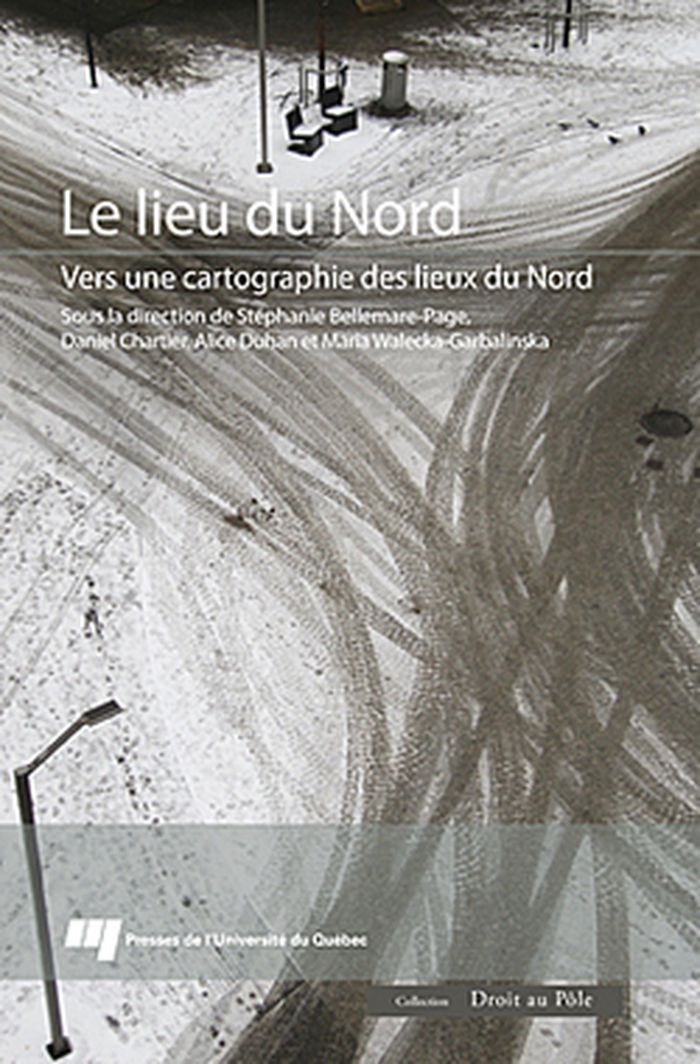
Comment proposer une «cartographie du Nord» par l’analyse de lieux ou d’espaces qui concentrent une ou plusieurs formes de mémoire, tout en étant parfois laissés à l’abandon, voire condamnés à l’oubli? Comment ces «territoires discursifs» se sont-ils constitués et, s’il y a lieu, ont-ils été abandonnés? Comment ont-ils été réinventés ou convoqués par l’art, la photographie, la politique, la muséographie, le tourisme, la musique, l’architecture, le cinéma, la littérature? Sont-ils partie prenante d’une mémoire septentrionale commune à plusieurs cultures du Nord ou d’une mémoire universelle? Sont-ils aujourd’hui l’objet de visées prospectives? Les articles qui composent le présent ouvrage, provenant d’une dizaine de pays, se veulent une réponse, bien partielle, mais tout de même nouvelle, à toutes ces interrogations.
Le lieu du Nord, vers une cartographie des lieux du Nord
Actions:
Prix:
$35.00
(disponible en magasin)
Résumé:
Comment proposer une «cartographie du Nord» par l’analyse de lieux ou d’espaces qui concentrent une ou plusieurs formes de mémoire, tout en étant parfois laissés à l’abandon, voire condamnés à l’oubli? Comment ces «territoires discursifs» se sont-ils constitués et, s’il y a lieu, ont-ils été abandonnés? Comment ont-ils été réinventés ou convoqués par l’art, la photographie, la politique, la muséographie, le tourisme, la musique, l’architecture, le cinéma, la littérature? Sont-ils partie prenante d’une mémoire septentrionale commune à plusieurs cultures du Nord ou d’une mémoire universelle? Sont-ils aujourd’hui l’objet de visées prospectives? Les articles qui composent le présent ouvrage, provenant d’une dizaine de pays, se veulent une réponse, bien partielle, mais tout de même nouvelle, à toutes ces interrogations.
Classification:
livres
livres
Publication:
février 2015
février 2015
Sujet:
Architecture du Québec
Architecture du Québec
Classification:
livres
livres
Actions:
Prix:
$72.95
(disponible sur commande)
Résumé:
Josep Lluís Sert (1902–1983) was the last president of CIAM (International Congresses of Modern Architecture) and dean of the Harvard University Graduate School of Design from 1953 to 1969, where he founded the discipline of urban design. His writings offer a new view of his activities in architecture and urban planning, and provide the intellectual context for his own(...)
$72.95
(disponible sur commande)
Résumé:
Josep Lluís Sert (1902–1983) was the last president of CIAM (International Congresses of Modern Architecture) and dean of the Harvard University Graduate School of Design from 1953 to 1969, where he founded the discipline of urban design. His writings offer a new view of his activities in architecture and urban planning, and provide the intellectual context for his own(...)
Titre:
The writings Josep Lluis Sert
Actions:
Prix:
$72.95
(disponible sur commande)
Résumé:
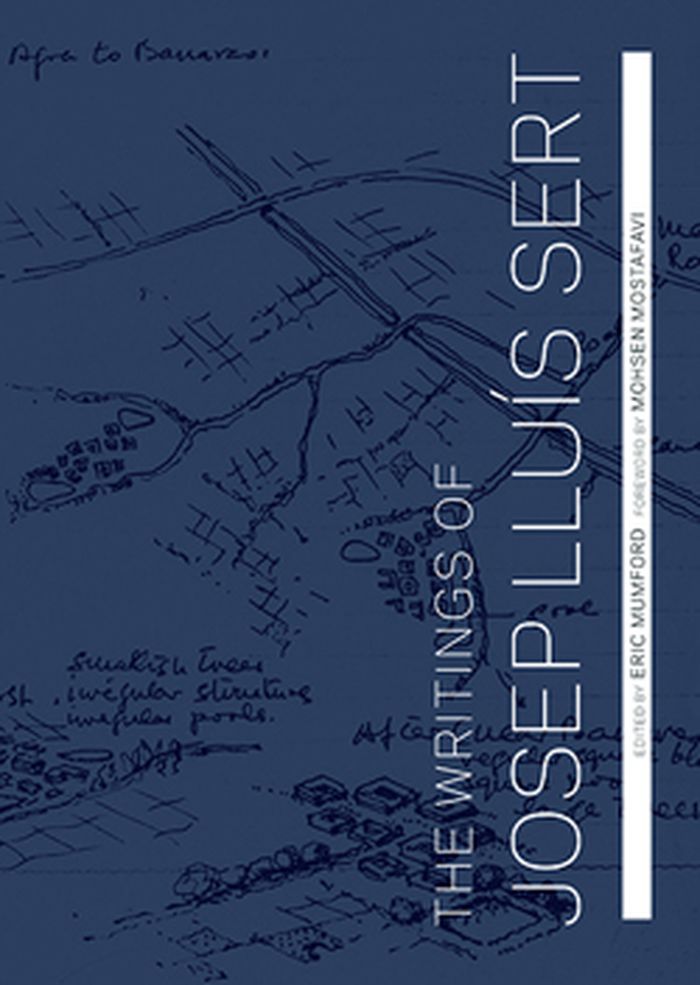
Josep Lluís Sert (1902–1983) was the last president of CIAM (International Congresses of Modern Architecture) and dean of the Harvard University Graduate School of Design from 1953 to 1969, where he founded the discipline of urban design. His writings offer a new view of his activities in architecture and urban planning, and provide the intellectual context for his own work as an architect, much of which is still controversial and often poorly understood. This book includes 16 essays dating from 1951 to 1977, ten of which are previously unpublished. The Writings of Josep Lluís Sert illuminates Sert’s contributions to 20th-century architecture, urban design, and design pedagogy, and makes clear the similarities and differences between his ideas and those of his mentor, Le Corbusier.
The writings Josep Lluis Sert
Actions:
Prix:
$72.95
(disponible sur commande)
Résumé:
Josep Lluís Sert (1902–1983) was the last president of CIAM (International Congresses of Modern Architecture) and dean of the Harvard University Graduate School of Design from 1953 to 1969, where he founded the discipline of urban design. His writings offer a new view of his activities in architecture and urban planning, and provide the intellectual context for his own work as an architect, much of which is still controversial and often poorly understood. This book includes 16 essays dating from 1951 to 1977, ten of which are previously unpublished. The Writings of Josep Lluís Sert illuminates Sert’s contributions to 20th-century architecture, urban design, and design pedagogy, and makes clear the similarities and differences between his ideas and those of his mentor, Le Corbusier.
Classification:
livres
livres
Publication:
février 2015
février 2015
Sujet:
Théorie de l’architecture
Théorie de l’architecture
Classification:
livres
livres
Titre:
Frank Gehry
Frank Gehry
Actions:
Prix:
$72.00
(disponible sur commande)
Résumé:
Arranged chronologically, this book follows the arc of Gehry's later career, during which he has focused mainly on public and cultural facilities. The book explores how Gehry has overcome technological setbacks and aesthetic backlash, never wavering from his vision. It examines his work in the context of the urban environment, showing how Gehry continually strives to make(...)
$72.00
(disponible sur commande)
Résumé:
Arranged chronologically, this book follows the arc of Gehry's later career, during which he has focused mainly on public and cultural facilities. The book explores how Gehry has overcome technological setbacks and aesthetic backlash, never wavering from his vision. It examines his work in the context of the urban environment, showing how Gehry continually strives to make(...)
Sujet:
Architecture, monographies
Architecture, monographies
Publication:
février 2015
février 2015
Titre:
Frank Gehry
Actions:
Prix:
$72.00
(disponible sur commande)
Résumé:
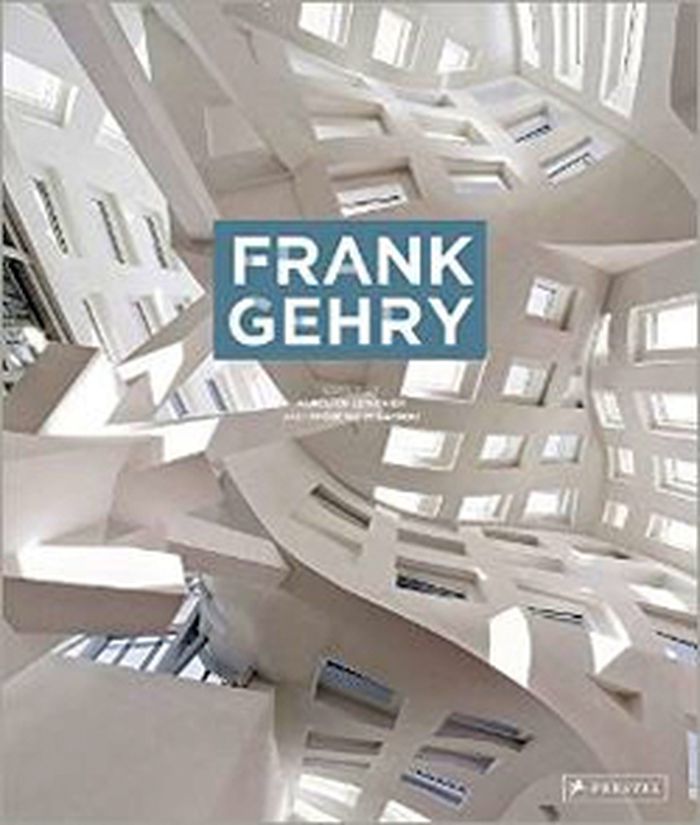
Arranged chronologically, this book follows the arc of Gehry's later career, during which he has focused mainly on public and cultural facilities. The book explores how Gehry has overcome technological setbacks and aesthetic backlash, never wavering from his vision. It examines his work in the context of the urban environment, showing how Gehry continually strives to make cities "less boring" and to create urban buildings that echo their surroundings.
Frank Gehry
Actions:
Prix:
$72.00
(disponible sur commande)
Résumé:
Arranged chronologically, this book follows the arc of Gehry's later career, during which he has focused mainly on public and cultural facilities. The book explores how Gehry has overcome technological setbacks and aesthetic backlash, never wavering from his vision. It examines his work in the context of the urban environment, showing how Gehry continually strives to make cities "less boring" and to create urban buildings that echo their surroundings.
Classification:
livres
livres
Publication:
février 2015
février 2015
Sujet:
Architecture, monographies
Architecture, monographies
Classification:
livres
livres
Prix:
$99.00
(disponible sur commande)
Résumé:
The Italian-Brazilian architect and designer Lina Bo Bardi (1914–92) forged a unique path with her bold, modern designs. Spanning architecture, stage design, fashion and furniture, her work drew inspiration from the International Style, which she translated into her own visual language. Fundamental to her work was her thoughtful engagement with her adopted country of(...)
$99.00
(disponible sur commande)
Résumé:
The Italian-Brazilian architect and designer Lina Bo Bardi (1914–92) forged a unique path with her bold, modern designs. Spanning architecture, stage design, fashion and furniture, her work drew inspiration from the International Style, which she translated into her own visual language. Fundamental to her work was her thoughtful engagement with her adopted country of(...)
Titre:
Lina Bo Bardi: 100 Brazil's alternative path to modernism
Actions:
Prix:
$99.00
(disponible sur commande)
Résumé:
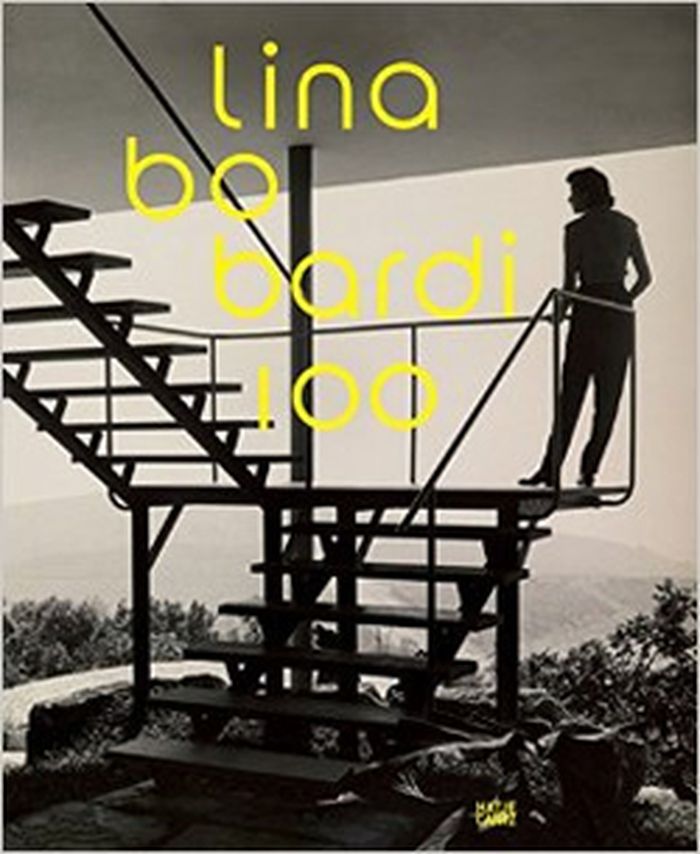
The Italian-Brazilian architect and designer Lina Bo Bardi (1914–92) forged a unique path with her bold, modern designs. Spanning architecture, stage design, fashion and furniture, her work drew inspiration from the International Style, which she translated into her own visual language. Fundamental to her work was her thoughtful engagement with her adopted country of Brazil—its culture, society, politics and indigenous design traditions—and her ideas about the social possibilities of design, and she expressed her sometimes radical views in her design work, exhibitions and writings. Published on the occasion of Lina Bo Bardi's hundredth birthday, this illustrated volume presents an overview of her oeuvre and highlights her iconic buildings: her home, the so-called Casa de Vidro, the Museo de Arte de São Paulo and the cultural center SESC Pompéia.
Lina Bo Bardi: 100 Brazil's alternative path to modernism
Actions:
Prix:
$99.00
(disponible sur commande)
Résumé:
The Italian-Brazilian architect and designer Lina Bo Bardi (1914–92) forged a unique path with her bold, modern designs. Spanning architecture, stage design, fashion and furniture, her work drew inspiration from the International Style, which she translated into her own visual language. Fundamental to her work was her thoughtful engagement with her adopted country of Brazil—its culture, society, politics and indigenous design traditions—and her ideas about the social possibilities of design, and she expressed her sometimes radical views in her design work, exhibitions and writings. Published on the occasion of Lina Bo Bardi's hundredth birthday, this illustrated volume presents an overview of her oeuvre and highlights her iconic buildings: her home, the so-called Casa de Vidro, the Museo de Arte de São Paulo and the cultural center SESC Pompéia.
Classification:
livres
livres
Publication:
février 2015
février 2015
Sujet:
Architecture, monographies
Architecture, monographies
Classification:
livres
livres
Titre:
The internet of things
The internet of things
Actions:
Prix:
$19.95
(disponible sur commande)
Résumé:
We turn on the lights in our house from a desk in an office miles away. Our refrigerator alerts us to buy milk on the way home. A package of cookies on the supermarket shelf suggests that we buy it, based on past purchases. The cookies themselves are on the shelf because of a “smart” supply chain. When we get home, the thermostat has already adjusted the temperature so(...)
$19.95
(disponible sur commande)
Résumé:
We turn on the lights in our house from a desk in an office miles away. Our refrigerator alerts us to buy milk on the way home. A package of cookies on the supermarket shelf suggests that we buy it, based on past purchases. The cookies themselves are on the shelf because of a “smart” supply chain. When we get home, the thermostat has already adjusted the temperature so(...)
Titre:
The internet of things
Actions:
Prix:
$19.95
(disponible sur commande)
Résumé:
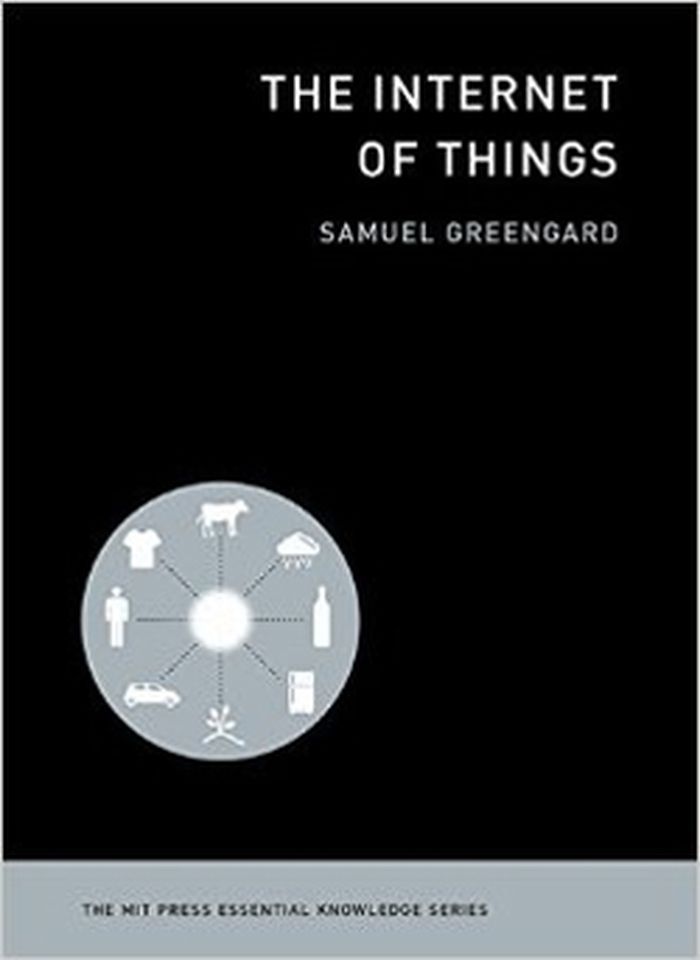
We turn on the lights in our house from a desk in an office miles away. Our refrigerator alerts us to buy milk on the way home. A package of cookies on the supermarket shelf suggests that we buy it, based on past purchases. The cookies themselves are on the shelf because of a “smart” supply chain. When we get home, the thermostat has already adjusted the temperature so that it’s toasty or bracing, whichever we prefer. This is the Internet of Things — a networked world of connected devices, objects, and people. In this book, Samuel Greengard offers a guided tour through this emerging world and how it will change the way we live and work.
The internet of things
Actions:
Prix:
$19.95
(disponible sur commande)
Résumé:
We turn on the lights in our house from a desk in an office miles away. Our refrigerator alerts us to buy milk on the way home. A package of cookies on the supermarket shelf suggests that we buy it, based on past purchases. The cookies themselves are on the shelf because of a “smart” supply chain. When we get home, the thermostat has already adjusted the temperature so that it’s toasty or bracing, whichever we prefer. This is the Internet of Things — a networked world of connected devices, objects, and people. In this book, Samuel Greengard offers a guided tour through this emerging world and how it will change the way we live and work.
Classification:
livres
livres
Publication:
avril 2015
avril 2015
Sujet:
Architecture numérique
Architecture numérique
Classification:
livres
livres
Prix:
$80.95
(disponible sur commande)
Résumé:
We have entered the Anthropocene era—a geological age of our own making, in which what we have understood to be nature is made by man. We need a new way to understand the dynamics of a new epoch. These volumes offer writings that approach the Anthropocene through the perspectives of grain, vapor, and ray—the particulate, the volatile, and the radiant. The first three(...)
$80.95
(disponible sur commande)
Résumé:
We have entered the Anthropocene era—a geological age of our own making, in which what we have understood to be nature is made by man. We need a new way to understand the dynamics of a new epoch. These volumes offer writings that approach the Anthropocene through the perspectives of grain, vapor, and ray—the particulate, the volatile, and the radiant. The first three(...)
Titre:
Textures of the anthropocene: grain vapor ray (4-volume set)
Actions:
Prix:
$80.95
(disponible sur commande)
Résumé:
We have entered the Anthropocene era—a geological age of our own making, in which what we have understood to be nature is made by man. We need a new way to understand the dynamics of a new epoch. These volumes offer writings that approach the Anthropocene through the perspectives of grain, vapor, and ray—the particulate, the volatile, and the radiant. The first three volumes—each devoted to one of the three textures—offer a series of paired texts, with contemporary writers responding to historic writings. A fourth volume offers a guide to the project as a whole. These volumes constitute an experiment in design and composition as well as content. The mingling of texts and the juxtaposition of different areas of knowledge represented in a variety of forms express the dynamics of a world in change.
Textures of the anthropocene: grain vapor ray (4-volume set)
Actions:
Prix:
$80.95
(disponible sur commande)
Résumé:
We have entered the Anthropocene era—a geological age of our own making, in which what we have understood to be nature is made by man. We need a new way to understand the dynamics of a new epoch. These volumes offer writings that approach the Anthropocene through the perspectives of grain, vapor, and ray—the particulate, the volatile, and the radiant. The first three volumes—each devoted to one of the three textures—offer a series of paired texts, with contemporary writers responding to historic writings. A fourth volume offers a guide to the project as a whole. These volumes constitute an experiment in design and composition as well as content. The mingling of texts and the juxtaposition of different areas of knowledge represented in a variety of forms express the dynamics of a world in change.
Classification:
livres
livres
Publication:
mars 2015
mars 2015
Sujet:
Théorie de l’architecture
Théorie de l’architecture
Classification:
livres
livres
Titre:
Sundogz
Sundogz
Actions:
Prix:
$24.95
(disponible sur commande)
Résumé:
Beginning with Venusia (2005) and continuing with Mercury Station (2009), Mark von Schlegell's System Series has moved backward in time, investigating the contours of time, memory, perception, and control in the inter-planetary system that emerge off-world in the twenty-second and twenty-third centuries during Earth's full collapse. In the latest installment, Sundogz,(...)
$24.95
(disponible sur commande)
Résumé:
Beginning with Venusia (2005) and continuing with Mercury Station (2009), Mark von Schlegell's System Series has moved backward in time, investigating the contours of time, memory, perception, and control in the inter-planetary system that emerge off-world in the twenty-second and twenty-third centuries during Earth's full collapse. In the latest installment, Sundogz,(...)
Titre:
Sundogz
Actions:
Prix:
$24.95
(disponible sur commande)
Résumé:
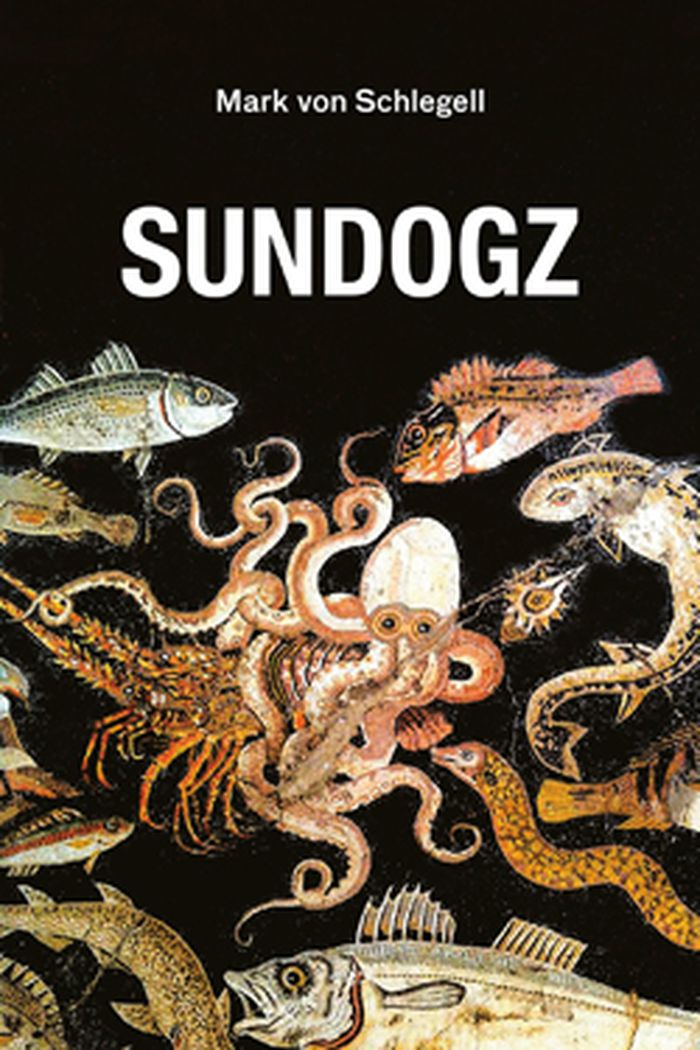
Beginning with Venusia (2005) and continuing with Mercury Station (2009), Mark von Schlegell's System Series has moved backward in time, investigating the contours of time, memory, perception, and control in the inter-planetary system that emerge off-world in the twenty-second and twenty-third centuries during Earth's full collapse. In the latest installment, Sundogz, set among the water-rich moons of planet Uranus, extremist astro-marine "spacers" have constructed an aquatic world of extraordinary scope and ambition, entirely invisible to the System at large. The Good Fortune, a spaceship en route to Moon Miranda, the most beautiful and troublesome of Uranus's satellites, sends out a party to explore rumors of a secret fish farm in the ring. Now the "Oan Bubble" must attempt to survive its discovery.
Sundogz
Actions:
Prix:
$24.95
(disponible sur commande)
Résumé:
Beginning with Venusia (2005) and continuing with Mercury Station (2009), Mark von Schlegell's System Series has moved backward in time, investigating the contours of time, memory, perception, and control in the inter-planetary system that emerge off-world in the twenty-second and twenty-third centuries during Earth's full collapse. In the latest installment, Sundogz, set among the water-rich moons of planet Uranus, extremist astro-marine "spacers" have constructed an aquatic world of extraordinary scope and ambition, entirely invisible to the System at large. The Good Fortune, a spaceship en route to Moon Miranda, the most beautiful and troublesome of Uranus's satellites, sends out a party to explore rumors of a secret fish farm in the ring. Now the "Oan Bubble" must attempt to survive its discovery.
Classification:
livres
livres
Publication:
avril 2015
avril 2015
Sujet:
Architecture et l'imaginaire
Architecture et l'imaginaire
Classification:
livres
livres
Titre:
Venusia
Venusia
Actions:
Prix:
$18.95
(disponible sur commande)
Résumé:
Primitive literacy is redundant. Mere words are expelled. We inaugurate a world of pure presence. The mind, that intrudes itself between ourselves and those memories too terrible to know, must keep us moving beyond the grasp of their claw. To control the flow, it will be necessary that political order be imposed always temporarily. The state shall enjoy direct, creative(...)
$18.95
(disponible sur commande)
Résumé:
Primitive literacy is redundant. Mere words are expelled. We inaugurate a world of pure presence. The mind, that intrudes itself between ourselves and those memories too terrible to know, must keep us moving beyond the grasp of their claw. To control the flow, it will be necessary that political order be imposed always temporarily. The state shall enjoy direct, creative(...)
Titre:
Venusia
Actions:
Prix:
$18.95
(disponible sur commande)
Résumé:
Primitive literacy is redundant. Mere words are expelled. We inaugurate a world of pure presence. The mind, that intrudes itself between ourselves and those memories too terrible to know, must keep us moving beyond the grasp of their claw. To control the flow, it will be necessary that political order be imposed always temporarily. The state shall enjoy direct, creative access to the real.
Venusia
Actions:
Prix:
$18.95
(disponible sur commande)
Résumé:
Primitive literacy is redundant. Mere words are expelled. We inaugurate a world of pure presence. The mind, that intrudes itself between ourselves and those memories too terrible to know, must keep us moving beyond the grasp of their claw. To control the flow, it will be necessary that political order be imposed always temporarily. The state shall enjoy direct, creative access to the real.
Classification:
livres
livres
Publication:
février 2005
février 2005
Sujet:
Architecture et l'imaginaire
Architecture et l'imaginaire
Classification:
livres
livres
Actions:
Prix:
$39.95
(disponible sur commande)
Résumé:
Environmentalism, in theory and practice, is concerned with protecting nature. But if we have now reached "the end of nature," as Bill McKibben and other environmental thinkers have declared, what is there left to protect? In Thinking like a Mall, Steven Vogel argues that environmental thinking would be better off if it dropped the concept of "nature" altogether and spoke(...)
$39.95
(disponible sur commande)
Résumé:
Environmentalism, in theory and practice, is concerned with protecting nature. But if we have now reached "the end of nature," as Bill McKibben and other environmental thinkers have declared, what is there left to protect? In Thinking like a Mall, Steven Vogel argues that environmental thinking would be better off if it dropped the concept of "nature" altogether and spoke(...)
Titre:
Thinking like a mall: environmental philosophy after the end of nature
Actions:
Prix:
$39.95
(disponible sur commande)
Résumé:
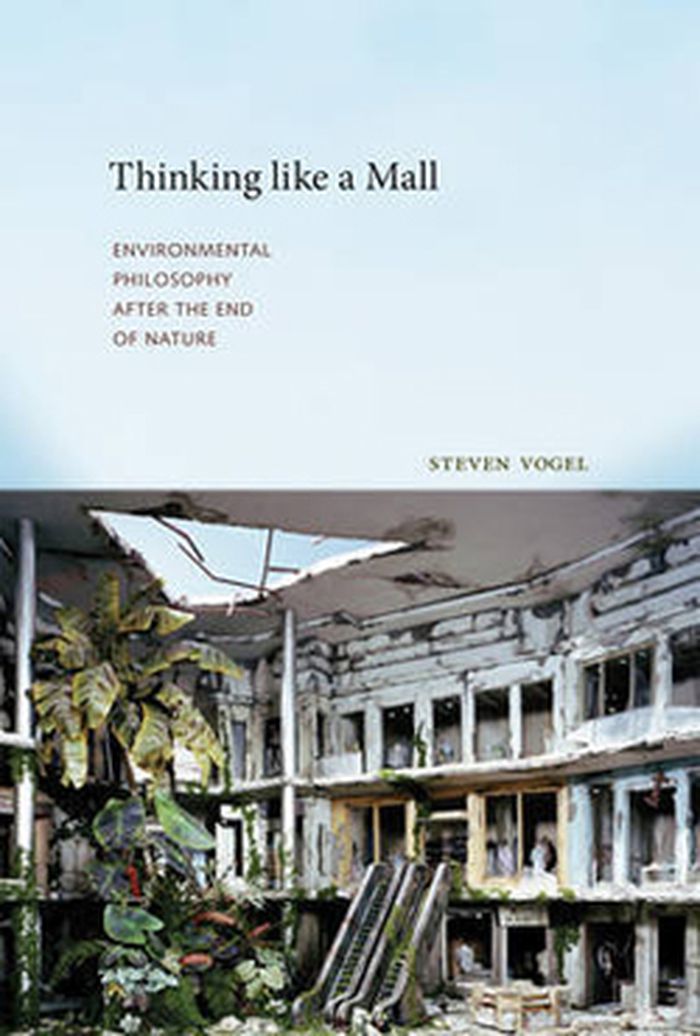
Environmentalism, in theory and practice, is concerned with protecting nature. But if we have now reached "the end of nature," as Bill McKibben and other environmental thinkers have declared, what is there left to protect? In Thinking like a Mall, Steven Vogel argues that environmental thinking would be better off if it dropped the concept of "nature" altogether and spoke instead of the "environment" - that is, the world that actually surrounds us, which is always a built world, the only one that we inhabit. We need to think not so much like a mountain (as Aldo Leopold urged) as like a mall.
Thinking like a mall: environmental philosophy after the end of nature
Actions:
Prix:
$39.95
(disponible sur commande)
Résumé:
Environmentalism, in theory and practice, is concerned with protecting nature. But if we have now reached "the end of nature," as Bill McKibben and other environmental thinkers have declared, what is there left to protect? In Thinking like a Mall, Steven Vogel argues that environmental thinking would be better off if it dropped the concept of "nature" altogether and spoke instead of the "environment" - that is, the world that actually surrounds us, which is always a built world, the only one that we inhabit. We need to think not so much like a mountain (as Aldo Leopold urged) as like a mall.
Classification:
livres
livres
Publication:
février 2015
février 2015
Sujet:
Théorie de l’architecture
Théorie de l’architecture
Classification:
livres
livres
Actions:
Prix:
$74.95
(disponible en magasin)
Résumé:
Adjaye's expanding portfolio of civic architecture, public buildings, and urban planning commissions spans Europe, the United States, Africa, Asia, and the Middle East. He transforms complex ideas and concepts into approachable and innovative structures that respond to the geographical, ecological, technological, engineering, economic, and cultural systems that shape the(...)
$74.95
(disponible en magasin)
Résumé:
Adjaye's expanding portfolio of civic architecture, public buildings, and urban planning commissions spans Europe, the United States, Africa, Asia, and the Middle East. He transforms complex ideas and concepts into approachable and innovative structures that respond to the geographical, ecological, technological, engineering, economic, and cultural systems that shape the(...)
Titre:
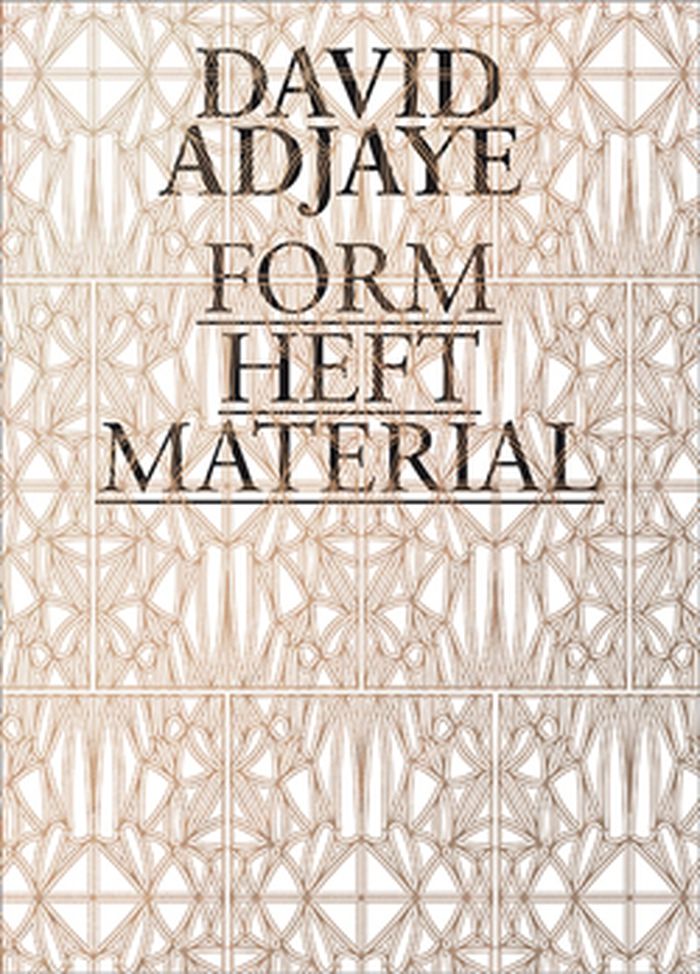
David Adjaye : form, heft, material
Actions:
Prix:
$74.95
(disponible en magasin)
Résumé:
Adjaye's expanding portfolio of civic architecture, public buildings, and urban planning commissions spans Europe, the United States, Africa, Asia, and the Middle East. He transforms complex ideas and concepts into approachable and innovative structures that respond to the geographical, ecological, technological, engineering, economic, and cultural systems that shape the practice of global architecture. The publication of this compendium of work and essays coincides with the scheduled opening of Adjaye’s National Museum of African American History and Culture on the National Mall in Washington, D.C.
David Adjaye : form, heft, material
Actions:
Prix:
$74.95
(disponible en magasin)
Résumé:
Adjaye's expanding portfolio of civic architecture, public buildings, and urban planning commissions spans Europe, the United States, Africa, Asia, and the Middle East. He transforms complex ideas and concepts into approachable and innovative structures that respond to the geographical, ecological, technological, engineering, economic, and cultural systems that shape the practice of global architecture. The publication of this compendium of work and essays coincides with the scheduled opening of Adjaye’s National Museum of African American History and Culture on the National Mall in Washington, D.C.
Classification:
livres
livres
Publication:
février 2015
février 2015
Sujet:
Architecture, monographies
Architecture, monographies


