


36154 Résultats
Classification:
livres
livres
Prix:
$79.95
(disponible sur commande)
Résumé:
James Stirling`s partnership with James Gowan between 1956 and 1963 put postwar British architecture on the international map, and their Leicester University Engineering Building became an iconic monument for a new kind of modernism. Mark Crinson's book is the most thoroughly researched study of Stirling and Gowan's partnership to date. Based on extensive interviews(...)
$79.95
(disponible sur commande)
Résumé:
James Stirling`s partnership with James Gowan between 1956 and 1963 put postwar British architecture on the international map, and their Leicester University Engineering Building became an iconic monument for a new kind of modernism. Mark Crinson's book is the most thoroughly researched study of Stirling and Gowan's partnership to date. Based on extensive interviews(...)
Titre:
Stirling and Gowan: architecture from austerity to affluence
Actions:
Prix:
$79.95
(disponible sur commande)
Résumé:
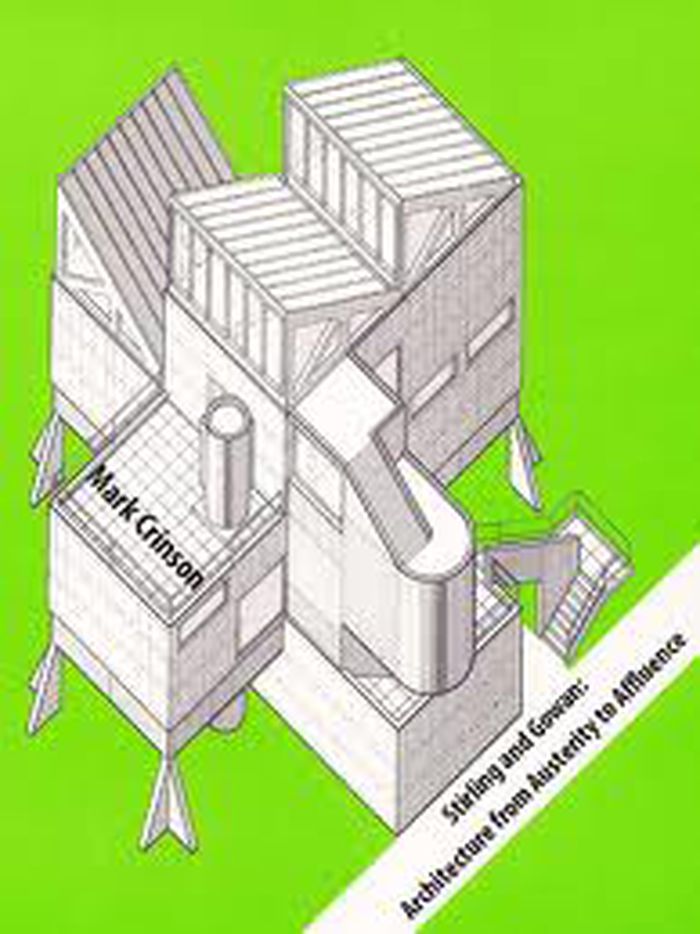
James Stirling`s partnership with James Gowan between 1956 and 1963 put postwar British architecture on the international map, and their Leicester University Engineering Building became an iconic monument for a new kind of modernism. Mark Crinson's book is the most thoroughly researched study of Stirling and Gowan's partnership to date. Based on extensive interviews and archival research, Crinson argues that their work was the product of two equally creative partners whose different concerns produced a dynamic aesthetic. He gives an in-depth account of their training and early careers, their relation to key architects and movements of the time, and the commissioning, design, and construction of their work. This critical reassessment dispels previous myths and inaccuracies regarding their partnership and analyzes how ideas about mannerism, modernism, nostalgia, community, consumerism, Victorian cities, and institutional typologies influenced their designs. Stirling and Gowan positions their avant-garde creations within a larger context as creative responses to Britain's postwar deindustrialization and the shift from austerity to affluence.
Stirling and Gowan: architecture from austerity to affluence
Actions:
Prix:
$79.95
(disponible sur commande)
Résumé:
James Stirling`s partnership with James Gowan between 1956 and 1963 put postwar British architecture on the international map, and their Leicester University Engineering Building became an iconic monument for a new kind of modernism. Mark Crinson's book is the most thoroughly researched study of Stirling and Gowan's partnership to date. Based on extensive interviews and archival research, Crinson argues that their work was the product of two equally creative partners whose different concerns produced a dynamic aesthetic. He gives an in-depth account of their training and early careers, their relation to key architects and movements of the time, and the commissioning, design, and construction of their work. This critical reassessment dispels previous myths and inaccuracies regarding their partnership and analyzes how ideas about mannerism, modernism, nostalgia, community, consumerism, Victorian cities, and institutional typologies influenced their designs. Stirling and Gowan positions their avant-garde creations within a larger context as creative responses to Britain's postwar deindustrialization and the shift from austerity to affluence.
Classification:
livres
livres
Publication:
mai 2012
mai 2012
Sujet:
Architecture, monographies
Architecture, monographies
Classification:
livres
livres
Actions:
Prix:
$51.95
(disponible sur commande)
Résumé:
The Prudential Center anchors the Boston skyline with its tall, gray tower. Though unassuming architecturally, it is a historical beacon, representing a midcentury moment when insurance companies such as Prudential were particularly aware of how their physical presence and civic engagement reflected upon their intangible product: financial security. Looking to New York's(...)
$51.95
(disponible sur commande)
Résumé:
The Prudential Center anchors the Boston skyline with its tall, gray tower. Though unassuming architecturally, it is a historical beacon, representing a midcentury moment when insurance companies such as Prudential were particularly aware of how their physical presence and civic engagement reflected upon their intangible product: financial security. Looking to New York's(...)
Titre:
Insuring the city: the Prudential Center and the Postwar urban landscape
Actions:
Prix:
$51.95
(disponible sur commande)
Résumé:
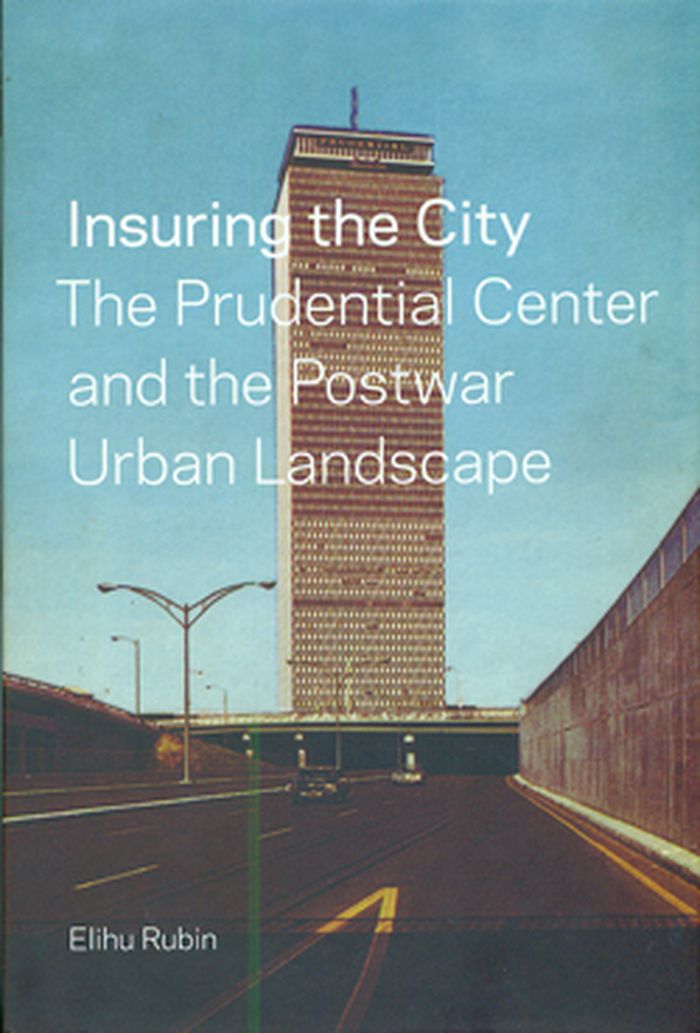
The Prudential Center anchors the Boston skyline with its tall, gray tower. Though unassuming architecturally, it is a historical beacon, representing a midcentury moment when insurance companies such as Prudential were particularly aware of how their physical presence and civic engagement reflected upon their intangible product: financial security. Looking to New York's Rockefeller Center, the creators of the Prudential Center aspired to use real estate development as a tool toward civic achievement, reinvigorating central Boston and integrating a large complex of buildings with new infrastructure for the automobile. Architectural historian Elihu Rubin tells the full story of "The Pru", placing it within the political, economic, and architectural contexts of the period. The Prudential Center played a pivotal role in the economic redevelopment of Boston and was arguably one of the most significant urban developments of the 1950s and '60s. It is an important story, and one that provides great insight into the evolution of the modern city in postwar America.
Insuring the city: the Prudential Center and the Postwar urban landscape
Actions:
Prix:
$51.95
(disponible sur commande)
Résumé:
The Prudential Center anchors the Boston skyline with its tall, gray tower. Though unassuming architecturally, it is a historical beacon, representing a midcentury moment when insurance companies such as Prudential were particularly aware of how their physical presence and civic engagement reflected upon their intangible product: financial security. Looking to New York's Rockefeller Center, the creators of the Prudential Center aspired to use real estate development as a tool toward civic achievement, reinvigorating central Boston and integrating a large complex of buildings with new infrastructure for the automobile. Architectural historian Elihu Rubin tells the full story of "The Pru", placing it within the political, economic, and architectural contexts of the period. The Prudential Center played a pivotal role in the economic redevelopment of Boston and was arguably one of the most significant urban developments of the 1950s and '60s. It is an important story, and one that provides great insight into the evolution of the modern city in postwar America.
Classification:
livres
livres
Publication:
mai 2012
mai 2012
Sujet:
Théorie de l’urbanisme
Théorie de l’urbanisme
Classification:
livres
livres
Prix:
$74.95
(disponible sur commande)
Résumé:
In the late 19th century, a centuries-old preference for highly ornamented architecture gave way to a budding Modernism of clean lines and unadorned surfaces. At the same moment, everyday objects—cups, saucers, chairs, and tables—began to receive critical attention. Alina Payne addresses this shift, arguing for a new understanding of the genealogy of architectural(...)
$74.95
(disponible sur commande)
Résumé:
In the late 19th century, a centuries-old preference for highly ornamented architecture gave way to a budding Modernism of clean lines and unadorned surfaces. At the same moment, everyday objects—cups, saucers, chairs, and tables—began to receive critical attention. Alina Payne addresses this shift, arguing for a new understanding of the genealogy of architectural(...)
Titre:
From ornament to object: genealogies of architectural modernism
Actions:
Prix:
$74.95
(disponible sur commande)
Résumé:
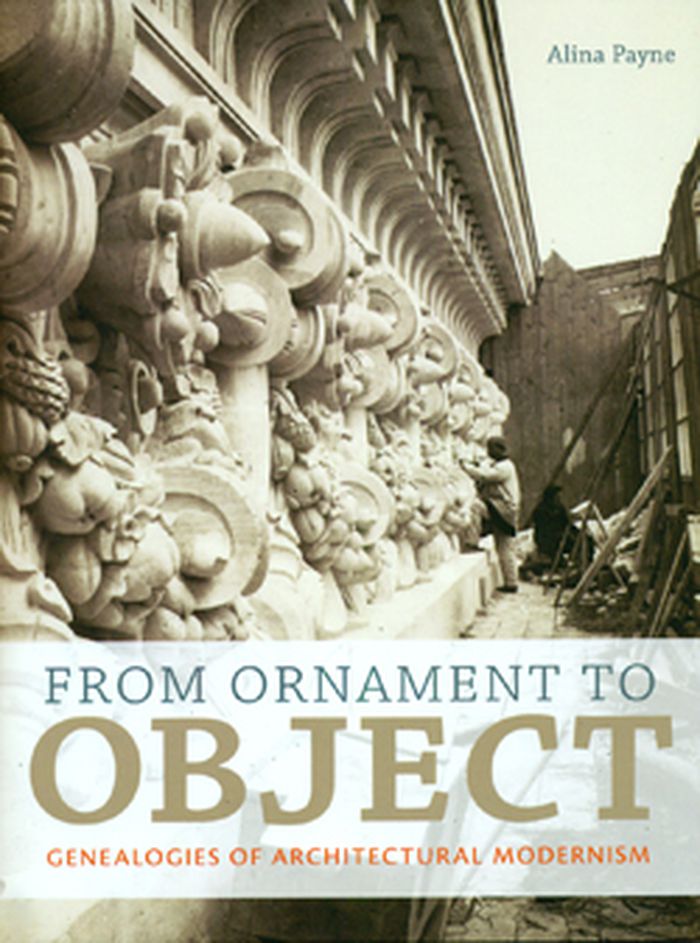
In the late 19th century, a centuries-old preference for highly ornamented architecture gave way to a budding Modernism of clean lines and unadorned surfaces. At the same moment, everyday objects—cups, saucers, chairs, and tables—began to receive critical attention. Alina Payne addresses this shift, arguing for a new understanding of the genealogy of architectural modernism: rather than the well-known story in which an absorption of technology and mass production created a radical aesthetic that broke decisively with the past, Payne argues for a more gradual shift, as the eloquence of architectural ornamentation was taken on by objects of daily use. As she demonstrates, the work of Adolf Loos and Le Corbusier should be seen as the culmination of a conversation about ornament dating as far back as the Renaissance. Payne looks beyond the usual suspects of philosophy and science to establish theoretical catalysts for the shift from ornament to object in the varied fields of anthropology and ethnology; art history and the museum; and archaeology and psychology.
From ornament to object: genealogies of architectural modernism
Actions:
Prix:
$74.95
(disponible sur commande)
Résumé:
In the late 19th century, a centuries-old preference for highly ornamented architecture gave way to a budding Modernism of clean lines and unadorned surfaces. At the same moment, everyday objects—cups, saucers, chairs, and tables—began to receive critical attention. Alina Payne addresses this shift, arguing for a new understanding of the genealogy of architectural modernism: rather than the well-known story in which an absorption of technology and mass production created a radical aesthetic that broke decisively with the past, Payne argues for a more gradual shift, as the eloquence of architectural ornamentation was taken on by objects of daily use. As she demonstrates, the work of Adolf Loos and Le Corbusier should be seen as the culmination of a conversation about ornament dating as far back as the Renaissance. Payne looks beyond the usual suspects of philosophy and science to establish theoretical catalysts for the shift from ornament to object in the varied fields of anthropology and ethnology; art history and the museum; and archaeology and psychology.
Classification:
livres
livres
Publication:
juillet 2012
juillet 2012
Sujet:
Théorie de l’architecture
Théorie de l’architecture
Classification:
livres
livres
Actions:
Prix:
$71.95
(disponible sur commande)
Résumé:
Margaret M. D'Evelyn has gathered evidence to document how Andrea Palladio's understanding of Vitruvius influenced Daniele Barbaro. This volume also charts the invention of the illustrated architectural book and how major architect-authors, such as Leon Battista Alberti and Sebastiano Serlio, contributed to its development - demonstrating how Vitruvius shaped the way the(...)
$71.95
(disponible sur commande)
Résumé:
Margaret M. D'Evelyn has gathered evidence to document how Andrea Palladio's understanding of Vitruvius influenced Daniele Barbaro. This volume also charts the invention of the illustrated architectural book and how major architect-authors, such as Leon Battista Alberti and Sebastiano Serlio, contributed to its development - demonstrating how Vitruvius shaped the way the(...)
Titre:
Venice and Vitruvius: reading Venice with Daniele Barbaro and Andrea Palladio
Actions:
Prix:
$71.95
(disponible sur commande)
Résumé:
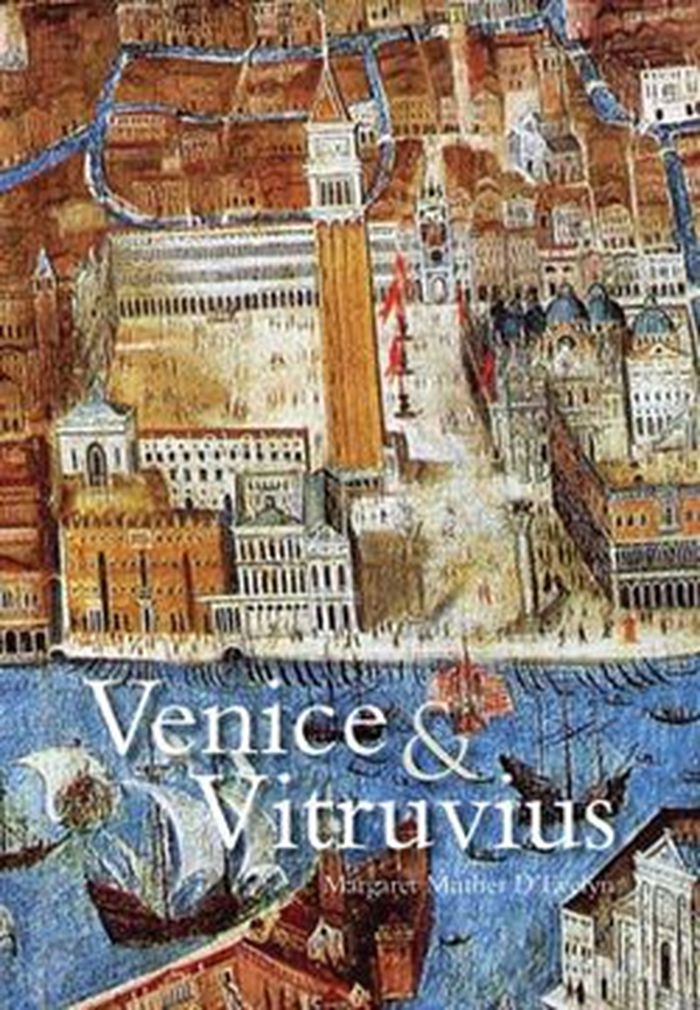
Margaret M. D'Evelyn has gathered evidence to document how Andrea Palladio's understanding of Vitruvius influenced Daniele Barbaro. This volume also charts the invention of the illustrated architectural book and how major architect-authors, such as Leon Battista Alberti and Sebastiano Serlio, contributed to its development - demonstrating how Vitruvius shaped the way the city of Venice was viewed.
Venice and Vitruvius: reading Venice with Daniele Barbaro and Andrea Palladio
Actions:
Prix:
$71.95
(disponible sur commande)
Résumé:
Margaret M. D'Evelyn has gathered evidence to document how Andrea Palladio's understanding of Vitruvius influenced Daniele Barbaro. This volume also charts the invention of the illustrated architectural book and how major architect-authors, such as Leon Battista Alberti and Sebastiano Serlio, contributed to its development - demonstrating how Vitruvius shaped the way the city of Venice was viewed.
Classification:
livres
livres
Publication:
juillet 2012
juillet 2012
Classification:
livres
livres
Actions:
Prix:
$82.95
(disponible sur commande)
Résumé:
Though little known in the English-speaking world, Johann Bernhard Fischer von Erlach (1656-1723) was one of the most important and influential European baroque architects. The buildings that he designed for the emperor of Austria and his courtiers reveal an element of theatricality - an element that author Esther Gordon Dotson probes in this accessible and attractive(...)
$82.95
(disponible sur commande)
Résumé:
Though little known in the English-speaking world, Johann Bernhard Fischer von Erlach (1656-1723) was one of the most important and influential European baroque architects. The buildings that he designed for the emperor of Austria and his courtiers reveal an element of theatricality - an element that author Esther Gordon Dotson probes in this accessible and attractive(...)
Publication:
juillet 2012
juillet 2012
Titre:
J.B. Fischer von Erlach: architecture as theater in the baroque era
Actions:
Prix:
$82.95
(disponible sur commande)
Résumé:
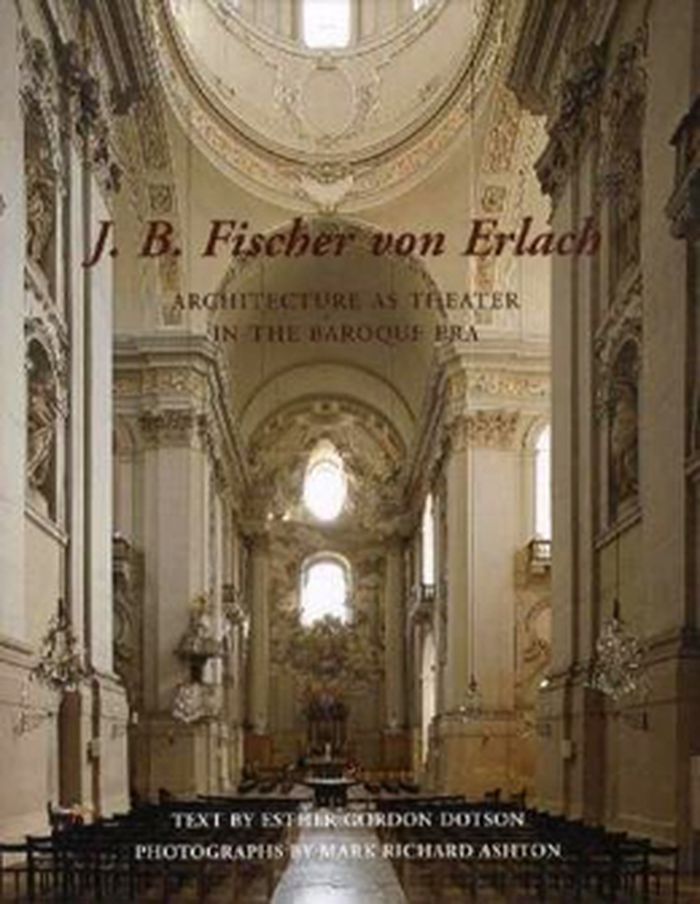
Though little known in the English-speaking world, Johann Bernhard Fischer von Erlach (1656-1723) was one of the most important and influential European baroque architects. The buildings that he designed for the emperor of Austria and his courtiers reveal an element of theatricality - an element that author Esther Gordon Dotson probes in this accessible and attractive volume. In his architectural designs, Fischer incorporated devices from ceremonial pageantry and scene design, controlled lighting effects, and a sense of dramatic progression in approaching and moving through a building. Dotson identifies these various elements in her close reading of Fischer's structures, and splendid new photographs, taken by Mark Richard Ashton, bring them to life on the printed page. The author guides readers in discovering the theatrical qualities in Fischer's buildings, illuminating their conceptual liveliness, variety, and drama.
J.B. Fischer von Erlach: architecture as theater in the baroque era
Actions:
Prix:
$82.95
(disponible sur commande)
Résumé:
Though little known in the English-speaking world, Johann Bernhard Fischer von Erlach (1656-1723) was one of the most important and influential European baroque architects. The buildings that he designed for the emperor of Austria and his courtiers reveal an element of theatricality - an element that author Esther Gordon Dotson probes in this accessible and attractive volume. In his architectural designs, Fischer incorporated devices from ceremonial pageantry and scene design, controlled lighting effects, and a sense of dramatic progression in approaching and moving through a building. Dotson identifies these various elements in her close reading of Fischer's structures, and splendid new photographs, taken by Mark Richard Ashton, bring them to life on the printed page. The author guides readers in discovering the theatrical qualities in Fischer's buildings, illuminating their conceptual liveliness, variety, and drama.
Classification:
livres
livres
Publication:
juillet 2012
juillet 2012
Classification:
livres
livres
Titre:
Hitler'S Berlin: abused city
Hitler'S Berlin: abused city
Actions:
Prix:
$49.95
(disponible sur commande)
Résumé:
From his first visit to Berlin in 1916, Hitler was preoccupied and fascinated by Germany''s great capital city. In this vivid and entirely new account of Hitler''s relationship with Berlin, Thomas Friedrich explores how Hitler identified with the city, how his political aspirations were reflected in architectural aspirations for the capital, and how Berlin surprisingly(...)
$49.95
(disponible sur commande)
Résumé:
From his first visit to Berlin in 1916, Hitler was preoccupied and fascinated by Germany''s great capital city. In this vivid and entirely new account of Hitler''s relationship with Berlin, Thomas Friedrich explores how Hitler identified with the city, how his political aspirations were reflected in architectural aspirations for the capital, and how Berlin surprisingly(...)
Titre:
Hitler'S Berlin: abused city
Actions:
Prix:
$49.95
(disponible sur commande)
Résumé:
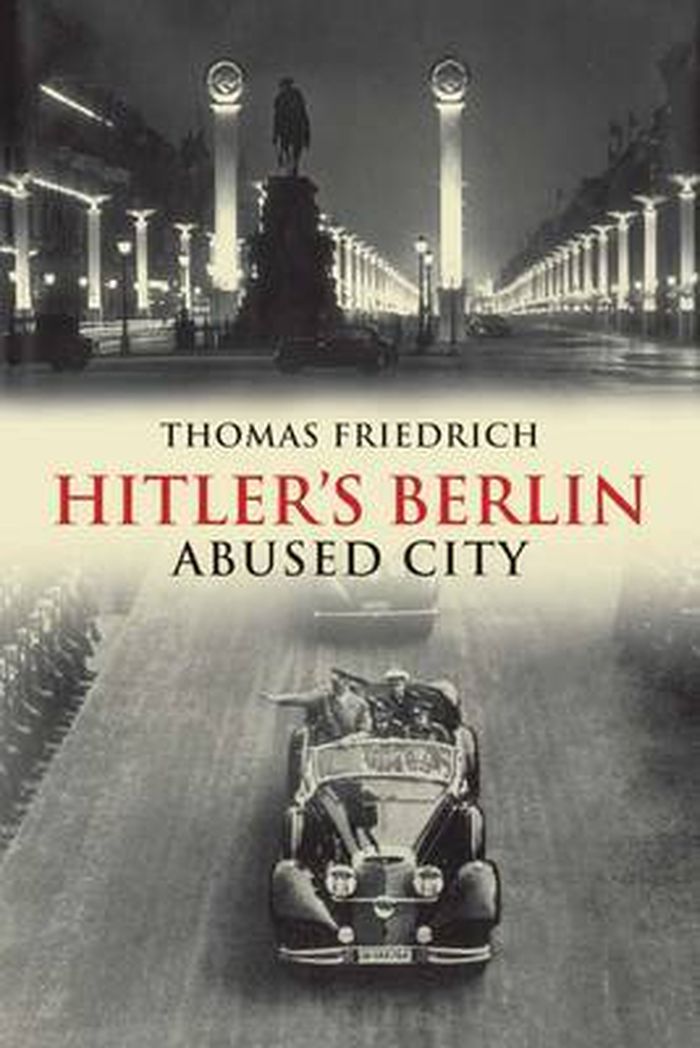
From his first visit to Berlin in 1916, Hitler was preoccupied and fascinated by Germany''s great capital city. In this vivid and entirely new account of Hitler''s relationship with Berlin, Thomas Friedrich explores how Hitler identified with the city, how his political aspirations were reflected in architectural aspirations for the capital, and how Berlin surprisingly influenced the development of Hitler''s political ideas. A leading expert on the twentieth-century history of Berlin, Friedrich employs new and little-known German sources to track Hitler''s attitudes and plans for the city. Even while he despised both the cosmopolitan culture of the Weimar Republic and the profound Jewish influence on the city, Hitler was drawn to the grandiosity of its architecture and its imperial spirit. He dreamed of transforming Berlin into a capital that would reflect his autocracy, and he used the city for such varied purposes as testing his anti-Semitic policies and demonstrating the might of the Third Reich. Illuminating Berlin's burdened years under Nazi subjection, Friedrich offers new understandings of Hitler and his politics, architectural views, and artistic opinions.
Hitler'S Berlin: abused city
Actions:
Prix:
$49.95
(disponible sur commande)
Résumé:
From his first visit to Berlin in 1916, Hitler was preoccupied and fascinated by Germany''s great capital city. In this vivid and entirely new account of Hitler''s relationship with Berlin, Thomas Friedrich explores how Hitler identified with the city, how his political aspirations were reflected in architectural aspirations for the capital, and how Berlin surprisingly influenced the development of Hitler''s political ideas. A leading expert on the twentieth-century history of Berlin, Friedrich employs new and little-known German sources to track Hitler''s attitudes and plans for the city. Even while he despised both the cosmopolitan culture of the Weimar Republic and the profound Jewish influence on the city, Hitler was drawn to the grandiosity of its architecture and its imperial spirit. He dreamed of transforming Berlin into a capital that would reflect his autocracy, and he used the city for such varied purposes as testing his anti-Semitic policies and demonstrating the might of the Third Reich. Illuminating Berlin's burdened years under Nazi subjection, Friedrich offers new understandings of Hitler and his politics, architectural views, and artistic opinions.
Classification:
livres
livres
Publication:
février 2012
février 2012
Sujet:
Théorie de l’urbanisme
Théorie de l’urbanisme
Classification:
livres
livres
Titre:
Interlacing words and things : bridging the nature-culture opposition in garden and landscape
Interlacing words and things : bridging the nature-culture opposition in garden and landscape
Actions:
Prix:
$46.95
(disponible sur commande)
Résumé:
This illustrated volume examines how the natural world is transformed through the creative use of language. Its contributors do not assume that there is an opposition between nature and culture, but rather emphasize that forms of language are embedded in our understanding and appreciation of the natural environment across cultures and time periods.
$46.95
(disponible sur commande)
Résumé:
This illustrated volume examines how the natural world is transformed through the creative use of language. Its contributors do not assume that there is an opposition between nature and culture, but rather emphasize that forms of language are embedded in our understanding and appreciation of the natural environment across cultures and time periods.
Titre:
Interlacing words and things : bridging the nature-culture opposition in garden and landscape
Actions:
Prix:
$46.95
(disponible sur commande)
Résumé:
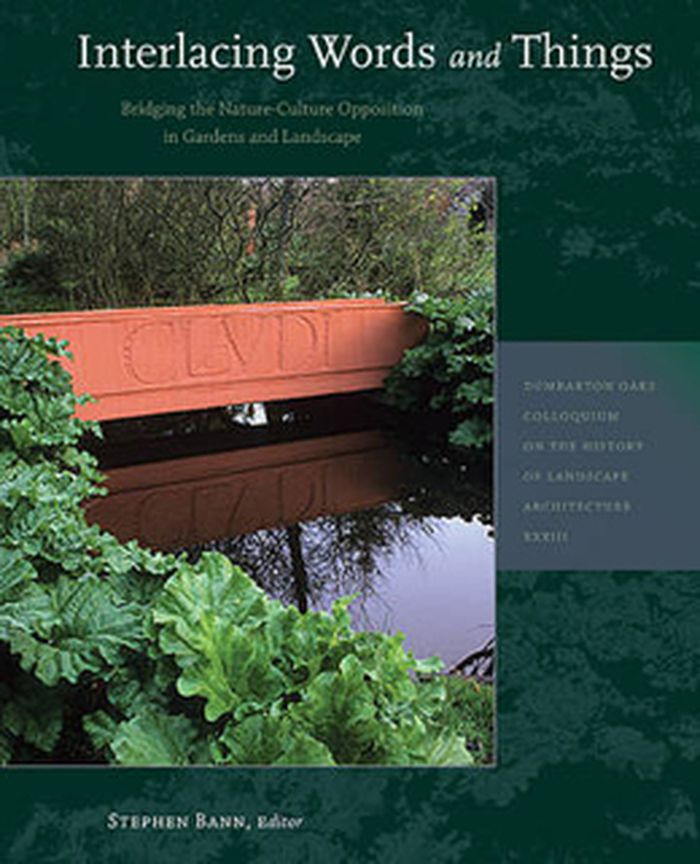
This illustrated volume examines how the natural world is transformed through the creative use of language. Its contributors do not assume that there is an opposition between nature and culture, but rather emphasize that forms of language are embedded in our understanding and appreciation of the natural environment across cultures and time periods.
Interlacing words and things : bridging the nature-culture opposition in garden and landscape
Actions:
Prix:
$46.95
(disponible sur commande)
Résumé:
This illustrated volume examines how the natural world is transformed through the creative use of language. Its contributors do not assume that there is an opposition between nature and culture, but rather emphasize that forms of language are embedded in our understanding and appreciation of the natural environment across cultures and time periods.
Classification:
livres
livres
Publication:
avril 2012
avril 2012
Sujet:
Théorie du paysage
Théorie du paysage
Classification:
livres
livres
Actions:
Prix:
$26.95
(disponible sur commande)
Résumé:
There are an estimated 600,000,000 passenger cars in the world, and that number is increasing every day. So too is Earth’s supply of parking spaces. In some cities, parking lots cover more than one-third of the metropolitan footprint. It’s official:we have paved paradise and put up a parking lot. In this publication,author Eran Ben-Joseph shares a different vision for(...)
$26.95
(disponible sur commande)
Résumé:
There are an estimated 600,000,000 passenger cars in the world, and that number is increasing every day. So too is Earth’s supply of parking spaces. In some cities, parking lots cover more than one-third of the metropolitan footprint. It’s official:we have paved paradise and put up a parking lot. In this publication,author Eran Ben-Joseph shares a different vision for(...)
Titre:
Rethinking a lot : the design and culture of parking
Actions:
Prix:
$26.95
(disponible sur commande)
Résumé:
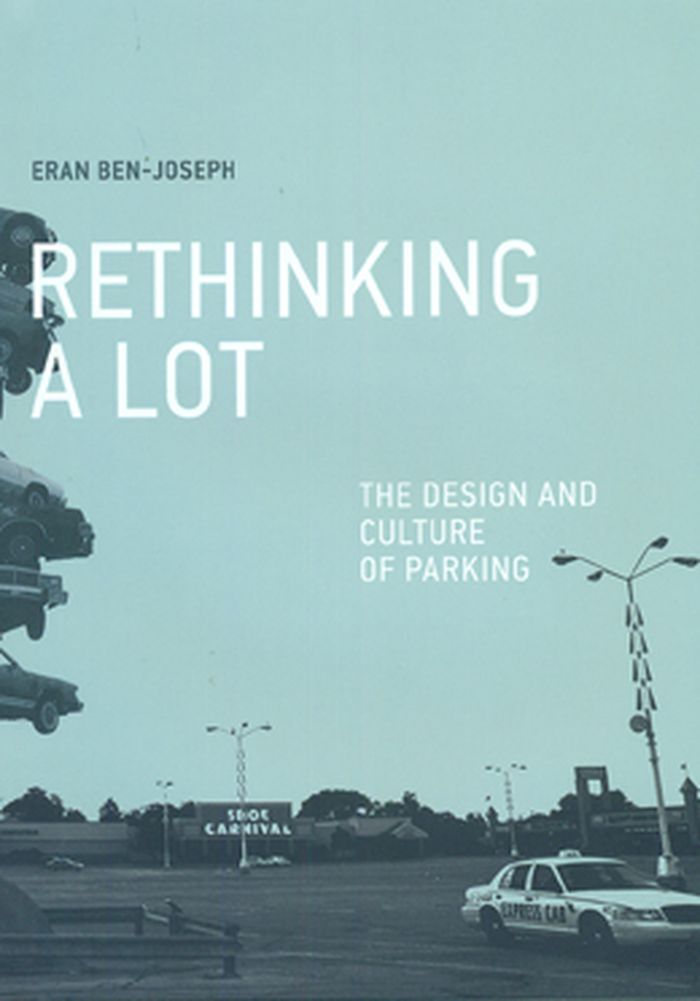
There are an estimated 600,000,000 passenger cars in the world, and that number is increasing every day. So too is Earth’s supply of parking spaces. In some cities, parking lots cover more than one-third of the metropolitan footprint. It’s official:we have paved paradise and put up a parking lot. In this publication,author Eran Ben-Joseph shares a different vision for parking’s future. Parking lots, he writes, are ripe for transformation. After all, as he points out, their design and function has not been rethought since the 1950s. With this book, Ben-Joseph pushes the parking lot into the twenty-first century. Can’t parking lots be aesthetically pleasing, environmentally and architecturally responsible? Used for something other than car storage? Ben-Joseph shows us that they can. He provides a visual history of this often ignored urban space, introducing us to some of the many alternative and nonparking purposes that parking lots have served - from RV campgrounds to stages for “Shakespeare in the Parking Lot.” He shows us parking lots that are not concrete wastelands but lushly planted with trees and flowers and beautifully integrated with the rest of the built environment. With purposeful design, Ben-Joseph argues, parking lots could be significant public places, contributing as much to their communities as great boulevards, parks, or plazas. For all the acreage they cover, parking lots have received scant attention. It’s time to change that; it’s time to rethink the lot.
Rethinking a lot : the design and culture of parking
Actions:
Prix:
$26.95
(disponible sur commande)
Résumé:
There are an estimated 600,000,000 passenger cars in the world, and that number is increasing every day. So too is Earth’s supply of parking spaces. In some cities, parking lots cover more than one-third of the metropolitan footprint. It’s official:we have paved paradise and put up a parking lot. In this publication,author Eran Ben-Joseph shares a different vision for parking’s future. Parking lots, he writes, are ripe for transformation. After all, as he points out, their design and function has not been rethought since the 1950s. With this book, Ben-Joseph pushes the parking lot into the twenty-first century. Can’t parking lots be aesthetically pleasing, environmentally and architecturally responsible? Used for something other than car storage? Ben-Joseph shows us that they can. He provides a visual history of this often ignored urban space, introducing us to some of the many alternative and nonparking purposes that parking lots have served - from RV campgrounds to stages for “Shakespeare in the Parking Lot.” He shows us parking lots that are not concrete wastelands but lushly planted with trees and flowers and beautifully integrated with the rest of the built environment. With purposeful design, Ben-Joseph argues, parking lots could be significant public places, contributing as much to their communities as great boulevards, parks, or plazas. For all the acreage they cover, parking lots have received scant attention. It’s time to change that; it’s time to rethink the lot.
Classification:
livres
livres
Publication:
mars 2012
mars 2012
Classification:
livres
livres
Titre:
Doug Patt : how to architect
Doug Patt : how to architect
Actions:
Prix:
$15.95
(disponible sur commande)
Résumé:
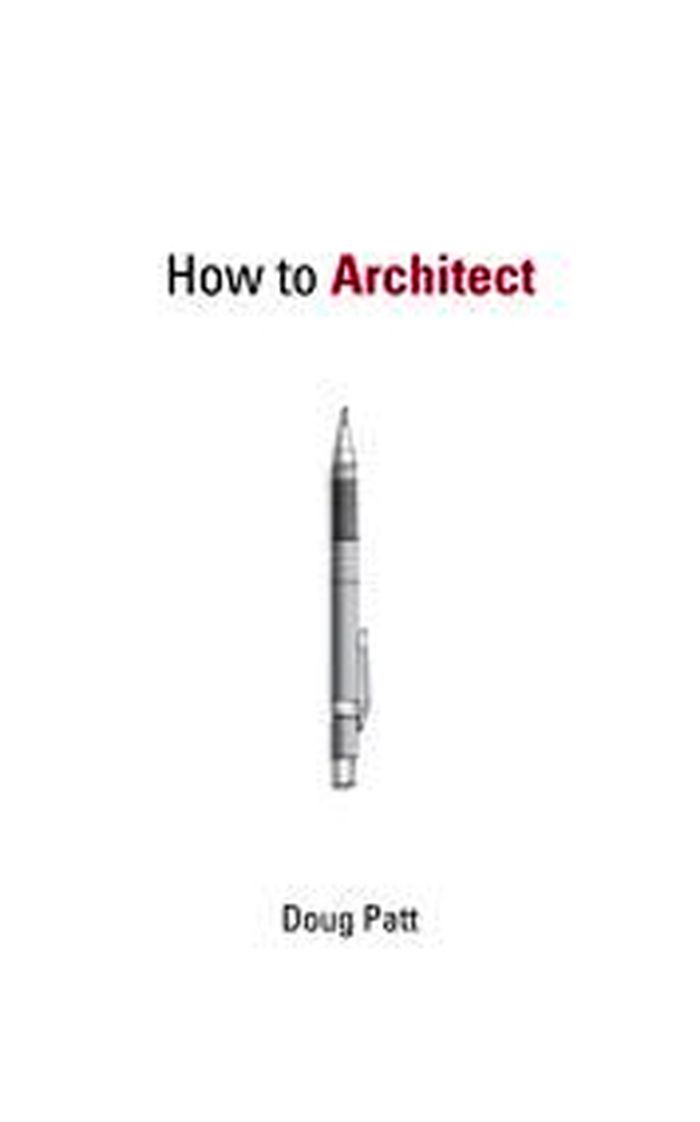
The word "architect" is a noun, but Doug Patt uses it as a verb - coining a term and making a point about using parts of speech and parts of buildings in new ways. Changing the function of a word, or a room, can produce surprise and meaning. In "How to Architect," Patt - an architect and the creator of a series of wildly popular online videos about architecture -presents(...)
$15.95
(disponible sur commande)
Résumé:
The word "architect" is a noun, but Doug Patt uses it as a verb - coining a term and making a point about using parts of speech and parts of buildings in new ways. Changing the function of a word, or a room, can produce surprise and meaning. In "How to Architect," Patt - an architect and the creator of a series of wildly popular online videos about architecture -presents(...)
Titre:
Doug Patt : how to architect
Actions:
Prix:
$15.95
(disponible sur commande)
Résumé:
The word "architect" is a noun, but Doug Patt uses it as a verb - coining a term and making a point about using parts of speech and parts of buildings in new ways. Changing the function of a word, or a room, can produce surprise and meaning. In "How to Architect," Patt - an architect and the creator of a series of wildly popular online videos about architecture -presents the basics of architecture in A-Z form, starting with "A is for Asymmetry" (as seen in Chartres Cathedral and Frank Gehry), detouring through "N is for Narrative," and ending with "Z is for Zeal" (a quality that successful architects tend to have, even in fiction - see T "The Fountainhead's" architect-hero Howard Roark.)
Doug Patt : how to architect
Actions:
Prix:
$15.95
(disponible sur commande)
Résumé:
The word "architect" is a noun, but Doug Patt uses it as a verb - coining a term and making a point about using parts of speech and parts of buildings in new ways. Changing the function of a word, or a room, can produce surprise and meaning. In "How to Architect," Patt - an architect and the creator of a series of wildly popular online videos about architecture -presents the basics of architecture in A-Z form, starting with "A is for Asymmetry" (as seen in Chartres Cathedral and Frank Gehry), detouring through "N is for Narrative," and ending with "Z is for Zeal" (a quality that successful architects tend to have, even in fiction - see T "The Fountainhead's" architect-hero Howard Roark.)
Classification:
livres
livres
Publication:
mars 2012
mars 2012
Sujet:
Théorie de l’architecture
Théorie de l’architecture
Classification:
livres
livres
Actions:
Prix:
$64.95
(disponible en magasin)
Résumé:
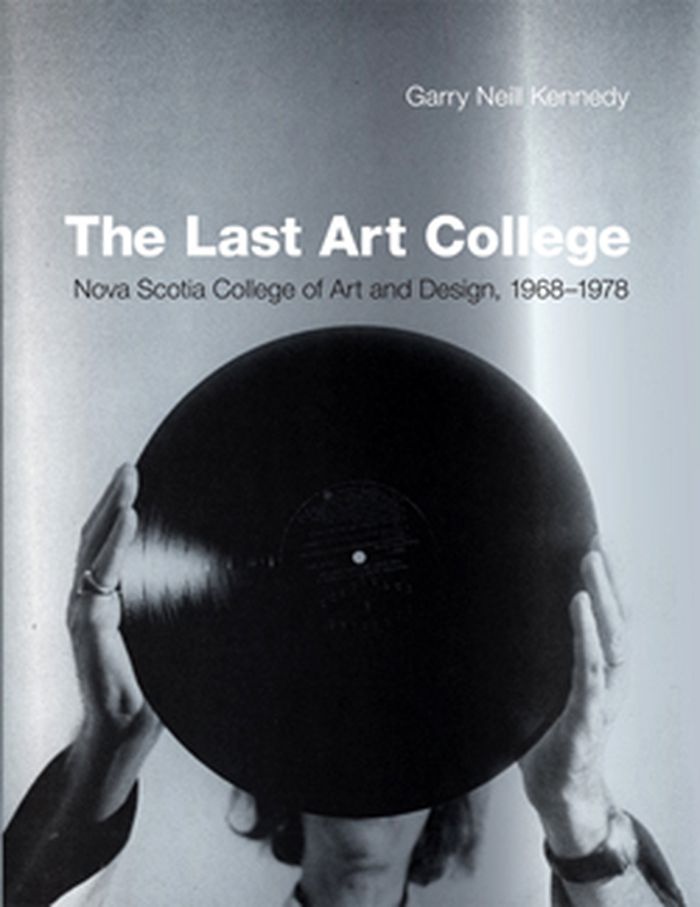
How did a small art college in Nova Scotia become the epicenter of art education - and to a large extent of the postmimimalist and conceptual art world itself - in the 1960s and 1970s ? Like the unorthodox experiments and rich human resources that made Black Mountain College an improbable center of art a generation earlier, the activities and artists at Nova Scotia(...)
$64.95
(disponible en magasin)
Résumé:
How did a small art college in Nova Scotia become the epicenter of art education - and to a large extent of the postmimimalist and conceptual art world itself - in the 1960s and 1970s ? Like the unorthodox experiments and rich human resources that made Black Mountain College an improbable center of art a generation earlier, the activities and artists at Nova Scotia(...)
Publication:
avril 2012
avril 2012
Titre:
The last art college: Nova Scotia College of Art and Design, 1968-1978
Actions:
Prix:
$64.95
(disponible en magasin)
Résumé:
How did a small art college in Nova Scotia become the epicenter of art education - and to a large extent of the postmimimalist and conceptual art world itself - in the 1960s and 1970s ? Like the unorthodox experiments and rich human resources that made Black Mountain College an improbable center of art a generation earlier, the activities and artists at Nova Scotia College of Art and Design (aka NSCAD) in the 1970s redefined the means and methods of art education and the shape of art far beyond Halifax. A partial list of visiting artists and faculty members at NSCAD would include: Joseph Beuys, Sol LeWitt, Gerhard Richter, Dan Graham, Lucy Lippard, John Baldessari, Jenny Holzer and Eric Fischl. Kasper Koenig and Benjamin Buchloh ran the NSCAD Press, publishing books by Hollis Frampton, Lawrence Weiner, Donald Judd, Daniel Buren, Michael Asher, Martha Rosler, and Michael Snow, among others. The Lithography Workshop produced early works by many of today's masters, including John Baldessari, Vito Acconci, and Claes Oldenburg.
The last art college: Nova Scotia College of Art and Design, 1968-1978
Actions:
Prix:
$64.95
(disponible en magasin)
Résumé:
How did a small art college in Nova Scotia become the epicenter of art education - and to a large extent of the postmimimalist and conceptual art world itself - in the 1960s and 1970s ? Like the unorthodox experiments and rich human resources that made Black Mountain College an improbable center of art a generation earlier, the activities and artists at Nova Scotia College of Art and Design (aka NSCAD) in the 1970s redefined the means and methods of art education and the shape of art far beyond Halifax. A partial list of visiting artists and faculty members at NSCAD would include: Joseph Beuys, Sol LeWitt, Gerhard Richter, Dan Graham, Lucy Lippard, John Baldessari, Jenny Holzer and Eric Fischl. Kasper Koenig and Benjamin Buchloh ran the NSCAD Press, publishing books by Hollis Frampton, Lawrence Weiner, Donald Judd, Daniel Buren, Michael Asher, Martha Rosler, and Michael Snow, among others. The Lithography Workshop produced early works by many of today's masters, including John Baldessari, Vito Acconci, and Claes Oldenburg.
Classification:
livres
livres
Publication:
avril 2012
avril 2012


