


36154 Résultats
Classification:
livres
livres
Actions:
Prix:
$27.95
(disponible sur commande)
Résumé:
In Waterfall, Brian Hudson explores the many myths and legends waterfalls have inspired in cultures ranging from Native American to Celtic and Indian, and how they have been depicted in art, literature, film, and music. He also examines their influence on architecture and landscape design, as manmade waterfalls begin to be a staple of parks, gardens, and backyard(...)
$27.95
(disponible sur commande)
Résumé:
In Waterfall, Brian Hudson explores the many myths and legends waterfalls have inspired in cultures ranging from Native American to Celtic and Indian, and how they have been depicted in art, literature, film, and music. He also examines their influence on architecture and landscape design, as manmade waterfalls begin to be a staple of parks, gardens, and backyard(...)
Titre:
Waterfall: nature and culture
Actions:
Prix:
$27.95
(disponible sur commande)
Résumé:
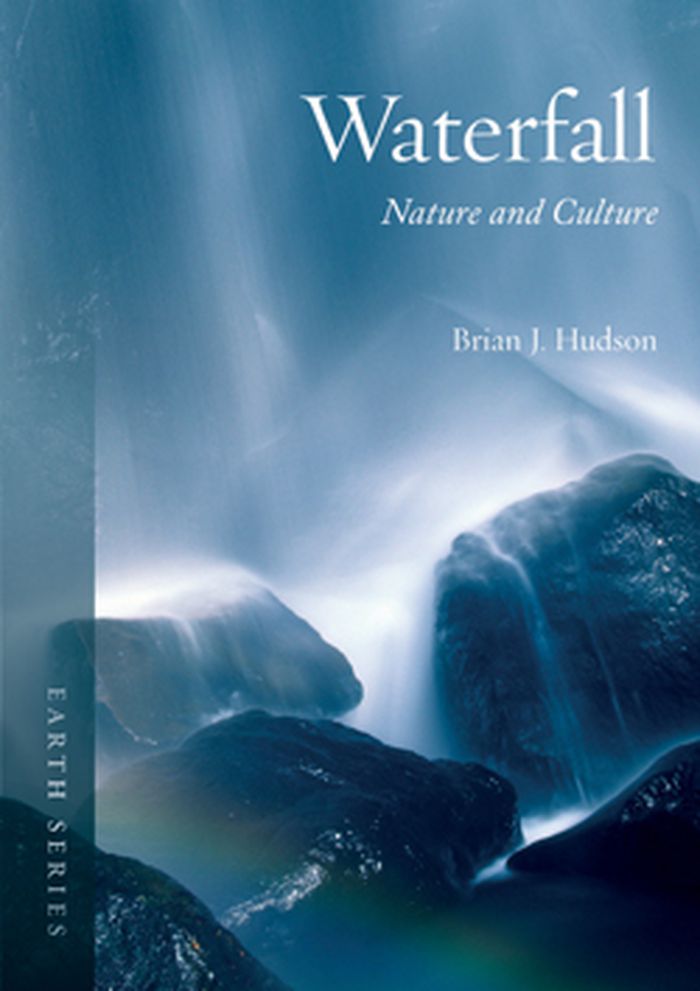
In Waterfall, Brian Hudson explores the many myths and legends waterfalls have inspired in cultures ranging from Native American to Celtic and Indian, and how they have been depicted in art, literature, film, and music. He also examines their influence on architecture and landscape design, as manmade waterfalls begin to be a staple of parks, gardens, and backyard landscaping. Hudson also discusses the ecology of waterfalls and the conflict that arises from their importance as both a source of hydroelectric power and tourist attractions in many countries. As erosion takes its own toll, the additional environmental impacts of human exploitation could be devastating.
Waterfall: nature and culture
Actions:
Prix:
$27.95
(disponible sur commande)
Résumé:
In Waterfall, Brian Hudson explores the many myths and legends waterfalls have inspired in cultures ranging from Native American to Celtic and Indian, and how they have been depicted in art, literature, film, and music. He also examines their influence on architecture and landscape design, as manmade waterfalls begin to be a staple of parks, gardens, and backyard landscaping. Hudson also discusses the ecology of waterfalls and the conflict that arises from their importance as both a source of hydroelectric power and tourist attractions in many countries. As erosion takes its own toll, the additional environmental impacts of human exploitation could be devastating.
Classification:
livres
livres
Publication:
juin 2012
juin 2012
Sujet:
Théorie du paysage
Théorie du paysage
Classification:
livres
livres
Titre:
A philosophy of discomfort
A philosophy of discomfort
Actions:
Prix:
$56.95
(disponible sur commande)
Résumé:
A Philosophy of Discomfort explores the idea of comfort and discomfort as a historical and philosophical concept – a constant push and pull of opposing forces. Discomfort is a relative state, changing as the idea of well-being shifts through different epochs and cultures. Yet Jacques Pezeu-Massabuau claims that discomfort is of greater importance than comfort, even as we(...)
$56.95
(disponible sur commande)
Résumé:
A Philosophy of Discomfort explores the idea of comfort and discomfort as a historical and philosophical concept – a constant push and pull of opposing forces. Discomfort is a relative state, changing as the idea of well-being shifts through different epochs and cultures. Yet Jacques Pezeu-Massabuau claims that discomfort is of greater importance than comfort, even as we(...)
Titre:
A philosophy of discomfort
Actions:
Prix:
$56.95
(disponible sur commande)
Résumé:
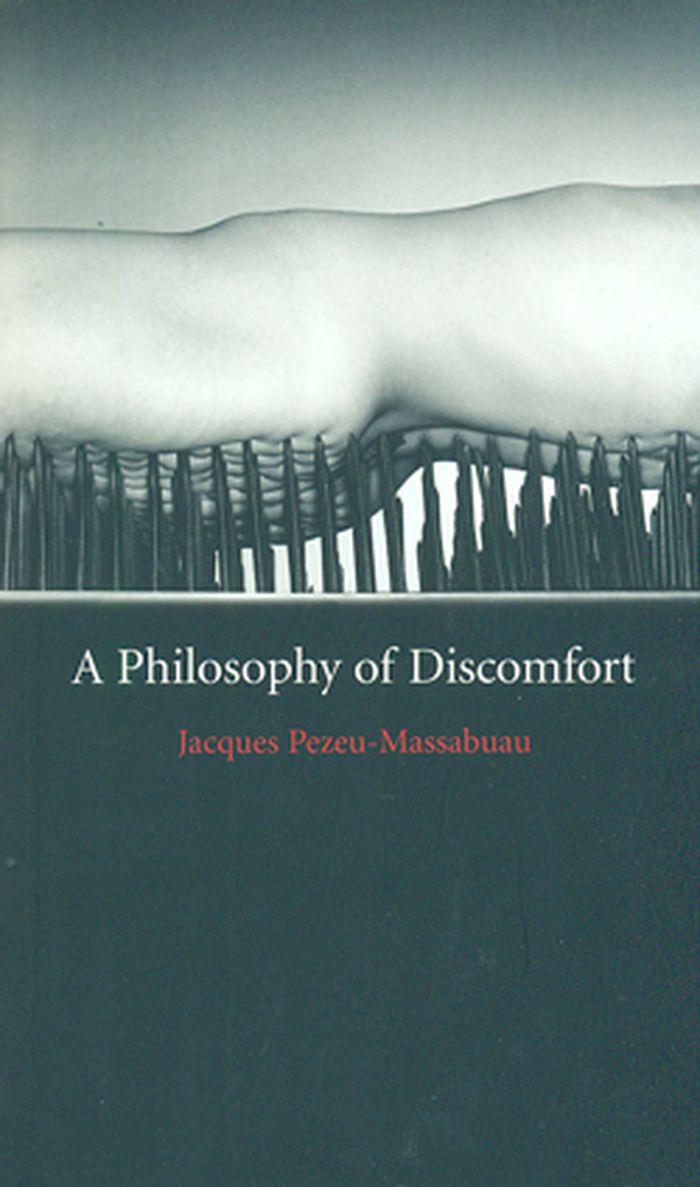
A Philosophy of Discomfort explores the idea of comfort and discomfort as a historical and philosophical concept – a constant push and pull of opposing forces. Discomfort is a relative state, changing as the idea of well-being shifts through different epochs and cultures. Yet Jacques Pezeu-Massabuau claims that discomfort is of greater importance than comfort, even as we maintain the constant struggle to evade pains and privations. He explores notions of comfort over time, and considers examples of housing and interiors, from Japanese homes to the Moroccan casbah and modern city apartments, in which aspects of discomfort – the physical lack of well-being – are tolerated and accepted. In so doing, he also unravels the myths of modern comfort. While instinct demands we avoid it, the author insists that we recognize discomfort as central to our existence. He suggests we should learn to utilize it in order to find our way to its opposite: be it pleasure, hedonism or well-being.
A philosophy of discomfort
Actions:
Prix:
$56.95
(disponible sur commande)
Résumé:
A Philosophy of Discomfort explores the idea of comfort and discomfort as a historical and philosophical concept – a constant push and pull of opposing forces. Discomfort is a relative state, changing as the idea of well-being shifts through different epochs and cultures. Yet Jacques Pezeu-Massabuau claims that discomfort is of greater importance than comfort, even as we maintain the constant struggle to evade pains and privations. He explores notions of comfort over time, and considers examples of housing and interiors, from Japanese homes to the Moroccan casbah and modern city apartments, in which aspects of discomfort – the physical lack of well-being – are tolerated and accepted. In so doing, he also unravels the myths of modern comfort. While instinct demands we avoid it, the author insists that we recognize discomfort as central to our existence. He suggests we should learn to utilize it in order to find our way to its opposite: be it pleasure, hedonism or well-being.
Classification:
livres
livres
Publication:
juin 2012
juin 2012
Sujet:
Théorie de l’architecture
Théorie de l’architecture
Classification:
livres
livres
Titre:
Photography and travel
Photography and travel
Actions:
Prix:
$42.95
(disponible sur commande)
Résumé:
Photography and travel have been linked since 1839, when Daguerre and Talbot first made their inventions known to the public. The inventors and their advocates immediately recognised photography’s capability to vividly represent the spectacles of the world, and make them accessible to the general public in the comfort of their homes. The unquestionable connection between(...)
$42.95
(disponible sur commande)
Résumé:
Photography and travel have been linked since 1839, when Daguerre and Talbot first made their inventions known to the public. The inventors and their advocates immediately recognised photography’s capability to vividly represent the spectacles of the world, and make them accessible to the general public in the comfort of their homes. The unquestionable connection between(...)
Titre:
Photography and travel
Actions:
Prix:
$42.95
(disponible sur commande)
Résumé:
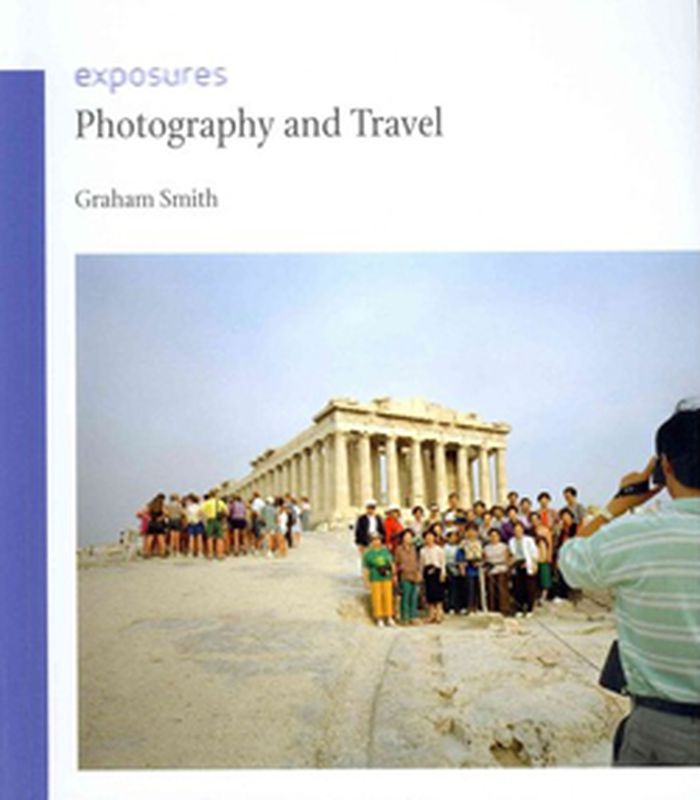
Photography and travel have been linked since 1839, when Daguerre and Talbot first made their inventions known to the public. The inventors and their advocates immediately recognised photography’s capability to vividly represent the spectacles of the world, and make them accessible to the general public in the comfort of their homes. The unquestionable connection between photography and travel remains vital today. In Photography and Travel, Graham Smith provides a lively account of this partnership, discussing the diverse applications of photography to travel during the nineteenth century, in destinations as exotic as France, Italy, Greece, Egypt, Japan and North America. He then moves to the twentieth century, ranging from seaside excursions to transcontinental travel by rail, road and air. As it has become more democratized, the methods and experiences of travel have developed in many unexpected directions, all of which have created their own new photographic narratives.Photography and Travel shows that photographers have often gone to great lengths – at considerable personal danger – to record exotic destinations, from the ice caves and crevasses of the Mer de Glace to the maw of Vesuvius, from the summit of Mount Everest to the pock-marked surface of the moon.
Photography and travel
Actions:
Prix:
$42.95
(disponible sur commande)
Résumé:
Photography and travel have been linked since 1839, when Daguerre and Talbot first made their inventions known to the public. The inventors and their advocates immediately recognised photography’s capability to vividly represent the spectacles of the world, and make them accessible to the general public in the comfort of their homes. The unquestionable connection between photography and travel remains vital today. In Photography and Travel, Graham Smith provides a lively account of this partnership, discussing the diverse applications of photography to travel during the nineteenth century, in destinations as exotic as France, Italy, Greece, Egypt, Japan and North America. He then moves to the twentieth century, ranging from seaside excursions to transcontinental travel by rail, road and air. As it has become more democratized, the methods and experiences of travel have developed in many unexpected directions, all of which have created their own new photographic narratives.Photography and Travel shows that photographers have often gone to great lengths – at considerable personal danger – to record exotic destinations, from the ice caves and crevasses of the Mer de Glace to the maw of Vesuvius, from the summit of Mount Everest to the pock-marked surface of the moon.
Classification:
livres
livres
Publication:
juin 2012
juin 2012
Sujet:
Théorie de la photographie
Théorie de la photographie
Classification:
livres
livres
Prix:
$13.95
(disponible sur commande)
Résumé:
In 1975, when political scientist Benedict Anderson reached Wat Phai Rong Wua, a massive temple complex in rural Thailand conceived by Buddhist monk Luang Phor Khom, he felt he had wandered into a demented Disneyland. One of the world's most bizarre tourist attractions, Wat Phai Rong Wua was designed as a cautionary museum of sorts; its gruesome statues depict violent and(...)
$13.95
(disponible sur commande)
Résumé:
In 1975, when political scientist Benedict Anderson reached Wat Phai Rong Wua, a massive temple complex in rural Thailand conceived by Buddhist monk Luang Phor Khom, he felt he had wandered into a demented Disneyland. One of the world's most bizarre tourist attractions, Wat Phai Rong Wua was designed as a cautionary museum of sorts; its gruesome statues depict violent and(...)
Titre:
The fate of rural hell : ascetism and desire in buddhist Thailand
Actions:
Prix:
$13.95
(disponible sur commande)
Résumé:
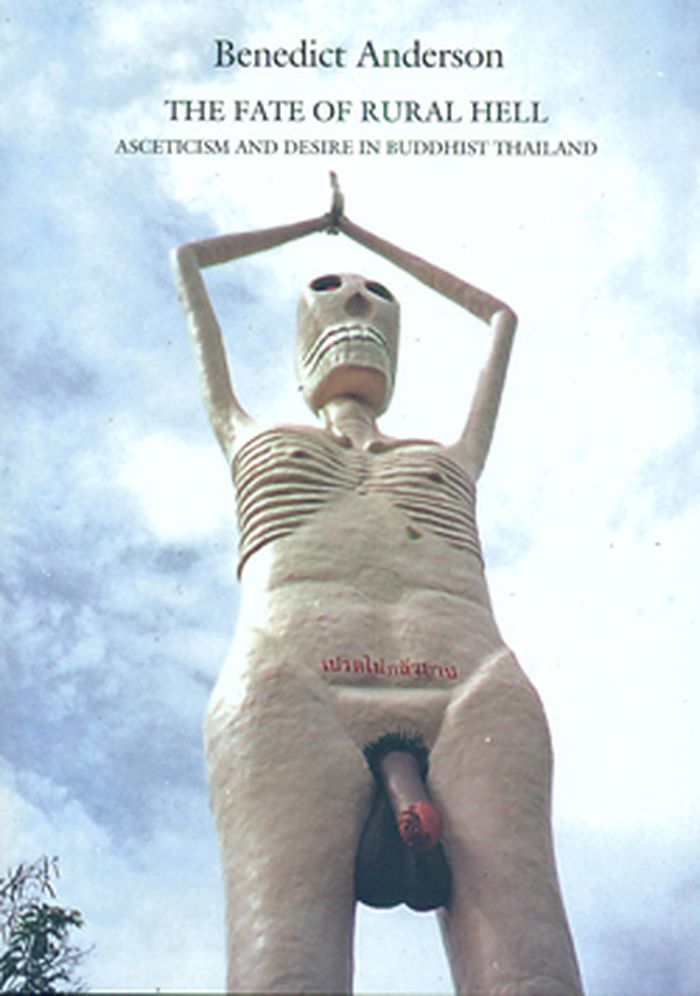
In 1975, when political scientist Benedict Anderson reached Wat Phai Rong Wua, a massive temple complex in rural Thailand conceived by Buddhist monk Luang Phor Khom, he felt he had wandered into a demented Disneyland. One of the world's most bizarre tourist attractions, Wat Phai Rong Wua was designed as a cautionary museum of sorts; its gruesome statues depict violent and torturous scenes that showcase what hell may be like. Over the next few decades, Anderson found himself transfixed by this unusual amalgamation of objects, returning several times to see attractions like the largest metal-cast Buddha figure in the world and the Palace of a Hundred Spires. The concrete statuaries and perverse art in Luang Phor Khom's personal museum of hell included, 'side by side, an upright human skeleton in a glass cabinet and a life-size replica of Michelangelo's gigantic nude David, wearing fashionable red underpants from the top of which poked part of a swollen, un-Florentine penis,' alongside dozens of statues of evildoers being ferociously punished in their afterlife. In The Fate of Rural Hell, Anderson unravels the intrigue of this strange setting, trying to discover what compels so many Thai visitors to travel to this popular spectacle and what order, if any, inspired its creation. At the same time, he notes the unexpected effects of the gradual advance of capitalism into the far reaches of rural Asia.
The fate of rural hell : ascetism and desire in buddhist Thailand
Actions:
Prix:
$13.95
(disponible sur commande)
Résumé:
In 1975, when political scientist Benedict Anderson reached Wat Phai Rong Wua, a massive temple complex in rural Thailand conceived by Buddhist monk Luang Phor Khom, he felt he had wandered into a demented Disneyland. One of the world's most bizarre tourist attractions, Wat Phai Rong Wua was designed as a cautionary museum of sorts; its gruesome statues depict violent and torturous scenes that showcase what hell may be like. Over the next few decades, Anderson found himself transfixed by this unusual amalgamation of objects, returning several times to see attractions like the largest metal-cast Buddha figure in the world and the Palace of a Hundred Spires. The concrete statuaries and perverse art in Luang Phor Khom's personal museum of hell included, 'side by side, an upright human skeleton in a glass cabinet and a life-size replica of Michelangelo's gigantic nude David, wearing fashionable red underpants from the top of which poked part of a swollen, un-Florentine penis,' alongside dozens of statues of evildoers being ferociously punished in their afterlife. In The Fate of Rural Hell, Anderson unravels the intrigue of this strange setting, trying to discover what compels so many Thai visitors to travel to this popular spectacle and what order, if any, inspired its creation. At the same time, he notes the unexpected effects of the gradual advance of capitalism into the far reaches of rural Asia.
Classification:
livres
livres
Publication:
avril 2012
avril 2012
Sujet:
Théorie de l’art
Théorie de l’art
Classification:
livres
livres
Titre:
Museum Island Berlin
Museum Island Berlin
Actions:
Prix:
$54.95
(disponible sur commande)
Résumé:
Home to five museums, including the Old and New Museums, the Old National Gallery, the Bode Museum, and the Pergamon Museum, Berlin’s Museum Island was declared a UNESCO World Heritage site in 1999 and represents nearly two hundred years of museum history. In this book, renowned experts on Museum Island take readers on a fascinating tour of the history and architecture(...)
$54.95
(disponible sur commande)
Résumé:
Home to five museums, including the Old and New Museums, the Old National Gallery, the Bode Museum, and the Pergamon Museum, Berlin’s Museum Island was declared a UNESCO World Heritage site in 1999 and represents nearly two hundred years of museum history. In this book, renowned experts on Museum Island take readers on a fascinating tour of the history and architecture(...)
Titre:
Museum Island Berlin
Actions:
Prix:
$54.95
(disponible sur commande)
Résumé:
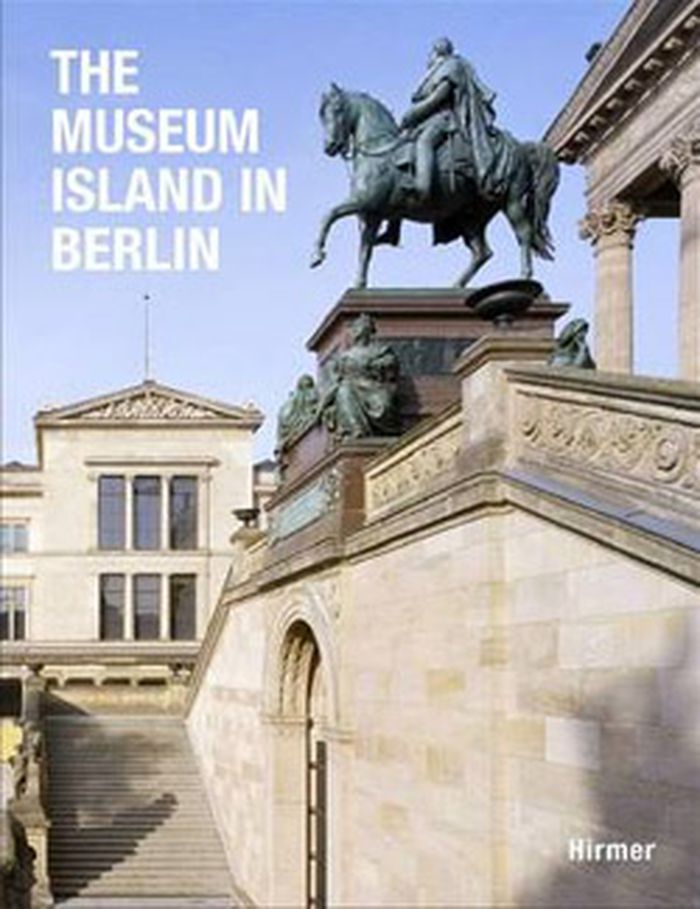
Home to five museums, including the Old and New Museums, the Old National Gallery, the Bode Museum, and the Pergamon Museum, Berlin’s Museum Island was declared a UNESCO World Heritage site in 1999 and represents nearly two hundred years of museum history. In this book, renowned experts on Museum Island take readers on a fascinating tour of the history and architecture of the museums located there, as well as their collections.
Museum Island Berlin
Actions:
Prix:
$54.95
(disponible sur commande)
Résumé:
Home to five museums, including the Old and New Museums, the Old National Gallery, the Bode Museum, and the Pergamon Museum, Berlin’s Museum Island was declared a UNESCO World Heritage site in 1999 and represents nearly two hundred years of museum history. In this book, renowned experts on Museum Island take readers on a fascinating tour of the history and architecture of the museums located there, as well as their collections.
Classification:
livres
livres
Publication:
avril 2012
avril 2012
Sujet:
Guides des villes
Guides des villes
Classification:
livres
livres
Actions:
Prix:
$52.95
(disponible sur commande)
Résumé:
In Midstream, photographer Richard Wasserman documents the entire length of the 156-mile Chicago River and gives readers a glimpse into a mostly hidden landscape. As the twentieth century was drawing to a close and the city’s industrial manufacturing era was rapidly waning, Wasserman took note of increased efforts to clean, beautify, and conserve the river, and he felt an(...)
$52.95
(disponible sur commande)
Résumé:
In Midstream, photographer Richard Wasserman documents the entire length of the 156-mile Chicago River and gives readers a glimpse into a mostly hidden landscape. As the twentieth century was drawing to a close and the city’s industrial manufacturing era was rapidly waning, Wasserman took note of increased efforts to clean, beautify, and conserve the river, and he felt an(...)
Titre:
Midstream: the Chicago river, 1990-2010
Actions:
Prix:
$52.95
(disponible sur commande)
Résumé:
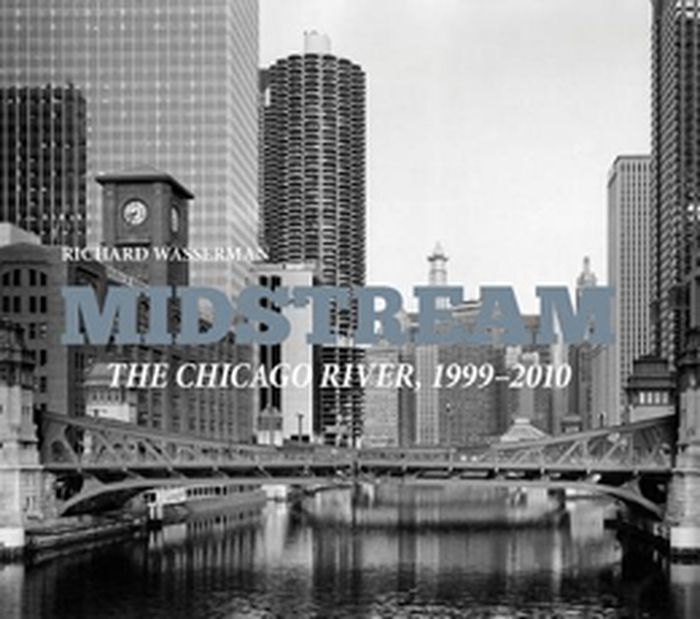
In Midstream, photographer Richard Wasserman documents the entire length of the 156-mile Chicago River and gives readers a glimpse into a mostly hidden landscape. As the twentieth century was drawing to a close and the city’s industrial manufacturing era was rapidly waning, Wasserman took note of increased efforts to clean, beautify, and conserve the river, and he felt an urgent need to preserve the memory of Chicago’s brawling past. With an essay by Julia S. Bachrach, this publication will be a significant resource and a lasting documentation of the Chicago River during the first decade of the twenty-first century.
Midstream: the Chicago river, 1990-2010
Actions:
Prix:
$52.95
(disponible sur commande)
Résumé:
In Midstream, photographer Richard Wasserman documents the entire length of the 156-mile Chicago River and gives readers a glimpse into a mostly hidden landscape. As the twentieth century was drawing to a close and the city’s industrial manufacturing era was rapidly waning, Wasserman took note of increased efforts to clean, beautify, and conserve the river, and he felt an urgent need to preserve the memory of Chicago’s brawling past. With an essay by Julia S. Bachrach, this publication will be a significant resource and a lasting documentation of the Chicago River during the first decade of the twenty-first century.
Classification:
livres
livres
Publication:
mars 2012
mars 2012
Classification:
livres
livres
Titre:
Mountains and memory
Mountains and memory
Actions:
Prix:
$43.95
(disponible sur commande)
Résumé:
From Egypt’s Abu Simbel to South Dakota’s Mount Rushmore to Tan Swie Hian’s Earth Art Museum in China’s Quingdao National Forest, mountains have long been shaped to resemble human personages, including pharaohs, presidents, and painters. Mountains and Memory explores this practice and traces the history of anthropomorphism—the attribution of human qualities to non-human(...)
$43.95
(disponible sur commande)
Résumé:
From Egypt’s Abu Simbel to South Dakota’s Mount Rushmore to Tan Swie Hian’s Earth Art Museum in China’s Quingdao National Forest, mountains have long been shaped to resemble human personages, including pharaohs, presidents, and painters. Mountains and Memory explores this practice and traces the history of anthropomorphism—the attribution of human qualities to non-human(...)
Titre:
Mountains and memory
Actions:
Prix:
$43.95
(disponible sur commande)
Résumé:
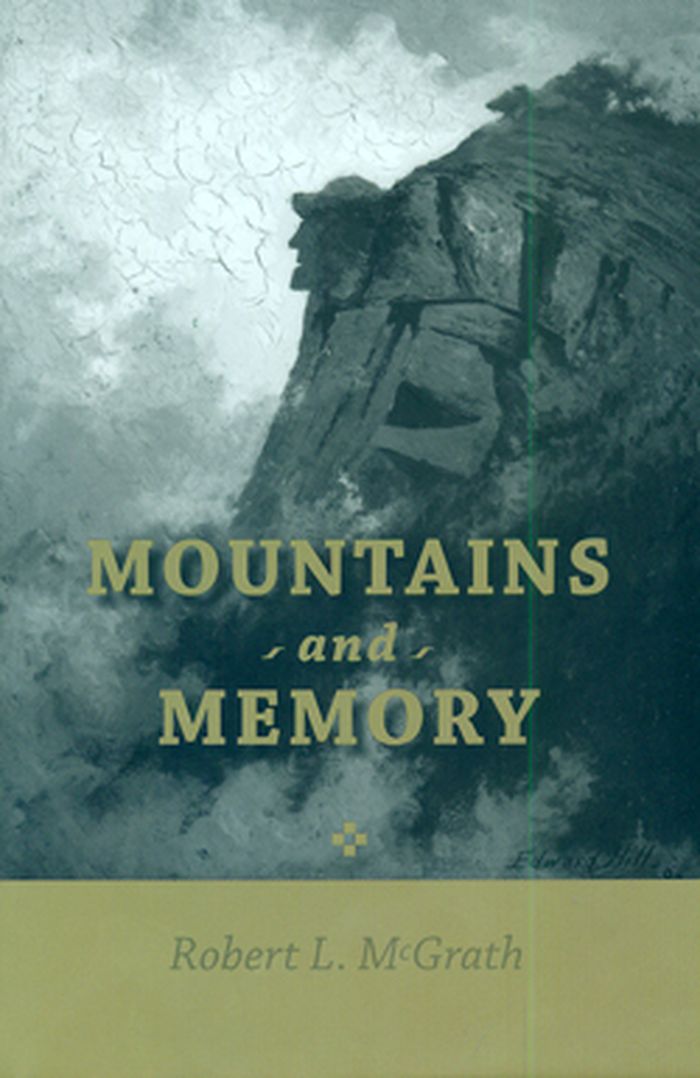
From Egypt’s Abu Simbel to South Dakota’s Mount Rushmore to Tan Swie Hian’s Earth Art Museum in China’s Quingdao National Forest, mountains have long been shaped to resemble human personages, including pharaohs, presidents, and painters. Mountains and Memory explores this practice and traces the history of anthropomorphism—the attribution of human qualities to non-human nature—as expressed in the form of carvings on mountainous rock formations.
Mountains and memory
Actions:
Prix:
$43.95
(disponible sur commande)
Résumé:
From Egypt’s Abu Simbel to South Dakota’s Mount Rushmore to Tan Swie Hian’s Earth Art Museum in China’s Quingdao National Forest, mountains have long been shaped to resemble human personages, including pharaohs, presidents, and painters. Mountains and Memory explores this practice and traces the history of anthropomorphism—the attribution of human qualities to non-human nature—as expressed in the form of carvings on mountainous rock formations.
Classification:
livres
livres
Publication:
mai 2012
mai 2012
Sujet:
Théorie de l’architecture
Théorie de l’architecture
Classification:
livres
livres
Actions:
Prix:
$79.95
(disponible sur commande)
Résumé:
The World in Pocket-Size Format documents the exceptional postcard collection of Adolf Feller. In 1889 Feller, a Swiss entrepreneur, began collecting postcards on various business trips as mementos of his travels. When news of his hobby reached his friends and relatives, others began sending picture postcards as well. After his death, Feller’s daughter, Elisabeth,(...)
$79.95
(disponible sur commande)
Résumé:
The World in Pocket-Size Format documents the exceptional postcard collection of Adolf Feller. In 1889 Feller, a Swiss entrepreneur, began collecting postcards on various business trips as mementos of his travels. When news of his hobby reached his friends and relatives, others began sending picture postcards as well. After his death, Feller’s daughter, Elisabeth,(...)
Titre:
The world in pocket-size format
Actions:
Prix:
$79.95
(disponible sur commande)
Résumé:
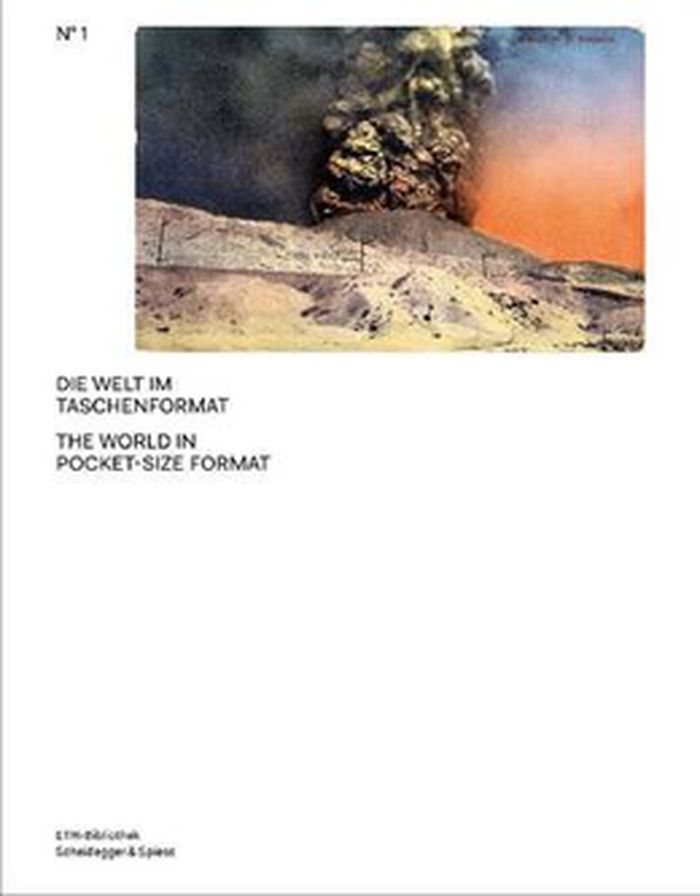
The World in Pocket-Size Format documents the exceptional postcard collection of Adolf Feller. In 1889 Feller, a Swiss entrepreneur, began collecting postcards on various business trips as mementos of his travels. When news of his hobby reached his friends and relatives, others began sending picture postcards as well. After his death, Feller’s daughter, Elisabeth, continued to seek out postcards from around the world. The collection now includes 54,000 postcards from 140 countries, with especially impressive examples from 1893–1930, the height of the picture postcard’s popularity. A testament to one man’s obsession, provides a new way to experience the history of the postcard as a means of both artistic expression and communication.
The world in pocket-size format
Actions:
Prix:
$79.95
(disponible sur commande)
Résumé:
The World in Pocket-Size Format documents the exceptional postcard collection of Adolf Feller. In 1889 Feller, a Swiss entrepreneur, began collecting postcards on various business trips as mementos of his travels. When news of his hobby reached his friends and relatives, others began sending picture postcards as well. After his death, Feller’s daughter, Elisabeth, continued to seek out postcards from around the world. The collection now includes 54,000 postcards from 140 countries, with especially impressive examples from 1893–1930, the height of the picture postcard’s popularity. A testament to one man’s obsession, provides a new way to experience the history of the postcard as a means of both artistic expression and communication.
Classification:
livres
livres
Publication:
mars 2012
mars 2012
Sujet:
Arts graphiques imprimés
Arts graphiques imprimés
Classification:
livres
livres
Actions:
Prix:
$76.95
(disponible sur commande)
Résumé:
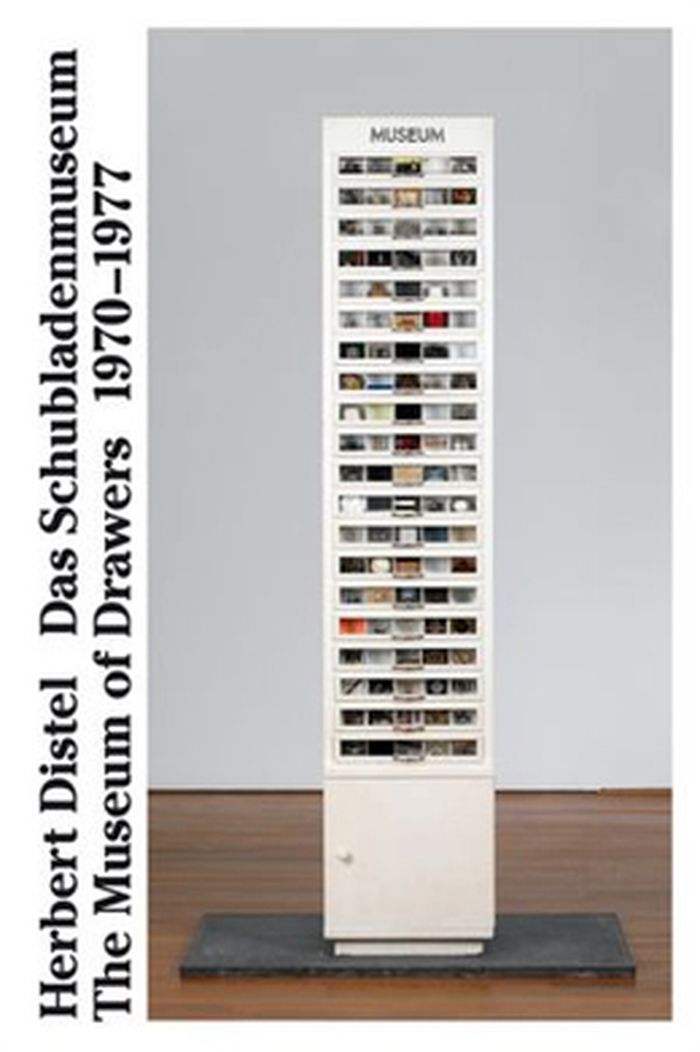
The Museum of Drawers is the world's smallest museum of twentieth-century art. This unique piece has been conceived and put together by the Swiss-born artist Herbert Distel in 1970-77. It consists of an old cabinet made to hold reels of sewing silk whose twenty drawers each contain twenty-five compartments. Each of the 500 compartments houses an original miniature work of(...)
$76.95
(disponible sur commande)
Résumé:
The Museum of Drawers is the world's smallest museum of twentieth-century art. This unique piece has been conceived and put together by the Swiss-born artist Herbert Distel in 1970-77. It consists of an old cabinet made to hold reels of sewing silk whose twenty drawers each contain twenty-five compartments. Each of the 500 compartments houses an original miniature work of(...)
Titre:
The museum of drawers 1970-1977
Actions:
Prix:
$76.95
(disponible sur commande)
Résumé:
The Museum of Drawers is the world's smallest museum of twentieth-century art. This unique piece has been conceived and put together by the Swiss-born artist Herbert Distel in 1970-77. It consists of an old cabinet made to hold reels of sewing silk whose twenty drawers each contain twenty-five compartments. Each of the 500 compartments houses an original miniature work of art, many of which were made especially for the Museum of Drawers. The list of artists represented includes such influential pioneers as Joseph Beuys, Marcel Duchamp, Hannah Hoch, Meret Oppenheim, Pablo Picasso, and Andy Warhol. Following a first presentation as a work-in-progress at the documenta 5 in Kassel (Germany) in 1972, the Museum of Drawers caused sensation internationally. It has been shown several times in New York, including a presentation at the Museum of Modern Art (MoMA) in 1999, and at many museums around the world. After its restoration it is now part of the permanent collection of the Kunsthaus, Zurich. This new book is a comprehensive documentation of this extraordinary object. It shows all twenty drawers with their content as well as each of the 500 miniature art works individually and in true size. Essays on the history and importance of the entire work and concept complement the images.
The museum of drawers 1970-1977
Actions:
Prix:
$76.95
(disponible sur commande)
Résumé:
The Museum of Drawers is the world's smallest museum of twentieth-century art. This unique piece has been conceived and put together by the Swiss-born artist Herbert Distel in 1970-77. It consists of an old cabinet made to hold reels of sewing silk whose twenty drawers each contain twenty-five compartments. Each of the 500 compartments houses an original miniature work of art, many of which were made especially for the Museum of Drawers. The list of artists represented includes such influential pioneers as Joseph Beuys, Marcel Duchamp, Hannah Hoch, Meret Oppenheim, Pablo Picasso, and Andy Warhol. Following a first presentation as a work-in-progress at the documenta 5 in Kassel (Germany) in 1972, the Museum of Drawers caused sensation internationally. It has been shown several times in New York, including a presentation at the Museum of Modern Art (MoMA) in 1999, and at many museums around the world. After its restoration it is now part of the permanent collection of the Kunsthaus, Zurich. This new book is a comprehensive documentation of this extraordinary object. It shows all twenty drawers with their content as well as each of the 500 miniature art works individually and in true size. Essays on the history and importance of the entire work and concept complement the images.
Classification:
livres
livres
Publication:
mars 2012
mars 2012
Classification:
livres
livres
Actions:
Prix:
$99.95
(disponible sur commande)
Résumé:
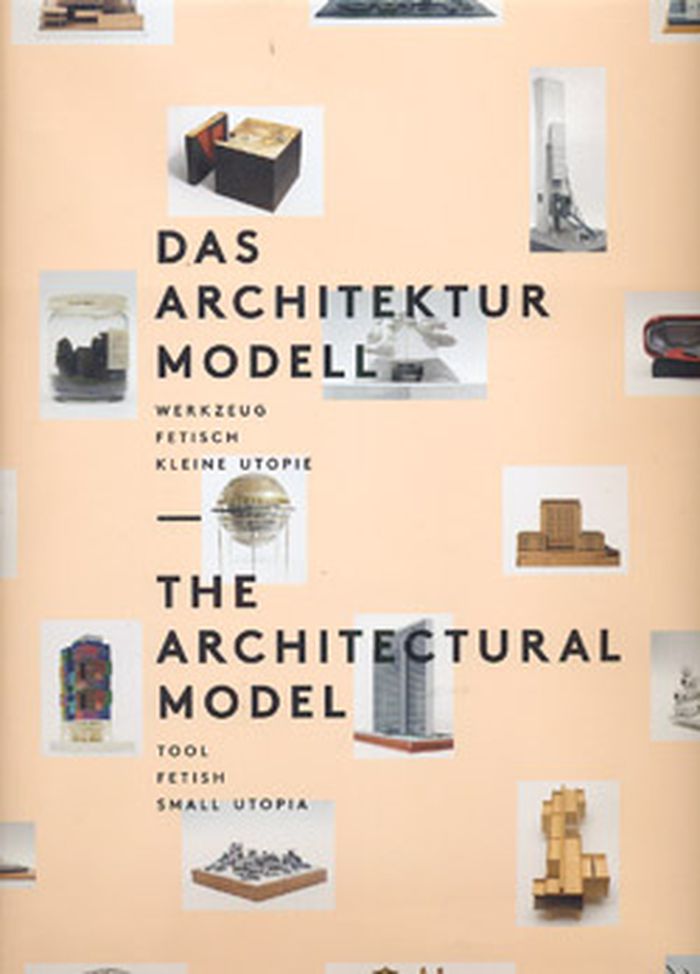
The architectural scale model has long had an essential role in the design process, creating a tangible, three-dimensional representation of the finished building, but it has not been explored as an artistic medium in its own right. The Deutsches Architekturmuseum (DAM) began to fill in this gap in architectural scholarship in 2009, focusing on the history of the model(...)
$99.95
(disponible sur commande)
Résumé:
The architectural scale model has long had an essential role in the design process, creating a tangible, three-dimensional representation of the finished building, but it has not been explored as an artistic medium in its own right. The Deutsches Architekturmuseum (DAM) began to fill in this gap in architectural scholarship in 2009, focusing on the history of the model(...)
Titre:
The architectural model: tool, fetish, small utopia
Actions:
Prix:
$99.95
(disponible sur commande)
Résumé:
The architectural scale model has long had an essential role in the design process, creating a tangible, three-dimensional representation of the finished building, but it has not been explored as an artistic medium in its own right. The Deutsches Architekturmuseum (DAM) began to fill in this gap in architectural scholarship in 2009, focusing on the history of the model with particular attention paid to the twentieth and twenty-first centuries. Drawing on the museum’s vast collection of models, comprised of more than 1,200 objects created by over four hundred architects from around the world, researchers created both this book and a corresponding exhibit set to open in May 2012. The Architectural Model covers a variety of topics, from the rise of specialized workshops after 1945 to the way in which more sophisticated machinery led to a “Miniature Boom” in the 1950s and ’60s. Of special interest is the discussion of the how working models are used by professionals to develop and change their ideas.
The architectural model: tool, fetish, small utopia
Actions:
Prix:
$99.95
(disponible sur commande)
Résumé:
The architectural scale model has long had an essential role in the design process, creating a tangible, three-dimensional representation of the finished building, but it has not been explored as an artistic medium in its own right. The Deutsches Architekturmuseum (DAM) began to fill in this gap in architectural scholarship in 2009, focusing on the history of the model with particular attention paid to the twentieth and twenty-first centuries. Drawing on the museum’s vast collection of models, comprised of more than 1,200 objects created by over four hundred architects from around the world, researchers created both this book and a corresponding exhibit set to open in May 2012. The Architectural Model covers a variety of topics, from the rise of specialized workshops after 1945 to the way in which more sophisticated machinery led to a “Miniature Boom” in the 1950s and ’60s. Of special interest is the discussion of the how working models are used by professionals to develop and change their ideas.
Classification:
livres
livres
Publication:
juillet 2012
juillet 2012
Sujet:
Maquettes
Maquettes


