


12071 Résultats
Classification:
livres
livres
Prix:
$23.00
(disponible sur commande)
Résumé:
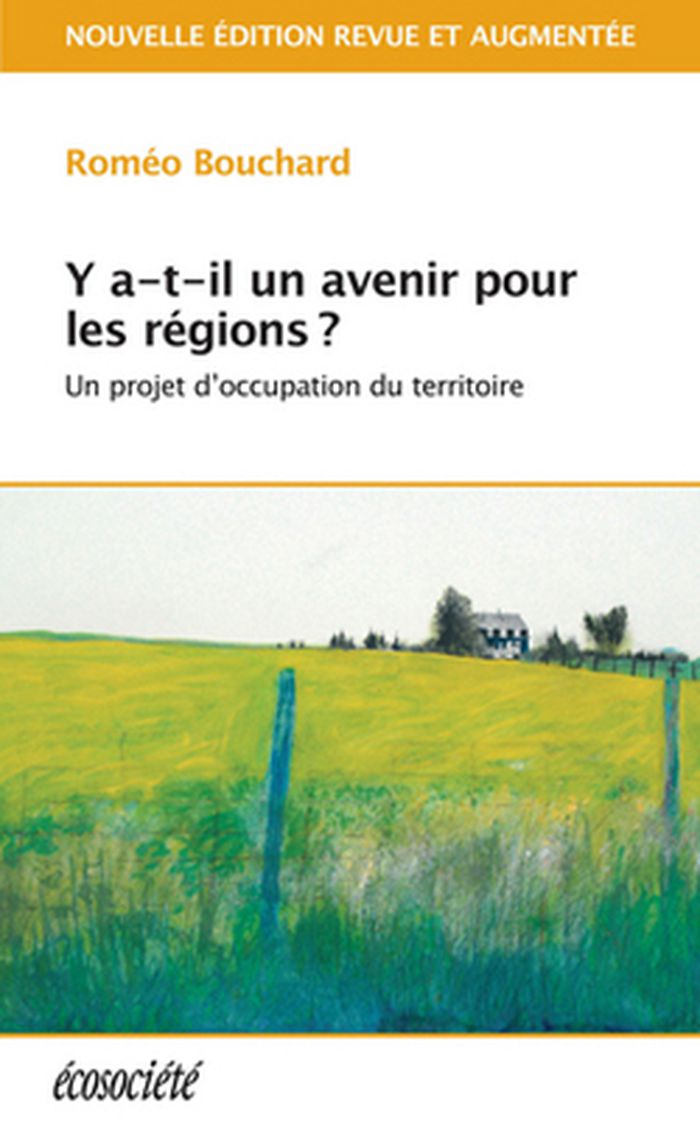
Depuis la parution de la première édition en 2006, Y a-t-il un avenir pour les régions ? est devenu un livre de référence pour penser la problématique des régions au Québec. Si plusieurs situations ont évolué, le constat qu’y posait Roméo Bouchard garde toute sa pertinence car depuis, la dévitalisation et la pression sur les ressources forestières, agricoles et surtout(...)
$23.00
(disponible sur commande)
Résumé:
Depuis la parution de la première édition en 2006, Y a-t-il un avenir pour les régions ? est devenu un livre de référence pour penser la problématique des régions au Québec. Si plusieurs situations ont évolué, le constat qu’y posait Roméo Bouchard garde toute sa pertinence car depuis, la dévitalisation et la pression sur les ressources forestières, agricoles et surtout(...)
Titre:
Y a-t-il un avenir pour les régions? (Nouvelle édition)
Actions:
Prix:
$23.00
(disponible sur commande)
Résumé:
Depuis la parution de la première édition en 2006, Y a-t-il un avenir pour les régions ? est devenu un livre de référence pour penser la problématique des régions au Québec. Si plusieurs situations ont évolué, le constat qu’y posait Roméo Bouchard garde toute sa pertinence car depuis, la dévitalisation et la pression sur les ressources forestières, agricoles et surtout minières s’accentuent dans les régions périphériques.
Y a-t-il un avenir pour les régions? (Nouvelle édition)
Actions:
Prix:
$23.00
(disponible sur commande)
Résumé:
Depuis la parution de la première édition en 2006, Y a-t-il un avenir pour les régions ? est devenu un livre de référence pour penser la problématique des régions au Québec. Si plusieurs situations ont évolué, le constat qu’y posait Roméo Bouchard garde toute sa pertinence car depuis, la dévitalisation et la pression sur les ressources forestières, agricoles et surtout minières s’accentuent dans les régions périphériques.
Classification:
livres
livres
Publication:
septembre 2013
septembre 2013
Sujet:
Architecture du Québec
Architecture du Québec
Classification:
livres
livres
Prix:
$26.00
(disponible sur commande)
Résumé:
This publication offers a selective retrospective of the work of photographer and filmmaker Friedl Kubelka—known as a filmmaker under the name of Friedl vom Gröller. In addition to a selection of her fashion photographs, the book focuses on portraits of her friends and family, as well as series of images and films.
$26.00
(disponible sur commande)
Résumé:
This publication offers a selective retrospective of the work of photographer and filmmaker Friedl Kubelka—known as a filmmaker under the name of Friedl vom Gröller. In addition to a selection of her fashion photographs, the book focuses on portraits of her friends and family, as well as series of images and films.
Titre:
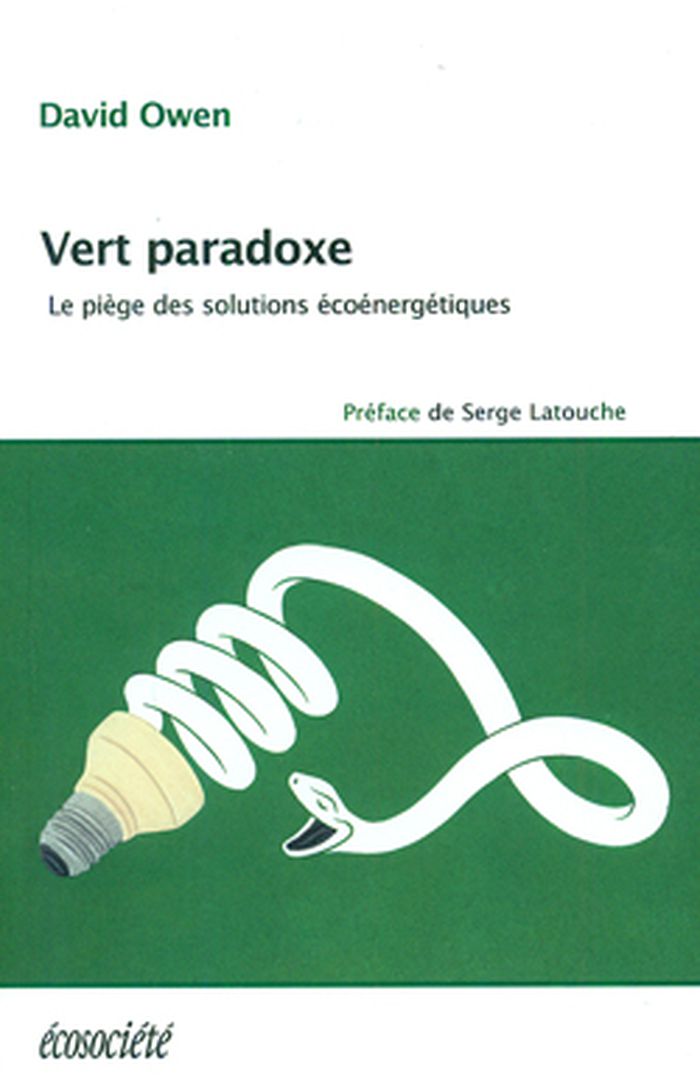
Vert paradoxe : le piège des solutions écoénergétiques
Actions:
Prix:
$26.00
(disponible sur commande)
Résumé:
This publication offers a selective retrospective of the work of photographer and filmmaker Friedl Kubelka—known as a filmmaker under the name of Friedl vom Gröller. In addition to a selection of her fashion photographs, the book focuses on portraits of her friends and family, as well as series of images and films.
Vert paradoxe : le piège des solutions écoénergétiques
Actions:
Prix:
$26.00
(disponible sur commande)
Résumé:
This publication offers a selective retrospective of the work of photographer and filmmaker Friedl Kubelka—known as a filmmaker under the name of Friedl vom Gröller. In addition to a selection of her fashion photographs, the book focuses on portraits of her friends and family, as well as series of images and films.
Classification:
livres
livres
Publication:
septembre 2013
septembre 2013
Sujet:
Architecture écologique
Architecture écologique
Classification:
livres
livres
Prix:
$45.00
(disponible sur commande)
Résumé:
At the turn of the twentieth century numerous Canadian architects, artisans and artists set out to modify the esthetic and social environment through the integration of the arts. Painters produced murals; architects designed furniture; clubs formed to bring together writers, artists and architects; collectors and governments commissioned paintings, furnishings and(...)
$45.00
(disponible sur commande)
Résumé:
At the turn of the twentieth century numerous Canadian architects, artisans and artists set out to modify the esthetic and social environment through the integration of the arts. Painters produced murals; architects designed furniture; clubs formed to bring together writers, artists and architects; collectors and governments commissioned paintings, furnishings and(...)
Titre:
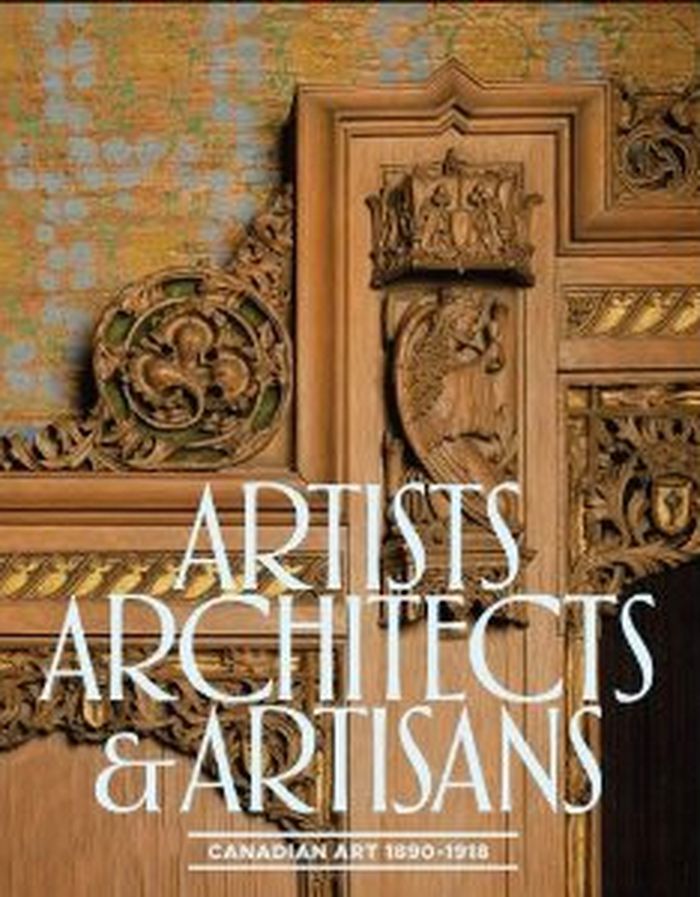
Artists, architects and artisans: canadian art 1890-1918
Actions:
Prix:
$45.00
(disponible sur commande)
Résumé:
At the turn of the twentieth century numerous Canadian architects, artisans and artists set out to modify the esthetic and social environment through the integration of the arts. Painters produced murals; architects designed furniture; clubs formed to bring together writers, artists and architects; collectors and governments commissioned paintings, furnishings and sculpture for public and private buildings; photography rivaled painting; and crafts became applied design. Building on both the Beaux-Arts movement in France and the Arts and Crafts movement in Britain and the United States, Canadian art practitioners met the challenge of obtaining patronage - which had until then looked abroad - to create a unique aesthetic that shot through all aspects of daily life.
Artists, architects and artisans: canadian art 1890-1918
Actions:
Prix:
$45.00
(disponible sur commande)
Résumé:
At the turn of the twentieth century numerous Canadian architects, artisans and artists set out to modify the esthetic and social environment through the integration of the arts. Painters produced murals; architects designed furniture; clubs formed to bring together writers, artists and architects; collectors and governments commissioned paintings, furnishings and sculpture for public and private buildings; photography rivaled painting; and crafts became applied design. Building on both the Beaux-Arts movement in France and the Arts and Crafts movement in Britain and the United States, Canadian art practitioners met the challenge of obtaining patronage - which had until then looked abroad - to create a unique aesthetic that shot through all aspects of daily life.
Classification:
livres
livres
Publication:
novembre 2013
novembre 2013
Sujet:
Architecture du Canada
Architecture du Canada
Classification:
livres
livres
Titre:
Barkow Leibinger
Barkow Leibinger
Actions:
Prix:
$65.00
(disponible sur commande)
Résumé:
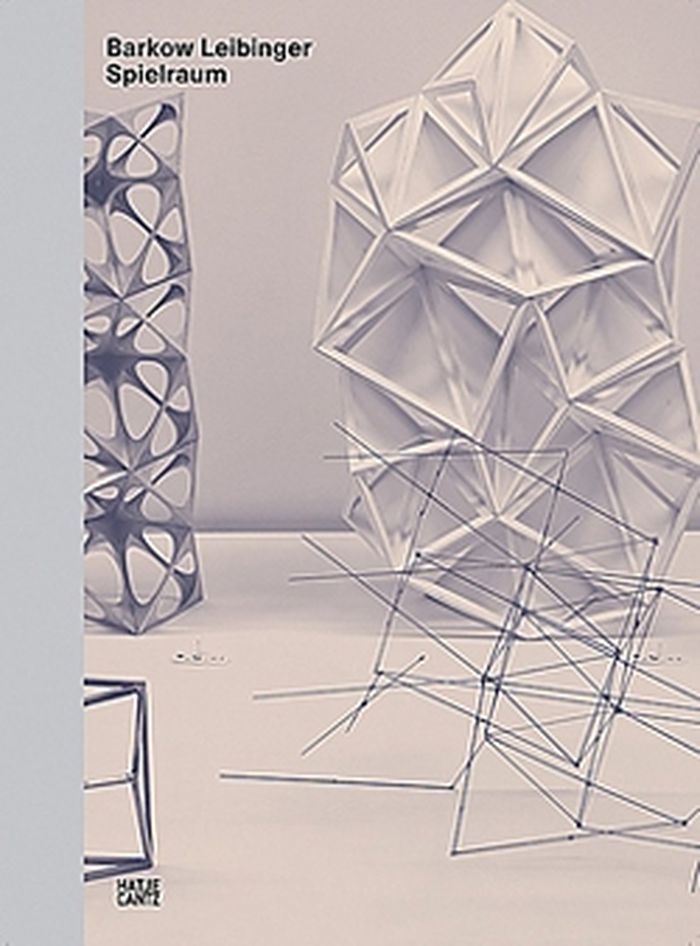
The works presented in this volume by American/German architectural team Barkow Leibinger range from prototypes and installations to buildings such as the recently completed Tour Total, in which form and space evolve by means of the handling of material and new technologies and tools.
$65.00
(disponible sur commande)
Résumé:
The works presented in this volume by American/German architectural team Barkow Leibinger range from prototypes and installations to buildings such as the recently completed Tour Total, in which form and space evolve by means of the handling of material and new technologies and tools.
Titre:
Barkow Leibinger
Actions:
Prix:
$65.00
(disponible sur commande)
Résumé:
The works presented in this volume by American/German architectural team Barkow Leibinger range from prototypes and installations to buildings such as the recently completed Tour Total, in which form and space evolve by means of the handling of material and new technologies and tools.
Barkow Leibinger
Actions:
Prix:
$65.00
(disponible sur commande)
Résumé:
The works presented in this volume by American/German architectural team Barkow Leibinger range from prototypes and installations to buildings such as the recently completed Tour Total, in which form and space evolve by means of the handling of material and new technologies and tools.
Classification:
livres
livres
Publication:
avril 2014
avril 2014
Sujet:
Architecture, monographies
Architecture, monographies
Classification:
livres
livres
Prix:
$32.95
(disponible sur commande)
Résumé:
Creative Margins interweaves stories of the challenges and opportunities presented by the creation of culture in suburbs, focusing on Etobicoke and Mississauga outside Toronto, and Surrey and North Vancouver outside Vancouver. The book investigates whether the creative process unfolds differently for suburban and urban cultural workers, as well as how this process is(...)
$32.95
(disponible sur commande)
Résumé:
Creative Margins interweaves stories of the challenges and opportunities presented by the creation of culture in suburbs, focusing on Etobicoke and Mississauga outside Toronto, and Surrey and North Vancouver outside Vancouver. The book investigates whether the creative process unfolds differently for suburban and urban cultural workers, as well as how this process is(...)
Titre:
Creative margins: cultural production in canadian suburbs
Actions:
Prix:
$32.95
(disponible sur commande)
Résumé:
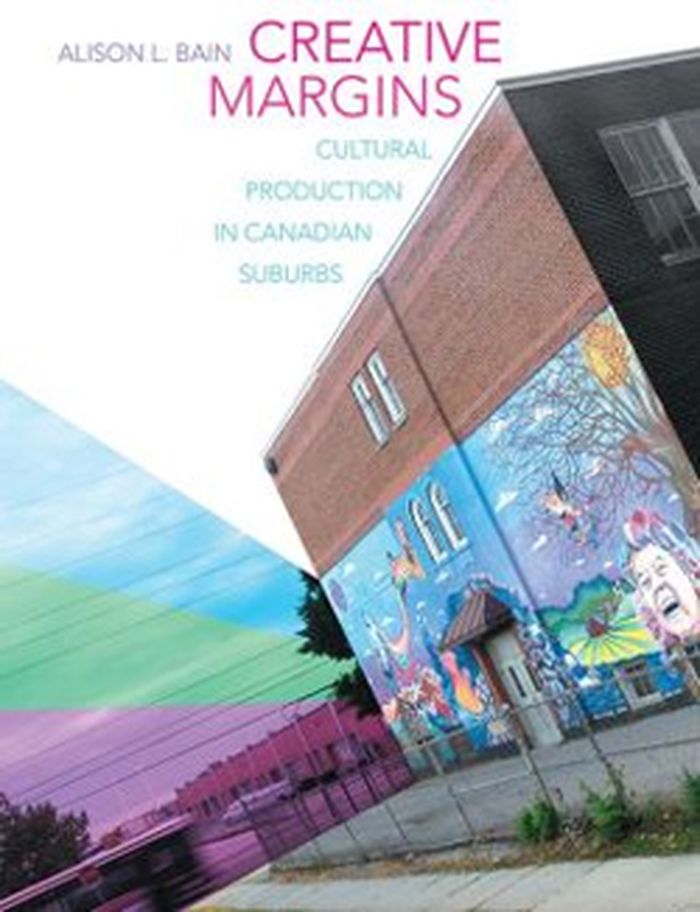
Creative Margins interweaves stories of the challenges and opportunities presented by the creation of culture in suburbs, focusing on Etobicoke and Mississauga outside Toronto, and Surrey and North Vancouver outside Vancouver. The book investigates whether the creative process unfolds differently for suburban and urban cultural workers, as well as how this process is affected by the presence or absence of cultural infrastructure and planning initiatives.
Creative margins: cultural production in canadian suburbs
Actions:
Prix:
$32.95
(disponible sur commande)
Résumé:
Creative Margins interweaves stories of the challenges and opportunities presented by the creation of culture in suburbs, focusing on Etobicoke and Mississauga outside Toronto, and Surrey and North Vancouver outside Vancouver. The book investigates whether the creative process unfolds differently for suburban and urban cultural workers, as well as how this process is affected by the presence or absence of cultural infrastructure and planning initiatives.
Classification:
livres
livres
Publication:
octobre 2013
octobre 2013
Sujet:
Architecture du Canada
Architecture du Canada
Classification:
livres
livres
Prix:
$54.95
(disponible sur commande)
Résumé:
A l'âge de vingt-quatre ans, Le Corbusier entreprend son mythique "voyage d'Orient". Parti de Berlin, il traverse les Balkans, la Turquie, la Grèce et l'Italie avant de terminer son parcours à La Chaux-de-Fonds. Son itinérance le conduit vers les sites et les monuments les plus célèbres et lui permet de découvrir les traditions et folklores des régions traversées. Au(...)
$54.95
(disponible sur commande)
Résumé:
A l'âge de vingt-quatre ans, Le Corbusier entreprend son mythique "voyage d'Orient". Parti de Berlin, il traverse les Balkans, la Turquie, la Grèce et l'Italie avant de terminer son parcours à La Chaux-de-Fonds. Son itinérance le conduit vers les sites et les monuments les plus célèbres et lui permet de découvrir les traditions et folklores des régions traversées. Au(...)
Titre:
L'invention d'un architecte: le voyage en Orient de Le Corbusier
Actions:
Prix:
$54.95
(disponible sur commande)
Résumé:
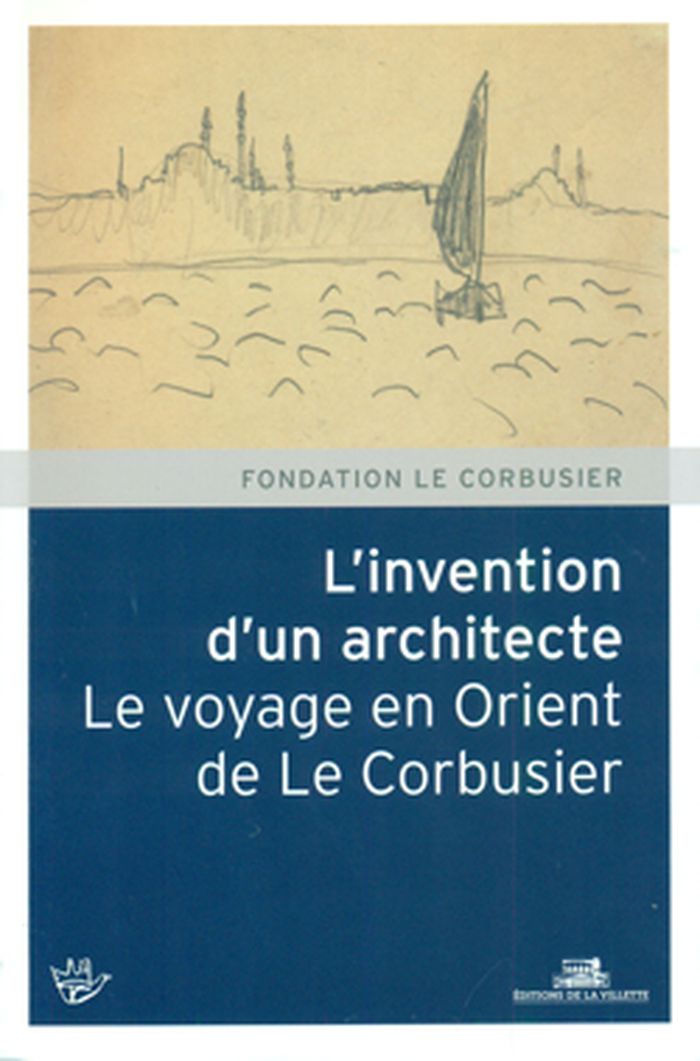
A l'âge de vingt-quatre ans, Le Corbusier entreprend son mythique "voyage d'Orient". Parti de Berlin, il traverse les Balkans, la Turquie, la Grèce et l'Italie avant de terminer son parcours à La Chaux-de-Fonds. Son itinérance le conduit vers les sites et les monuments les plus célèbres et lui permet de découvrir les traditions et folklores des régions traversées. Au cours du voyage, il réalise plus de trois cents dessins, remplit six carnets de croquis, prend plus de quatre cents photographies et écrit des centaines de lettres à ses parents et à ses amis. Il en rédige le récit qui ne sera finalement publié qu'en 1966, sous le titre Le voyage d'Orient.
L'invention d'un architecte: le voyage en Orient de Le Corbusier
Actions:
Prix:
$54.95
(disponible sur commande)
Résumé:
A l'âge de vingt-quatre ans, Le Corbusier entreprend son mythique "voyage d'Orient". Parti de Berlin, il traverse les Balkans, la Turquie, la Grèce et l'Italie avant de terminer son parcours à La Chaux-de-Fonds. Son itinérance le conduit vers les sites et les monuments les plus célèbres et lui permet de découvrir les traditions et folklores des régions traversées. Au cours du voyage, il réalise plus de trois cents dessins, remplit six carnets de croquis, prend plus de quatre cents photographies et écrit des centaines de lettres à ses parents et à ses amis. Il en rédige le récit qui ne sera finalement publié qu'en 1966, sous le titre Le voyage d'Orient.
Classification:
livres
livres
Publication:
octobre 2013
octobre 2013
Sujet:
Architecture, monographies
Architecture, monographies
Classification:
livres
livres

Prix:
$79.00
(disponible sur commande)
Résumé:
This monograph covers more than a decade of work by Japanese architect Hiroshi Naito, known especially for the Toba Sea-Folk Museum. The book details fifteen projects through photos, drawings, texts and a complete chronology. Naito contributes an insightful, personal essay about his search over the years and in times of crisis to become inspired; to give value to people(...)
$79.00
(disponible sur commande)
Résumé:
This monograph covers more than a decade of work by Japanese architect Hiroshi Naito, known especially for the Toba Sea-Folk Museum. The book details fifteen projects through photos, drawings, texts and a complete chronology. Naito contributes an insightful, personal essay about his search over the years and in times of crisis to become inspired; to give value to people(...)
Titre:
Hiroshi Naito (1992-2004): from protoform to protoscape 1
Actions:
Prix:
$79.00
(disponible sur commande)
Résumé:
This monograph covers more than a decade of work by Japanese architect Hiroshi Naito, known especially for the Toba Sea-Folk Museum. The book details fifteen projects through photos, drawings, texts and a complete chronology. Naito contributes an insightful, personal essay about his search over the years and in times of crisis to become inspired; to give value to people through the creation of meaningful architecture able to serve society long into the future. Valuable perspectives on his outlook and craft emerge. Other featured works include private houses, Tokamachi Public Library, Makina Museum of Plants and People, and Chihiro Art Museum in Tokyo.
Hiroshi Naito (1992-2004): from protoform to protoscape 1
Actions:
Prix:
$79.00
(disponible sur commande)
Résumé:
This monograph covers more than a decade of work by Japanese architect Hiroshi Naito, known especially for the Toba Sea-Folk Museum. The book details fifteen projects through photos, drawings, texts and a complete chronology. Naito contributes an insightful, personal essay about his search over the years and in times of crisis to become inspired; to give value to people through the creation of meaningful architecture able to serve society long into the future. Valuable perspectives on his outlook and craft emerge. Other featured works include private houses, Tokamachi Public Library, Makina Museum of Plants and People, and Chihiro Art Museum in Tokyo.
Classification:
livres
livres
Publication:
octobre 2013
octobre 2013
Sujet:
Architecture, monographies
Architecture, monographies
Classification:
livres
livres
Actions:
Prix:
$44.95
(disponible en magasin)
Résumé:
The debut portfolio by Onishimaki+Hyakudayuki Architects, a young Japanese duo based in Tokyo, focuses on their concept of “telling architecture like a story”. At the forefront of a new generation of architects in Japan, their projects are known for narrative characteristics and are integrated into the environment. Although only a handful have been realised, their(...)
$44.95
(disponible en magasin)
Résumé:
The debut portfolio by Onishimaki+Hyakudayuki Architects, a young Japanese duo based in Tokyo, focuses on their concept of “telling architecture like a story”. At the forefront of a new generation of architects in Japan, their projects are known for narrative characteristics and are integrated into the environment. Although only a handful have been realised, their(...)
Titre:
Onishimaki + Hyakudayuki debut portfolio by Young Japanese Architects
Actions:
Prix:
$44.95
(disponible en magasin)
Résumé:
The debut portfolio by Onishimaki+Hyakudayuki Architects, a young Japanese duo based in Tokyo, focuses on their concept of “telling architecture like a story”. At the forefront of a new generation of architects in Japan, their projects are known for narrative characteristics and are integrated into the environment. Although only a handful have been realised, their positive attitude towards architecture views reality in a rather candid fashion, accepting and inheriting the history of a place. Along with a foreword by Toyo Ito and critical texts by Taro Igarashi and Yoshikazu Nango, this beautifully presented book highlights significant works, such as the Double Helix House.
Onishimaki + Hyakudayuki debut portfolio by Young Japanese Architects
Actions:
Prix:
$44.95
(disponible en magasin)
Résumé:
The debut portfolio by Onishimaki+Hyakudayuki Architects, a young Japanese duo based in Tokyo, focuses on their concept of “telling architecture like a story”. At the forefront of a new generation of architects in Japan, their projects are known for narrative characteristics and are integrated into the environment. Although only a handful have been realised, their positive attitude towards architecture views reality in a rather candid fashion, accepting and inheriting the history of a place. Along with a foreword by Toyo Ito and critical texts by Taro Igarashi and Yoshikazu Nango, this beautifully presented book highlights significant works, such as the Double Helix House.
Classification:
livres
livres
Publication:
octobre 2013
octobre 2013
Sujet:
Architecture, monographies
Architecture, monographies
Classification:
livres
livres
Prix:
$42.00
(disponible en magasin)
Résumé:
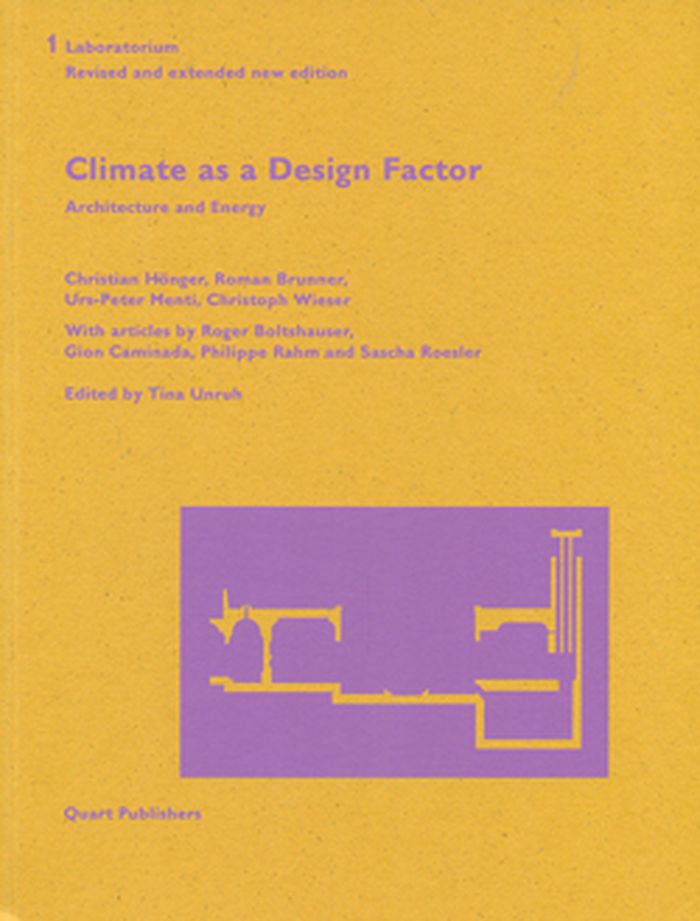
This volume studies climate as a design factor and examines its influence on energy and design consequences. Instead of being abstract and technical, the perspective is vivid and spatial, thereby deliberately stimulating the search for inspiring solutions.
$42.00
(disponible en magasin)
Résumé:
This volume studies climate as a design factor and examines its influence on energy and design consequences. Instead of being abstract and technical, the perspective is vivid and spatial, thereby deliberately stimulating the search for inspiring solutions.
Titre:
Climate as a design factor, revised and expanded new edition
Actions:
Prix:
$42.00
(disponible en magasin)
Résumé:
This volume studies climate as a design factor and examines its influence on energy and design consequences. Instead of being abstract and technical, the perspective is vivid and spatial, thereby deliberately stimulating the search for inspiring solutions.
Climate as a design factor, revised and expanded new edition
Actions:
Prix:
$42.00
(disponible en magasin)
Résumé:
This volume studies climate as a design factor and examines its influence on energy and design consequences. Instead of being abstract and technical, the perspective is vivid and spatial, thereby deliberately stimulating the search for inspiring solutions.
Classification:
livres
livres
Publication:
octobre 2013
octobre 2013
Sujet:
Architecture écologique
Architecture écologique
Classification:
livres
livres
Actions:
Prix:
$10.00
(disponible en magasin)
Résumé:
Cultiver un jardin de ville ou une terre agricole sans perturber les écosystèmes ni trop se fatiguer. Habiter une maison qui consomme moins et qui produise même un peu. Mettre sur pied des réseaux d’échanges dont les bénéfices resteront dans la communauté. La permaculture permet à chacun de concevoir et de réaliser ces projets – et bien d’autres – simplement en imitant(...)
$10.00
(disponible en magasin)
Résumé:
Cultiver un jardin de ville ou une terre agricole sans perturber les écosystèmes ni trop se fatiguer. Habiter une maison qui consomme moins et qui produise même un peu. Mettre sur pied des réseaux d’échanges dont les bénéfices resteront dans la communauté. La permaculture permet à chacun de concevoir et de réaliser ces projets – et bien d’autres – simplement en imitant(...)
Titre:
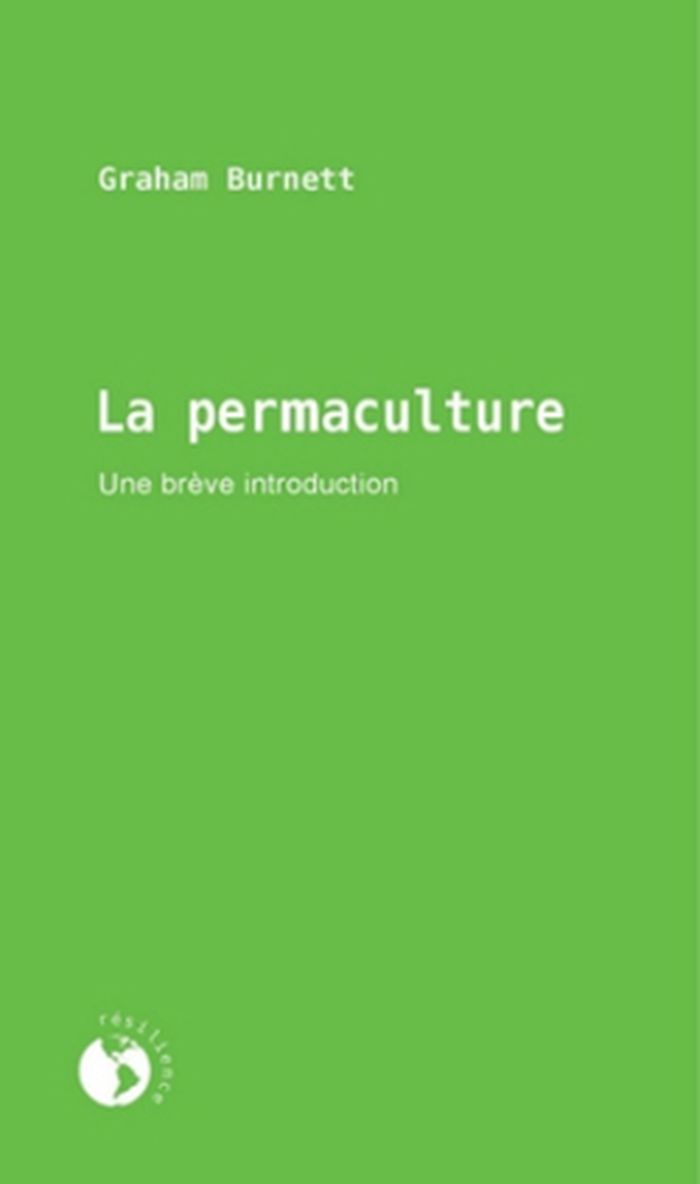
La permaculture : une brève introduction
Actions:
Prix:
$10.00
(disponible en magasin)
Résumé:
Cultiver un jardin de ville ou une terre agricole sans perturber les écosystèmes ni trop se fatiguer. Habiter une maison qui consomme moins et qui produise même un peu. Mettre sur pied des réseaux d’échanges dont les bénéfices resteront dans la communauté. La permaculture permet à chacun de concevoir et de réaliser ces projets – et bien d’autres – simplement en imitant les modèles déjà présents dans la nature. Dans ce micromanuel abondamment illustré, Graham Burnett montre en effet que la permaculture consiste d’abord à travailler avec la nature et non contre elle, en minimisant l’effort requis. Le niveau d’intervention optimal, selon l’auteur : « ne rien faire »! Car la nature est économe, pour ne pas dire paresseuse. Son principe est de multiplier les interactions fertiles, d’employer des éléments qui remplissent plusieurs fonc tions, de tendre vers l’autosuffisance et de ne rien jeter.
La permaculture : une brève introduction
Actions:
Prix:
$10.00
(disponible en magasin)
Résumé:
Cultiver un jardin de ville ou une terre agricole sans perturber les écosystèmes ni trop se fatiguer. Habiter une maison qui consomme moins et qui produise même un peu. Mettre sur pied des réseaux d’échanges dont les bénéfices resteront dans la communauté. La permaculture permet à chacun de concevoir et de réaliser ces projets – et bien d’autres – simplement en imitant les modèles déjà présents dans la nature. Dans ce micromanuel abondamment illustré, Graham Burnett montre en effet que la permaculture consiste d’abord à travailler avec la nature et non contre elle, en minimisant l’effort requis. Le niveau d’intervention optimal, selon l’auteur : « ne rien faire »! Car la nature est économe, pour ne pas dire paresseuse. Son principe est de multiplier les interactions fertiles, d’employer des éléments qui remplissent plusieurs fonc tions, de tendre vers l’autosuffisance et de ne rien jeter.
Classification:
livres
livres
Publication:
octobre 2013
octobre 2013
Sujet:
Architecture écologique
Architecture écologique


