


36154 Résultats
Classification:
livres
livres
Titre:
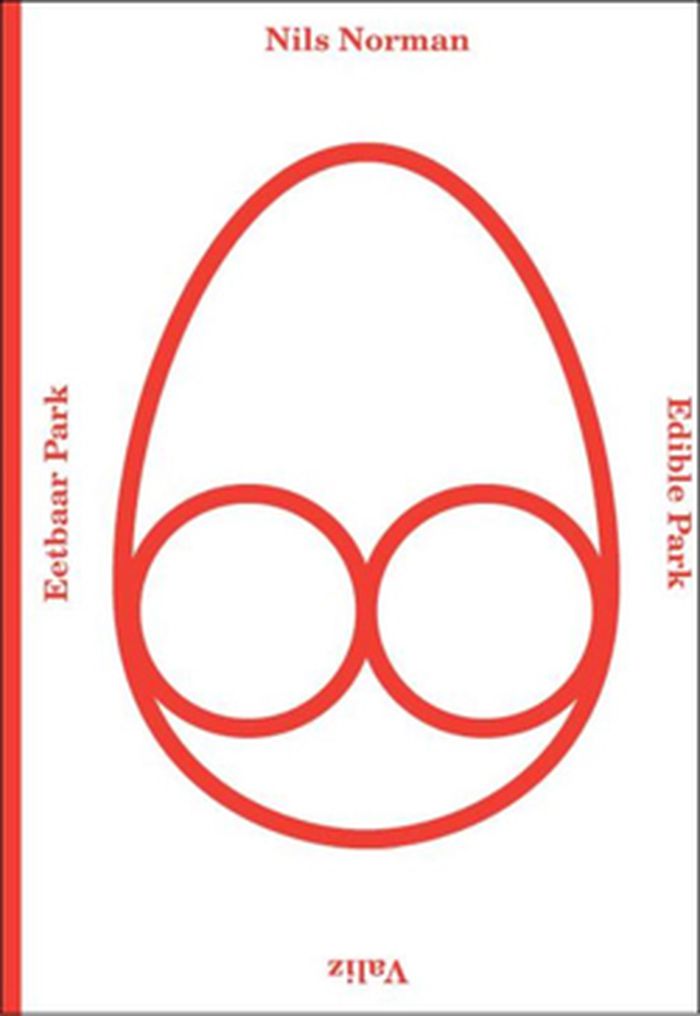
Nils Norman: Edible park
Nils Norman: Edible park
Actions:
Prix:
$29.95
(disponible sur commande)
Résumé:
In a public park in the Hague, British artist Nils Norman (born 1966) has devised an unusual work of art: one that grows and blossoms and produces delicious fruit and vegetables. Norman's "Edible Park" was developed using the principles of permaculture, a form of vegetable gardening in which different plants are combined in such a way that they complement one another's(...)
$29.95
(disponible sur commande)
Résumé:
In a public park in the Hague, British artist Nils Norman (born 1966) has devised an unusual work of art: one that grows and blossoms and produces delicious fruit and vegetables. Norman's "Edible Park" was developed using the principles of permaculture, a form of vegetable gardening in which different plants are combined in such a way that they complement one another's(...)
Titre:
Nils Norman: Edible park
Actions:
Prix:
$29.95
(disponible sur commande)
Résumé:
In a public park in the Hague, British artist Nils Norman (born 1966) has devised an unusual work of art: one that grows and blossoms and produces delicious fruit and vegetables. Norman's "Edible Park" was developed using the principles of permaculture, a form of vegetable gardening in which different plants are combined in such a way that they complement one another's needs as they grow. More than just a gardening model, permaculture is a nature-based design philosophy that can be used as a guide for architecture, product design and to improve society in general. In Edible Park, Norman explains his methods, his sources of inspiration and the artistic and social-critical context around his work.
Nils Norman: Edible park
Actions:
Prix:
$29.95
(disponible sur commande)
Résumé:
In a public park in the Hague, British artist Nils Norman (born 1966) has devised an unusual work of art: one that grows and blossoms and produces delicious fruit and vegetables. Norman's "Edible Park" was developed using the principles of permaculture, a form of vegetable gardening in which different plants are combined in such a way that they complement one another's needs as they grow. More than just a gardening model, permaculture is a nature-based design philosophy that can be used as a guide for architecture, product design and to improve society in general. In Edible Park, Norman explains his methods, his sources of inspiration and the artistic and social-critical context around his work.
Classification:
livres
livres
Publication:
juin 2012
juin 2012
Sujet:
Paysages urbains
Paysages urbains
Classification:
livres
livres
Actions:
Prix:
$35.00
(disponible sur commande)
Résumé:
Lotte Reiniger (1899–1981) is a much loved figure in the early history of animated film. At an early age Reiniger discovered the Chinese art of silhouette puppetry, and made her first silhouettes for a school performance. Growing up during the early years of cinema, she fell in love with the films of Georges Méliès and Paul Wegener, and found imaginative ways to adapt the(...)
$35.00
(disponible sur commande)
Résumé:
Lotte Reiniger (1899–1981) is a much loved figure in the early history of animated film. At an early age Reiniger discovered the Chinese art of silhouette puppetry, and made her first silhouettes for a school performance. Growing up during the early years of cinema, she fell in love with the films of Georges Méliès and Paul Wegener, and found imaginative ways to adapt the(...)
Publication:
mars 2012
mars 2012
Titre:
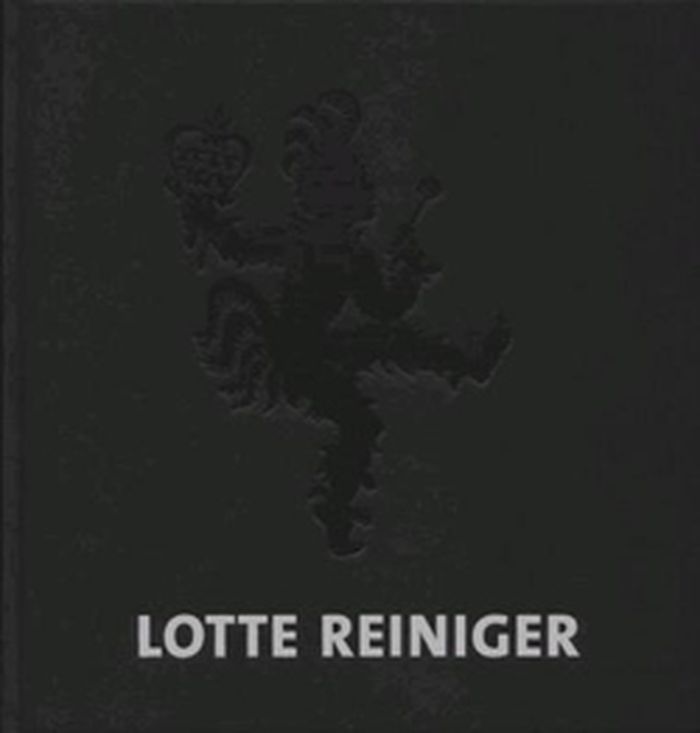
Lotte Reiniger: born with enchanting hands, three silhouette sequels
Actions:
Prix:
$35.00
(disponible sur commande)
Résumé:
Lotte Reiniger (1899–1981) is a much loved figure in the early history of animated film. At an early age Reiniger discovered the Chinese art of silhouette puppetry, and made her first silhouettes for a school performance. Growing up during the early years of cinema, she fell in love with the films of Georges Méliès and Paul Wegener, and found imaginative ways to adapt the craft of silhouette-making and shadow puppetry to the possibilities of animation. Reiniger elicited effects of motion from the inflexibility of silhouettes, and even introduced cultural quotations from the works of Charlie Chaplin or Josephine Baker into her magical films. This book reproduces three of her most beautiful silhouette series: versions of Mozart’s Magic Flute and The Marriage of Figaro, and an animal alphabet.
Lotte Reiniger: born with enchanting hands, three silhouette sequels
Actions:
Prix:
$35.00
(disponible sur commande)
Résumé:
Lotte Reiniger (1899–1981) is a much loved figure in the early history of animated film. At an early age Reiniger discovered the Chinese art of silhouette puppetry, and made her first silhouettes for a school performance. Growing up during the early years of cinema, she fell in love with the films of Georges Méliès and Paul Wegener, and found imaginative ways to adapt the craft of silhouette-making and shadow puppetry to the possibilities of animation. Reiniger elicited effects of motion from the inflexibility of silhouettes, and even introduced cultural quotations from the works of Charlie Chaplin or Josephine Baker into her magical films. This book reproduces three of her most beautiful silhouette series: versions of Mozart’s Magic Flute and The Marriage of Figaro, and an animal alphabet.
Classification:
livres
livres
Publication:
mars 2012
mars 2012
Classification:
livres
livres
Actions:
Prix:
$25.00
(disponible sur commande)
Résumé:
Perhaps the only postwar classical composer to invest avant-garde music with overt eroticism, Luc Ferrari (1929-2005) was one of France's leading composers of the twentieth century, relentlessly experimental while always preserving his keen sense of humor. Ferrari was a first-generation exponent of musique concrète, and made brilliant use of field recordings to develop(...)
$25.00
(disponible sur commande)
Résumé:
Perhaps the only postwar classical composer to invest avant-garde music with overt eroticism, Luc Ferrari (1929-2005) was one of France's leading composers of the twentieth century, relentlessly experimental while always preserving his keen sense of humor. Ferrari was a first-generation exponent of musique concrète, and made brilliant use of field recordings to develop(...)
Titre:
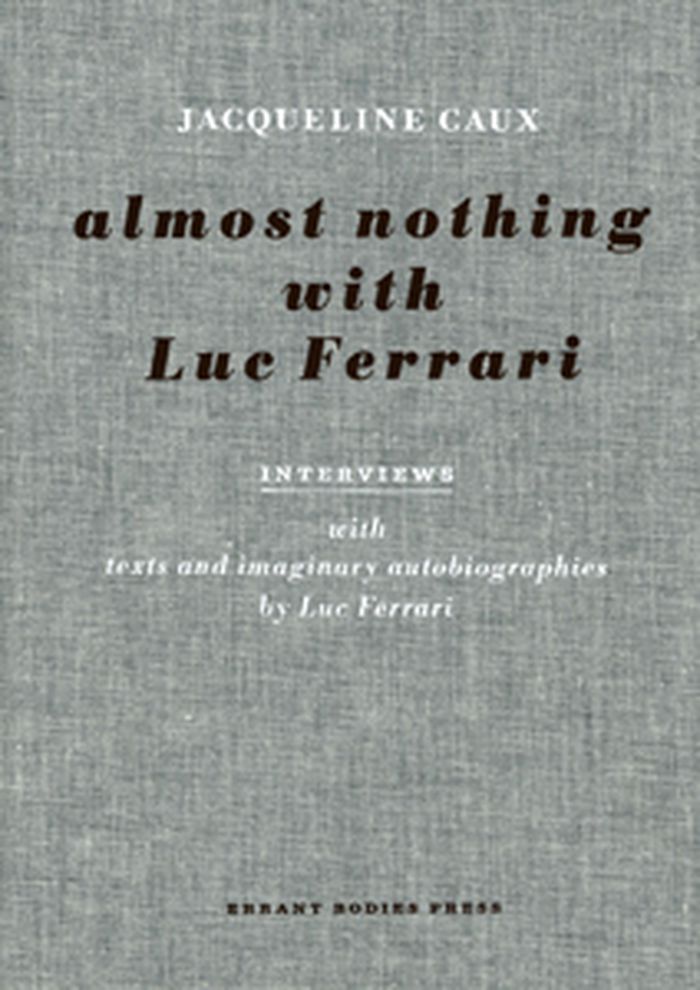
Almost nothing with Luc Ferrari
Actions:
Prix:
$25.00
(disponible sur commande)
Résumé:
Perhaps the only postwar classical composer to invest avant-garde music with overt eroticism, Luc Ferrari (1929-2005) was one of France's leading composers of the twentieth century, relentlessly experimental while always preserving his keen sense of humor. Ferrari was a first-generation exponent of musique concrète, and made brilliant use of field recordings to develop sensual, proto-ambient narrative that he termed "anecdotal music" or "cinema for the ear." Perhaps the most notorious instance of this approach was Danses Organiques (1973), for which Ferrari recorded the meeting and sexual encounter of two young women, cut with other ambient and music sound. In his final decades Ferrari was championed by David Grubbs (of Gastr del Sol), who brought his music to a postrock audience. Almost Nothing is the first publication on this composer. It alternates Jacqueline Caux's interviews with 14 "imaginary autobiographies" by the composer, offering a lively account of new music's most revolutionary era.
Almost nothing with Luc Ferrari
Actions:
Prix:
$25.00
(disponible sur commande)
Résumé:
Perhaps the only postwar classical composer to invest avant-garde music with overt eroticism, Luc Ferrari (1929-2005) was one of France's leading composers of the twentieth century, relentlessly experimental while always preserving his keen sense of humor. Ferrari was a first-generation exponent of musique concrète, and made brilliant use of field recordings to develop sensual, proto-ambient narrative that he termed "anecdotal music" or "cinema for the ear." Perhaps the most notorious instance of this approach was Danses Organiques (1973), for which Ferrari recorded the meeting and sexual encounter of two young women, cut with other ambient and music sound. In his final decades Ferrari was championed by David Grubbs (of Gastr del Sol), who brought his music to a postrock audience. Almost Nothing is the first publication on this composer. It alternates Jacqueline Caux's interviews with 14 "imaginary autobiographies" by the composer, offering a lively account of new music's most revolutionary era.
Classification:
livres
livres
Publication:
mars 2012
mars 2012
Sujet:
Acoustique
Acoustique
Classification:
livres
livres
Titre:
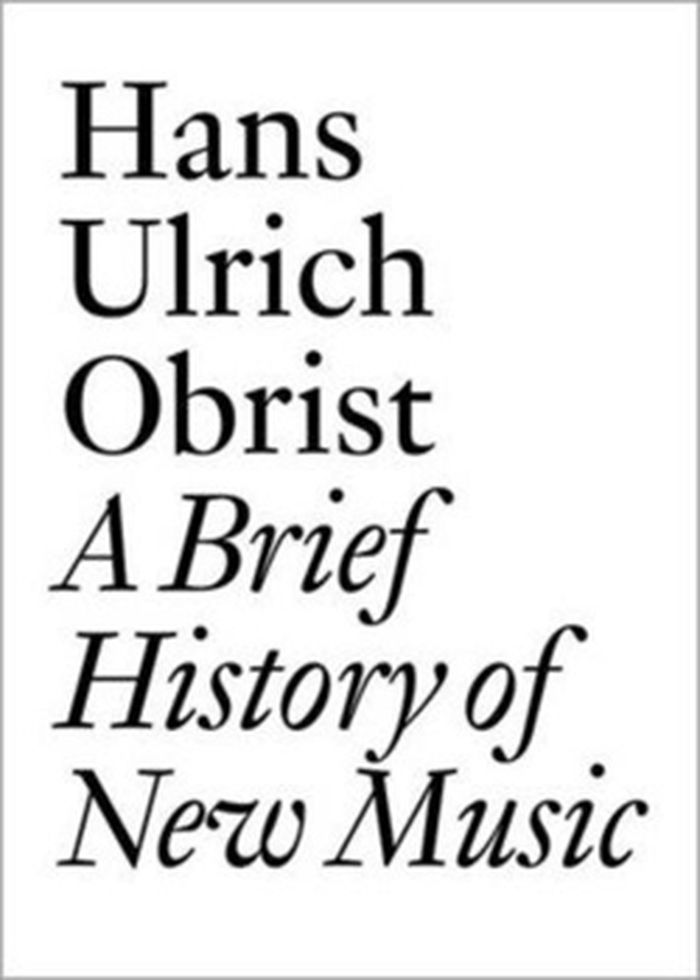
A brief history of new music
A brief history of new music
Actions:
Prix:
$29.95
(disponible sur commande)
Résumé:
Hans Ulrich Obrist’s interviews map the evolution of the new music in Europe and America across all of its genres, from musique concrète to the recent hybridizations between pop and avant-garde, as techniques from both realms cross-pollinate. A Brief History of New Music is an ideal introduction to the experimental and new classical music of the past half-century.
$29.95
(disponible sur commande)
Résumé:
Hans Ulrich Obrist’s interviews map the evolution of the new music in Europe and America across all of its genres, from musique concrète to the recent hybridizations between pop and avant-garde, as techniques from both realms cross-pollinate. A Brief History of New Music is an ideal introduction to the experimental and new classical music of the past half-century.
Titre:
A brief history of new music
Actions:
Prix:
$29.95
(disponible sur commande)
Résumé:
Hans Ulrich Obrist’s interviews map the evolution of the new music in Europe and America across all of its genres, from musique concrète to the recent hybridizations between pop and avant-garde, as techniques from both realms cross-pollinate. A Brief History of New Music is an ideal introduction to the experimental and new classical music of the past half-century.
A brief history of new music
Actions:
Prix:
$29.95
(disponible sur commande)
Résumé:
Hans Ulrich Obrist’s interviews map the evolution of the new music in Europe and America across all of its genres, from musique concrète to the recent hybridizations between pop and avant-garde, as techniques from both realms cross-pollinate. A Brief History of New Music is an ideal introduction to the experimental and new classical music of the past half-century.
Classification:
livres
livres
Publication:
juin 2012
juin 2012
Sujet:
Acoustique
Acoustique
Classification:
livres
livres
Prix:
$29.95
(disponible sur commande)
Résumé:
This first volume of JRP|Ringier’s complete John Baldessari writings project traces the genesis and development of the artist’s understanding of art in the early 1960s. More Than You Wanted to Know About John Baldessari presents Baldessari as storyteller, moralist, teacher and occasional gadfly, always concerned to accomplish what he describes as the central task of art(...)
$29.95
(disponible sur commande)
Résumé:
This first volume of JRP|Ringier’s complete John Baldessari writings project traces the genesis and development of the artist’s understanding of art in the early 1960s. More Than You Wanted to Know About John Baldessari presents Baldessari as storyteller, moralist, teacher and occasional gadfly, always concerned to accomplish what he describes as the central task of art(...)
Sujet:
Théorie de l’art
Théorie de l’art
Publication:
juin 2012
juin 2012
Titre:
More than you wanted to know about John Baldessari : Vol. 1
Actions:
Prix:
$29.95
(disponible sur commande)
Résumé:
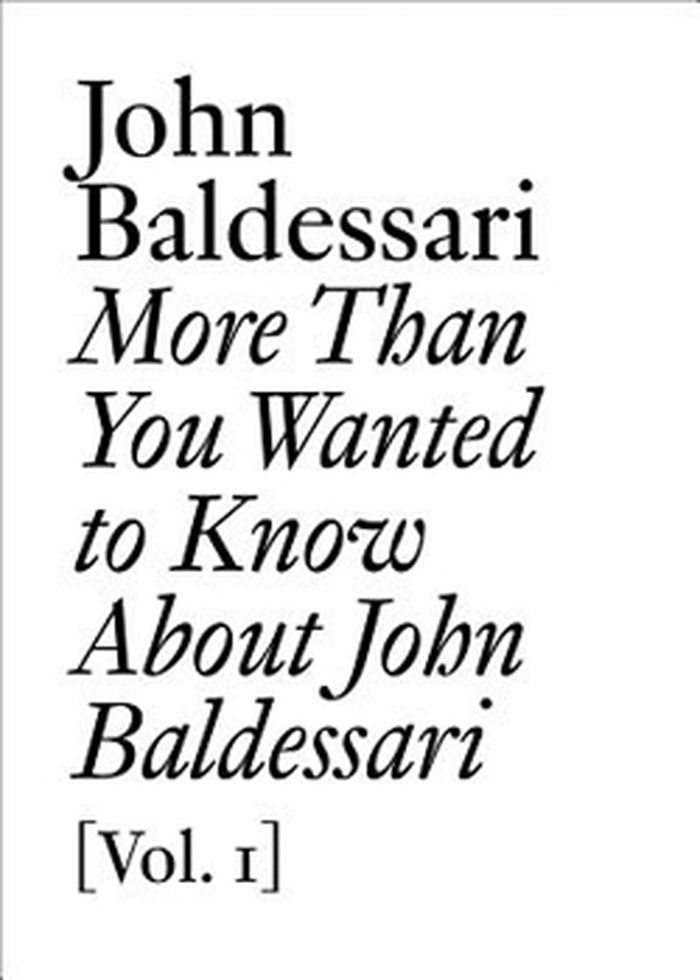
This first volume of JRP|Ringier’s complete John Baldessari writings project traces the genesis and development of the artist’s understanding of art in the early 1960s. More Than You Wanted to Know About John Baldessari presents Baldessari as storyteller, moralist, teacher and occasional gadfly, always concerned to accomplish what he describes as the central task of art making: to communicate in a way that people can understand. These writings address everything from matters of color in sculpture, to the dilemmas of art students in need of ideas, to the art world’s ever-conflicted relationship with money, while always returning to Baldessari’s love of language and his longstanding investigation into the tensions of word and image.
More than you wanted to know about John Baldessari : Vol. 1
Actions:
Prix:
$29.95
(disponible sur commande)
Résumé:
This first volume of JRP|Ringier’s complete John Baldessari writings project traces the genesis and development of the artist’s understanding of art in the early 1960s. More Than You Wanted to Know About John Baldessari presents Baldessari as storyteller, moralist, teacher and occasional gadfly, always concerned to accomplish what he describes as the central task of art making: to communicate in a way that people can understand. These writings address everything from matters of color in sculpture, to the dilemmas of art students in need of ideas, to the art world’s ever-conflicted relationship with money, while always returning to Baldessari’s love of language and his longstanding investigation into the tensions of word and image.
Classification:
livres
livres
Publication:
juin 2012
juin 2012
Sujet:
Théorie de l’art
Théorie de l’art
Classification:
livres
livres
Titre:
More Americain photographs
More Americain photographs
Actions:
Prix:
$28.00
(disponible sur commande)
Résumé:
In More American Photographs, 12 contemporary photographers were commissioned to travel the United States, documenting its land and people. These new works are presented alongside historical images by original FSA photographers such as Dorothea Lange in a catalogue whose design was inspired by Walker Evans’ seminal book American Photographs. Participating(...)
$28.00
(disponible sur commande)
Résumé:
In More American Photographs, 12 contemporary photographers were commissioned to travel the United States, documenting its land and people. These new works are presented alongside historical images by original FSA photographers such as Dorothea Lange in a catalogue whose design was inspired by Walker Evans’ seminal book American Photographs. Participating(...)
Titre:
More Americain photographs
Actions:
Prix:
$28.00
(disponible sur commande)
Résumé:
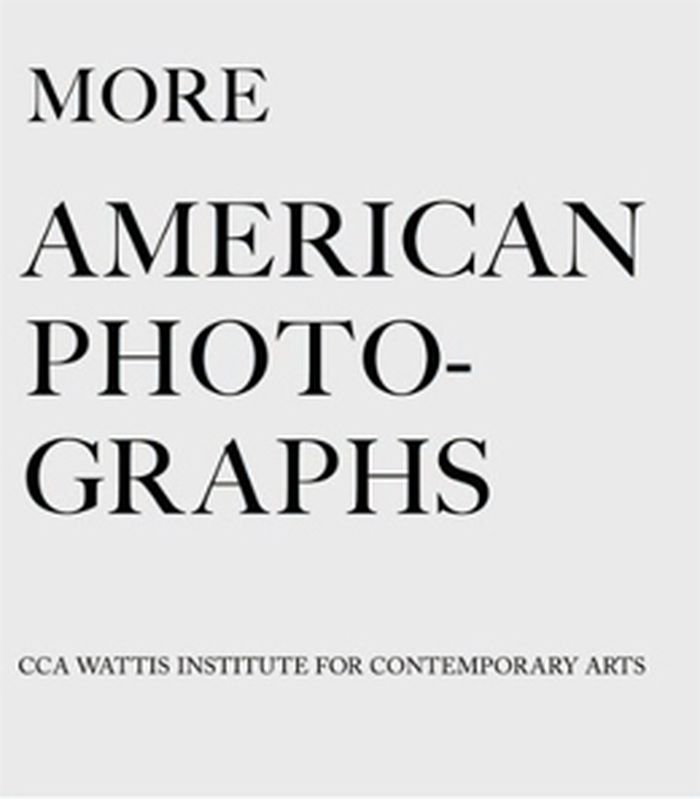
In More American Photographs, 12 contemporary photographers were commissioned to travel the United States, documenting its land and people. These new works are presented alongside historical images by original FSA photographers such as Dorothea Lange in a catalogue whose design was inspired by Walker Evans’ seminal book American Photographs. Participating photographers include Walead Beshty, Esther Bubley, Larry Clark, Roe Ethridge, Walker Evans, Katy Grannan, William E. Jones, Dorothea Lange, Russell Lee, Sharon Lockhart, Catherine Opie, Gordon Parks, Martha Rosler, Collier Schorr, Ben Shahn, Stephen Shore, Alec Soth, Hank Willis Thomas and Marion Post Wolcott.
More Americain photographs
Actions:
Prix:
$28.00
(disponible sur commande)
Résumé:
In More American Photographs, 12 contemporary photographers were commissioned to travel the United States, documenting its land and people. These new works are presented alongside historical images by original FSA photographers such as Dorothea Lange in a catalogue whose design was inspired by Walker Evans’ seminal book American Photographs. Participating photographers include Walead Beshty, Esther Bubley, Larry Clark, Roe Ethridge, Walker Evans, Katy Grannan, William E. Jones, Dorothea Lange, Russell Lee, Sharon Lockhart, Catherine Opie, Gordon Parks, Martha Rosler, Collier Schorr, Ben Shahn, Stephen Shore, Alec Soth, Hank Willis Thomas and Marion Post Wolcott.
Classification:
livres
livres
Publication:
mars 2012
mars 2012
Sujet:
Photographie- collections
Photographie- collections
Classification:
livres
livres
Titre:
Allan Kaprow: a bibliography
Allan Kaprow: a bibliography
Actions:
Prix:
$35.00
(disponible sur commande)
Résumé:
This study catalogues and illustrates all of the artist’s books that Allan Kaprow published to accompany his happenings, from his first artist’s book in 1962 to his final anthology projects of the 1990s: a total of 35 books published over 40 years. Although Kaprow was the acknowledged pioneer of the happening from the 1950s on, he is less often recognized as a pioneer in(...)
$35.00
(disponible sur commande)
Résumé:
This study catalogues and illustrates all of the artist’s books that Allan Kaprow published to accompany his happenings, from his first artist’s book in 1962 to his final anthology projects of the 1990s: a total of 35 books published over 40 years. Although Kaprow was the acknowledged pioneer of the happening from the 1950s on, he is less often recognized as a pioneer in(...)
Titre:
Allan Kaprow: a bibliography
Actions:
Prix:
$35.00
(disponible sur commande)
Résumé:
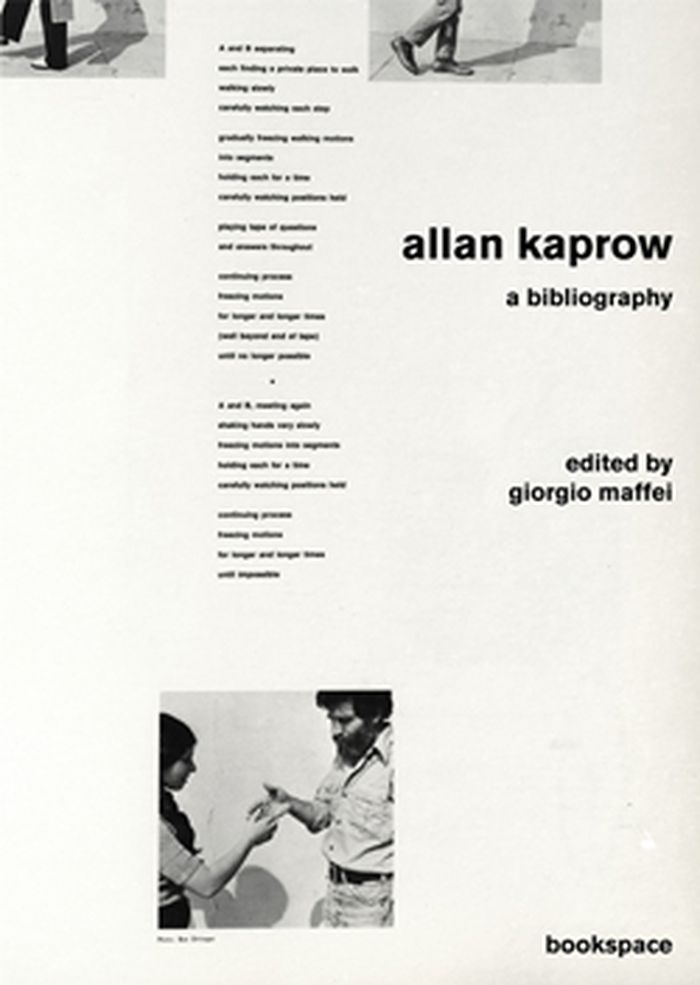
This study catalogues and illustrates all of the artist’s books that Allan Kaprow published to accompany his happenings, from his first artist’s book in 1962 to his final anthology projects of the 1990s: a total of 35 books published over 40 years. Although Kaprow was the acknowledged pioneer of the happening from the 1950s on, he is less often recognized as a pioneer in the genre of artist’s books. Nonetheless, from the start Kaprow produced what he described as “activity booklets”--publications intended to function as tools to help people understand and experience such performances. He likened these booklets to “musical scores”: vehicles of opportunity rather than documents of past events. But the graphic layout of his books, the originality of their structure, the literary character of their texts and their aesthetic quality as objects elevates them from ostensibly practical scores to primary examples of first-generation book art.
Allan Kaprow: a bibliography
Actions:
Prix:
$35.00
(disponible sur commande)
Résumé:
This study catalogues and illustrates all of the artist’s books that Allan Kaprow published to accompany his happenings, from his first artist’s book in 1962 to his final anthology projects of the 1990s: a total of 35 books published over 40 years. Although Kaprow was the acknowledged pioneer of the happening from the 1950s on, he is less often recognized as a pioneer in the genre of artist’s books. Nonetheless, from the start Kaprow produced what he described as “activity booklets”--publications intended to function as tools to help people understand and experience such performances. He likened these booklets to “musical scores”: vehicles of opportunity rather than documents of past events. But the graphic layout of his books, the originality of their structure, the literary character of their texts and their aesthetic quality as objects elevates them from ostensibly practical scores to primary examples of first-generation book art.
Classification:
livres
livres
Publication:
mars 2012
mars 2012
Classification:
livres
livres
Actions:
Prix:
$55.00
(disponible sur commande)
Résumé:
Louise Bourgeois' drawings for the La Fabrica Matador series of "Artist Portfolios," originally produced in 1999, are executed on music notation paper using red, blue and black ballpoint pens. In a short statement written for the portfolio, Bourgeois writes: "At first there is terrific tension. Then slowly line, shape, space and color, like notes on a score, begin to form a rhythm."
$55.00
(disponible sur commande)
Résumé:
Louise Bourgeois' drawings for the La Fabrica Matador series of "Artist Portfolios," originally produced in 1999, are executed on music notation paper using red, blue and black ballpoint pens. In a short statement written for the portfolio, Bourgeois writes: "At first there is terrific tension. Then slowly line, shape, space and color, like notes on a score, begin to form a rhythm."
Titre:
Louise Bourgeois : artists's portfolio
Actions:
Prix:
$55.00
(disponible sur commande)
Résumé:
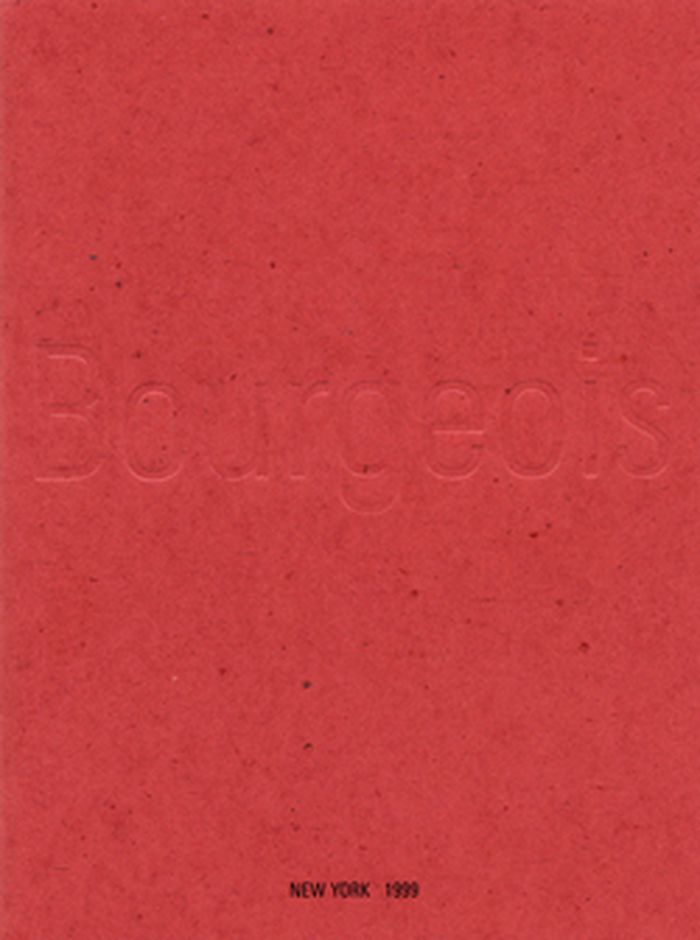
Louise Bourgeois' drawings for the La Fabrica Matador series of "Artist Portfolios," originally produced in 1999, are executed on music notation paper using red, blue and black ballpoint pens. In a short statement written for the portfolio, Bourgeois writes: "At first there is terrific tension. Then slowly line, shape, space and color, like notes on a score, begin to form a rhythm."
Louise Bourgeois : artists's portfolio
Actions:
Prix:
$55.00
(disponible sur commande)
Résumé:
Louise Bourgeois' drawings for the La Fabrica Matador series of "Artist Portfolios," originally produced in 1999, are executed on music notation paper using red, blue and black ballpoint pens. In a short statement written for the portfolio, Bourgeois writes: "At first there is terrific tension. Then slowly line, shape, space and color, like notes on a score, begin to form a rhythm."
Classification:
livres
livres
Publication:
mars 2012
mars 2012
Classification:
livres
livres
Titre:
Ostalgia
Ostalgia
Actions:
Prix:
$35.00
(disponible sur commande)
Résumé:
The word “ostalgie” emerged in Germany in the 1990s to describe a then-burgeoning nostalgia for the era prior to the collapse of the Communist Bloc and the breaking up of countries formerly united under Communist government. Ostalgia looks at the art produced in these countries--some of which did not even formally exist two decades ago--bringing together the work of more(...)
$35.00
(disponible sur commande)
Résumé:
The word “ostalgie” emerged in Germany in the 1990s to describe a then-burgeoning nostalgia for the era prior to the collapse of the Communist Bloc and the breaking up of countries formerly united under Communist government. Ostalgia looks at the art produced in these countries--some of which did not even formally exist two decades ago--bringing together the work of more(...)
Publication:
mars 2012
mars 2012
Titre:
Ostalgia
Actions:
Prix:
$35.00
(disponible sur commande)
Résumé:
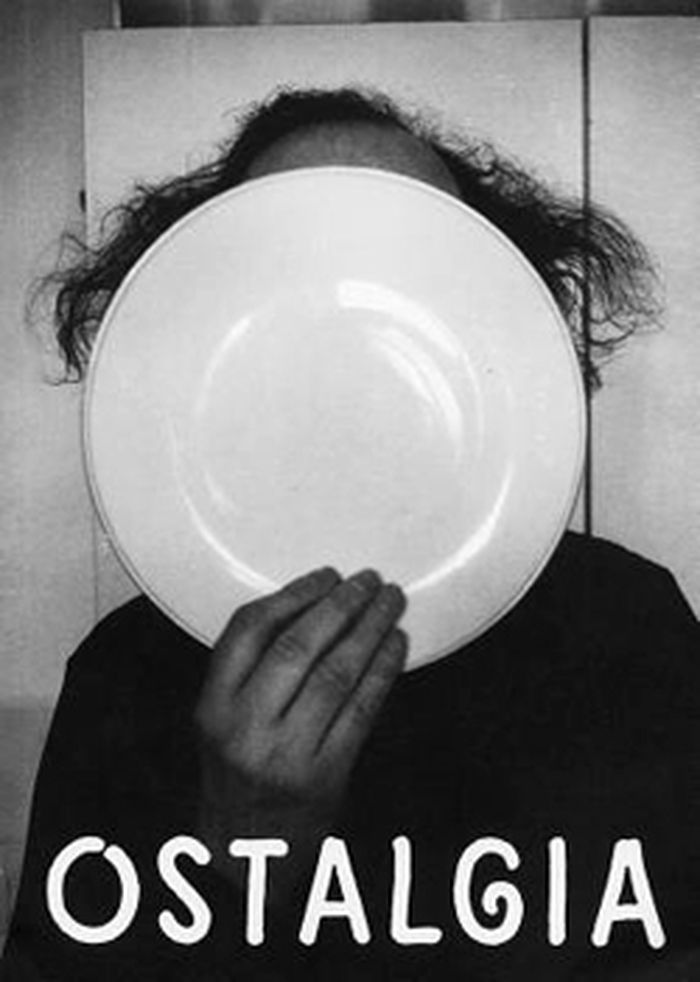
The word “ostalgie” emerged in Germany in the 1990s to describe a then-burgeoning nostalgia for the era prior to the collapse of the Communist Bloc and the breaking up of countries formerly united under Communist government. Ostalgia looks at the art produced in these countries--some of which did not even formally exist two decades ago--bringing together the work of more than 50 artists from 20 countries across Eastern Europe and the former Soviet Republics. Many of these works, by seminal figures and younger artists alike, offer a series of reportages on life and art under Communism and in the new post-Soviet countries. Eschewing a chronological perspective, this piblication instead establishes a series of dialogues between different generations and geographies, revealing local avant-garde practices and highlighting their international affinities. Among the artists included are Victor Alimpiev, Said Atabekov, Miroslav Balka, Irina Botea, Erik Bulatov, André Cadere, Stanislav Filko, Sanja Ivekovic, Jiri Kovanda, Edward Krasinski, Jonas Mekas, Boris Mikhailov, Paulina Olowska, Roman Ondák, Helga Paris, Dmitri Prigov, Anri Sala, Andro Wekua and Anna Zemánková.
Ostalgia
Actions:
Prix:
$35.00
(disponible sur commande)
Résumé:
The word “ostalgie” emerged in Germany in the 1990s to describe a then-burgeoning nostalgia for the era prior to the collapse of the Communist Bloc and the breaking up of countries formerly united under Communist government. Ostalgia looks at the art produced in these countries--some of which did not even formally exist two decades ago--bringing together the work of more than 50 artists from 20 countries across Eastern Europe and the former Soviet Republics. Many of these works, by seminal figures and younger artists alike, offer a series of reportages on life and art under Communism and in the new post-Soviet countries. Eschewing a chronological perspective, this piblication instead establishes a series of dialogues between different generations and geographies, revealing local avant-garde practices and highlighting their international affinities. Among the artists included are Victor Alimpiev, Said Atabekov, Miroslav Balka, Irina Botea, Erik Bulatov, André Cadere, Stanislav Filko, Sanja Ivekovic, Jiri Kovanda, Edward Krasinski, Jonas Mekas, Boris Mikhailov, Paulina Olowska, Roman Ondák, Helga Paris, Dmitri Prigov, Anri Sala, Andro Wekua and Anna Zemánková.
Classification:
livres
livres
Publication:
mars 2012
mars 2012
Classification:
livres
livres
Titre:
Lifelike
Lifelike
Actions:
Prix:
$40.00
(disponible sur commande)
Résumé:
Lifelike invites a close examination of art since the late 1960s based on commonplace objects and situations that are startlingly realistic, often playful and sometimes surreal--works that investigate the quieter side of the quotidian. While artists such as Vija Celmins, Rudolf Stingel and Paul Sietsema employ illusionistic painting and drawing, others’ use of materials(...)
$40.00
(disponible sur commande)
Résumé:
Lifelike invites a close examination of art since the late 1960s based on commonplace objects and situations that are startlingly realistic, often playful and sometimes surreal--works that investigate the quieter side of the quotidian. While artists such as Vija Celmins, Rudolf Stingel and Paul Sietsema employ illusionistic painting and drawing, others’ use of materials(...)
Titre:
Lifelike
Actions:
Prix:
$40.00
(disponible sur commande)
Résumé:
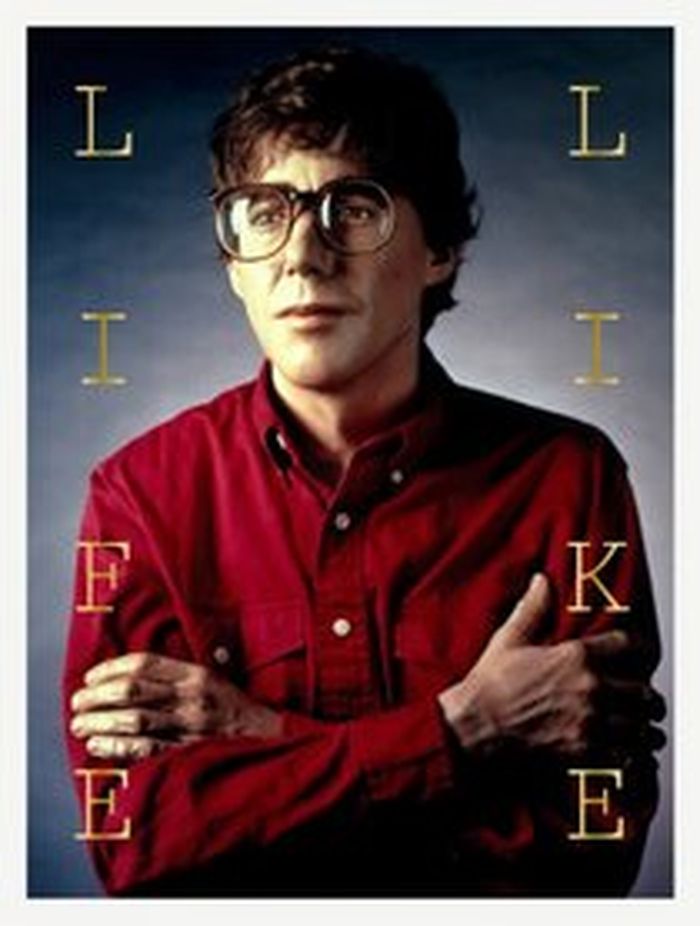
Lifelike invites a close examination of art since the late 1960s based on commonplace objects and situations that are startlingly realistic, often playful and sometimes surreal--works that investigate the quieter side of the quotidian. While artists such as Vija Celmins, Rudolf Stingel and Paul Sietsema employ illusionistic painting and drawing, others’ use of materials is surprising--Thomas Demand’s video of what appears to be a rainstorm is made from animated candy wrappers; Susan Collis’ sculpture of construction debris is fashioned from exotic hardwoods, mother of pearl and silver. What binds these artists together is their rejection of the easy route technology might offer in favor of labor-intensive fabrication. Featuring painting, sculpture, photography, drawing, video and installations by more than 40 artists, this publication is the first publication to address the recent history of artists using these strategies across media.
Lifelike
Actions:
Prix:
$40.00
(disponible sur commande)
Résumé:
Lifelike invites a close examination of art since the late 1960s based on commonplace objects and situations that are startlingly realistic, often playful and sometimes surreal--works that investigate the quieter side of the quotidian. While artists such as Vija Celmins, Rudolf Stingel and Paul Sietsema employ illusionistic painting and drawing, others’ use of materials is surprising--Thomas Demand’s video of what appears to be a rainstorm is made from animated candy wrappers; Susan Collis’ sculpture of construction debris is fashioned from exotic hardwoods, mother of pearl and silver. What binds these artists together is their rejection of the easy route technology might offer in favor of labor-intensive fabrication. Featuring painting, sculpture, photography, drawing, video and installations by more than 40 artists, this publication is the first publication to address the recent history of artists using these strategies across media.
Classification:
livres
livres
Publication:
avril 2012
avril 2012


