


735 Résultats
Classification:
livres
livres
Actions:
Prix:
$80.00
(disponible sur commande)
Résumé:
In twelve essays, this book examines the spatial typologies and global phenomena that have defined the office in the last half century. Topics include the return of the work club, the rise of the corporate festival, the way of the charismatic guru, the shattering of the time clock, and the design of playgrounds for work. Photographic essays by Iwan Baan provide a visual(...)
$80.00
(disponible sur commande)
Résumé:
In twelve essays, this book examines the spatial typologies and global phenomena that have defined the office in the last half century. Topics include the return of the work club, the rise of the corporate festival, the way of the charismatic guru, the shattering of the time clock, and the design of playgrounds for work. Photographic essays by Iwan Baan provide a visual(...)
Publication:
octobre 2022
octobre 2022
Titre:
The office of good intentions. Human(s) Work
Actions:
Prix:
$80.00
(disponible sur commande)
Résumé:
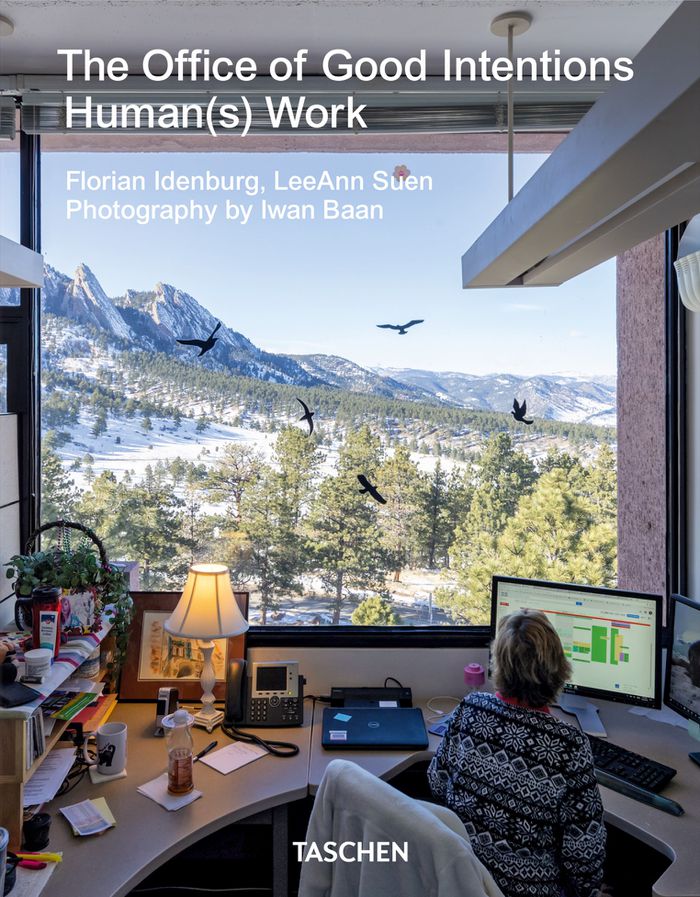
In twelve essays, this book examines the spatial typologies and global phenomena that have defined the office in the last half century. Topics include the return of the work club, the rise of the corporate festival, the way of the charismatic guru, the shattering of the time clock, and the design of playgrounds for work. Photographic essays by Iwan Baan provide a visual post-occupancy report on a range of canonical office projects, such as Marcel Breuer’s IBM campus in Florida and the Ford Foundation’s urban garden in Manhattan. Four intervening catalogs offer collections of experimental workplace products, augural advertisements for office building components, digital office components, and renderings of speculative workplaces; each catalog bridges the reality of the office and how we imagine its alternatives. This book is a theoretical backdrop for architects as much as it is for businesspeople and employees. With curiosity and skepticism, it looks at the spaces and solutions that have been designed for human work, tracing the transformation from work to occupation, from punch cards to “playbor,” from today’s lived experience to tomorrow’s unpredictable, imagined futures.
The office of good intentions. Human(s) Work
Actions:
Prix:
$80.00
(disponible sur commande)
Résumé:
In twelve essays, this book examines the spatial typologies and global phenomena that have defined the office in the last half century. Topics include the return of the work club, the rise of the corporate festival, the way of the charismatic guru, the shattering of the time clock, and the design of playgrounds for work. Photographic essays by Iwan Baan provide a visual post-occupancy report on a range of canonical office projects, such as Marcel Breuer’s IBM campus in Florida and the Ford Foundation’s urban garden in Manhattan. Four intervening catalogs offer collections of experimental workplace products, augural advertisements for office building components, digital office components, and renderings of speculative workplaces; each catalog bridges the reality of the office and how we imagine its alternatives. This book is a theoretical backdrop for architects as much as it is for businesspeople and employees. With curiosity and skepticism, it looks at the spaces and solutions that have been designed for human work, tracing the transformation from work to occupation, from punch cards to “playbor,” from today’s lived experience to tomorrow’s unpredictable, imagined futures.
Classification:
livres
livres
Publication:
octobre 2022
octobre 2022
Classification:
livres
livres
Titre:
The Playground Project
The Playground Project
Actions:
Prix:
$67.50
(disponible sur commande)
Résumé:
Until sometime in the 1980s, playgrounds were places for social experiments, risky projects and spectacular sculptures. Architects, urban planners, artists, parents and children were invited to leave their comfort zones and to venture something new in the design and use of playgrounds. The Playground Project explores these exemplary initiatives, pioneering acts and(...)
$67.50
(disponible sur commande)
Résumé:
Until sometime in the 1980s, playgrounds were places for social experiments, risky projects and spectacular sculptures. Architects, urban planners, artists, parents and children were invited to leave their comfort zones and to venture something new in the design and use of playgrounds. The Playground Project explores these exemplary initiatives, pioneering acts and(...)
Titre:
The Playground Project
Actions:
Prix:
$67.50
(disponible sur commande)
Résumé:
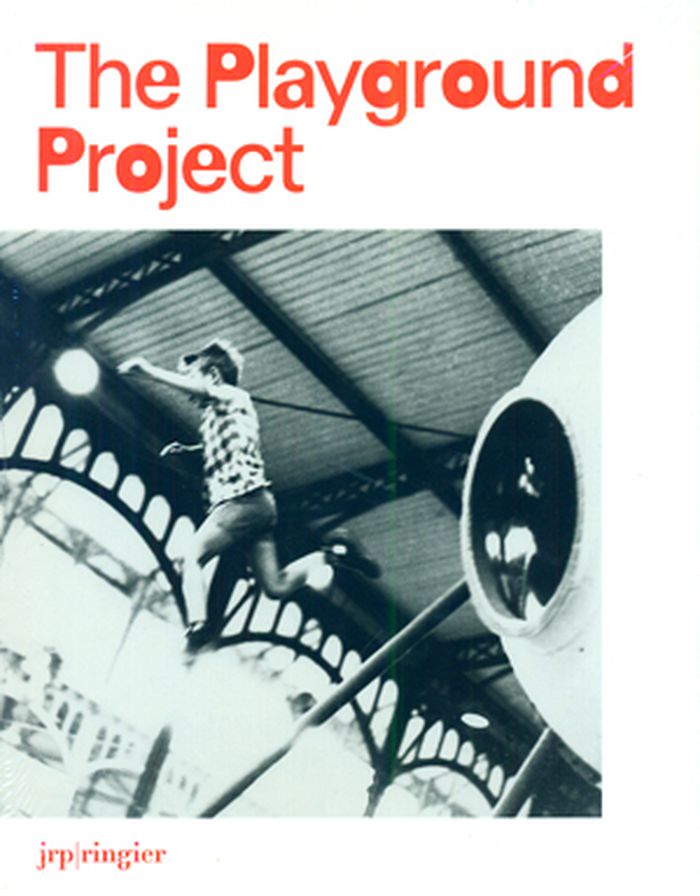
Until sometime in the 1980s, playgrounds were places for social experiments, risky projects and spectacular sculptures. Architects, urban planners, artists, parents and children were invited to leave their comfort zones and to venture something new in the design and use of playgrounds. The Playground Project explores these exemplary initiatives, pioneering acts and adventures in designing modern childhood. Examples from Europe, the US, Japan and India are discussed in depth and illustrated with numerous images. Truly a comprehensive overview, this volume includes works by artists, architects and landscape architects such as Marjory Allen, Joseph Brown, Riccardo Dalisi, Richard Dattner, Aldo van Eyck, M. Paul Friedberg, Group Ludic (Xavier de la Salle, Simon Koszel, David Roditi), Alfred Ledermann and Alfred Trachsel, Palle Nielsen, Egon Møller-Nielsen, Isamu Noguchi, Joseph Schagerl, Mitsuru Senda and Carl Theodor Sørensen. Swiss political scientist and urban planner Gabriela Burkhalter contributes an introduction, and essays by Xavier de la Salle, Sreejata Roy and Vincent Romagny investigate the stakes of the architectural and artistic experiments surveyed. The first comprehensive overview of this kind, The Playground Project addresses laymen as well as experts who want to do more on the playground than just seesaw and swing.
The Playground Project
Actions:
Prix:
$67.50
(disponible sur commande)
Résumé:
Until sometime in the 1980s, playgrounds were places for social experiments, risky projects and spectacular sculptures. Architects, urban planners, artists, parents and children were invited to leave their comfort zones and to venture something new in the design and use of playgrounds. The Playground Project explores these exemplary initiatives, pioneering acts and adventures in designing modern childhood. Examples from Europe, the US, Japan and India are discussed in depth and illustrated with numerous images. Truly a comprehensive overview, this volume includes works by artists, architects and landscape architects such as Marjory Allen, Joseph Brown, Riccardo Dalisi, Richard Dattner, Aldo van Eyck, M. Paul Friedberg, Group Ludic (Xavier de la Salle, Simon Koszel, David Roditi), Alfred Ledermann and Alfred Trachsel, Palle Nielsen, Egon Møller-Nielsen, Isamu Noguchi, Joseph Schagerl, Mitsuru Senda and Carl Theodor Sørensen. Swiss political scientist and urban planner Gabriela Burkhalter contributes an introduction, and essays by Xavier de la Salle, Sreejata Roy and Vincent Romagny investigate the stakes of the architectural and artistic experiments surveyed. The first comprehensive overview of this kind, The Playground Project addresses laymen as well as experts who want to do more on the playground than just seesaw and swing.
Classification:
livres
livres
Publication:
mai 2016
mai 2016
Classification:
livres
livres
Titre:
Buildings that feel good
Buildings that feel good
Actions:
Prix:
$53.95
(disponible sur commande)
Résumé:
What makes a building good? This central challenge facing architects and clients can only be answered by looking at what works well for those who know the buildings most intimately – the building's users. This book includes case studies of recent buildings that feel good. It is rooted in the physical but mediated by human experience, and may only be judged after the(...)
$53.95
(disponible sur commande)
Résumé:
What makes a building good? This central challenge facing architects and clients can only be answered by looking at what works well for those who know the buildings most intimately – the building's users. This book includes case studies of recent buildings that feel good. It is rooted in the physical but mediated by human experience, and may only be judged after the(...)
Publication:
octobre 2008
octobre 2008
Titre:
Buildings that feel good
Actions:
Prix:
$53.95
(disponible sur commande)
Résumé:
What makes a building good? This central challenge facing architects and clients can only be answered by looking at what works well for those who know the buildings most intimately – the building's users. This book includes case studies of recent buildings that feel good. It is rooted in the physical but mediated by human experience, and may only be judged after the building has been ‘lived in' and stood the test of time. The trick is to identify the relevant characteristics that will inform new buildings before they are built. Written by a briefing and design evaluation expert who specialises in optimising the experience of building users, Buildings that Feel Good distils a set of hard-won lessons synthesised from years of empirical research. It argues that a powerful key to designing good buildings is to decipher consistent principles from users' positive experience of existing buildings. The case studies include many recent highly-rated projects that cover a wide range of building types – offices, retail, industrial, infrastructure, sport and education. The lessons extracted are universal and provide valuable generic insights into the critically important briefing process.
Buildings that feel good
Actions:
Prix:
$53.95
(disponible sur commande)
Résumé:
What makes a building good? This central challenge facing architects and clients can only be answered by looking at what works well for those who know the buildings most intimately – the building's users. This book includes case studies of recent buildings that feel good. It is rooted in the physical but mediated by human experience, and may only be judged after the building has been ‘lived in' and stood the test of time. The trick is to identify the relevant characteristics that will inform new buildings before they are built. Written by a briefing and design evaluation expert who specialises in optimising the experience of building users, Buildings that Feel Good distils a set of hard-won lessons synthesised from years of empirical research. It argues that a powerful key to designing good buildings is to decipher consistent principles from users' positive experience of existing buildings. The case studies include many recent highly-rated projects that cover a wide range of building types – offices, retail, industrial, infrastructure, sport and education. The lessons extracted are universal and provide valuable generic insights into the critically important briefing process.
Classification:
livres
livres
Publication:
octobre 2008
octobre 2008
Classification:
livres
livres
Actions:
Prix:
$89.95
(disponible sur commande)
Résumé:
Hip Lounging Japon, Bars et Clubs au Japon, présente des concepts avant-gardistes de salons branchés au Japon. Avec la popularité croissante des bars, des salons, salons de thé et cafés dans le monde entier, il existe une demande considérable de nouvelles inspirations visuelles pour cette culture récemment découverte. Toujours au premier rang de la conception, les(...)
$89.95
(disponible sur commande)
Résumé:
Hip Lounging Japon, Bars et Clubs au Japon, présente des concepts avant-gardistes de salons branchés au Japon. Avec la popularité croissante des bars, des salons, salons de thé et cafés dans le monde entier, il existe une demande considérable de nouvelles inspirations visuelles pour cette culture récemment découverte. Toujours au premier rang de la conception, les(...)
Publication:
janvier 1900, Signapore
janvier 1900, Signapore
Titre:
Bars et clubs au Japon: hip lounging Japan
Actions:
Prix:
$89.95
(disponible sur commande)
Résumé:
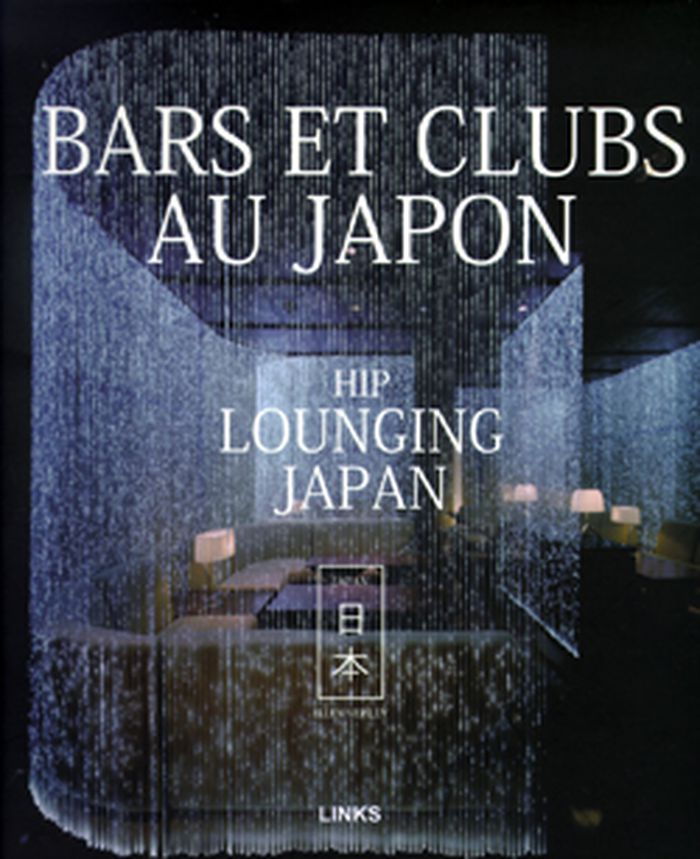
Hip Lounging Japon, Bars et Clubs au Japon, présente des concepts avant-gardistes de salons branchés au Japon. Avec la popularité croissante des bars, des salons, salons de thé et cafés dans le monde entier, il existe une demande considérable de nouvelles inspirations visuelles pour cette culture récemment découverte. Toujours au premier rang de la conception, les designers japonais ont réussi à satisfaire aussi bien la clientèle discrète que la clientèle sophistiquée avec leur maitrise de l'éclairage et leurs aménagements s'inspirant de thèmes sensuels tout comme du drame empirique. Les projets sélectionnés dans cet ouvrage font partie des concepts actuels les plus innovants. En recréant des intérieurs extraordinaires et uniques sur la scène du salon japonais, les bars, les salons, les cafés et les salons de thé décrivent une expérience " lounging " visuellement psychédélique au style flamboyant. Puisant son inspiration au plus profond du modèle rural japonais, comme des auberges ou des Ryokans, les créations japonaises contemporaines sont aussi influencées par les tendances interculturelles et frappent fort pour redéfinir l'avant garde japonaise, avec une perspective qui tranche avec la production internationale tout en participant à la fois à son essor. Source d'inspiration pour la recherche d'un design dernier cri ou ouvrage de référence pour un futur propriétaire de bar, Hip lounging Japon propose une expérience visuelle très puissante. Imprimé en couleur, ce livre rassemble les aménagements intérieurs visuellement renversants des toutes dernières conceptions de la scène japonaise, accompagnés d'images d'inspiration et des descriptifs de chaque projet.
Bars et clubs au Japon: hip lounging Japan
Actions:
Prix:
$89.95
(disponible sur commande)
Résumé:
Hip Lounging Japon, Bars et Clubs au Japon, présente des concepts avant-gardistes de salons branchés au Japon. Avec la popularité croissante des bars, des salons, salons de thé et cafés dans le monde entier, il existe une demande considérable de nouvelles inspirations visuelles pour cette culture récemment découverte. Toujours au premier rang de la conception, les designers japonais ont réussi à satisfaire aussi bien la clientèle discrète que la clientèle sophistiquée avec leur maitrise de l'éclairage et leurs aménagements s'inspirant de thèmes sensuels tout comme du drame empirique. Les projets sélectionnés dans cet ouvrage font partie des concepts actuels les plus innovants. En recréant des intérieurs extraordinaires et uniques sur la scène du salon japonais, les bars, les salons, les cafés et les salons de thé décrivent une expérience " lounging " visuellement psychédélique au style flamboyant. Puisant son inspiration au plus profond du modèle rural japonais, comme des auberges ou des Ryokans, les créations japonaises contemporaines sont aussi influencées par les tendances interculturelles et frappent fort pour redéfinir l'avant garde japonaise, avec une perspective qui tranche avec la production internationale tout en participant à la fois à son essor. Source d'inspiration pour la recherche d'un design dernier cri ou ouvrage de référence pour un futur propriétaire de bar, Hip lounging Japon propose une expérience visuelle très puissante. Imprimé en couleur, ce livre rassemble les aménagements intérieurs visuellement renversants des toutes dernières conceptions de la scène japonaise, accompagnés d'images d'inspiration et des descriptifs de chaque projet.
Classification:
livres
livres
Publication:
janvier 1900, Signapore
janvier 1900, Signapore
Classification:
livres
livres
Actions:
Prix:
$32.95
(disponible sur commande)
Résumé:
Bay by the turn of the century. But in 1912, backed by some of the country’s leading financiers and industrialists, MIT officials purchased an undeveloped tract of land in Cambridge, launching a long and complex review of proposals for a new quadrangle. Based largely on the recommendation of John D. Rockefeller Jr., the commission was awarded to MIT and the École des(...)
$32.95
(disponible sur commande)
Résumé:
Bay by the turn of the century. But in 1912, backed by some of the country’s leading financiers and industrialists, MIT officials purchased an undeveloped tract of land in Cambridge, launching a long and complex review of proposals for a new quadrangle. Based largely on the recommendation of John D. Rockefeller Jr., the commission was awarded to MIT and the École des(...)
Titre:
Designing MIT: Bosworth's new tech
Actions:
Prix:
$32.95
(disponible sur commande)
Résumé:
Bay by the turn of the century. But in 1912, backed by some of the country’s leading financiers and industrialists, MIT officials purchased an undeveloped tract of land in Cambridge, launching a long and complex review of proposals for a new quadrangle. Based largely on the recommendation of John D. Rockefeller Jr., the commission was awarded to MIT and the École des Beaux-Arts-trained architect William Welles Bosworth, known for his AT Building in Manhattan, and Kykuit, the Rockefeller mansion in Tarrytown, New York. Designing MIT is the first book to detail Bosworth’s challenges in the planning and construction of the Institute’s unique Cambridge campus. Beginning with an examination of the competing project proposals—from Steven Child, an emerging landscape designer and student of Frederick Law Olmstead; Desiré Despradelle, Chairman of the Department of Architecture at MIT and a leading Beaux-Arts stylist; Ralph Adams Cram, noted for his gothic West Point campus; and John Freeman, one of the country’s leading civil engineers—Mark M. Jarzombek provides a captivating cross-section of the architectural debates of the time. Though Bosworth’s considerable social and political finesse enabled him to land the commission and balance varied competing interests, he found his classically oriented vision challenged by engineer John Freeman, proponent of Frederick W. Taylor’s new principle of Scientific Management. However strained, the conflict ultimately resulted in a far more innovative design than either individual approach, employing new European concepts of industrialism, efficiency, and aesthetics in academic structures.
Designing MIT: Bosworth's new tech
Actions:
Prix:
$32.95
(disponible sur commande)
Résumé:
Bay by the turn of the century. But in 1912, backed by some of the country’s leading financiers and industrialists, MIT officials purchased an undeveloped tract of land in Cambridge, launching a long and complex review of proposals for a new quadrangle. Based largely on the recommendation of John D. Rockefeller Jr., the commission was awarded to MIT and the École des Beaux-Arts-trained architect William Welles Bosworth, known for his AT Building in Manhattan, and Kykuit, the Rockefeller mansion in Tarrytown, New York. Designing MIT is the first book to detail Bosworth’s challenges in the planning and construction of the Institute’s unique Cambridge campus. Beginning with an examination of the competing project proposals—from Steven Child, an emerging landscape designer and student of Frederick Law Olmstead; Desiré Despradelle, Chairman of the Department of Architecture at MIT and a leading Beaux-Arts stylist; Ralph Adams Cram, noted for his gothic West Point campus; and John Freeman, one of the country’s leading civil engineers—Mark M. Jarzombek provides a captivating cross-section of the architectural debates of the time. Though Bosworth’s considerable social and political finesse enabled him to land the commission and balance varied competing interests, he found his classically oriented vision challenged by engineer John Freeman, proponent of Frederick W. Taylor’s new principle of Scientific Management. However strained, the conflict ultimately resulted in a far more innovative design than either individual approach, employing new European concepts of industrialism, efficiency, and aesthetics in academic structures.
Classification:
livres
livres
Publication:
novembre 2004
novembre 2004


