


805 Résultats
Classification:
livres
livres
Actions:
Prix:
$44.50
(disponible sur commande)
Résumé:
This compendium of essays and projects presents a confrontation of radically dissimilar projects which underscores the exploration of architectural empowerment at the core of the office’s work. Four themes are presented in four volumes: Cultural Resistance, Occupying Earth, Public Prerogatives, and Territory and Transgressions. Architects build in and for a system that(...)
Titre:
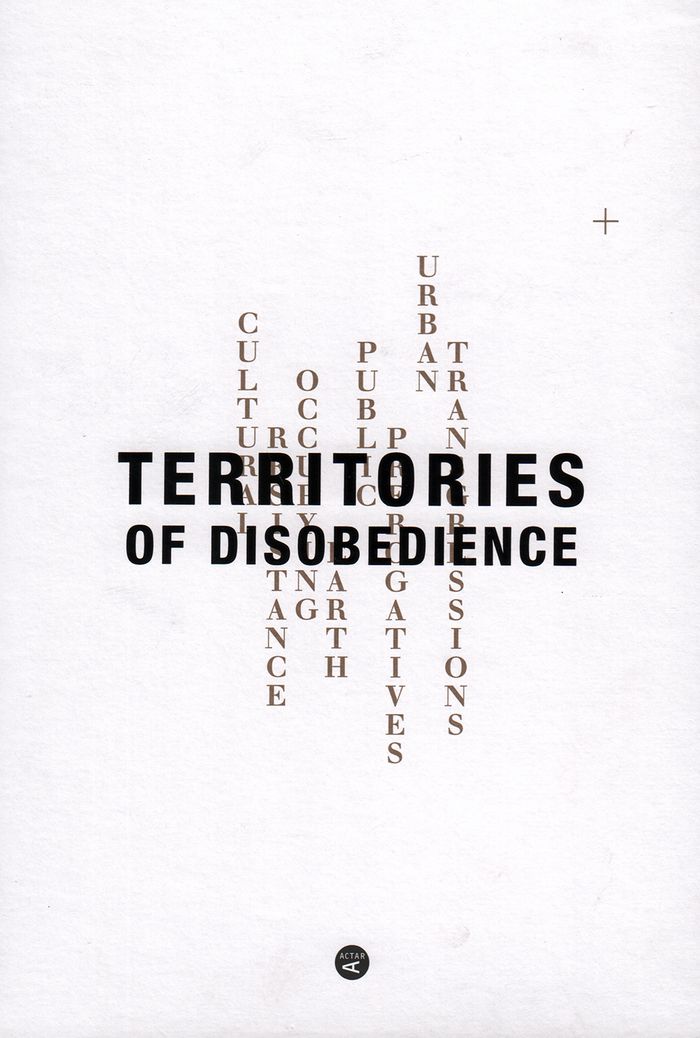
Oualalou +Choi: Territories of disobedience
Actions:
Prix:
$44.50
(disponible sur commande)
Résumé:
This compendium of essays and projects presents a confrontation of radically dissimilar projects which underscores the exploration of architectural empowerment at the core of the office’s work. Four themes are presented in four volumes: Cultural Resistance, Occupying Earth, Public Prerogatives, and Territory and Transgressions. Architects build in and for a system that is not only pathological, but toxic. It is ruining the only planet we have, and we are clearly at the end of what is still possible within this ecology. The architecture presented in this book is a form of resistance – one which actively engages in the societies and territories it is inscribed in and which presents an antidote to the accelerating banalization of our everyday environments. The search for singularity is not a search for formal distinction or a fetishism of the architectural object, but instead the desire to inscribe oneself into a unique territory and moment in time.
Classification:
livres
livres
Publication:
juillet 2017
juillet 2017
Sujet:
Architecture, monographies
Architecture, monographies
Classification:
livres
livres
Actions:
Prix:
$45.95
(disponible en magasin)
Résumé:
Is there an enduring bond between philosophical thought and the earth, or is philosophy’s task to escape the planetary horizon? And what is the connection between the empirical earth, the contingent material support of human thinking, and the abstract ‘world’ that is the condition for a ‘whole’ of thought? Real and imaginary geographies and cartographies have played a(...)
Publication:
décembre 2012
décembre 2012
Titre:
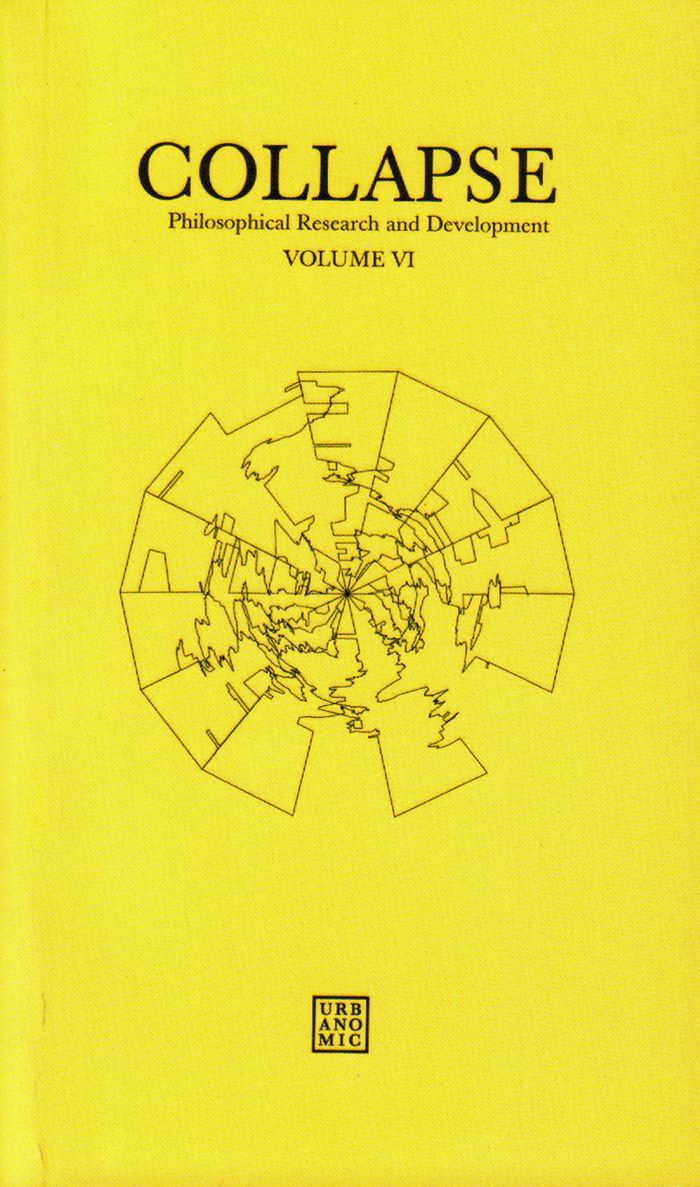
Collapse: philosophical research and development,: geo/philosophy, volume VI
Actions:
Prix:
$45.95
(disponible en magasin)
Résumé:
Is there an enduring bond between philosophical thought and the earth, or is philosophy’s task to escape the planetary horizon? And what is the connection between the empirical earth, the contingent material support of human thinking, and the abstract ‘world’ that is the condition for a ‘whole’ of thought? Real and imaginary geographies and cartographies have played a dual role in philosophy, serving both as governing metaphor and as ultimate grounding for philosophical thought; but urgent contemporary concerns introduce new problems for geophilosophy: planetary political, technological, military, and financial mutations have scrambled territorial formations, and scientific predictions now present us with the apocalyptic scenario of a planet without human thought. Collapse VI brings together philosophers, theorists, eco-critics, leading scientific experts in climate change, and artists whose work interrogates the link between philosophical thought, geography and cartography, in order to create a portrait of the present state of ‘planetary thought’.
Classification:
livres
livres
Publication:
décembre 2012
décembre 2012
Classification:
livres
livres
Actions:
Prix:
$21.48
(disponible sur commande)
Résumé:
This issue of Harvard Design Magazine investigates and unpacks the contents, containers, and systems of storage that organize our world. Storage is the aggregation and containment of the material and immaterial stuff of culture; but also the safeguarding—or hoarding—of energy and tools for some imagined future purpose. How does all this stuff mask or overcompensate for(...)
Titre:
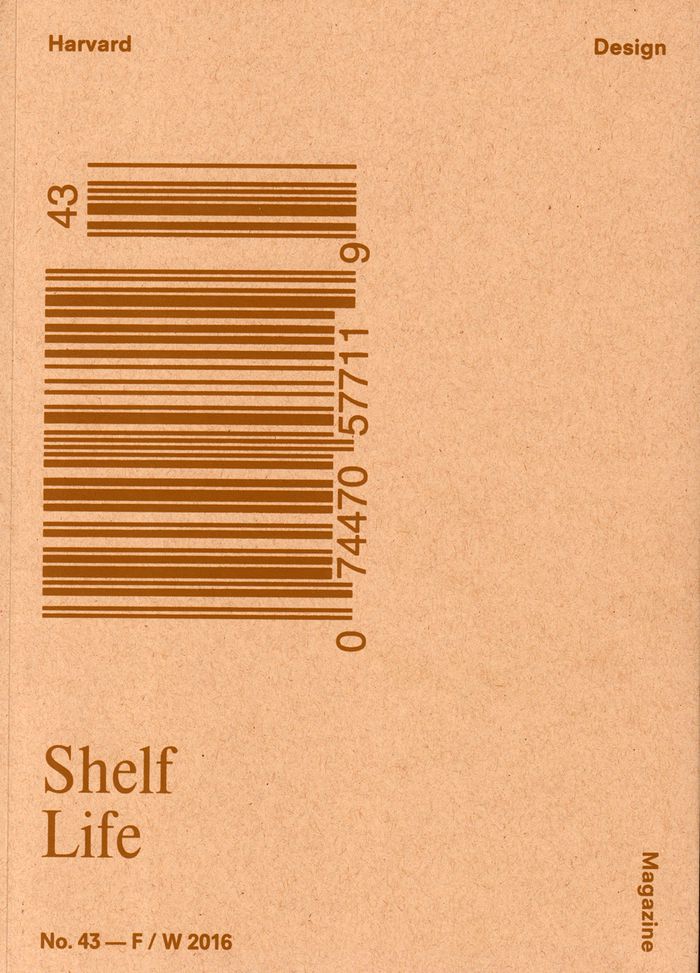
Harvard Design magazine 43: shelf life
Actions:
Prix:
$21.48
(disponible sur commande)
Résumé:
This issue of Harvard Design Magazine investigates and unpacks the contents, containers, and systems of storage that organize our world. Storage is the aggregation and containment of the material and immaterial stuff of culture; but also the safeguarding—or hoarding—of energy and tools for some imagined future purpose. How does all this stuff mask or overcompensate for economic and ecological bankruptcy? Is storage about greed or need? Storage, perhaps, is everything we can live without but insist on living with. "Shelf Life" explores what’s inside the box (shed, tank, urn, vault, crypt, crate, case, pot, bag, vat, morgue, safe, bin, archive, warehouse, cabinet, cellar, cemetery, depository, locker, freezer, landfill, library). Even as we attempt to reduce and recycle, the stuff that we dispose of also needs to be stored. Where do we put it? Our planet is now a saturated receptacle. This warehouse is full, and we’re all inside it.
Classification:
livres
livres
Publication:
janvier 2017
janvier 2017
Sujet:
Revues
Revues
Classification:
livres
livres
Actions:
Prix:
$24.95
(disponible sur commande)
Résumé:
Blending pop culture iconography with the existential threat of technological creations turning on their creators, "Emotional robots" is a compulsively readable graphic novella set in an all-too presciently depicted world in which advanced robots successfully compete with humans—in sports, music, and art—in pursuit of emotional intelligence. Displaced by the robots'(...)
Titre:
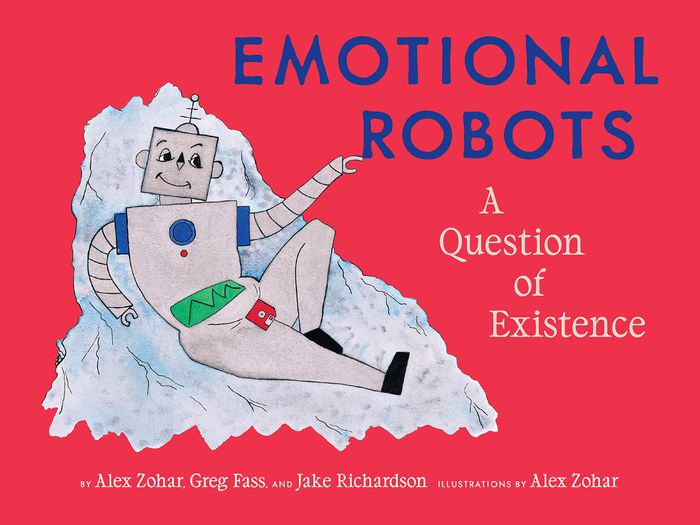
Emotional robots: a question of existence
Actions:
Prix:
$24.95
(disponible sur commande)
Résumé:
Blending pop culture iconography with the existential threat of technological creations turning on their creators, "Emotional robots" is a compulsively readable graphic novella set in an all-too presciently depicted world in which advanced robots successfully compete with humans—in sports, music, and art—in pursuit of emotional intelligence. Displaced by the robots' technological triumph, humans abandon Earth in search of a new planet to call home. But what happens to the robots when newer, faster, smarter, better robots replace them? What happens when civil unrest grows between robot generations? An astute take on the human condition and the illusory promises of technology, "Emotional robots" is captivating fable for the modern age. With keen wit and dark humor, it artfully tackles universal themes urgently relevant to our time, asking readers the question faced by each new generation of humans (and robots): Is history condemned to repeat itself?
Classification:
livres
livres
Publication:
mai 2021
mai 2021
Sujet:
Illustration
Illustration
Classification:
livres
livres
Actions:
Prix:
$28.00
(disponible sur commande)
Résumé:
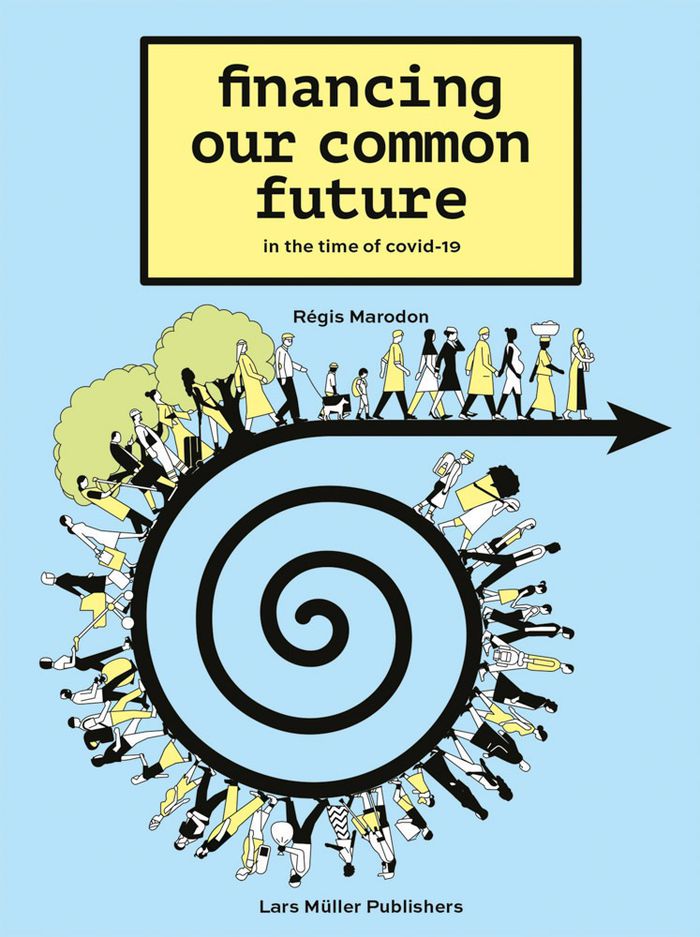
Daily bad news about climate change, shrinking resources, global health crises, species extinction and growing inequalities cause tremendous anxiety and insecurity, especially since the COVID pandemic. The ambition of this book is to explain in simple but precise terms, by means of concise illustrations, what ''finance'' is, and how its most innovative form, sustainable(...)
Titre:
Financing our common future, in the time of COVID-19
Actions:
Prix:
$28.00
(disponible sur commande)
Résumé:
Daily bad news about climate change, shrinking resources, global health crises, species extinction and growing inequalities cause tremendous anxiety and insecurity, especially since the COVID pandemic. The ambition of this book is to explain in simple but precise terms, by means of concise illustrations, what ''finance'' is, and how its most innovative form, sustainable finance, can reconcile the well-being of mankind with the capacities of our planet. Is there a way to convince society that a fundamental transition is necessary—or even more, that it is possible? Can sustainable finance help? ''Financing our common future'' offers encouraging perspectives by showing how little-known groups of financial stakeholders, such as development banks, are actively working to make sustainable finance happen. The book invites you to enjoy a journey through a multitude of situations, to question our preconceptions and to open our mindset so we can envision better ways of moving forward.
Classification:
livres
livres
Publication:
janvier 2021
janvier 2021
Sujet:
Social
Social
Classification:
livres
livres
Actions:
Exemplaires:
Description:
258 pages ; 21 cm.
Description:
258 pages ; 21 cm.
Auteur:
Sujet:
Publication:
Paris IIe : Éditions Kimé, [2023], ©2023
Paris IIe : Éditions Kimé, [2023], ©2023
Titre:
Éc(h)o-graphies d'une terre déréglée : petit traité d'écocritique / Yves Clavaron.
Actions:
Exemplaires:
Description:
258 pages ; 21 cm.
Éc(h)o-graphies d'une terre déréglée : petit traité d'écocritique / Yves Clavaron.
Actions:
Exemplaires:
Description:
258 pages ; 21 cm.
Classification:
livres
livres
Publication:
Paris IIe : Éditions Kimé, [2023], ©2023
Paris IIe : Éditions Kimé, [2023], ©2023
Auteur:
Sujet:
Classification:
livres
livres
Actions:
Prix:
$41.99
(disponible sur commande)
Résumé:
One of the fundamental dimensions of urbanization is its radical transformation of nature. Today domestic animals make up more than twice the biomass of people on the planet, and cities are replete with nonhuman life. Yet current accounts of the urban remain resolutely anthropocentric. ''Lively cities'' departs from conventions of urban studies to argue that cities are(...)
Titre:
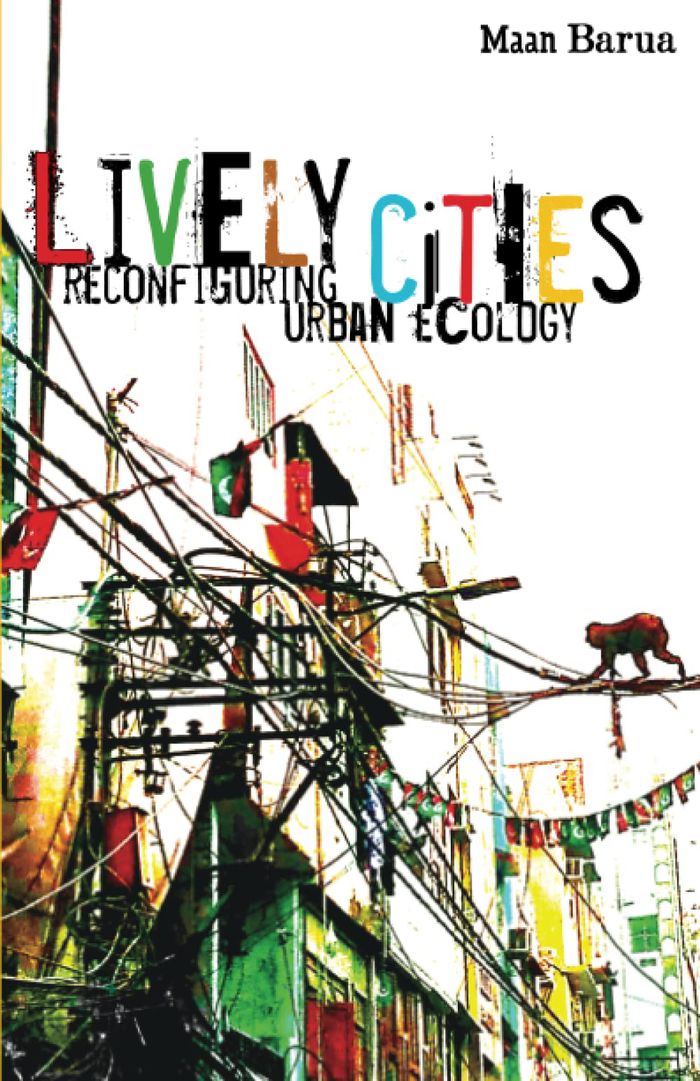
Lively cities: Reconfiguring urban ecology
Actions:
Prix:
$41.99
(disponible sur commande)
Résumé:
One of the fundamental dimensions of urbanization is its radical transformation of nature. Today domestic animals make up more than twice the biomass of people on the planet, and cities are replete with nonhuman life. Yet current accounts of the urban remain resolutely anthropocentric. ''Lively cities'' departs from conventions of urban studies to argue that cities are lived achievements forged by a multitude of entities, drawing attention to a suite of beings— human and nonhuman— that make up the material politics of city making. From macaques and cattle in Delhi to the invasive parakeet colonies in London, Maan Barua examines the rhythms, paths, and agency of nonhumans across the city. He reconceptualizes several key themes in urban thought, including infrastructure, the built environment, design, habitation, and everyday practices of dwelling and provides a critical intervention in animal and urban studies. Generating fresh conversations between posthumanism, postcolonialism, and political economy, Barua reveals how human and nonhuman actors shape, integrate, subsume, and relate to urban space in fascinating ways.
Classification:
livres
livres
Publication:
mai 2023
mai 2023
Sujet:
Théorie de l’urbanisme
Théorie de l’urbanisme
Classification:
livres
livres
Actions:
Prix:
$42.00
(disponible sur commande)
Résumé:
For the first time in the history of our planet, more than half the population-3.3 billion people-is now living in cities. City is the ultimate guidebook to our urban centers-the signature unit of human civilization. With erudite prose and carefully chosen illustrations, this work of metatourism explores what cities are and how they work. It covers history, customs and(...)
Titre:
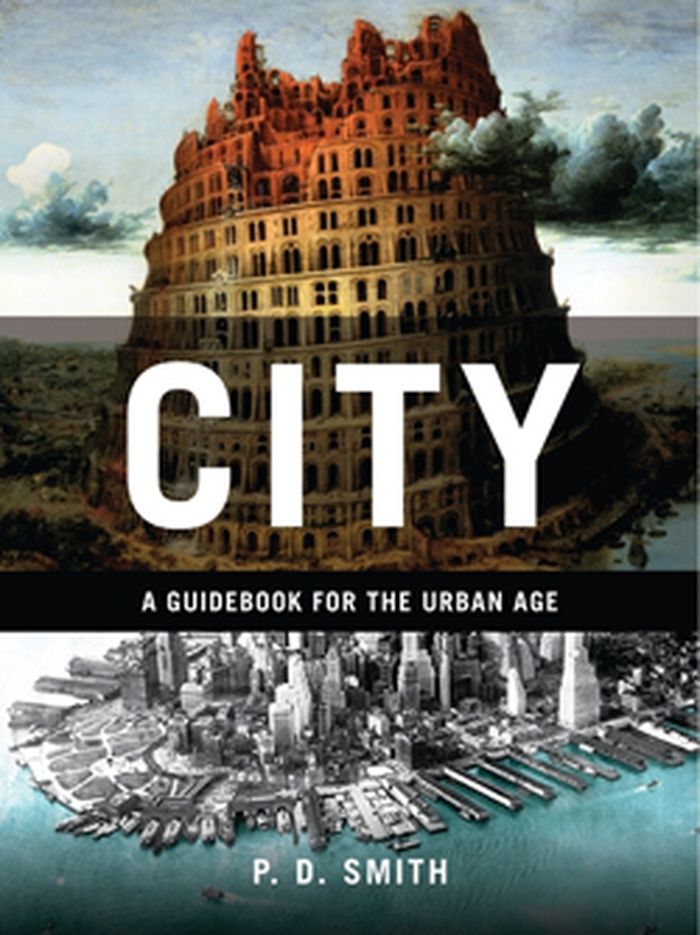
City : a guidebook for the urban age
Actions:
Prix:
$42.00
(disponible sur commande)
Résumé:
For the first time in the history of our planet, more than half the population-3.3 billion people-is now living in cities. City is the ultimate guidebook to our urban centers-the signature unit of human civilization. With erudite prose and carefully chosen illustrations, this work of metatourism explores what cities are and how they work. It covers history, customs and language, districts, transport, money, work, shops and markets, and tourist sites, creating a detailed portrait of the city through history and into the future. The urban explorer will revel in essays on downtowns, suburbs, shantytowns and favelas, graffiti, skylines, crime, the theater, street food, sport, eco-cities, and sacred sites, as well as mini essays on the Tower of Babel, flash mobs, ghettos, skateboarding, and SimCity, among many others. Drawing on a vast range of examples from across the world and throughout history, City is extensively illustrated with full-color photographs, maps, and other images.
Classification:
livres
livres
Publication:
novembre 2011
novembre 2011
Sujet:
Théorie de l’urbanisme
Théorie de l’urbanisme
Classification:
livres
livres
Actions:
Prix:
$34.95
(disponible sur commande)
Résumé:
Soon, more than two thirds of all human beings on the planet will live in cities, and the number of increasingly mobile people who shuttle effortlessly between major cities is constantly growing. Every year, various city rankings choose the “top ten” cities in the world. But what makes a city really livable? The answer to this question, as offered by the rankings, is(...)
Titre:
The world's fairest city, yours and mine: features of urban living quality
Actions:
Prix:
$34.95
(disponible sur commande)
Résumé:
Soon, more than two thirds of all human beings on the planet will live in cities, and the number of increasingly mobile people who shuttle effortlessly between major cities is constantly growing. Every year, various city rankings choose the “top ten” cities in the world. But what makes a city really livable? The answer to this question, as offered by the rankings, is anything but satisfactory. Their economically oriented, quantitative criteria are often taken out of context. But personal eperience is much more complex than this. Design2context began by studying established city rankings, then analyzed scenes from everyday urban life, and developed criteria that make it possible to rationally examine urban quality of life from “softer” and emotional perspectives. The result is fifty criteria and a questionnaire that invites the reader to actively reflect on his or her own personal criteria for urban quality of life. Essays by the researchers illuminate the scientific background of the study.
Classification:
livres
livres
Publication:
décembre 2009
décembre 2009
Sujet:
Théorie de l’urbanisme
Théorie de l’urbanisme
Classification:
livres
livres
Actions:
Prix:
$48.95
(disponible en magasin)
Résumé:
How do we make sense of the Earth at a moment in which it is presented in crisis? ''Geostories'' is a manifesto on the environmental imagination that renders sensible the issues of climate change and through geographic fiction invites readers to relate to the complexity of Earth systems in their vast scales of time and space. The book is organized into three(...)
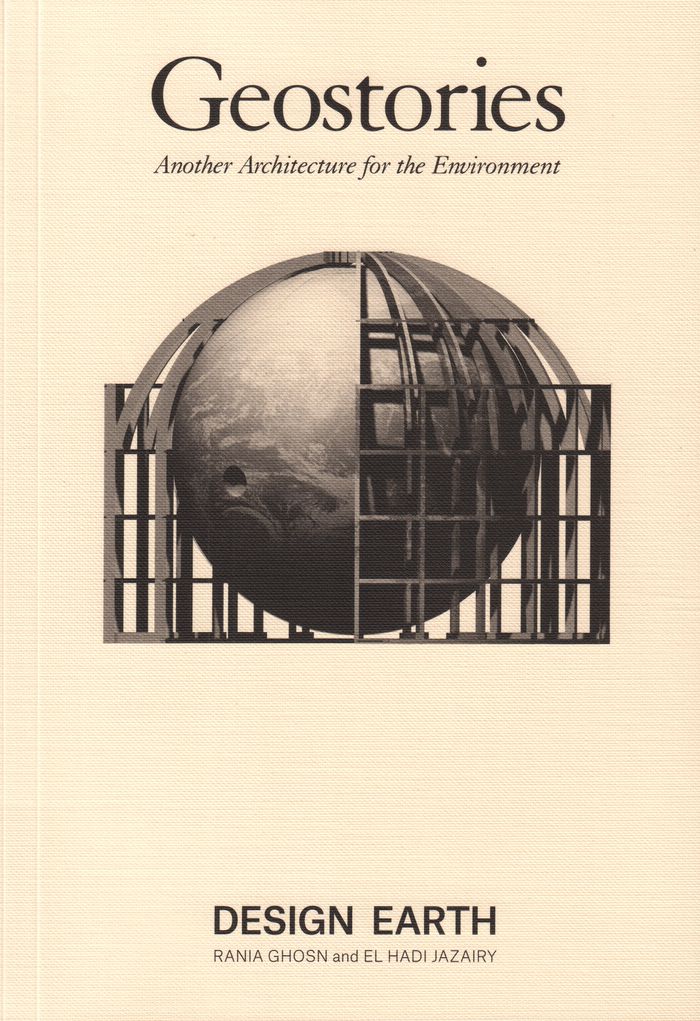
Titre:
Geostories: another architecture for the environment
Actions:
Prix:
$48.95
(disponible en magasin)
Résumé:
How do we make sense of the Earth at a moment in which it is presented in crisis? ''Geostories'' is a manifesto on the environmental imagination that renders sensible the issues of climate change and through geographic fiction invites readers to relate to the complexity of Earth systems in their vast scales of time and space. The book is organized into three sections–terrarium, aquarium, planetarium, each of which revisits such devices of wonder that assemble publics around representations of the Earth. The series of architectural projects becomes a medium to synthesize different forms and scales of knowledge on technological externalities, such as oil extraction, deep-sea mining, ocean acidification, water shortage, air pollution, trash, space debris, and a host of other social-ecological issues. Through design research, ''Geostories'' brings together spatial history, geographic representation, projective design, and material public assemblies to speculate on ways of living with such legacy technologies on the planet.
Classification:
livres
livres
Publication:
mai 2018
mai 2018
Sujet:
Architecture écologique
Architecture écologique


