


19461 Résultats
Classification:
expositions
expositions
Classification:
expositions
expositions
Date:
10 février 2023 au
28 mai 2023
10 février 2023 au
28 mai 2023
Classification:
photographies
photographies
Numéro de référence:
ARCH275916
Description:
2 binders - documentation of projects filed under, "Exhibition, Exposition." Includes: Canadian Pavilion, Expo '67, Canadian Pavilion, Expo '70, Habitat Pavilion, Gathering Place Expo '80. Contains project information sheets, photographic documentation, plans, photocopies of sketches, newspaper and magazine clippings and reprints.
ARCH275916
Description:
2 binders - documentation of projects filed under, "Exhibition, Exposition." Includes: Canadian Pavilion, Expo '67, Canadian Pavilion, Expo '70, Habitat Pavilion, Gathering Place Expo '80. Contains project information sheets, photographic documentation, plans, photocopies of sketches, newspaper and magazine clippings and reprints.
Personnes et institutions:
Date:
1990
1990
Titre:
Project information, photographic documentation, plans, press clippings, for various exhibitions projects
Actions:
ARCH275916
Description:
2 binders - documentation of projects filed under, "Exhibition, Exposition." Includes: Canadian Pavilion, Expo '67, Canadian Pavilion, Expo '70, Habitat Pavilion, Gathering Place Expo '80. Contains project information sheets, photographic documentation, plans, photocopies of sketches, newspaper and magazine clippings and reprints.
Project information, photographic documentation, plans, press clippings, for various exhibitions projects
Actions:
ARCH275916
Description:
2 binders - documentation of projects filed under, "Exhibition, Exposition." Includes: Canadian Pavilion, Expo '67, Canadian Pavilion, Expo '70, Habitat Pavilion, Gathering Place Expo '80. Contains project information sheets, photographic documentation, plans, photocopies of sketches, newspaper and magazine clippings and reprints.
Classification:
photographies
photographies
Date:
1990
1990
Personnes et institutions:
Classification:
événements
événements
Titre:
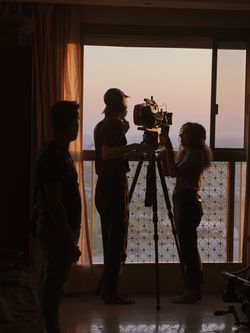
L’inertie du vide
Vernissage
L’inertie du vide
Vernissage
Actions:
Localisation:
théâtre Paul-Desmarais et maison Shaughnessy Mot(s)-clé(s):
L’inertie du vide, exposition, Joyce Joumaa
théâtre Paul-Desmarais et maison Shaughnessy Mot(s)-clé(s):
L’inertie du vide, exposition, Joyce Joumaa
Date:
9 février 2023, de 18h30 à 21h30
9 février 2023, de 18h30 à 21h30
Classification:
événements
événements
Date:
9 février 2023
de 18h30 à 21h30
9 février 2023
de 18h30 à 21h30
Localisation:
théâtre Paul-Desmarais et maison Shaughnessy Mot(s)-clé(s):
L’inertie du vide, exposition, Joyce Joumaa
théâtre Paul-Desmarais et maison Shaughnessy Mot(s)-clé(s):
L’inertie du vide, exposition, Joyce Joumaa
Classification:
articles
articles
Actions:
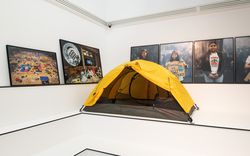
Giovanna Borasi et Sam Chermayeff introduisent notre exposition Une portion du présent
Titre:
Une société en transformation
Giovanna Borasi et Sam Chermayeff introduisent notre exposition Une portion du présent
Actions:
Une société en transformation
Giovanna Borasi et Sam Chermayeff introduisent notre exposition Une portion du présent
Actions:
Dossier:
Réinitialiser le social
Réinitialiser le social
Niveau de description archivistique:
Projet
Projet
Numéro de référence:
AP075.S1.1965.PR01
Description:
This project series documents Cornelia Hahn Oberlander's landscape project for the outdoor playground of the Children's Creative Centre. The Centre was part of the Canadian Federal Pavilion built for the Universal and International Exposition of 1967 (Expo 67), located at the south end of Notre-Dame Island in Montréal. Oberlander worked on this project from 1965-1966. She based her design on children's spontaneous exploration, to encourage self-motivation and creative play. The playground included a rolling terrain, looping paths, a wobble walk made of short logs embeded in the ground, a canal, and "giant wooden building pieces and a rocking boat in water replaced static sculptures". [1] The playground included a sand beach-like area with drifwood and plants to be used as play props. At the centre of the playground was a grass mound with an interior cave and a high wooden platform only reachable by a commando rope. A forty-foot long circulating water channel was situated in the east section of the playground and included two small islands linked by bridges, but was narrow enough to allow children to jump over it. The project series contains sketches, preliminary landscape concept plans, site plans, general landscape plans at different stages of design development, several sections and detail drawings for the playground's equipment and installations, and presentation drawings, including perspective views. The project series also contains architectural, electrical, and structural drawings of the Pavilion, which were provided to Oberlander for reference. Also included are photographs of the playground, research material on playgrounds, and articles and publications on the project, including Oberlander's writings, and publications on Expo '67. Source: [1] Herrington, Susan. Cornelia Hahn Oberlander: Making the Modern Landscape, University of Virginia Press, 2014, 304 pages. p. 106.
AP075.S1.1965.PR01
Description:
This project series documents Cornelia Hahn Oberlander's landscape project for the outdoor playground of the Children's Creative Centre. The Centre was part of the Canadian Federal Pavilion built for the Universal and International Exposition of 1967 (Expo 67), located at the south end of Notre-Dame Island in Montréal. Oberlander worked on this project from 1965-1966. She based her design on children's spontaneous exploration, to encourage self-motivation and creative play. The playground included a rolling terrain, looping paths, a wobble walk made of short logs embeded in the ground, a canal, and "giant wooden building pieces and a rocking boat in water replaced static sculptures". [1] The playground included a sand beach-like area with drifwood and plants to be used as play props. At the centre of the playground was a grass mound with an interior cave and a high wooden platform only reachable by a commando rope. A forty-foot long circulating water channel was situated in the east section of the playground and included two small islands linked by bridges, but was narrow enough to allow children to jump over it. The project series contains sketches, preliminary landscape concept plans, site plans, general landscape plans at different stages of design development, several sections and detail drawings for the playground's equipment and installations, and presentation drawings, including perspective views. The project series also contains architectural, electrical, and structural drawings of the Pavilion, which were provided to Oberlander for reference. Also included are photographs of the playground, research material on playgrounds, and articles and publications on the project, including Oberlander's writings, and publications on Expo '67. Source: [1] Herrington, Susan. Cornelia Hahn Oberlander: Making the Modern Landscape, University of Virginia Press, 2014, 304 pages. p. 106.
Personnes et institutions:
Date:
1965-1971
1965-1971
Titre:
Children's Creative Centre Playground, Canadian Federal Pavilion, Expo '67, Montréal, Québec (1965-1967)
Actions:
AP075.S1.1965.PR01
Description:
This project series documents Cornelia Hahn Oberlander's landscape project for the outdoor playground of the Children's Creative Centre. The Centre was part of the Canadian Federal Pavilion built for the Universal and International Exposition of 1967 (Expo 67), located at the south end of Notre-Dame Island in Montréal. Oberlander worked on this project from 1965-1966. She based her design on children's spontaneous exploration, to encourage self-motivation and creative play. The playground included a rolling terrain, looping paths, a wobble walk made of short logs embeded in the ground, a canal, and "giant wooden building pieces and a rocking boat in water replaced static sculptures". [1] The playground included a sand beach-like area with drifwood and plants to be used as play props. At the centre of the playground was a grass mound with an interior cave and a high wooden platform only reachable by a commando rope. A forty-foot long circulating water channel was situated in the east section of the playground and included two small islands linked by bridges, but was narrow enough to allow children to jump over it. The project series contains sketches, preliminary landscape concept plans, site plans, general landscape plans at different stages of design development, several sections and detail drawings for the playground's equipment and installations, and presentation drawings, including perspective views. The project series also contains architectural, electrical, and structural drawings of the Pavilion, which were provided to Oberlander for reference. Also included are photographs of the playground, research material on playgrounds, and articles and publications on the project, including Oberlander's writings, and publications on Expo '67. Source: [1] Herrington, Susan. Cornelia Hahn Oberlander: Making the Modern Landscape, University of Virginia Press, 2014, 304 pages. p. 106.
Children's Creative Centre Playground, Canadian Federal Pavilion, Expo '67, Montréal, Québec (1965-1967)
Actions:
AP075.S1.1965.PR01
Description:
This project series documents Cornelia Hahn Oberlander's landscape project for the outdoor playground of the Children's Creative Centre. The Centre was part of the Canadian Federal Pavilion built for the Universal and International Exposition of 1967 (Expo 67), located at the south end of Notre-Dame Island in Montréal. Oberlander worked on this project from 1965-1966. She based her design on children's spontaneous exploration, to encourage self-motivation and creative play. The playground included a rolling terrain, looping paths, a wobble walk made of short logs embeded in the ground, a canal, and "giant wooden building pieces and a rocking boat in water replaced static sculptures". [1] The playground included a sand beach-like area with drifwood and plants to be used as play props. At the centre of the playground was a grass mound with an interior cave and a high wooden platform only reachable by a commando rope. A forty-foot long circulating water channel was situated in the east section of the playground and included two small islands linked by bridges, but was narrow enough to allow children to jump over it. The project series contains sketches, preliminary landscape concept plans, site plans, general landscape plans at different stages of design development, several sections and detail drawings for the playground's equipment and installations, and presentation drawings, including perspective views. The project series also contains architectural, electrical, and structural drawings of the Pavilion, which were provided to Oberlander for reference. Also included are photographs of the playground, research material on playgrounds, and articles and publications on the project, including Oberlander's writings, and publications on Expo '67. Source: [1] Herrington, Susan. Cornelia Hahn Oberlander: Making the Modern Landscape, University of Virginia Press, 2014, 304 pages. p. 106.
Niveau de description archivistique:
Project
Project
Date:
1965-1971
1965-1971
Personnes et institutions:
Classification:
documents textuels
documents textuels
Numéro de référence:
ARCH258664
Description:
Correspondance avec Ivan Vallée, l'ingénieur en chef de la Service des ponts et chemins de fer de la Ministère des Travaux Publics, correspondance au sujet d'un Exposition provinciale, incluant des renseignements sur le concours, des calculs, des bleus, la présentation du concours de Cormier, « Mémoire sur le calcul hyperstatique des ouvrages de béton armé » par Cormier, des coupures de presse.
ARCH258664
Description:
Correspondance avec Ivan Vallée, l'ingénieur en chef de la Service des ponts et chemins de fer de la Ministère des Travaux Publics, correspondance au sujet d'un Exposition provinciale, incluant des renseignements sur le concours, des calculs, des bleus, la présentation du concours de Cormier, « Mémoire sur le calcul hyperstatique des ouvrages de béton armé » par Cormier, des coupures de presse.
Personnes et institutions:
Date:
1924-1925
1924-1925
Titre:
Correspondance avec ingénieur
Actions:
ARCH258664
Description:
Correspondance avec Ivan Vallée, l'ingénieur en chef de la Service des ponts et chemins de fer de la Ministère des Travaux Publics, correspondance au sujet d'un Exposition provinciale, incluant des renseignements sur le concours, des calculs, des bleus, la présentation du concours de Cormier, « Mémoire sur le calcul hyperstatique des ouvrages de béton armé » par Cormier, des coupures de presse.
Correspondance avec ingénieur
Actions:
ARCH258664
Description:
Correspondance avec Ivan Vallée, l'ingénieur en chef de la Service des ponts et chemins de fer de la Ministère des Travaux Publics, correspondance au sujet d'un Exposition provinciale, incluant des renseignements sur le concours, des calculs, des bleus, la présentation du concours de Cormier, « Mémoire sur le calcul hyperstatique des ouvrages de béton armé » par Cormier, des coupures de presse.
Classification:
documents textuels
documents textuels
Date:
1924-1925
1924-1925
Personnes et institutions:
Classification:
expositions
expositions
Titre:
L’architecte, autrement
L’architecte, autrement
Actions:
Description:
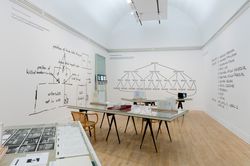
Dès lors que l’architecture ait été réduite à un service de la société ou à une « industrie » dont la finalité est de construire, il y a toujours eut quelqu’un pour l’imaginer plutôt comme un champ de recherche intellectuelle : dynamique, critique et radical. À partir d’une série d’approches provenant de personnes, de périodes et d’endroits divers, l’architecte apparaît,(...)
Dès lors que l’architecture ait été réduite à un service de la société ou à une « industrie » dont la finalité est de construire, il y a toujours eut quelqu’un pour l’imaginer plutôt comme un champ de recherche intellectuelle : dynamique, critique et radical. À partir d’une série d’approches provenant de personnes, de périodes et d’endroits divers, l’architecte apparaît,(...)
Localisation:
Salles principales Mot(s)-clé(s):
L'architecte, autrement, CCA, Montréal, exposition, salles principales
Salles principales Mot(s)-clé(s):
L'architecte, autrement, CCA, Montréal, exposition, salles principales
Date:
28 octobre 2015 au 10 avril 2016
28 octobre 2015 au 10 avril 2016
Titre:
L’architecte, autrement
Actions:
Description:
Dès lors que l’architecture ait été réduite à un service de la société ou à une « industrie » dont la finalité est de construire, il y a toujours eut quelqu’un pour l’imaginer plutôt comme un champ de recherche intellectuelle : dynamique, critique et radical. À partir d’une série d’approches provenant de personnes, de périodes et d’endroits divers, l’architecte apparaît,(...)
L’architecte, autrement
Actions:
Description:
Dès lors que l’architecture ait été réduite à un service de la société ou à une « industrie » dont la finalité est de construire, il y a toujours eut quelqu’un pour l’imaginer plutôt comme un champ de recherche intellectuelle : dynamique, critique et radical. À partir d’une série d’approches provenant de personnes, de périodes et d’endroits divers, l’architecte apparaît,(...)
Classification:
expositions
expositions
Date:
28 octobre 2015 au
10 avril 2016
28 octobre 2015 au
10 avril 2016
Localisation:
Salles principales Mot(s)-clé(s):
L'architecte, autrement, CCA, Montréal, exposition, salles principales
Salles principales Mot(s)-clé(s):
L'architecte, autrement, CCA, Montréal, exposition, salles principales
Classification:
photographies
photographies
Numéro de référence:
AP115.S2.002
Description:
Portfolio de photographies de Robert Duchesnay pour l'exposition "Le studio et l'anti-studio de Joseph Beuys et Buckminster Fuller". Contient aussi un inventaire des photographies, a livret de présentation, and un feuillet pour l'exposition.
AP115.S2.002
Description:
Portfolio de photographies de Robert Duchesnay pour l'exposition "Le studio et l'anti-studio de Joseph Beuys et Buckminster Fuller". Contient aussi un inventaire des photographies, a livret de présentation, and un feuillet pour l'exposition.
Personnes et institutions:
Date:
circa 1984
circa 1984
Titre:
Photographies du dôme géodésique, Pavillon des État-Unis, Expo 67, Montréal, Québec
Actions:
AP115.S2.002
Description:
Portfolio de photographies de Robert Duchesnay pour l'exposition "Le studio et l'anti-studio de Joseph Beuys et Buckminster Fuller". Contient aussi un inventaire des photographies, a livret de présentation, and un feuillet pour l'exposition.
Photographies du dôme géodésique, Pavillon des État-Unis, Expo 67, Montréal, Québec
Actions:
AP115.S2.002
Description:
Portfolio de photographies de Robert Duchesnay pour l'exposition "Le studio et l'anti-studio de Joseph Beuys et Buckminster Fuller". Contient aussi un inventaire des photographies, a livret de présentation, and un feuillet pour l'exposition.
Classification:
photographies
photographies
Date:
circa 1984
circa 1984
Personnes et institutions:
Classification:
archives
Niveau de description archivistique:
Fonds
archives
Niveau de description archivistique:
Fonds
Numéro de référence:
AP113
Résumé:
The Illinois Institute of Technology (IIT) - New Campus Center Competition fonds documents the projects of 4 of the 5 finalists (Eisenman, Hadid, Jahn/Sobek and Sejima/Nishizawa) of the international competition Richard H. Driehaus Foundation Design Competition for the University’s New Campus Center held by the Illinois Institute of Technology (IIT) of Chicago in November 1996. The fonds contains 20 presentation panels and 7 models. _____________________ Le Illinois Institute of Technology (IIT) - New Campus Center Competition fonds documentent les projets soumis par 4 des 5 finalistes (Eisenman, Hadid, Jahn/Sobek et Sejima/Nishizawa) au concours international Richard H. Driehaus Foundation Design Competition for the University’s New Campus Center lancé par l’Illinois Institute of Technology (IIT) de Chicago en novembre 1996. Le fonds contient 20 panneaux de présentation et 7 maquettes.
AP113
Résumé:
The Illinois Institute of Technology (IIT) - New Campus Center Competition fonds documents the projects of 4 of the 5 finalists (Eisenman, Hadid, Jahn/Sobek and Sejima/Nishizawa) of the international competition Richard H. Driehaus Foundation Design Competition for the University’s New Campus Center held by the Illinois Institute of Technology (IIT) of Chicago in November 1996. The fonds contains 20 presentation panels and 7 models. _____________________ Le Illinois Institute of Technology (IIT) - New Campus Center Competition fonds documentent les projets soumis par 4 des 5 finalistes (Eisenman, Hadid, Jahn/Sobek et Sejima/Nishizawa) au concours international Richard H. Driehaus Foundation Design Competition for the University’s New Campus Center lancé par l’Illinois Institute of Technology (IIT) de Chicago en novembre 1996. Le fonds contient 20 panneaux de présentation et 7 maquettes.
Personnes et institutions:
Date:
[1997]-1998
[1997]-1998
Titre:
Fonds IIT - New Campus Center Competition
Actions:
AP113
Résumé:
The Illinois Institute of Technology (IIT) - New Campus Center Competition fonds documents the projects of 4 of the 5 finalists (Eisenman, Hadid, Jahn/Sobek and Sejima/Nishizawa) of the international competition Richard H. Driehaus Foundation Design Competition for the University’s New Campus Center held by the Illinois Institute of Technology (IIT) of Chicago in November 1996. The fonds contains 20 presentation panels and 7 models. _____________________ Le Illinois Institute of Technology (IIT) - New Campus Center Competition fonds documentent les projets soumis par 4 des 5 finalistes (Eisenman, Hadid, Jahn/Sobek et Sejima/Nishizawa) au concours international Richard H. Driehaus Foundation Design Competition for the University’s New Campus Center lancé par l’Illinois Institute of Technology (IIT) de Chicago en novembre 1996. Le fonds contient 20 panneaux de présentation et 7 maquettes.
Fonds IIT - New Campus Center Competition
Actions:
AP113
Résumé:
The Illinois Institute of Technology (IIT) - New Campus Center Competition fonds documents the projects of 4 of the 5 finalists (Eisenman, Hadid, Jahn/Sobek and Sejima/Nishizawa) of the international competition Richard H. Driehaus Foundation Design Competition for the University’s New Campus Center held by the Illinois Institute of Technology (IIT) of Chicago in November 1996. The fonds contains 20 presentation panels and 7 models. _____________________ Le Illinois Institute of Technology (IIT) - New Campus Center Competition fonds documentent les projets soumis par 4 des 5 finalistes (Eisenman, Hadid, Jahn/Sobek et Sejima/Nishizawa) au concours international Richard H. Driehaus Foundation Design Competition for the University’s New Campus Center lancé par l’Illinois Institute of Technology (IIT) de Chicago en novembre 1996. Le fonds contient 20 panneaux de présentation et 7 maquettes.
Classification:
archives
Niveau de description archivistique:
Fonds
archives
Niveau de description archivistique:
Fonds
Date:
[1997]-1998
[1997]-1998
Personnes et institutions:
Niveau de description archivistique:
Sous-série
Sous-série
Numéro de référence:
AP022.S3.SS3
Description:
Sub-series documents public relations, marketing activities and collaborations of the offices of Erickson / Massey and Arthur Erickson Architects in Vancouver, British columbia, and Toronto, Ontario. The material was intended for media and press releases, publications, photographs and information requests, presentations, publicity and marketing brochures, and includes project descriptions, photographs and slides, magazine articles and clippings, publication drawings, galley proofs for books and a Life Magazine article on the Graham House, correspondence, and printing plates for a publicity brochure. Sub-series also documents Erickson / Massey and Arthur Erickson Architects collaboration with Francisco Imported Furniture Ltd the company of Francisco Leopoldo Kripacz (b. 8 April, 1942 - d. 3 August, 2000). Kripacz was born in Caracas, Venezuela, educated in Europe, the United States, and studied design in Vancouver and New York. He also went to the University of British Columbia for a Bachelor of Commerce degree in 1964. He became a resident Canadian in 1961, and a Canadian citizen in 1973. In 1964 he founded an interior design and furniture import business in Vancouver with Arthur Erickson, and opened a showroom in Montreal (550 Sherbrooke St. West), in 1965. Kripacz designed the exhibition unit in Habitat 67 (by architect Moshe Safdie) for the 1967 World Exposition in Montreal, and created interiors for a private clientel as well as for many of Arthur Erickson's buildings. The latter included the Helmut Eppich House and Erickson's own residence in Vancouver, the Hilborn Residence in Ontario, the Prime Minister's office and resdence in Ottawa, the UBC Faculty Club, the Macmillan Blodel Bulding, Vancouver, the Bank of Canada Headquarters in Ottawa, the Student Union Building at Queen's University, Kingston, the Provincial Law Courts in Robson Square, Vancouver, Roy Thomson Hall and the Tech Mining offices in Toronto, the Canadian Chancery in Washington, D.C., amongst others. Material related to Francisco Imported Furniture Ltd Sub-series also contains professional correspondence with Arthur Erickson Architect, financial documents of Francisco Imported Furniture Ltd, furniture design proposals, photographs and personal correspondance files of Francisco Kripacz.
AP022.S3.SS3
Description:
Sub-series documents public relations, marketing activities and collaborations of the offices of Erickson / Massey and Arthur Erickson Architects in Vancouver, British columbia, and Toronto, Ontario. The material was intended for media and press releases, publications, photographs and information requests, presentations, publicity and marketing brochures, and includes project descriptions, photographs and slides, magazine articles and clippings, publication drawings, galley proofs for books and a Life Magazine article on the Graham House, correspondence, and printing plates for a publicity brochure. Sub-series also documents Erickson / Massey and Arthur Erickson Architects collaboration with Francisco Imported Furniture Ltd the company of Francisco Leopoldo Kripacz (b. 8 April, 1942 - d. 3 August, 2000). Kripacz was born in Caracas, Venezuela, educated in Europe, the United States, and studied design in Vancouver and New York. He also went to the University of British Columbia for a Bachelor of Commerce degree in 1964. He became a resident Canadian in 1961, and a Canadian citizen in 1973. In 1964 he founded an interior design and furniture import business in Vancouver with Arthur Erickson, and opened a showroom in Montreal (550 Sherbrooke St. West), in 1965. Kripacz designed the exhibition unit in Habitat 67 (by architect Moshe Safdie) for the 1967 World Exposition in Montreal, and created interiors for a private clientel as well as for many of Arthur Erickson's buildings. The latter included the Helmut Eppich House and Erickson's own residence in Vancouver, the Hilborn Residence in Ontario, the Prime Minister's office and resdence in Ottawa, the UBC Faculty Club, the Macmillan Blodel Bulding, Vancouver, the Bank of Canada Headquarters in Ottawa, the Student Union Building at Queen's University, Kingston, the Provincial Law Courts in Robson Square, Vancouver, Roy Thomson Hall and the Tech Mining offices in Toronto, the Canadian Chancery in Washington, D.C., amongst others. Material related to Francisco Imported Furniture Ltd Sub-series also contains professional correspondence with Arthur Erickson Architect, financial documents of Francisco Imported Furniture Ltd, furniture design proposals, photographs and personal correspondance files of Francisco Kripacz.
Personnes et institutions:
Date:
1967-1988
1967-1988
Titre:
Public relations, marketing and collaborations
Actions:
AP022.S3.SS3
Description:
Sub-series documents public relations, marketing activities and collaborations of the offices of Erickson / Massey and Arthur Erickson Architects in Vancouver, British columbia, and Toronto, Ontario. The material was intended for media and press releases, publications, photographs and information requests, presentations, publicity and marketing brochures, and includes project descriptions, photographs and slides, magazine articles and clippings, publication drawings, galley proofs for books and a Life Magazine article on the Graham House, correspondence, and printing plates for a publicity brochure. Sub-series also documents Erickson / Massey and Arthur Erickson Architects collaboration with Francisco Imported Furniture Ltd the company of Francisco Leopoldo Kripacz (b. 8 April, 1942 - d. 3 August, 2000). Kripacz was born in Caracas, Venezuela, educated in Europe, the United States, and studied design in Vancouver and New York. He also went to the University of British Columbia for a Bachelor of Commerce degree in 1964. He became a resident Canadian in 1961, and a Canadian citizen in 1973. In 1964 he founded an interior design and furniture import business in Vancouver with Arthur Erickson, and opened a showroom in Montreal (550 Sherbrooke St. West), in 1965. Kripacz designed the exhibition unit in Habitat 67 (by architect Moshe Safdie) for the 1967 World Exposition in Montreal, and created interiors for a private clientel as well as for many of Arthur Erickson's buildings. The latter included the Helmut Eppich House and Erickson's own residence in Vancouver, the Hilborn Residence in Ontario, the Prime Minister's office and resdence in Ottawa, the UBC Faculty Club, the Macmillan Blodel Bulding, Vancouver, the Bank of Canada Headquarters in Ottawa, the Student Union Building at Queen's University, Kingston, the Provincial Law Courts in Robson Square, Vancouver, Roy Thomson Hall and the Tech Mining offices in Toronto, the Canadian Chancery in Washington, D.C., amongst others. Material related to Francisco Imported Furniture Ltd Sub-series also contains professional correspondence with Arthur Erickson Architect, financial documents of Francisco Imported Furniture Ltd, furniture design proposals, photographs and personal correspondance files of Francisco Kripacz.
Public relations, marketing and collaborations
Actions:
AP022.S3.SS3
Description:
Sub-series documents public relations, marketing activities and collaborations of the offices of Erickson / Massey and Arthur Erickson Architects in Vancouver, British columbia, and Toronto, Ontario. The material was intended for media and press releases, publications, photographs and information requests, presentations, publicity and marketing brochures, and includes project descriptions, photographs and slides, magazine articles and clippings, publication drawings, galley proofs for books and a Life Magazine article on the Graham House, correspondence, and printing plates for a publicity brochure. Sub-series also documents Erickson / Massey and Arthur Erickson Architects collaboration with Francisco Imported Furniture Ltd the company of Francisco Leopoldo Kripacz (b. 8 April, 1942 - d. 3 August, 2000). Kripacz was born in Caracas, Venezuela, educated in Europe, the United States, and studied design in Vancouver and New York. He also went to the University of British Columbia for a Bachelor of Commerce degree in 1964. He became a resident Canadian in 1961, and a Canadian citizen in 1973. In 1964 he founded an interior design and furniture import business in Vancouver with Arthur Erickson, and opened a showroom in Montreal (550 Sherbrooke St. West), in 1965. Kripacz designed the exhibition unit in Habitat 67 (by architect Moshe Safdie) for the 1967 World Exposition in Montreal, and created interiors for a private clientel as well as for many of Arthur Erickson's buildings. The latter included the Helmut Eppich House and Erickson's own residence in Vancouver, the Hilborn Residence in Ontario, the Prime Minister's office and resdence in Ottawa, the UBC Faculty Club, the Macmillan Blodel Bulding, Vancouver, the Bank of Canada Headquarters in Ottawa, the Student Union Building at Queen's University, Kingston, the Provincial Law Courts in Robson Square, Vancouver, Roy Thomson Hall and the Tech Mining offices in Toronto, the Canadian Chancery in Washington, D.C., amongst others. Material related to Francisco Imported Furniture Ltd Sub-series also contains professional correspondence with Arthur Erickson Architect, financial documents of Francisco Imported Furniture Ltd, furniture design proposals, photographs and personal correspondance files of Francisco Kripacz.
Niveau de description archivistique:
sub-series
sub-series
Date:
1967-1988
1967-1988
Personnes et institutions:


