


781 Résultats
Classification:
livres
livres

Titre:
Simon Johnston: Meridian
Simon Johnston: Meridian
Actions:
Prix:
$49.00
(disponible sur commande)
Résumé:
The Meridian project is a series of large-format black-and-white photographs taken in England on the line of zero degrees longitude. Using GPS technology to establish accurate locations, Simon Johnston took photographs on this line from coast to coast, with the camera facing either due north or due south. A vertical fluorescent orange line was then superimposed in the(...)
$49.00
(disponible sur commande)
Résumé:
The Meridian project is a series of large-format black-and-white photographs taken in England on the line of zero degrees longitude. Using GPS technology to establish accurate locations, Simon Johnston took photographs on this line from coast to coast, with the camera facing either due north or due south. A vertical fluorescent orange line was then superimposed in the(...)
Titre:
Simon Johnston: Meridian
Actions:
Prix:
$49.00
(disponible sur commande)
Résumé:
The Meridian project is a series of large-format black-and-white photographs taken in England on the line of zero degrees longitude. Using GPS technology to establish accurate locations, Simon Johnston took photographs on this line from coast to coast, with the camera facing either due north or due south. A vertical fluorescent orange line was then superimposed in the center of the photographs to represent the line of zero degrees longitude. The addition of the line transgresses the conventional purity of the photographic picture plane and makes visible that which is invisible/theoretical/conceptual, this graphic intervention mirroring the way we superimpose a rational grid over the globe, mapping and regulating space and time to better coordinate and facilitate international trade and navigation. In this way, Simon Johnston: Meridian offers both a beautiful cross-section portrait of a country and a reminder of the arbitrary nature of time, of human-constructed temporality.
Simon Johnston: Meridian
Actions:
Prix:
$49.00
(disponible sur commande)
Résumé:
The Meridian project is a series of large-format black-and-white photographs taken in England on the line of zero degrees longitude. Using GPS technology to establish accurate locations, Simon Johnston took photographs on this line from coast to coast, with the camera facing either due north or due south. A vertical fluorescent orange line was then superimposed in the center of the photographs to represent the line of zero degrees longitude. The addition of the line transgresses the conventional purity of the photographic picture plane and makes visible that which is invisible/theoretical/conceptual, this graphic intervention mirroring the way we superimpose a rational grid over the globe, mapping and regulating space and time to better coordinate and facilitate international trade and navigation. In this way, Simon Johnston: Meridian offers both a beautiful cross-section portrait of a country and a reminder of the arbitrary nature of time, of human-constructed temporality.
Classification:
livres
livres
Publication:
août 2020
août 2020
Sujet:
Monographies photo
Monographies photo
Classification:
livres
livres
Actions:
Prix:
$56.50
(disponible sur commande)
Résumé:
In this illustrated volume, Bernard Herman provides a history of urban dwellings and the people who built and lived in them in early America. In the eighteenth century, cities were constant objects of idealization, often viewed as the outward manifestations of an organized, civil society. As the physical objects that composed the largest portion of urban settings, town(...)
$56.50
(disponible sur commande)
Résumé:
In this illustrated volume, Bernard Herman provides a history of urban dwellings and the people who built and lived in them in early America. In the eighteenth century, cities were constant objects of idealization, often viewed as the outward manifestations of an organized, civil society. As the physical objects that composed the largest portion of urban settings, town(...)
Publication:
novembre 2005, Chapel Hill, North Carolina
novembre 2005, Chapel Hill, North Carolina
Titre:
Town house : architecture and material life in the early american city, 1780-1830
Actions:
Prix:
$56.50
(disponible sur commande)
Résumé:
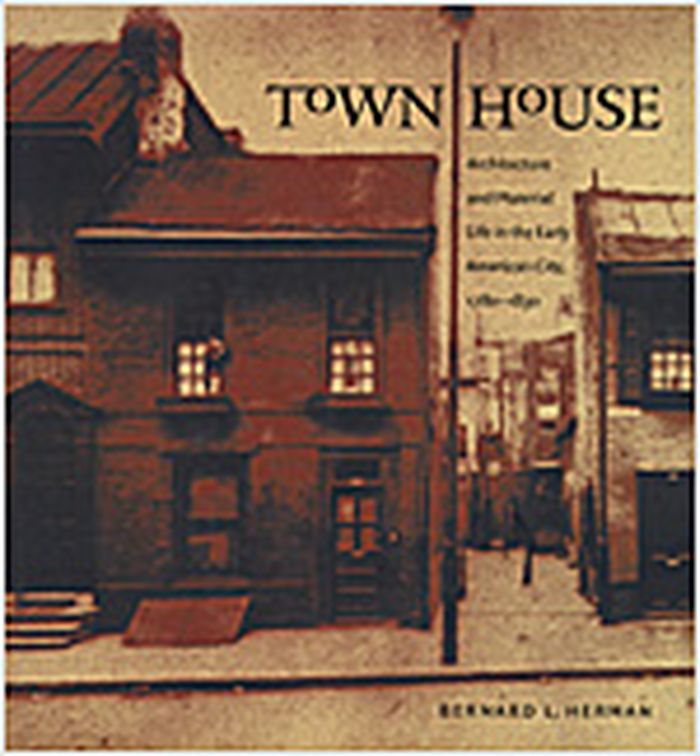
In this illustrated volume, Bernard Herman provides a history of urban dwellings and the people who built and lived in them in early America. In the eighteenth century, cities were constant objects of idealization, often viewed as the outward manifestations of an organized, civil society. As the physical objects that composed the largest portion of urban settings, town houses contained and signified different aspects of city life, argues Herman. Taking a material culture approach, Herman examines urban domestic buildings from Charleston, South Carolina, to Portsmouth, New Hampshire, as well as those in English cities and towns, to better understand why people built the houses they did and how their homes informed everyday city life. Working with buildings and documentary sources as diverse as court cases and recipes, Herman interprets town houses as lived experience. Chapters consider an array of domestic spaces, including the merchant family's house, the servant's quarter, and the widow's dower. Herman demonstrates that city houses served as sites of power as well as complex and often conflicted artifacts mapping the everyday negotiations of social identity and the display of sociability.
Town house : architecture and material life in the early american city, 1780-1830
Actions:
Prix:
$56.50
(disponible sur commande)
Résumé:
In this illustrated volume, Bernard Herman provides a history of urban dwellings and the people who built and lived in them in early America. In the eighteenth century, cities were constant objects of idealization, often viewed as the outward manifestations of an organized, civil society. As the physical objects that composed the largest portion of urban settings, town houses contained and signified different aspects of city life, argues Herman. Taking a material culture approach, Herman examines urban domestic buildings from Charleston, South Carolina, to Portsmouth, New Hampshire, as well as those in English cities and towns, to better understand why people built the houses they did and how their homes informed everyday city life. Working with buildings and documentary sources as diverse as court cases and recipes, Herman interprets town houses as lived experience. Chapters consider an array of domestic spaces, including the merchant family's house, the servant's quarter, and the widow's dower. Herman demonstrates that city houses served as sites of power as well as complex and often conflicted artifacts mapping the everyday negotiations of social identity and the display of sociability.
Classification:
livres
livres
Publication:
novembre 2005, Chapel Hill, North Carolina
novembre 2005, Chapel Hill, North Carolina
Classification:
livres
livres
Actions:
Prix:
$39.95
(disponible sur commande)
Résumé:
In "The hidden factor," Steven Skaggs provides a beautifully illustrated and explained introduction to the mark—from those as physical as a scratch made by an animal, to those as accidental as a splatter of paint, to those as intentional as hand-drawn characters. Skaggs makes the case that, in the visual arts, gestures and mark-making operate on an equal level with image(...)
$39.95
(disponible sur commande)
Résumé:
In "The hidden factor," Steven Skaggs provides a beautifully illustrated and explained introduction to the mark—from those as physical as a scratch made by an animal, to those as accidental as a splatter of paint, to those as intentional as hand-drawn characters. Skaggs makes the case that, in the visual arts, gestures and mark-making operate on an equal level with image(...)
Titre:
The hidden factor: Mark and gesture in visual design
Actions:
Prix:
$39.95
(disponible sur commande)
Résumé:
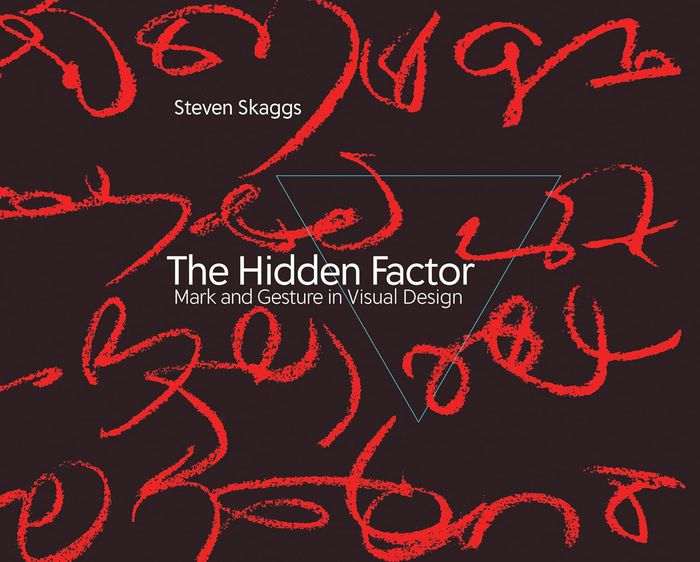
In "The hidden factor," Steven Skaggs provides a beautifully illustrated and explained introduction to the mark—from those as physical as a scratch made by an animal, to those as accidental as a splatter of paint, to those as intentional as hand-drawn characters. Skaggs makes the case that, in the visual arts, gestures and mark-making operate on an equal level with image and word. While we might think of content as that which is communicated through text and images, Skaggs shows, through visual examples, that the gestural mark is often hidden within both images and the typographic forms that convey words. By mapping different kinds of marks and showing how marks combine with image and word, "The hidden factor" explains that our desire for conceptual information suppresses our awareness of marking. This is especially the case with the tension between word and mark, where we desire legibility. As a result, one of the most conservative of arts—calligraphy—has the potential of being the most radical, since gesturally expressive handwriting is a natural threat to the legibility of a text.
The hidden factor: Mark and gesture in visual design
Actions:
Prix:
$39.95
(disponible sur commande)
Résumé:
In "The hidden factor," Steven Skaggs provides a beautifully illustrated and explained introduction to the mark—from those as physical as a scratch made by an animal, to those as accidental as a splatter of paint, to those as intentional as hand-drawn characters. Skaggs makes the case that, in the visual arts, gestures and mark-making operate on an equal level with image and word. While we might think of content as that which is communicated through text and images, Skaggs shows, through visual examples, that the gestural mark is often hidden within both images and the typographic forms that convey words. By mapping different kinds of marks and showing how marks combine with image and word, "The hidden factor" explains that our desire for conceptual information suppresses our awareness of marking. This is especially the case with the tension between word and mark, where we desire legibility. As a result, one of the most conservative of arts—calligraphy—has the potential of being the most radical, since gesturally expressive handwriting is a natural threat to the legibility of a text.
Classification:
livres
livres
Publication:
novembre 2023
novembre 2023
Sujet:
Théorie de l’art
Théorie de l’art
Classification:
livres
livres
Actions:
Prix:
$92.95
(disponible sur commande)
Résumé:
The first world atlas ever compiled on vernacular architecture, this comprehensive work illustrates the variety and ingenuity of the world’s vernacular building traditions from a multi-disciplinary, cross-cultural and comparative approach, using over sixty world and regional maps. Mapping such diverse aspects as materials and resources, technologies, structural(...)
$92.95
(disponible sur commande)
Résumé:
The first world atlas ever compiled on vernacular architecture, this comprehensive work illustrates the variety and ingenuity of the world’s vernacular building traditions from a multi-disciplinary, cross-cultural and comparative approach, using over sixty world and regional maps. Mapping such diverse aspects as materials and resources, technologies, structural(...)
Sujet:
Architecture écologique
Architecture écologique
Publication:
mars 2007, Abingdon, New York
mars 2007, Abingdon, New York
Titre:
Atlas of vernacular architecture of the world
Actions:
Prix:
$92.95
(disponible sur commande)
Résumé:
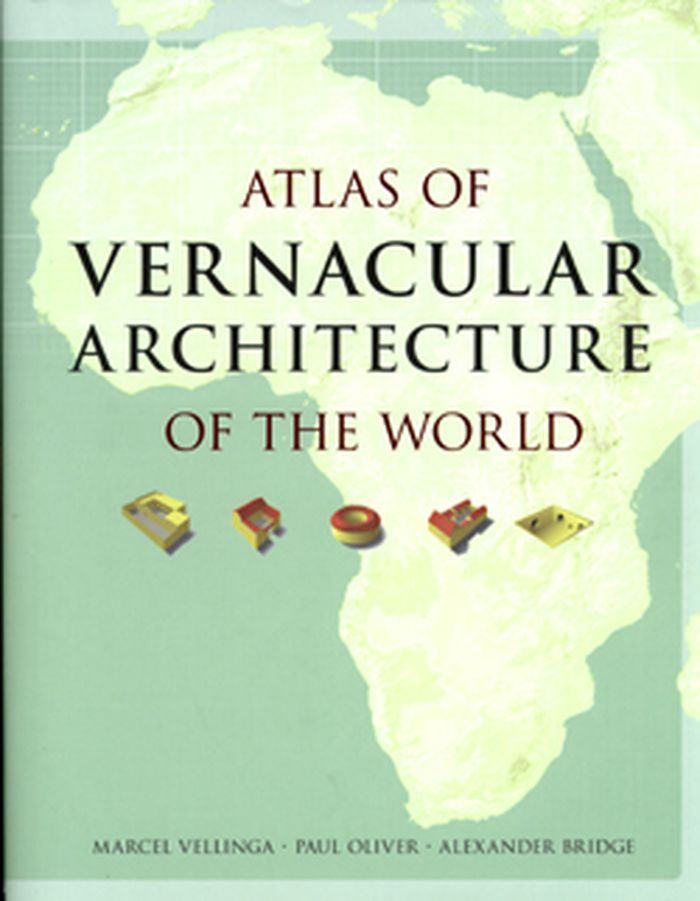
The first world atlas ever compiled on vernacular architecture, this comprehensive work illustrates the variety and ingenuity of the world’s vernacular building traditions from a multi-disciplinary, cross-cultural and comparative approach, using over sixty world and regional maps. Mapping such diverse aspects as materials and resources, technologies, structural systems, symbolism, forms and service systems on a cross-cultural and comparative basis, the "Atlas of Vernacular Architecture of the World" reveals the distribution, diversity and relationships of the world’s vernacular building traditions. Indicating geographical patterns, developments, lacunae and anomalies, it gives rise to new insights and understandings, stimulating new hypotheses, questions and research efforts. Augmenting the award-winning Encyclopedia of Vernacular Architecture of the World, the "Atlas of Vernacular Architecture of the World" constitutes a unique and unparalleled resource for anyone involved in the growing field of vernacular architecture studies, including architects, geographers, art historians, planners, folklorists, conservationists, builders, and anthropologists as well as being of use to all those working in the fields of heritage conservation, architecture, regeneration, energy efficient building, resources management, development and sustainability.
Atlas of vernacular architecture of the world
Actions:
Prix:
$92.95
(disponible sur commande)
Résumé:
The first world atlas ever compiled on vernacular architecture, this comprehensive work illustrates the variety and ingenuity of the world’s vernacular building traditions from a multi-disciplinary, cross-cultural and comparative approach, using over sixty world and regional maps. Mapping such diverse aspects as materials and resources, technologies, structural systems, symbolism, forms and service systems on a cross-cultural and comparative basis, the "Atlas of Vernacular Architecture of the World" reveals the distribution, diversity and relationships of the world’s vernacular building traditions. Indicating geographical patterns, developments, lacunae and anomalies, it gives rise to new insights and understandings, stimulating new hypotheses, questions and research efforts. Augmenting the award-winning Encyclopedia of Vernacular Architecture of the World, the "Atlas of Vernacular Architecture of the World" constitutes a unique and unparalleled resource for anyone involved in the growing field of vernacular architecture studies, including architects, geographers, art historians, planners, folklorists, conservationists, builders, and anthropologists as well as being of use to all those working in the fields of heritage conservation, architecture, regeneration, energy efficient building, resources management, development and sustainability.
Classification:
livres
livres
Publication:
mars 2007, Abingdon, New York
mars 2007, Abingdon, New York
Sujet:
Architecture écologique
Architecture écologique
Classification:
livres
livres
Prix:
$108.00
(disponible sur commande)
Résumé:
How the modernist avant-gardes from Dada to constructivism reconceived their roles, working as propagandists, advertisers, publishers, graphic designers, curators and more, to create new visual languages for a radically changed world. These “engineers,” “agitators,” “constructors,” “photomonteurs,” “workers”—all designations adopted by the artists themselves—turned away(...)
$108.00
(disponible sur commande)
Résumé:
How the modernist avant-gardes from Dada to constructivism reconceived their roles, working as propagandists, advertisers, publishers, graphic designers, curators and more, to create new visual languages for a radically changed world. These “engineers,” “agitators,” “constructors,” “photomonteurs,” “workers”—all designations adopted by the artists themselves—turned away(...)
Publication:
mai 2020
mai 2020
Titre:
Engineer, agitator, constructor: the artist reinvented
Actions:
Prix:
$108.00
(disponible sur commande)
Résumé:
How the modernist avant-gardes from Dada to constructivism reconceived their roles, working as propagandists, advertisers, publishers, graphic designers, curators and more, to create new visual languages for a radically changed world. These “engineers,” “agitators,” “constructors,” “photomonteurs,” “workers”—all designations adopted by the artists themselves—turned away from traditional forms of painting and sculpture and invented new visual languages. Central among them was photomontage, in which photographs and images from newspapers and magazines were cut, remixed, and pasted together. Working as propagandists, advertisers, publishers, editors, architects, theater designers and curators, these artists engaged with expanded audiences in novel ways, establishing distinctive infrastructures for presenting and distributing their work. Published in conjunction with a major exhibition, this publication marks the transformative addition to MoMA from the Merrill C. Berman Collection, one of the great private collections of political art. Illuminating the essential role of women in avant-garde activities while mapping vital networks across Europe, this richly illustrated book presents the social engagement, fearless experimentation and utopian aspirations that defined the early 20th century, and how these strategies still reverberate today.
Engineer, agitator, constructor: the artist reinvented
Actions:
Prix:
$108.00
(disponible sur commande)
Résumé:
How the modernist avant-gardes from Dada to constructivism reconceived their roles, working as propagandists, advertisers, publishers, graphic designers, curators and more, to create new visual languages for a radically changed world. These “engineers,” “agitators,” “constructors,” “photomonteurs,” “workers”—all designations adopted by the artists themselves—turned away from traditional forms of painting and sculpture and invented new visual languages. Central among them was photomontage, in which photographs and images from newspapers and magazines were cut, remixed, and pasted together. Working as propagandists, advertisers, publishers, editors, architects, theater designers and curators, these artists engaged with expanded audiences in novel ways, establishing distinctive infrastructures for presenting and distributing their work. Published in conjunction with a major exhibition, this publication marks the transformative addition to MoMA from the Merrill C. Berman Collection, one of the great private collections of political art. Illuminating the essential role of women in avant-garde activities while mapping vital networks across Europe, this richly illustrated book presents the social engagement, fearless experimentation and utopian aspirations that defined the early 20th century, and how these strategies still reverberate today.
Classification:
livres
livres
Publication:
mai 2020
mai 2020
Classification:
livres
livres
Actions:
Prix:
$71.50
(disponible sur commande)
Résumé:
An exhibition catalogue from the Migros Museum featuring 21 artists and architects including Anish Kapoor, Jane and Louise Wilson, James Casebere, and Daniel Libeskind among others. The exhibition takes as its point of departure three contexts in which space occupies a central position: Sigmund Freud’s notion of “das Unheimliche” and psychoanalytical elaboration of(...)
$71.50
(disponible sur commande)
Résumé:
An exhibition catalogue from the Migros Museum featuring 21 artists and architects including Anish Kapoor, Jane and Louise Wilson, James Casebere, and Daniel Libeskind among others. The exhibition takes as its point of departure three contexts in which space occupies a central position: Sigmund Freud’s notion of “das Unheimliche” and psychoanalytical elaboration of(...)
Publication:
novembre 2003, Zurich / Gdansk
novembre 2003, Zurich / Gdansk
Titre:
Bewitched, bothered and bewildered : spatial emotion in contemporary art and architecture
Actions:
Prix:
$71.50
(disponible sur commande)
Résumé:
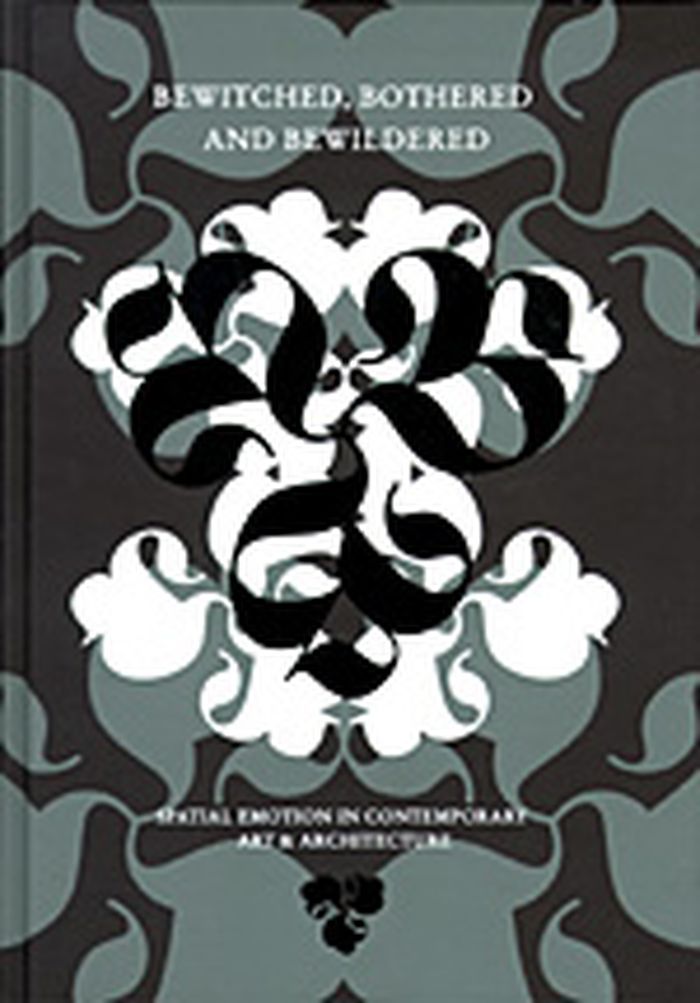
An exhibition catalogue from the Migros Museum featuring 21 artists and architects including Anish Kapoor, Jane and Louise Wilson, James Casebere, and Daniel Libeskind among others. The exhibition takes as its point of departure three contexts in which space occupies a central position: Sigmund Freud’s notion of “das Unheimliche” and psychoanalytical elaboration of space and its emotion; Michel Foucault’s other spaces – heterotopias and their counter-site qualities of socio-political implications; and Walter Benjamin’s outmoded and repressed space with all its auratic traces (fake or authentic) of philosophical and historic charge. “Bewitched, Bothered and Bewildered” aims to exploit the psychological associations of space with its multiplicity of emotional overtones, mapping its extremes and its psychic environment. Focusing on spatial pathologies (agoraphobia, vertigo, claustrophobia...), the exhibition identifies space as a cause of mental disorder, fear or estrangement, ultimate trauma. Hysteria, panic and neurosis overlap with other spatial stories of psychic unrest and unease: distortions and perversions (warped space); anxiety and enigmas (haunted space); spatial inconvenience and discomfort, perfectly domestic and yet alienating; space half-spoken, half-pronounced: a promise, a puzzle, a magic spell, temptation.
Bewitched, bothered and bewildered : spatial emotion in contemporary art and architecture
Actions:
Prix:
$71.50
(disponible sur commande)
Résumé:
An exhibition catalogue from the Migros Museum featuring 21 artists and architects including Anish Kapoor, Jane and Louise Wilson, James Casebere, and Daniel Libeskind among others. The exhibition takes as its point of departure three contexts in which space occupies a central position: Sigmund Freud’s notion of “das Unheimliche” and psychoanalytical elaboration of space and its emotion; Michel Foucault’s other spaces – heterotopias and their counter-site qualities of socio-political implications; and Walter Benjamin’s outmoded and repressed space with all its auratic traces (fake or authentic) of philosophical and historic charge. “Bewitched, Bothered and Bewildered” aims to exploit the psychological associations of space with its multiplicity of emotional overtones, mapping its extremes and its psychic environment. Focusing on spatial pathologies (agoraphobia, vertigo, claustrophobia...), the exhibition identifies space as a cause of mental disorder, fear or estrangement, ultimate trauma. Hysteria, panic and neurosis overlap with other spatial stories of psychic unrest and unease: distortions and perversions (warped space); anxiety and enigmas (haunted space); spatial inconvenience and discomfort, perfectly domestic and yet alienating; space half-spoken, half-pronounced: a promise, a puzzle, a magic spell, temptation.
Classification:
livres
livres
Publication:
novembre 2003, Zurich / Gdansk
novembre 2003, Zurich / Gdansk
Classification:
livres
livres
Prix:
$34.00
(disponible sur commande)
Résumé:
The open terrain of new media is closing fast. Market concentration, legal consolidation and tightening governmental control have effectively ended the myth of the free and open networks. In Delusive Spaces, Eric Kluitenberg takes a critical position that retains a utopian potential for emerging media cultures. The book investigates the archeology of media and machine,(...)
$34.00
(disponible sur commande)
Résumé:
The open terrain of new media is closing fast. Market concentration, legal consolidation and tightening governmental control have effectively ended the myth of the free and open networks. In Delusive Spaces, Eric Kluitenberg takes a critical position that retains a utopian potential for emerging media cultures. The book investigates the archeology of media and machine,(...)
Titre:
Delusive spaces: essays on culture, media and technology
Actions:
Prix:
$34.00
(disponible sur commande)
Résumé:
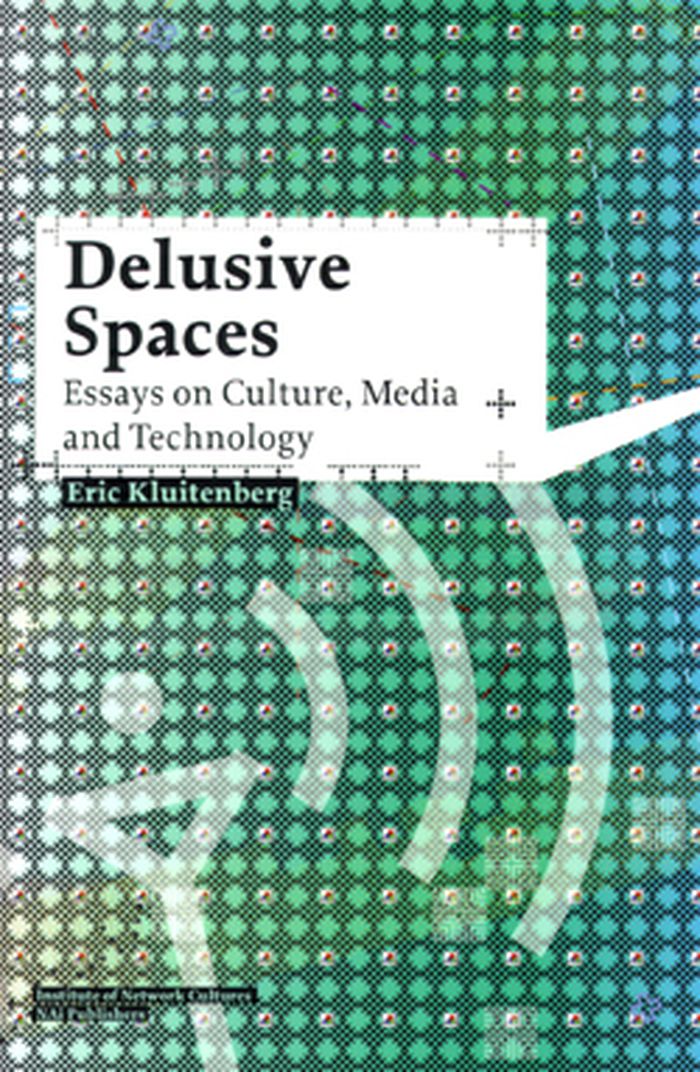
The open terrain of new media is closing fast. Market concentration, legal consolidation and tightening governmental control have effectively ended the myth of the free and open networks. In Delusive Spaces, Eric Kluitenberg takes a critical position that retains a utopian potential for emerging media cultures. The book investigates the archeology of media and machine, mapping the different methods and metaphors that speak about technology. Returning to the present, Kluitenberg discusses the cultural use of new media in an age of post-governmental politics. Delusive Spaces concludes with the impossibility of representation. Going beyond the obvious delusions of the 'new' and the 'free', Kluitenberg theorizes artistic practices and European cultural policies, demonstrating a provocative engagement with the utopian dimension of technology. Eric Kluitenberg is a Dutch media theorist, writer and organizer. Since the late 1980s, he has been involved in numerous international projects in the field of electronic art, media culture, and information politics. Kluitenberg heads the media program at De Balie, Centre for Culture and Politics in Amsterdam. He is the editor of the Book of Imaginary Media (NAi Publishers, 2006) and the theme issue Hybrid Space of Open, journal on art and the public domain (2007).
Delusive spaces: essays on culture, media and technology
Actions:
Prix:
$34.00
(disponible sur commande)
Résumé:
The open terrain of new media is closing fast. Market concentration, legal consolidation and tightening governmental control have effectively ended the myth of the free and open networks. In Delusive Spaces, Eric Kluitenberg takes a critical position that retains a utopian potential for emerging media cultures. The book investigates the archeology of media and machine, mapping the different methods and metaphors that speak about technology. Returning to the present, Kluitenberg discusses the cultural use of new media in an age of post-governmental politics. Delusive Spaces concludes with the impossibility of representation. Going beyond the obvious delusions of the 'new' and the 'free', Kluitenberg theorizes artistic practices and European cultural policies, demonstrating a provocative engagement with the utopian dimension of technology. Eric Kluitenberg is a Dutch media theorist, writer and organizer. Since the late 1980s, he has been involved in numerous international projects in the field of electronic art, media culture, and information politics. Kluitenberg heads the media program at De Balie, Centre for Culture and Politics in Amsterdam. He is the editor of the Book of Imaginary Media (NAi Publishers, 2006) and the theme issue Hybrid Space of Open, journal on art and the public domain (2007).
Classification:
livres
livres
Publication:
avril 2008, Rotterdam
avril 2008, Rotterdam
Sujet:
Épistémologie et réseau
Épistémologie et réseau
Classification:
livres
livres
Titre:
Atlas of the senseable city
Atlas of the senseable city
Actions:
Prix:
$48.00
(disponible en magasin)
Résumé:
What have smart technologies taught us about cities? What lessons can we learn from today’s urbanites to make better places to live? Antoine Picon and Carlo Ratti argue that the answers are in the maps we make. For centuries, we have relied on maps to navigate the enormity of the city. Now, as the physical world combines with the digital world, we need a new generation of(...)
$48.00
(disponible en magasin)
Résumé:
What have smart technologies taught us about cities? What lessons can we learn from today’s urbanites to make better places to live? Antoine Picon and Carlo Ratti argue that the answers are in the maps we make. For centuries, we have relied on maps to navigate the enormity of the city. Now, as the physical world combines with the digital world, we need a new generation of(...)
Titre:
Atlas of the senseable city
Actions:
Prix:
$48.00
(disponible en magasin)
Résumé:
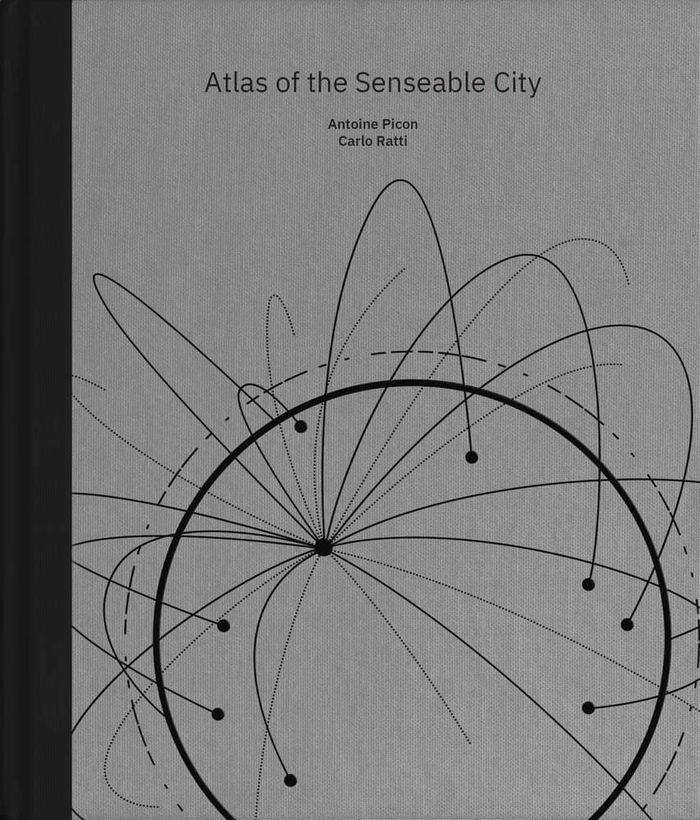
What have smart technologies taught us about cities? What lessons can we learn from today’s urbanites to make better places to live? Antoine Picon and Carlo Ratti argue that the answers are in the maps we make. For centuries, we have relied on maps to navigate the enormity of the city. Now, as the physical world combines with the digital world, we need a new generation of maps to navigate the city of tomorrow. Pervasive sensors allow anyone to visualize cities in entirely new ways—ebbs and flows of pollution, traffic, and internet connectivity. This book explores how the growth of digital mapping, spurred by sensing technologies, is affecting cities and daily lives. It examines how new cartographic possibilities aid urban planners, technicians, politicians, and administrators; how digitally mapped cities could reveal ways to make cities smarter and more efficient; how monitoring urbanites has political and social repercussions; and how the proliferation of open-source maps and collaborative platforms can aid activists and vulnerable populations. With its beautiful, accessible presentation of cutting-edge research, this book makes it easy for readers to understand the stakes of the new information age—and appreciate the timeless power of the city.
Atlas of the senseable city
Actions:
Prix:
$48.00
(disponible en magasin)
Résumé:
What have smart technologies taught us about cities? What lessons can we learn from today’s urbanites to make better places to live? Antoine Picon and Carlo Ratti argue that the answers are in the maps we make. For centuries, we have relied on maps to navigate the enormity of the city. Now, as the physical world combines with the digital world, we need a new generation of maps to navigate the city of tomorrow. Pervasive sensors allow anyone to visualize cities in entirely new ways—ebbs and flows of pollution, traffic, and internet connectivity. This book explores how the growth of digital mapping, spurred by sensing technologies, is affecting cities and daily lives. It examines how new cartographic possibilities aid urban planners, technicians, politicians, and administrators; how digitally mapped cities could reveal ways to make cities smarter and more efficient; how monitoring urbanites has political and social repercussions; and how the proliferation of open-source maps and collaborative platforms can aid activists and vulnerable populations. With its beautiful, accessible presentation of cutting-edge research, this book makes it easy for readers to understand the stakes of the new information age—and appreciate the timeless power of the city.
Classification:
livres
livres
Publication:
juin 2023
juin 2023
Sujet:
Théorie de l’urbanisme
Théorie de l’urbanisme
Classification:
livres
livres

Actions:
Prix:
$65.00
(disponible sur commande)
Résumé:
In ''Tbilisi Interiors'', photographer Anna Tsitsishvili returns to the subject that defined her acclaimed debut, Tbilisi, with a renewed and intimate focus. This follow-up photobook shifts the lens inward—literally—inviting us beyond the façades of the Georgian capital to explore the layered and often surprising worlds within. Where her first book captured the(...)
$65.00
(disponible sur commande)
Résumé:
In ''Tbilisi Interiors'', photographer Anna Tsitsishvili returns to the subject that defined her acclaimed debut, Tbilisi, with a renewed and intimate focus. This follow-up photobook shifts the lens inward—literally—inviting us beyond the façades of the Georgian capital to explore the layered and often surprising worlds within. Where her first book captured the(...)
Titre:
Anna Tsitsishvili: Tbilisi interiors
Actions:
Prix:
$65.00
(disponible sur commande)
Résumé:
In ''Tbilisi Interiors'', photographer Anna Tsitsishvili returns to the subject that defined her acclaimed debut, Tbilisi, with a renewed and intimate focus. This follow-up photobook shifts the lens inward—literally—inviting us beyond the façades of the Georgian capital to explore the layered and often surprising worlds within. Where her first book captured the textured urban landscapes of Tbilisi’s streets and architecture, ''Tbilisi Interiors'' reveals the hidden lives behind closed doors: eclectic rooms filled with faded grandeur, modest apartments shaped by decades of personal history, and spaces that quietly tell stories of resilience, creativity, and cultural continuity. Through Tsitsishvili’s eye, interiors become portraits—of individuals, families, and the city itself. This collection is not merely about design or decor; it is an emotional and aesthetic mapping of Tbilisi’s soul. With sensitivity and an artist’s sense of composition, Tsitsishvili documents spaces both curated and chaotic, refined and improvised, capturing the poetry of everyday life in Georgia’s capital.Tbilisi Interiors is a love letter to a city in transition, seen from within.With sensitivity and an artist’s sense of composition, Tsitsishvili documents spaces both curated and chaotic, refined and improvised, capturing the poetry of everyday life in Georgia’s capital.
Anna Tsitsishvili: Tbilisi interiors
Actions:
Prix:
$65.00
(disponible sur commande)
Résumé:
In ''Tbilisi Interiors'', photographer Anna Tsitsishvili returns to the subject that defined her acclaimed debut, Tbilisi, with a renewed and intimate focus. This follow-up photobook shifts the lens inward—literally—inviting us beyond the façades of the Georgian capital to explore the layered and often surprising worlds within. Where her first book captured the textured urban landscapes of Tbilisi’s streets and architecture, ''Tbilisi Interiors'' reveals the hidden lives behind closed doors: eclectic rooms filled with faded grandeur, modest apartments shaped by decades of personal history, and spaces that quietly tell stories of resilience, creativity, and cultural continuity. Through Tsitsishvili’s eye, interiors become portraits—of individuals, families, and the city itself. This collection is not merely about design or decor; it is an emotional and aesthetic mapping of Tbilisi’s soul. With sensitivity and an artist’s sense of composition, Tsitsishvili documents spaces both curated and chaotic, refined and improvised, capturing the poetry of everyday life in Georgia’s capital.Tbilisi Interiors is a love letter to a city in transition, seen from within.With sensitivity and an artist’s sense of composition, Tsitsishvili documents spaces both curated and chaotic, refined and improvised, capturing the poetry of everyday life in Georgia’s capital.
Classification:
livres
livres
Publication:
janvier 2026
janvier 2026
Sujet:
Monographies photo
Monographies photo
Classification:
livres
livres
Actions:
Prix:
$35.95
(disponible en magasin)
Résumé:
From the late nineteenth through most of the twentieth century, the evangelical Protestant Grenfell Mission in Newfoundland and Labrador, Canada, created a network of hospitals, schools, orphanages, stores, and industries with the goal of bringing health and organized society to settler fisherfolk and Indigenous populations. This infrastructure also served to support(...)
$35.95
(disponible en magasin)
Résumé:
From the late nineteenth through most of the twentieth century, the evangelical Protestant Grenfell Mission in Newfoundland and Labrador, Canada, created a network of hospitals, schools, orphanages, stores, and industries with the goal of bringing health and organized society to settler fisherfolk and Indigenous populations. This infrastructure also served to support(...)
Titre:
Slow disturbance: infrastructural mediation on the settler colonial resource frontier
Actions:
Prix:
$35.95
(disponible en magasin)
Résumé:
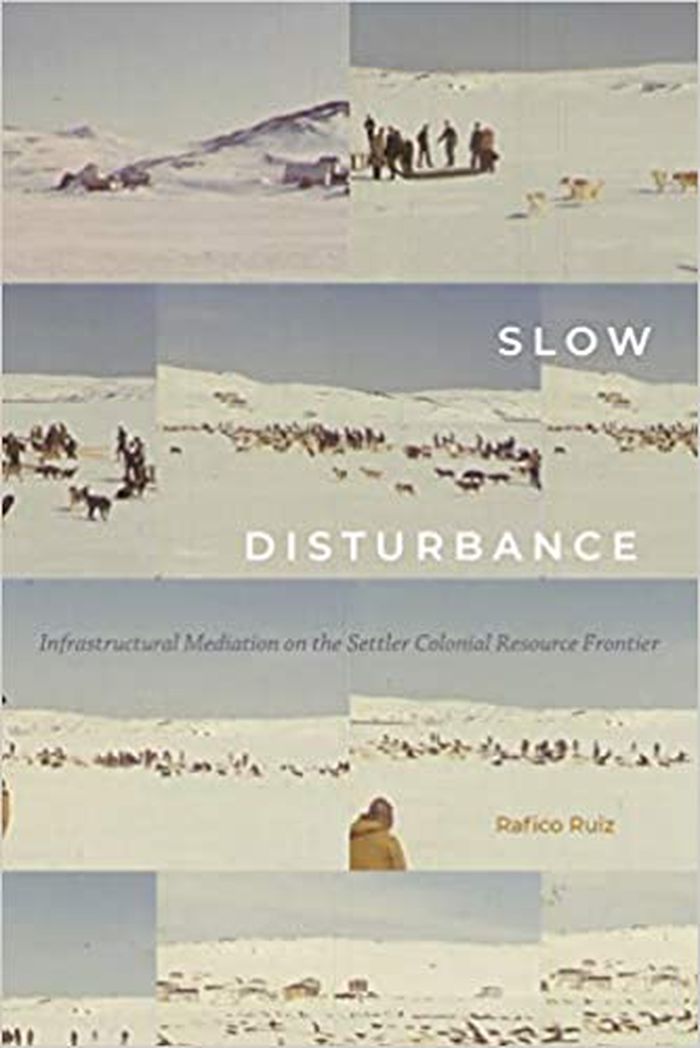
From the late nineteenth through most of the twentieth century, the evangelical Protestant Grenfell Mission in Newfoundland and Labrador, Canada, created a network of hospitals, schools, orphanages, stores, and industries with the goal of bringing health and organized society to settler fisherfolk and Indigenous populations. This infrastructure also served to support resource extraction of fisheries off Labrador's coast. In 'Slow Disturbance' Rafico Ruiz engages with the Grenfell Mission to theorize how settler colonialism establishes itself through what he calls infrastructural mediation—the ways in which colonial lifeworlds, subjectivities, and affects come into being through the creation and maintenance of infrastructures. Drawing on archival documents, maps, interviews with municipal officials, teachers, and residents, as well as his field photography, Ruiz shows how the mission's infrastructural mediation—from its attempts to restructure the local economy to the aerial surveying and mapping of the coastline—responded to the colony's environmental conditions in ways that expanded the bounds of the settler frontier. By tracing the mission's history and the mechanisms that enabled its functioning, Ruiz complicates understandings of mediation and infrastructure while expanding current debates surrounding settler colonialism and extractive capitalism.
Slow disturbance: infrastructural mediation on the settler colonial resource frontier
Actions:
Prix:
$35.95
(disponible en magasin)
Résumé:
From the late nineteenth through most of the twentieth century, the evangelical Protestant Grenfell Mission in Newfoundland and Labrador, Canada, created a network of hospitals, schools, orphanages, stores, and industries with the goal of bringing health and organized society to settler fisherfolk and Indigenous populations. This infrastructure also served to support resource extraction of fisheries off Labrador's coast. In 'Slow Disturbance' Rafico Ruiz engages with the Grenfell Mission to theorize how settler colonialism establishes itself through what he calls infrastructural mediation—the ways in which colonial lifeworlds, subjectivities, and affects come into being through the creation and maintenance of infrastructures. Drawing on archival documents, maps, interviews with municipal officials, teachers, and residents, as well as his field photography, Ruiz shows how the mission's infrastructural mediation—from its attempts to restructure the local economy to the aerial surveying and mapping of the coastline—responded to the colony's environmental conditions in ways that expanded the bounds of the settler frontier. By tracing the mission's history and the mechanisms that enabled its functioning, Ruiz complicates understandings of mediation and infrastructure while expanding current debates surrounding settler colonialism and extractive capitalism.
Classification:
livres
livres
Publication:
avril 2021
avril 2021
Sujet:
L'écologie de l'architecure
L'écologie de l'architecure


