


796 Résultats
Classification:
livres
livres
Actions:
Prix:
$32.95
(disponible sur commande)
Résumé:
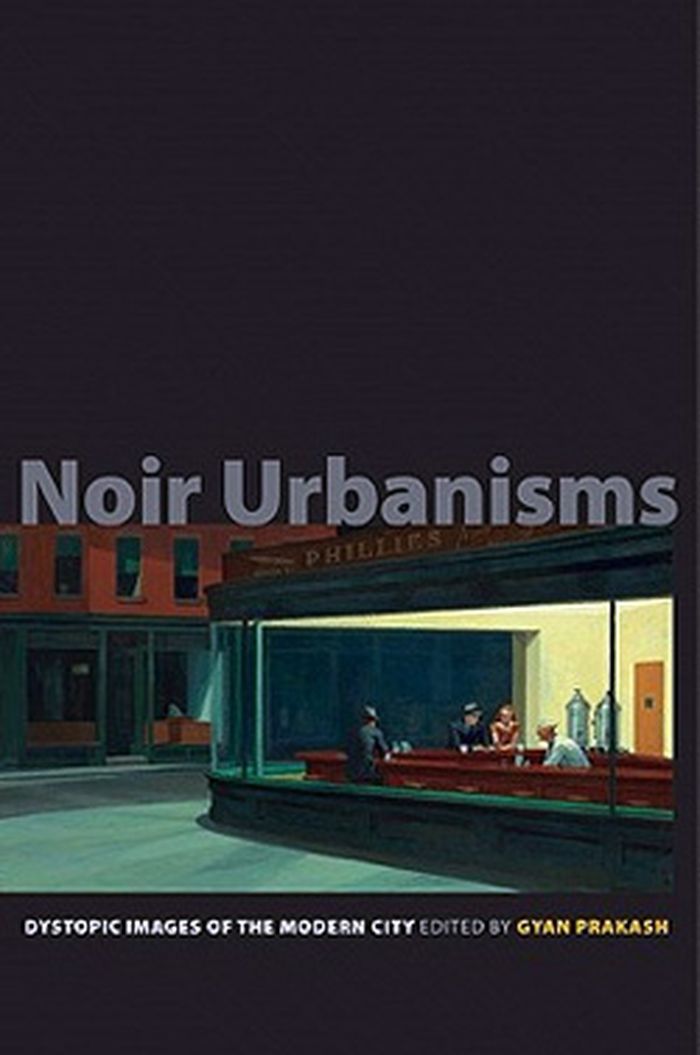
Dystopic imagery has figured prominently in modern depictions of the urban landscape. The city is often portrayed as a terrifying world of darkness, crisis, and catastrophe. Noir Urbanisms traces the history of the modern city through its critical representations in art, cinema, print journalism, literature, sociology, and architecture. It focuses on visual forms of(...)
$32.95
(disponible sur commande)
Résumé:
Dystopic imagery has figured prominently in modern depictions of the urban landscape. The city is often portrayed as a terrifying world of darkness, crisis, and catastrophe. Noir Urbanisms traces the history of the modern city through its critical representations in art, cinema, print journalism, literature, sociology, and architecture. It focuses on visual forms of(...)
Titre:
Noir urbanisms: Dystopic images of the modern city
Actions:
Prix:
$32.95
(disponible sur commande)
Résumé:
Dystopic imagery has figured prominently in modern depictions of the urban landscape. The city is often portrayed as a terrifying world of darkness, crisis, and catastrophe. Noir Urbanisms traces the history of the modern city through its critical representations in art, cinema, print journalism, literature, sociology, and architecture. It focuses on visual forms of dystopic representation--because the history of the modern city is inseparable from the production and circulation of images--and examines their strengths and limits as urban criticism. Contributors explore dystopic images of the modern city in Germany, Mexico, Japan, India, South Africa, China, and the United States. Their topics include Weimar representations of urban dystopia in Fritz Lang's 1927 film Metropolis; 1960s modernist architecture in Mexico City; Hollywood film noir of the 1940s and 1950s; the recurring fictional destruction of Tokyo in postwar Japan's sci-fi doom culture; the urban fringe in Bombay cinema; fictional explorations of urban dystopia in postapartheid Johannesburg; and Delhi's out-of-control and media-saturated urbanism in the 1980s and 1990s. What emerges in Noir Urbanisms is the unsettling and disorienting alchemy between dark representations and the modern urban experience.
Noir urbanisms: Dystopic images of the modern city
Actions:
Prix:
$32.95
(disponible sur commande)
Résumé:
Dystopic imagery has figured prominently in modern depictions of the urban landscape. The city is often portrayed as a terrifying world of darkness, crisis, and catastrophe. Noir Urbanisms traces the history of the modern city through its critical representations in art, cinema, print journalism, literature, sociology, and architecture. It focuses on visual forms of dystopic representation--because the history of the modern city is inseparable from the production and circulation of images--and examines their strengths and limits as urban criticism. Contributors explore dystopic images of the modern city in Germany, Mexico, Japan, India, South Africa, China, and the United States. Their topics include Weimar representations of urban dystopia in Fritz Lang's 1927 film Metropolis; 1960s modernist architecture in Mexico City; Hollywood film noir of the 1940s and 1950s; the recurring fictional destruction of Tokyo in postwar Japan's sci-fi doom culture; the urban fringe in Bombay cinema; fictional explorations of urban dystopia in postapartheid Johannesburg; and Delhi's out-of-control and media-saturated urbanism in the 1980s and 1990s. What emerges in Noir Urbanisms is the unsettling and disorienting alchemy between dark representations and the modern urban experience.
Classification:
livres
livres
Publication:
octobre 2010
octobre 2010
Classification:
livres
livres
Actions:
Prix:
$75.00
(disponible sur commande)
Résumé:
Denise Scott Brown (1931), a well-known architect who, since the late 1960s, has formed, together with Robert Venturi, one of the most prolific and revolutionary couples in the history of contemporary architecture, has also been a photographer and traveller: naturalised American, she was born in Zambia, grew up and studied in South Africa, went on to study in England and(...)
$75.00
(disponible sur commande)
Résumé:
Denise Scott Brown (1931), a well-known architect who, since the late 1960s, has formed, together with Robert Venturi, one of the most prolific and revolutionary couples in the history of contemporary architecture, has also been a photographer and traveller: naturalised American, she was born in Zambia, grew up and studied in South Africa, went on to study in England and(...)
Sujet:
Architecture, monographies
Architecture, monographies
Publication:
mars 2026
mars 2026
Titre:
Denise Scott Brown: The Architect's Album 02/ L'album de l'arquitecte
Actions:
Prix:
$75.00
(disponible sur commande)
Résumé:
Denise Scott Brown (1931), a well-known architect who, since the late 1960s, has formed, together with Robert Venturi, one of the most prolific and revolutionary couples in the history of contemporary architecture, has also been a photographer and traveller: naturalised American, she was born in Zambia, grew up and studied in South Africa, went on to study in England and Italy, continued learning and teaching on the East and West coasts of the United States and settled in Philadelphia, where she currently lives. To her we dedicate this second volume of the collection ''The Architect's Album'', whose first issue was dedicated to the figure of Sigurd Lewerentz, architect-photographer-traveller. Here we present a selection of around 50 unpublished photographs that tell the story of her wedding journey with her first husband, Robert Scott Brown, in 1955: five weeks travelling in Illyria, a Balkan region between Albania and the former Yugoslavia,where a young architect-photographer shows us, through her camera, a country in transition, portraying aspects of rural and urban life, through places, people, animals, landscapes, streets and architecture that take us on a unique and transcendental journey, her Illyrian Honeymoon.
Denise Scott Brown: The Architect's Album 02/ L'album de l'arquitecte
Actions:
Prix:
$75.00
(disponible sur commande)
Résumé:
Denise Scott Brown (1931), a well-known architect who, since the late 1960s, has formed, together with Robert Venturi, one of the most prolific and revolutionary couples in the history of contemporary architecture, has also been a photographer and traveller: naturalised American, she was born in Zambia, grew up and studied in South Africa, went on to study in England and Italy, continued learning and teaching on the East and West coasts of the United States and settled in Philadelphia, where she currently lives. To her we dedicate this second volume of the collection ''The Architect's Album'', whose first issue was dedicated to the figure of Sigurd Lewerentz, architect-photographer-traveller. Here we present a selection of around 50 unpublished photographs that tell the story of her wedding journey with her first husband, Robert Scott Brown, in 1955: five weeks travelling in Illyria, a Balkan region between Albania and the former Yugoslavia,where a young architect-photographer shows us, through her camera, a country in transition, portraying aspects of rural and urban life, through places, people, animals, landscapes, streets and architecture that take us on a unique and transcendental journey, her Illyrian Honeymoon.
Classification:
livres
livres
Publication:
mars 2026
mars 2026
Sujet:
Architecture, monographies
Architecture, monographies
Classification:
livres
livres
Actions:
Prix:
$48.00
(disponible sur commande)
Résumé:
Ever since the landmark publication of Susan Sontag’s On Photography, it has been impossible to look at photographs, particularly those of violence and suffering, without questioning our role as photographic voyeur. Are we desensitized by the proliferation of these images, and does this make it easier to be passive and uninvolved? Or do the images immediately stir our own(...)
$48.00
(disponible sur commande)
Résumé:
Ever since the landmark publication of Susan Sontag’s On Photography, it has been impossible to look at photographs, particularly those of violence and suffering, without questioning our role as photographic voyeur. Are we desensitized by the proliferation of these images, and does this make it easier to be passive and uninvolved? Or do the images immediately stir our own(...)
Titre:
Picturing atrocity: photography in crisis
Actions:
Prix:
$48.00
(disponible sur commande)
Résumé:
Ever since the landmark publication of Susan Sontag’s On Photography, it has been impossible to look at photographs, particularly those of violence and suffering, without questioning our role as photographic voyeur. Are we desensitized by the proliferation of these images, and does this make it easier to be passive and uninvolved? Or do the images immediately stir our own sense of justice and act as a call to arms? Are we consuming the suffering of others as a form of intrigue? Or is it an act of empathy? To answer these questions, Picturing Atrocity brings together writers and critics on photography today to offer close readings of images that reveal the realities behind the photographs, the subjects, and the photographers. From the massacre of the Sioux Indians at Wounded Knee to the torture of prisoners at Abu Ghraib, from famine in China to apartheid in South Africa, Picturing Atrocity examines a broad spectrum of photographs. Each of the essays focuses specifically on an iconic image, offering a distinct approach and context, in order to enable us to look again—and this time more closely—at the picture. In addition, four photo-essays showcase the work of photographers involved in the making of photographs of brutality as well as the artists’ own reflections on these images.
Picturing atrocity: photography in crisis
Actions:
Prix:
$48.00
(disponible sur commande)
Résumé:
Ever since the landmark publication of Susan Sontag’s On Photography, it has been impossible to look at photographs, particularly those of violence and suffering, without questioning our role as photographic voyeur. Are we desensitized by the proliferation of these images, and does this make it easier to be passive and uninvolved? Or do the images immediately stir our own sense of justice and act as a call to arms? Are we consuming the suffering of others as a form of intrigue? Or is it an act of empathy? To answer these questions, Picturing Atrocity brings together writers and critics on photography today to offer close readings of images that reveal the realities behind the photographs, the subjects, and the photographers. From the massacre of the Sioux Indians at Wounded Knee to the torture of prisoners at Abu Ghraib, from famine in China to apartheid in South Africa, Picturing Atrocity examines a broad spectrum of photographs. Each of the essays focuses specifically on an iconic image, offering a distinct approach and context, in order to enable us to look again—and this time more closely—at the picture. In addition, four photo-essays showcase the work of photographers involved in the making of photographs of brutality as well as the artists’ own reflections on these images.
Classification:
livres
livres
Publication:
novembre 2011
novembre 2011
Sujet:
Théorie de la photographie
Théorie de la photographie
Classification:
livres
livres
Actions:
Prix:
$22.95
(disponible sur commande)
Résumé:
Why do walls marking national boundaries proliferate amid widespread proclamations of global connectedness and despite anticipation of a world without borders? Why are barricades built of concrete, steel, and barbed wire when threats to the nation today are so often miniaturized, vaporous, clandestine, dispersed, or networked? In "Walled states, waning sovereignty", Wendy(...)
$22.95
(disponible sur commande)
Résumé:
Why do walls marking national boundaries proliferate amid widespread proclamations of global connectedness and despite anticipation of a world without borders? Why are barricades built of concrete, steel, and barbed wire when threats to the nation today are so often miniaturized, vaporous, clandestine, dispersed, or networked? In "Walled states, waning sovereignty", Wendy(...)
Titre:
Walled states, waning sovereignty, New edition
Actions:
Prix:
$22.95
(disponible sur commande)
Résumé:
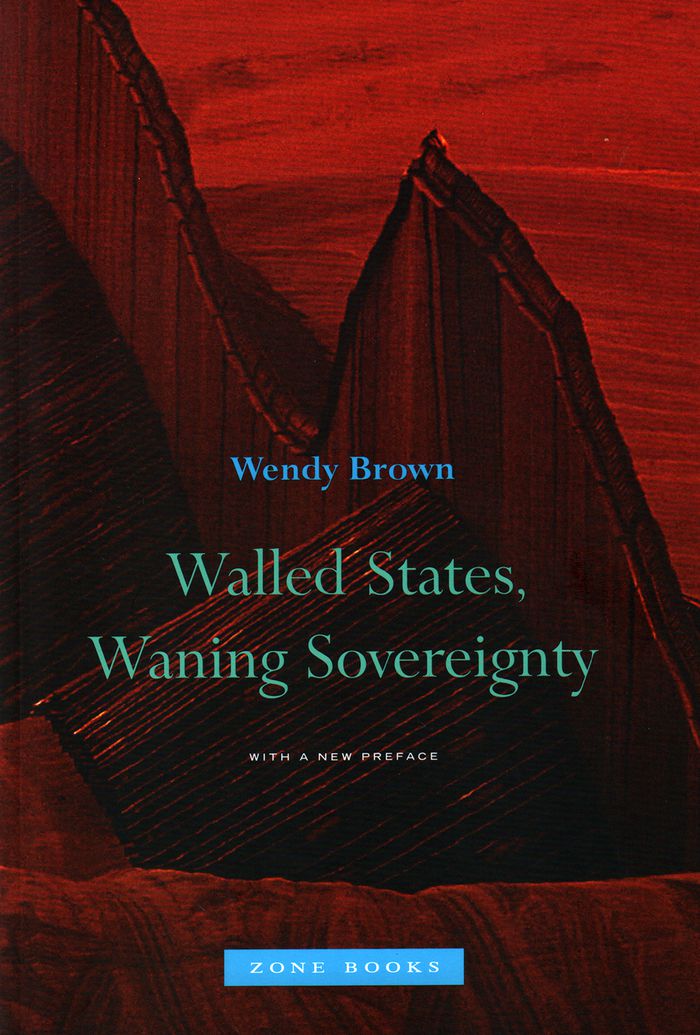
Why do walls marking national boundaries proliferate amid widespread proclamations of global connectedness and despite anticipation of a world without borders? Why are barricades built of concrete, steel, and barbed wire when threats to the nation today are so often miniaturized, vaporous, clandestine, dispersed, or networked? In "Walled states, waning sovereignty", Wendy Brown considers the recent spate of wall building in contrast to the erosion of nation-state sovereignty. Drawing on classical and contemporary political theories of state sovereignty in order to understand how state power and national identity persist amid its decline, Brown considers both the need of the state for legitimacy and the popular desires that incite the contemporary building of walls. The new walls—dividing Texas from Mexico, Israel from Palestine, South Africa from Zimbabwe—consecrate the broken boundaries they would seem to contest and signify the ungovernability of a range of forces unleashed by globalization. Yet these same walls often amount to little more than theatrical props, frequently breached, and blur the distinction between law and lawlessness that they are intended to represent. But if today’s walls fail to resolve the conflicts between globalization and national identity, they nonetheless project a stark image of sovereign power. Walls, Brown argues, address human desires for containment and protection in a world increasingly without these provisions. Walls respond to the wish for horizons even as horizons are vanquished.
Walled states, waning sovereignty, New edition
Actions:
Prix:
$22.95
(disponible sur commande)
Résumé:
Why do walls marking national boundaries proliferate amid widespread proclamations of global connectedness and despite anticipation of a world without borders? Why are barricades built of concrete, steel, and barbed wire when threats to the nation today are so often miniaturized, vaporous, clandestine, dispersed, or networked? In "Walled states, waning sovereignty", Wendy Brown considers the recent spate of wall building in contrast to the erosion of nation-state sovereignty. Drawing on classical and contemporary political theories of state sovereignty in order to understand how state power and national identity persist amid its decline, Brown considers both the need of the state for legitimacy and the popular desires that incite the contemporary building of walls. The new walls—dividing Texas from Mexico, Israel from Palestine, South Africa from Zimbabwe—consecrate the broken boundaries they would seem to contest and signify the ungovernability of a range of forces unleashed by globalization. Yet these same walls often amount to little more than theatrical props, frequently breached, and blur the distinction between law and lawlessness that they are intended to represent. But if today’s walls fail to resolve the conflicts between globalization and national identity, they nonetheless project a stark image of sovereign power. Walls, Brown argues, address human desires for containment and protection in a world increasingly without these provisions. Walls respond to the wish for horizons even as horizons are vanquished.
Classification:
livres
livres
Publication:
avril 2017
avril 2017
Sujet:
Théorie de l’architecture
Théorie de l’architecture
Classification:
livres
livres
Actions:
Prix:
$70.50
(disponible sur commande)
Résumé:
What is the role of the museum in society today? In this time of fundamental economic and social change, should museums be safe civic spaces or open a floor for challenge and change? Can museums contribute to the economic development of communities? If so, how best to guard against the effects of gentrification so that they do not further limit opportunity for low-income(...)
$70.50
(disponible sur commande)
Résumé:
What is the role of the museum in society today? In this time of fundamental economic and social change, should museums be safe civic spaces or open a floor for challenge and change? Can museums contribute to the economic development of communities? If so, how best to guard against the effects of gentrification so that they do not further limit opportunity for low-income(...)
Titre:
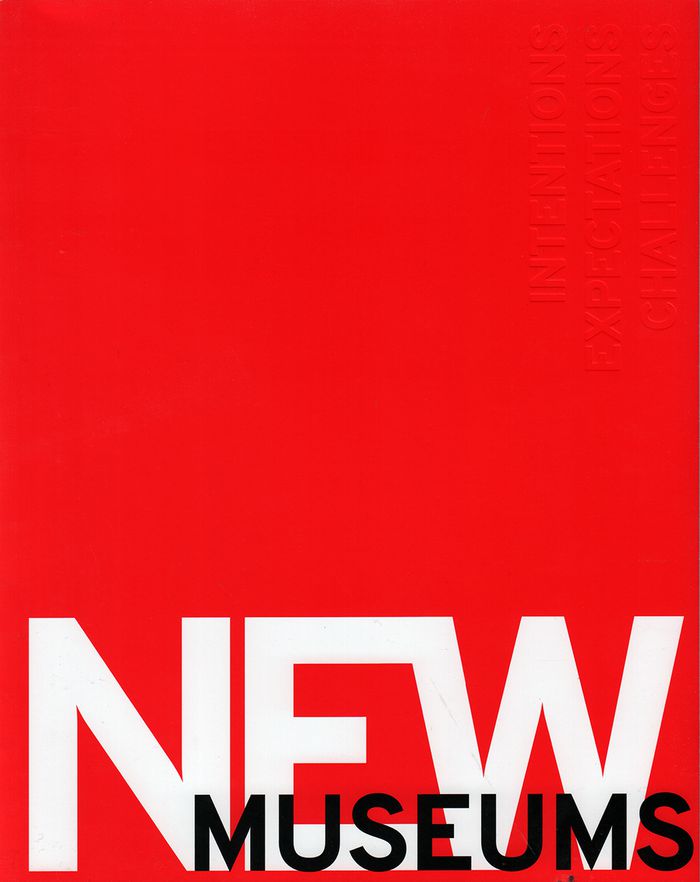
New museums: intentions, expectations, challenges
Actions:
Prix:
$70.50
(disponible sur commande)
Résumé:
What is the role of the museum in society today? In this time of fundamental economic and social change, should museums be safe civic spaces or open a floor for challenge and change? Can museums contribute to the economic development of communities? If so, how best to guard against the effects of gentrification so that they do not further limit opportunity for low-income residents? How should museums respond to concerns about environmental sustainability? These are just a few of the questions museum professionals, planners, and architects must carefully consider when developing plans and choosing a location for a new museum. "New museums" explores these questions by talking to the people behind twenty different museums on six continents, both realized projects and speculative design proposals. Among the museums discussed in the book are the Smithsonian Institute’s National Museum of African American History and Culture in Washington, DC, by Adjaye Associates; the Guggenheim Helsinki by Moreau Kusunoki Architectes; the Comic and Animation Museum in Hangzhou by MVRDV; the Munch Museum in Oslo by Estudio Herreros, the Zeitz Museum of Contemporary Art Africa in Cape Town by Heatherwick Studio; the Long Museum West Bund in Shanghai by Atelier Deshaus; and the recent extension of the Art Gallery of New South Wales in Sydney by SANAA. With more than 250 color illustrations and contributions by leading museum and architecture experts, the book sheds light on current trends and the state-of-the-art technological advances in architecture, while also providing insight into the careful thought and decision processes that go into the development of new museums.
New museums: intentions, expectations, challenges
Actions:
Prix:
$70.50
(disponible sur commande)
Résumé:
What is the role of the museum in society today? In this time of fundamental economic and social change, should museums be safe civic spaces or open a floor for challenge and change? Can museums contribute to the economic development of communities? If so, how best to guard against the effects of gentrification so that they do not further limit opportunity for low-income residents? How should museums respond to concerns about environmental sustainability? These are just a few of the questions museum professionals, planners, and architects must carefully consider when developing plans and choosing a location for a new museum. "New museums" explores these questions by talking to the people behind twenty different museums on six continents, both realized projects and speculative design proposals. Among the museums discussed in the book are the Smithsonian Institute’s National Museum of African American History and Culture in Washington, DC, by Adjaye Associates; the Guggenheim Helsinki by Moreau Kusunoki Architectes; the Comic and Animation Museum in Hangzhou by MVRDV; the Munch Museum in Oslo by Estudio Herreros, the Zeitz Museum of Contemporary Art Africa in Cape Town by Heatherwick Studio; the Long Museum West Bund in Shanghai by Atelier Deshaus; and the recent extension of the Art Gallery of New South Wales in Sydney by SANAA. With more than 250 color illustrations and contributions by leading museum and architecture experts, the book sheds light on current trends and the state-of-the-art technological advances in architecture, while also providing insight into the careful thought and decision processes that go into the development of new museums.
Classification:
livres
livres
Publication:
août 2017
août 2017
Sujet:
Muséologie
Muséologie
Classification:
audio
audio
Description:
1 online resource.
Auteur:
Sujet:
Publication:
[Place of publication not identified] : Lateral Addition, 2016.
[Place of publication not identified] : Lateral Addition, 2016.
Titre:
A Partial Exegesis of Cricket, its Laws and Rituals.
Actions:
Description:
1 online resource.
A Partial Exegesis of Cricket, its Laws and Rituals.
Actions:
Description:
1 online resource.
Classification:
audio
audio
Publication:
[Place of publication not identified] : Lateral Addition, 2016.
[Place of publication not identified] : Lateral Addition, 2016.
Auteur:
Sujet:


