


822 Résultats
Classification:
livres
livres
Actions:
Prix:
$69.00
(disponible sur commande)
Résumé:
As early as 1934 Charlotte Perriand began to reflect on the architectural aspects of leisure activities for all, but it was with Les Arcs, her greatest work, that she completed her reflection on the art of living in the mountains. Alongside the developer Roger Godino, Charlotte Perriand displayed all the facets of her immense talent: design, urban planning, but also(...)
$69.00
(disponible sur commande)
Résumé:
As early as 1934 Charlotte Perriand began to reflect on the architectural aspects of leisure activities for all, but it was with Les Arcs, her greatest work, that she completed her reflection on the art of living in the mountains. Alongside the developer Roger Godino, Charlotte Perriand displayed all the facets of her immense talent: design, urban planning, but also(...)
Titre:
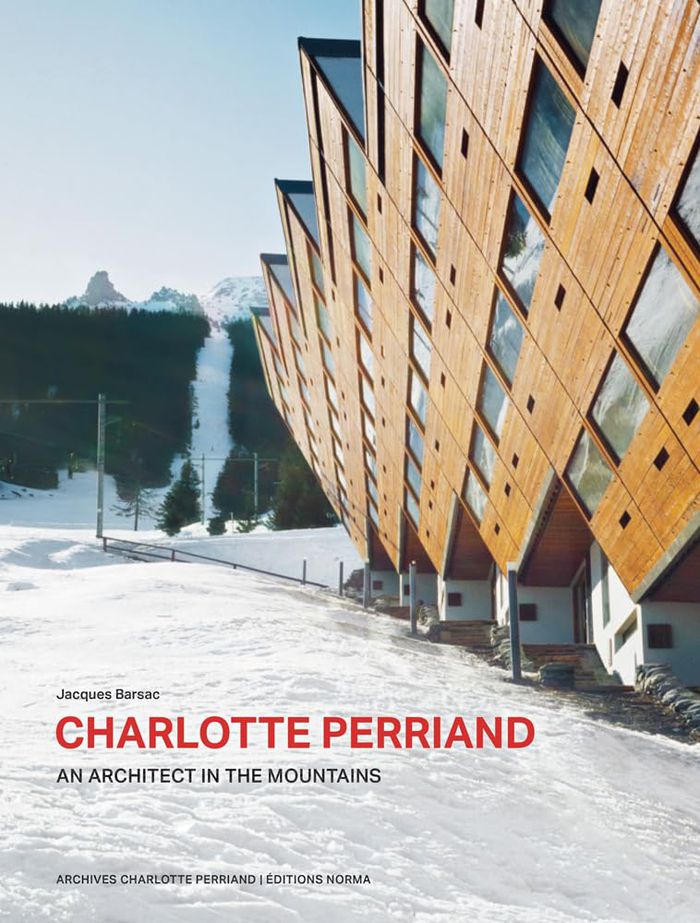
Charlotte Perriand: An architect in the mountains
Actions:
Prix:
$69.00
(disponible sur commande)
Résumé:
As early as 1934 Charlotte Perriand began to reflect on the architectural aspects of leisure activities for all, but it was with Les Arcs, her greatest work, that she completed her reflection on the art of living in the mountains. Alongside the developer Roger Godino, Charlotte Perriand displayed all the facets of her immense talent: design, urban planning, but also bioclimatic architecture, of which she was a pioneer. She had to deal with financial and time constraints in order to design most of the Arc 1600 and 1800. Thanks to her perseverance and growing inventiveness, her integration of architecture into the sites, her innovative and human approach to traffic, and the life she breathes into the resort, especially on the rooftops, she has made it a friendly place, in harmony with the environment. Thus, she designs the interior architecture of more than 4,500 homes, 25,000 beds, for an annual flow of more than one million people. Her wish to combine the art of living in the mountains with housing for the greatest number of people has been largely realized.
Charlotte Perriand: An architect in the mountains
Actions:
Prix:
$69.00
(disponible sur commande)
Résumé:
As early as 1934 Charlotte Perriand began to reflect on the architectural aspects of leisure activities for all, but it was with Les Arcs, her greatest work, that she completed her reflection on the art of living in the mountains. Alongside the developer Roger Godino, Charlotte Perriand displayed all the facets of her immense talent: design, urban planning, but also bioclimatic architecture, of which she was a pioneer. She had to deal with financial and time constraints in order to design most of the Arc 1600 and 1800. Thanks to her perseverance and growing inventiveness, her integration of architecture into the sites, her innovative and human approach to traffic, and the life she breathes into the resort, especially on the rooftops, she has made it a friendly place, in harmony with the environment. Thus, she designs the interior architecture of more than 4,500 homes, 25,000 beds, for an annual flow of more than one million people. Her wish to combine the art of living in the mountains with housing for the greatest number of people has been largely realized.
Classification:
livres
livres
Publication:
juin 2023
juin 2023
Sujet:
Architecture, monographies
Architecture, monographies
Classification:
livres
livres

Actions:
Prix:
$41.95
(disponible sur commande)
Résumé:
Can a typeface communicate the unique character of a city? This is the question the University of Minnesota Design Institute proposed when it began the project “Typeface: Twin Cities” and commissioned six teams of talented typographers to create a custom font for Minneapolis and St. Paul. “Typeface: Twin Cities” was an experiment to further understand the relationship(...)
$41.95
(disponible sur commande)
Résumé:
Can a typeface communicate the unique character of a city? This is the question the University of Minnesota Design Institute proposed when it began the project “Typeface: Twin Cities” and commissioned six teams of talented typographers to create a custom font for Minneapolis and St. Paul. “Typeface: Twin Cities” was an experiment to further understand the relationship(...)
Publication:
septembre 2003, Minneapolis
septembre 2003, Minneapolis
Titre:
Metro letters : a typeface for the Twin Cities
Actions:
Prix:
$41.95
(disponible sur commande)
Résumé:
Can a typeface communicate the unique character of a city? This is the question the University of Minnesota Design Institute proposed when it began the project “Typeface: Twin Cities” and commissioned six teams of talented typographers to create a custom font for Minneapolis and St. Paul. “Typeface: Twin Cities” was an experiment to further understand the relationship between typography and urban identity that sought not to brand the cities themselves but to engage the public’s awareness and appreciation of design and typography throughout the metro area. What began as an attempt to discover a subtle form of civic identity evolved into the invention of a truly unique concept. The Twin font is accompanied by a software program that can link the typeface via the Internet with live databases detailing the Twin Cities’ urban conditions—wind, temperature, traffic congestion—and these variations visibly affect the type’s appearance. "Metro Letters" recounts the complete process behind the development of a font that aims to visually represent the diversity of the Twin Cities and inspires other designers to devise their own new ideas, innovative prototypes, and creative experiments.
Metro letters : a typeface for the Twin Cities
Actions:
Prix:
$41.95
(disponible sur commande)
Résumé:
Can a typeface communicate the unique character of a city? This is the question the University of Minnesota Design Institute proposed when it began the project “Typeface: Twin Cities” and commissioned six teams of talented typographers to create a custom font for Minneapolis and St. Paul. “Typeface: Twin Cities” was an experiment to further understand the relationship between typography and urban identity that sought not to brand the cities themselves but to engage the public’s awareness and appreciation of design and typography throughout the metro area. What began as an attempt to discover a subtle form of civic identity evolved into the invention of a truly unique concept. The Twin font is accompanied by a software program that can link the typeface via the Internet with live databases detailing the Twin Cities’ urban conditions—wind, temperature, traffic congestion—and these variations visibly affect the type’s appearance. "Metro Letters" recounts the complete process behind the development of a font that aims to visually represent the diversity of the Twin Cities and inspires other designers to devise their own new ideas, innovative prototypes, and creative experiments.
Classification:
livres
livres
Publication:
septembre 2003, Minneapolis
septembre 2003, Minneapolis
Classification:
livres
livres
Titre:
Labyrinths & mazes
Labyrinths & mazes
Actions:
Prix:
$70.00
(disponible sur commande)
Résumé:
These aerial shots of ancient and modern labyrinths and mazes offer a perspective on an age-old phenomenon, and an opportunity to better understand its meaning. Allegories for life's uncertainty, labyrinths and mazes are ancient symbols that echo our own spiritual quests, transformations, and yearnings to find the right path. Jurgen Hohmuth used a custom-made camera(...)
$70.00
(disponible sur commande)
Résumé:
These aerial shots of ancient and modern labyrinths and mazes offer a perspective on an age-old phenomenon, and an opportunity to better understand its meaning. Allegories for life's uncertainty, labyrinths and mazes are ancient symbols that echo our own spiritual quests, transformations, and yearnings to find the right path. Jurgen Hohmuth used a custom-made camera(...)
Titre:
Labyrinths & mazes
Actions:
Prix:
$70.00
(disponible sur commande)
Résumé:
These aerial shots of ancient and modern labyrinths and mazes offer a perspective on an age-old phenomenon, and an opportunity to better understand its meaning. Allegories for life's uncertainty, labyrinths and mazes are ancient symbols that echo our own spiritual quests, transformations, and yearnings to find the right path. Jurgen Hohmuth used a custom-made camera attached to a miniature dirigible to photograph the labyrinths and mazes in this stunning book. The resulting low-altitude aerial photographs capture in astonishing detail the designs, textures, and settings that make each structure unique. Presented in large full-colour images, these gems of architectural landscaping take all forms and sizes, comprising an endless variety of materials: mosaics, cornstalks, sunflowers, stones, even beer crates. Laden with history, some labyrinths and mazes date back to the Bronze Age; grace the floors of medieval cathedrals; and spring up from the lawns of country estates. Modern incarnations are found in amusement parks, farmers' fields, and traffic circles. Lending depth to Hohmuth's photographs are brief essays from experts in the field, including Adrian Fisher, the world's foremost designer of labyrinths and mazes, as well as an innovative layout design that echoes the spirit of the labyrinth.
Labyrinths & mazes
Actions:
Prix:
$70.00
(disponible sur commande)
Résumé:
These aerial shots of ancient and modern labyrinths and mazes offer a perspective on an age-old phenomenon, and an opportunity to better understand its meaning. Allegories for life's uncertainty, labyrinths and mazes are ancient symbols that echo our own spiritual quests, transformations, and yearnings to find the right path. Jurgen Hohmuth used a custom-made camera attached to a miniature dirigible to photograph the labyrinths and mazes in this stunning book. The resulting low-altitude aerial photographs capture in astonishing detail the designs, textures, and settings that make each structure unique. Presented in large full-colour images, these gems of architectural landscaping take all forms and sizes, comprising an endless variety of materials: mosaics, cornstalks, sunflowers, stones, even beer crates. Laden with history, some labyrinths and mazes date back to the Bronze Age; grace the floors of medieval cathedrals; and spring up from the lawns of country estates. Modern incarnations are found in amusement parks, farmers' fields, and traffic circles. Lending depth to Hohmuth's photographs are brief essays from experts in the field, including Adrian Fisher, the world's foremost designer of labyrinths and mazes, as well as an innovative layout design that echoes the spirit of the labyrinth.
Classification:
livres
livres
Publication:
novembre 2003, Munich
novembre 2003, Munich
Sujet:
Jardins
Jardins
Classification:
livres
livres
Prix:
$52.50
(disponible sur commande)
Résumé:
Cultural icon, daring engineering spectacle, and highly controversial structure, the Alamillo Bridge stands almost 150 meters tall, with an inclined pylon whose own weight balances that of the deck and traffic. Built for the 1992 Universal Exposition in Seville, Spain, (...)
$52.50
(disponible sur commande)
Résumé:
Cultural icon, daring engineering spectacle, and highly controversial structure, the Alamillo Bridge stands almost 150 meters tall, with an inclined pylon whose own weight balances that of the deck and traffic. Built for the 1992 Universal Exposition in Seville, Spain, (...)
Sujet:
Architecture, monographies
Architecture, monographies
Publication:
juin 1998, Cambridge, Mass.
juin 1998, Cambridge, Mass.
Titre:
What is a bridge? The making of Calatrava's bridge in Seville
Actions:
Prix:
$52.50
(disponible sur commande)
Résumé:
Cultural icon, daring engineering spectacle, and highly controversial structure, the Alamillo Bridge stands almost 150 meters tall, with an inclined pylon whose own weight balances that of the deck and traffic. Built for the 1992 Universal Exposition in Seville, Spain, the bridge immediately received great international attention that continues to this day. Santiago Calatrava received a direct commission to design the bridge and seized the opportunity to create a design breakthrough--a stunning, harp-shaped bridge that defies both gravity and traditional bridge design. Along with the inclined pylon, cantilevered roadways, and elevated walkways, the striking absence of symmetry in the Alamillo Bridge prompts the observer to wonder anew, "What is a bridge?" In this book, the first to document Calatrava's work in depth, Spiro Pollalis describes each step of the bridge's design and construction, explaining the architectural intentions that motivated Calatrava's decisions along the way. He presents the constructed bridge element by element, along with the relevant engineering calculations and technical issues. The book is both a fascinating story of the intricate process of creating architecture in contemporary society and an accessible technical reading of an unprecedented feat in bridge design and engineering.
What is a bridge? The making of Calatrava's bridge in Seville
Actions:
Prix:
$52.50
(disponible sur commande)
Résumé:
Cultural icon, daring engineering spectacle, and highly controversial structure, the Alamillo Bridge stands almost 150 meters tall, with an inclined pylon whose own weight balances that of the deck and traffic. Built for the 1992 Universal Exposition in Seville, Spain, the bridge immediately received great international attention that continues to this day. Santiago Calatrava received a direct commission to design the bridge and seized the opportunity to create a design breakthrough--a stunning, harp-shaped bridge that defies both gravity and traditional bridge design. Along with the inclined pylon, cantilevered roadways, and elevated walkways, the striking absence of symmetry in the Alamillo Bridge prompts the observer to wonder anew, "What is a bridge?" In this book, the first to document Calatrava's work in depth, Spiro Pollalis describes each step of the bridge's design and construction, explaining the architectural intentions that motivated Calatrava's decisions along the way. He presents the constructed bridge element by element, along with the relevant engineering calculations and technical issues. The book is both a fascinating story of the intricate process of creating architecture in contemporary society and an accessible technical reading of an unprecedented feat in bridge design and engineering.
Classification:
livres
livres
Publication:
juin 1998, Cambridge, Mass.
juin 1998, Cambridge, Mass.
Sujet:
Architecture, monographies
Architecture, monographies
Classification:
livres
livres
Titre:
Atlas of the senseable city
Atlas of the senseable city
Actions:
Prix:
$48.00
(disponible en magasin)
Résumé:
What have smart technologies taught us about cities? What lessons can we learn from today’s urbanites to make better places to live? Antoine Picon and Carlo Ratti argue that the answers are in the maps we make. For centuries, we have relied on maps to navigate the enormity of the city. Now, as the physical world combines with the digital world, we need a new generation of(...)
$48.00
(disponible en magasin)
Résumé:
What have smart technologies taught us about cities? What lessons can we learn from today’s urbanites to make better places to live? Antoine Picon and Carlo Ratti argue that the answers are in the maps we make. For centuries, we have relied on maps to navigate the enormity of the city. Now, as the physical world combines with the digital world, we need a new generation of(...)
Titre:
Atlas of the senseable city
Actions:
Prix:
$48.00
(disponible en magasin)
Résumé:
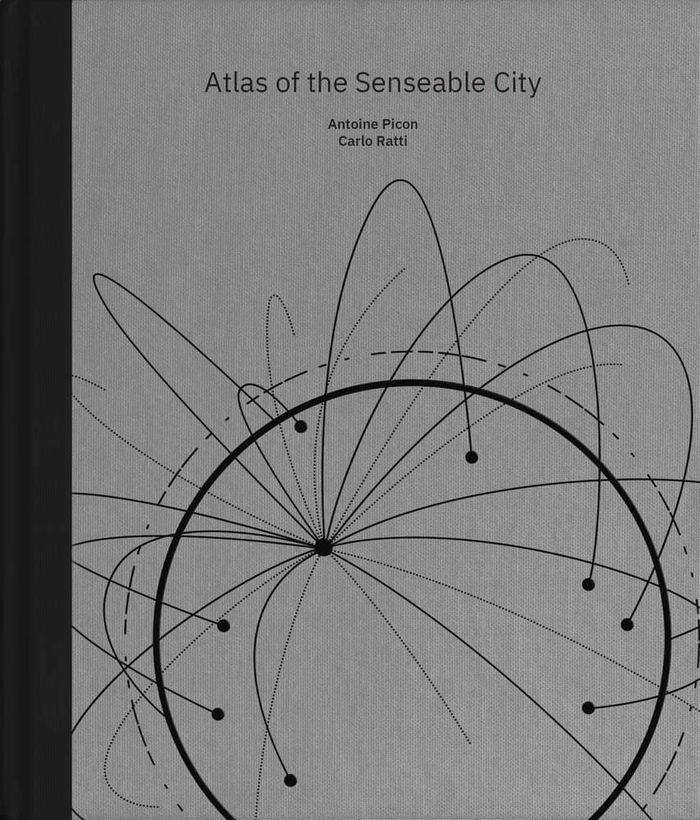
What have smart technologies taught us about cities? What lessons can we learn from today’s urbanites to make better places to live? Antoine Picon and Carlo Ratti argue that the answers are in the maps we make. For centuries, we have relied on maps to navigate the enormity of the city. Now, as the physical world combines with the digital world, we need a new generation of maps to navigate the city of tomorrow. Pervasive sensors allow anyone to visualize cities in entirely new ways—ebbs and flows of pollution, traffic, and internet connectivity. This book explores how the growth of digital mapping, spurred by sensing technologies, is affecting cities and daily lives. It examines how new cartographic possibilities aid urban planners, technicians, politicians, and administrators; how digitally mapped cities could reveal ways to make cities smarter and more efficient; how monitoring urbanites has political and social repercussions; and how the proliferation of open-source maps and collaborative platforms can aid activists and vulnerable populations. With its beautiful, accessible presentation of cutting-edge research, this book makes it easy for readers to understand the stakes of the new information age—and appreciate the timeless power of the city.
Atlas of the senseable city
Actions:
Prix:
$48.00
(disponible en magasin)
Résumé:
What have smart technologies taught us about cities? What lessons can we learn from today’s urbanites to make better places to live? Antoine Picon and Carlo Ratti argue that the answers are in the maps we make. For centuries, we have relied on maps to navigate the enormity of the city. Now, as the physical world combines with the digital world, we need a new generation of maps to navigate the city of tomorrow. Pervasive sensors allow anyone to visualize cities in entirely new ways—ebbs and flows of pollution, traffic, and internet connectivity. This book explores how the growth of digital mapping, spurred by sensing technologies, is affecting cities and daily lives. It examines how new cartographic possibilities aid urban planners, technicians, politicians, and administrators; how digitally mapped cities could reveal ways to make cities smarter and more efficient; how monitoring urbanites has political and social repercussions; and how the proliferation of open-source maps and collaborative platforms can aid activists and vulnerable populations. With its beautiful, accessible presentation of cutting-edge research, this book makes it easy for readers to understand the stakes of the new information age—and appreciate the timeless power of the city.
Classification:
livres
livres
Publication:
juin 2023
juin 2023
Sujet:
Théorie de l’urbanisme
Théorie de l’urbanisme
Classification:
livres
livres
Actions:
Prix:
$70.00
(disponible sur commande)
Résumé:
The architectural principle of the cellular compartment floor plan is as simple as it is economical, yet it allows for spatial and combinable freedom that can be interpreted in ever-new and ever-different ways. The resulting self-contained units or spatial sequences are suited for residential purposes as much as for office buildings, museums, or schools, with the floor(...)
$70.00
(disponible sur commande)
Résumé:
The architectural principle of the cellular compartment floor plan is as simple as it is economical, yet it allows for spatial and combinable freedom that can be interpreted in ever-new and ever-different ways. The resulting self-contained units or spatial sequences are suited for residential purposes as much as for office buildings, museums, or schools, with the floor(...)
Titre:
Regarding space and spaces: cellular compartment units by Luca Selva Architects
Actions:
Prix:
$70.00
(disponible sur commande)
Résumé:
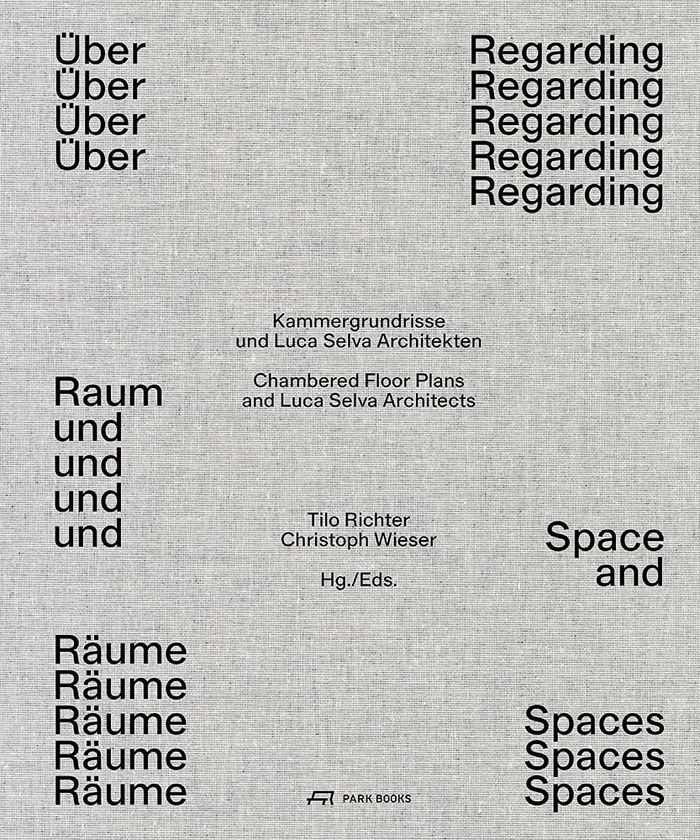
The architectural principle of the cellular compartment floor plan is as simple as it is economical, yet it allows for spatial and combinable freedom that can be interpreted in ever-new and ever-different ways. The resulting self-contained units or spatial sequences are suited for residential purposes as much as for office buildings, museums, or schools, with the floor plans providing highly dynamic and surprising traffic patterns and views. The cellular compartment floor plan is the generating principle in many buildings, projects, and competition entries by the renowned Basel-based Luca Selva Architects, who have been continually developing this typology in their practice, modifying it and adapting it for new applications in different projects. The cellular compartment floor plan is therefore the ideal focus of this new book on the work of the prolific firm. Numerous plans and photographs are supplemented with a theoretical essay by Christoph Wieser and a conversation between Luca Selva and Patrick Gmür. Shedding light for the first time on this surprisingly sparsely researched topic, this comprehensive book will have significance for the discourse reaching well beyond the exemplary designs by Luca Selva Architects.
Regarding space and spaces: cellular compartment units by Luca Selva Architects
Actions:
Prix:
$70.00
(disponible sur commande)
Résumé:
The architectural principle of the cellular compartment floor plan is as simple as it is economical, yet it allows for spatial and combinable freedom that can be interpreted in ever-new and ever-different ways. The resulting self-contained units or spatial sequences are suited for residential purposes as much as for office buildings, museums, or schools, with the floor plans providing highly dynamic and surprising traffic patterns and views. The cellular compartment floor plan is the generating principle in many buildings, projects, and competition entries by the renowned Basel-based Luca Selva Architects, who have been continually developing this typology in their practice, modifying it and adapting it for new applications in different projects. The cellular compartment floor plan is therefore the ideal focus of this new book on the work of the prolific firm. Numerous plans and photographs are supplemented with a theoretical essay by Christoph Wieser and a conversation between Luca Selva and Patrick Gmür. Shedding light for the first time on this surprisingly sparsely researched topic, this comprehensive book will have significance for the discourse reaching well beyond the exemplary designs by Luca Selva Architects.
Classification:
livres
livres
Publication:
juillet 2021
juillet 2021
Sujet:
Architecture, monographies
Architecture, monographies
Classification:
livres
livres
Actions:
Prix:
$29.95
(disponible sur commande)
Résumé:
This book explores the experience of driving cars as a way of encountering landscapes and cities around the world. A richly illustrated cultural history, drawing on social and urban history, art, literature and music, Drive explores in particular how car driving is portrayed in cinema and other moving images, from America to Europe and Asia, and from Hollywood to the(...)
$29.95
(disponible sur commande)
Résumé:
This book explores the experience of driving cars as a way of encountering landscapes and cities around the world. A richly illustrated cultural history, drawing on social and urban history, art, literature and music, Drive explores in particular how car driving is portrayed in cinema and other moving images, from America to Europe and Asia, and from Hollywood to the(...)
Titre:
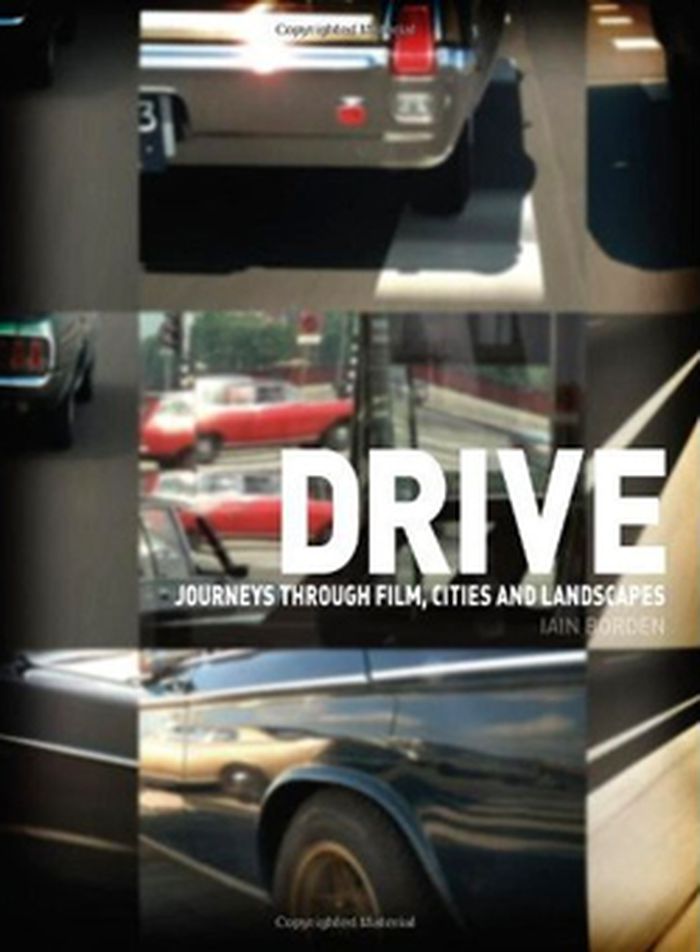
Drive : journeys through film, cities and landscapes
Actions:
Prix:
$29.95
(disponible sur commande)
Résumé:
This book explores the experience of driving cars as a way of encountering landscapes and cities around the world. A richly illustrated cultural history, drawing on social and urban history, art, literature and music, Drive explores in particular how car driving is portrayed in cinema and other moving images, from America to Europe and Asia, and from Hollywood to the avant-garde. Drive is about dynamic journeys, experiences and speeds, rooted in specific places and roads, and expanded into the realm of cinema, art and video games. It moves from the gentle deserts of The Grapes of Wrath to the adventurous city streets of The Italian Job, from the aesthetic delights of Rain Man and Traffic to the existential musings of Two-Lane Blacktop, Thelma and Louise and Vanishing Point, from the contemplative freeway pleasures of Lift to the Scaffold, Radio On and London Orbital to the hallucinatory high-speed dangers of Crash, Bullitt, Death Proof and C’était un Rendezvous. It shows how various kinds of driving – with different speeds, cars, attitudes, roads and cities – provide experiences and values that we ignore at our peril.
Drive : journeys through film, cities and landscapes
Actions:
Prix:
$29.95
(disponible sur commande)
Résumé:
This book explores the experience of driving cars as a way of encountering landscapes and cities around the world. A richly illustrated cultural history, drawing on social and urban history, art, literature and music, Drive explores in particular how car driving is portrayed in cinema and other moving images, from America to Europe and Asia, and from Hollywood to the avant-garde. Drive is about dynamic journeys, experiences and speeds, rooted in specific places and roads, and expanded into the realm of cinema, art and video games. It moves from the gentle deserts of The Grapes of Wrath to the adventurous city streets of The Italian Job, from the aesthetic delights of Rain Man and Traffic to the existential musings of Two-Lane Blacktop, Thelma and Louise and Vanishing Point, from the contemplative freeway pleasures of Lift to the Scaffold, Radio On and London Orbital to the hallucinatory high-speed dangers of Crash, Bullitt, Death Proof and C’était un Rendezvous. It shows how various kinds of driving – with different speeds, cars, attitudes, roads and cities – provide experiences and values that we ignore at our peril.
Classification:
livres
livres
Publication:
septembre 2012
septembre 2012
Classification:
livres
livres
Actions:
Exemplaires:
Description:
214 pages ; 18 cm
Description:
214 pages ; 18 cm
Auteur:
Sujet:
Publication:
Gollion [Switzerland] : Infolio, ©2008.
Gollion [Switzerland] : Infolio, ©2008.
Titre:
L'esthétique de la rue / Gustave Kahn ; introduction de Thierry Paquot.
Actions:
Exemplaires:
Description:
214 pages ; 18 cm
L'esthétique de la rue / Gustave Kahn ; introduction de Thierry Paquot.
Actions:
Exemplaires:
Description:
214 pages ; 18 cm
Classification:
livres
livres
Publication:
Gollion [Switzerland] : Infolio, ©2008.
Gollion [Switzerland] : Infolio, ©2008.
Auteur:
Sujet:
Classification:
livres
livres
Actions:
Exemplaires:
Description:
299 pages : illustrations en couleur ; 27 cm.
Description:
299 pages : illustrations en couleur ; 27 cm.
Auteur:
Sujet:
Publication:
Marseille : Parenthèses, [2021]
Marseille : Parenthèses, [2021]
Titre:
Plus grand que la Seine : acteurs en réseau, paysages en projets / sous la direction de Joséphine Billey, Alexia Fesquet, Agnès Jacquin, Alexis Pernet
Actions:
Exemplaires:
Description:
299 pages : illustrations en couleur ; 27 cm.
Plus grand que la Seine : acteurs en réseau, paysages en projets / sous la direction de Joséphine Billey, Alexia Fesquet, Agnès Jacquin, Alexis Pernet
Actions:
Exemplaires:
Description:
299 pages : illustrations en couleur ; 27 cm.
Classification:
livres
livres
Publication:
Marseille : Parenthèses, [2021]
Marseille : Parenthèses, [2021]
Auteur:
Sujet:
Classification:
livres
livres
Titre:
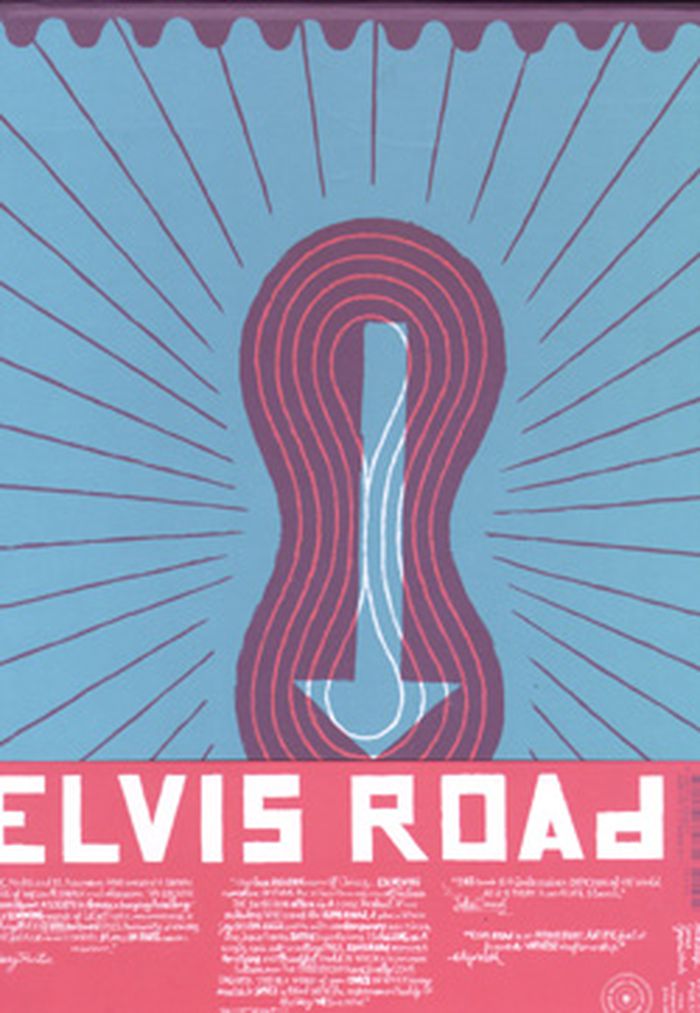
Elvis road
Elvis road
Actions:
Prix:
$26.95
(disponible sur commande)
Résumé:
This long, speechless comic is read as one 20-ft fold-out page; it's half Saul Steinberg on drugs, half insane doodle. Porn shops, playgrounds and sports arenas mix in the crowded urban scene, where everyone seems to be going somewhere, really desperate, or about to do something wicked and fun. Strange vehicles crowd the road, which serves up race cars, tanks, and a huge(...)
$26.95
(disponible sur commande)
Résumé:
This long, speechless comic is read as one 20-ft fold-out page; it's half Saul Steinberg on drugs, half insane doodle. Porn shops, playgrounds and sports arenas mix in the crowded urban scene, where everyone seems to be going somewhere, really desperate, or about to do something wicked and fun. Strange vehicles crowd the road, which serves up race cars, tanks, and a huge(...)
Titre:
Elvis road
Actions:
Prix:
$26.95
(disponible sur commande)
Résumé:
This long, speechless comic is read as one 20-ft fold-out page; it's half Saul Steinberg on drugs, half insane doodle. Porn shops, playgrounds and sports arenas mix in the crowded urban scene, where everyone seems to be going somewhere, really desperate, or about to do something wicked and fun. Strange vehicles crowd the road, which serves up race cars, tanks, and a huge "parfum" tanker truck in one long traffic jam. The simple line drawings use images from World War II, as well as from underground comics of the late '60s through to the present (any references to superheroes and Disney-like characters are purely ironic). The depictions of Klansmen and Nazis seem part of the social critique, perhaps reinforcing the underlying idea that life stuffed to the gills with items that fulfill our every need is itself a form of fascism. There's always something new to see, and much occurs in the cramped spaces, such as when a happy cop ushers small creatures into a theme park called "Cuteland," or when fascist worshipers are hit by a flaming asteroid that leaves a trail of yogurt in which people drown. A strong art-book that's actually a lot of fun.
Elvis road
Actions:
Prix:
$26.95
(disponible sur commande)
Résumé:
This long, speechless comic is read as one 20-ft fold-out page; it's half Saul Steinberg on drugs, half insane doodle. Porn shops, playgrounds and sports arenas mix in the crowded urban scene, where everyone seems to be going somewhere, really desperate, or about to do something wicked and fun. Strange vehicles crowd the road, which serves up race cars, tanks, and a huge "parfum" tanker truck in one long traffic jam. The simple line drawings use images from World War II, as well as from underground comics of the late '60s through to the present (any references to superheroes and Disney-like characters are purely ironic). The depictions of Klansmen and Nazis seem part of the social critique, perhaps reinforcing the underlying idea that life stuffed to the gills with items that fulfill our every need is itself a form of fascism. There's always something new to see, and much occurs in the cramped spaces, such as when a happy cop ushers small creatures into a theme park called "Cuteland," or when fascist worshipers are hit by a flaming asteroid that leaves a trail of yogurt in which people drown. A strong art-book that's actually a lot of fun.
Classification:
livres
livres
Publication:
janvier 1900, Oakland
janvier 1900, Oakland


