


960 Résultats
Classification:
livres
livres
Actions:
Prix:
$44.95
(disponible en magasin)
Résumé:
The Projects Catalogue of the ACADIA 2014: DESIGN AGENCY international conference contains jury selected and curated research and practice projects of the 34th annual conference of the Association for Computer Aided Design in Architecture. Projects by researchers, practitioners, students and by the ACADIA partner organization Tex-Fab are included. This volume brings(...)
$44.95
(disponible en magasin)
Résumé:
The Projects Catalogue of the ACADIA 2014: DESIGN AGENCY international conference contains jury selected and curated research and practice projects of the 34th annual conference of the Association for Computer Aided Design in Architecture. Projects by researchers, practitioners, students and by the ACADIA partner organization Tex-Fab are included. This volume brings(...)
Sujet:
Architecture numérique
Architecture numérique
Publication:
février 2015
février 2015
Titre:
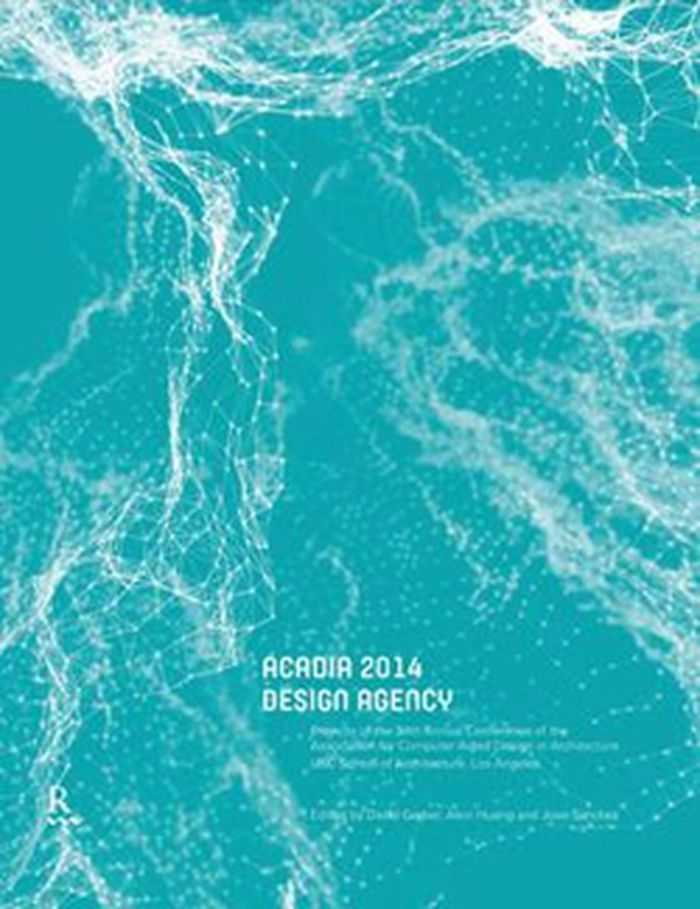
Acadia 2014 design agency: projects
Actions:
Prix:
$44.95
(disponible en magasin)
Résumé:
The Projects Catalogue of the ACADIA 2014: DESIGN AGENCY international conference contains jury selected and curated research and practice projects of the 34th annual conference of the Association for Computer Aided Design in Architecture. Projects by researchers, practitioners, students and by the ACADIA partner organization Tex-Fab are included. This volume brings together a spectrum of research and creative practice currently occurring within the ACADIA community. This combined research reflects new paradigms that are redefining contemporary architecture. Specialized computational design topics include cloud organization, big data, global project delivery, and new forms of collective intelligence in design, architecture, urbanism, fabrication and media arts. The event is supported by the combined research networks of the University of Southern California, University of California Los Angeles and Southern California Institute of Architecture.
Acadia 2014 design agency: projects
Actions:
Prix:
$44.95
(disponible en magasin)
Résumé:
The Projects Catalogue of the ACADIA 2014: DESIGN AGENCY international conference contains jury selected and curated research and practice projects of the 34th annual conference of the Association for Computer Aided Design in Architecture. Projects by researchers, practitioners, students and by the ACADIA partner organization Tex-Fab are included. This volume brings together a spectrum of research and creative practice currently occurring within the ACADIA community. This combined research reflects new paradigms that are redefining contemporary architecture. Specialized computational design topics include cloud organization, big data, global project delivery, and new forms of collective intelligence in design, architecture, urbanism, fabrication and media arts. The event is supported by the combined research networks of the University of Southern California, University of California Los Angeles and Southern California Institute of Architecture.
Classification:
livres
livres
Publication:
février 2015
février 2015
Sujet:
Architecture numérique
Architecture numérique
Classification:
livres
livres

Titre:
The internet of things
The internet of things
Actions:
Prix:
$19.95
(disponible sur commande)
Résumé:
We turn on the lights in our house from a desk in an office miles away. Our refrigerator alerts us to buy milk on the way home. A package of cookies on the supermarket shelf suggests that we buy it, based on past purchases. The cookies themselves are on the shelf because of a “smart” supply chain. When we get home, the thermostat has already adjusted the temperature so(...)
$19.95
(disponible sur commande)
Résumé:
We turn on the lights in our house from a desk in an office miles away. Our refrigerator alerts us to buy milk on the way home. A package of cookies on the supermarket shelf suggests that we buy it, based on past purchases. The cookies themselves are on the shelf because of a “smart” supply chain. When we get home, the thermostat has already adjusted the temperature so(...)
Titre:
The internet of things
Actions:
Prix:
$19.95
(disponible sur commande)
Résumé:
We turn on the lights in our house from a desk in an office miles away. Our refrigerator alerts us to buy milk on the way home. A package of cookies on the supermarket shelf suggests that we buy it, based on past purchases. The cookies themselves are on the shelf because of a “smart” supply chain. When we get home, the thermostat has already adjusted the temperature so that it’s toasty or bracing, whichever we prefer. This is the Internet of Things — a networked world of connected devices, objects, and people. In this book, Samuel Greengard offers a guided tour through this emerging world and how it will change the way we live and work.
The internet of things
Actions:
Prix:
$19.95
(disponible sur commande)
Résumé:
We turn on the lights in our house from a desk in an office miles away. Our refrigerator alerts us to buy milk on the way home. A package of cookies on the supermarket shelf suggests that we buy it, based on past purchases. The cookies themselves are on the shelf because of a “smart” supply chain. When we get home, the thermostat has already adjusted the temperature so that it’s toasty or bracing, whichever we prefer. This is the Internet of Things — a networked world of connected devices, objects, and people. In this book, Samuel Greengard offers a guided tour through this emerging world and how it will change the way we live and work.
Classification:
livres
livres
Publication:
avril 2015
avril 2015
Sujet:
Architecture numérique
Architecture numérique
Classification:
livres
livres
Actions:
Prix:
$21.95
(disponible sur commande)
Résumé:
Digital technologies—with hardware, software, and networks at their core—will in the near future diagnose diseases more accurately than doctors can, apply enormous data sets to transform retailing, and accomplish many tasks once considered uniquely human. In The Second Machine Age MIT’s Erik Brynjolfsson and Andrew McAfee, reveal the forces driving the reinvention of(...)
$21.95
(disponible sur commande)
Résumé:
Digital technologies—with hardware, software, and networks at their core—will in the near future diagnose diseases more accurately than doctors can, apply enormous data sets to transform retailing, and accomplish many tasks once considered uniquely human. In The Second Machine Age MIT’s Erik Brynjolfsson and Andrew McAfee, reveal the forces driving the reinvention of(...)
Titre:
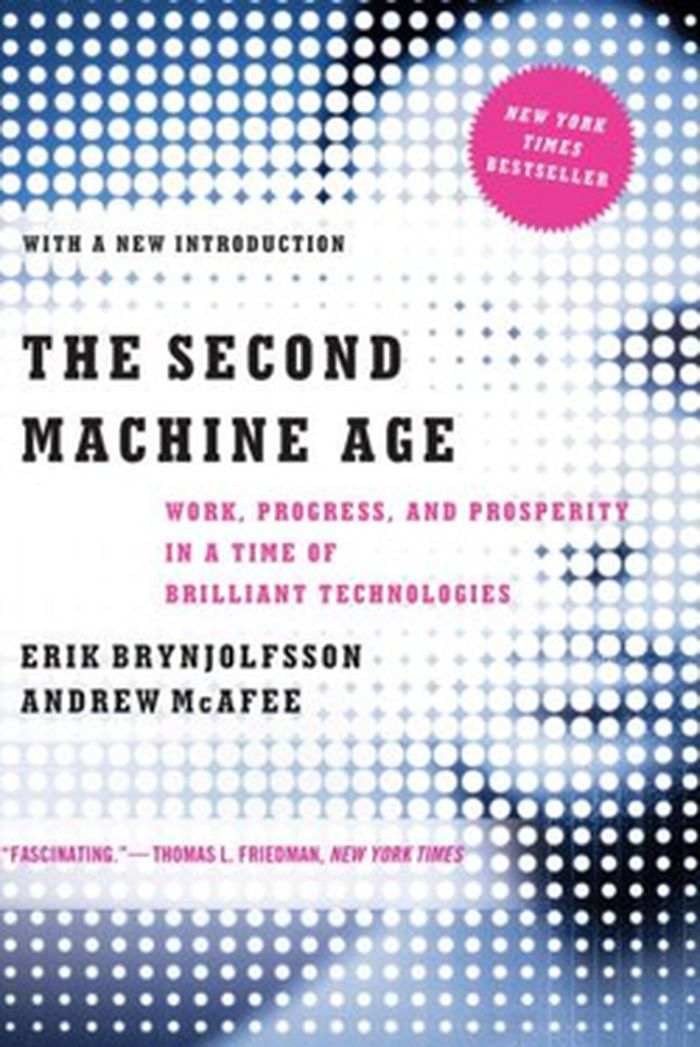
The second machine age: work, progress and prosperity in a time of brilliant technologies
Actions:
Prix:
$21.95
(disponible sur commande)
Résumé:
Digital technologies—with hardware, software, and networks at their core—will in the near future diagnose diseases more accurately than doctors can, apply enormous data sets to transform retailing, and accomplish many tasks once considered uniquely human. In The Second Machine Age MIT’s Erik Brynjolfsson and Andrew McAfee, reveal the forces driving the reinvention of our lives and our economy. As the full impact of digital technologies is felt, we will realize immense bounty in the form of dazzling personal technology, advanced infrastructure, and near-boundless access to the cultural items that enrich our lives. A fundamentally optimistic book, The Second Machine Age alters how we think about issues of technological, societal, and economic progress.
The second machine age: work, progress and prosperity in a time of brilliant technologies
Actions:
Prix:
$21.95
(disponible sur commande)
Résumé:
Digital technologies—with hardware, software, and networks at their core—will in the near future diagnose diseases more accurately than doctors can, apply enormous data sets to transform retailing, and accomplish many tasks once considered uniquely human. In The Second Machine Age MIT’s Erik Brynjolfsson and Andrew McAfee, reveal the forces driving the reinvention of our lives and our economy. As the full impact of digital technologies is felt, we will realize immense bounty in the form of dazzling personal technology, advanced infrastructure, and near-boundless access to the cultural items that enrich our lives. A fundamentally optimistic book, The Second Machine Age alters how we think about issues of technological, societal, and economic progress.
Classification:
livres
livres
Publication:
mai 2015
mai 2015
Sujet:
Architecture numérique
Architecture numérique
Classification:
livres
livres
Titre:
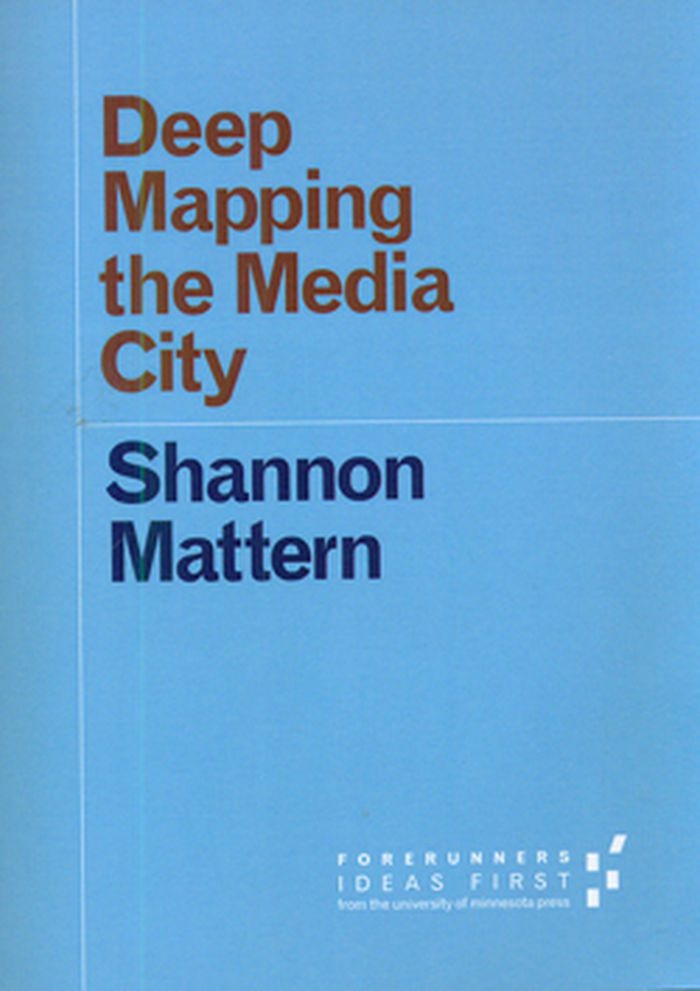
Deep mapping the media city
Deep mapping the media city
Actions:
Prix:
$13.99
(disponible sur commande)
Résumé:
Going beyond current scholarship on the media city and the smart city, Shannon Mattern argues that our global cities have been mediated and intelligent for millennia. Deep Mapping the Media City advocates for urban media archaeology, a multisensory approach to investigating the material history of networked cities.
$13.99
(disponible sur commande)
Résumé:
Going beyond current scholarship on the media city and the smart city, Shannon Mattern argues that our global cities have been mediated and intelligent for millennia. Deep Mapping the Media City advocates for urban media archaeology, a multisensory approach to investigating the material history of networked cities.
Titre:
Deep mapping the media city
Actions:
Prix:
$13.99
(disponible sur commande)
Résumé:
Going beyond current scholarship on the media city and the smart city, Shannon Mattern argues that our global cities have been mediated and intelligent for millennia. Deep Mapping the Media City advocates for urban media archaeology, a multisensory approach to investigating the material history of networked cities.
Deep mapping the media city
Actions:
Prix:
$13.99
(disponible sur commande)
Résumé:
Going beyond current scholarship on the media city and the smart city, Shannon Mattern argues that our global cities have been mediated and intelligent for millennia. Deep Mapping the Media City advocates for urban media archaeology, a multisensory approach to investigating the material history of networked cities.
Classification:
livres
livres
Publication:
juin 2015
juin 2015
Sujet:
Architecture numérique
Architecture numérique
Classification:
livres
livres
Actions:
Prix:
$88.00
(disponible sur commande)
Résumé:
This book presents the latest developments from the forefront of the digital revolution that is reshaping architecture. In the last few years, technological advances have enabled the realization of ideas that until now were only theories while also opening up new and unexpected areas of investigation.The innovations in the field are explored in this astonishing volume(...)
$88.00
(disponible sur commande)
Résumé:
This book presents the latest developments from the forefront of the digital revolution that is reshaping architecture. In the last few years, technological advances have enabled the realization of ideas that until now were only theories while also opening up new and unexpected areas of investigation.The innovations in the field are explored in this astonishing volume(...)
Titre:
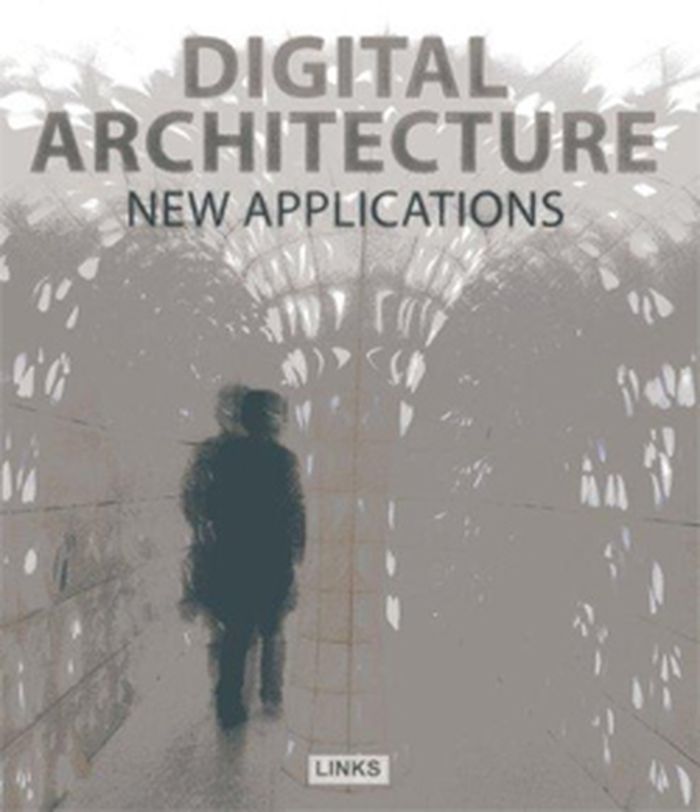
Digital architecture: a radical future
Actions:
Prix:
$88.00
(disponible sur commande)
Résumé:
This book presents the latest developments from the forefront of the digital revolution that is reshaping architecture. In the last few years, technological advances have enabled the realization of ideas that until now were only theories while also opening up new and unexpected areas of investigation.The innovations in the field are explored in this astonishing volume through a selection of the most impressive projects from all over the world, each one illustrated with extensive visual material, commentaries by the designers and technical information.
Digital architecture: a radical future
Actions:
Prix:
$88.00
(disponible sur commande)
Résumé:
This book presents the latest developments from the forefront of the digital revolution that is reshaping architecture. In the last few years, technological advances have enabled the realization of ideas that until now were only theories while also opening up new and unexpected areas of investigation.The innovations in the field are explored in this astonishing volume through a selection of the most impressive projects from all over the world, each one illustrated with extensive visual material, commentaries by the designers and technical information.
Classification:
livres
livres
Publication:
août 2015
août 2015
Sujet:
Architecture numérique
Architecture numérique
Classification:
livres
livres
Actions:
Prix:
$49.95
(disponible sur commande)
Résumé:
With today’s digital technology, the image is no longer a stable representation of the world, but a programmable view of a database that is updated in real time. It no longer functions as a political and iconic representation, but plays a vital role in synchronic data-to-data relationships. It is not only part of a program, but it contains its own operating code: the(...)
$49.95
(disponible sur commande)
Résumé:
With today’s digital technology, the image is no longer a stable representation of the world, but a programmable view of a database that is updated in real time. It no longer functions as a political and iconic representation, but plays a vital role in synchronic data-to-data relationships. It is not only part of a program, but it contains its own operating code: the(...)
Titre:
Softimage: towards a new theory of the digital image
Actions:
Prix:
$49.95
(disponible sur commande)
Résumé:
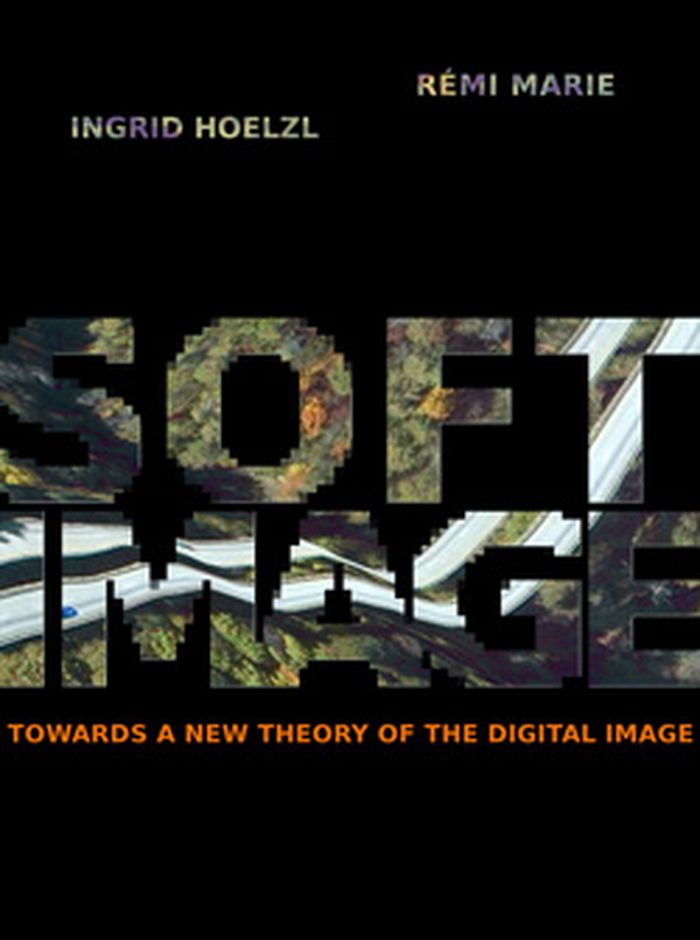
With today’s digital technology, the image is no longer a stable representation of the world, but a programmable view of a database that is updated in real time. It no longer functions as a political and iconic representation, but plays a vital role in synchronic data-to-data relationships. It is not only part of a program, but it contains its own operating code: the image is a program in itself. Softimage aims to account for that new reality, taking readers on a journey that gradually undoes our unthinking reliance on the apparent solidity of the photographic image and building in its place an original and timely theorization of the digital image in all its complexity.
Softimage: towards a new theory of the digital image
Actions:
Prix:
$49.95
(disponible sur commande)
Résumé:
With today’s digital technology, the image is no longer a stable representation of the world, but a programmable view of a database that is updated in real time. It no longer functions as a political and iconic representation, but plays a vital role in synchronic data-to-data relationships. It is not only part of a program, but it contains its own operating code: the image is a program in itself. Softimage aims to account for that new reality, taking readers on a journey that gradually undoes our unthinking reliance on the apparent solidity of the photographic image and building in its place an original and timely theorization of the digital image in all its complexity.
Classification:
livres
livres
Publication:
octobre 2015
octobre 2015
Sujet:
Architecture numérique
Architecture numérique
Classification:
livres
livres
Actions:
Prix:
$97.50
(disponible sur commande)
Résumé:
This book offers a coherent, comprehensive approach to building dynamics, it draws together arguments previously only available in scattered form. Featuring the latest technologies and design approaches used in contemporary practice, the editors provide numerous examples of cutting-edge work from leading designers and engineering firms working today. An essential text(...)
$97.50
(disponible sur commande)
Résumé:
This book offers a coherent, comprehensive approach to building dynamics, it draws together arguments previously only available in scattered form. Featuring the latest technologies and design approaches used in contemporary practice, the editors provide numerous examples of cutting-edge work from leading designers and engineering firms working today. An essential text(...)
Titre:
Building dynamics: exploring architecture of change
Actions:
Prix:
$97.50
(disponible sur commande)
Résumé:
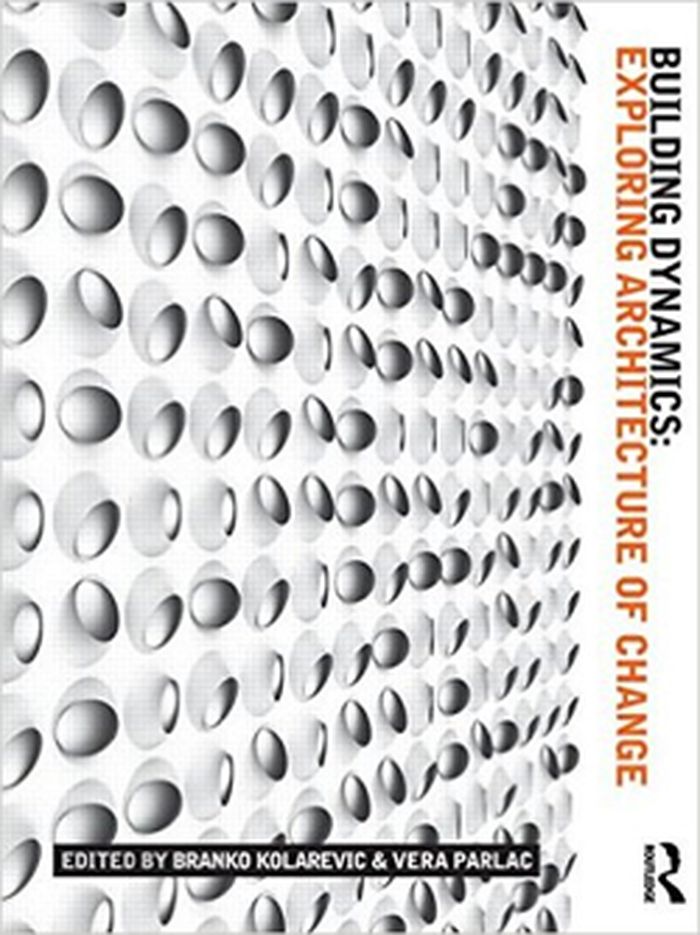
This book offers a coherent, comprehensive approach to building dynamics, it draws together arguments previously only available in scattered form. Featuring the latest technologies and design approaches used in contemporary practice, the editors provide numerous examples of cutting-edge work from leading designers and engineering firms working today. An essential text for students taking design studio classes or courses in theory or technology at any level, as well as professionals interested in the latest mechatronic technologies and design techniques.
Building dynamics: exploring architecture of change
Actions:
Prix:
$97.50
(disponible sur commande)
Résumé:
This book offers a coherent, comprehensive approach to building dynamics, it draws together arguments previously only available in scattered form. Featuring the latest technologies and design approaches used in contemporary practice, the editors provide numerous examples of cutting-edge work from leading designers and engineering firms working today. An essential text for students taking design studio classes or courses in theory or technology at any level, as well as professionals interested in the latest mechatronic technologies and design techniques.
Classification:
livres
livres
Publication:
octobre 2015
octobre 2015
Sujet:
Architecture numérique
Architecture numérique
Classification:
livres
livres
Titre:
Computed morphologies
Computed morphologies
Actions:
Prix:
$39.00
(disponible sur commande)
Résumé:
Presentation of a series of ground-breaking experiments with topological optimization of architectural structures. Topology optimization – a method widely applied in the aeronautical and automotive industries - may enable material reductions of up to 70 pct. in concrete structures, while generating novel, architectural forms. The realization of such complex structural(...)
$39.00
(disponible sur commande)
Résumé:
Presentation of a series of ground-breaking experiments with topological optimization of architectural structures. Topology optimization – a method widely applied in the aeronautical and automotive industries - may enable material reductions of up to 70 pct. in concrete structures, while generating novel, architectural forms. The realization of such complex structural(...)
Titre:
Computed morphologies
Actions:
Prix:
$39.00
(disponible sur commande)
Résumé:
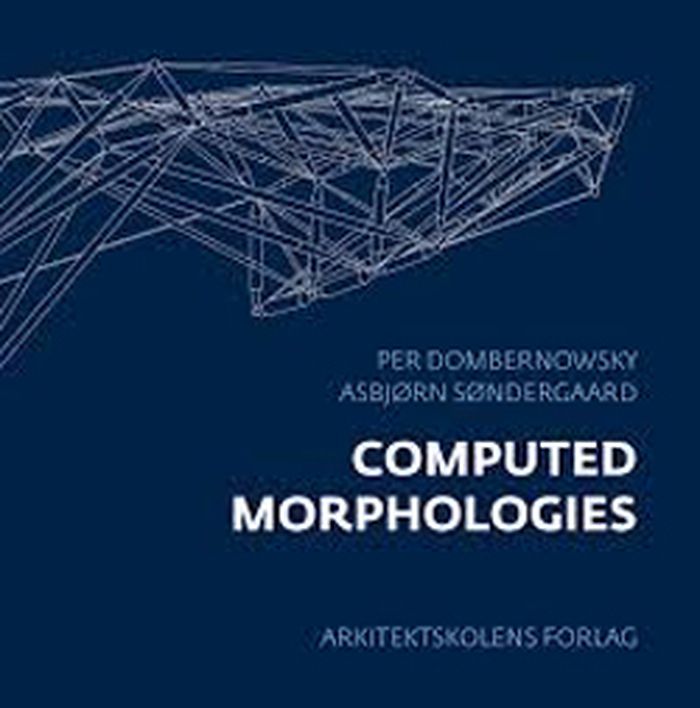
Presentation of a series of ground-breaking experiments with topological optimization of architectural structures. Topology optimization – a method widely applied in the aeronautical and automotive industries - may enable material reductions of up to 70 pct. in concrete structures, while generating novel, architectural forms. The realization of such complex structural morphologies however, calls for the development of new digital means of construction. The publication illustrates the development of new experimental, robotic production methods for the fabrication of novel architectural structures, and contextualizes the application of structural optimization as an architectural design strategy through historical examples, spanning from 18th century physics-based methods to contemporary building practices.
Computed morphologies
Actions:
Prix:
$39.00
(disponible sur commande)
Résumé:
Presentation of a series of ground-breaking experiments with topological optimization of architectural structures. Topology optimization – a method widely applied in the aeronautical and automotive industries - may enable material reductions of up to 70 pct. in concrete structures, while generating novel, architectural forms. The realization of such complex structural morphologies however, calls for the development of new digital means of construction. The publication illustrates the development of new experimental, robotic production methods for the fabrication of novel architectural structures, and contextualizes the application of structural optimization as an architectural design strategy through historical examples, spanning from 18th century physics-based methods to contemporary building practices.
Classification:
livres
livres
Publication:
octobre 2014
octobre 2014
Sujet:
Architecture numérique
Architecture numérique
Classification:
livres
livres
Actions:
Prix:
$47.00
(disponible sur commande)
Résumé:
In The Second Self, Sherry Turkle looks at the computer not as a "tool," but as part of our social and psychological lives; she looks beyond how we use computer games and spreadsheets to explore how the computer affects our awareness of ourselves, of one another, and of our relationship with the world. "Technology," she writes, "catalyzes changes not only in what we do(...)
$47.00
(disponible sur commande)
Résumé:
In The Second Self, Sherry Turkle looks at the computer not as a "tool," but as part of our social and psychological lives; she looks beyond how we use computer games and spreadsheets to explore how the computer affects our awareness of ourselves, of one another, and of our relationship with the world. "Technology," she writes, "catalyzes changes not only in what we do(...)
Publication:
janvier 2005
janvier 2005
Titre:
The second self: computers and the human spirit
Actions:
Prix:
$47.00
(disponible sur commande)
Résumé:
In The Second Self, Sherry Turkle looks at the computer not as a "tool," but as part of our social and psychological lives; she looks beyond how we use computer games and spreadsheets to explore how the computer affects our awareness of ourselves, of one another, and of our relationship with the world. "Technology," she writes, "catalyzes changes not only in what we do but in how we think." First published in 1984, The Second Self is still essential reading as a primer in the psychology of computation. This twentieth anniversary edition allows us to reconsider two decades of computer culture--to (re)experience what was and is most novel in our new media culture and to view our own contemporary relationship with technology with fresh eyes.
The second self: computers and the human spirit
Actions:
Prix:
$47.00
(disponible sur commande)
Résumé:
In The Second Self, Sherry Turkle looks at the computer not as a "tool," but as part of our social and psychological lives; she looks beyond how we use computer games and spreadsheets to explore how the computer affects our awareness of ourselves, of one another, and of our relationship with the world. "Technology," she writes, "catalyzes changes not only in what we do but in how we think." First published in 1984, The Second Self is still essential reading as a primer in the psychology of computation. This twentieth anniversary edition allows us to reconsider two decades of computer culture--to (re)experience what was and is most novel in our new media culture and to view our own contemporary relationship with technology with fresh eyes.
Classification:
livres
livres
Publication:
janvier 2005
janvier 2005
Classification:
périodiques
périodiques
Titre:
Simiolus.
Simiolus.
Actions:
Description:
1 online resource : illustrations
Auteur:
Sujet:
Publication:
Amsterdam, Netherlands : Nederlandse Universiteitspers, 1967-, Groningen : Wolters-Noordhoff, Bussum : Fibula-Van Dishoeck ; Maarssen : Gary Schwartz, Apeldoorn : Foundation for Dutch Art-Historical Publications, Apeldoorn : Stichting voor Nederlandse Kunsthistorische Publicaties, Doorn : Stichting Nederlandse Kunsthistorische Publicaties
Amsterdam, Netherlands : Nederlandse Universiteitspers, 1967-, Groningen : Wolters-Noordhoff, Bussum : Fibula-Van Dishoeck ; Maarssen : Gary Schwartz, Apeldoorn : Foundation for Dutch Art-Historical Publications, Apeldoorn : Stichting voor Nederlandse Kunsthistorische Publicaties, Doorn : Stichting Nederlandse Kunsthistorische Publicaties
Classification:
périodiques
périodiques
Publication:
Amsterdam, Netherlands : Nederlandse Universiteitspers, 1967-, Groningen : Wolters-Noordhoff, Bussum : Fibula-Van Dishoeck ; Maarssen : Gary Schwartz, Apeldoorn : Foundation for Dutch Art-Historical Publications, Apeldoorn : Stichting voor Nederlandse Kunsthistorische Publicaties, Doorn : Stichting Nederlandse Kunsthistorische Publicaties
Amsterdam, Netherlands : Nederlandse Universiteitspers, 1967-, Groningen : Wolters-Noordhoff, Bussum : Fibula-Van Dishoeck ; Maarssen : Gary Schwartz, Apeldoorn : Foundation for Dutch Art-Historical Publications, Apeldoorn : Stichting voor Nederlandse Kunsthistorische Publicaties, Doorn : Stichting Nederlandse Kunsthistorische Publicaties
Auteur:
Sujet:


