


36154 Résultats
Classification:
livres
livres

Actions:
Prix:
$43.50
(disponible sur commande)
Résumé:
Professor, critic, and curator Catherine Geel directed the anthology of reference texts that comprises this book, which is published to document the common reflections of practitioners and researchers of the French section for ''Broken Nature,'' the 22nd International Exhibition of La Triennale di Milano. Besides an original text by Alain Badiou, the publication contains(...)
$43.50
(disponible sur commande)
Résumé:
Professor, critic, and curator Catherine Geel directed the anthology of reference texts that comprises this book, which is published to document the common reflections of practitioners and researchers of the French section for ''Broken Nature,'' the 22nd International Exhibition of La Triennale di Milano. Besides an original text by Alain Badiou, the publication contains(...)
Publication:
mars 2019
mars 2019
Titre:
Extended french theory & the design field: on nature and ecology, a reader
Actions:
Prix:
$43.50
(disponible sur commande)
Résumé:
Professor, critic, and curator Catherine Geel directed the anthology of reference texts that comprises this book, which is published to document the common reflections of practitioners and researchers of the French section for ''Broken Nature,'' the 22nd International Exhibition of La Triennale di Milano. Besides an original text by Alain Badiou, the publication contains seven previously unpublished texts by various authors and an original dialogue between artist Mathieu K. Abonnenc and art historians Katia Schneller, Vanessa Theodoropoulou, Sandra Delacourt, and Aliocha Imhoff.
Extended french theory & the design field: on nature and ecology, a reader
Actions:
Prix:
$43.50
(disponible sur commande)
Résumé:
Professor, critic, and curator Catherine Geel directed the anthology of reference texts that comprises this book, which is published to document the common reflections of practitioners and researchers of the French section for ''Broken Nature,'' the 22nd International Exhibition of La Triennale di Milano. Besides an original text by Alain Badiou, the publication contains seven previously unpublished texts by various authors and an original dialogue between artist Mathieu K. Abonnenc and art historians Katia Schneller, Vanessa Theodoropoulou, Sandra Delacourt, and Aliocha Imhoff.
Classification:
livres
livres
Publication:
mars 2019
mars 2019
Classification:
livres
livres
Titre:
Post-histoire
Post-histoire
Actions:
Prix:
$40.50
(disponible sur commande)
Résumé:
Cette pulbication rassemble une vingtaine d’essais qui ont été initialement des conférences données par le philosophe Vilém Flusser (1920-1991) dans des universités de Marseille, Jérusalem et Sao Paulo. Initialement écrit en anglais, puis traduit en allemand et en portugais, Post-Histoire a été édité pour la première fois au Brésil en 1983. Cette version française n’a(...)
$40.50
(disponible sur commande)
Résumé:
Cette pulbication rassemble une vingtaine d’essais qui ont été initialement des conférences données par le philosophe Vilém Flusser (1920-1991) dans des universités de Marseille, Jérusalem et Sao Paulo. Initialement écrit en anglais, puis traduit en allemand et en portugais, Post-Histoire a été édité pour la première fois au Brésil en 1983. Cette version française n’a(...)
Titre:
Post-histoire
Actions:
Prix:
$40.50
(disponible sur commande)
Résumé:
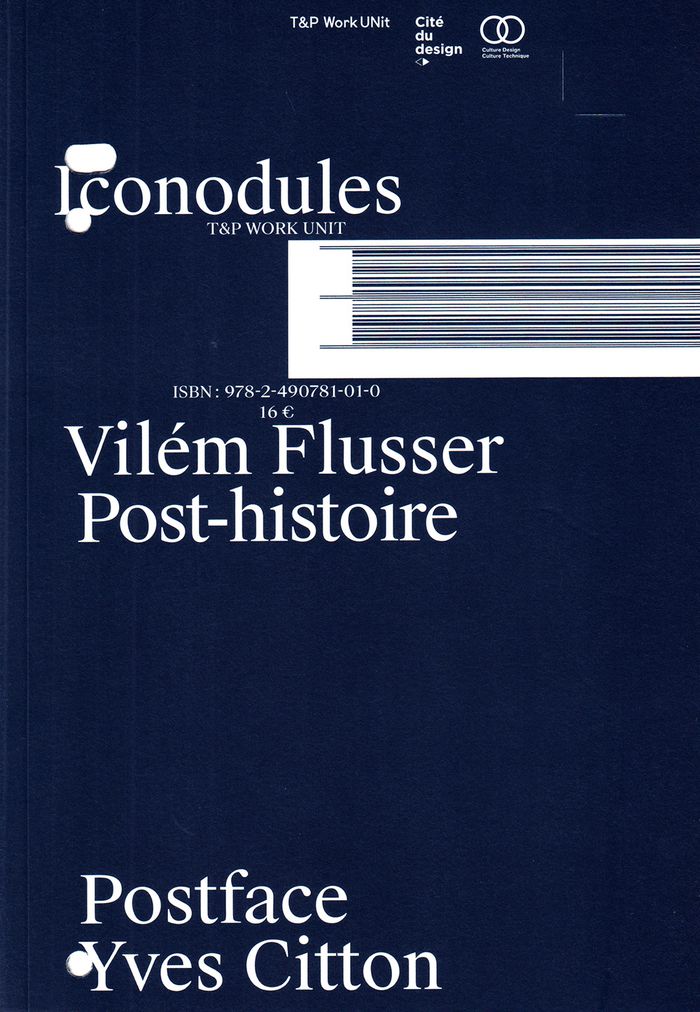
Cette pulbication rassemble une vingtaine d’essais qui ont été initialement des conférences données par le philosophe Vilém Flusser (1920-1991) dans des universités de Marseille, Jérusalem et Sao Paulo. Initialement écrit en anglais, puis traduit en allemand et en portugais, Post-Histoire a été édité pour la première fois au Brésil en 1983. Cette version française n’a encore jamais été publiée. Ce texte se veut être, pour l’auteur, le « miroir de la condition humaine aujourd’hui », et offre au lecteur une critique féroce de la société tout en posant la question de la place laissée à la liberté dans un monde programmé.
Post-histoire
Actions:
Prix:
$40.50
(disponible sur commande)
Résumé:
Cette pulbication rassemble une vingtaine d’essais qui ont été initialement des conférences données par le philosophe Vilém Flusser (1920-1991) dans des universités de Marseille, Jérusalem et Sao Paulo. Initialement écrit en anglais, puis traduit en allemand et en portugais, Post-Histoire a été édité pour la première fois au Brésil en 1983. Cette version française n’a encore jamais été publiée. Ce texte se veut être, pour l’auteur, le « miroir de la condition humaine aujourd’hui », et offre au lecteur une critique féroce de la société tout en posant la question de la place laissée à la liberté dans un monde programmé.
Classification:
livres
livres
Publication:
mars 2019
mars 2019
Sujet:
Théorie/ philosophie
Théorie/ philosophie
Classification:
livres
livres
Titre:
Palazzo Abatellis Palermo
Palazzo Abatellis Palermo
Actions:
Prix:
$49.95
(disponible sur commande)
Résumé:
"Palazzo Abatellis, Palermo" dialogues with the history, mythology and iconography of the museum in via Alloro, by architect Carlos Scarpa, to unveil the potential and vitality of a process that continues to unfold. The itinerary is punctuated by the photographs of Stefano Graziani, who has the special talent of grasping the coincidences in which architectural details,(...)
$49.95
(disponible sur commande)
Résumé:
"Palazzo Abatellis, Palermo" dialogues with the history, mythology and iconography of the museum in via Alloro, by architect Carlos Scarpa, to unveil the potential and vitality of a process that continues to unfold. The itinerary is punctuated by the photographs of Stefano Graziani, who has the special talent of grasping the coincidences in which architectural details,(...)
Titre:
Palazzo Abatellis Palermo
Actions:
Prix:
$49.95
(disponible sur commande)
Résumé:
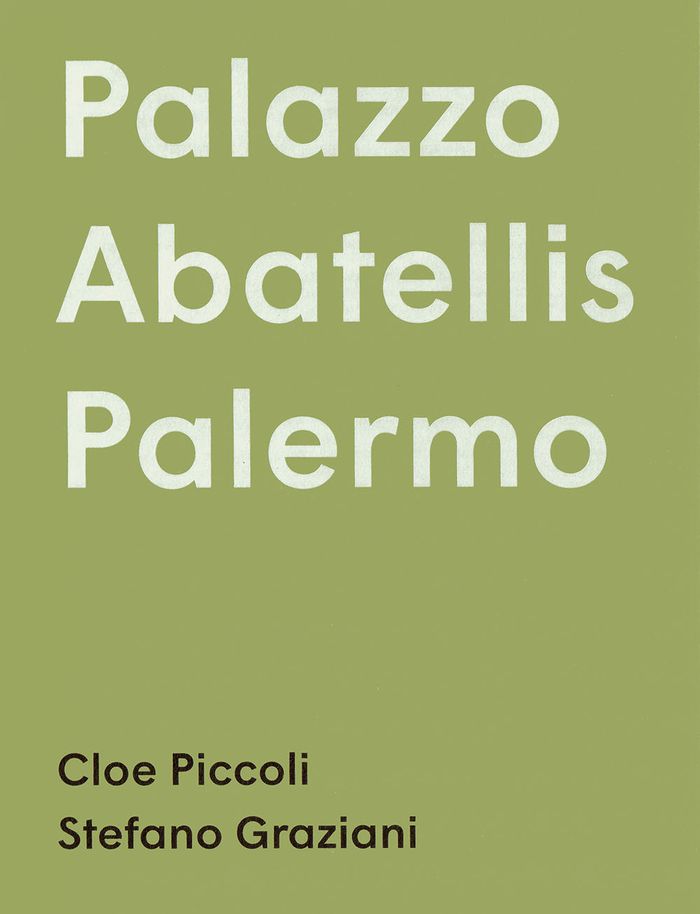
"Palazzo Abatellis, Palermo" dialogues with the history, mythology and iconography of the museum in via Alloro, by architect Carlos Scarpa, to unveil the potential and vitality of a process that continues to unfold. The itinerary is punctuated by the photographs of Stefano Graziani, who has the special talent of grasping the coincidences in which architectural details, displays, works of art and rays of light all converge.
Palazzo Abatellis Palermo
Actions:
Prix:
$49.95
(disponible sur commande)
Résumé:
"Palazzo Abatellis, Palermo" dialogues with the history, mythology and iconography of the museum in via Alloro, by architect Carlos Scarpa, to unveil the potential and vitality of a process that continues to unfold. The itinerary is punctuated by the photographs of Stefano Graziani, who has the special talent of grasping the coincidences in which architectural details, displays, works of art and rays of light all converge.
Classification:
livres
livres
Publication:
mars 2019
mars 2019
Sujet:
Architecture, monographies
Architecture, monographies
Classification:
livres
livres
Titre:
Erwan Bouroullec : 101
Erwan Bouroullec : 101
Actions:
Prix:
$26.00
(disponible sur commande)
Résumé:
Un ensemble de dessins réalisés à l'aide d'un logiciel conçu par Erwan Bouroullec, permettant d'extraire des lignes et des couleurs de photographies. Depuis le début des années 2000, le travail de Ronan et Erwan Bouroullec (nés respectivement en 1971 et 1976) apparaît comme l'un des plus représentatifs du dynamisme du design français. Travaillant en duo depuis 1998, les(...)
$26.00
(disponible sur commande)
Résumé:
Un ensemble de dessins réalisés à l'aide d'un logiciel conçu par Erwan Bouroullec, permettant d'extraire des lignes et des couleurs de photographies. Depuis le début des années 2000, le travail de Ronan et Erwan Bouroullec (nés respectivement en 1971 et 1976) apparaît comme l'un des plus représentatifs du dynamisme du design français. Travaillant en duo depuis 1998, les(...)
Titre:
Erwan Bouroullec : 101
Actions:
Prix:
$26.00
(disponible sur commande)
Résumé:
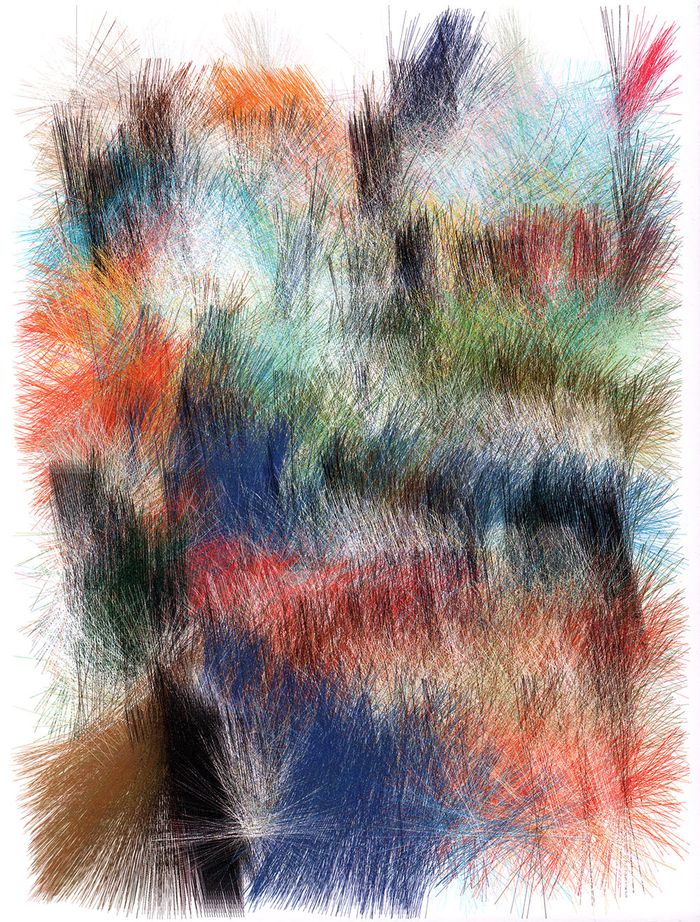
Un ensemble de dessins réalisés à l'aide d'un logiciel conçu par Erwan Bouroullec, permettant d'extraire des lignes et des couleurs de photographies. Depuis le début des années 2000, le travail de Ronan et Erwan Bouroullec (nés respectivement en 1971 et 1976) apparaît comme l'un des plus représentatifs du dynamisme du design français. Travaillant en duo depuis 1998, les deux frères dessinent aujourd'hui pour de nombreux industriels (Vitra, Kvadrat, Issey Miyake, Cappellini...), tout en poursuivant une activité de recherche expérimentale au sein de la Galerie kreo. Ils ont aussi travaillé sur les projets architecturaux de Camper, Issey Miyake, Kvadrat, etc.
Erwan Bouroullec : 101
Actions:
Prix:
$26.00
(disponible sur commande)
Résumé:
Un ensemble de dessins réalisés à l'aide d'un logiciel conçu par Erwan Bouroullec, permettant d'extraire des lignes et des couleurs de photographies. Depuis le début des années 2000, le travail de Ronan et Erwan Bouroullec (nés respectivement en 1971 et 1976) apparaît comme l'un des plus représentatifs du dynamisme du design français. Travaillant en duo depuis 1998, les deux frères dessinent aujourd'hui pour de nombreux industriels (Vitra, Kvadrat, Issey Miyake, Cappellini...), tout en poursuivant une activité de recherche expérimentale au sein de la Galerie kreo. Ils ont aussi travaillé sur les projets architecturaux de Camper, Issey Miyake, Kvadrat, etc.
Classification:
livres
livres
Publication:
mars 2019
mars 2019
Classification:
livres
livres

Titre:
Matali Crasset : wood
Matali Crasset : wood
Actions:
Prix:
$42.00
(disponible en magasin)
Résumé:
Deuxième collaboration entre Matali Crasset et Shelter Press et The Cultural Gallery Monaco (après Les capes), le livre ''Wood'' présente les « maisons sylvestres », projet réalisé avec Vent des Forêts situées au cœur du département de la Meuse, dans 5000 hectares de forêts, à proximité des villages de Dompcevrin, Fresnes-au-Mont, Nicey-sur-Aire, Pierrefitte-sur-Aire et(...)
$42.00
(disponible en magasin)
Résumé:
Deuxième collaboration entre Matali Crasset et Shelter Press et The Cultural Gallery Monaco (après Les capes), le livre ''Wood'' présente les « maisons sylvestres », projet réalisé avec Vent des Forêts situées au cœur du département de la Meuse, dans 5000 hectares de forêts, à proximité des villages de Dompcevrin, Fresnes-au-Mont, Nicey-sur-Aire, Pierrefitte-sur-Aire et(...)
Titre:
Matali Crasset : wood
Actions:
Prix:
$42.00
(disponible en magasin)
Résumé:
Deuxième collaboration entre Matali Crasset et Shelter Press et The Cultural Gallery Monaco (après Les capes), le livre ''Wood'' présente les « maisons sylvestres », projet réalisé avec Vent des Forêts situées au cœur du département de la Meuse, dans 5000 hectares de forêts, à proximité des villages de Dompcevrin, Fresnes-au-Mont, Nicey-sur-Aire, Pierrefitte-sur-Aire et Ville-devant-Belrain. Autour de ces maisons gravitent des cuillères, des couvertures, une chaise, et des pommes.
Matali Crasset : wood
Actions:
Prix:
$42.00
(disponible en magasin)
Résumé:
Deuxième collaboration entre Matali Crasset et Shelter Press et The Cultural Gallery Monaco (après Les capes), le livre ''Wood'' présente les « maisons sylvestres », projet réalisé avec Vent des Forêts situées au cœur du département de la Meuse, dans 5000 hectares de forêts, à proximité des villages de Dompcevrin, Fresnes-au-Mont, Nicey-sur-Aire, Pierrefitte-sur-Aire et Ville-devant-Belrain. Autour de ces maisons gravitent des cuillères, des couvertures, une chaise, et des pommes.
Classification:
livres
livres
Publication:
mars 2019
mars 2019
Sujet:
Design, monographies
Design, monographies
Classification:
livres
livres
Actions:
Prix:
$59.95
(disponible en magasin)
Résumé:
Conçu en étroite collaboration avec l'artiste, avec des textes de Michel Racine, architecte paysagiste, et de Célia Bernasconi, conservateur en chef du Nouveau Musée National de Monaco, ce livre présente le regard de Latifa Echakhch sur les collections du musée, ainsi que son interprétation des représentations historiques du Jardin Exotique de Monaco, à travers un(...)
$59.95
(disponible en magasin)
Résumé:
Conçu en étroite collaboration avec l'artiste, avec des textes de Michel Racine, architecte paysagiste, et de Célia Bernasconi, conservateur en chef du Nouveau Musée National de Monaco, ce livre présente le regard de Latifa Echakhch sur les collections du musée, ainsi que son interprétation des représentations historiques du Jardin Exotique de Monaco, à travers un(...)
Publication:
février 2019
février 2019
Titre:
Latifa Echakhch : le jardin mécanique
Actions:
Prix:
$59.95
(disponible en magasin)
Résumé:
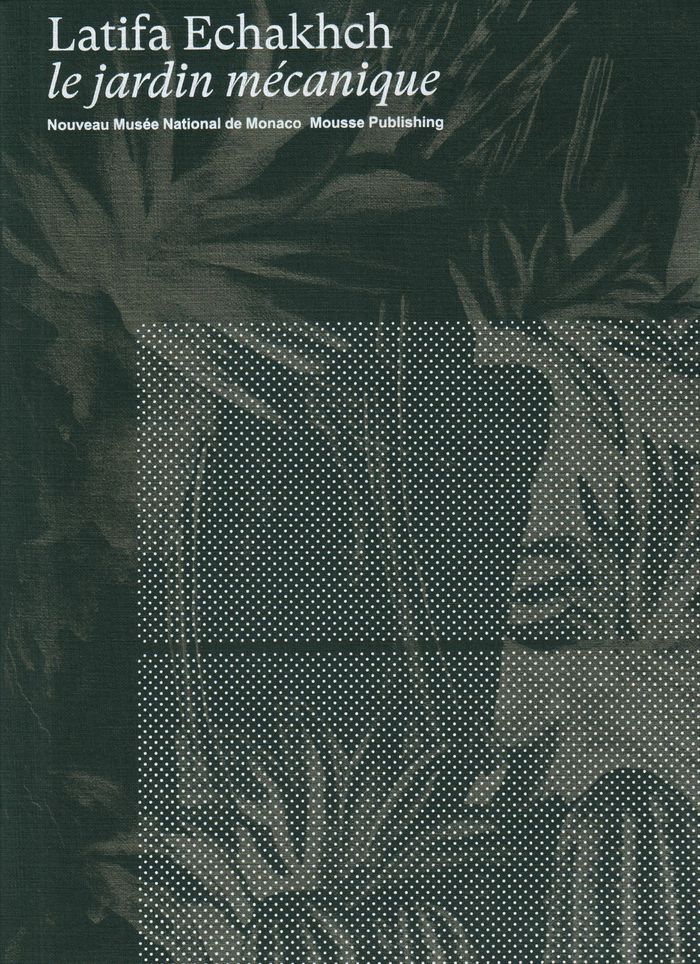
Conçu en étroite collaboration avec l'artiste, avec des textes de Michel Racine, architecte paysagiste, et de Célia Bernasconi, conservateur en chef du Nouveau Musée National de Monaco, ce livre présente le regard de Latifa Echakhch sur les collections du musée, ainsi que son interprétation des représentations historiques du Jardin Exotique de Monaco, à travers un flipbook retranscrivant au fil des pages le mouvement de cinq vidéos produites pour l'exposition au NMNM.
Latifa Echakhch : le jardin mécanique
Actions:
Prix:
$59.95
(disponible en magasin)
Résumé:
Conçu en étroite collaboration avec l'artiste, avec des textes de Michel Racine, architecte paysagiste, et de Célia Bernasconi, conservateur en chef du Nouveau Musée National de Monaco, ce livre présente le regard de Latifa Echakhch sur les collections du musée, ainsi que son interprétation des représentations historiques du Jardin Exotique de Monaco, à travers un flipbook retranscrivant au fil des pages le mouvement de cinq vidéos produites pour l'exposition au NMNM.
Classification:
livres
livres
Publication:
février 2019
février 2019
Classification:
livres
livres
Actions:
Prix:
$44.99
(disponible sur commande)
Résumé:
Book in German/English
$44.99
(disponible sur commande)
Résumé:
Book in German/English
Titre:
Stefan Olah: thirty-six views of Vienna
Actions:
Prix:
$44.99
(disponible sur commande)
Résumé:
Book in German/English
Stefan Olah: thirty-six views of Vienna
Actions:
Prix:
$44.99
(disponible sur commande)
Résumé:
Book in German/English
Classification:
livres
livres
Publication:
mars 2019
mars 2019
Sujet:
Monographies photo
Monographies photo
Classification:
livres
livres
Actions:
Prix:
$107.99
(disponible sur commande)
Résumé:
''Data Cities'' explains how rocket science and electronic technologies are transforming how we live and understand architecture, as networks of semiconductors, satellites, scanners, and sensors convert light into unprecedented formats and contents of information. Flows of data will inform our future behaviors in physical, virtual, and hybrid-reality situations, and(...)
$107.99
(disponible sur commande)
Résumé:
''Data Cities'' explains how rocket science and electronic technologies are transforming how we live and understand architecture, as networks of semiconductors, satellites, scanners, and sensors convert light into unprecedented formats and contents of information. Flows of data will inform our future behaviors in physical, virtual, and hybrid-reality situations, and(...)
Titre:
Data cities: how satellites are transforming architecture and design
Actions:
Prix:
$107.99
(disponible sur commande)
Résumé:
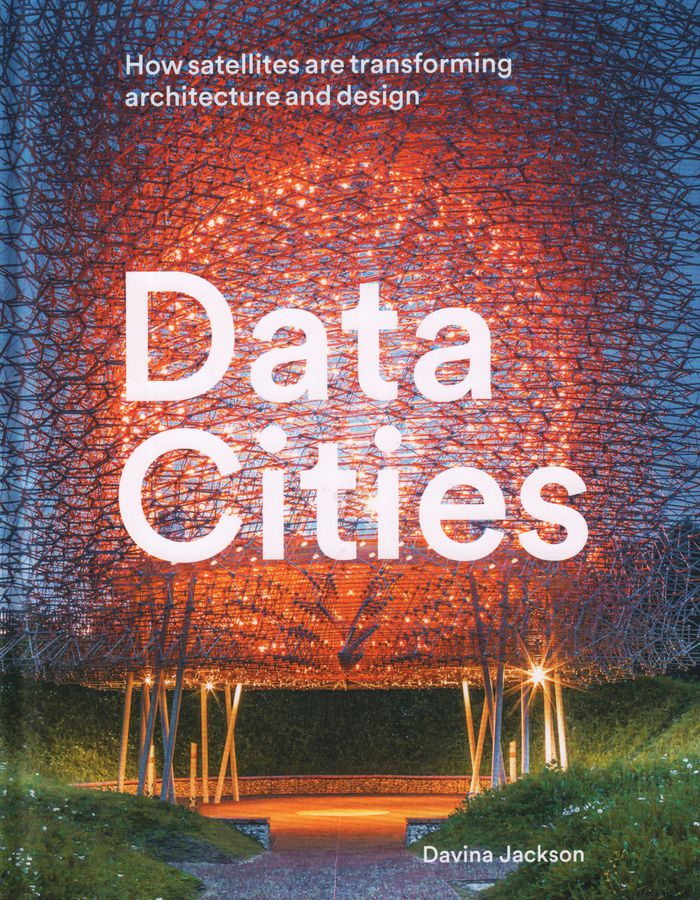
''Data Cities'' explains how rocket science and electronic technologies are transforming how we live and understand architecture, as networks of semiconductors, satellites, scanners, and sensors convert light into unprecedented formats and contents of information. Flows of data will inform our future behaviors in physical, virtual, and hybrid-reality situations, and architecture and cities are being reinvented as not merely static structures, but places that pulse.
Data cities: how satellites are transforming architecture and design
Actions:
Prix:
$107.99
(disponible sur commande)
Résumé:
''Data Cities'' explains how rocket science and electronic technologies are transforming how we live and understand architecture, as networks of semiconductors, satellites, scanners, and sensors convert light into unprecedented formats and contents of information. Flows of data will inform our future behaviors in physical, virtual, and hybrid-reality situations, and architecture and cities are being reinvented as not merely static structures, but places that pulse.
Classification:
livres
livres
Publication:
mars 2019
mars 2019
Sujet:
Architecture contemporaine
Architecture contemporaine
Classification:
livres
livres
Actions:
Prix:
$147.99
(disponible sur commande)
Résumé:
This book discusses the architectural influence that Japan and the West have had on each other during the last 150 years. While the recent histories of Western and Japanese architecture have been well recorded, they have rarely been interwoven. Based on extensive research, this book provides a synthetic overview that brings together the main themes of Japanese and Western(...)
$147.99
(disponible sur commande)
Résumé:
This book discusses the architectural influence that Japan and the West have had on each other during the last 150 years. While the recent histories of Western and Japanese architecture have been well recorded, they have rarely been interwoven. Based on extensive research, this book provides a synthetic overview that brings together the main themes of Japanese and Western(...)
Titre:
Japan and the West: an architectural dialogue
Actions:
Prix:
$147.99
(disponible sur commande)
Résumé:
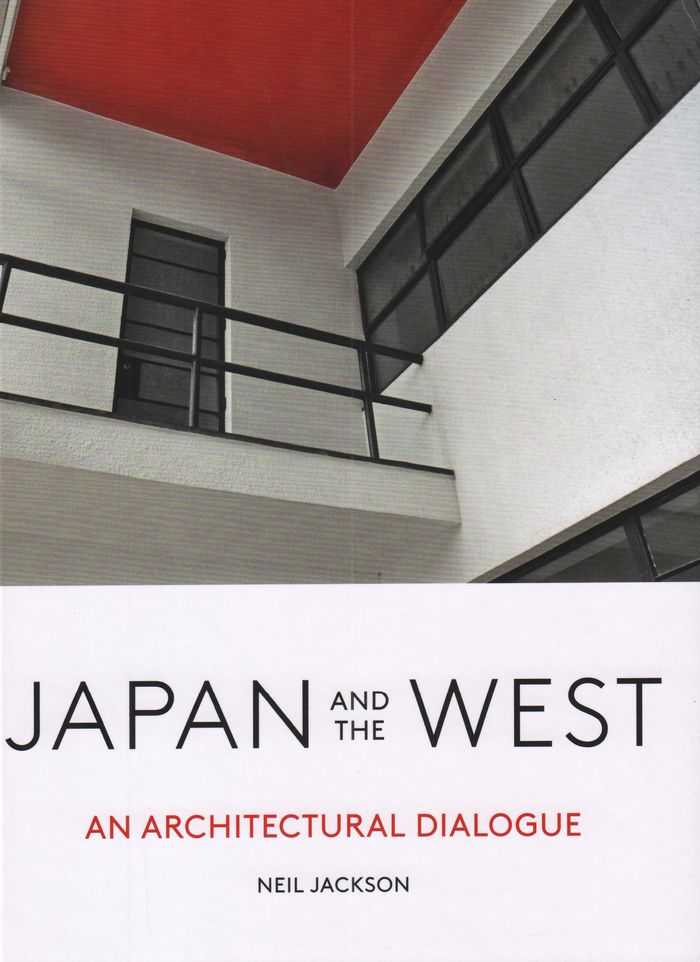
This book discusses the architectural influence that Japan and the West have had on each other during the last 150 years. While the recent histories of Western and Japanese architecture have been well recorded, they have rarely been interwoven. Based on extensive research, this book provides a synthetic overview that brings together the main themes of Japanese and Western architecture since 1850, showing that neither could exist in its present state without the other. It should be no surprise that the Bank of Japan in Tokyo is based upon the national banks in Brussels and London or that Le Corbusier’s cabanon at Cap Martin in the south of France is based upon an eight mat tatami room. In considering these histories, this book demonstrates the mutual interdependence of both architectural cultures while, at the same time, acknowledging their differences.
Japan and the West: an architectural dialogue
Actions:
Prix:
$147.99
(disponible sur commande)
Résumé:
This book discusses the architectural influence that Japan and the West have had on each other during the last 150 years. While the recent histories of Western and Japanese architecture have been well recorded, they have rarely been interwoven. Based on extensive research, this book provides a synthetic overview that brings together the main themes of Japanese and Western architecture since 1850, showing that neither could exist in its present state without the other. It should be no surprise that the Bank of Japan in Tokyo is based upon the national banks in Brussels and London or that Le Corbusier’s cabanon at Cap Martin in the south of France is based upon an eight mat tatami room. In considering these histories, this book demonstrates the mutual interdependence of both architectural cultures while, at the same time, acknowledging their differences.
Classification:
livres
livres
Publication:
février 2019
février 2019
Classification:
livres
livres
Prix:
$120.99
(disponible sur commande)
Résumé:
Since the early buildings in the 1950s at Udine in Friuli, Gino Valle has been recognised by international critics as one of the most original and creative European architects of the post-war period. His artistic talent, associated with a great intellectual curiosity and with a genuine passion for the experimentation of new construction systems, led Valle to develop an(...)
$120.99
(disponible sur commande)
Résumé:
Since the early buildings in the 1950s at Udine in Friuli, Gino Valle has been recognised by international critics as one of the most original and creative European architects of the post-war period. His artistic talent, associated with a great intellectual curiosity and with a genuine passion for the experimentation of new construction systems, led Valle to develop an(...)
Sujet:
Architecture, monographies
Architecture, monographies
Publication:
novembre 2018
novembre 2018
Titre:
Modern and site-specfic: the architecture of Gino Valle 1923-2003
Actions:
Prix:
$120.99
(disponible sur commande)
Résumé:
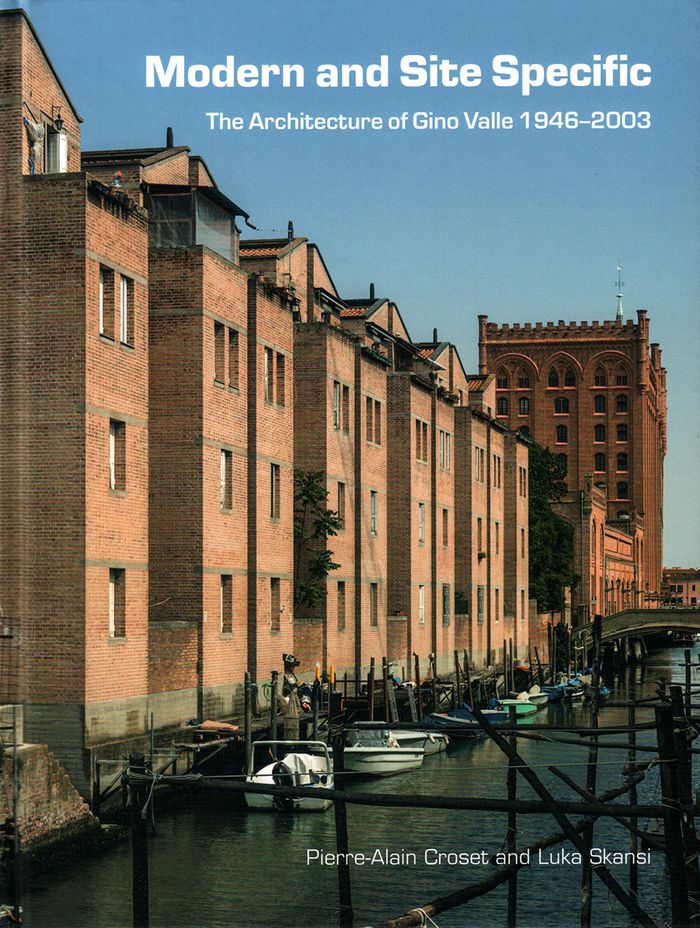
Since the early buildings in the 1950s at Udine in Friuli, Gino Valle has been recognised by international critics as one of the most original and creative European architects of the post-war period. His artistic talent, associated with a great intellectual curiosity and with a genuine passion for the experimentation of new construction systems, led Valle to develop an architectural work resolutely open and multiform. Whether in the smaller towns of Friuli and Veneto or in metropolitan centres as New York, Paris or Berlin, Valle realised a wide range of important works: social housing and banks, factories and offices, town halls and courthouses. These buildings make valuable contributions to debates concerning the relationship between new architecture and historic surroundings, between industrial and open landscape, between urban design and architectural intervention.
Modern and site-specfic: the architecture of Gino Valle 1923-2003
Actions:
Prix:
$120.99
(disponible sur commande)
Résumé:
Since the early buildings in the 1950s at Udine in Friuli, Gino Valle has been recognised by international critics as one of the most original and creative European architects of the post-war period. His artistic talent, associated with a great intellectual curiosity and with a genuine passion for the experimentation of new construction systems, led Valle to develop an architectural work resolutely open and multiform. Whether in the smaller towns of Friuli and Veneto or in metropolitan centres as New York, Paris or Berlin, Valle realised a wide range of important works: social housing and banks, factories and offices, town halls and courthouses. These buildings make valuable contributions to debates concerning the relationship between new architecture and historic surroundings, between industrial and open landscape, between urban design and architectural intervention.
Classification:
livres
livres
Publication:
novembre 2018
novembre 2018
Sujet:
Architecture, monographies
Architecture, monographies


