


947 Résultats
Classification:
livres
livres
Titre:
Climateskin
Climateskin
Actions:
Prix:
$91.95
(disponible sur commande)
Résumé:
The facade plays a critical role in the conception of energy- and climate-optimized buildings: it is the building’s skin and functions as an interface between interior and exterior space. It provides thermal and sound insulation and ventilation, and controls and guides the entrance of daylight into the building. Climate Skin offers concrete planning advice for(...)
$91.95
(disponible sur commande)
Résumé:
The facade plays a critical role in the conception of energy- and climate-optimized buildings: it is the building’s skin and functions as an interface between interior and exterior space. It provides thermal and sound insulation and ventilation, and controls and guides the entrance of daylight into the building. Climate Skin offers concrete planning advice for(...)
Sujet:
Architecture écologique
Architecture écologique
Publication:
novembre 2007, Basel, Boston, Berlin
novembre 2007, Basel, Boston, Berlin
Titre:
Climateskin
Actions:
Prix:
$91.95
(disponible sur commande)
Résumé:
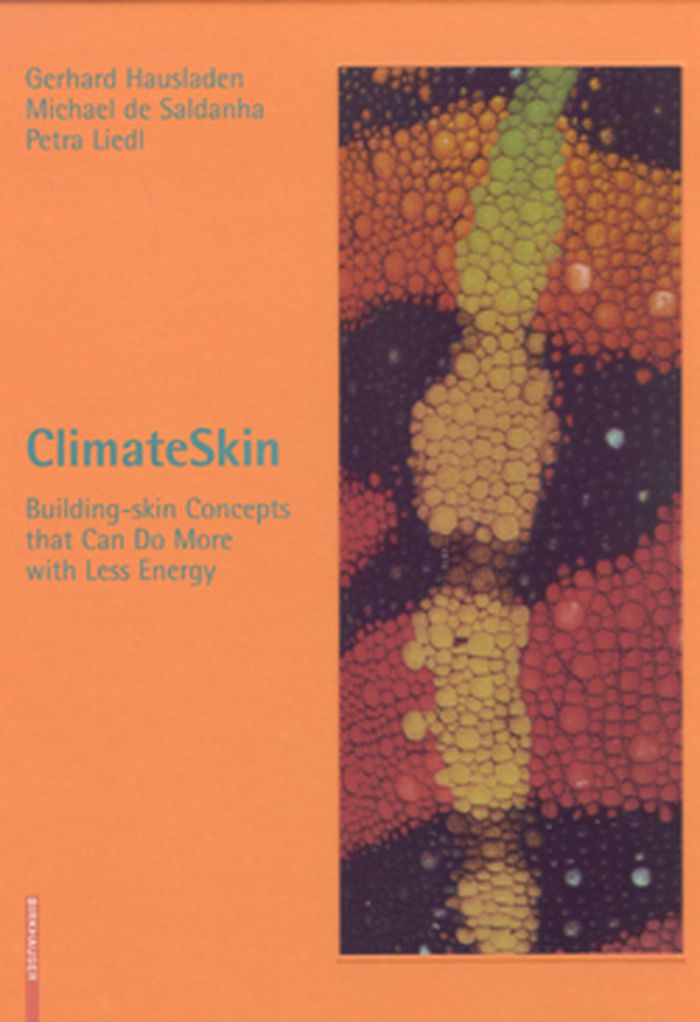
The facade plays a critical role in the conception of energy- and climate-optimized buildings: it is the building’s skin and functions as an interface between interior and exterior space. It provides thermal and sound insulation and ventilation, and controls and guides the entrance of daylight into the building. Climate Skin offers concrete planning advice for architects and engineers who wish to exploit not only the architectural potential of facades but also their energy and climate-control possibilities, treating the building envelope as an essential component within a complete climate-control and technology solution. It provides a solid foundation of knowledge that equips the reader to make competent technical and economic evaluations of building envelopes. For everyone concerned with facades, Climate Skin is a comprehensive planning handbook and reference work that covers all of the relevant technical and physical aspects of the design and detailed planning of energy-efficient facades.
Climateskin
Actions:
Prix:
$91.95
(disponible sur commande)
Résumé:
The facade plays a critical role in the conception of energy- and climate-optimized buildings: it is the building’s skin and functions as an interface between interior and exterior space. It provides thermal and sound insulation and ventilation, and controls and guides the entrance of daylight into the building. Climate Skin offers concrete planning advice for architects and engineers who wish to exploit not only the architectural potential of facades but also their energy and climate-control possibilities, treating the building envelope as an essential component within a complete climate-control and technology solution. It provides a solid foundation of knowledge that equips the reader to make competent technical and economic evaluations of building envelopes. For everyone concerned with facades, Climate Skin is a comprehensive planning handbook and reference work that covers all of the relevant technical and physical aspects of the design and detailed planning of energy-efficient facades.
Classification:
livres
livres
Publication:
novembre 2007, Basel, Boston, Berlin
novembre 2007, Basel, Boston, Berlin
Sujet:
Architecture écologique
Architecture écologique
Classification:
livres
livres
Actions:
Prix:
$54.95
(disponible sur commande)
Résumé:
Urbanisation is the driver behind China's economic, political and social advances, with the Chinese media reporting that 183 Chinese cities now aim to develop and present themselves as modern international metropolises. Via interviews, reports and photographs, the authors examine the characteristics and potential of these cities. The book examines what constitutes a(...)
$54.95
(disponible sur commande)
Résumé:
Urbanisation is the driver behind China's economic, political and social advances, with the Chinese media reporting that 183 Chinese cities now aim to develop and present themselves as modern international metropolises. Via interviews, reports and photographs, the authors examine the characteristics and potential of these cities. The book examines what constitutes a(...)
Publication:
février 2012
février 2012
Titre:
How the city moved to Mr Sun: China's new megacities
Actions:
Prix:
$54.95
(disponible sur commande)
Résumé:
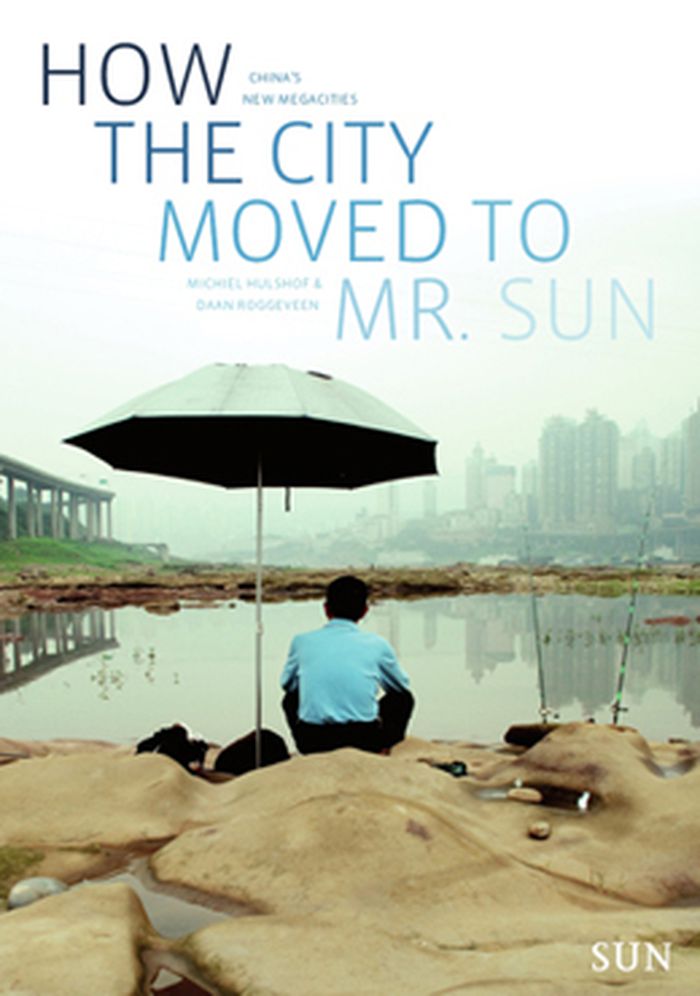
Urbanisation is the driver behind China's economic, political and social advances, with the Chinese media reporting that 183 Chinese cities now aim to develop and present themselves as modern international metropolises. Via interviews, reports and photographs, the authors examine the characteristics and potential of these cities. The book examines what constitutes a contemporary world city, where skyscrapers and big populations must blend with an international reputation, a lively cultural life, and ethnic diversity. The authors investigate the extent to which these criteria are already being achieved in China, and how they impact on the country's vision of its urban future.
How the city moved to Mr Sun: China's new megacities
Actions:
Prix:
$54.95
(disponible sur commande)
Résumé:
Urbanisation is the driver behind China's economic, political and social advances, with the Chinese media reporting that 183 Chinese cities now aim to develop and present themselves as modern international metropolises. Via interviews, reports and photographs, the authors examine the characteristics and potential of these cities. The book examines what constitutes a contemporary world city, where skyscrapers and big populations must blend with an international reputation, a lively cultural life, and ethnic diversity. The authors investigate the extent to which these criteria are already being achieved in China, and how they impact on the country's vision of its urban future.
Classification:
livres
livres
Publication:
février 2012
février 2012
Classification:
livres
livres
Actions:
Prix:
$34.95
(disponible en magasin)
Résumé:
Jadric examines the evolving concept of family in contemporary society, emphasizing that it extends beyond traditional nuclear units to encompass broader communities such as neighborhoods, co-living arrangements, and working groups. These diverse forms of "family" have increasingly adopted the characteristics of closely-knit, mutually supportive social groups, providing(...)
$34.95
(disponible en magasin)
Résumé:
Jadric examines the evolving concept of family in contemporary society, emphasizing that it extends beyond traditional nuclear units to encompass broader communities such as neighborhoods, co-living arrangements, and working groups. These diverse forms of "family" have increasingly adopted the characteristics of closely-knit, mutually supportive social groups, providing(...)
Titre:
Intimate spaces: Exploring adaptive living spaces in a pandemic era
Actions:
Prix:
$34.95
(disponible en magasin)
Résumé:
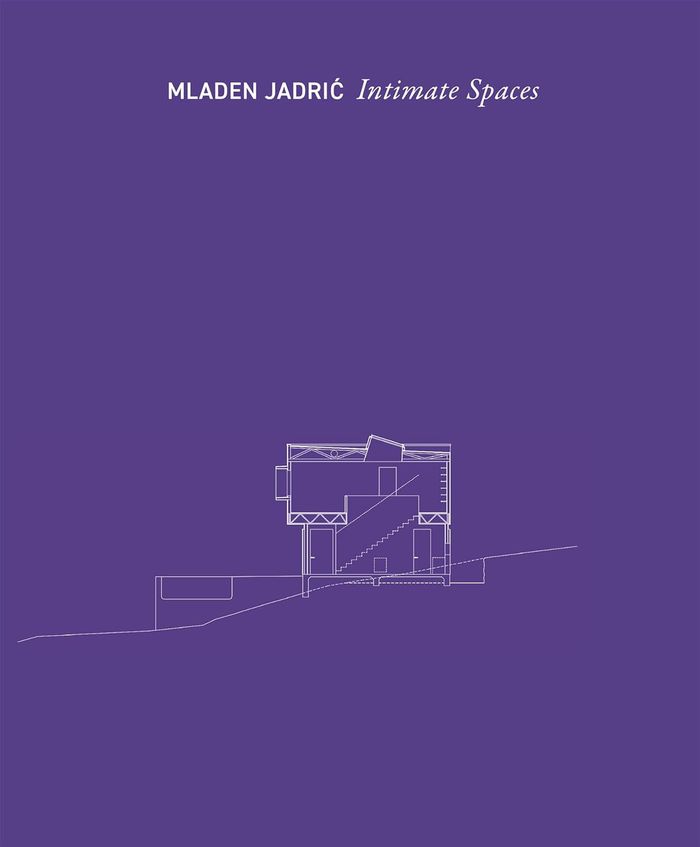
Jadric examines the evolving concept of family in contemporary society, emphasizing that it extends beyond traditional nuclear units to encompass broader communities such as neighborhoods, co-living arrangements, and working groups. These diverse forms of "family" have increasingly adopted the characteristics of closely-knit, mutually supportive social groups, providing solace and resilience during challenging times. Through the lens of three distinct projects, Jadric illustrates the diverse rhythms of life experienced by different families navigating the balance between privacy and public engagement. Each project represents a unique interpretation of adaptive living spaces, offering a spectrum of possibilities for self-determination and fulfillment. "Intimate spaces" serves as a thought-provoking resource for architects, urban planners, policymakers, and anyone interested in reimagining the way we live in an ever-changing world. It offers insights into the profound impact of the built environment on our daily lives and emphasizes the potential of innovative design solutions to enhance our collective resilience and quality of life.
Intimate spaces: Exploring adaptive living spaces in a pandemic era
Actions:
Prix:
$34.95
(disponible en magasin)
Résumé:
Jadric examines the evolving concept of family in contemporary society, emphasizing that it extends beyond traditional nuclear units to encompass broader communities such as neighborhoods, co-living arrangements, and working groups. These diverse forms of "family" have increasingly adopted the characteristics of closely-knit, mutually supportive social groups, providing solace and resilience during challenging times. Through the lens of three distinct projects, Jadric illustrates the diverse rhythms of life experienced by different families navigating the balance between privacy and public engagement. Each project represents a unique interpretation of adaptive living spaces, offering a spectrum of possibilities for self-determination and fulfillment. "Intimate spaces" serves as a thought-provoking resource for architects, urban planners, policymakers, and anyone interested in reimagining the way we live in an ever-changing world. It offers insights into the profound impact of the built environment on our daily lives and emphasizes the potential of innovative design solutions to enhance our collective resilience and quality of life.
Classification:
livres
livres
Publication:
février 2025
février 2025
Sujet:
Architecture résidentielle
Architecture résidentielle
Classification:
livres
livres
Actions:
Exemplaires:
Description:
vj, [2], 240 pages, CXX [120] leaves of plates : illustrations, plans, diagrams (engravings) ; 27 cm
Description:
vj, [2], 240 pages, CXX [120] leaves of plates : illustrations, plans, diagrams (engravings) ; 27 cm
Auteur:
Sujet:
Publication:
A Paris, quai des Augustins : chez Charles-Antoine Jombert, Libraire du Roi pour l'Artillerie & le Génie, au coin de la rue Gille-cœur, à l'Image Notre-Dame, M. DCC. L. [1750]
A Paris, quai des Augustins : chez Charles-Antoine Jombert, Libraire du Roi pour l'Artillerie & le Génie, au coin de la rue Gille-cœur, à l'Image Notre-Dame, M. DCC. L. [1750]
Titre:
Traité de perspective a l'usage des artistes : où l'on démontre géométriquement toutes les pratiques de cette science, & où l'on enseigne, selon la méthode de M. le Clerc, à mettre toutes sortes d'objets en perspective, leur réverbération dans l'eau, & leurs ombres, tant au soleil qu'au flambeau / par M. Edme-Sebastien Jeaurat, (ingénieur-géographe du roi).
Actions:
Exemplaires:
Description:
vj, [2], 240 pages, CXX [120] leaves of plates : illustrations, plans, diagrams (engravings) ; 27 cm
Traité de perspective a l'usage des artistes : où l'on démontre géométriquement toutes les pratiques de cette science, & où l'on enseigne, selon la méthode de M. le Clerc, à mettre toutes sortes d'objets en perspective, leur réverbération dans l'eau, & leurs ombres, tant au soleil qu'au flambeau / par M. Edme-Sebastien Jeaurat, (ingénieur-géographe du roi).
Actions:
Exemplaires:
Description:
vj, [2], 240 pages, CXX [120] leaves of plates : illustrations, plans, diagrams (engravings) ; 27 cm
Classification:
livres
livres
Publication:
A Paris, quai des Augustins : chez Charles-Antoine Jombert, Libraire du Roi pour l'Artillerie & le Génie, au coin de la rue Gille-cœur, à l'Image Notre-Dame, M. DCC. L. [1750]
A Paris, quai des Augustins : chez Charles-Antoine Jombert, Libraire du Roi pour l'Artillerie & le Génie, au coin de la rue Gille-cœur, à l'Image Notre-Dame, M. DCC. L. [1750]
Auteur:
Sujet:
Classification:
livres
livres
Actions:
Prix:
$104.00
(disponible sur commande)
Résumé:
At last architects have discovered the free form shape – multiple curved surfaces, which do not exist in Cartesian geometry. What has long been usual in product design is now being adopted in architecture, these shapes are being generated by special software, and then they are subsequently built. Some young and innovative architectural firms have seized the(...)
$104.00
(disponible sur commande)
Résumé:
At last architects have discovered the free form shape – multiple curved surfaces, which do not exist in Cartesian geometry. What has long been usual in product design is now being adopted in architecture, these shapes are being generated by special software, and then they are subsequently built. Some young and innovative architectural firms have seized the(...)
Titre:
digital / real – blobmeister, first built projects
Actions:
Prix:
$104.00
(disponible sur commande)
Résumé:
At last architects have discovered the free form shape – multiple curved surfaces, which do not exist in Cartesian geometry. What has long been usual in product design is now being adopted in architecture, these shapes are being generated by special software, and then they are subsequently built. Some young and innovative architectural firms have seized the opportunity to expand the boundaries of architectural space, showing a willingness to experiment with the new technology, and these young architects, or "blobmeister" as Wes Jones rather negatively called them, are now moving on to built examples. In this book, 11 examples from Europe, the USA and Japan are presented, showing that far from being out of touch with reality, cyber-architects do transform their dreams into actual buildings, thus concluding the endless alternatives and possibilities implicit in every design. For it is only built architecture which shows true mastery. This volume extensively documents the complex design process, from the digital conception of the designs, the creation of models, to the final photographs of the building sites and the finished structures. Thematic essays give the reader an insight into the history of the digital scene, assessing its influence on architectural culture to date and evaluating its future potential. The accompanying CD-ROM shows dynamic animations.
digital / real – blobmeister, first built projects
Actions:
Prix:
$104.00
(disponible sur commande)
Résumé:
At last architects have discovered the free form shape – multiple curved surfaces, which do not exist in Cartesian geometry. What has long been usual in product design is now being adopted in architecture, these shapes are being generated by special software, and then they are subsequently built. Some young and innovative architectural firms have seized the opportunity to expand the boundaries of architectural space, showing a willingness to experiment with the new technology, and these young architects, or "blobmeister" as Wes Jones rather negatively called them, are now moving on to built examples. In this book, 11 examples from Europe, the USA and Japan are presented, showing that far from being out of touch with reality, cyber-architects do transform their dreams into actual buildings, thus concluding the endless alternatives and possibilities implicit in every design. For it is only built architecture which shows true mastery. This volume extensively documents the complex design process, from the digital conception of the designs, the creation of models, to the final photographs of the building sites and the finished structures. Thematic essays give the reader an insight into the history of the digital scene, assessing its influence on architectural culture to date and evaluating its future potential. The accompanying CD-ROM shows dynamic animations.
Classification:
livres
livres
Publication:
août 2001, Basel
août 2001, Basel
Classification:
livres
livres
Titre:
Rick Mather architects
Rick Mather architects
Actions:
Prix:
$59.95
(disponible sur commande)
Résumé:
The Ashmolean Museum in Oxford is the oldest museum in the country, however, behind a distinguished facade by CR Cockerell lies a confused accretion of buildings that neither does justice to Cockerell nor develops the full potential of the Museum. By 2008 the museum will have doubled its floor space with six new storeys of galleries, education and conservation centres,(...)
$59.95
(disponible sur commande)
Résumé:
The Ashmolean Museum in Oxford is the oldest museum in the country, however, behind a distinguished facade by CR Cockerell lies a confused accretion of buildings that neither does justice to Cockerell nor develops the full potential of the Museum. By 2008 the museum will have doubled its floor space with six new storeys of galleries, education and conservation centres,(...)
Sujet:
Architecture, monographies
Architecture, monographies
Publication:
mars 2006, London
mars 2006, London
Titre:
Rick Mather architects
Actions:
Prix:
$59.95
(disponible sur commande)
Résumé:
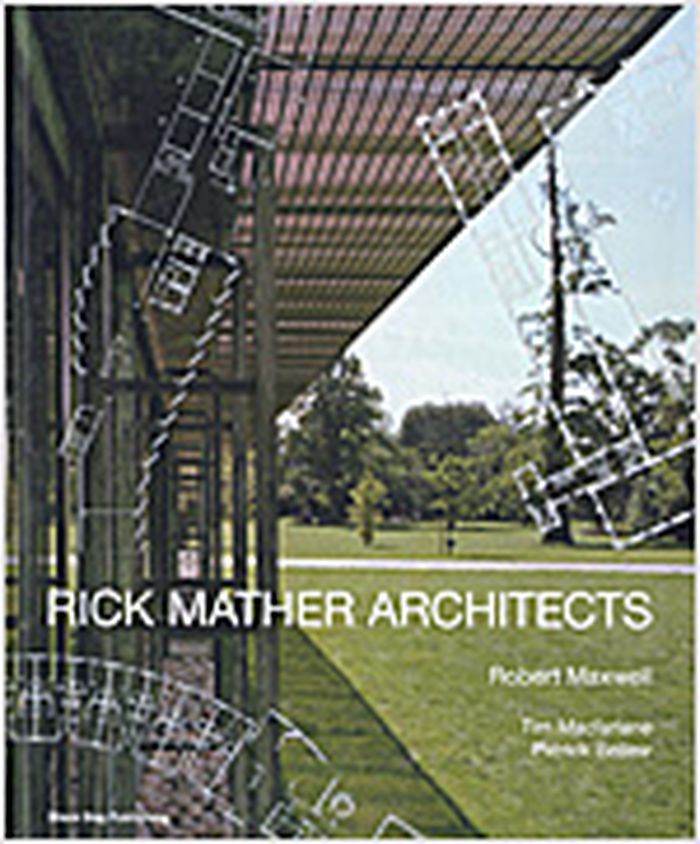
The Ashmolean Museum in Oxford is the oldest museum in the country, however, behind a distinguished facade by CR Cockerell lies a confused accretion of buildings that neither does justice to Cockerell nor develops the full potential of the Museum. By 2008 the museum will have doubled its floor space with six new storeys of galleries, education and conservation centres, and a roof top restaurant. This is just the latest in a long line of distinguished projects that have seen Rick Mather Architects become one of the most influential and well respected firms in the world today. "Rick Mather architects" explores the full scope of the 500 projects that the office has undertaken over the past 33 years. Best known for their award winning museum extensions, such as the Dulwich Picture Gallery and the National Maritime Museum, and their major new expansion to the Virginia Museum of Fine Arts in Richmond, USA, which is currently on site and due to complete in 2008, their portfolio spans a broad spectrum of projects including residential and student housing, masterplans, of which the first phase of their masterplan for London’s South Bank is nearing completion, including both renovations and new buildings. Essays by architectural historian and former Dean of Architecture at Princeton, Robert Maxwell; architect and structural engineer Tim Macfarlane, renowned for his pioneering work in structural glass; and Patrick Bellew, distinguished for his commitment to ‘green’ engineering, form the backbone of this study. As a firm Rick Mather Architects bridges the space between the street and the interior, the old and the new, infusing their buildings with a distinct architectural identity. They are renowned for their intuitive sense of place and context, as well as their pioneering technologies in structural glass and sustainable design. Rick Mather Architects draws on Mather’s original plans and drawings and does full justice to the firm’s unique subtlety.
Rick Mather architects
Actions:
Prix:
$59.95
(disponible sur commande)
Résumé:
The Ashmolean Museum in Oxford is the oldest museum in the country, however, behind a distinguished facade by CR Cockerell lies a confused accretion of buildings that neither does justice to Cockerell nor develops the full potential of the Museum. By 2008 the museum will have doubled its floor space with six new storeys of galleries, education and conservation centres, and a roof top restaurant. This is just the latest in a long line of distinguished projects that have seen Rick Mather Architects become one of the most influential and well respected firms in the world today. "Rick Mather architects" explores the full scope of the 500 projects that the office has undertaken over the past 33 years. Best known for their award winning museum extensions, such as the Dulwich Picture Gallery and the National Maritime Museum, and their major new expansion to the Virginia Museum of Fine Arts in Richmond, USA, which is currently on site and due to complete in 2008, their portfolio spans a broad spectrum of projects including residential and student housing, masterplans, of which the first phase of their masterplan for London’s South Bank is nearing completion, including both renovations and new buildings. Essays by architectural historian and former Dean of Architecture at Princeton, Robert Maxwell; architect and structural engineer Tim Macfarlane, renowned for his pioneering work in structural glass; and Patrick Bellew, distinguished for his commitment to ‘green’ engineering, form the backbone of this study. As a firm Rick Mather Architects bridges the space between the street and the interior, the old and the new, infusing their buildings with a distinct architectural identity. They are renowned for their intuitive sense of place and context, as well as their pioneering technologies in structural glass and sustainable design. Rick Mather Architects draws on Mather’s original plans and drawings and does full justice to the firm’s unique subtlety.
Classification:
livres
livres
Publication:
mars 2006, London
mars 2006, London
Sujet:
Architecture, monographies
Architecture, monographies
Classification:
livres
livres
Actions:
Prix:
$120.00
(disponible sur commande)
Résumé:
What is architecture when computers redefine it? Two books explore the nature and potential of architecture in the age of artificial intelligence. Inspired by architect Fritz Haller (1924-2012), a virtual persona asks him about the architecture of the future. The first book uses artificial intelligence to network the Internet of Things into a new architecture. The second(...)
$120.00
(disponible sur commande)
Résumé:
What is architecture when computers redefine it? Two books explore the nature and potential of architecture in the age of artificial intelligence. Inspired by architect Fritz Haller (1924-2012), a virtual persona asks him about the architecture of the future. The first book uses artificial intelligence to network the Internet of Things into a new architecture. The second(...)
Titre:
Jointing things... on Fritz Haller volume 1 & 2
Actions:
Prix:
$120.00
(disponible sur commande)
Résumé:
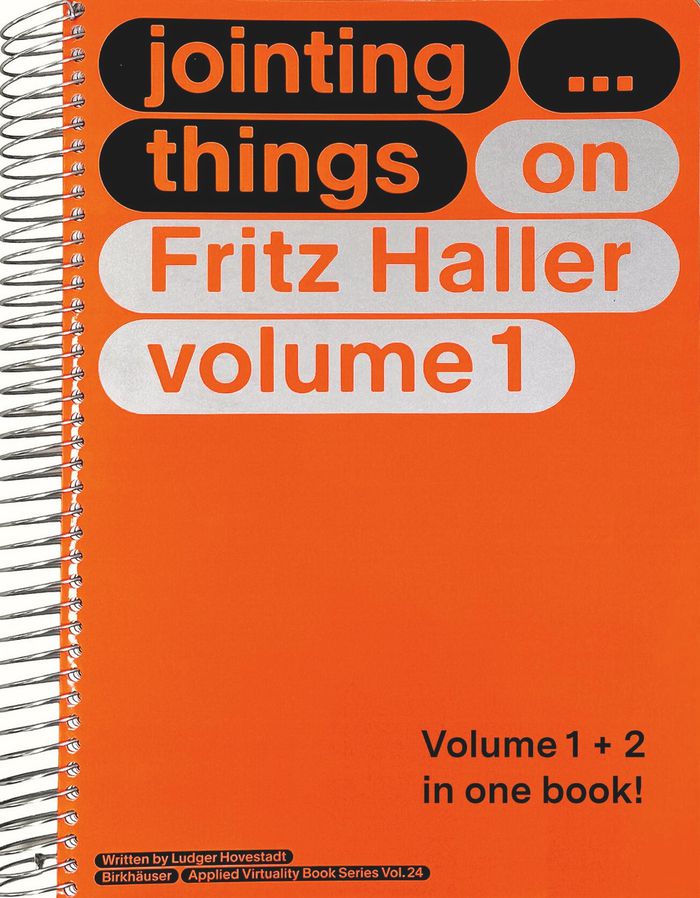
What is architecture when computers redefine it? Two books explore the nature and potential of architecture in the age of artificial intelligence. Inspired by architect Fritz Haller (1924-2012), a virtual persona asks him about the architecture of the future. The first book uses artificial intelligence to network the Internet of Things into a new architecture. The second presents six works by Fritz Haller in the multidisciplinary light of the 2020s and shows them like icons that already contain what was only thought of later. The two volumes are neither historical nor analytical - they are visionary and projective and, in some respects, represent an experiment in themselves. They show an architecture that does rethink and does not evaluate.
Jointing things... on Fritz Haller volume 1 & 2
Actions:
Prix:
$120.00
(disponible sur commande)
Résumé:
What is architecture when computers redefine it? Two books explore the nature and potential of architecture in the age of artificial intelligence. Inspired by architect Fritz Haller (1924-2012), a virtual persona asks him about the architecture of the future. The first book uses artificial intelligence to network the Internet of Things into a new architecture. The second presents six works by Fritz Haller in the multidisciplinary light of the 2020s and shows them like icons that already contain what was only thought of later. The two volumes are neither historical nor analytical - they are visionary and projective and, in some respects, represent an experiment in themselves. They show an architecture that does rethink and does not evaluate.
Classification:
livres
livres
Publication:
mai 2026
mai 2026
Sujet:
Théorie de l’architecture
Théorie de l’architecture
Classification:
livres
livres
Prix:
$50.00
(disponible sur commande)
Résumé:
With the Luxembourg Pavilion for EXPO 2010 in Shanghai, the internationally renowned practice of Hermann & Valentiny und Partner demonstrates the utmost potential of the alliance of architecture and art.
$50.00
(disponible sur commande)
Résumé:
With the Luxembourg Pavilion for EXPO 2010 in Shanghai, the internationally renowned practice of Hermann & Valentiny und Partner demonstrates the utmost potential of the alliance of architecture and art.
Publication:
mai 2010
mai 2010
Titre:
Hermann & Valentiny : Luxembourg expo pavilion 2010, Shanghai
Actions:
Prix:
$50.00
(disponible sur commande)
Résumé:
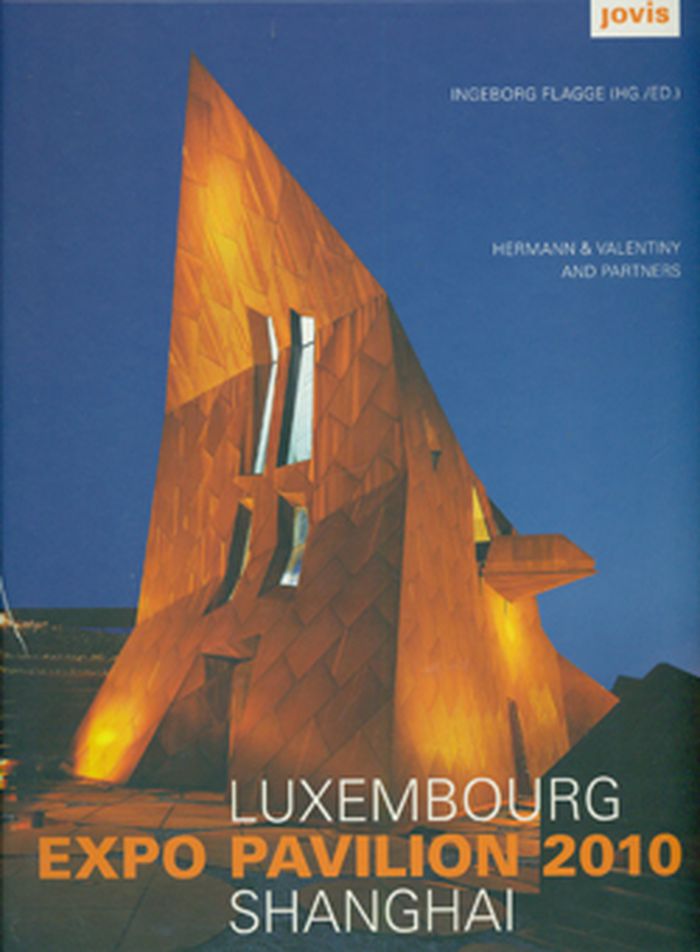
With the Luxembourg Pavilion for EXPO 2010 in Shanghai, the internationally renowned practice of Hermann & Valentiny und Partner demonstrates the utmost potential of the alliance of architecture and art.
Hermann & Valentiny : Luxembourg expo pavilion 2010, Shanghai
Actions:
Prix:
$50.00
(disponible sur commande)
Résumé:
With the Luxembourg Pavilion for EXPO 2010 in Shanghai, the internationally renowned practice of Hermann & Valentiny und Partner demonstrates the utmost potential of the alliance of architecture and art.
Classification:
livres
livres
Publication:
mai 2010
mai 2010
Classification:
livres
livres
Actions:
Prix:
$26.00
(disponible sur commande)
Résumé:
Tommy Douglas was a Scottish-born prairie politician who believed in the enormous potential of co-operative action for the common good. Award-winning novelist and medical doctor Vincent Lam brings special insight to his portrait of Douglas, who grew up to become a champion boxer and a Baptist minister and then later exchanged the pulpit for a political platform. A(...)
$26.00
(disponible sur commande)
Résumé:
Tommy Douglas was a Scottish-born prairie politician who believed in the enormous potential of co-operative action for the common good. Award-winning novelist and medical doctor Vincent Lam brings special insight to his portrait of Douglas, who grew up to become a champion boxer and a Baptist minister and then later exchanged the pulpit for a political platform. A(...)
Titre:
Tommy Douglas: extraordinary Canadians
Actions:
Prix:
$26.00
(disponible sur commande)
Résumé:
Tommy Douglas was a Scottish-born prairie politician who believed in the enormous potential of co-operative action for the common good. Award-winning novelist and medical doctor Vincent Lam brings special insight to his portrait of Douglas, who grew up to become a champion boxer and a Baptist minister and then later exchanged the pulpit for a political platform. A powerful orator and tireless activist, he served for seventeen years as premier of Saskatchewan, where he introduced the universal health care program that would eventually be adopted across Canada . As the new leader of the New Democratic Party, he was a staunch advocate of programs aimed at improving the well-being of ordinary Canadians and a steadfast defender of civil liberties. By his example and unflagging efforts, Douglas made democratic socialism a part of mainstream Canadian political life.
Tommy Douglas: extraordinary Canadians
Actions:
Prix:
$26.00
(disponible sur commande)
Résumé:
Tommy Douglas was a Scottish-born prairie politician who believed in the enormous potential of co-operative action for the common good. Award-winning novelist and medical doctor Vincent Lam brings special insight to his portrait of Douglas, who grew up to become a champion boxer and a Baptist minister and then later exchanged the pulpit for a political platform. A powerful orator and tireless activist, he served for seventeen years as premier of Saskatchewan, where he introduced the universal health care program that would eventually be adopted across Canada . As the new leader of the New Democratic Party, he was a staunch advocate of programs aimed at improving the well-being of ordinary Canadians and a steadfast defender of civil liberties. By his example and unflagging efforts, Douglas made democratic socialism a part of mainstream Canadian political life.
Classification:
livres
livres
Publication:
mars 2012
mars 2012
Sujet:
Architecture du Canada
Architecture du Canada
Classification:
livres
livres
Titre:
The smart house
The smart house
Actions:
Prix:
$59.95
(disponible sur commande)
Résumé:
Divided into three sections, "The Smart House" illustrates how technology is changing our homes. The book looks at three areas: Smart Technology, which examines five aspects of technology and how it's being integrated throughout the house: lighting design and window treatments; audio and video entertainment; voice and data management; security and access; and(...)
$59.95
(disponible sur commande)
Résumé:
Divided into three sections, "The Smart House" illustrates how technology is changing our homes. The book looks at three areas: Smart Technology, which examines five aspects of technology and how it's being integrated throughout the house: lighting design and window treatments; audio and video entertainment; voice and data management; security and access; and(...)
Sujet:
Architecture résidentielle
Architecture résidentielle
Publication:
novembre 2003, New York
novembre 2003, New York
Titre:
The smart house
Actions:
Prix:
$59.95
(disponible sur commande)
Résumé:
Divided into three sections, "The Smart House" illustrates how technology is changing our homes. The book looks at three areas: Smart Technology, which examines five aspects of technology and how it's being integrated throughout the house: lighting design and window treatments; audio and video entertainment; voice and data management; security and access; and environmental controls and energy management. Smart Materials, which shows new building materials such as titanium, electronic glass that can become transparent or opaque at the flick of a switch, polycarbonate materials, laser-perforated metals, all of which are changing the way homes are built and the ways in which we use and perceive spaces within these structures. Smart Design looks at more extravagant innovations such as swimming pools cantilevered in mid-air, windows that recreate digital views at night, interior spaces whose functions are transformed through architectural slight of hand and computer aided design, all of which point to new ways of thinking about how we live and how we use space in this increasingly space-challenged world. Case studies of ten recently constructed homes are detailed to illustrate each aspect of this technology and to show the full potential technology affords modern home design.
The smart house
Actions:
Prix:
$59.95
(disponible sur commande)
Résumé:
Divided into three sections, "The Smart House" illustrates how technology is changing our homes. The book looks at three areas: Smart Technology, which examines five aspects of technology and how it's being integrated throughout the house: lighting design and window treatments; audio and video entertainment; voice and data management; security and access; and environmental controls and energy management. Smart Materials, which shows new building materials such as titanium, electronic glass that can become transparent or opaque at the flick of a switch, polycarbonate materials, laser-perforated metals, all of which are changing the way homes are built and the ways in which we use and perceive spaces within these structures. Smart Design looks at more extravagant innovations such as swimming pools cantilevered in mid-air, windows that recreate digital views at night, interior spaces whose functions are transformed through architectural slight of hand and computer aided design, all of which point to new ways of thinking about how we live and how we use space in this increasingly space-challenged world. Case studies of ten recently constructed homes are detailed to illustrate each aspect of this technology and to show the full potential technology affords modern home design.
Classification:
livres
livres
Publication:
novembre 2003, New York
novembre 2003, New York
Sujet:
Architecture résidentielle
Architecture résidentielle


