


9192 Résultats
Classification:
documents textuels
documents textuels
Numéro de référence:
ARCH257317
Description:
N.Sinclair Job Meeting, N.S Weekly report/Site Work, Swen Wooster Engineering Co. Men's Residence, Superior concrete products, specification/standardization, specifications for combined clock, program and control system, SFU snk bar, Parking infomartion, Site Tendering, SFU Sales Tax information, Thomson D.W & Co. Ltd, SFU Tendering Central Mall, SFU Tendering women's residences, site office Mr.D.Hrmisson, Tendering SFU clearing of the Land, SFU Tendering Water Tower, SFU Tendering outside Lighting, SFU Tendering Grading and Compacting, Traffic and Roads, E. Turner Public Relations Office, SFU Tendering water distribution system and sanitary system, Tower Antennas ect.
ARCH257317
Description:
N.Sinclair Job Meeting, N.S Weekly report/Site Work, Swen Wooster Engineering Co. Men's Residence, Superior concrete products, specification/standardization, specifications for combined clock, program and control system, SFU snk bar, Parking infomartion, Site Tendering, SFU Sales Tax information, Thomson D.W & Co. Ltd, SFU Tendering Central Mall, SFU Tendering women's residences, site office Mr.D.Hrmisson, Tendering SFU clearing of the Land, SFU Tendering Water Tower, SFU Tendering outside Lighting, SFU Tendering Grading and Compacting, Traffic and Roads, E. Turner Public Relations Office, SFU Tendering water distribution system and sanitary system, Tower Antennas ect.
Personnes et institutions:
Date:
1963-1968
1963-1968
Titre:
N.Sinclair Job Meeting, N.S Weekly report/Site Work, Swen Wooster Engineering Co. Men's Residence
Actions:
ARCH257317
Description:
N.Sinclair Job Meeting, N.S Weekly report/Site Work, Swen Wooster Engineering Co. Men's Residence, Superior concrete products, specification/standardization, specifications for combined clock, program and control system, SFU snk bar, Parking infomartion, Site Tendering, SFU Sales Tax information, Thomson D.W & Co. Ltd, SFU Tendering Central Mall, SFU Tendering women's residences, site office Mr.D.Hrmisson, Tendering SFU clearing of the Land, SFU Tendering Water Tower, SFU Tendering outside Lighting, SFU Tendering Grading and Compacting, Traffic and Roads, E. Turner Public Relations Office, SFU Tendering water distribution system and sanitary system, Tower Antennas ect.
N.Sinclair Job Meeting, N.S Weekly report/Site Work, Swen Wooster Engineering Co. Men's Residence
Actions:
ARCH257317
Description:
N.Sinclair Job Meeting, N.S Weekly report/Site Work, Swen Wooster Engineering Co. Men's Residence, Superior concrete products, specification/standardization, specifications for combined clock, program and control system, SFU snk bar, Parking infomartion, Site Tendering, SFU Sales Tax information, Thomson D.W & Co. Ltd, SFU Tendering Central Mall, SFU Tendering women's residences, site office Mr.D.Hrmisson, Tendering SFU clearing of the Land, SFU Tendering Water Tower, SFU Tendering outside Lighting, SFU Tendering Grading and Compacting, Traffic and Roads, E. Turner Public Relations Office, SFU Tendering water distribution system and sanitary system, Tower Antennas ect.
Classification:
documents textuels
documents textuels
Date:
1963-1968
1963-1968
Personnes et institutions:
Classification:
dessins
dessins
Titre:
Nurse’s Home de St. Boniface
Nurse’s Home de St. Boniface
Numéro de référence:
ARCH276434
Description:
Détails de la façade, du site, des étages, du toit et des fondations. Comprend aussi un devis technique contenant des informations sur la plomberie, l'électricité et le chauffage. Over & Munn.
ARCH276434
Description:
Détails de la façade, du site, des étages, du toit et des fondations. Comprend aussi un devis technique contenant des informations sur la plomberie, l'électricité et le chauffage. Over & Munn.
Personnes et institutions:
Date:
1927
1927
Titre:
Nurse’s Home de St. Boniface
Actions:
ARCH276434
Description:
Détails de la façade, du site, des étages, du toit et des fondations. Comprend aussi un devis technique contenant des informations sur la plomberie, l'électricité et le chauffage. Over & Munn.
Nurse’s Home de St. Boniface
Actions:
ARCH276434
Description:
Détails de la façade, du site, des étages, du toit et des fondations. Comprend aussi un devis technique contenant des informations sur la plomberie, l'électricité et le chauffage. Over & Munn.
Classification:
dessins
dessins
Date:
1927
1927
Personnes et institutions:
Classification:
événements
événements

Description:
Venez nous aider a ajouter les faits à Wikipédia sur les changements climatiques. Entrée gratuite, ouvert à tous.
Venez nous aider a ajouter les faits à Wikipédia sur les changements climatiques. Entrée gratuite, ouvert à tous.
Localisation:
Salle d’étude au CCA
Salle d’étude au CCA
Date:
30 avril 2025, 15h à 19h
30 avril 2025, 15h à 19h
Titre:
Le 3e Wiki Edit-a-thon : Editer pour la crise écologique
Actions:
Description:
Venez nous aider a ajouter les faits à Wikipédia sur les changements climatiques. Entrée gratuite, ouvert à tous.
Le 3e Wiki Edit-a-thon : Editer pour la crise écologique
Actions:
Description:
Venez nous aider a ajouter les faits à Wikipédia sur les changements climatiques. Entrée gratuite, ouvert à tous.
Classification:
événements
événements
Date:
30 avril 2025
15h à 19h
30 avril 2025
15h à 19h
Localisation:
Salle d’étude au CCA
Salle d’étude au CCA
Niveau de description archivistique:
Sous-série
Sous-série
Numéro de référence:
AP022.S3.SS3
Description:
Sub-series documents public relations, marketing activities and collaborations of the offices of Erickson / Massey and Arthur Erickson Architects in Vancouver, British columbia, and Toronto, Ontario. The material was intended for media and press releases, publications, photographs and information requests, presentations, publicity and marketing brochures, and includes project descriptions, photographs and slides, magazine articles and clippings, publication drawings, galley proofs for books and a Life Magazine article on the Graham House, correspondence, and printing plates for a publicity brochure. Sub-series also documents Erickson / Massey and Arthur Erickson Architects collaboration with Francisco Imported Furniture Ltd the company of Francisco Leopoldo Kripacz (b. 8 April, 1942 - d. 3 August, 2000). Kripacz was born in Caracas, Venezuela, educated in Europe, the United States, and studied design in Vancouver and New York. He also went to the University of British Columbia for a Bachelor of Commerce degree in 1964. He became a resident Canadian in 1961, and a Canadian citizen in 1973. In 1964 he founded an interior design and furniture import business in Vancouver with Arthur Erickson, and opened a showroom in Montreal (550 Sherbrooke St. West), in 1965. Kripacz designed the exhibition unit in Habitat 67 (by architect Moshe Safdie) for the 1967 World Exposition in Montreal, and created interiors for a private clientel as well as for many of Arthur Erickson's buildings. The latter included the Helmut Eppich House and Erickson's own residence in Vancouver, the Hilborn Residence in Ontario, the Prime Minister's office and resdence in Ottawa, the UBC Faculty Club, the Macmillan Blodel Bulding, Vancouver, the Bank of Canada Headquarters in Ottawa, the Student Union Building at Queen's University, Kingston, the Provincial Law Courts in Robson Square, Vancouver, Roy Thomson Hall and the Tech Mining offices in Toronto, the Canadian Chancery in Washington, D.C., amongst others. Material related to Francisco Imported Furniture Ltd Sub-series also contains professional correspondence with Arthur Erickson Architect, financial documents of Francisco Imported Furniture Ltd, furniture design proposals, photographs and personal correspondance files of Francisco Kripacz.
AP022.S3.SS3
Description:
Sub-series documents public relations, marketing activities and collaborations of the offices of Erickson / Massey and Arthur Erickson Architects in Vancouver, British columbia, and Toronto, Ontario. The material was intended for media and press releases, publications, photographs and information requests, presentations, publicity and marketing brochures, and includes project descriptions, photographs and slides, magazine articles and clippings, publication drawings, galley proofs for books and a Life Magazine article on the Graham House, correspondence, and printing plates for a publicity brochure. Sub-series also documents Erickson / Massey and Arthur Erickson Architects collaboration with Francisco Imported Furniture Ltd the company of Francisco Leopoldo Kripacz (b. 8 April, 1942 - d. 3 August, 2000). Kripacz was born in Caracas, Venezuela, educated in Europe, the United States, and studied design in Vancouver and New York. He also went to the University of British Columbia for a Bachelor of Commerce degree in 1964. He became a resident Canadian in 1961, and a Canadian citizen in 1973. In 1964 he founded an interior design and furniture import business in Vancouver with Arthur Erickson, and opened a showroom in Montreal (550 Sherbrooke St. West), in 1965. Kripacz designed the exhibition unit in Habitat 67 (by architect Moshe Safdie) for the 1967 World Exposition in Montreal, and created interiors for a private clientel as well as for many of Arthur Erickson's buildings. The latter included the Helmut Eppich House and Erickson's own residence in Vancouver, the Hilborn Residence in Ontario, the Prime Minister's office and resdence in Ottawa, the UBC Faculty Club, the Macmillan Blodel Bulding, Vancouver, the Bank of Canada Headquarters in Ottawa, the Student Union Building at Queen's University, Kingston, the Provincial Law Courts in Robson Square, Vancouver, Roy Thomson Hall and the Tech Mining offices in Toronto, the Canadian Chancery in Washington, D.C., amongst others. Material related to Francisco Imported Furniture Ltd Sub-series also contains professional correspondence with Arthur Erickson Architect, financial documents of Francisco Imported Furniture Ltd, furniture design proposals, photographs and personal correspondance files of Francisco Kripacz.
Personnes et institutions:
Date:
1967-1988
1967-1988
Titre:
Public relations, marketing and collaborations
Actions:
AP022.S3.SS3
Description:
Sub-series documents public relations, marketing activities and collaborations of the offices of Erickson / Massey and Arthur Erickson Architects in Vancouver, British columbia, and Toronto, Ontario. The material was intended for media and press releases, publications, photographs and information requests, presentations, publicity and marketing brochures, and includes project descriptions, photographs and slides, magazine articles and clippings, publication drawings, galley proofs for books and a Life Magazine article on the Graham House, correspondence, and printing plates for a publicity brochure. Sub-series also documents Erickson / Massey and Arthur Erickson Architects collaboration with Francisco Imported Furniture Ltd the company of Francisco Leopoldo Kripacz (b. 8 April, 1942 - d. 3 August, 2000). Kripacz was born in Caracas, Venezuela, educated in Europe, the United States, and studied design in Vancouver and New York. He also went to the University of British Columbia for a Bachelor of Commerce degree in 1964. He became a resident Canadian in 1961, and a Canadian citizen in 1973. In 1964 he founded an interior design and furniture import business in Vancouver with Arthur Erickson, and opened a showroom in Montreal (550 Sherbrooke St. West), in 1965. Kripacz designed the exhibition unit in Habitat 67 (by architect Moshe Safdie) for the 1967 World Exposition in Montreal, and created interiors for a private clientel as well as for many of Arthur Erickson's buildings. The latter included the Helmut Eppich House and Erickson's own residence in Vancouver, the Hilborn Residence in Ontario, the Prime Minister's office and resdence in Ottawa, the UBC Faculty Club, the Macmillan Blodel Bulding, Vancouver, the Bank of Canada Headquarters in Ottawa, the Student Union Building at Queen's University, Kingston, the Provincial Law Courts in Robson Square, Vancouver, Roy Thomson Hall and the Tech Mining offices in Toronto, the Canadian Chancery in Washington, D.C., amongst others. Material related to Francisco Imported Furniture Ltd Sub-series also contains professional correspondence with Arthur Erickson Architect, financial documents of Francisco Imported Furniture Ltd, furniture design proposals, photographs and personal correspondance files of Francisco Kripacz.
Public relations, marketing and collaborations
Actions:
AP022.S3.SS3
Description:
Sub-series documents public relations, marketing activities and collaborations of the offices of Erickson / Massey and Arthur Erickson Architects in Vancouver, British columbia, and Toronto, Ontario. The material was intended for media and press releases, publications, photographs and information requests, presentations, publicity and marketing brochures, and includes project descriptions, photographs and slides, magazine articles and clippings, publication drawings, galley proofs for books and a Life Magazine article on the Graham House, correspondence, and printing plates for a publicity brochure. Sub-series also documents Erickson / Massey and Arthur Erickson Architects collaboration with Francisco Imported Furniture Ltd the company of Francisco Leopoldo Kripacz (b. 8 April, 1942 - d. 3 August, 2000). Kripacz was born in Caracas, Venezuela, educated in Europe, the United States, and studied design in Vancouver and New York. He also went to the University of British Columbia for a Bachelor of Commerce degree in 1964. He became a resident Canadian in 1961, and a Canadian citizen in 1973. In 1964 he founded an interior design and furniture import business in Vancouver with Arthur Erickson, and opened a showroom in Montreal (550 Sherbrooke St. West), in 1965. Kripacz designed the exhibition unit in Habitat 67 (by architect Moshe Safdie) for the 1967 World Exposition in Montreal, and created interiors for a private clientel as well as for many of Arthur Erickson's buildings. The latter included the Helmut Eppich House and Erickson's own residence in Vancouver, the Hilborn Residence in Ontario, the Prime Minister's office and resdence in Ottawa, the UBC Faculty Club, the Macmillan Blodel Bulding, Vancouver, the Bank of Canada Headquarters in Ottawa, the Student Union Building at Queen's University, Kingston, the Provincial Law Courts in Robson Square, Vancouver, Roy Thomson Hall and the Tech Mining offices in Toronto, the Canadian Chancery in Washington, D.C., amongst others. Material related to Francisco Imported Furniture Ltd Sub-series also contains professional correspondence with Arthur Erickson Architect, financial documents of Francisco Imported Furniture Ltd, furniture design proposals, photographs and personal correspondance files of Francisco Kripacz.
Niveau de description archivistique:
sub-series
sub-series
Date:
1967-1988
1967-1988
Personnes et institutions:
Niveau de description archivistique:
Projet
Projet
Numéro de référence:
AP056.S1.1999.PR01
Description:
This project series documents the Canadian Embassy in Berlin, Germany from 1999-2005. The office identified the project number as 9903. This project consisted of a new embassy building for Canada in the reunified German capital located at the junction of Leipziger Platz and Potsdamer Platz. The embassy was built in joint venture with Gagnon Letellier Cyr Architects and Smith Carter Architects and Engineers. The firms were selected for the project by the Canadian Department of Foreign Affairs and International Trade after a national competition was held. The competition jury had chosen a different design, by architecture firm Saucier + Perrotte.[1] The embassy, built to follow the original octagonal wall of Leipziger Platz, had a stone exterior punched with windows, as dictated by the District Office of Central Berlin's guidelines.[2] It occupied the first four floors of the Leipziger Platz block and all floors of the Ebertstrasse block. Inside, the Focus Canada Centre off the Ebertstrasse entrance served as the central government information centre and included interactive kiosks. The Embassy Reception Hall, complete was an Inuksuk at its entrance, was a space that greeted guests and provided consular services. The Canada Lounge defined the ground floor and provided a space where visitors could engage with Canadian news through newspapers, radios and televisions. The cylindrical Great Timber Hall pierced through the embassy. This wood-lined space had a sky-light ceiling to allow natural light to flow inside and served as an executive meeting room and a space for special guests, entertainment, events and exhibits. Retail spaces were also provided along Vossstrasse and a residential component made up the upper floors of Leipziger Platz. The project is recorded through a model and drawings dating from 1998-2000. The large part of these drawings are sketches, but plans, elevations, sections, perspectives and details are also included. [1] Adele Weder, "A Berlin Chronicle," The Canadian Architect, June 20, 1999, 20-21. [2] "Canadian Embassy Berlin." KPMB. Accessed April 18, 2019. http://www.kpmb.com/project/canadian-embassy-berlin/
AP056.S1.1999.PR01
Description:
This project series documents the Canadian Embassy in Berlin, Germany from 1999-2005. The office identified the project number as 9903. This project consisted of a new embassy building for Canada in the reunified German capital located at the junction of Leipziger Platz and Potsdamer Platz. The embassy was built in joint venture with Gagnon Letellier Cyr Architects and Smith Carter Architects and Engineers. The firms were selected for the project by the Canadian Department of Foreign Affairs and International Trade after a national competition was held. The competition jury had chosen a different design, by architecture firm Saucier + Perrotte.[1] The embassy, built to follow the original octagonal wall of Leipziger Platz, had a stone exterior punched with windows, as dictated by the District Office of Central Berlin's guidelines.[2] It occupied the first four floors of the Leipziger Platz block and all floors of the Ebertstrasse block. Inside, the Focus Canada Centre off the Ebertstrasse entrance served as the central government information centre and included interactive kiosks. The Embassy Reception Hall, complete was an Inuksuk at its entrance, was a space that greeted guests and provided consular services. The Canada Lounge defined the ground floor and provided a space where visitors could engage with Canadian news through newspapers, radios and televisions. The cylindrical Great Timber Hall pierced through the embassy. This wood-lined space had a sky-light ceiling to allow natural light to flow inside and served as an executive meeting room and a space for special guests, entertainment, events and exhibits. Retail spaces were also provided along Vossstrasse and a residential component made up the upper floors of Leipziger Platz. The project is recorded through a model and drawings dating from 1998-2000. The large part of these drawings are sketches, but plans, elevations, sections, perspectives and details are also included. [1] Adele Weder, "A Berlin Chronicle," The Canadian Architect, June 20, 1999, 20-21. [2] "Canadian Embassy Berlin." KPMB. Accessed April 18, 2019. http://www.kpmb.com/project/canadian-embassy-berlin/
Personnes et institutions:
Date:
1998-2000
1998-2000
Titre:
Canadian Embassy, Berlin, Germany (1999-2005)
Actions:
AP056.S1.1999.PR01
Description:
This project series documents the Canadian Embassy in Berlin, Germany from 1999-2005. The office identified the project number as 9903. This project consisted of a new embassy building for Canada in the reunified German capital located at the junction of Leipziger Platz and Potsdamer Platz. The embassy was built in joint venture with Gagnon Letellier Cyr Architects and Smith Carter Architects and Engineers. The firms were selected for the project by the Canadian Department of Foreign Affairs and International Trade after a national competition was held. The competition jury had chosen a different design, by architecture firm Saucier + Perrotte.[1] The embassy, built to follow the original octagonal wall of Leipziger Platz, had a stone exterior punched with windows, as dictated by the District Office of Central Berlin's guidelines.[2] It occupied the first four floors of the Leipziger Platz block and all floors of the Ebertstrasse block. Inside, the Focus Canada Centre off the Ebertstrasse entrance served as the central government information centre and included interactive kiosks. The Embassy Reception Hall, complete was an Inuksuk at its entrance, was a space that greeted guests and provided consular services. The Canada Lounge defined the ground floor and provided a space where visitors could engage with Canadian news through newspapers, radios and televisions. The cylindrical Great Timber Hall pierced through the embassy. This wood-lined space had a sky-light ceiling to allow natural light to flow inside and served as an executive meeting room and a space for special guests, entertainment, events and exhibits. Retail spaces were also provided along Vossstrasse and a residential component made up the upper floors of Leipziger Platz. The project is recorded through a model and drawings dating from 1998-2000. The large part of these drawings are sketches, but plans, elevations, sections, perspectives and details are also included. [1] Adele Weder, "A Berlin Chronicle," The Canadian Architect, June 20, 1999, 20-21. [2] "Canadian Embassy Berlin." KPMB. Accessed April 18, 2019. http://www.kpmb.com/project/canadian-embassy-berlin/
Canadian Embassy, Berlin, Germany (1999-2005)
Actions:
AP056.S1.1999.PR01
Description:
This project series documents the Canadian Embassy in Berlin, Germany from 1999-2005. The office identified the project number as 9903. This project consisted of a new embassy building for Canada in the reunified German capital located at the junction of Leipziger Platz and Potsdamer Platz. The embassy was built in joint venture with Gagnon Letellier Cyr Architects and Smith Carter Architects and Engineers. The firms were selected for the project by the Canadian Department of Foreign Affairs and International Trade after a national competition was held. The competition jury had chosen a different design, by architecture firm Saucier + Perrotte.[1] The embassy, built to follow the original octagonal wall of Leipziger Platz, had a stone exterior punched with windows, as dictated by the District Office of Central Berlin's guidelines.[2] It occupied the first four floors of the Leipziger Platz block and all floors of the Ebertstrasse block. Inside, the Focus Canada Centre off the Ebertstrasse entrance served as the central government information centre and included interactive kiosks. The Embassy Reception Hall, complete was an Inuksuk at its entrance, was a space that greeted guests and provided consular services. The Canada Lounge defined the ground floor and provided a space where visitors could engage with Canadian news through newspapers, radios and televisions. The cylindrical Great Timber Hall pierced through the embassy. This wood-lined space had a sky-light ceiling to allow natural light to flow inside and served as an executive meeting room and a space for special guests, entertainment, events and exhibits. Retail spaces were also provided along Vossstrasse and a residential component made up the upper floors of Leipziger Platz. The project is recorded through a model and drawings dating from 1998-2000. The large part of these drawings are sketches, but plans, elevations, sections, perspectives and details are also included. [1] Adele Weder, "A Berlin Chronicle," The Canadian Architect, June 20, 1999, 20-21. [2] "Canadian Embassy Berlin." KPMB. Accessed April 18, 2019. http://www.kpmb.com/project/canadian-embassy-berlin/
Niveau de description archivistique:
Project
Project
Date:
1998-2000
1998-2000
Personnes et institutions:
Classification:
archives
Niveau de description archivistique:
Fonds
archives
Niveau de description archivistique:
Fonds
Numéro de référence:
CP138
Résumé:
The Gordon Matta-Clark collection documents the personal and professional activities of Gordon Matta-Clark through his correspondence, texts, library, artwork and films, created predominantly between 1969 and 1978. Additionally the collection contains correspondence and photographs collected by Anne Alpert, Matta-Clark's mother, and documentation on his work collected by his widow Jane Crawford following his death.
CP138
Résumé:
The Gordon Matta-Clark collection documents the personal and professional activities of Gordon Matta-Clark through his correspondence, texts, library, artwork and films, created predominantly between 1969 and 1978. Additionally the collection contains correspondence and photographs collected by Anne Alpert, Matta-Clark's mother, and documentation on his work collected by his widow Jane Crawford following his death.
Personnes et institutions:
Date:
1914-2008
1914-2008
Titre:
Collection Gordon Matta-Clark
Actions:
CP138
Résumé:
The Gordon Matta-Clark collection documents the personal and professional activities of Gordon Matta-Clark through his correspondence, texts, library, artwork and films, created predominantly between 1969 and 1978. Additionally the collection contains correspondence and photographs collected by Anne Alpert, Matta-Clark's mother, and documentation on his work collected by his widow Jane Crawford following his death.
Collection Gordon Matta-Clark
Actions:
CP138
Résumé:
The Gordon Matta-Clark collection documents the personal and professional activities of Gordon Matta-Clark through his correspondence, texts, library, artwork and films, created predominantly between 1969 and 1978. Additionally the collection contains correspondence and photographs collected by Anne Alpert, Matta-Clark's mother, and documentation on his work collected by his widow Jane Crawford following his death.
Classification:
archives
Niveau de description archivistique:
Collection
archives
Niveau de description archivistique:
Collection
Date:
1914-2008
1914-2008
Personnes et institutions:
Classification:
documents textuels
documents textuels
Numéro de référence:
ARCH256925
Description:
15 files - District 4-5 Plan from Borough of North York (1971); Orion Financial Group correspondence; blank forms; technical literature; research on concert halls/theatres; research on earth-sheltered architecture; letter from AEA expressing interest in submitting projects to Architectural Biennale Competition in Sofia, Bulgaria (1987); correspondence concerning computers; project status reports; 4 miscellaneous folders of correspondence concerning: talk with Dr. Hollenberg, office policies and memos, CCA exhibition catalogue (1987), requests for information, magazine clippings, minutes, Canadian Who's Who, King Abdulaziz University, Mundipharma, University of Arizona, Etisalat floor patterns, Town of Markham invoice, requests, press clippings, letters to AE, inter-office memos.
ARCH256925
Description:
15 files - District 4-5 Plan from Borough of North York (1971); Orion Financial Group correspondence; blank forms; technical literature; research on concert halls/theatres; research on earth-sheltered architecture; letter from AEA expressing interest in submitting projects to Architectural Biennale Competition in Sofia, Bulgaria (1987); correspondence concerning computers; project status reports; 4 miscellaneous folders of correspondence concerning: talk with Dr. Hollenberg, office policies and memos, CCA exhibition catalogue (1987), requests for information, magazine clippings, minutes, Canadian Who's Who, King Abdulaziz University, Mundipharma, University of Arizona, Etisalat floor patterns, Town of Markham invoice, requests, press clippings, letters to AE, inter-office memos.
Personnes et institutions:
Date:
1971, 1987-1988
1971, 1987-1988
Titre:
District 4-5 Plan from Borough of North York
Actions:
ARCH256925
Description:
15 files - District 4-5 Plan from Borough of North York (1971); Orion Financial Group correspondence; blank forms; technical literature; research on concert halls/theatres; research on earth-sheltered architecture; letter from AEA expressing interest in submitting projects to Architectural Biennale Competition in Sofia, Bulgaria (1987); correspondence concerning computers; project status reports; 4 miscellaneous folders of correspondence concerning: talk with Dr. Hollenberg, office policies and memos, CCA exhibition catalogue (1987), requests for information, magazine clippings, minutes, Canadian Who's Who, King Abdulaziz University, Mundipharma, University of Arizona, Etisalat floor patterns, Town of Markham invoice, requests, press clippings, letters to AE, inter-office memos.
District 4-5 Plan from Borough of North York
Actions:
ARCH256925
Description:
15 files - District 4-5 Plan from Borough of North York (1971); Orion Financial Group correspondence; blank forms; technical literature; research on concert halls/theatres; research on earth-sheltered architecture; letter from AEA expressing interest in submitting projects to Architectural Biennale Competition in Sofia, Bulgaria (1987); correspondence concerning computers; project status reports; 4 miscellaneous folders of correspondence concerning: talk with Dr. Hollenberg, office policies and memos, CCA exhibition catalogue (1987), requests for information, magazine clippings, minutes, Canadian Who's Who, King Abdulaziz University, Mundipharma, University of Arizona, Etisalat floor patterns, Town of Markham invoice, requests, press clippings, letters to AE, inter-office memos.
Classification:
documents textuels
documents textuels
Date:
1971, 1987-1988
1971, 1987-1988
Personnes et institutions:
Classification:
archives
Niveau de description archivistique:
Collection
archives
Niveau de description archivistique:
Collection
Titre:
Collection Rohault de Fleury
Collection Rohault de Fleury
Numéro de référence:
CI001
Résumé:
The Rohault de Fleury collection documents the work of three generations of French architects, Hubert, his son Charles, and his grandson Georges, spanning from the early 18th to late 19th century. The collection is extremely varied encompassing both private and government commissions and including domestic work, institutional buildings, commercial buildings, urban planning, and student work from both the École des beaux-arts and the École polytechnique, and archaeological studies. Stylistically, the projects incorporate the two dominant contemporary directions in French architecture - functionalism as advocated by Jean-Nicolas-Louis Durand and the classicism of the École des beaux-arts.
CI001
Résumé:
The Rohault de Fleury collection documents the work of three generations of French architects, Hubert, his son Charles, and his grandson Georges, spanning from the early 18th to late 19th century. The collection is extremely varied encompassing both private and government commissions and including domestic work, institutional buildings, commercial buildings, urban planning, and student work from both the École des beaux-arts and the École polytechnique, and archaeological studies. Stylistically, the projects incorporate the two dominant contemporary directions in French architecture - functionalism as advocated by Jean-Nicolas-Louis Durand and the classicism of the École des beaux-arts.
Personnes et institutions:
Date:
1717-[1884]
1717-[1884]
Titre:
Collection Rohault de Fleury
CI001
Résumé:
The Rohault de Fleury collection documents the work of three generations of French architects, Hubert, his son Charles, and his grandson Georges, spanning from the early 18th to late 19th century. The collection is extremely varied encompassing both private and government commissions and including domestic work, institutional buildings, commercial buildings, urban planning, and student work from both the École des beaux-arts and the École polytechnique, and archaeological studies. Stylistically, the projects incorporate the two dominant contemporary directions in French architecture - functionalism as advocated by Jean-Nicolas-Louis Durand and the classicism of the École des beaux-arts.
Collection Rohault de Fleury
CI001
Résumé:
The Rohault de Fleury collection documents the work of three generations of French architects, Hubert, his son Charles, and his grandson Georges, spanning from the early 18th to late 19th century. The collection is extremely varied encompassing both private and government commissions and including domestic work, institutional buildings, commercial buildings, urban planning, and student work from both the École des beaux-arts and the École polytechnique, and archaeological studies. Stylistically, the projects incorporate the two dominant contemporary directions in French architecture - functionalism as advocated by Jean-Nicolas-Louis Durand and the classicism of the École des beaux-arts.
Classification:
archives
Niveau de description archivistique:
Collection 1
archives
Niveau de description archivistique:
Collection 1
Date:
1717-[1884]
1717-[1884]
Personnes et institutions:
Classification:
expositions
expositions
Actions:
Description:
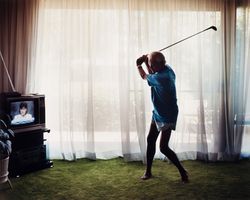
Nous tendons aujourd’hui à percevoir les banlieues comme informes, vacantes ou non durables, comparées à la densité sociale et à l’activité économique des villes. Sur les traces de… The Suburbs se penche sur la culture suburbaine des cinquante dernières années et présente des images tirées de la Collection du CCA, réalisés par des photographes à la fois attirés et rebutés(...)
Nous tendons aujourd’hui à percevoir les banlieues comme informes, vacantes ou non durables, comparées à la densité sociale et à l’activité économique des villes. Sur les traces de… The Suburbs se penche sur la culture suburbaine des cinquante dernières années et présente des images tirées de la Collection du CCA, réalisés par des photographes à la fois attirés et rebutés(...)
Localisation:
Vitrines
Vitrines
Date:
16 février 2012 au 10 juin 2012
16 février 2012 au 10 juin 2012
Titre:
Sur les traces de… The Suburbs
Actions:
Description:
Nous tendons aujourd’hui à percevoir les banlieues comme informes, vacantes ou non durables, comparées à la densité sociale et à l’activité économique des villes. Sur les traces de… The Suburbs se penche sur la culture suburbaine des cinquante dernières années et présente des images tirées de la Collection du CCA, réalisés par des photographes à la fois attirés et rebutés(...)
Sur les traces de… The Suburbs
Actions:
Description:
Nous tendons aujourd’hui à percevoir les banlieues comme informes, vacantes ou non durables, comparées à la densité sociale et à l’activité économique des villes. Sur les traces de… The Suburbs se penche sur la culture suburbaine des cinquante dernières années et présente des images tirées de la Collection du CCA, réalisés par des photographes à la fois attirés et rebutés(...)
Classification:
expositions
expositions
Date:
16 février 2012 au
10 juin 2012
16 février 2012 au
10 juin 2012
Localisation:
Vitrines
Vitrines
Classification:
dessins
dessins
Numéro de référence:
DR1988:0436:001-060
Description:
Hejduk was invited by the organizers of the XVII Triennale di Milano, under the direction of Pierluigi Nicolin, to submit a project for the Triennale's theme of 'Nine Projects for Nine Cities' (Shkapich, 12 Nov. 1992). This group of drawings and photocopies of preliminary sketches by Hejduk is based on the "MZ7" document, which was compiled under the direction of Giorgio Fiorese and Marsia Deimichei and includes site information and a series of photographs of the Bovisa district of Milan (Fiorese 1987, p. 41). Created by Hejduk in New York during the summer of 1986, the drawings are a combination of real and fictional architecture and figures based on the photographs of the "MZ7" document.
DR1988:0436:001-060
Description:
Hejduk was invited by the organizers of the XVII Triennale di Milano, under the direction of Pierluigi Nicolin, to submit a project for the Triennale's theme of 'Nine Projects for Nine Cities' (Shkapich, 12 Nov. 1992). This group of drawings and photocopies of preliminary sketches by Hejduk is based on the "MZ7" document, which was compiled under the direction of Giorgio Fiorese and Marsia Deimichei and includes site information and a series of photographs of the Bovisa district of Milan (Fiorese 1987, p. 41). Created by Hejduk in New York during the summer of 1986, the drawings are a combination of real and fictional architecture and figures based on the photographs of the "MZ7" document.
Personnes et institutions:
Sujet:
architecture, urbanisme
architecture, urbanisme
Date:
1986
1986
Titre:
Bovisa: A work by John Hejduk
Actions:
DR1988:0436:001-060
Description:
Hejduk was invited by the organizers of the XVII Triennale di Milano, under the direction of Pierluigi Nicolin, to submit a project for the Triennale's theme of 'Nine Projects for Nine Cities' (Shkapich, 12 Nov. 1992). This group of drawings and photocopies of preliminary sketches by Hejduk is based on the "MZ7" document, which was compiled under the direction of Giorgio Fiorese and Marsia Deimichei and includes site information and a series of photographs of the Bovisa district of Milan (Fiorese 1987, p. 41). Created by Hejduk in New York during the summer of 1986, the drawings are a combination of real and fictional architecture and figures based on the photographs of the "MZ7" document.
Bovisa: A work by John Hejduk
Actions:
DR1988:0436:001-060
Description:
Hejduk was invited by the organizers of the XVII Triennale di Milano, under the direction of Pierluigi Nicolin, to submit a project for the Triennale's theme of 'Nine Projects for Nine Cities' (Shkapich, 12 Nov. 1992). This group of drawings and photocopies of preliminary sketches by Hejduk is based on the "MZ7" document, which was compiled under the direction of Giorgio Fiorese and Marsia Deimichei and includes site information and a series of photographs of the Bovisa district of Milan (Fiorese 1987, p. 41). Created by Hejduk in New York during the summer of 1986, the drawings are a combination of real and fictional architecture and figures based on the photographs of the "MZ7" document.
Classification:
dessins
dessins
Date:
1986
1986
Personnes et institutions:
Sujet:
architecture, urbanisme
architecture, urbanisme


